




Today we’d like to introduce you to Donna Coulter.
Hi Donna, so excited to have you on the platform. So before we get into questions about your work-life, maybe you can bring our readers up to speed on your story and how you got to where you are today?
# HIGHER GROUND ABODES: OUR STORY OF FAITH AND COMMUNITY
## When a Seed Isn’t Watered
In 2016, my life looked fine—family functioning, work steady, health good. But inside, I was in anguish.
So I did what I’ve learned to do in those moments—I sat with God. Not asking for anything big. Just trying to understand what was off.
It hit me slowly: I had grown stagnant, no longer moving toward my purpose. Then, in meditation, God gave me one word: “cooperative.”
At first, it didn’t feel new—it felt familiar. Like something I had known before but hadn’t fully followed.
Then I remembered being about twelve years old, looking at my neighbor. He was struggling—mostly alone, dealing with addiction. And I remember thinking, even then: What if he didn’t have to live like that? What if he could live with others like himself—people who could help each other?
I didn’t know it at the time, but that was the seed.
## Ordered Steps: Taking the Journey
When I look back now, I can see something I couldn’t see then. God had been preparing me all along.
My first job at sixteen was as a teen pregnancy prevention counselor, talking with young people about real life—hard choices, consequences, and support. That work grew into supporting youth with disabilities, including time spent in a group home setting.
In college, I found myself drawn to sociology—trying to understand how people, environments, and systems all connect. Later, at Wayne State University, I worked with young people trying to find their path into college.
Then I spent twenty years in community mental health, helping ensure that people with disabilities had a voice in the systems shaping their lives.
At the time, it just felt like work. But looking back, it feels more connected than that. It feels like I was being trained—in listening, in shared decision-making, and in building something with people, not for them.
By the time the idea for Higher Ground Abodes started to take shape in 2018, I wasn’t starting from scratch. I had seen what didn’t work—housing that created dependence instead of stability. And I had a growing belief in what could work: people living together, supporting each other, and sharing responsibility.
Not charity—community.
I began sharing the idea with others—people I trusted and who shared my passion. Together, we started imagining what a cooperative housing model could look like. We spent 2020 and 2021 planning, learning, and building the foundation.
We didn’t have the money. We didn’t have a full plan. But we had clarity. And at that point, that was enough to move beyond talk and start building the community and relationships that have since fortified us.
## The Kuumba Collective: When It Got Real
In early 2021, I was learning from a group forming a community land trust when I was introduced to Kuumba Collective. It was started by a young woman named Audrey. She was just nineteen.
What she and others built wasn’t perfect, but it was real.
During the pandemic, their home became a place where people showed up for each other—sharing space, responsibilities, and care.
When Audrey and I first talked, I felt it right away—we were reaching for the same thing.
Higher Ground Abodes supported Kuumba Collective with funding to help them become a formal cooperative. They had already started some of the work—creating bylaws, studying models, and trying to build something sustainable.
But over time, things got heavy. The responsibility started to fall mostly on Audrey—financially, emotionally, all of it. And I watched that closely, not from a distance, but while walking alongside her.
At the time, it was hard to see it as anything but loss when the collective dissolved. But looking back, that experience taught me something I couldn’t ignore: young people can carry vision, but they shouldn’t have to carry it alone.
If cooperative housing is going to last, it needs sponsorship. It needs community. It needs something to hold people up when things get hard.
That lesson changed how I thought about everything.
## United Way and a Shift in Direction
In 2022, Audrey joined Higher Ground Abodes to apply for an innovation challenge through United Way. We didn’t just apply—we won two phases.
That gave us resources, but more importantly, it gave us space to think.
At the time, my original idea was simple: buy a house, fix it up, and make it affordable. But the market had shifted. Prices were rising fast. And I had to be honest with myself—the original plan wasn’t going to work the way I imagined.
Instead of forcing it, we stayed open.
That’s what led us to Cincinnati to learn about a model called Renting Partnerships. It was different. It kept the spirit of cooperative living but didn’t rush people into ownership before they were ready.
That’s when it clicked: what if our role wasn’t to hand over ownership right away, but to build people up first?
Give them the skills. Let them practice shared living. Let them learn governance, money management, and conflict resolution. Then ownership could come later—from a place of strength.
That shift changed everything.
## Level Up Camp: Letting Youth Lead
In 2023, we received another opportunity—this time to focus specifically on youth aging out of foster care.
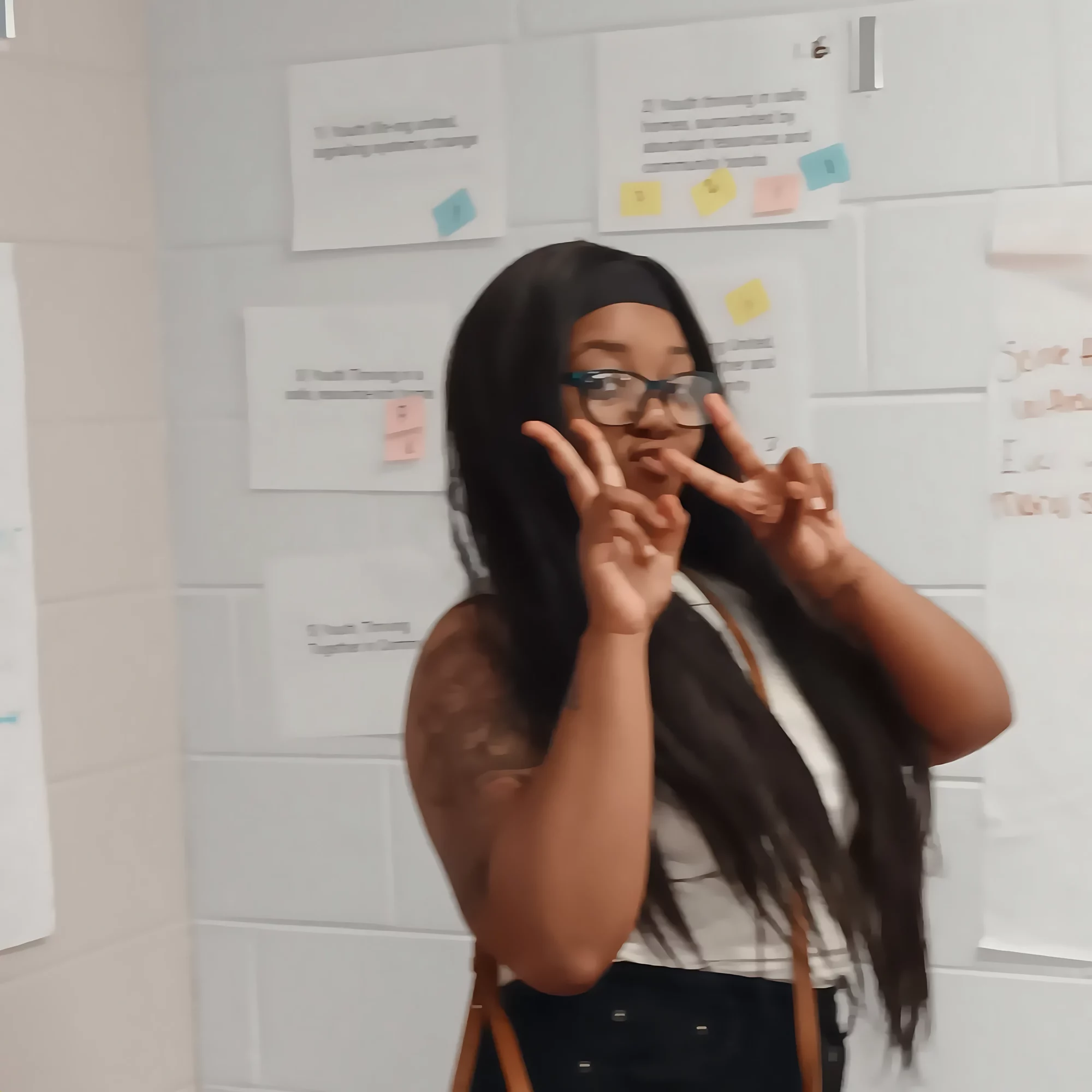
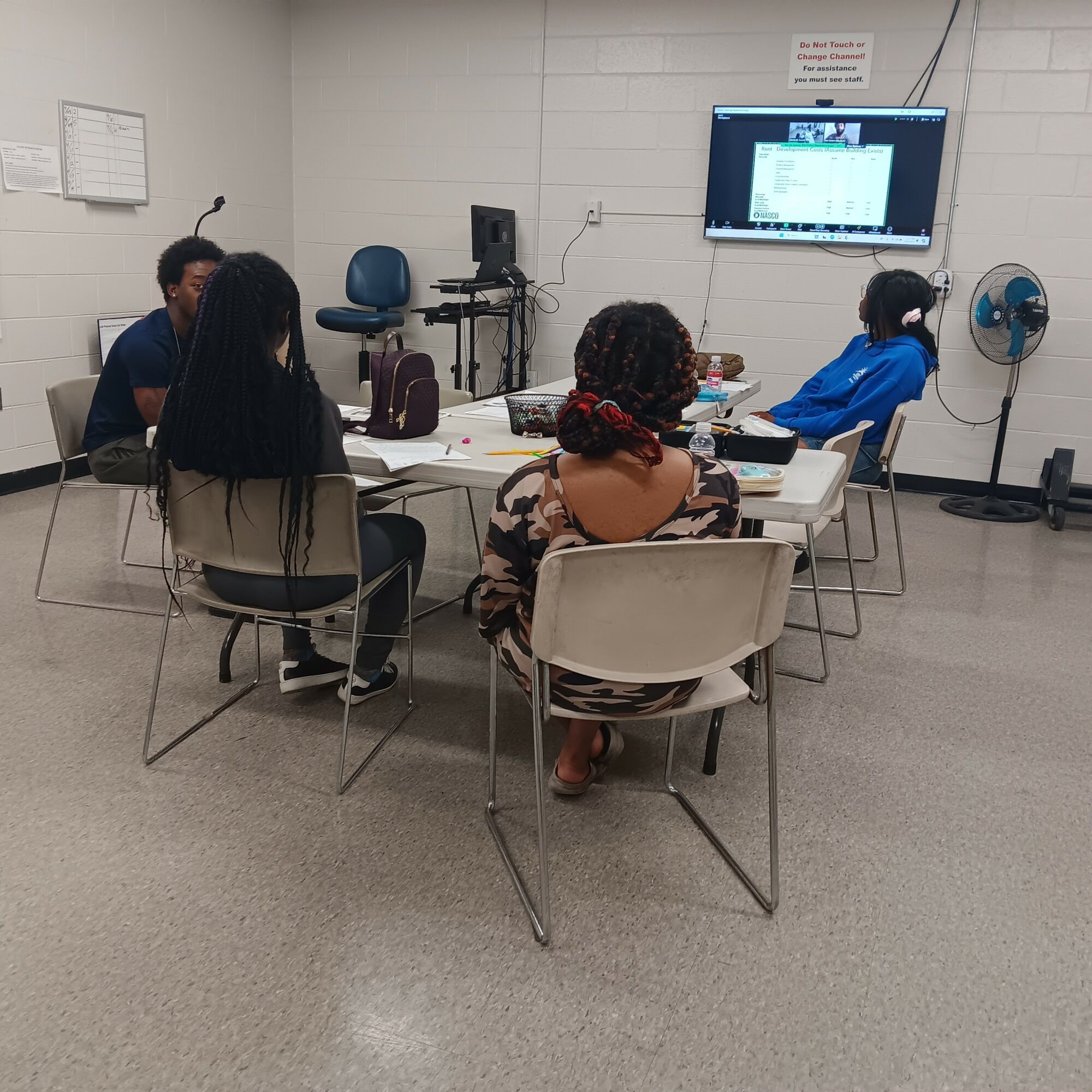
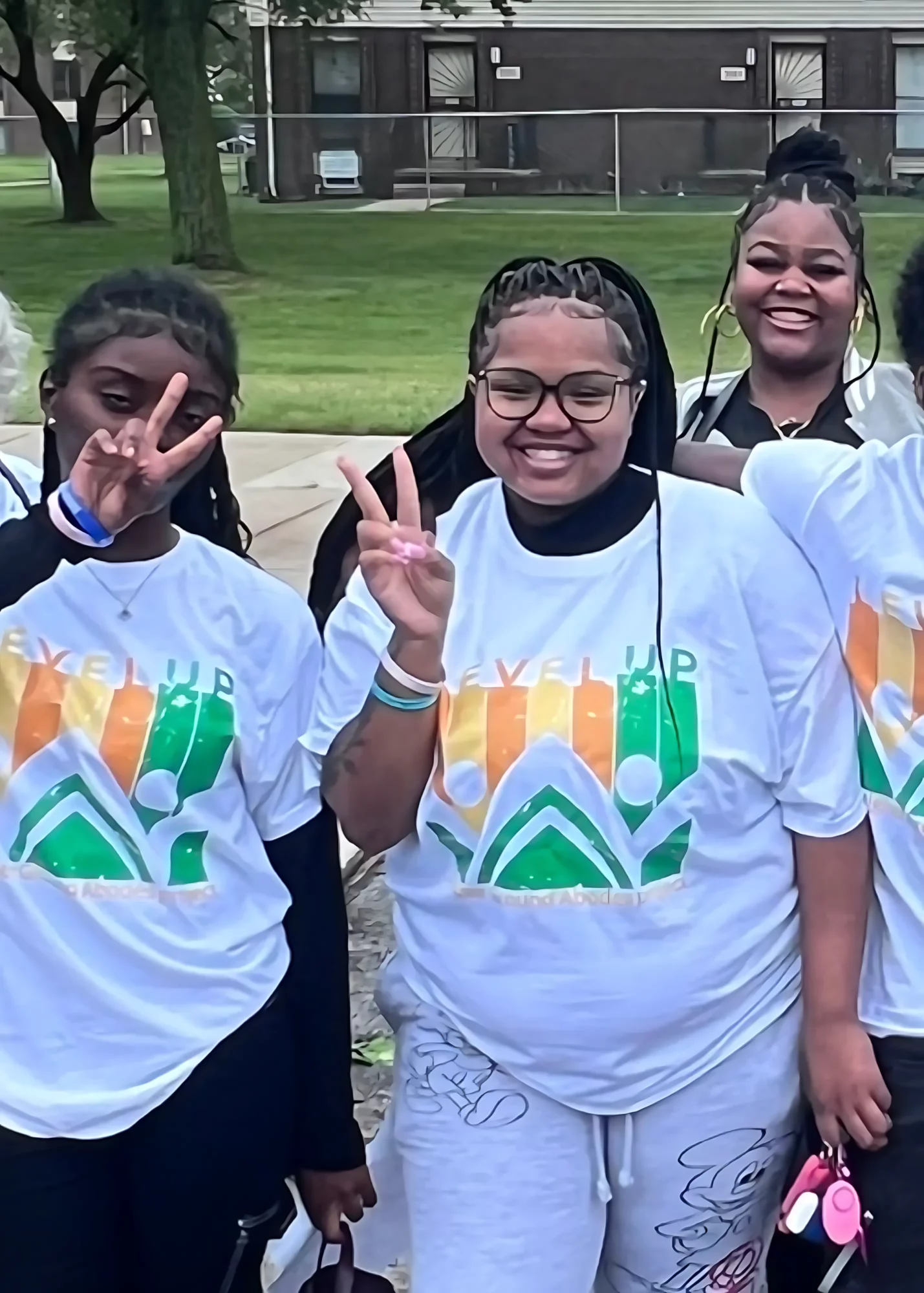
Instead of designing the model for them, we created a space for them to design it themselves. That became the Level Up Cooperative Camp.
For ten weeks, young people came together to answer one question:
What would it look like to live in a home where you actually have a say?
Not just living there, but helping make decisions, managing the space, and supporting each other.
They didn’t just talk about it—they built it out. Ideas, plans, expectations, and boundaries. What they created became the foundation for everything we’re doing now.
And if I’m being honest, that part humbled me. Because it reminded me that the people closest to the problem often have the clearest vision for the solution.
## The First Home: Binder Street
Then in 2024, something happened that a few of us had been praying about for years.
We purchased our first home.
Not just any home, but one that represents everything we had been learning along the way.
Instead of rushing into ownership models that could place pressure on young people, we made a different choice: Higher Ground Abodes would hold the home permanently.
That way, it stays affordable. It stays stable. And it stays available for young people aging out of foster care.
No debt hanging over them. No risk of losing it. Just a place where they can live, grow, and learn how to build something together.
By the time we reached this point, the strategy was clearer too—not just how to buy the home, but how to protect it: remove it from the speculative market, avoid debt, plan for repairs, and keep costs low through shared responsibility.
All of that came from what we had learned along the way.
## Why We Move the Way We Do
When I look back at the journey—from that moment in 2016, to Kuumba, to United Way, to Level Up Camp, to this first home—it doesn’t feel random.
It feels connected.
Not always easy. Not always clear in the moment. But connected.
Each step taught us something we needed for the next one. And what we’re building now reflects that.
Because this isn’t just about housing. It’s about creating spaces where people—especially young people who have had to figure out too much on their own—can experience stability, support, and community through shared housing.
Not as a program.
But as a way of living.
## What’s Next
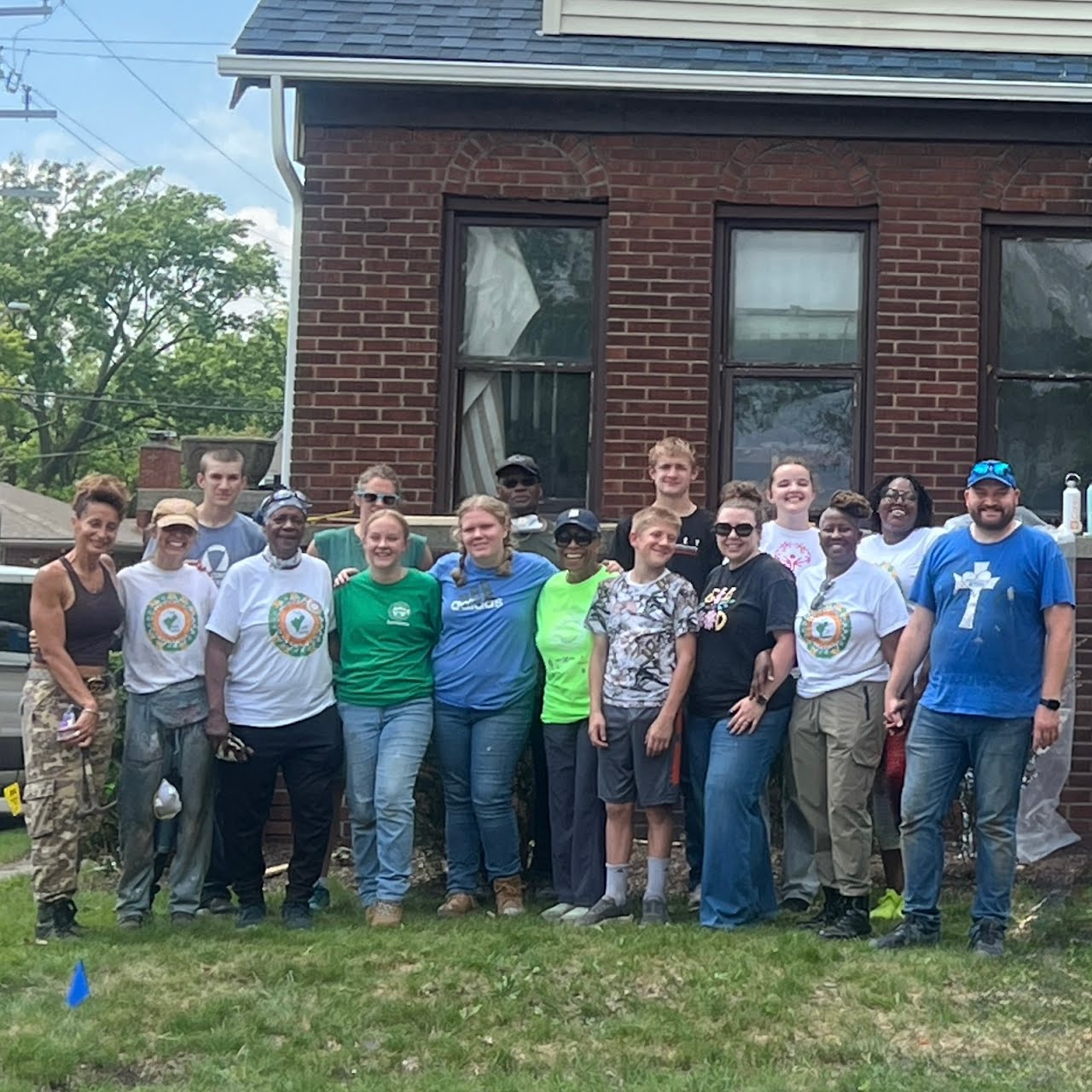
Our first home at 18503 Binder Street is more than a place to live—it’s our first experience in cooperative living.
Over the coming months, young people aging out of foster care will move in, learning to share responsibility, make decisions together, manage finances, and build life skills in a supportive environment.
We’ll capture what works and what challenges arise so we can refine the model and use it to create more homes like this.
While residents learn and grow, we’ll continue raising funds to expand the approach, showing that community-driven, youth-centered cooperative living can give young adults the stability, belonging, and independence they deserve—and help guide others to do the same.
As you know, we’re big fans of you and your work. For our readers who might not be as familiar what can you tell them about what you do?
I am a sociologist, experienced community engagement administrator, and retired educator based in the Detroit, Michigan area.
With more than 30 years of expertise in educational research and systems-building, I have dedicated much of my career to developing and advocating for disenfranchised people to solve their own problems. Over the last 10 years, I have researched and developed non-traditional residential models, such as cooperative housing and community-owned models.
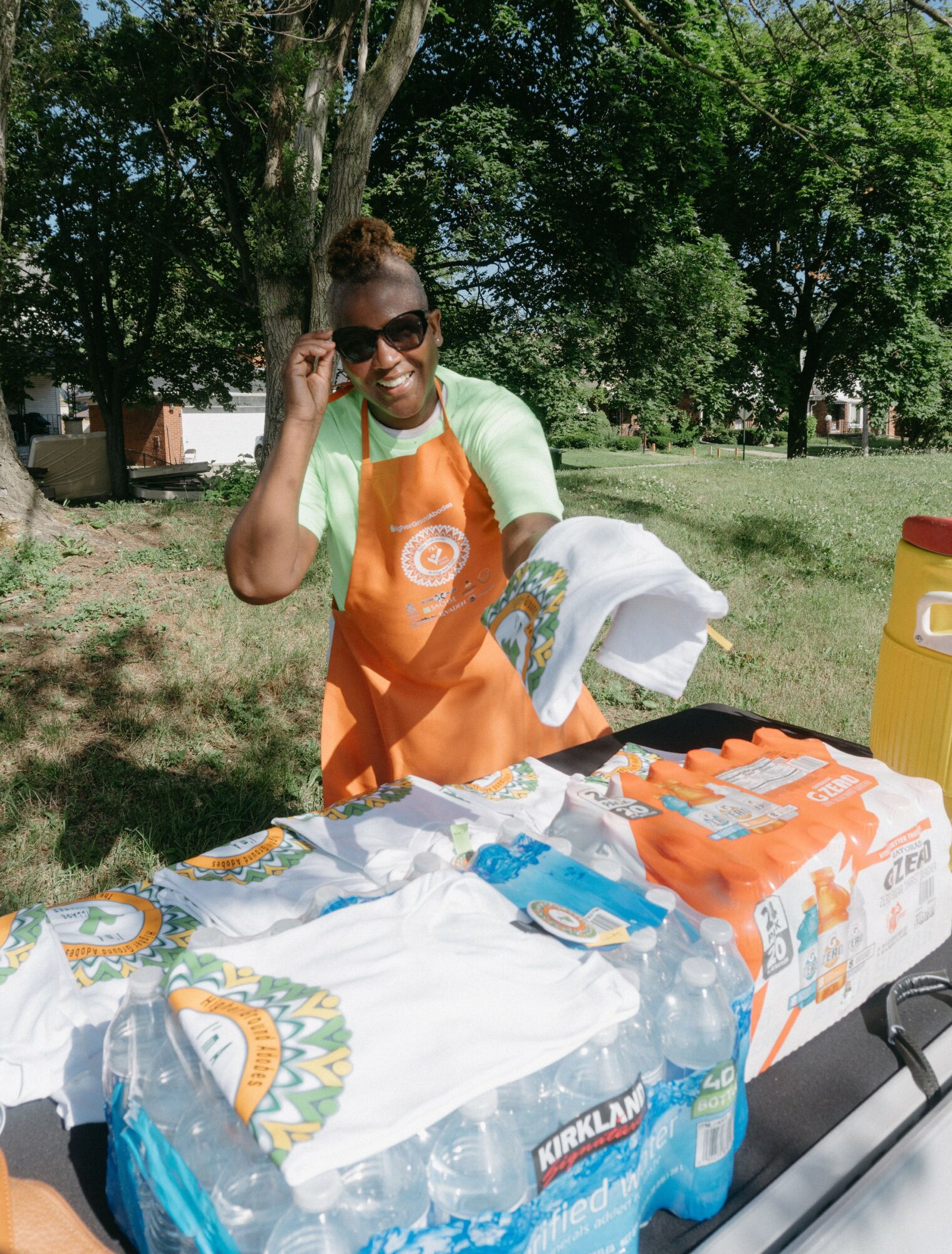
I am most proud of finding Higher Ground Abodes, a specialized housing initiative in Detroit designed to serve college students who choose to stay within a supportive, voluntary program structure. I also lend my governance and operational expertise as a consultant to several non-profits. My work deeply integrates cooperative values and principles—focused on collaborative governance, shared decision-making, and restorative accountability—to build stable, community-owned housing frameworks.
Are there any books, apps, podcasts or blogs that help you do your best?
I use a variety of resources mentioned, but none in particular lend themselves to help do my best in life like the Bible. I am a fan and enjoy how it speaks to me through everyday life. My favorite books are 1 & 2 Corinthians. A couple of my favorite verses from the historical book include:
1 Corinthians 12:31 (KJV)
“But covet earnestly the best gifts: and yet shew I unto you a more excellent way.”
1 Corinthians 13:4–8 (KJV)
“Charity suffereth long, and is kind; charity envieth not; charity vaunteth not itself, is not puffed up,
Doth not behave itself unseemly, seeketh not her own, is not easily provoked, thinketh no evil;
Rejoiceth not in iniquity, but rejoiceth in the truth;
Beareth all things, believeth all things, hopeth all things, endureth all things.
Charity never faileth.”
2 Corinthians 10:5 (KJV)
“Casting down imaginations, and every high thing that exalteth itself against the knowledge of God, and bringing into captivity every thought to the obedience of Christ.”
2 Corinthians 3:5 (KJV)
“Not that we are sufficient of ourselves to think anything as of ourselves; but our sufficiency is of God.”
Contact Info:
- Website: https://www.highergroundabodes.org
- Instagram: http://instagram.com/highergroundabodes
- Facebook: https://www.facebook.com
- LinkedIn: https://www.linkedin.com/company/higher-ground- abodes/
- Youtube: https://www.youtube.com/