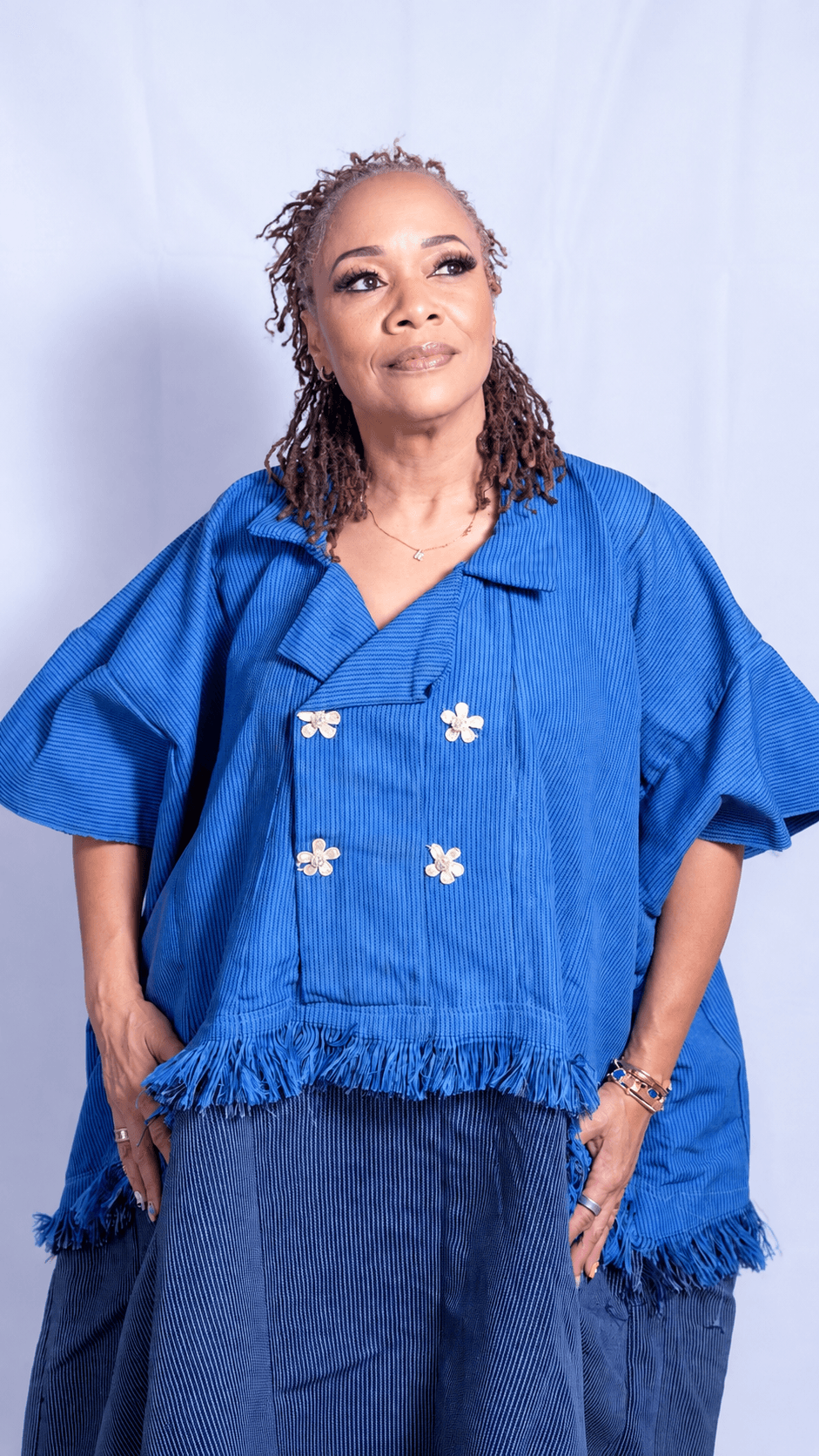





Today we’d like to introduce you to Camille Proctor.
Hi Camille , so excited to have you on the platform. So before we get into questions about your work-life, maybe you can bring our readers up to speed on your story and how you got to where you are today?
My story began in 2008 when my son was diagnosed with autism spectrum disorder. It took me a year and a half to get him diagnosed, which I had suspected but he didn’t show the classic signs of autism as understood at that time. Once I received the diagnosis, I realized that many people in underserved communities weren’t getting properly diagnosed, and I wanted to change that disparity. In 2009, I set out to help more families get the right diagnosis so they could start on a path toward growth. I found that back then, minority children were not being diagnosed early, often only diagnosed when they reached school age, averaging around six years old, while their white counterparts were diagnosed on average at about two and a half years old. This was an issue I was determined to address, aiming to support the underserved community. Today, we offer free parent training programs because we discovered that a major barrier across all communities is the waitlist. What do you do while waiting? You need to support the individual on the spectrum. We equip families and individuals with the skills to support their loved ones and themselves, and we also provide the community with ways to support them.
Can you talk to us a bit about the challenges and lessons you’ve learned along the way. Looking back would you say it’s been easy or smooth in retrospect?
My biggest challenge was the population I serve. No one understood why I had an organization that supported underserved communities. The main reason is that, in every culture, regardless of what it is, there are nuances in who we are as a people. I realized that, first, there is a population that was never genuinely reached out to. There was no outreach to this community regarding autism spectrum disorder. As a result, it didn’t exist to them. They weren’t getting their kids diagnosed. The second challenge is being a small nonprofit that isn’t yet at what they call capacity. You have to have money to get money. I had to convince people why autism and autistic individuals are important.
Appreciate you sharing that. What else should we know about what you do?
At the Color of Autism Foundation, we focus on supporting autistic and neurodiverse individuals and families by providing tools to help them respond effectively to their loved ones’ needs. We teach parents, caregivers, and individuals how to track data about their child, loved one, or themselves to identify when behaviors peak or dip, and how to develop plans to support these individuals and themselves. These trainings are offered for free and last five weeks. Recently, we conducted a crisis training where we taught families how to be crisis-informed about the individuals they support. At the end of that training, we provided them with a health app. Our approach is unique because we focus on the support families need on the back end, especially since there is currently a long waitlist for behavioral and mental health services across the country. It’s important to do something instead of nothing while waiting.
What has been the most important lesson you’ve learned along your journey?
What I learned is that in nonprofits, you cannot set out to systematically address everything. You can only focus on your core principles, and it’s very important to collaborate. I find that many nonprofits are siloed, and some just want to claim they do everything for everyone when they can’t. You can’t overlook individuals from specific communities who are providing support to others from their communities. That’s not a bad thing. It’s beneficial when we can reflect on what we do well and consider how we can support others in their journeys.
Contact Info:
- Website: https://www.thecolorofautism.org
- Instagram: Colorofautism
- Facebook: Colorofautism
- Youtube: Colorofautism