





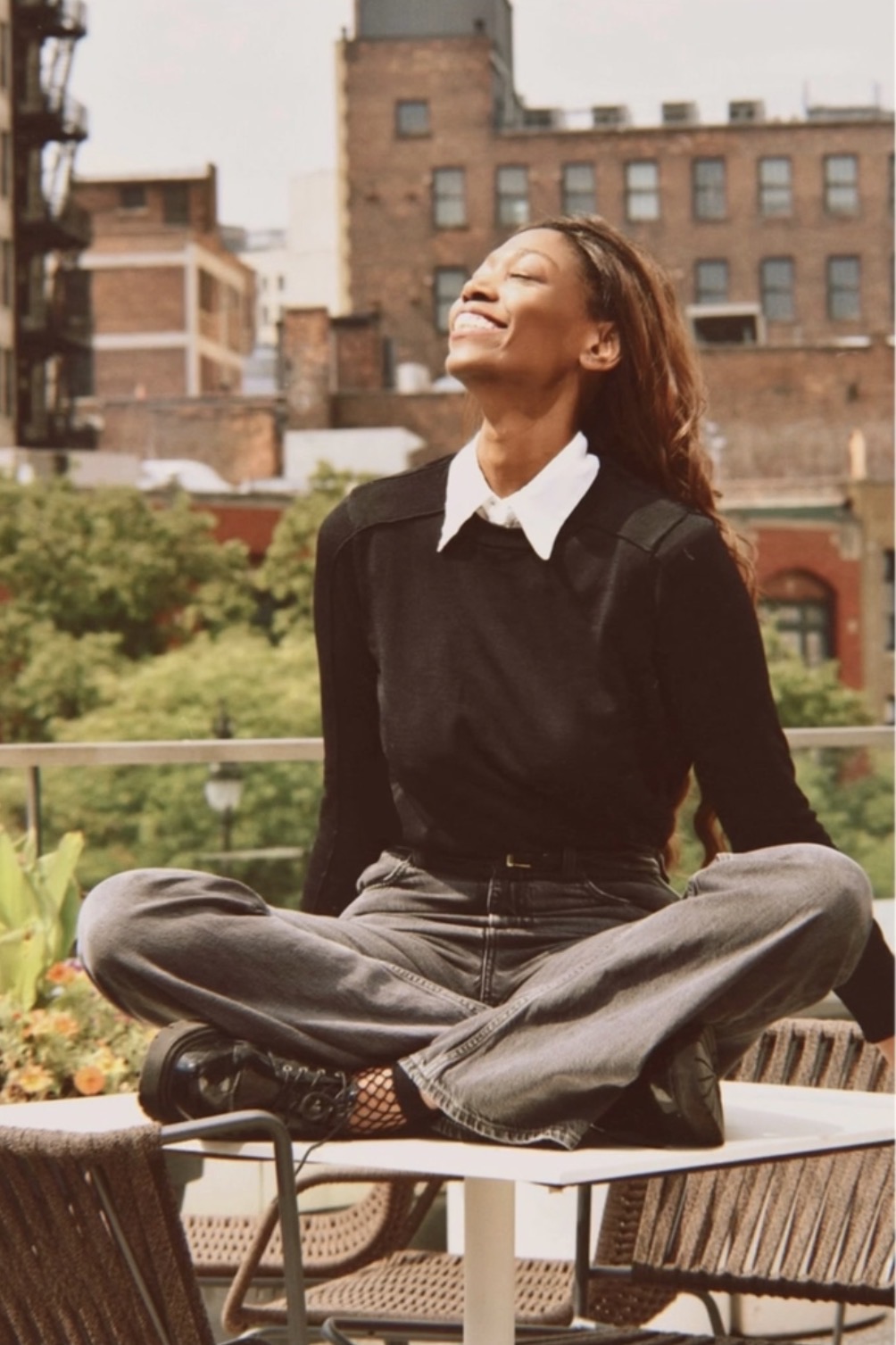
Today we’d like to introduce you to Brie Bobalek.
Hi Brie, we’d love for you to start by introducing yourself.
My path to surface pattern design has been explorative and anything but traditional.
I’ve always been a creative person. I grew up a dancer, so music, movement, color, and visual expression have been massive parts of my life from a very young age. Fashion was another early love of mine, and eventually that led me to NYC, where I lived for more than a decade and worked in and around fashion, hospitality, styling, and other creative environments. Even though I didn’t know it at the time, all of those experiences were developing the way I see design today- how color, texture, rhythm, and the details of an environment can completely change how something feels.
Surface pattern design came into my life later and somewhat unexpectedly. I’m self-taught, so rather than coming from a textile or surface design program and entering the industry through a conventional design house path, I learned the technical language of pattern design while simultaneously figuring out where I belonged within it.
That process became an exploration in itself. So much of the surface pattern work I encountered while learning had a signature style very different from my own. It often leaned more in the direction of whimsical patterns, watercolors, billowy florals, frilly, feminine, or even kitschy designs. I genuinely appreciated the talent and creativity behind it, but I also knew it wasn’t my visual language. My instincts kept pulling me toward minimalism, geometric shapes, lines, contemporary interiors, architecture, and more restrained visual systems. I wasn’t interested in learning surface pattern design by trying to become stylistically similar to the designers around me. I wanted to learn the craft while allowing my own design language to develop alongside it.
I remember feeling so excited when I discovered that surface pattern design was an actual thing. I had no idea this design category even existed. Then one day, while working on set for a Victoria’s Secret commercial, I was tying a ribbon into a bow and something clicked. I found myself noticing all of the smaller details throughout the set, and I became fascinated by the idea that I could draw something as simple as that bow, turn it into a pattern, and move it beyond a screen or piece of paper into the real world. That one drawing could potentially live on wallpaper, bedding, clothing, packaging, a coffee mug, furniture… the possibilities of patterns are honestly endless. That realization really excited me, so I spent countless hours experimenting, creating, learning the technical side of the craft, and becoming more confident in what made my work feel like mine.
Over time, what started as something I was teaching myself became professional work. I’ve had opportunities to create designs for apparel, interiors, and consumer products, and those experiences helped me realize that I didn’t want to limit myself to one category. There’s a seemingly endless scope and versatility with surface pattern design, and I love it. I can look at a single pattern and immediately imagine all the different lives it could have.
After many years in New York, I returned to Detroit- a city that had already been part of my story during my college years. Coming back as an adult and as a designer has allowed me to experience the city through a completely different creative lens. Detroit has a strong visual identity. There’s architecture, history, art, texture, and an incredible amount of creative energy. I’ve found myself increasingly interested not only in creating patterns, but in thinking about how my work can become part of physical spaces and experiences, especially with so much new development happening in and around the city.
I’m still growing, but I’m proud of the direction I’m moving in. My goal is to bring my designs to more homes, office spaces, restaurants, hotels, and commercial products through thoughtful partnerships and licensing opportunities. I want my designs to feel expressive, inviting, and memorable. And to show that a self-taught creative from Detroit can build a brand with a lovely mix of heart and intention.
I’m sure it wasn’t obstacle-free, but would you say the journey has been fairly smooth so far?
No. It definitely hasn’t been a smooth road. But I didn’t expect it to be, and I don’t think building something of your own really ever is.
There’s the reality of trying to build a creative business while navigating life at the same time. There’s periods of financial uncertainty, rejection, opportunities I hoped would happen that didn’t, and plenty of moments when I’ve questioned what I was doing. Building something from the ground up can be incredibly exciting, but it can also be isolating and uncertain. Sometimes you’re putting an enormous amount of energy into something long before there’s tangible evidence that it’s going to work.
Figuring out how to navigate the industry has also been an interesting journey since I didn’t enter through a traditional route. Being self-taught has allowed me a lot of creative freedom, but it also meant no classmates to go through the experience with, not having that built-in comfort that “we’re in it together” type of vibe or people beside you learning and cheering each other on. No textbooks, no professors, and no roadmap… just a lot of “figure it out, it’s going to be hard, but don’t give up.”
Even some of the smaller things I thought I intuitively knew made me realize how much more there was behind it. I’ve had to learn not only how to design patterns, but how the industry works- licensing, color theory guidelines, pixel dimensions, manufacturing, pricing, contracts, pitching, print-on-demand, building a portfolio, creating cohesive collections versus randomly creating individual designs, finding the right people to contact, circling back to the people you’ve contacted because they haven’t gotten back to you, and ultimately figuring out how to turn something I love creating into a sustainable business.
Having dyslexia also throws its pros and cons into the mix. The same brain is present on both sides of my business, but it can feel like an advantage in one environment and an obstacle in another. On the creative side- I feel like it shines. I sometimes wonder if the way my brain processes and sees things differently is part of what allows me to notice shapes, relationships, movement, or possibilities that eventually become designs. There’s a freedom in that side of my brain that lights up and makes creating so fun.
But then there’s the business side, where my dyslexia seeps in differently. Contracts, numbers, administrative work, technical information, pricing, learning new systems, and all of the details involved in running a business by yourself can take significantly more effort for me to process and understand. In one moment, this brain of mine feels like one of my greatest creative assets, and in another, I want to rip my hair out trying to understand something that might be relatively straightforward for someone else. I’ve had to learn how to work with both sides of that reality rather than pretend one of them doesn’t exist.
The last challenge I’ll mention is learning to fully trust my own creative instincts. Especially while teaching myself, it’s easy to look around at talented designers whose work is completely different from mine and wonder whether I need to adapt myself to fit what I’m seeing. If anything, staying committed to my own visual language has become one of the most important parts of building my brand. Every time I see one of my designs move from an idea in my head to something tangible in the world, it reminds me why I keep going.
Thanks for sharing that. So, maybe next you can tell us a bit more about your work?
In short, I’m a surface pattern designer, and my choice of medium is to draw by hand or digitally, then translate the drawing into a contemporary pattern that can be enlarged across a wall, scaled down onto fabric, or recolored for a completely different environment.
That’s probably one of the biggest things that defines my work. I don’t necessarily see a pattern as having one predetermined destination. The same design could become wallpaper in a boutique hotel, upholstery in a restaurant, fabric for apparel, packaging for a brand, or something as small as a notebook or coffee mug. I love taking one visual idea and exploring how changing the scale, color, material, or application can completely transform the way it’s experienced.
I think something I’m most proud of is the journey. It hasn’t been easy, but I’ve kept going, and I keep getting better as I go.
I’ve also met some really cool, incredibly talented artists and creatives along this journey who I’ve been lucky enough to collaborate with and learn from. Sarah Edwards of Set Apart Co. has been such a rockstar. She’s become a creative influence and coach in my creative life, and working with her led to one of those surreal, very proud moments for me- seeing my work featured on Good Morning America and later sold through Walmart. Those experiences mean a lot. They’re tangible reminders of how far I’ve come from sitting down and teaching myself how to make a seamless pattern repeat.
Do you have any memories from childhood that you can share with us?
There are so many great memories I have, but since I have to narrow it down to one, I’d probably say our spring break staycations.
My parents raised 17 children, 13 of us adopted, and I’m the middle child of eight brothers and eight sisters, so needless to say, traveling with our entire family wasn’t exactly simple or inexpensive. When school was out for spring break, getting everyone on a flight and taking a big family vacation somewhere just wasn’t realistic. So instead, my mom and dad would book a few rooms at a local hotel, we’d pack our bags, and our family would go on a staycation for a couple of days.
As a kid, it genuinely felt like we had traveled somewhere. My brothers and sisters and I would swim in the hotel pool, play in the game room, hang out together, and just have so much fun. There was something about packing a bag and sleeping somewhere other than home that made it feel like this huge adventure, even though we really hadn’t gone very far at all.
Looking back as an adult, I think it’s even more special to me now because I understand what my parents were doing. They found a way to create that experience for us with what they had, and as kids, we didn’t feel like we were missing out on anything. We were just excited that we were on spring break, staying at a hotel, swimming, playing, and having fun together. I have such great memories of those little family staycations, and my parents are the best.
Contact Info:
- Website: https://www.briebobalek.com/
- Instagram: https://www.instagram.com/brie_bobalek/
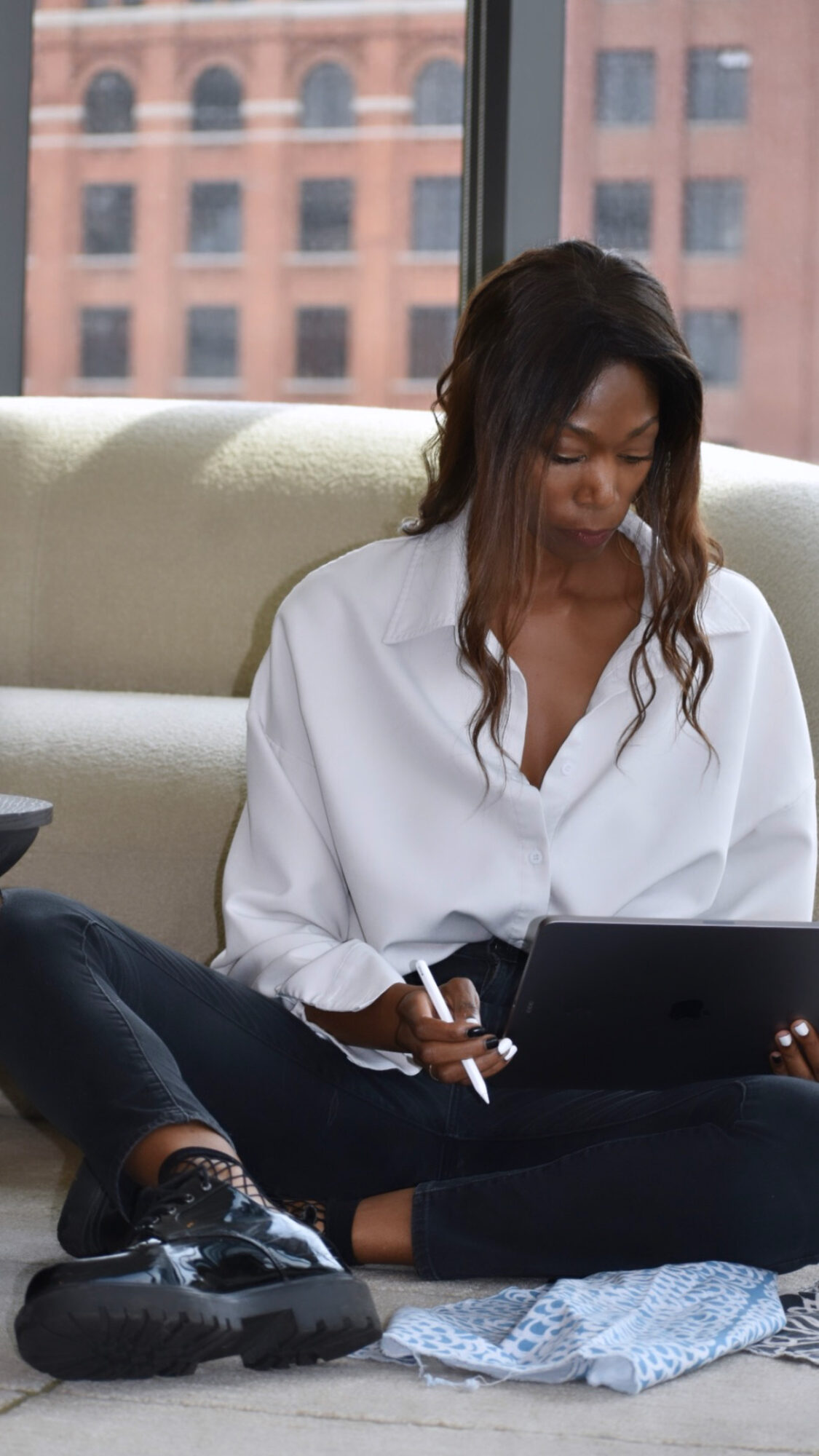
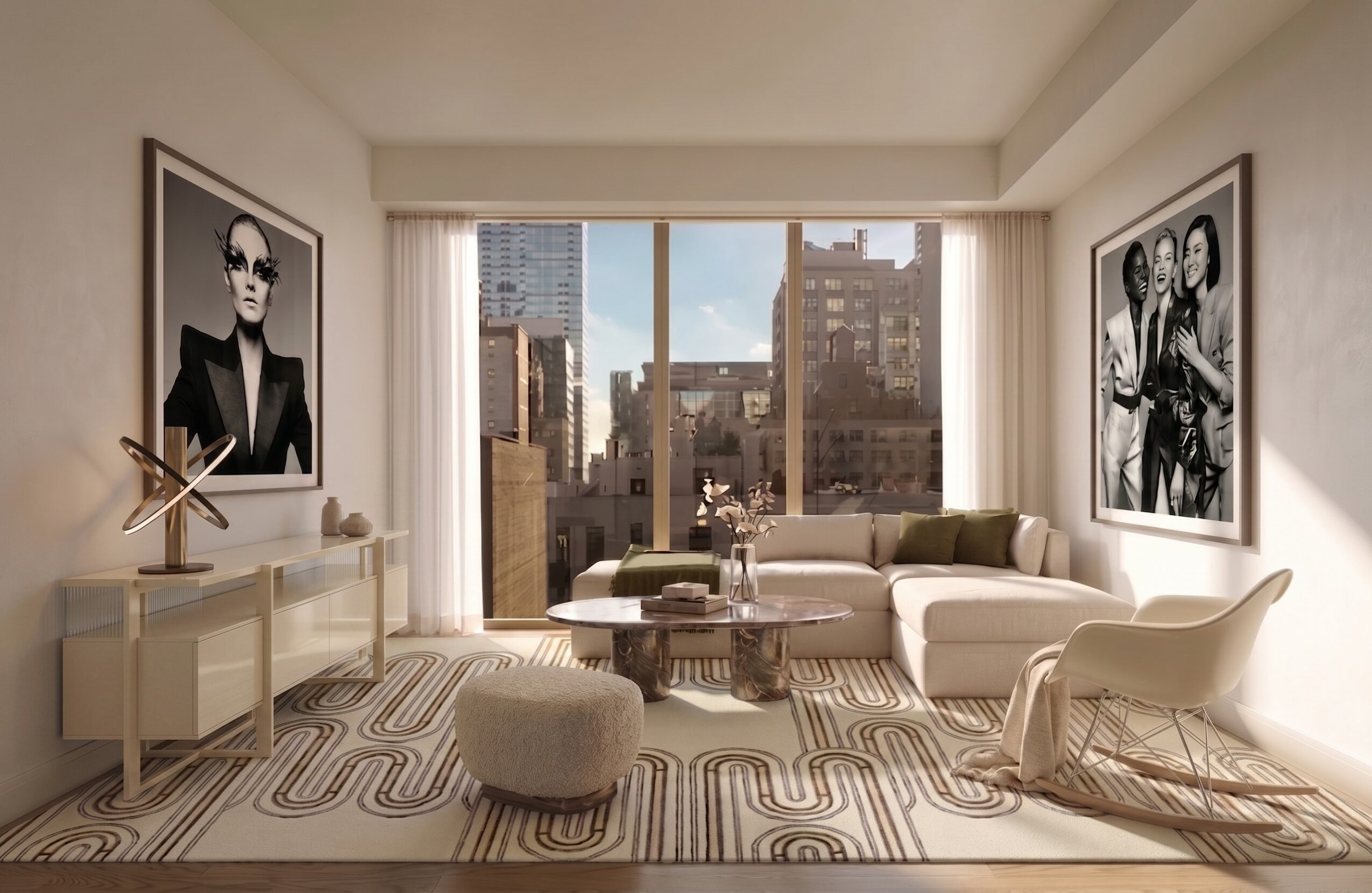
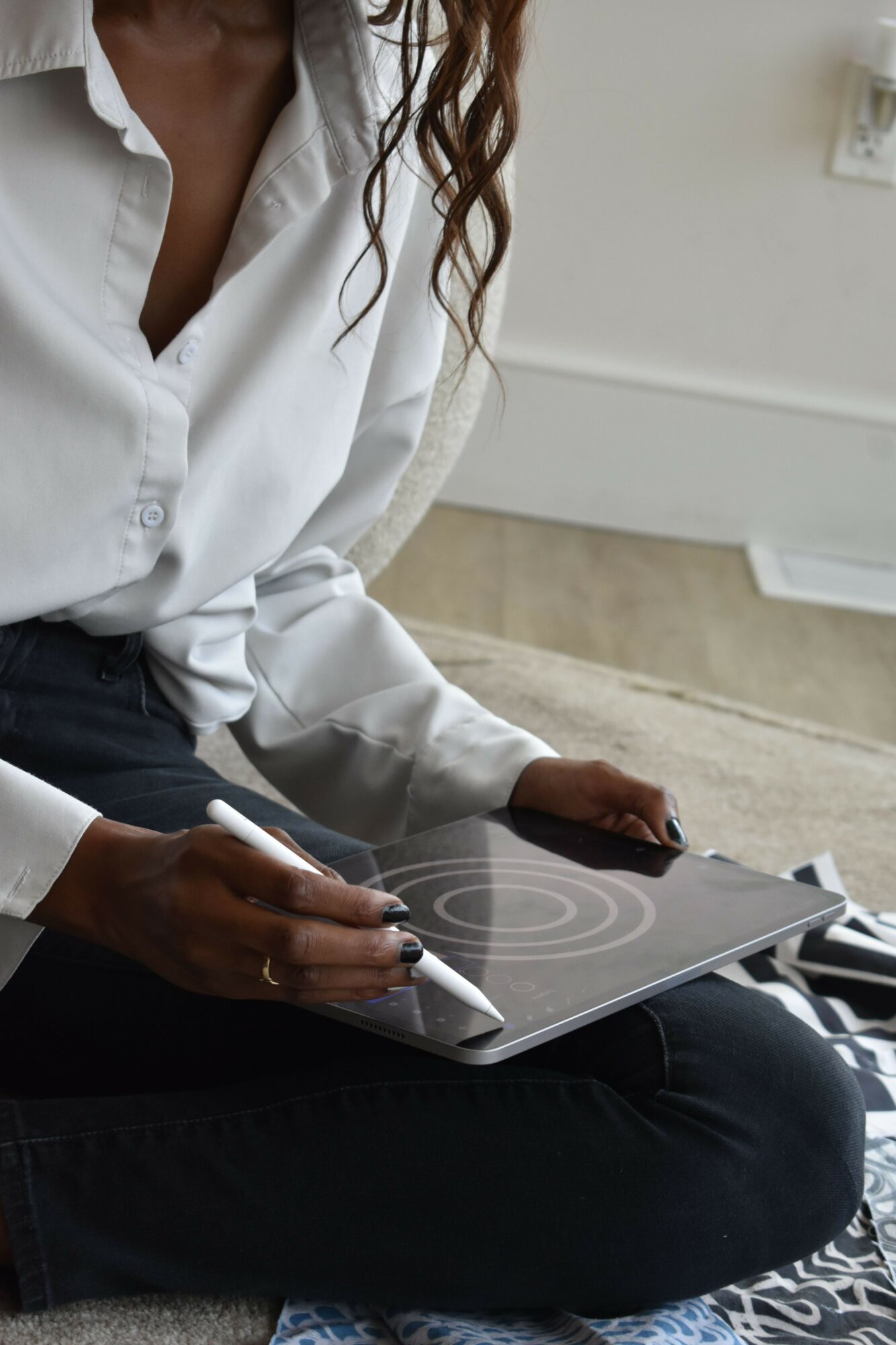
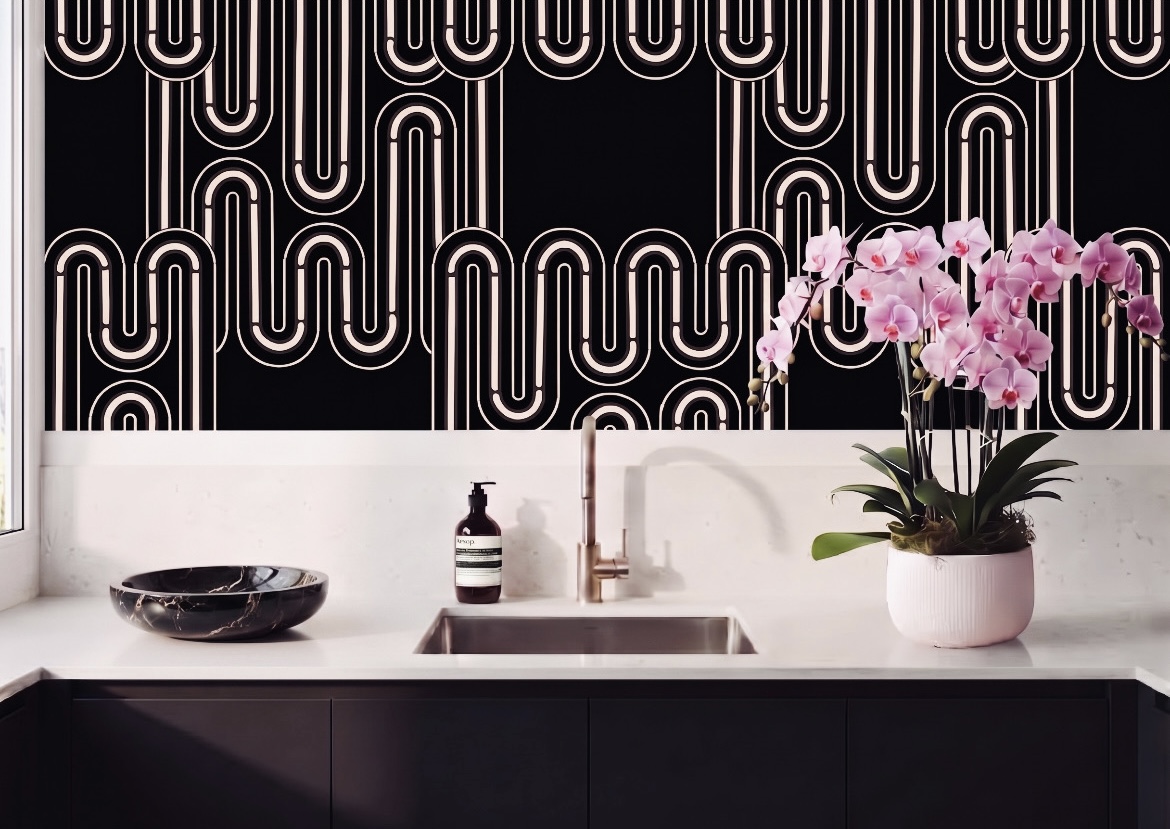

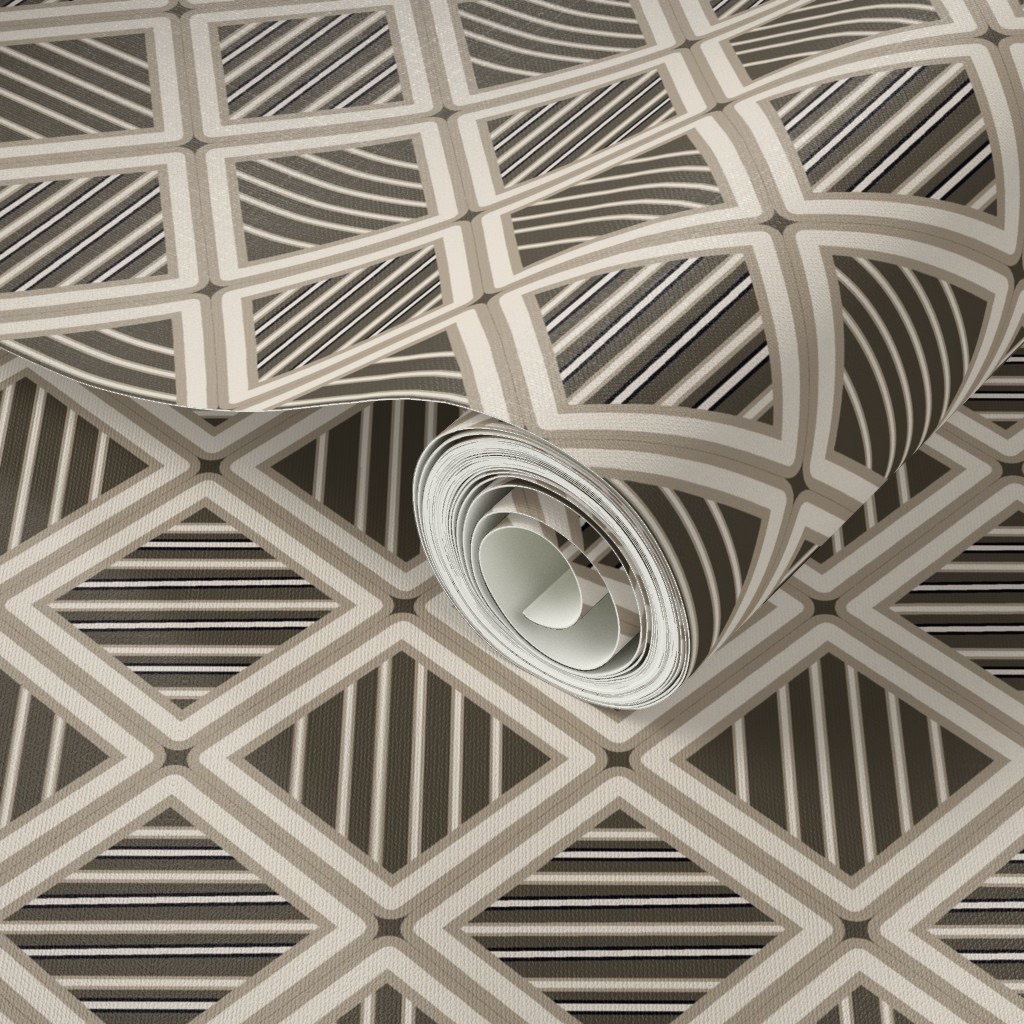
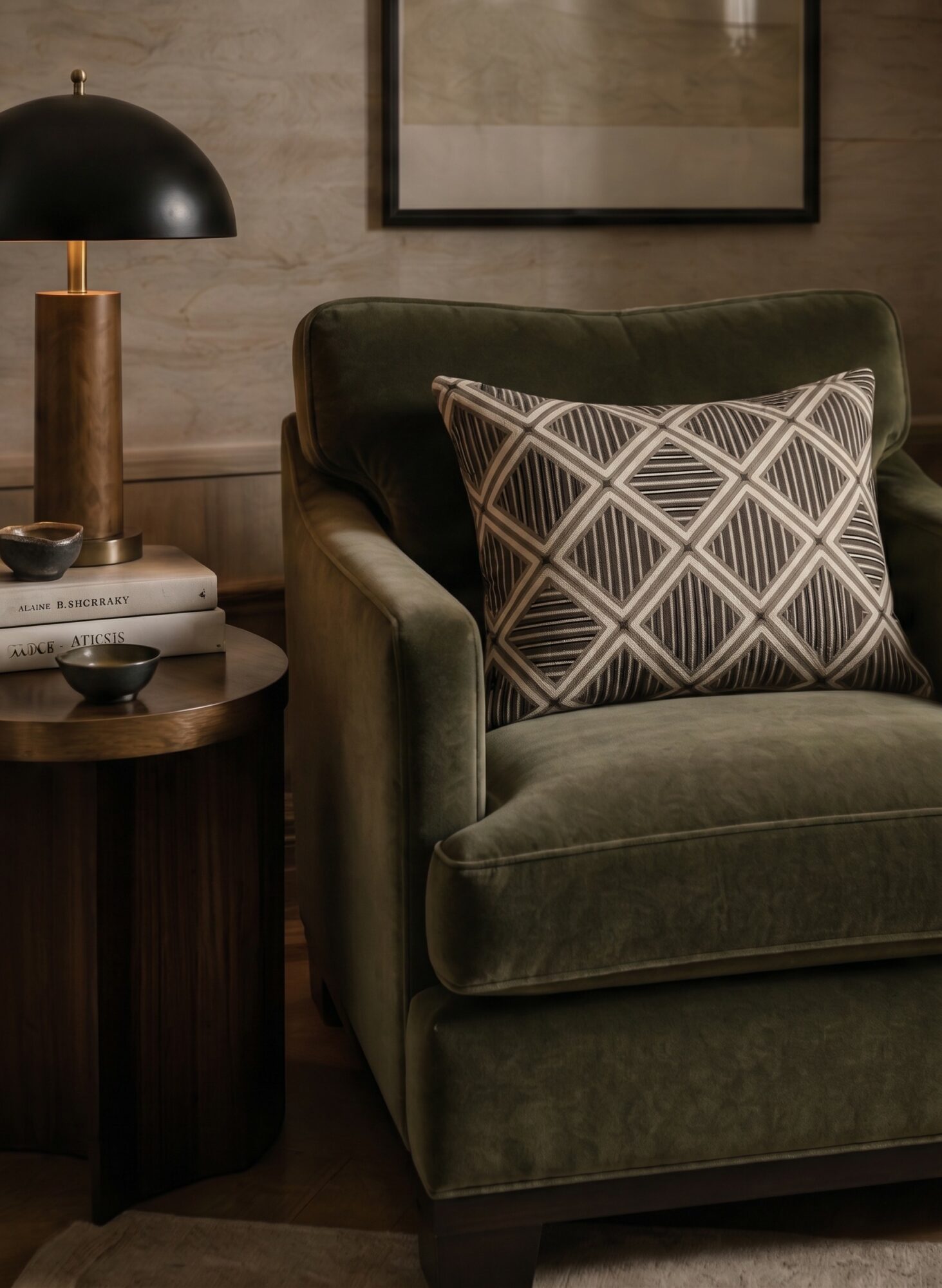
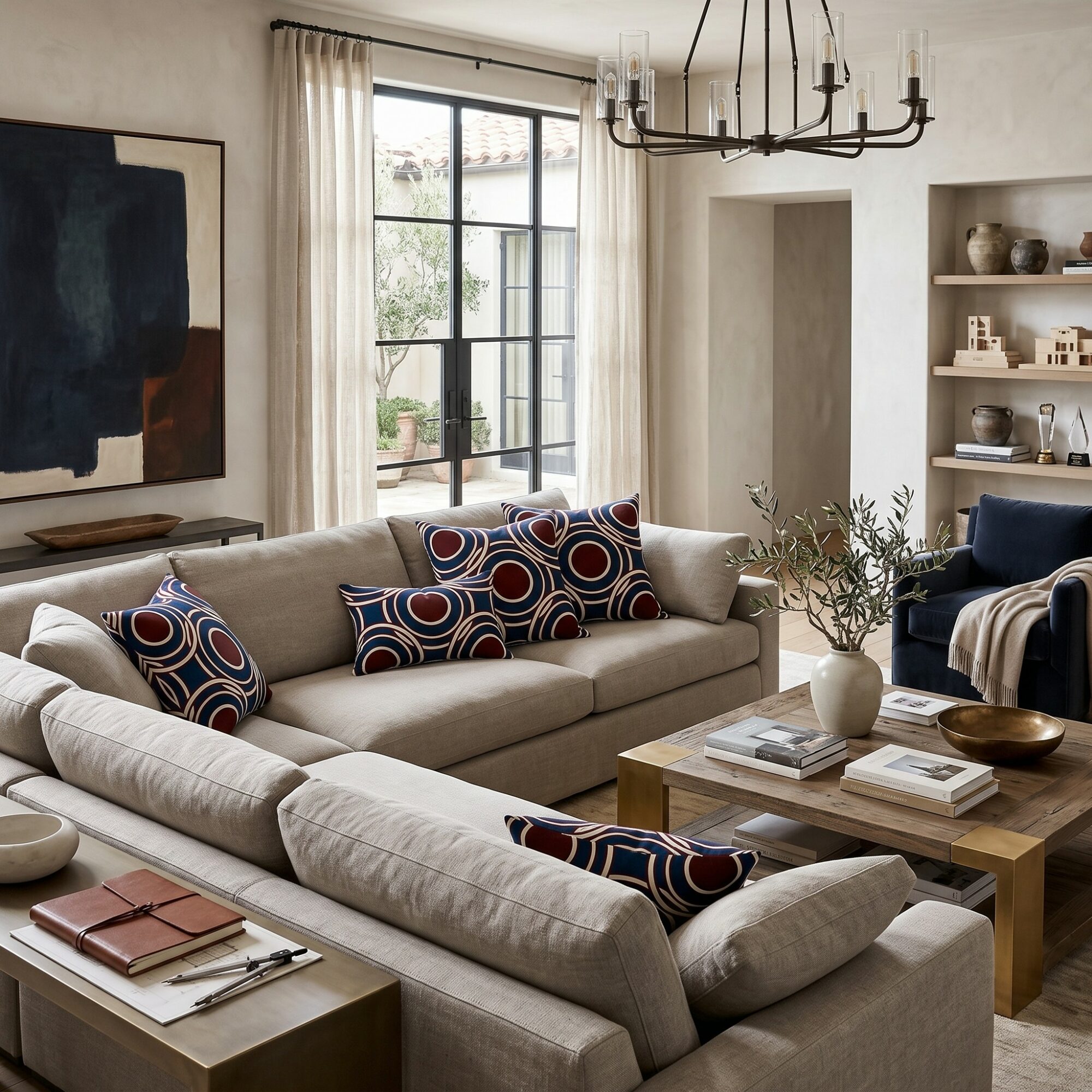
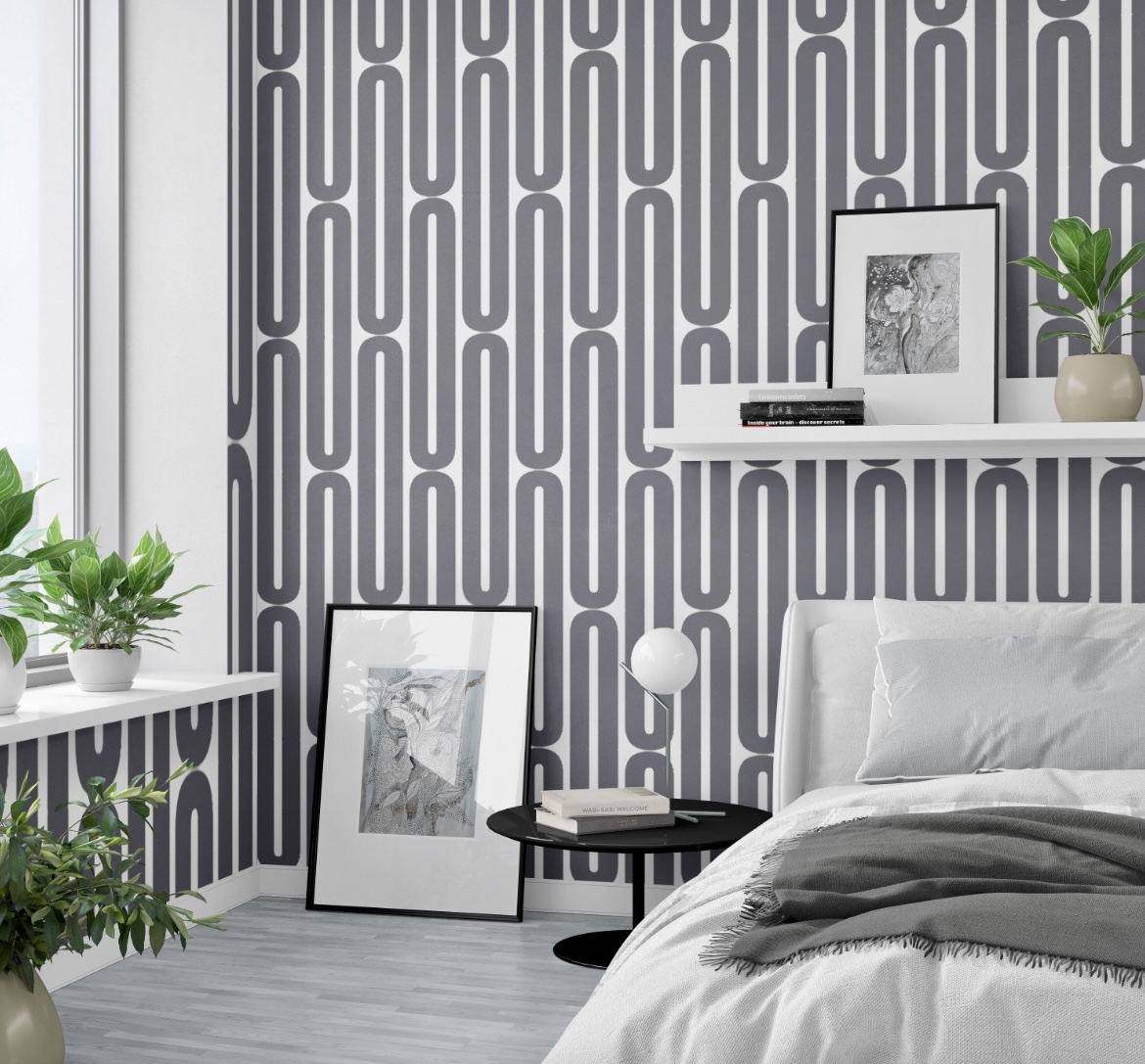
Image Credits
Sam Jacobs of Prostalgia Photos