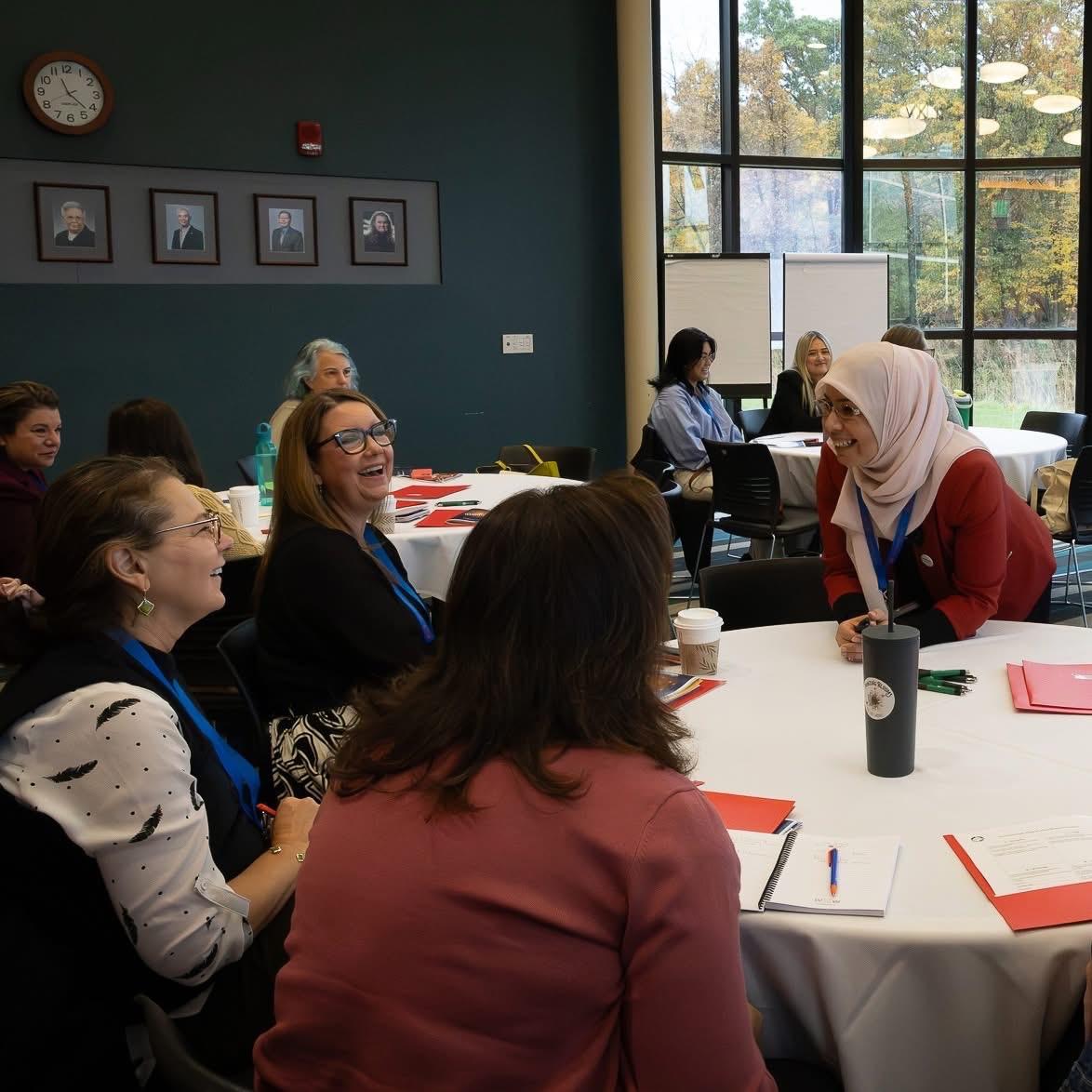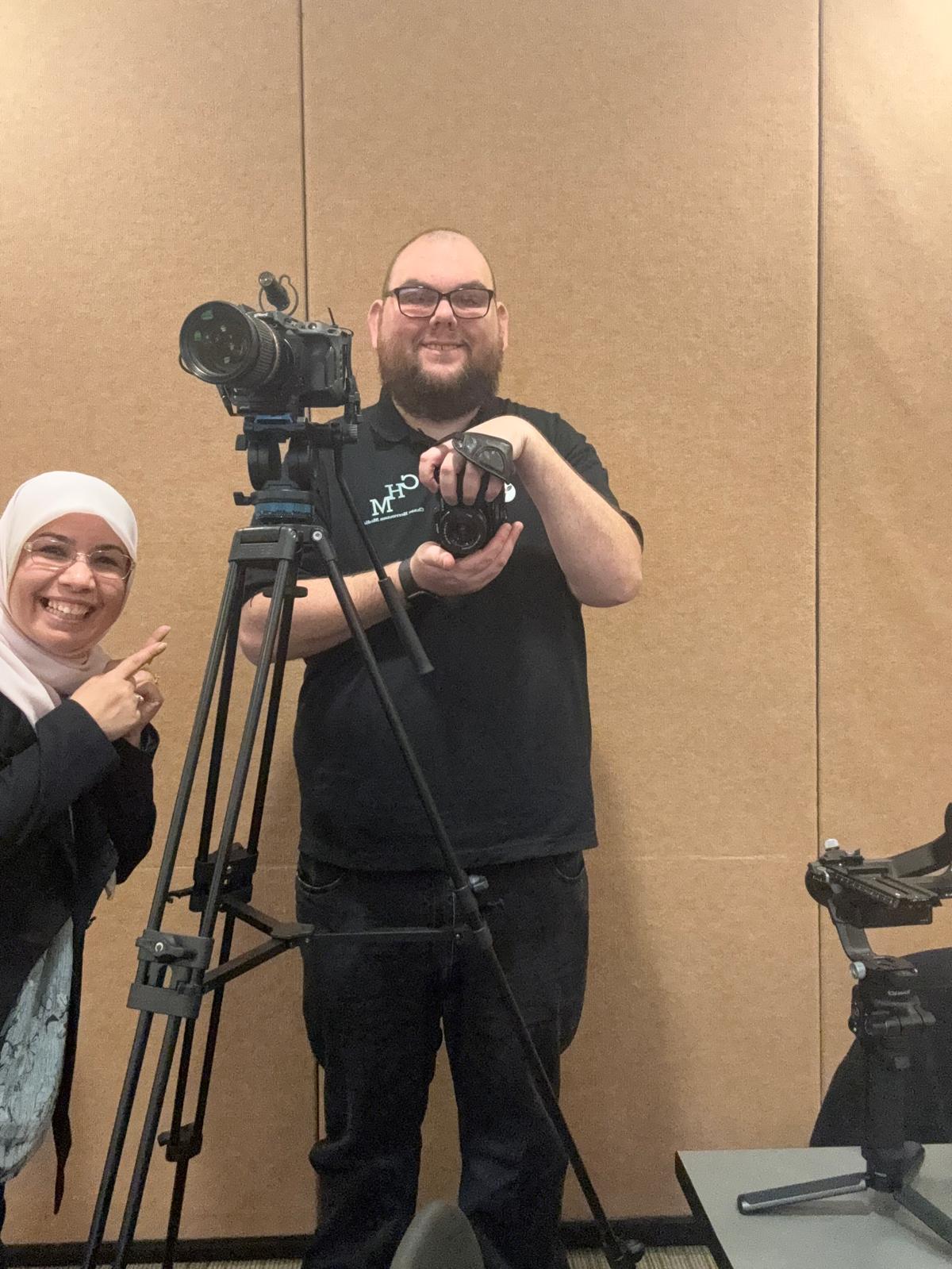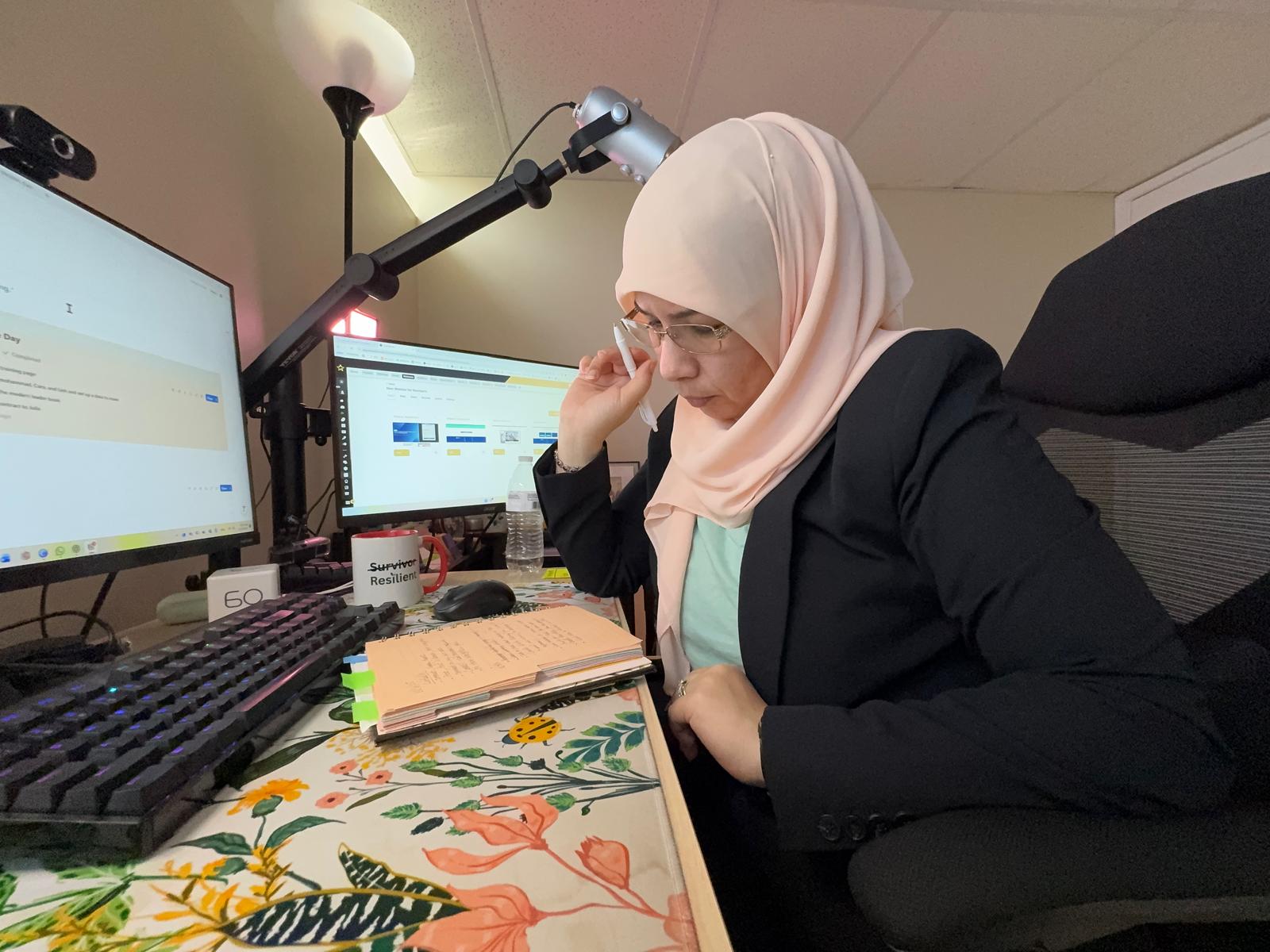





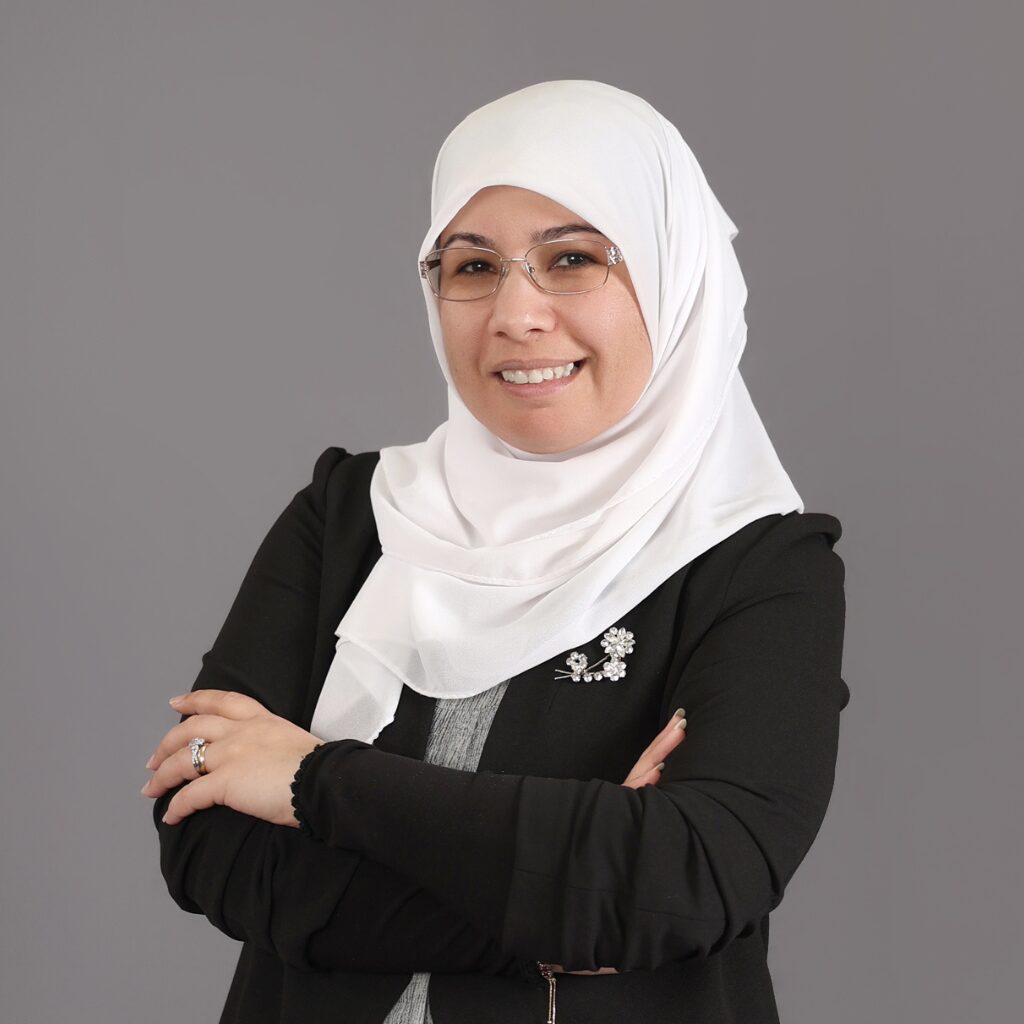
We recently had the chance to connect with Nagham Alsamari and have shared our conversation below.
Nagham, really appreciate you sharing your stories and insights with us. The world would have so much more understanding and empathy if we all were a bit more open about our stories and how they have helped shaped our journey and worldview. Let’s jump in with a fun one: What’s more important to you—intelligence, energy, or integrity?
Integrity, without question. In my work with DISC and behavioral consulting, I see how intelligence and energy can actually be dangerous if they aren’t anchored by integrity. You can teach a person a skill (intelligence) and you can motivate them (energy), but you cannot ‘install’ a moral compass. Integrity is the ‘trust equity’ that allows a leader to influence others effectively over the long term.f
Can you briefly introduce yourself and share what makes you or your brand unique?
I’ve always been someone who looks at a person or a team and sees not just who they are today, but who they have the potential to become. That way of seeing didn’t come from theory, it came from experience.
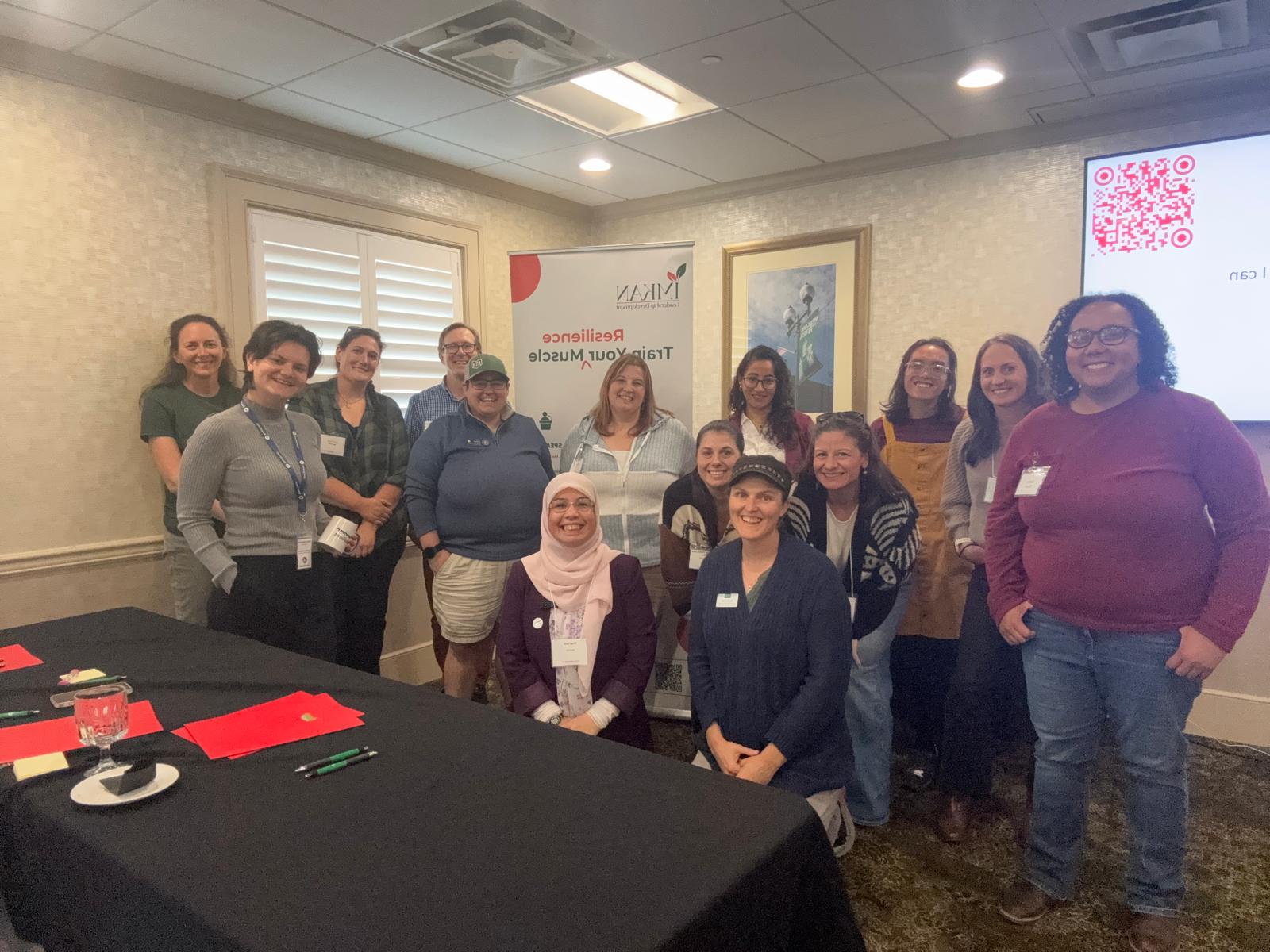
I’m Nagham Alsamari, and I’m the founder of Imkan Leadership Development. I came to the United States as a refugee, and at a young age I learned what it feels like to move through the world without a clear map, new language, new systems, new expectations. That experience shaped how I understand resilience. To me, resilience isn’t about “pushing through” or powering ahead. It’s about rebuilding, adapting, and finding a way forward when certainty is gone.
The word Imkan means ‘possibility’ in Arabic, and that ideas sits at the center of my work. I believe that most ‘people problems’ are actually just ‘understanding problems.’ Over the years, as I moved into leadership and later worked with managers across different environments, I saw how often capable, well-intentioned people struggled, not because they lacked skill, but because they didn’t truly understand themselves or the people they were leading.
While I use behavioral tools and practical strategies in my work, those are just the means to an end. What drives me is the moment when a leader realizes they don’t need to become someone else to be effective, they need clearer awareness, steadier judgment, and a better way of seeing the people around them.
Today, I am pouring that mission into the Resilient Manager Hub. It’s a space I’ve built to equip managers with the emotional intelligence and practical tools they need to lead in a world that feels increasingly volatile. My goal is to help them move past the surface-level ‘hustle’ and build cultures rooted in true trust and human connection. My story is one of continually expanding horizons, and I want to help others find that same sense of possibility within their own careers and leadership goals.
Okay, so here’s a deep one: What’s a moment that really shaped how you see the world?
The moment that shaped me most wasn’t a single event, but the period of my life spent as a refugee. Seeing the world through that lens at a young age changed everything. It taught me that the world is inherently volatile, but also that human beings are incredibly adaptable. I watched people living under extreme pressure respond in very different ways, some shutting down, others stepping forward to steady those around them, often based entirely on how they communicated and stayed connected.
That experience stripped away the illusion of ‘certainty’ and replaced it with a deep understanding of Imkan, the Arabic word for possibility. I learned early that leadership isn’t about having the perfect plan or the right answers. It’s about having the resilience to move through uncertainty while keeping human bonds intact.
Today, when I walk into a boardroom or work with a manager through my Resilient Manager Hub, I am essentially teaching them the same lessons I learned as a child: when the ground feels unsteady and expectations are high, what matters most is the ability to lead people with clarity, empathy, and steadiness. Even in unstable conditions, something meaningful can still be built, if you know how to hold people together while everything else is shifting.
What did suffering teach you that success never could?
Success teaches you how to celebrate, but the seasons of professional ‘suffering’, the years spent in environments where integrity was optional and voices were marginalized, taught me how to see.
Over my career, I have worked in cultures where ‘performance’ was valued over people, and where ideas were often dismissed unless they served a specific ego. There were long stretches where I felt like I was the only one who saw the reality behind the polished masks of leadership – the gap between the polished language of leadership and what was actually happening behind the scenes. That tension was uncomfortable, but it became my greatest teacher. It taught me that you can be the most capable person in the room and still be treated as invisible if the culture isn’t rooted in trust.
This suffering stripped away my assumptions about what leadership ‘should’ look like and showed me what it must look like to be sustainable. It sharpened my ability to see the potential in people who are being overlooked, unheard, or slowly worn down. That is ultimately why I founded Imkan; because possibility doesn’t disappear; it gets suppressed.
I’ve learned that true leadership isn’t measured by applause or recognition. It’s revealed in the integrity you maintain when no one is watching, and when it costs you something to stand firm. Success could never have given me that level of conviction or the resolve to build a brand that values the ‘human’ over the ‘hustle.'”
Next, maybe we can discuss some of your foundational philosophies and views? Where are smart people getting it totally wrong today?
Smart organizations and leaders are getting it totally wrong by treating management like a hardware store. They believe that if they just put enough tools in a manager’s ‘basket’ – conflict resolution, time management, clear communication, that person will magically become an effective leader.
What I’ve learned, through years of working with, training, and supporting leaders in high-pressure environments, is that a tool is only as effective as the person holding it. If a person hasn’t done the internal work to build a foundation of resilience and integrity, those tools are the first things to disappear when pressure rises. In volatile moments, managers without that foundation don’t reach for conflict resolution or thoughtful communication, they default to ego, favoritism, or performative leadership, because they don’t have the internal stability to respond any other way.
At the core of my work is the belief that leadership is an ‘inside-out’ practice. You cannot give away what you do not possess. If a leader can’t stay grounded in their values when everything is shifting, then communication frameworks and management tools become little more than ornaments.
This is why I lead with the philosophy of possibility.Before we teach managers what to say or how to manage others, we have to help them build the internal resilience that allows them to lead with honesty, steadiness, and humanity, especially when no one is watching. Imkan is where that internal foundation turns into real, external impact.
Okay, so let’s keep going with one more question that means a lot to us: What is the story you hope people tell about you when you’re gone?
When I am gone, I hope the story people tell about me isn’t about the stages I stood on or the titles I held. I hope they say, ‘She was the person who saw the possibility in me when I couldn’t see it in myself.’
Because of my journey as a refugee, I know what it feels like to have the world tell you that you are ‘less than’ or to have your potential overlooked. For a decade in my professional life, I experienced what it was like to be overshadowed, ignored by leadership that valued performance over people, and voices were dismissed if they didn’t serve a particular agenda. I carry that memory with me, and I’ve been intentional about building something different.
I want to be remembered as a leader who restored the ‘human’ to the workplace. I hope my the managers and organizations I’ve worked with tell stories of how I helped them find their voice, stand for their integrity when it was tested, and understand that resilience is not an extra skill, it’s the foundation of leadership.
I want the word ‘Imkan’ to be more than just my brand name; I want it to be the feeling people carry with them after working with me, the sense that no matter how volatile the world becomes, they have the internal foundation to rebuild and lead with heart. If I leave behind leaders who are more courageous, more empathetic, and more grounded in truth than when I met them, then I will have done what I was meant to do.
Contact Info:
- Website: https://imkanleadership.com
- Instagram: https://www.instagram.com/naghamalsamari/
- Linkedin: https://www.linkedin.com/in/nalsamari/
- Facebook: https://www.facebook.com/nagham.alsamari
- Youtube: https://www.youtube.com/@leadwithimkan
- Other: https://imkanleadership.com/manager-coach