





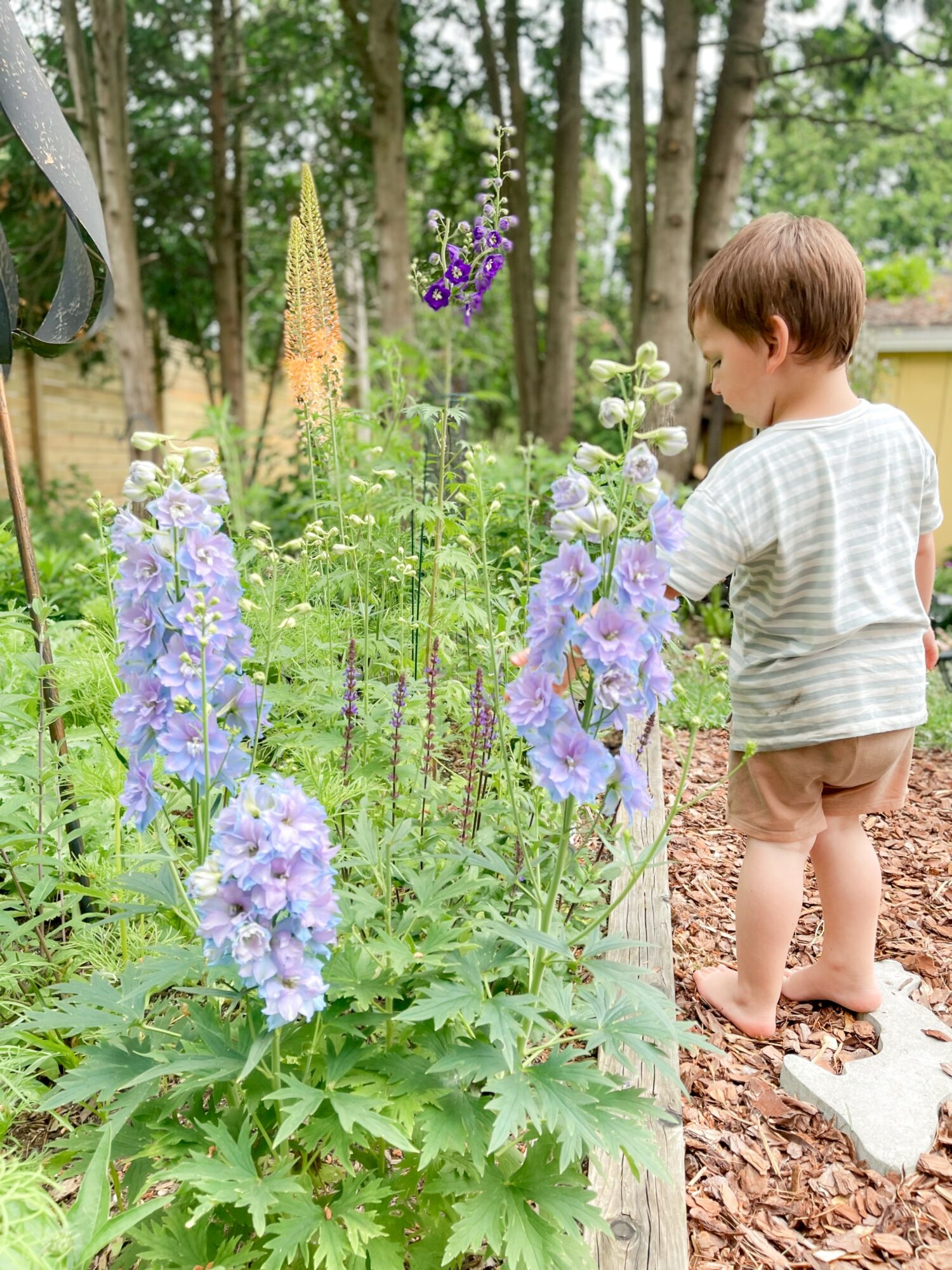
Today we’d like to introduce you to Jennica Kassabian.
Hi Jennica, so excited to have you on the platform. So before we get into questions about your work-life, maybe you can bring our readers up to speed on your story and how you got to where you are today?
Still, the contrast became harder to ignore. I would stand outside my home before leaving for work, distracted by whatever was emerging, blooming or changing in the garden, knowing I was about to spend the next 12 hours indoors. Eventually, it became obvious where I wanted to be. In the spring of 2023, I left music venue management and began working for myself as a garden designer and gardener. I was also fortunate to work with Eric Hofley, co-founder and publisher of Michigan Gardener, and Julia Hofley, a garden writer and educator. I learned a tremendous amount from both of them.
Today, my work follows Michigan’s seasons. During the colder months, I create custom garden design packets. During the growing season, I help restore and install those spaces. My design packets include a bloom calendar, plant reference key and care guide because I do not want to hand someone a pretty plan they do not understand. Many of my clients come to me because their landscape feels overwhelming. They may have inherited overgrown beds, invasive plants, compacted soil or years of short-term fixes. I begin by understanding what is happening, addressing the serious issues first and creating a plan that fits both the site and the person who will live with it. Education is a major part of my process. I am always happy to return to the job site, but creating permanent dependence is not my end goal. A successful garden, to me, is one the homeowner eventually feels informed and capable enough to care for.
That work is now becoming PaintedPlants. Some longtime followers may know the business by its former name, Small Seeds. PaintedPlants feels more true to what I do: creating living compositions through garden design, restoration and education while focusing on long-term plant health, ecological value and helping people feel at home in their own landscapes
Would you say it’s been a smooth road, and if not what are some of the biggest challenges you’ve faced along the way?
No, it has definitely not been a smooth road. One of my biggest learning curves has been accepting how little control a
garden business has over its schedule. I used to think working at a music venue was unpredictable until I began
scheduling projects around Michigan weather.
Rain, storms, extreme heat, poor air quality and a relatively short growing season can all change the plan. When one
project is postponed, it moves every project scheduled after it. That requires communication, flexibility and honesty about
what can safely and realistically be completed.
Another major lesson has been learning how to estimate restoration work. I have learned that old gardens have
archaeology.
What appears to be a straightforward garden bed can hide concrete pavers, buried edging, multiple layers of landscape
fabric , construction debris, large root systems or extremely compacted soil (usually caused by the installation of landscape fabric). Early on, I often underquoted projects because
I estimated what I could see and assumed I could complete the work faster than was realistic.
I now physically investigate the soil during a site visit, ask more questions, document existing conditions and give myself
room for what cannot be seen. Experience has taught me how to identify warning signs and set more realistic
expectations.
My husband helps with larger installations and restorations, and he is also helping me build better systems for the
business. We are working toward a website experience where clients can see the progress and status of their project.
But overall, the work itself has not necessarily become easier, but I have become better at seeing the whole project, pricing the real amount of
work involved and communicating clearly when nature changes the schedule.
Appreciate you sharing that. What else should we know about what you do?
PaintedPlants is a Michigan garden design, restoration and education business. Garden design is creative, but it is not
simply choosing plants that look beautiful beside one another.
Every species and cultivar comes with variables: light, moisture, soil, mature size, growth habit, bloom time, color, texture,
wildlife value, disease pressure and maintenance needs. The design has to work across seasons and years, not only on
installation day.
That is one reason the name PaintedPlants feels right to me. I think of plants as living paint. A garden has color,
composition, movement, contrast and texture, but the canvas constantly changes. What you see in May is different from
July or October. Plants grow into one another. Blooms change. Pollinators and birds begin using the space. The painting is
never really finished.
What sets my process apart is how much attention I give to what happens after installation. Traditional landscaping and
garden design often solve different problems. I am thinking about what the garden will look like in three, five or ten years,
how the soil is functioning, whether the plants are suited to the site and how much intervention it will require from the
homeowner.
Landscape fabric is a good example. I do not install it in garden beds and never have. I often am called to remove the old fabric from clients’ properties.
Years after landscape fabric is installed, clients commonly find weeds growing on top of it, roots tangled through it and a bed that is difficult to
amend or replant. Many plants growing in landscape fabric tend to decline over time due to the lack of organic nutrients reaching the soil. This blockage, is also what contributes to compacted soil. I would rather improve the soil, use appropriate plant density & species, and mulch thoughtfully.
I always make sure to include native plants, without discriminating against some non-native species that still benefit pollinators & wildlife, especially if the client has their heart set on something specific . A 70/30% split (70% being native) is a guideline that many garden designers follow. I am not against nativars or naturally occurring selections either , and I reference the Mt Cuba & Chicago Botanic Garden plant trials frequently when choosing my cultivars. I always avoid invasive or what I feel could potentially “soon to be legally considered invasive” species. I also avoid aggressive growers in small areas, even if they are native. I am not trying to force every garden into
one style or make every property look wild. I want the design to reflect the homeowner, align with the amount of time the homeowner would like to spend caring for their garden, compliment the home, while also functioning as a
healthier, more diverse habitat.
The educational side is just as important as the visual side. My clients receive a bloom calendar, plant reference key and
care guide specific to their garden. I also love when my clients want to be hands on during their project and learn as much as they can. Some will invest in their own tools and work alongside me when they can. I will also take time to explain pruning techniques or answer any additional questions my clients may have , during the project & long after completion.
My goal is not to turn every client into a horticulturist. It is to remove the mysteries of gardening.
I have no desire to make money from problems I create. A successful garden plan is not one where the
homeowner needs me forever. It is one where they understand what is growing, why it is there and what it needs.
What sort of changes are you expecting over the next 5-10 years?
I would love to believe that gardening, especially ecological gardening, is growing due to everything I am seeing online, but I am careful not to confuse my own social media algorithms with a national trend. I can say however, that the
questions homeowners ask me have been changing. More people are asking about native plants, pollinators, host plants, alternative options to pesticides, permaculture, lawn reduction and how their landscape affects their children, pets and the environment.
Whether that represents an entire industry shift or the community I have built around me, it is
encouraging.
Contact Info:
- Website: https://Www.paintedplants.com
- Instagram: @ThePaintedPlantLady
- Facebook: https://Facebook.com/thepaintedplantlady
- Other: https://hihello.com/p/437f315b-2b0c-4faf-a951-6568b6e947f8
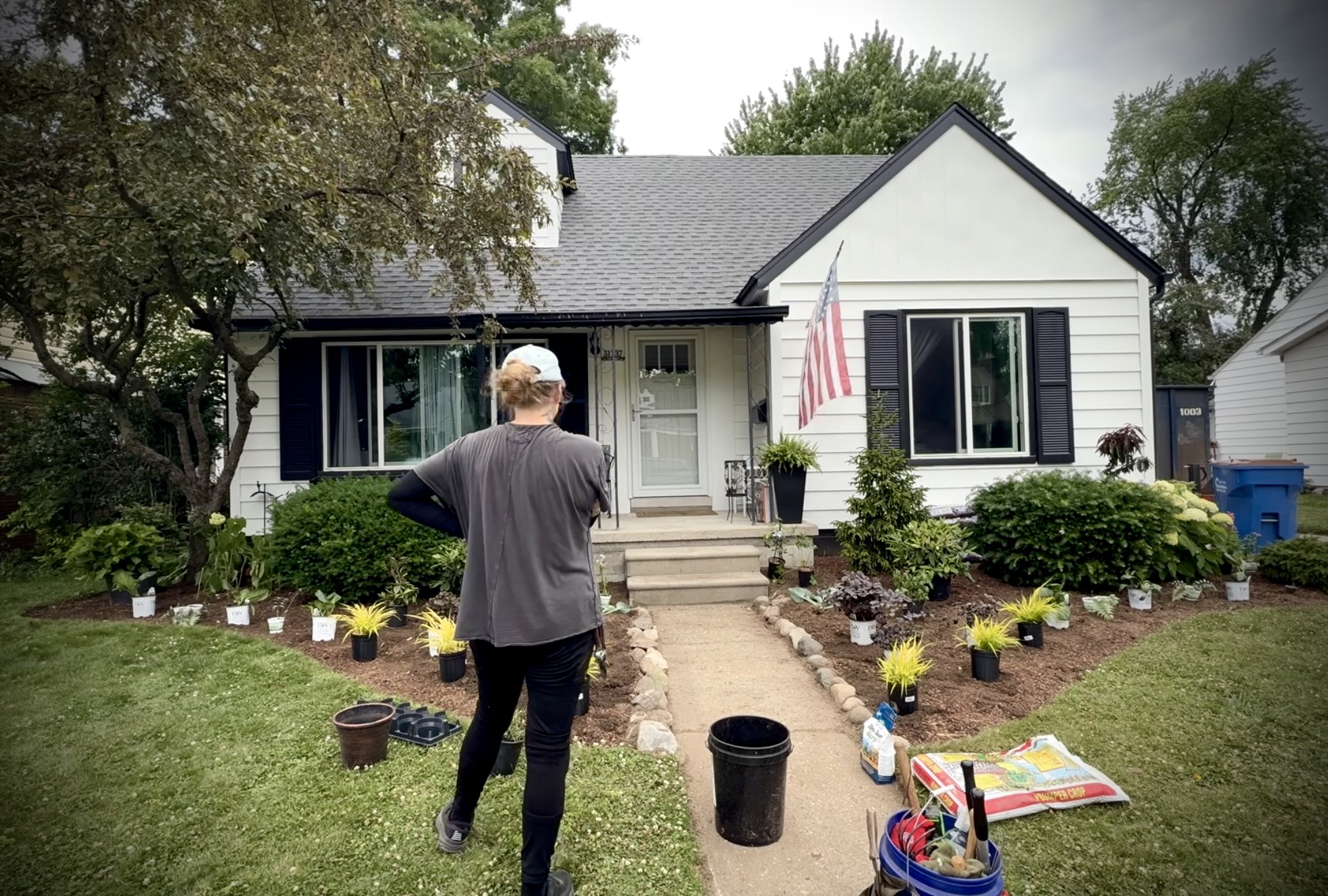
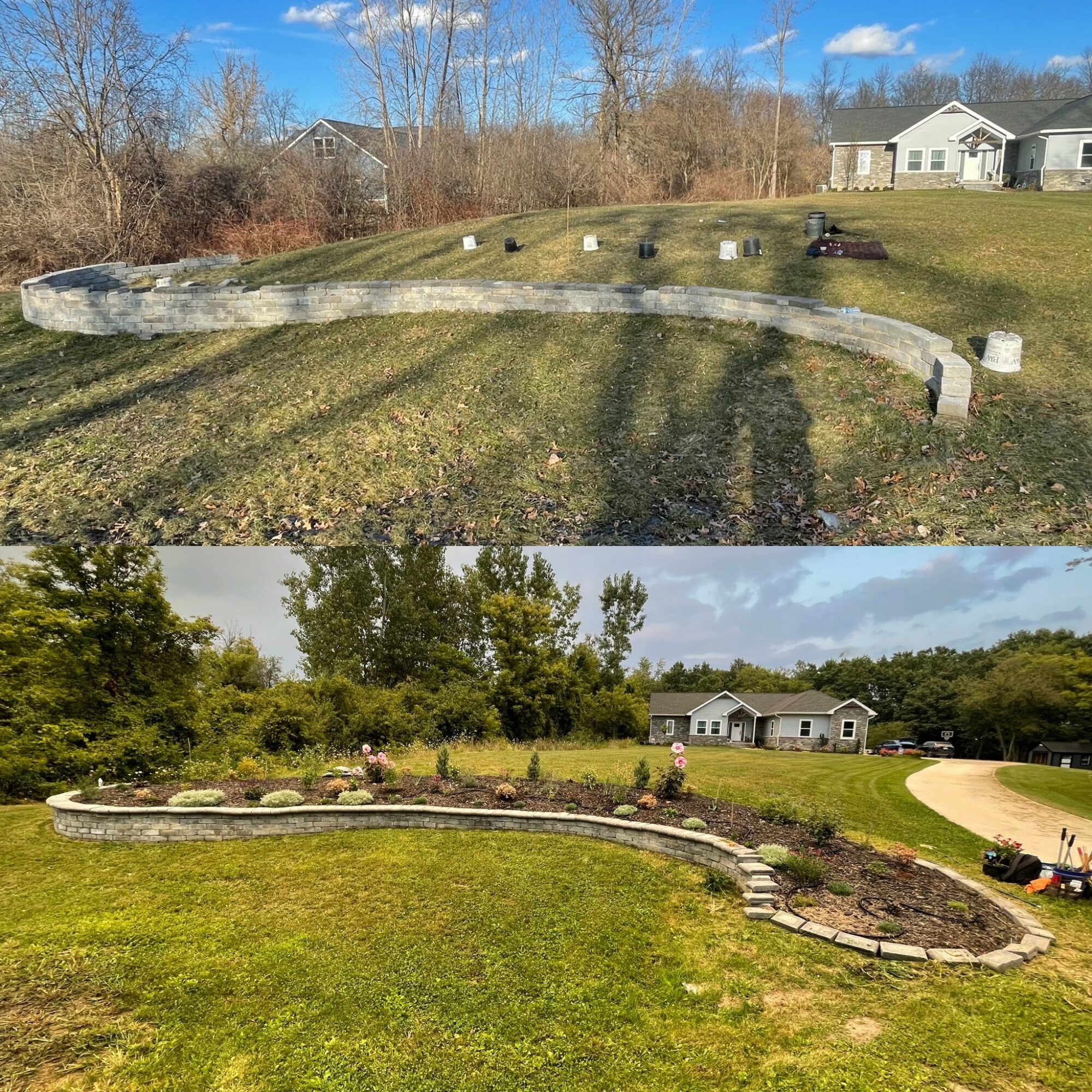
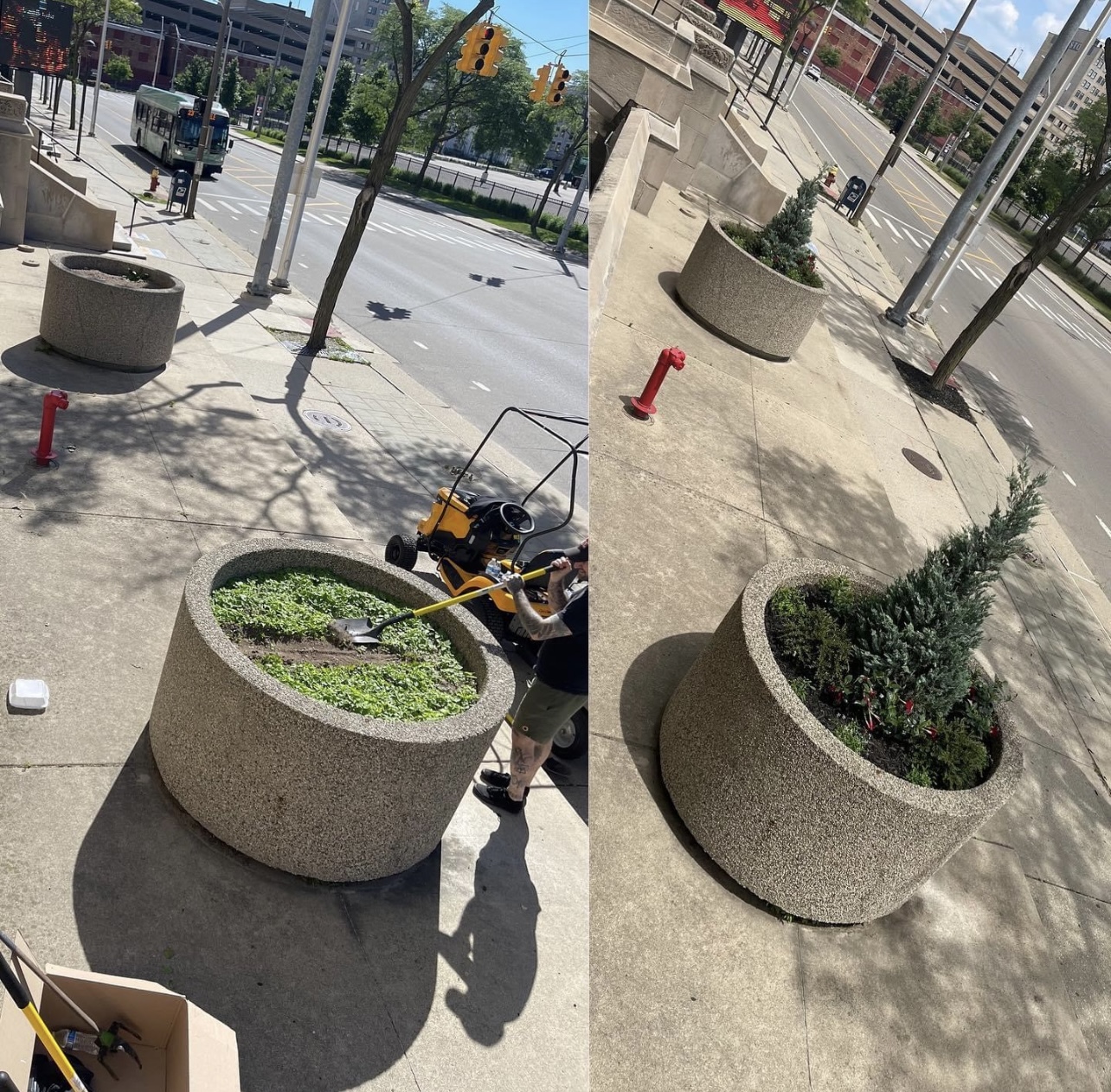
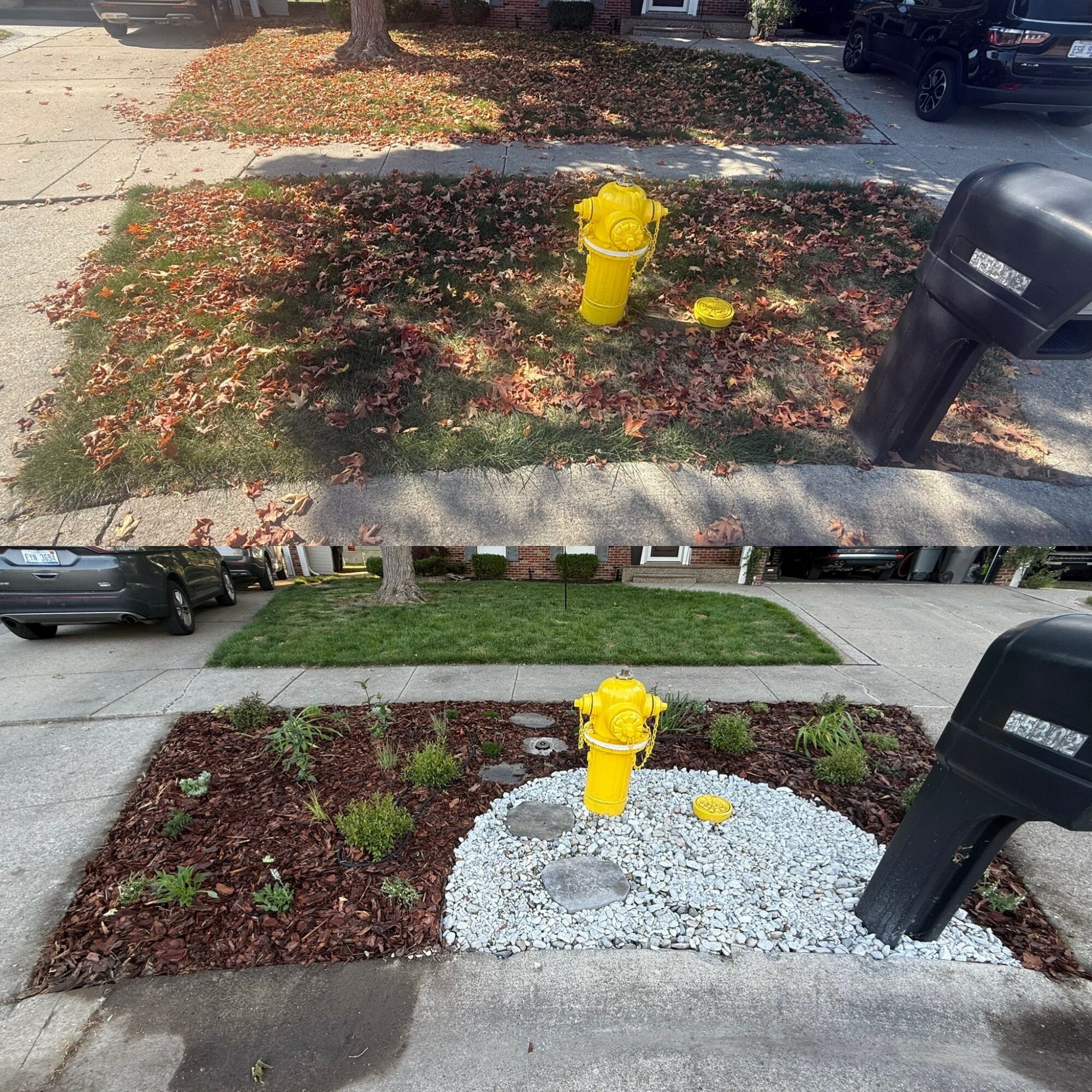
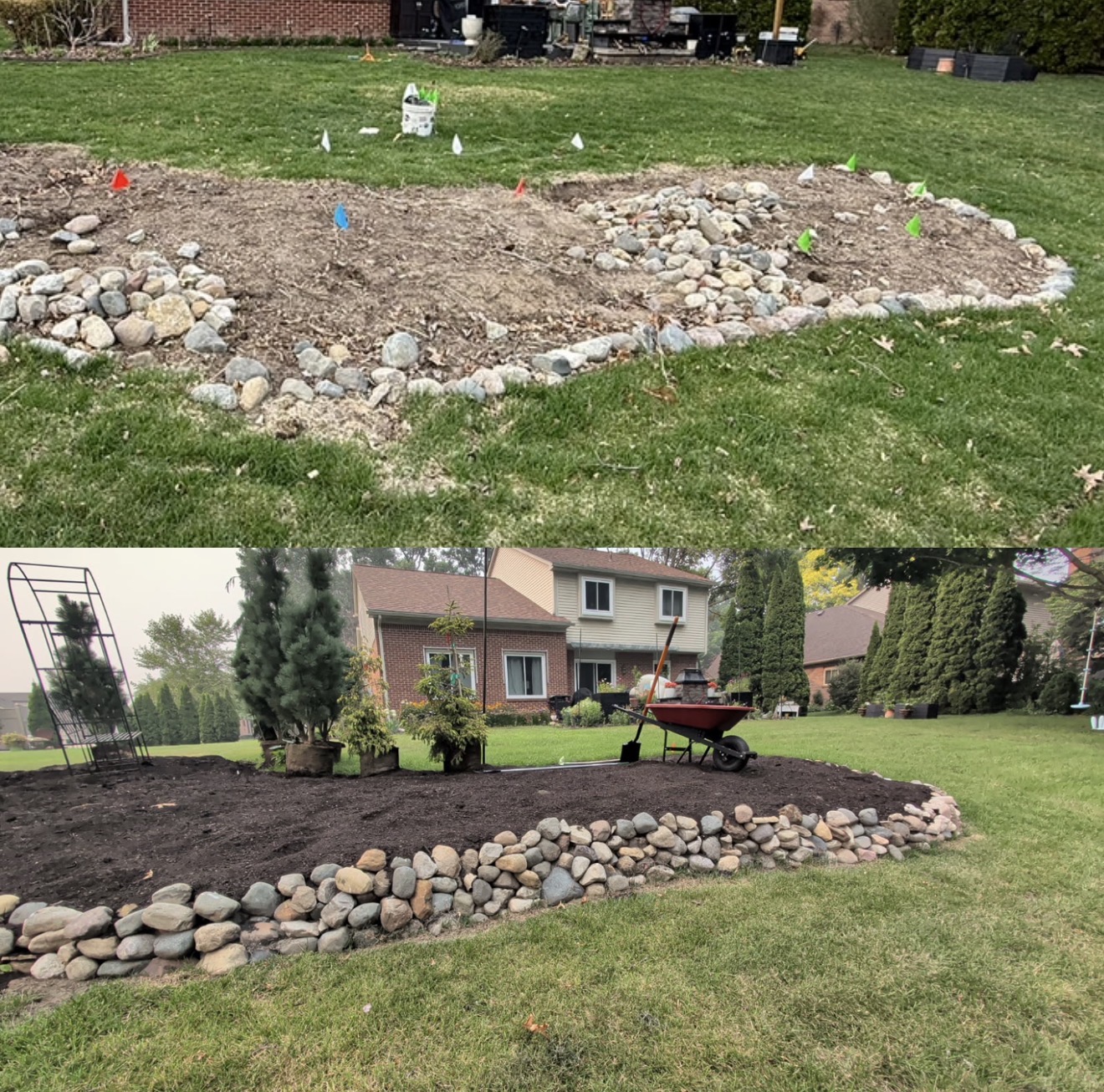
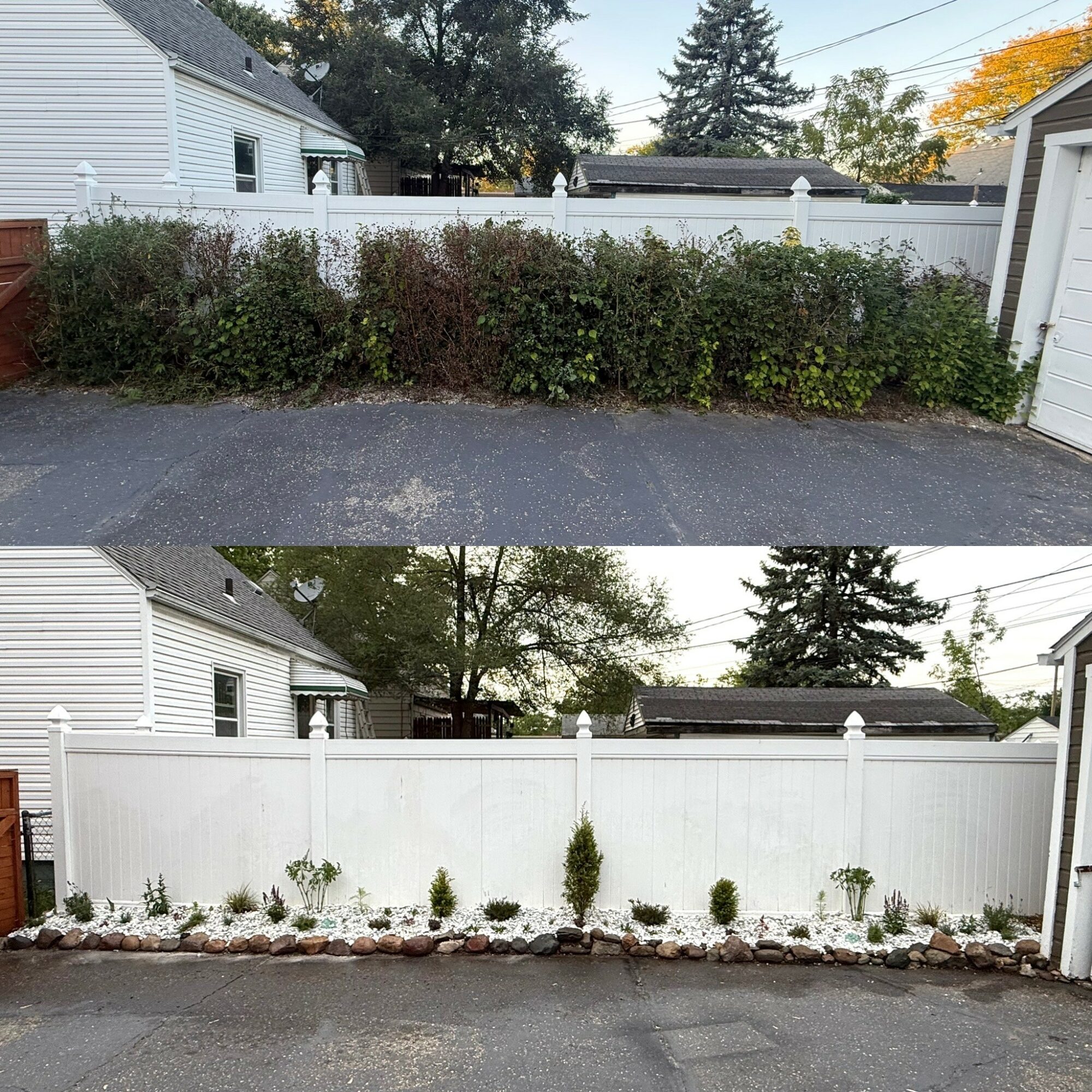
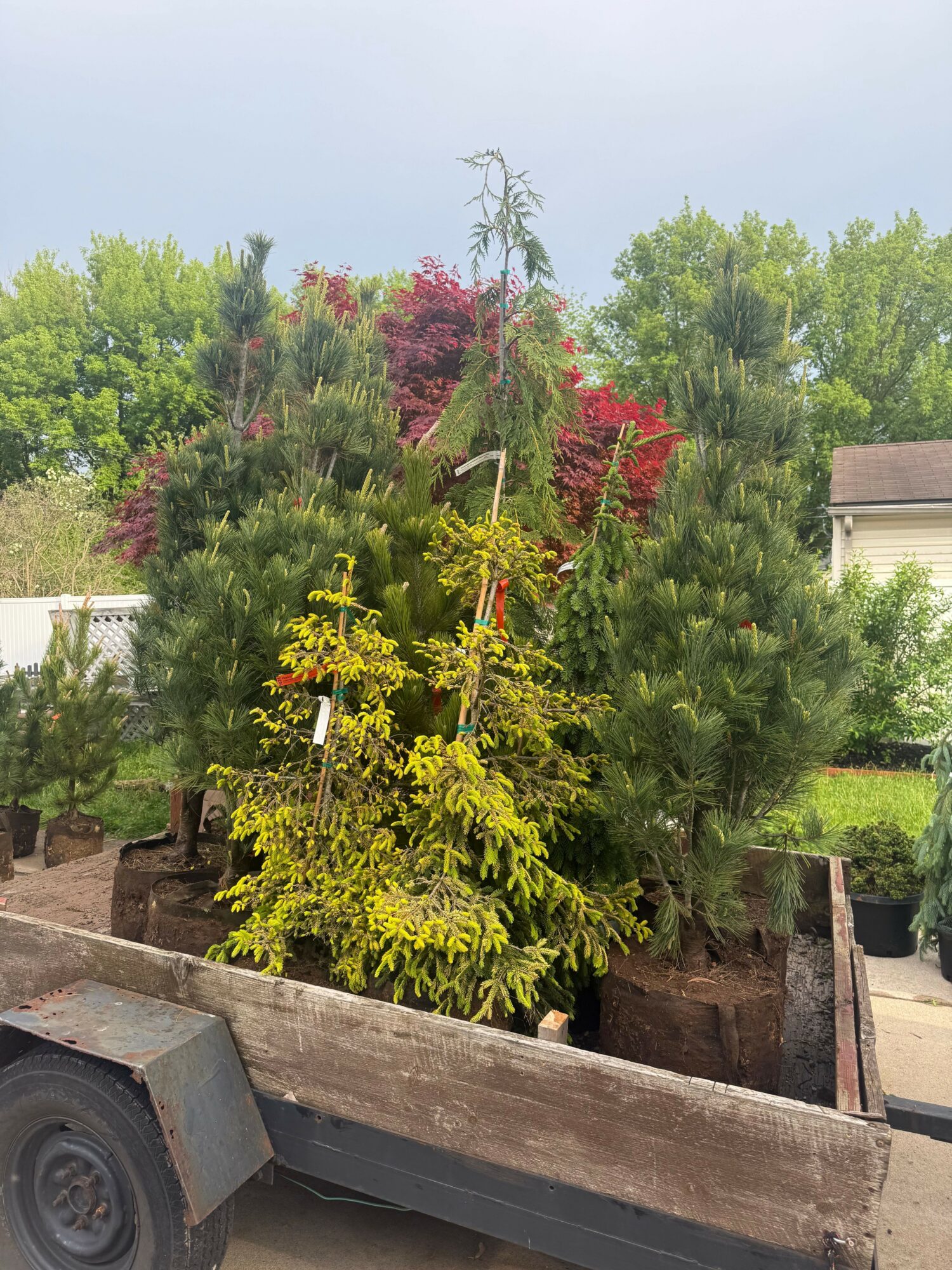
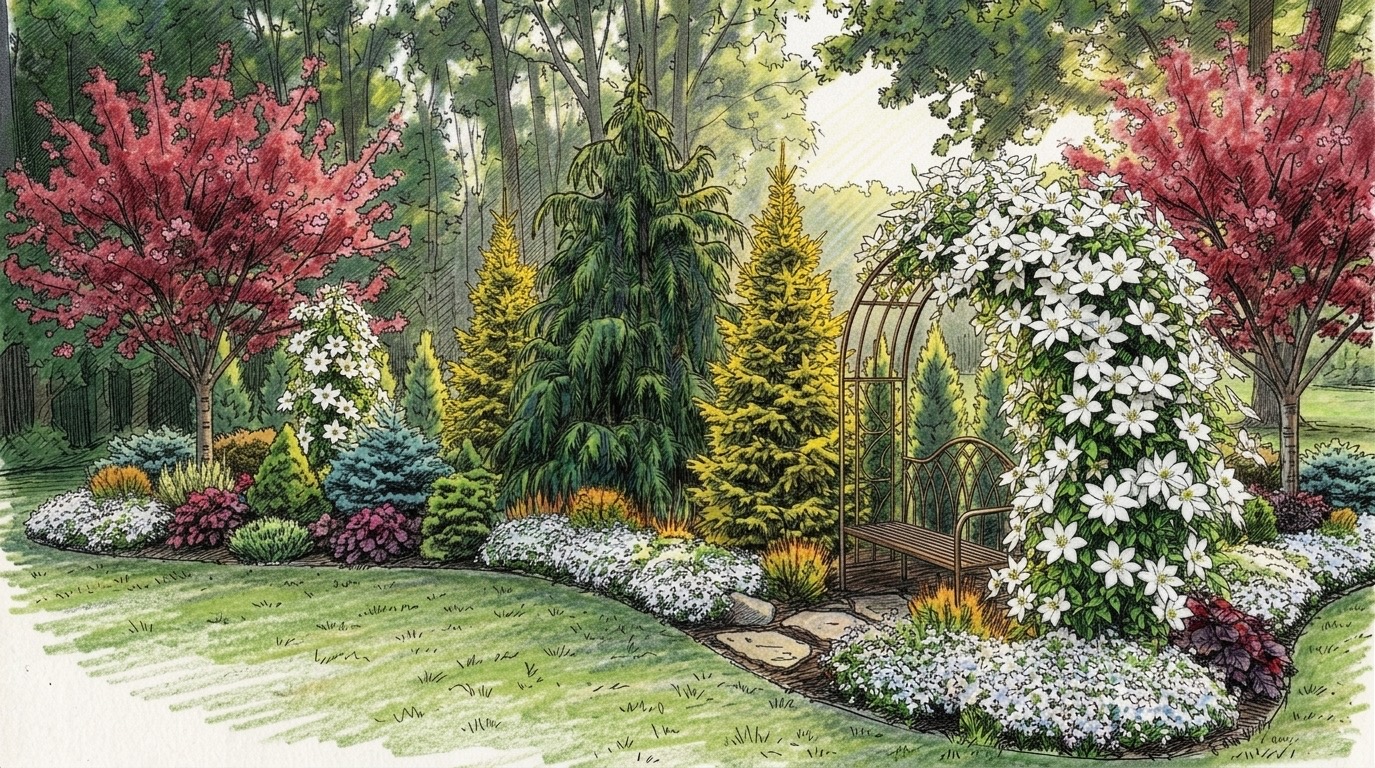
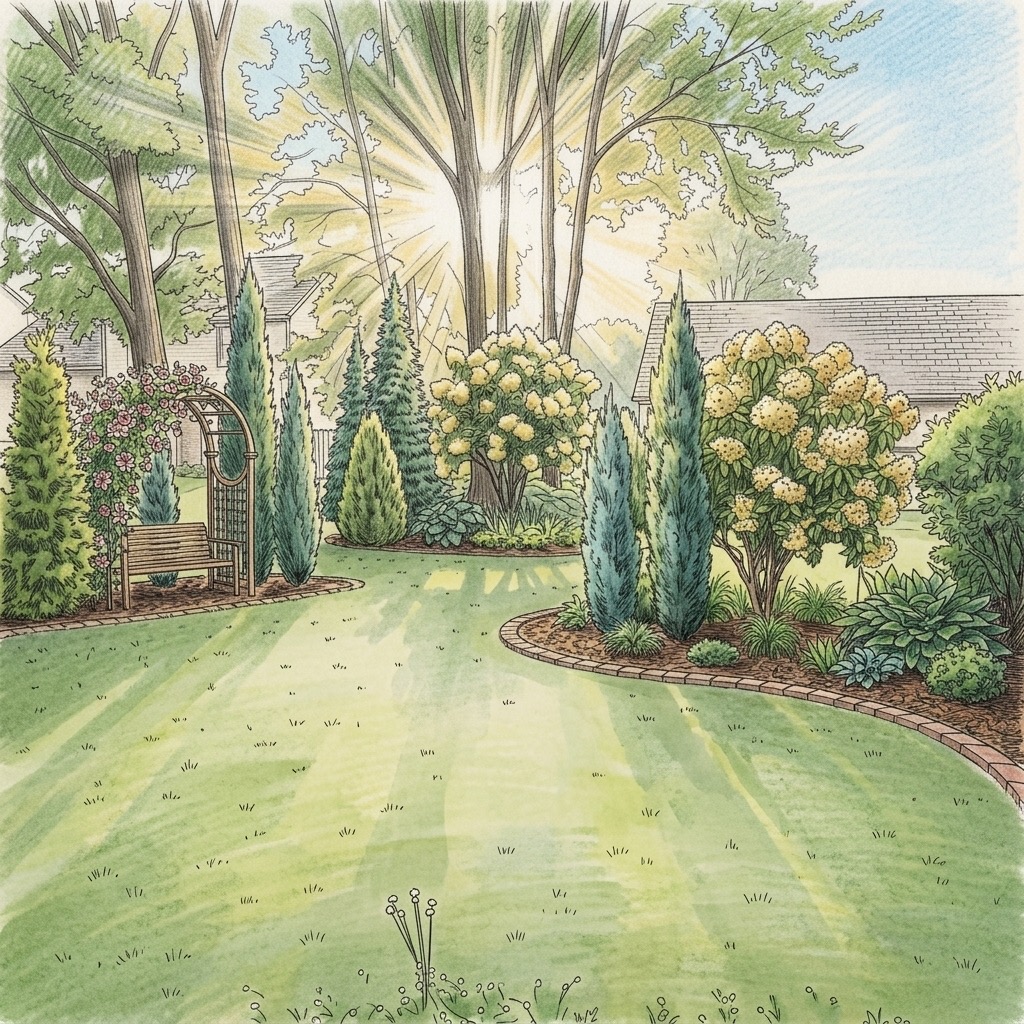
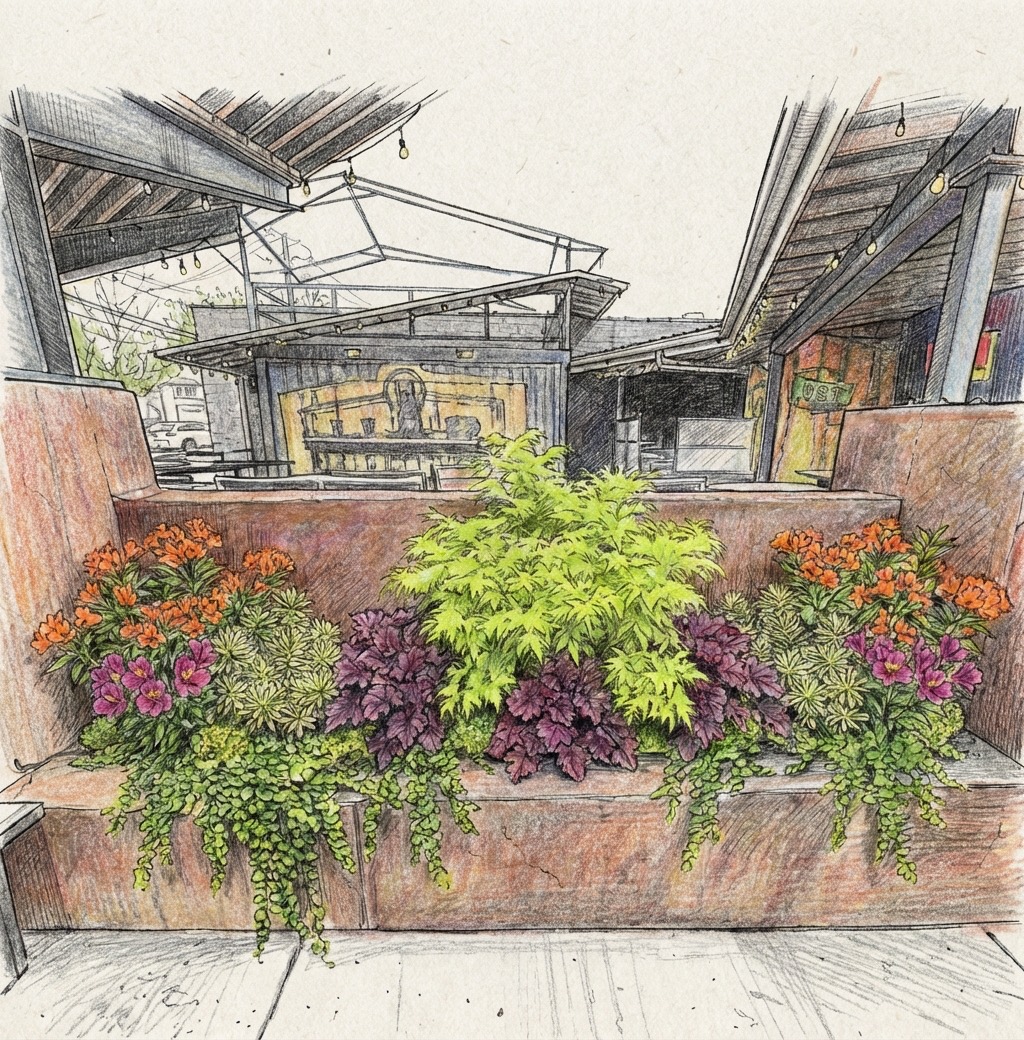
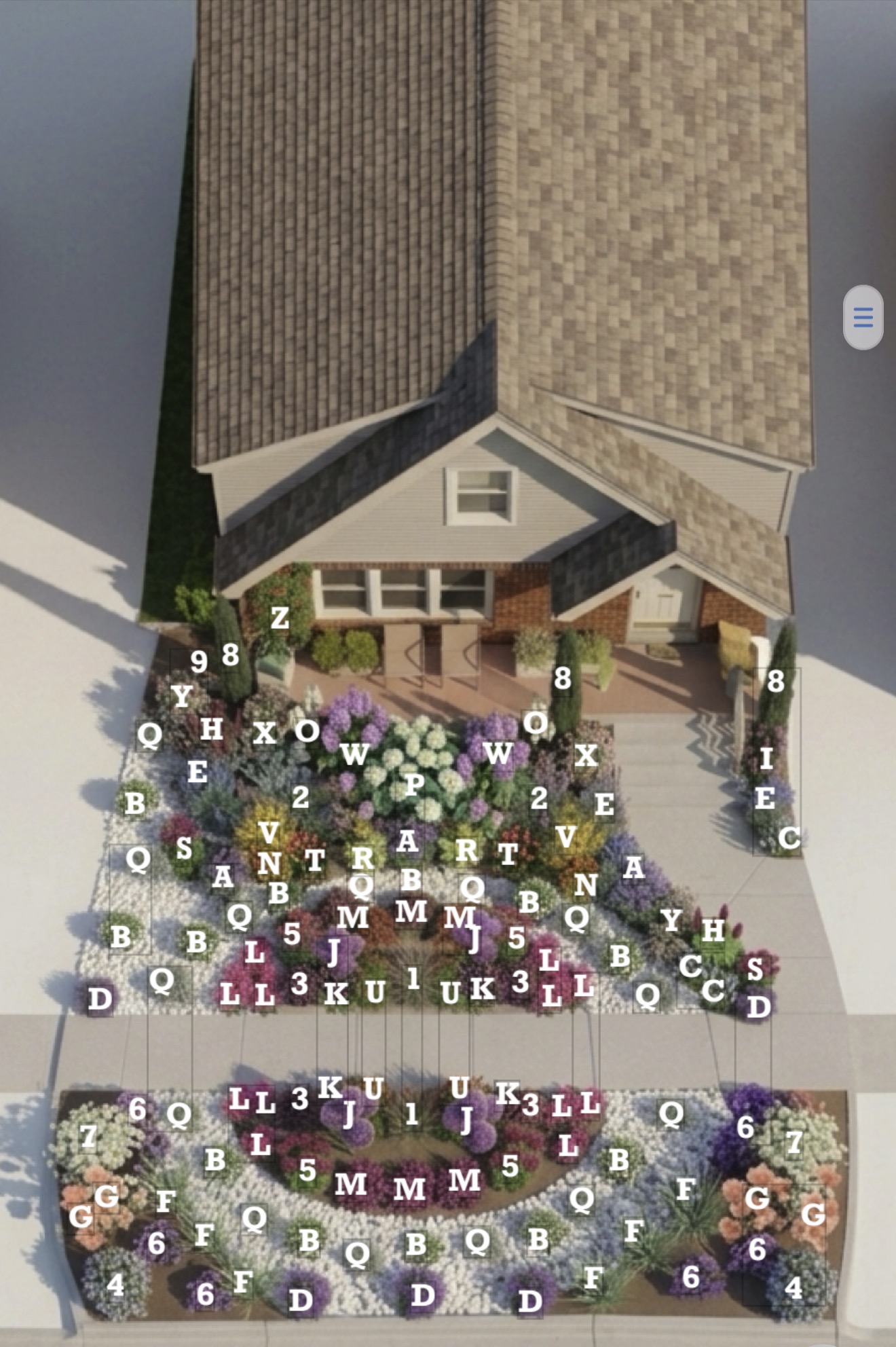
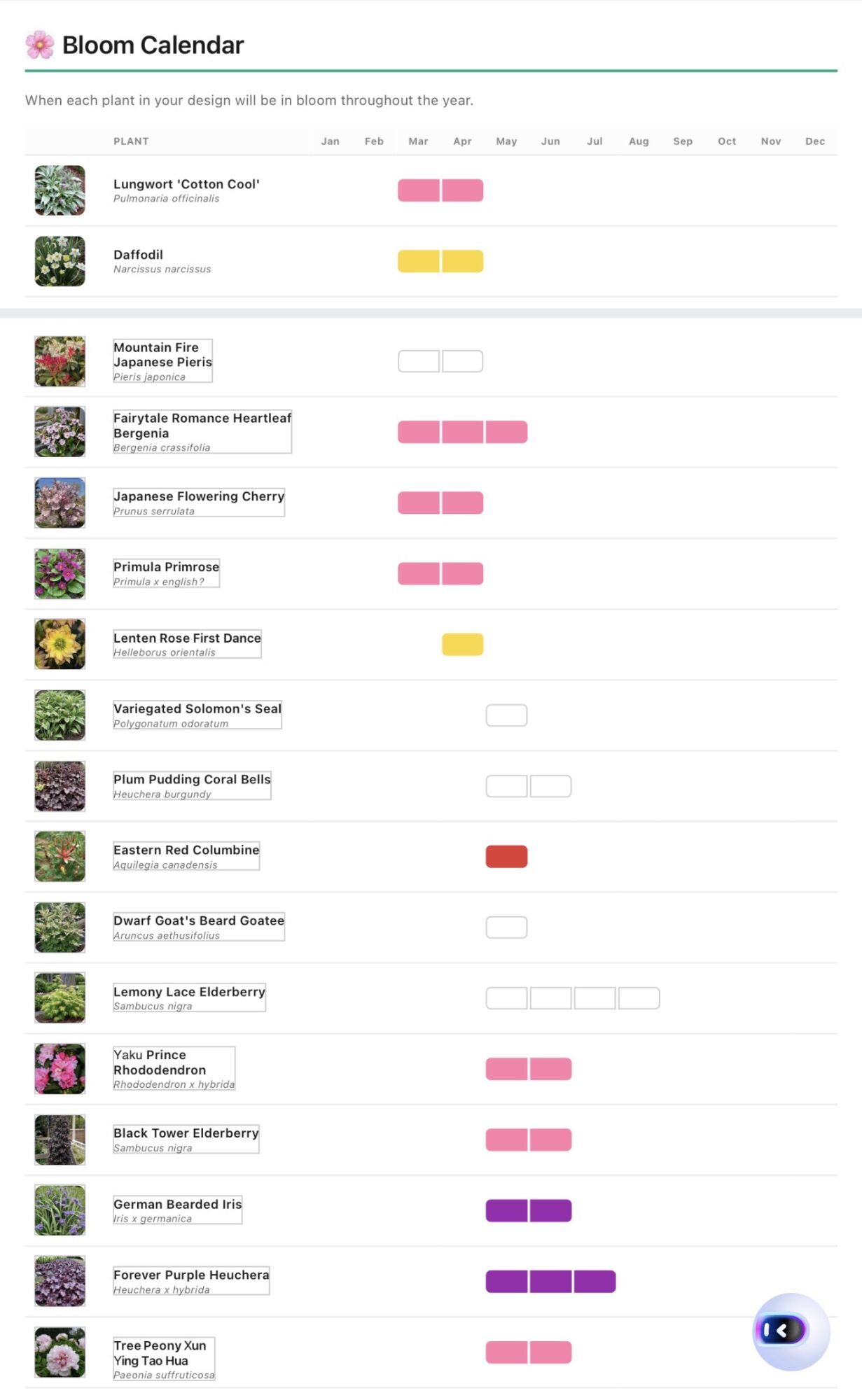
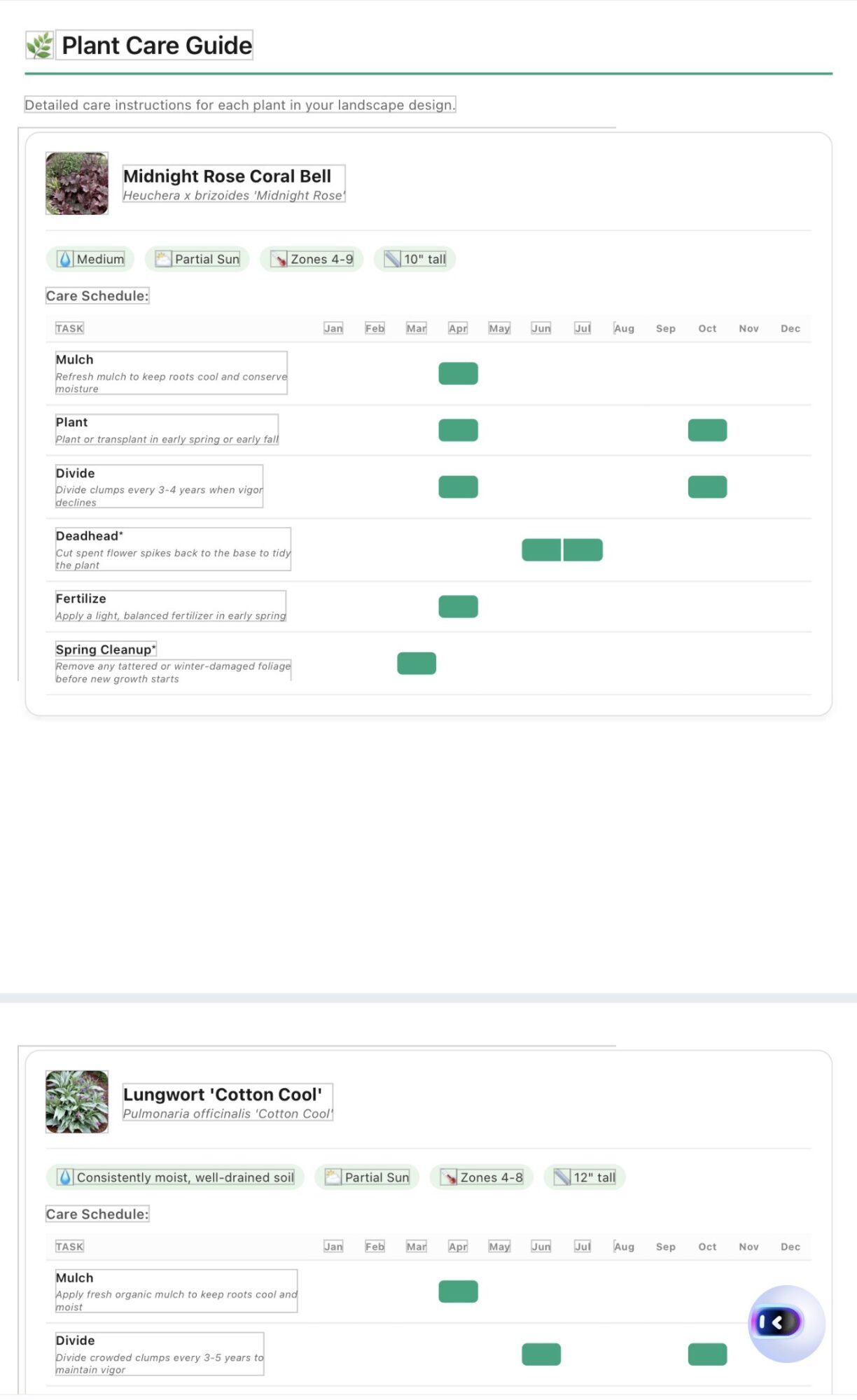
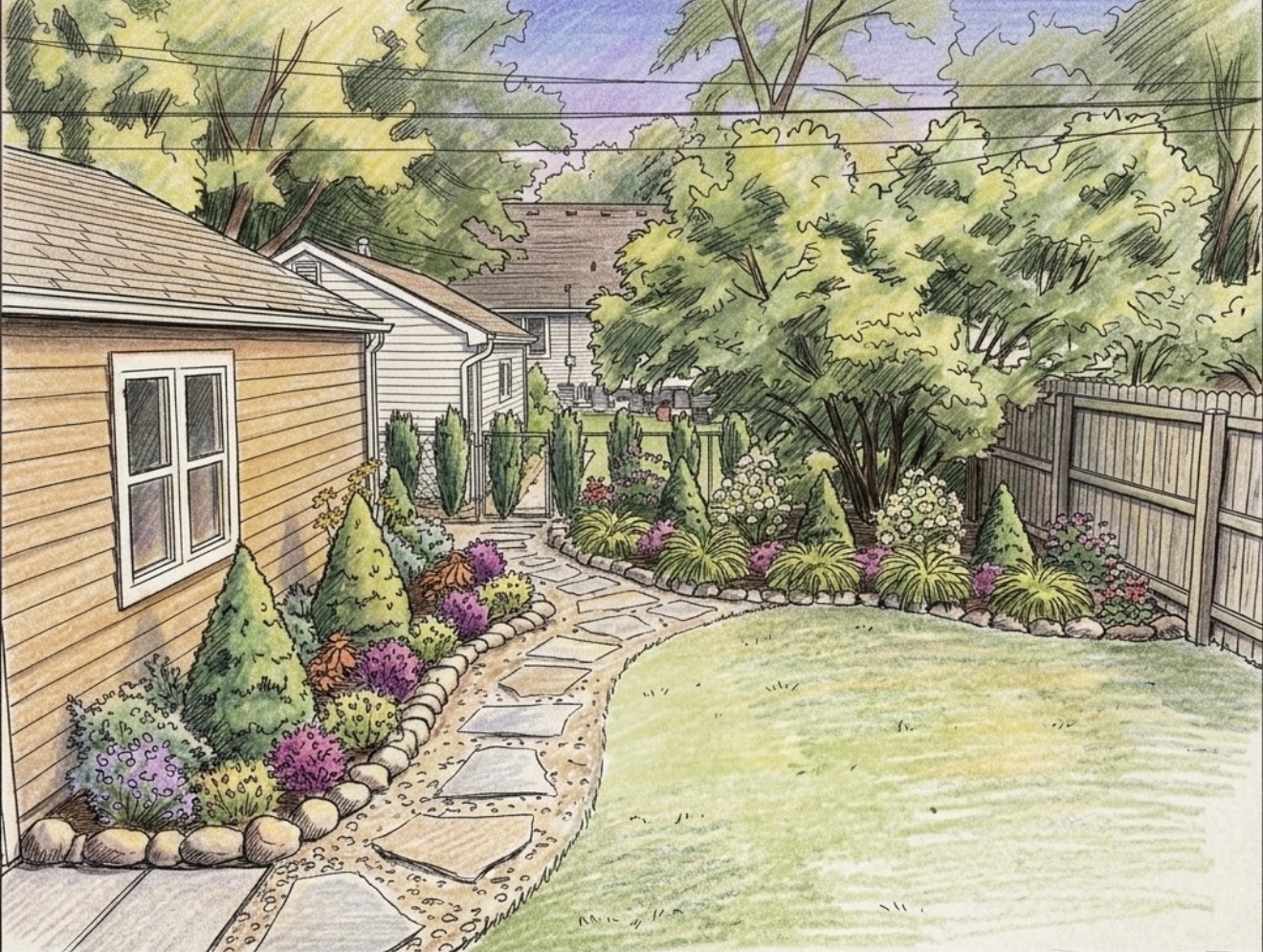
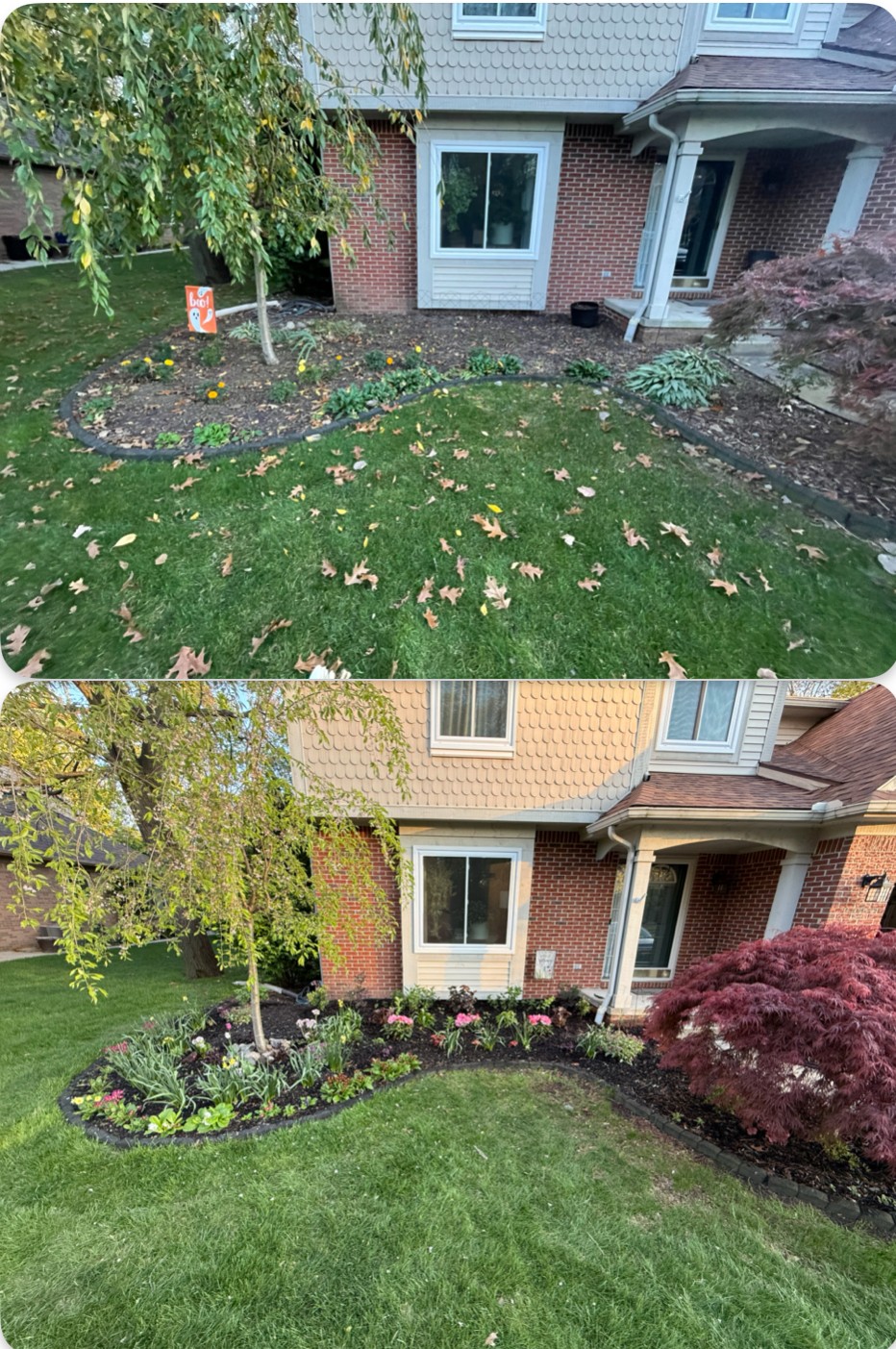
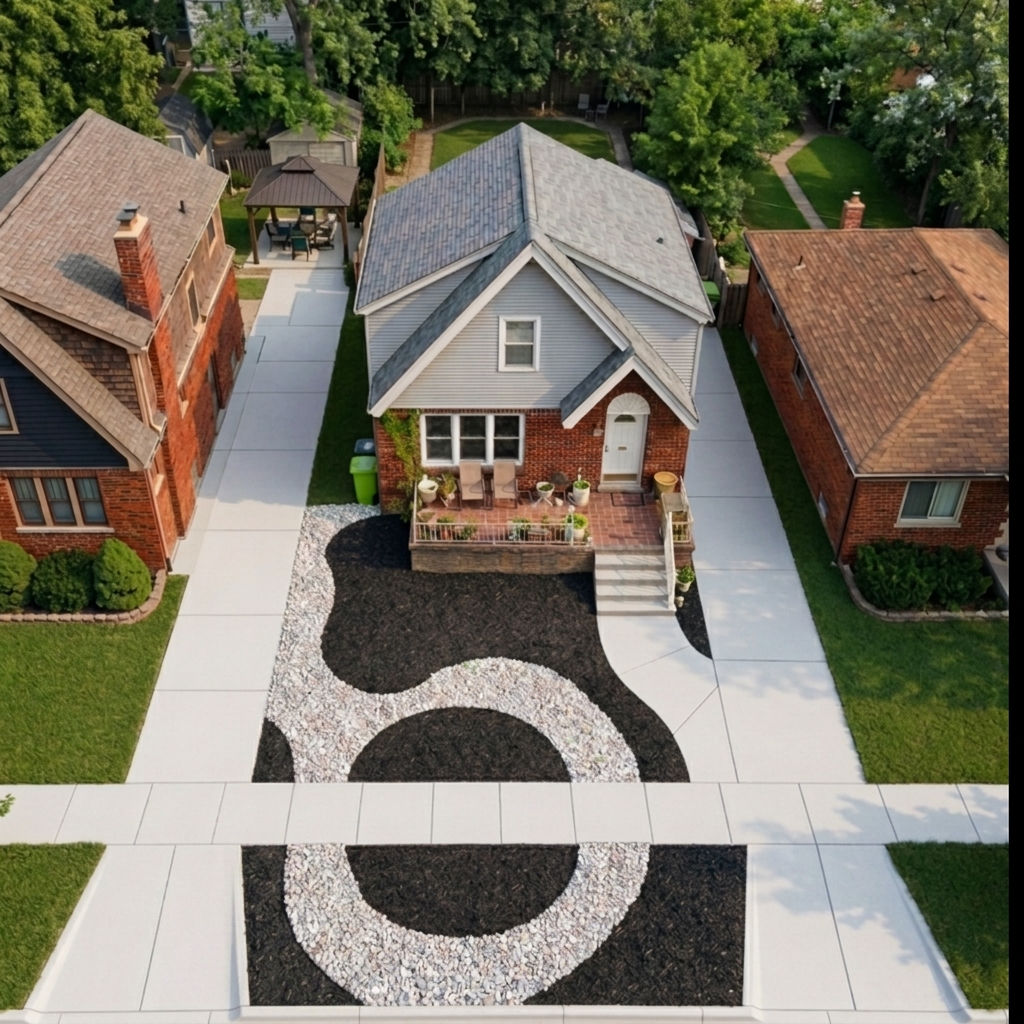
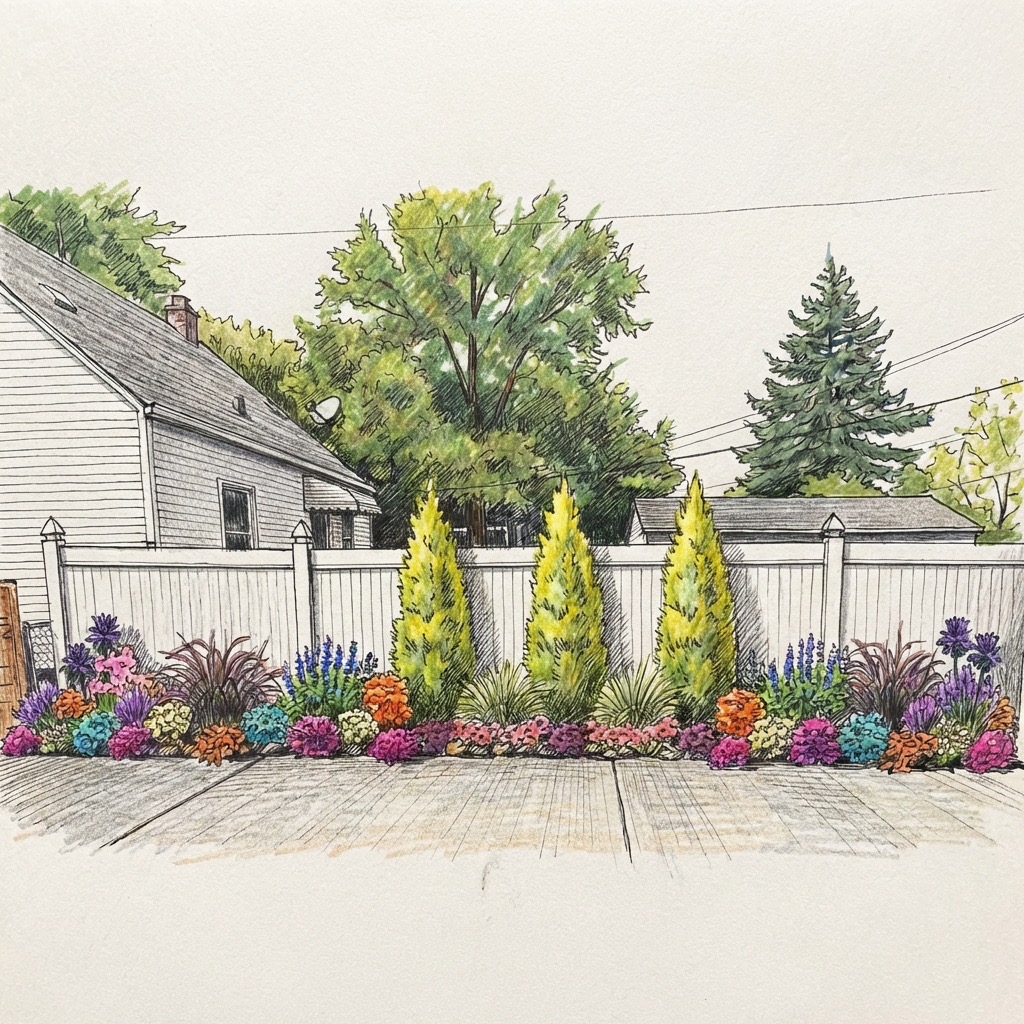
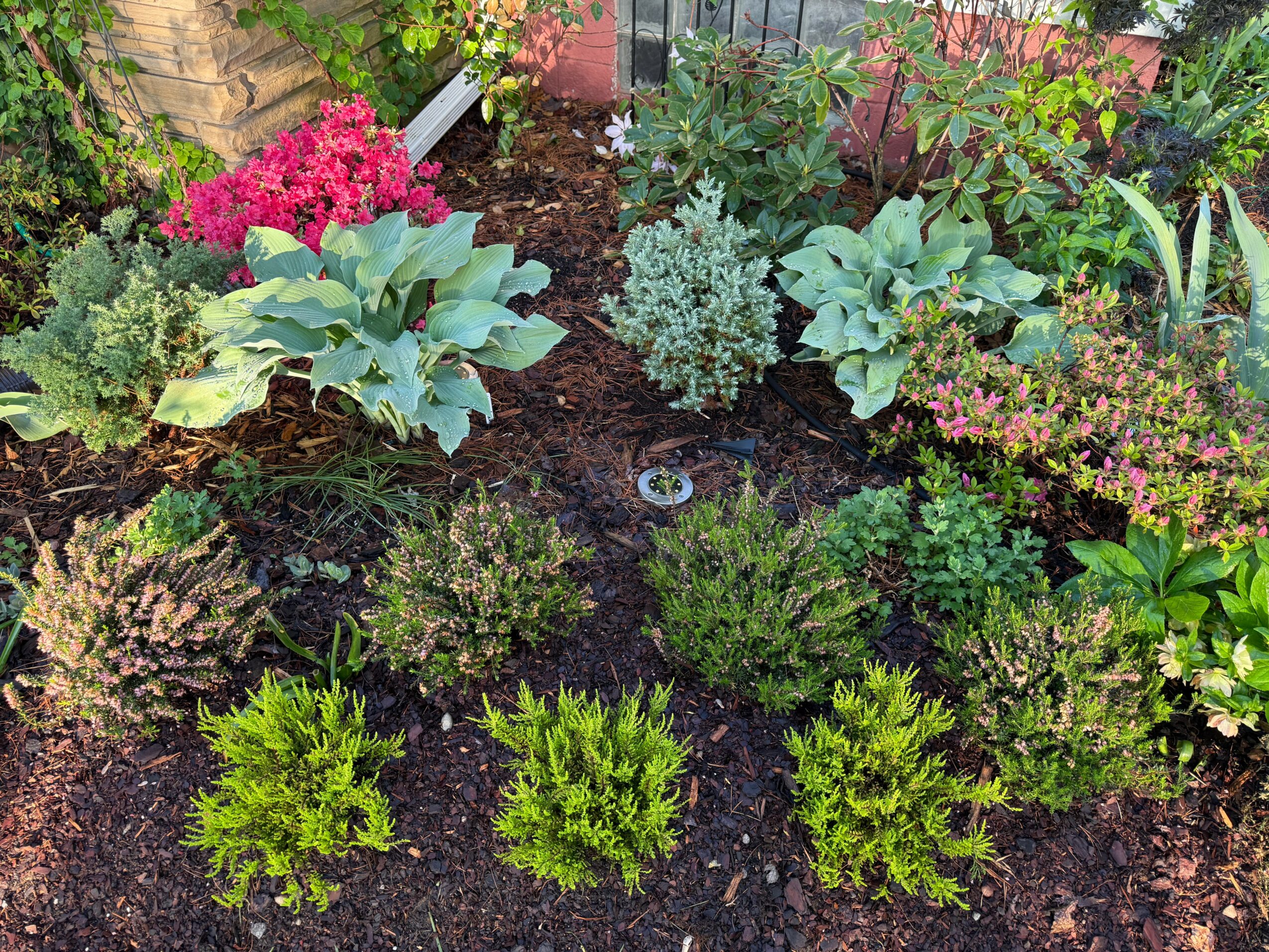
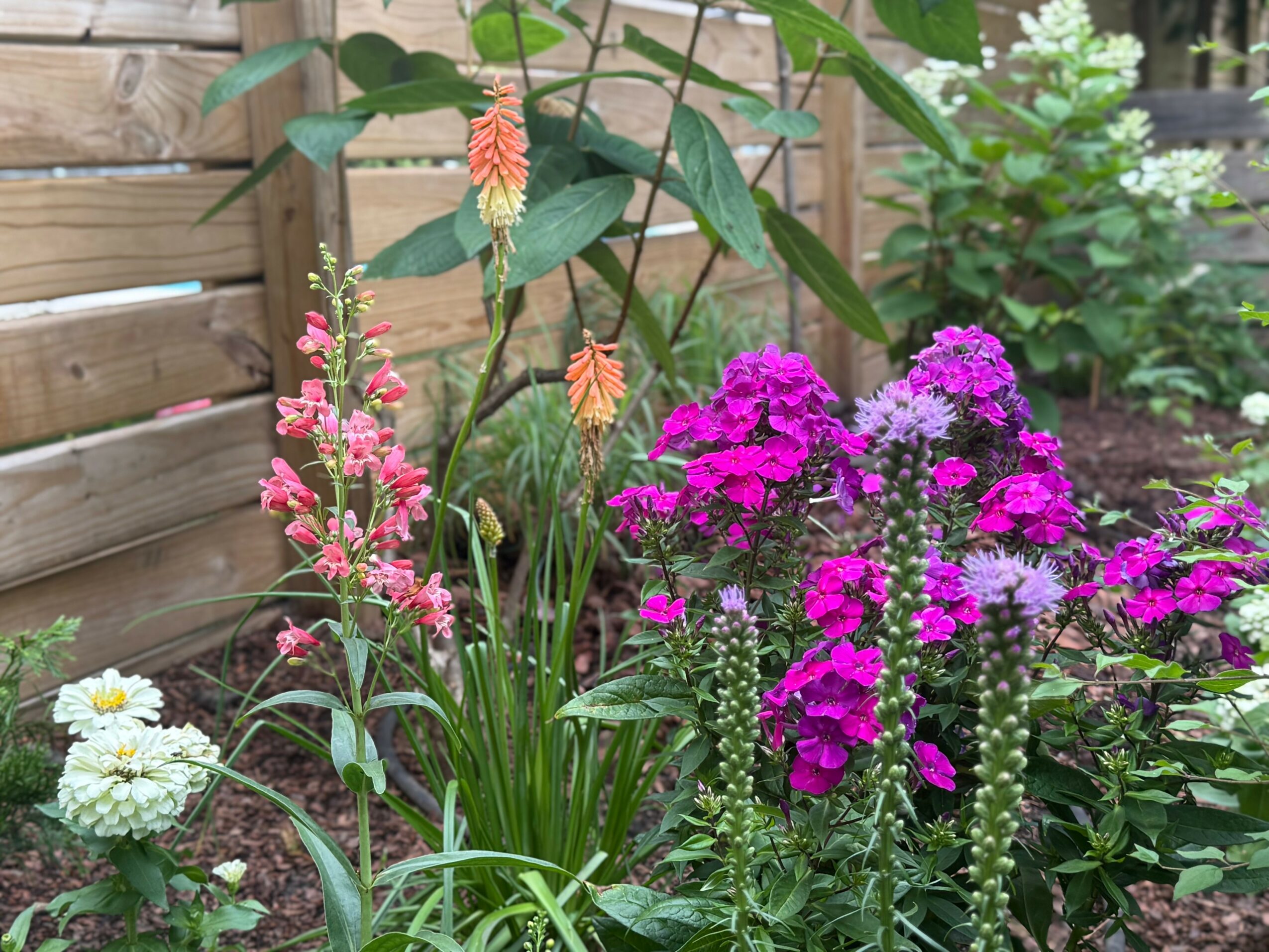
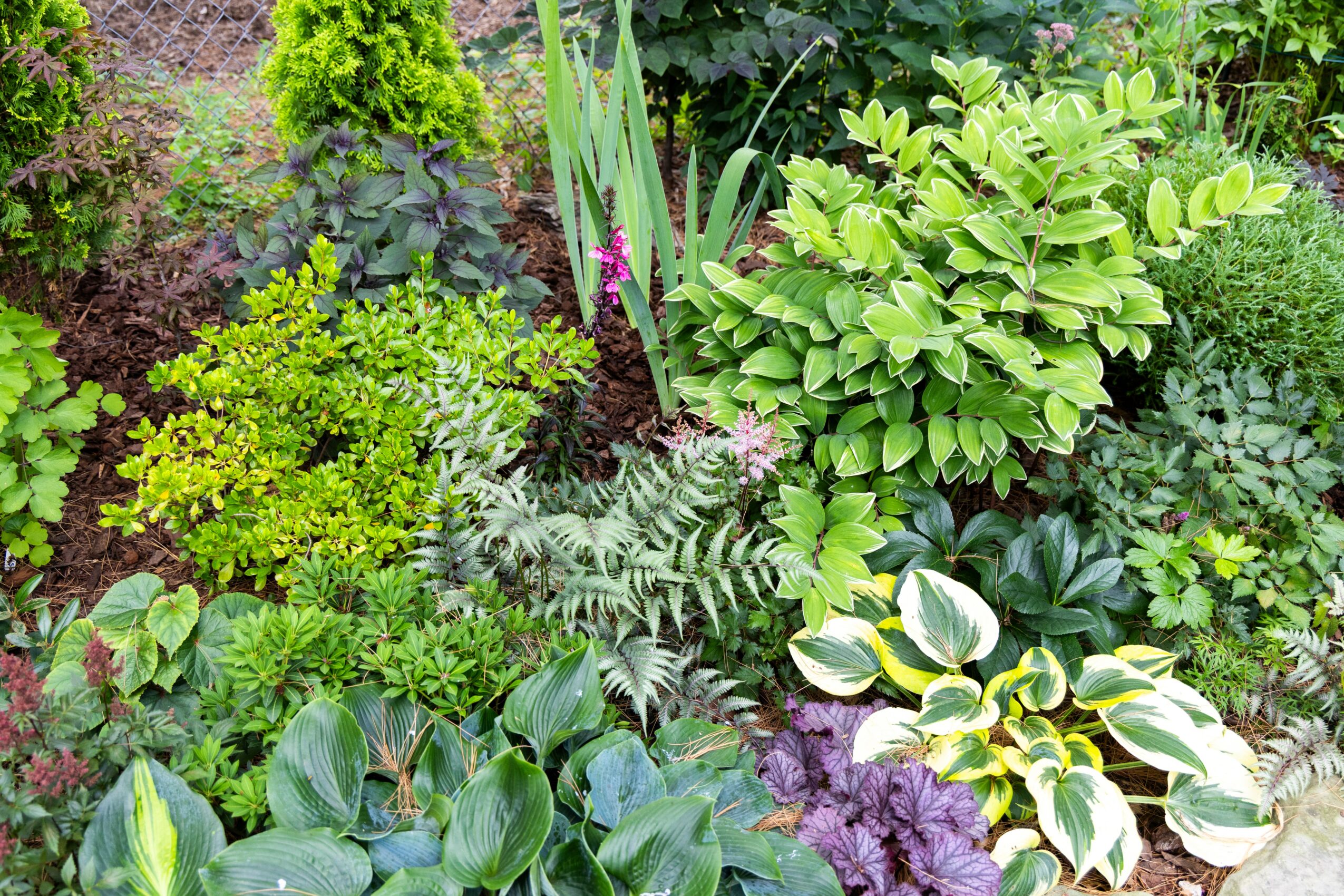
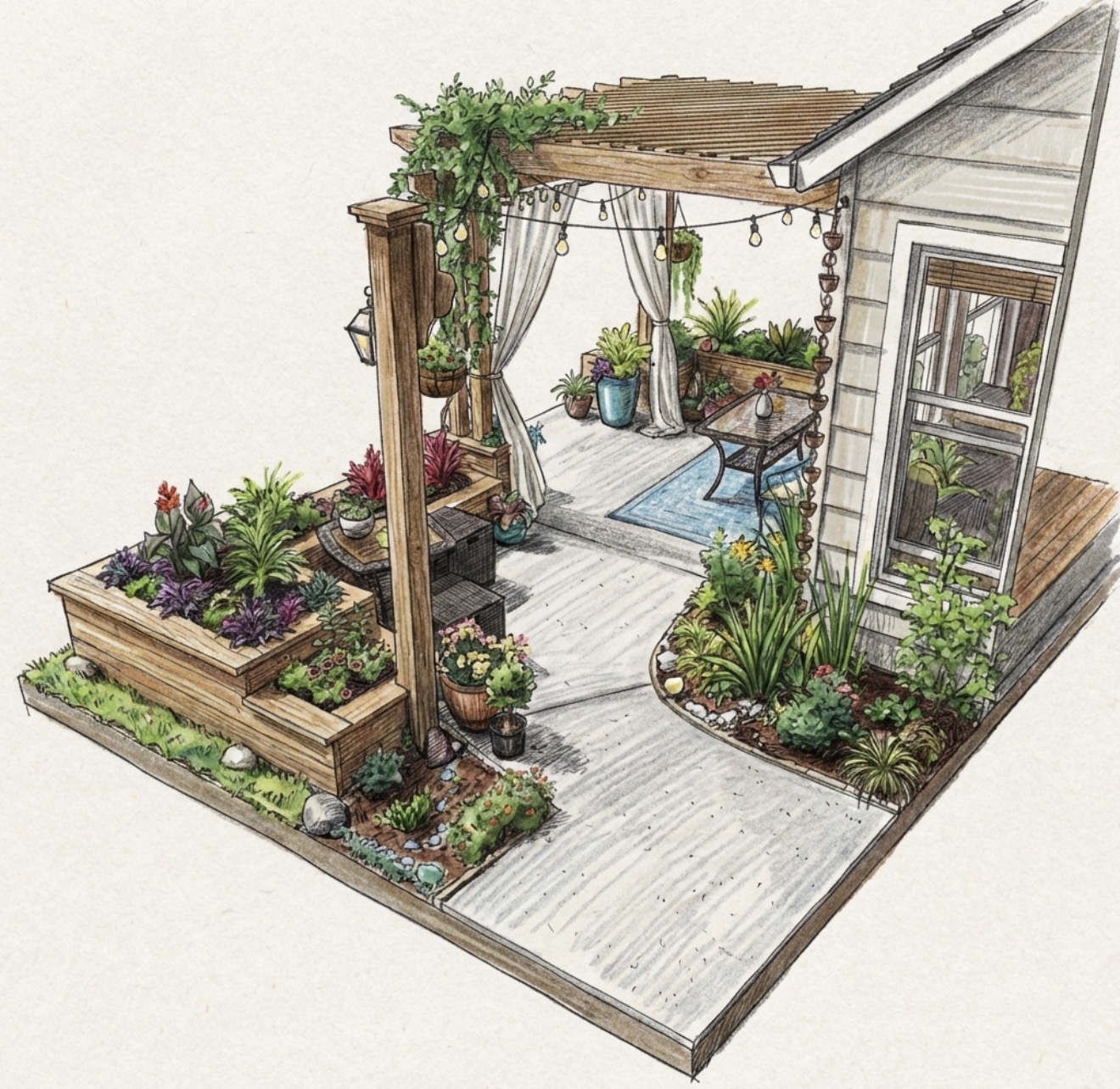
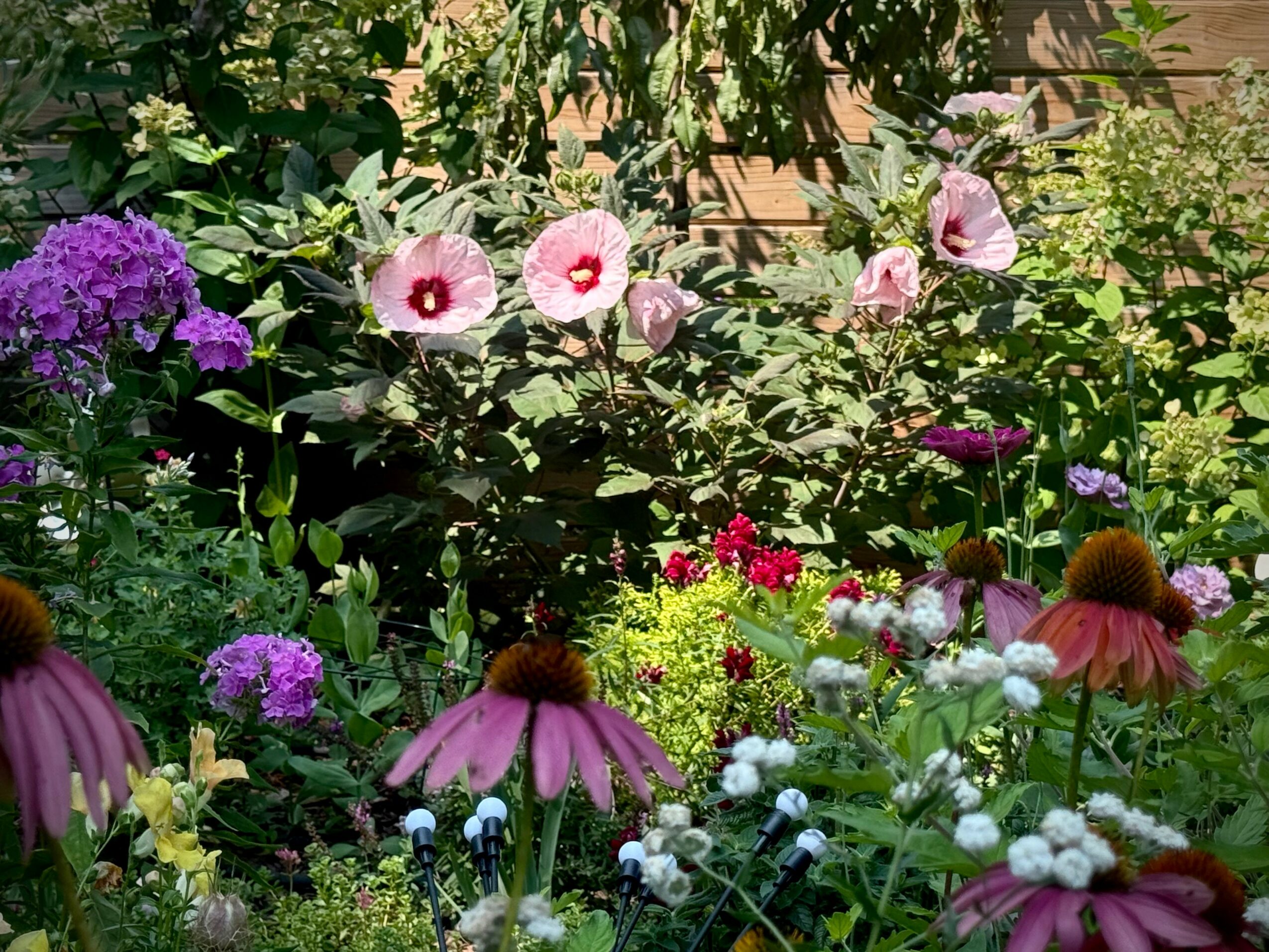
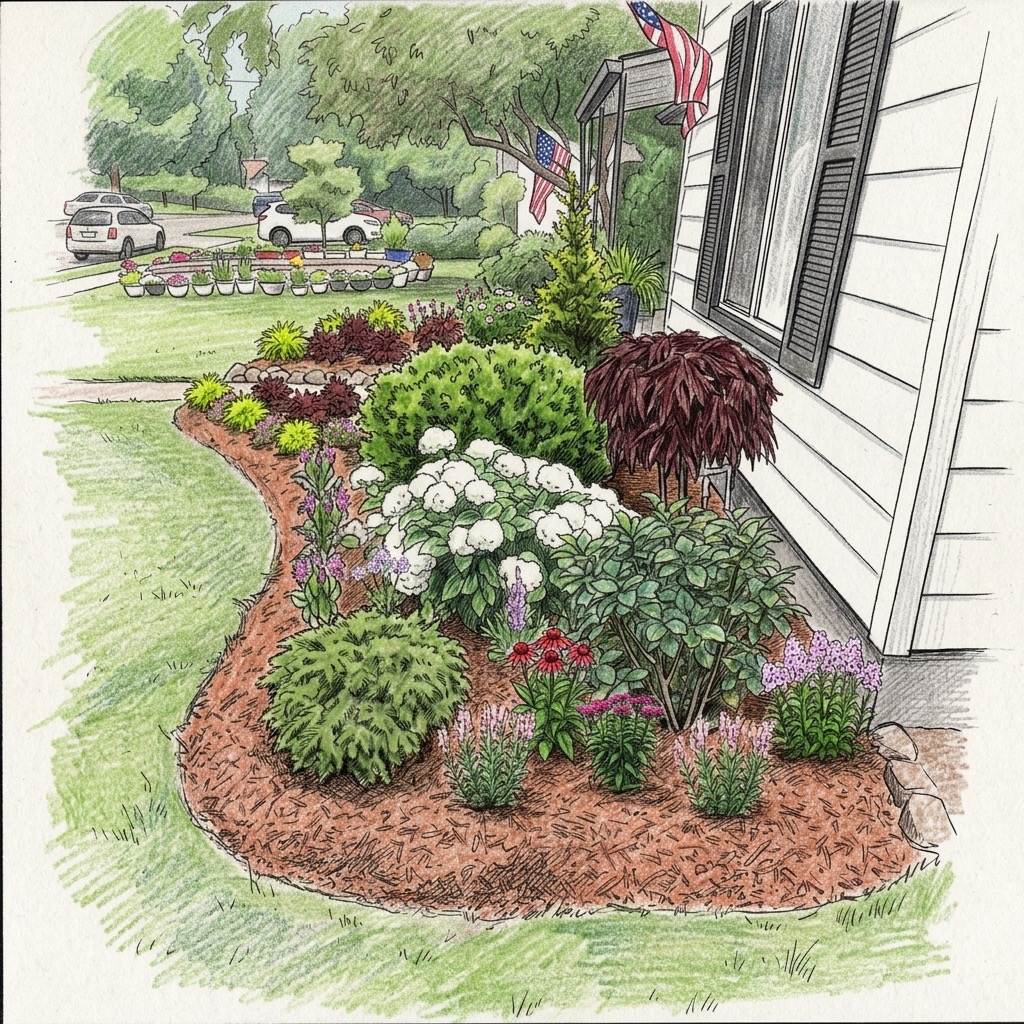
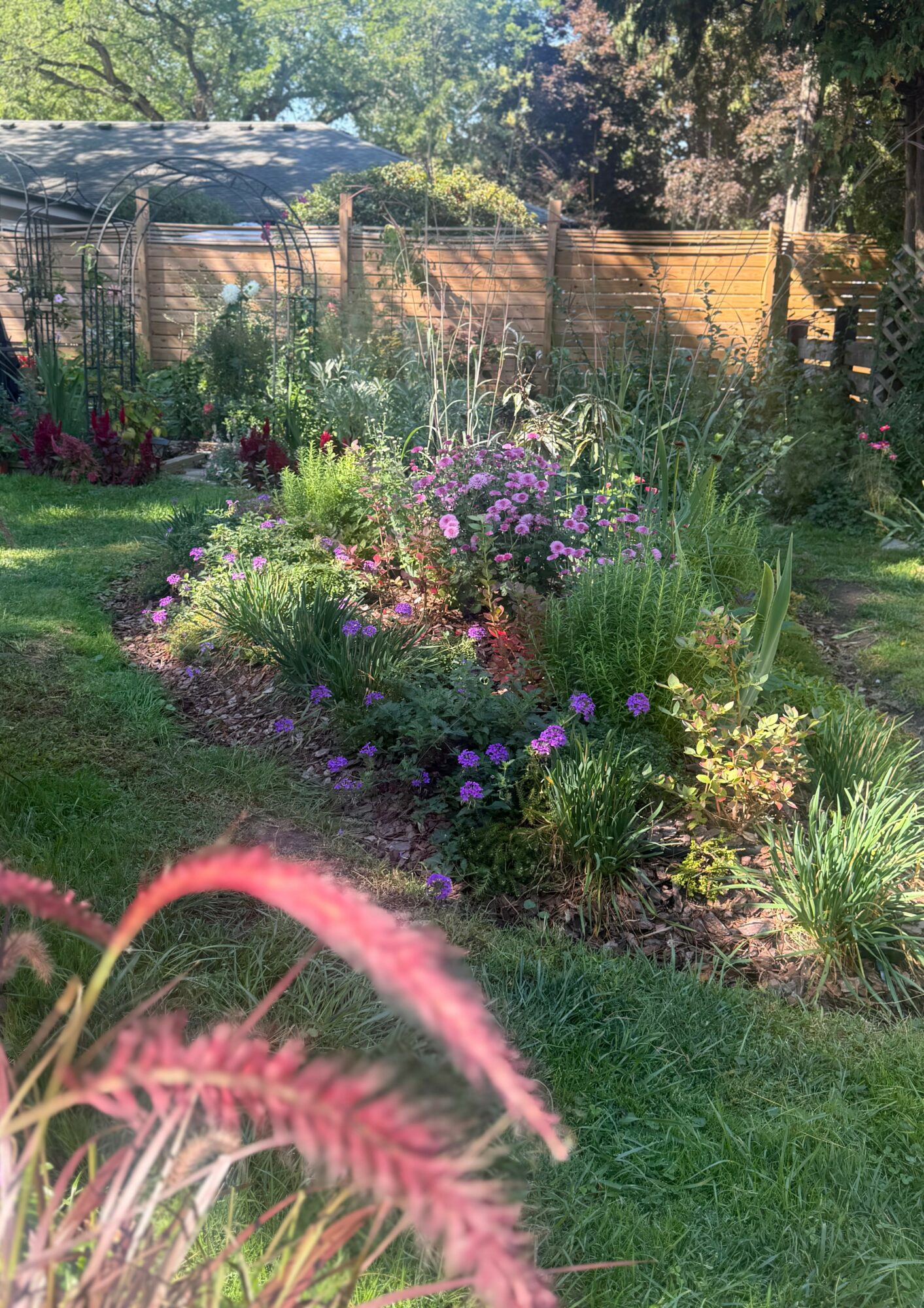
Image Credits
Jennica Kassabian all photos except the last two wedding photos: Wendy Thibodeau Photography