




Today we’d like to introduce you to Liz Farner.
liz, we appreciate you taking the time to share your story with us today. Where does your story begin?
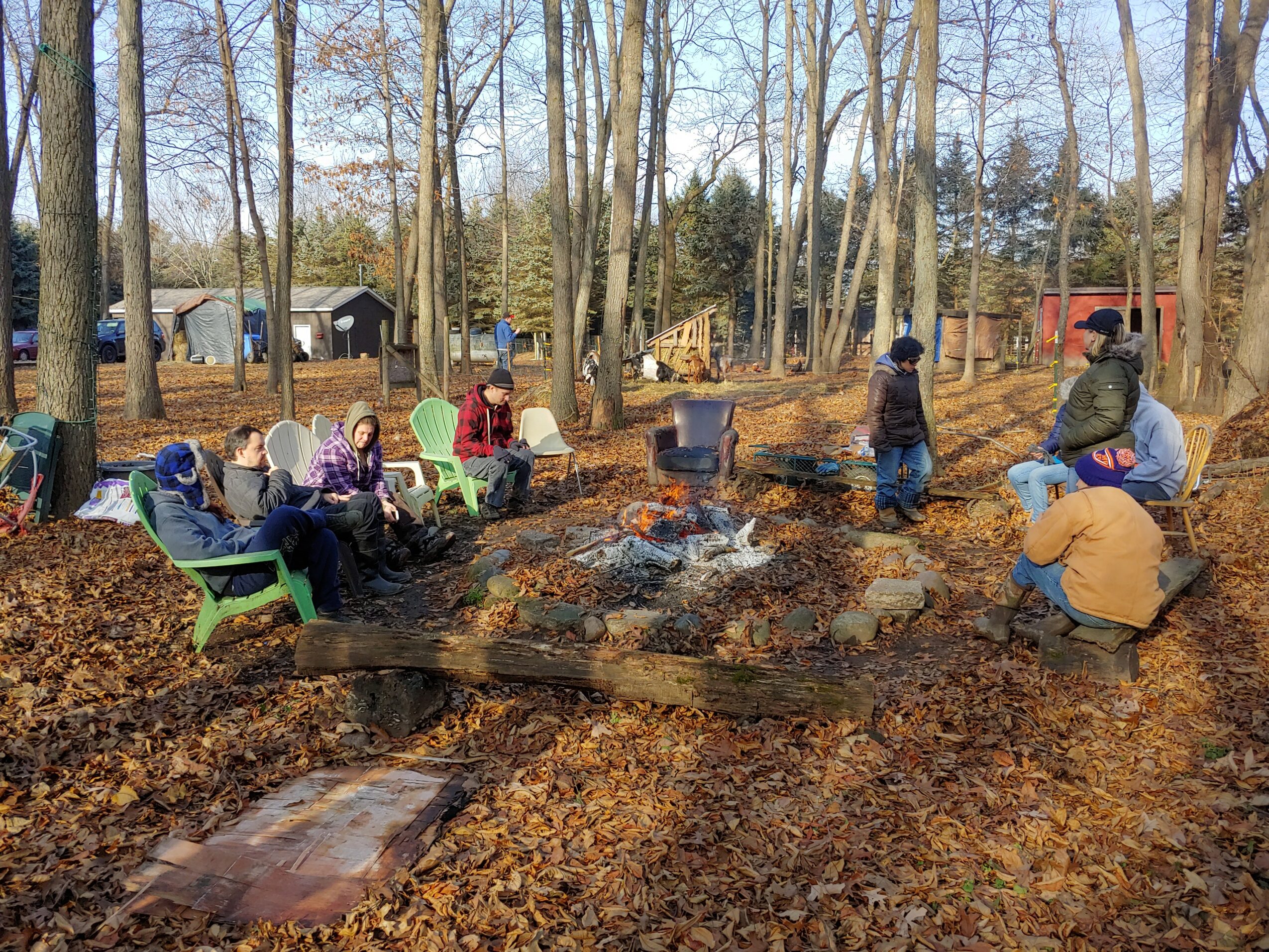
I am a pediatrician by training but have always been interested in mental health. When I first graduated from college, I worked at a psych hospital that had a huge campus that included a working dairy farm. I worked with adolescents who were in a long-term treatment program. Those that wanted to, were allowed to work at the farm. The transformation in those patients was truly inspiring. They thought about something other than themselves, they felt purpose and they learned new skills. I thought to myself that was something I would like to do someday. Subsequently I went to medical school and worked as a pediatrician for a while, but 15 years ago I began to do what I was calling “farm therapy”. This led me to meet a group of parents of adult children with autism who were trying to create a housing opportunity for their children in a rural area away from loud noises and lots of people. With the help of those parents, I started a program for adults with intellectual and developmental differences on a farm. That was about 15 years ago. AACORN (adult agricultural community option for residential needs) got it’s 501(c)3 in 2013 and after using a borrowed farm for 5 years was able to purchase 40 acres in 2018. AACORN has steadily grown it’s day program and is now ready to start the steps to make residential a realization. We are at the beginning of a capital campaign to raise money to build one duplex that will house a total of 6 residents (3 on each side) and a 10,000 sq. ft. community center that will include a full-size basketball court, offices, a soap making room and storage space that will not only be for AACORN participants and residents but the surrounding community as well.
Would you say it’s been a smooth road, and if not what are some of the biggest challenges you’ve faced along the way?
Surprisingly, it has been a relatively smooth road. The challenge for a small nonprofit is always financial support, but our mission is easy to relate to and the need is obvious. After the age of 26 in Michigan there is no more structured educational support for people with disabilities. Most of our participants spend the bulk of their time at home watching tv or playing video games. The parents are fierce advocates and those that have the resources are always looking for activities with meaning for their adult children. There are not many options out there and the residential options are even rarer. About 80% of people with disabilities live with their parents until their parents can’t do it anymore. We provide a meaningful experience in our day program, and our residential option will be a place that parents can feel good about.
Thanks – so what else should our readers know about your work and what you’re currently focused on?
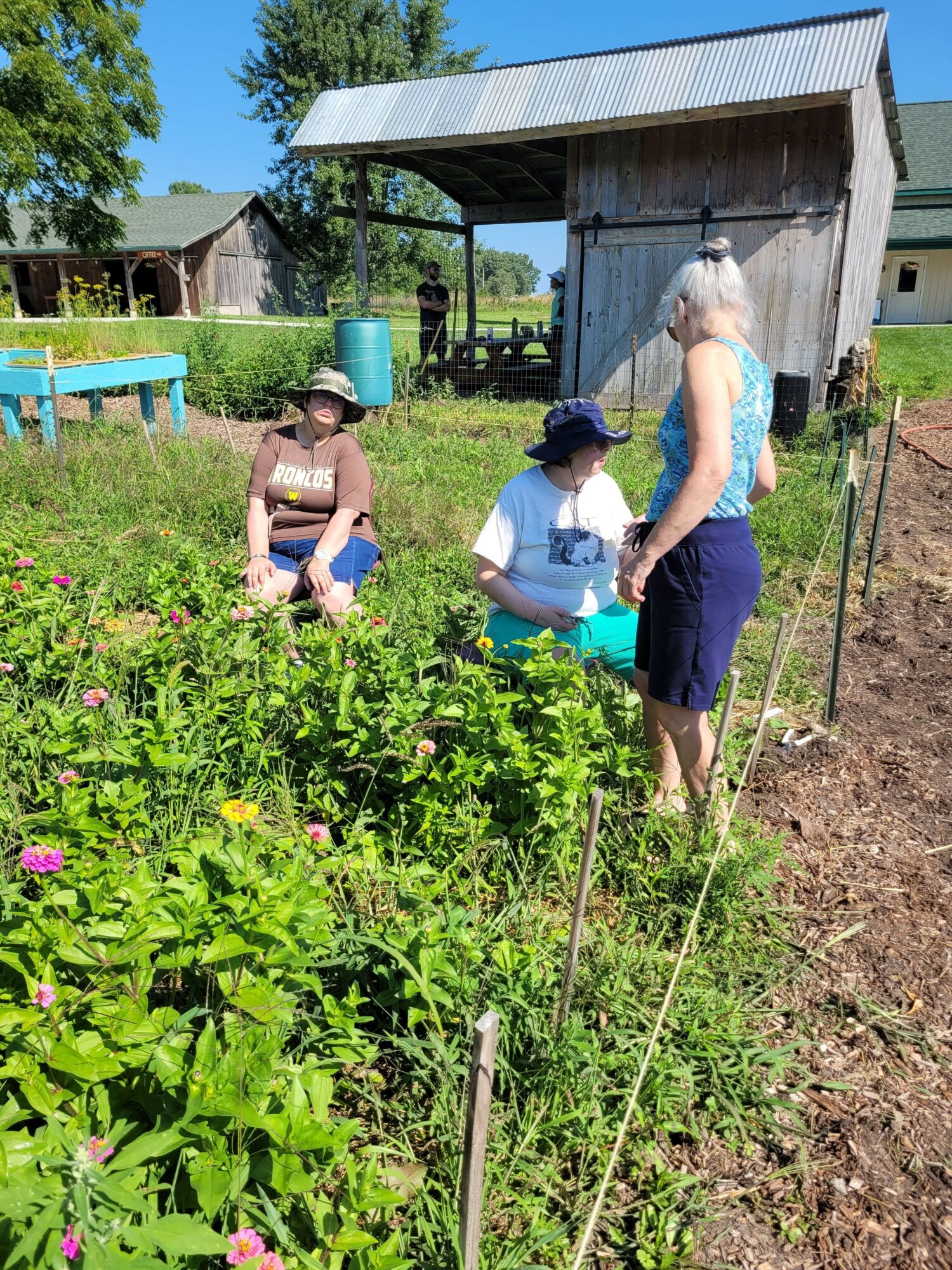
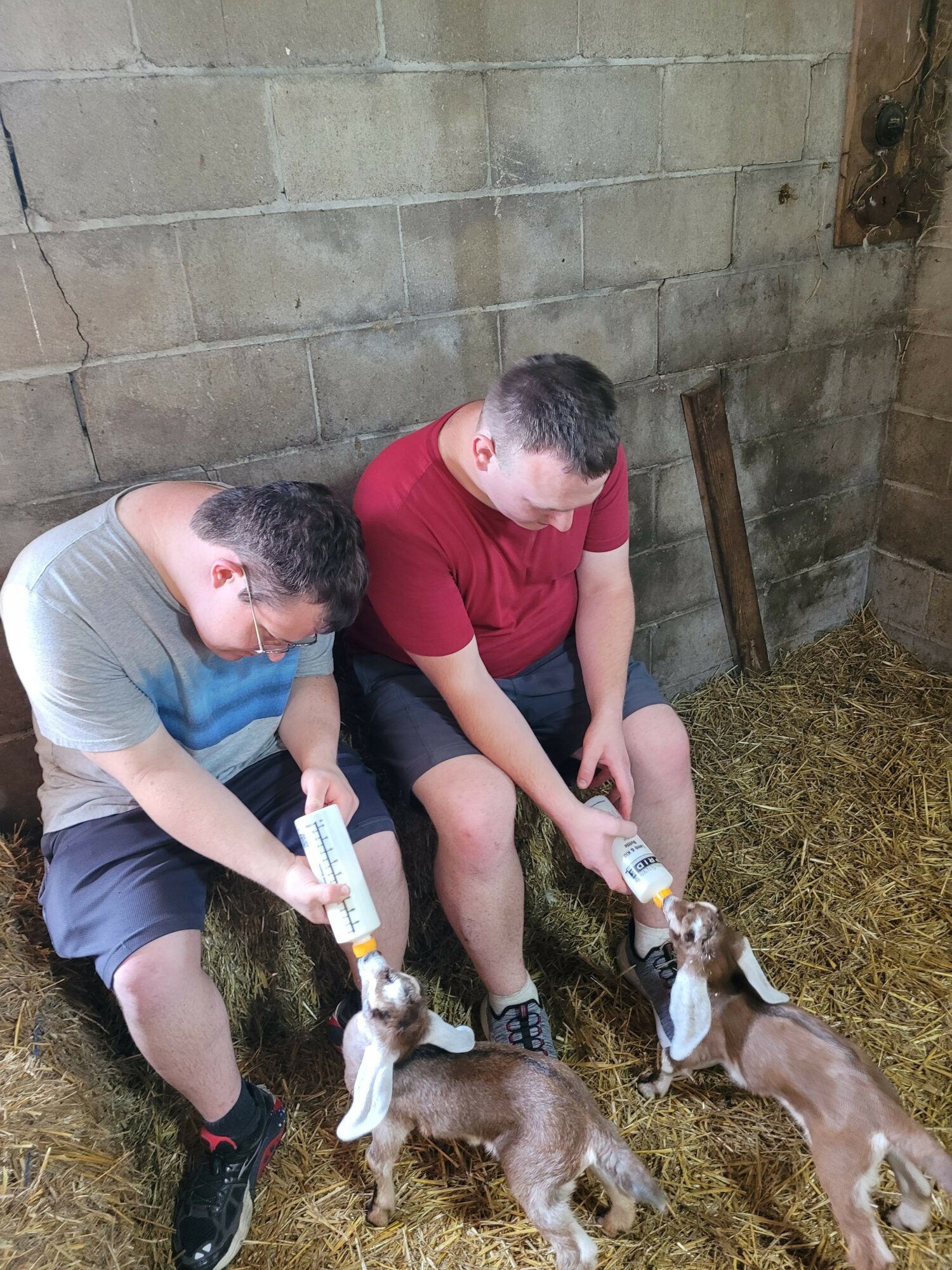
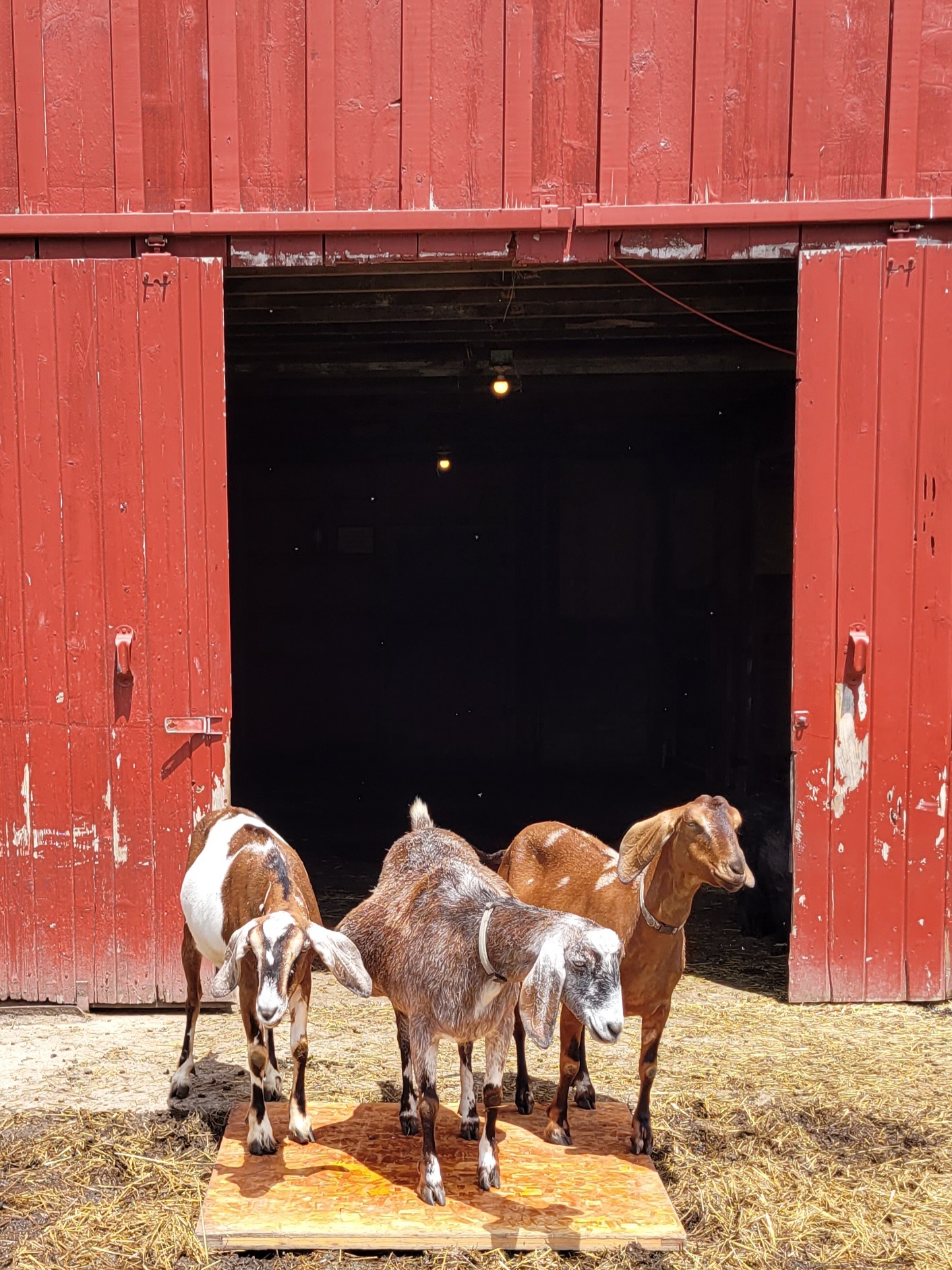
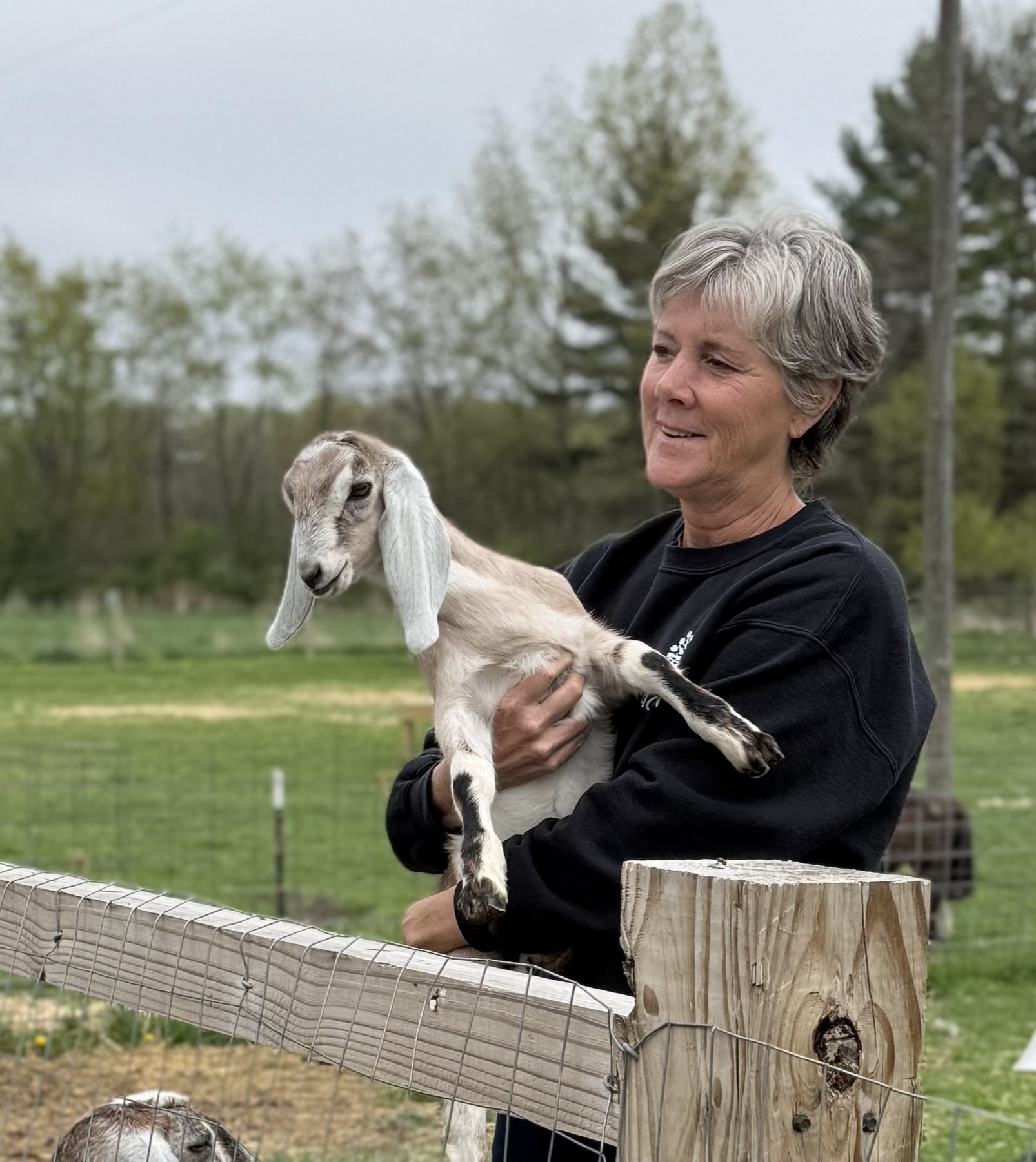
I feel like I already answered this question, but I feel most proud of helping to create AACORN. My experience in pediatrics helped me to work with the current population at AACORN, but I have learned so much from the participants over the past 15 years. I’ve also learned a lot about farming! We have goats, pigs, chickens, cats, a pony and a rabbit as well as a large garden. AACORN is a unique program that provides an experience for people that allows them to have purpose, grow skills, improve physical health, have community and have fun. I’m very proud of what I helped to create.
Can you share something surprising about yourself?
I didn’t know anything about farming or have any specific knowledge regarding the disability community and all the things I have learned in the last 15 years has been incredible.
Contact Info:
- Website: https://aacorncommunity.org
- Instagram: aacorn_community
- Facebook: aacorn community