




Today we’d like to introduce you to Brandin Hurley.
Hi Brandin, thanks for sharing your story with us. To start, maybe you can tell our readers some of your backstory.
I started my life as a fine artist, then moved to theatrical scenic design for a period. While a childhood of Northern California landscapes and fine art granted me a love for expression and the natural world, scenic design helped me expand that vision. Through this education I learned to build large scale pieces and to integrate multiple senses into them. Theatre feels immersive, utilizing scale, sound, light, and movement to give the viewer an encompassing experience. While I did not pursue a career in theatre for long after I graduated, these lessons informed much of my work moving forward. Working hard to support myself as an artist post graduation taught me that I am capable of working with a variety of materials; it forced me to be flexible and to experiment.
My artistic journey was not linear, but these varying experiences were necessary to bring me to my currect practice. Each phase taught me about the type of art I can and want to be making.
I’m sure it wasn’t obstacle-free, but would you say the journey has been fairly smooth so far?
Getting work as an artist and building a career for myself was challenging – it typically is for creatives. However, the most difficult piece for me was finding and believing in my voice as an artist.
I have always had a drive to create, and have done so consistently throughout my life. This persistent desire to make helped me to develop my technical skills while producing years of murals, chalkboards window displays, theatrical sets, and paper art. While I was invested in each of these projects, they never truly felt like me.
When my son was born, my artistic practice changed. Experiencing life with him altered the patterns of my days and reminded me of the things that bring me joy. I began making art that spoke to my values; fear for his future led me to integrate environmental conservation into my life and art practice. Utilizing my art to show myself and my son how I see the world and ways I can contribute to it helped me find my true work.
Thanks for sharing that. So, maybe next you can tell us a bit more about your work?
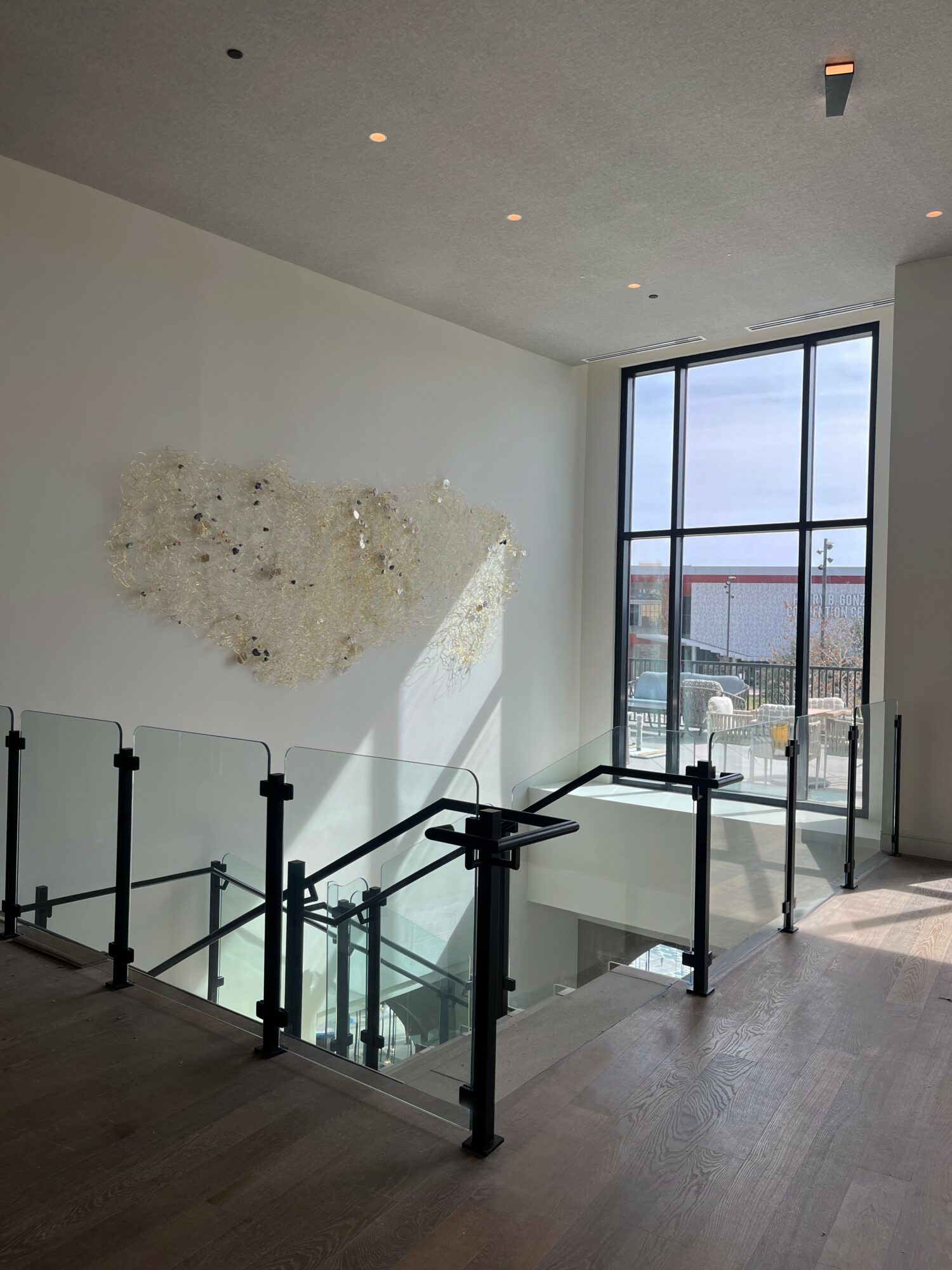
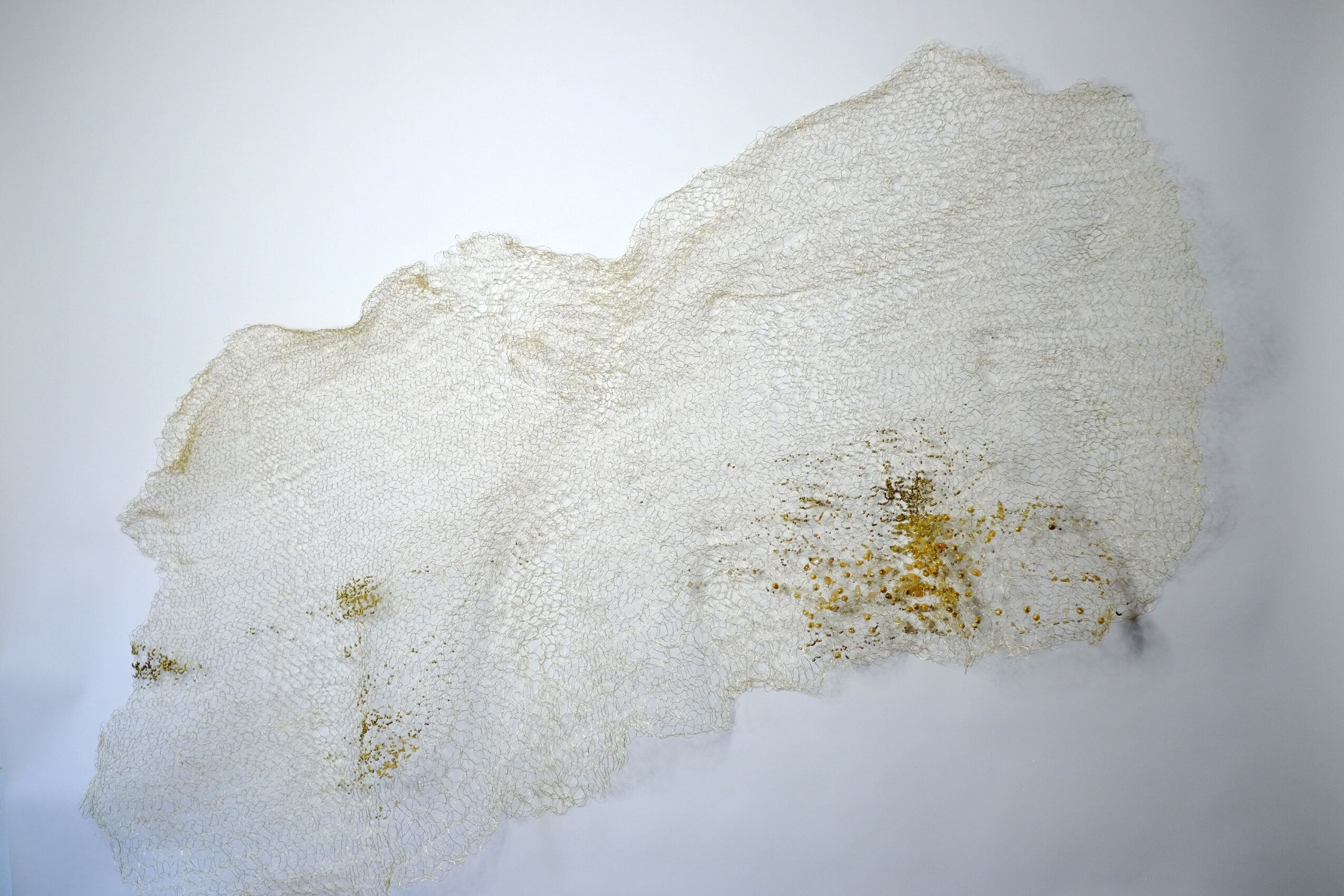
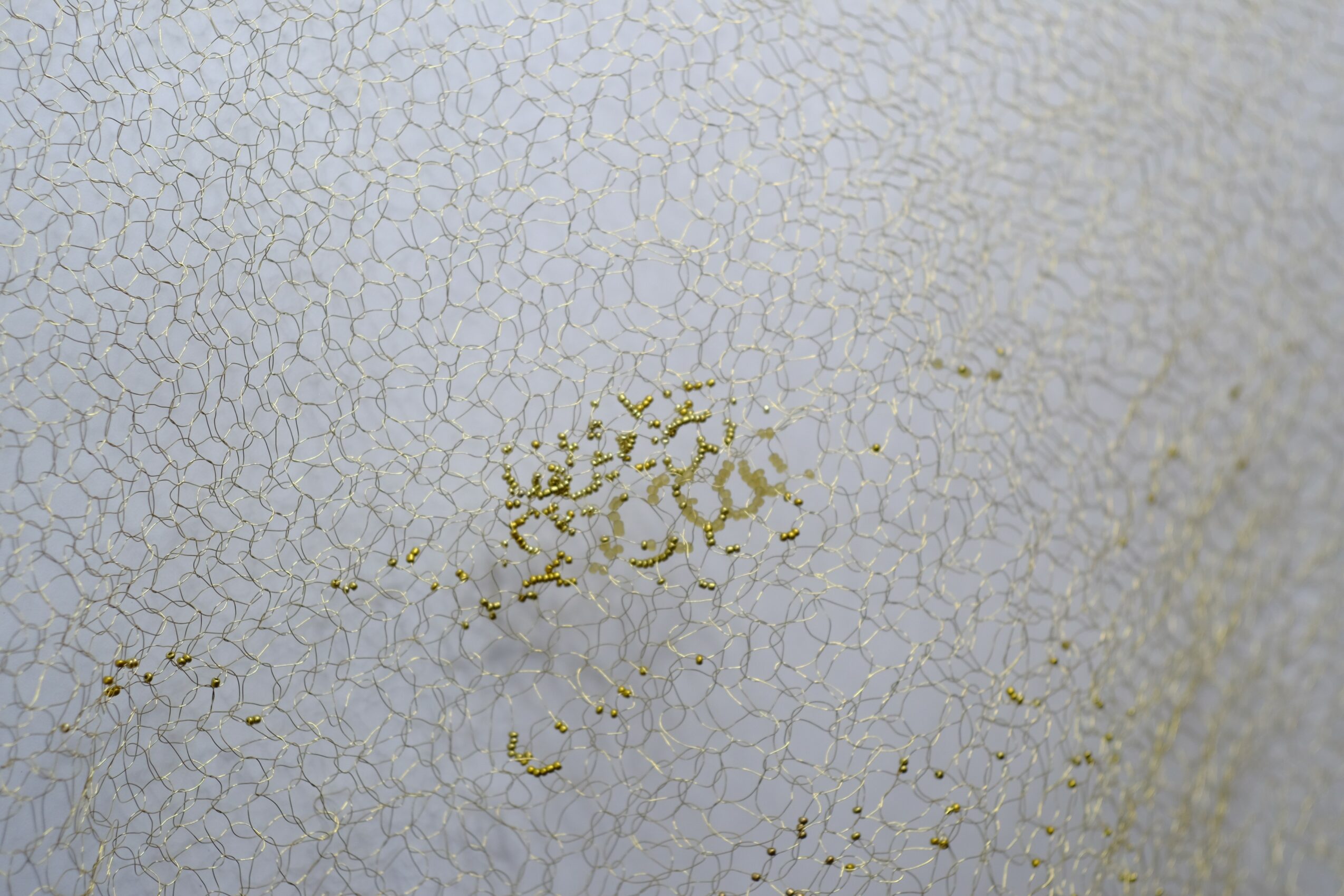
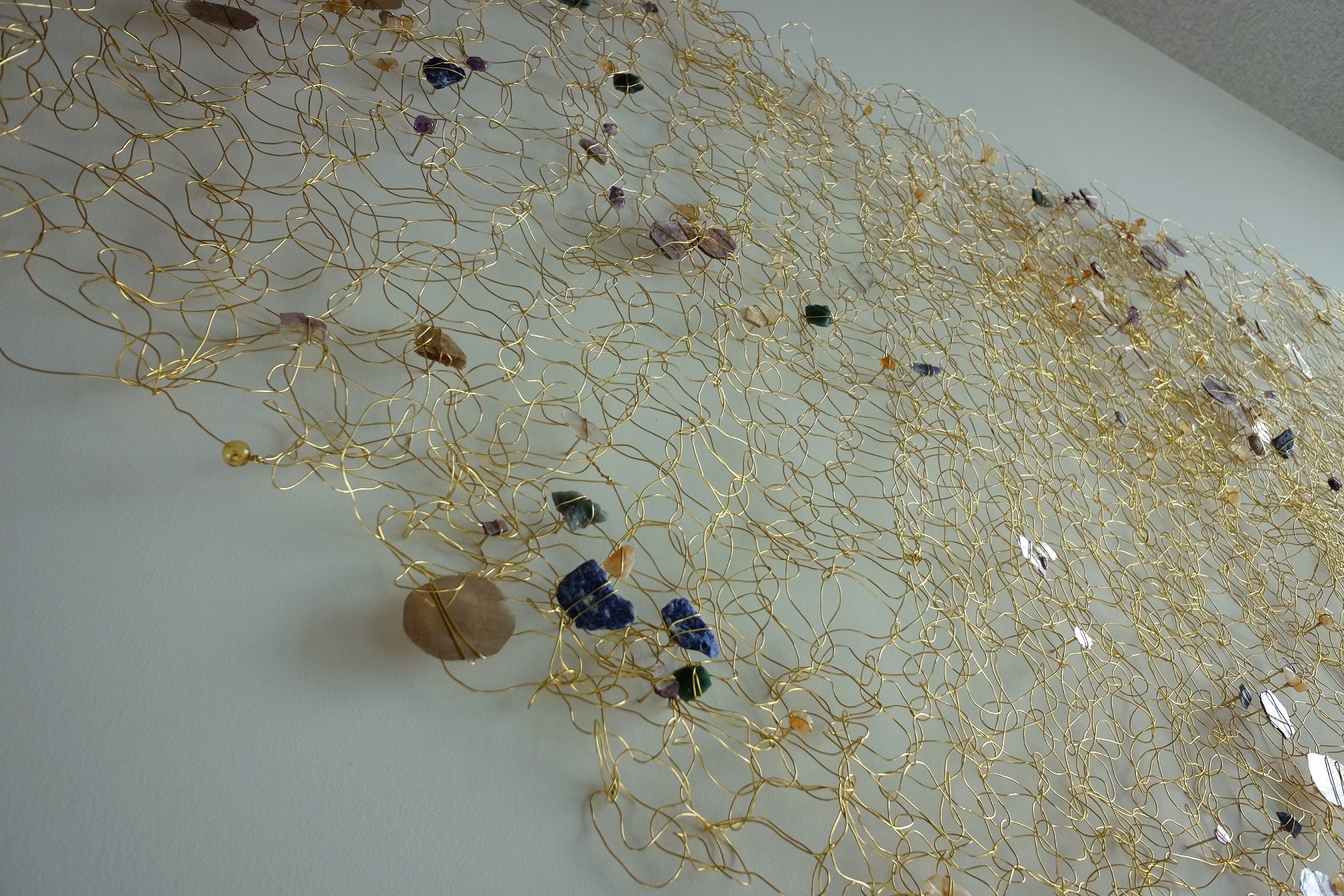
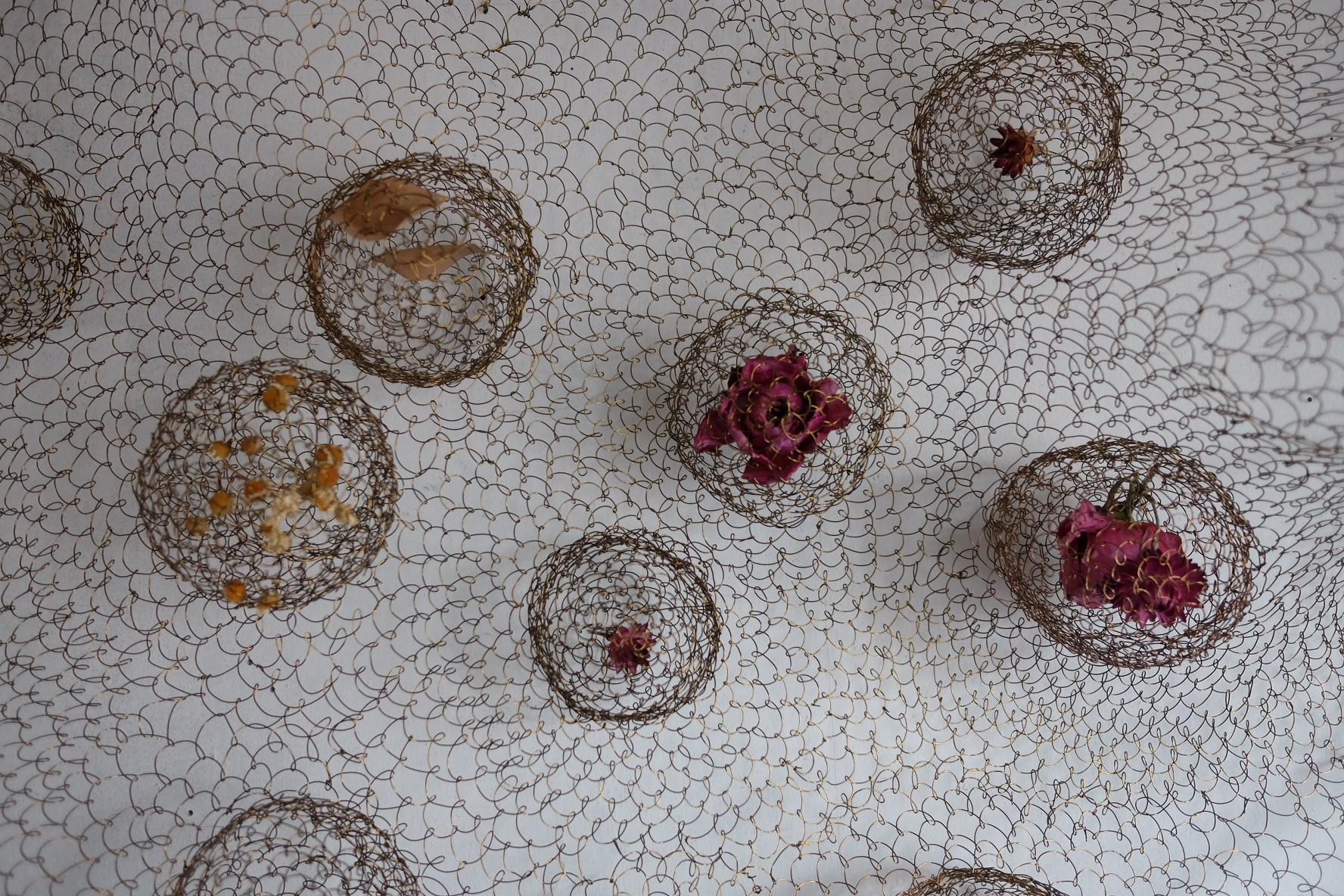
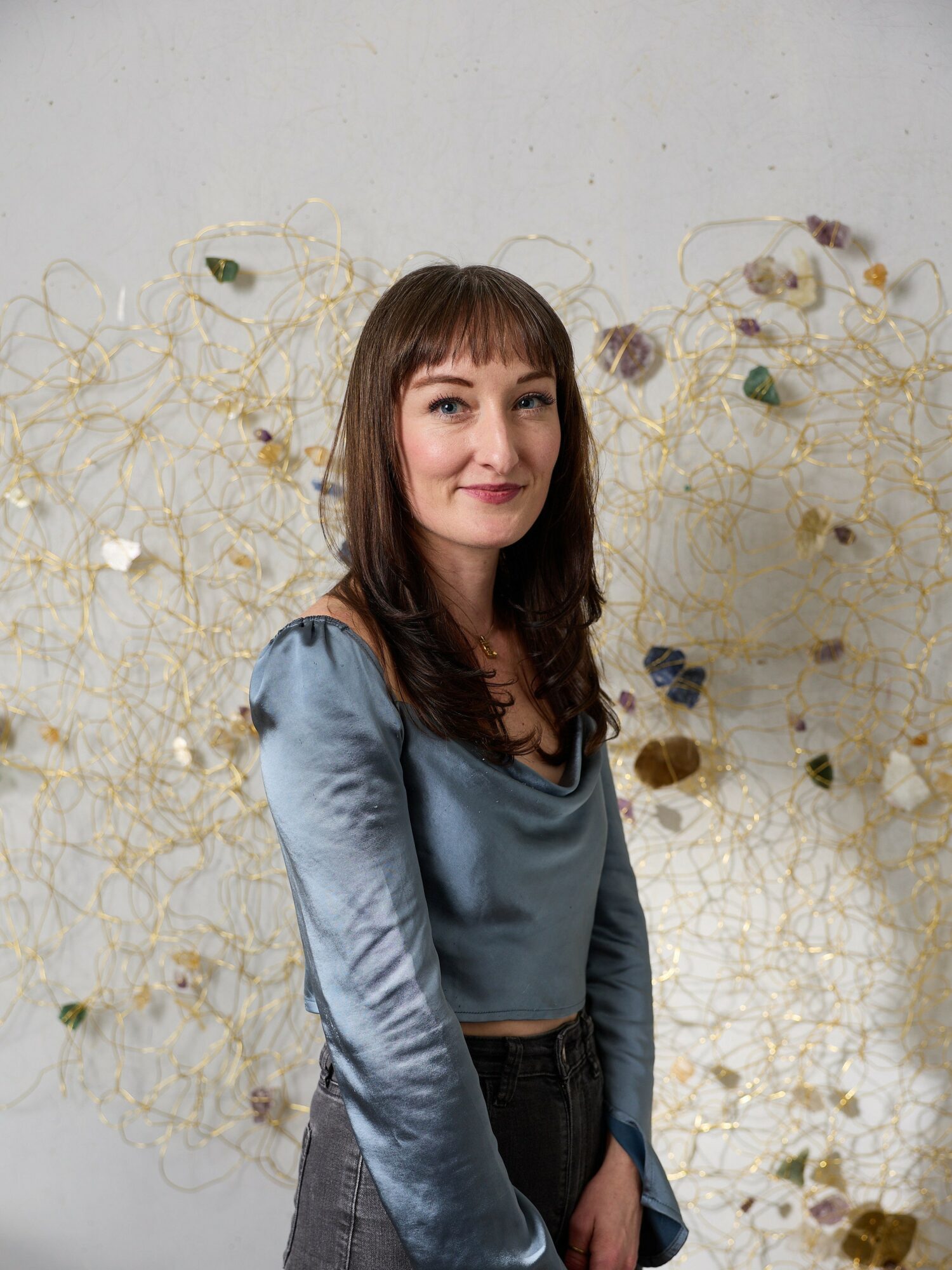
I am an environmental installation artist who works in a variety of mediums. I incorporate elements of ritual, environmentalism, and preservation within each of my pieces. I am currently exploring traditionally matriarchial pursuits such as foraging, weaving, and vessel making as a framework for my pieces. Working in this way connects me to the countless women before me who walked their land, looked, categorized, smelled, tasted, learned, and valued their surroundings. Historically matriarchal pursuits such as foraging, weaving, and vessel making are often intrinsically linked to the land. If the people gathering and working with these materials didn’t showcase care and intention with the ecosystems they interacted with, they would not survive. We have removed ourselves from the knowledge that our survival is tied to our land, but not the reality that it still is. We will not survive if we treat our connection to the natural world as incidental.
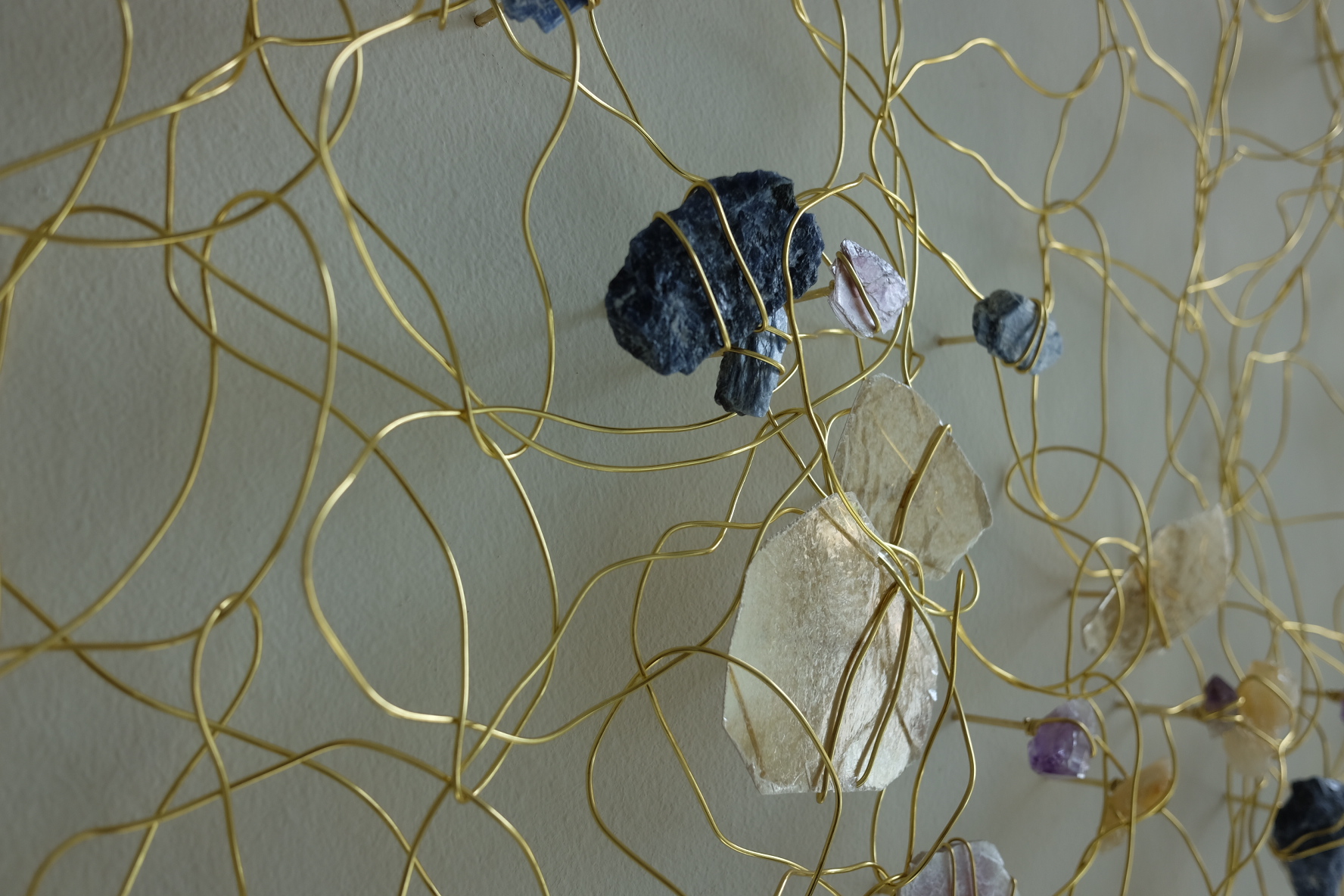
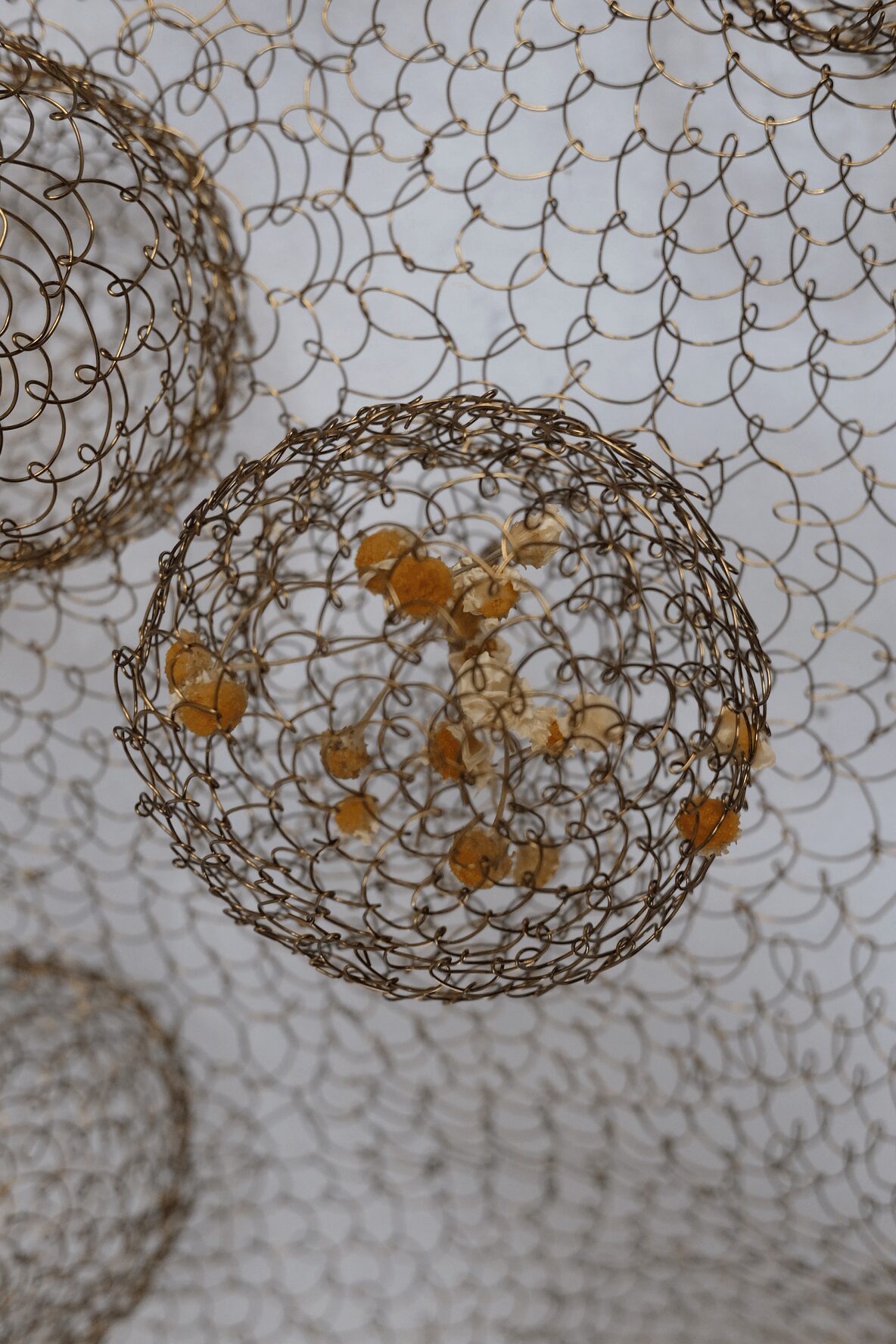
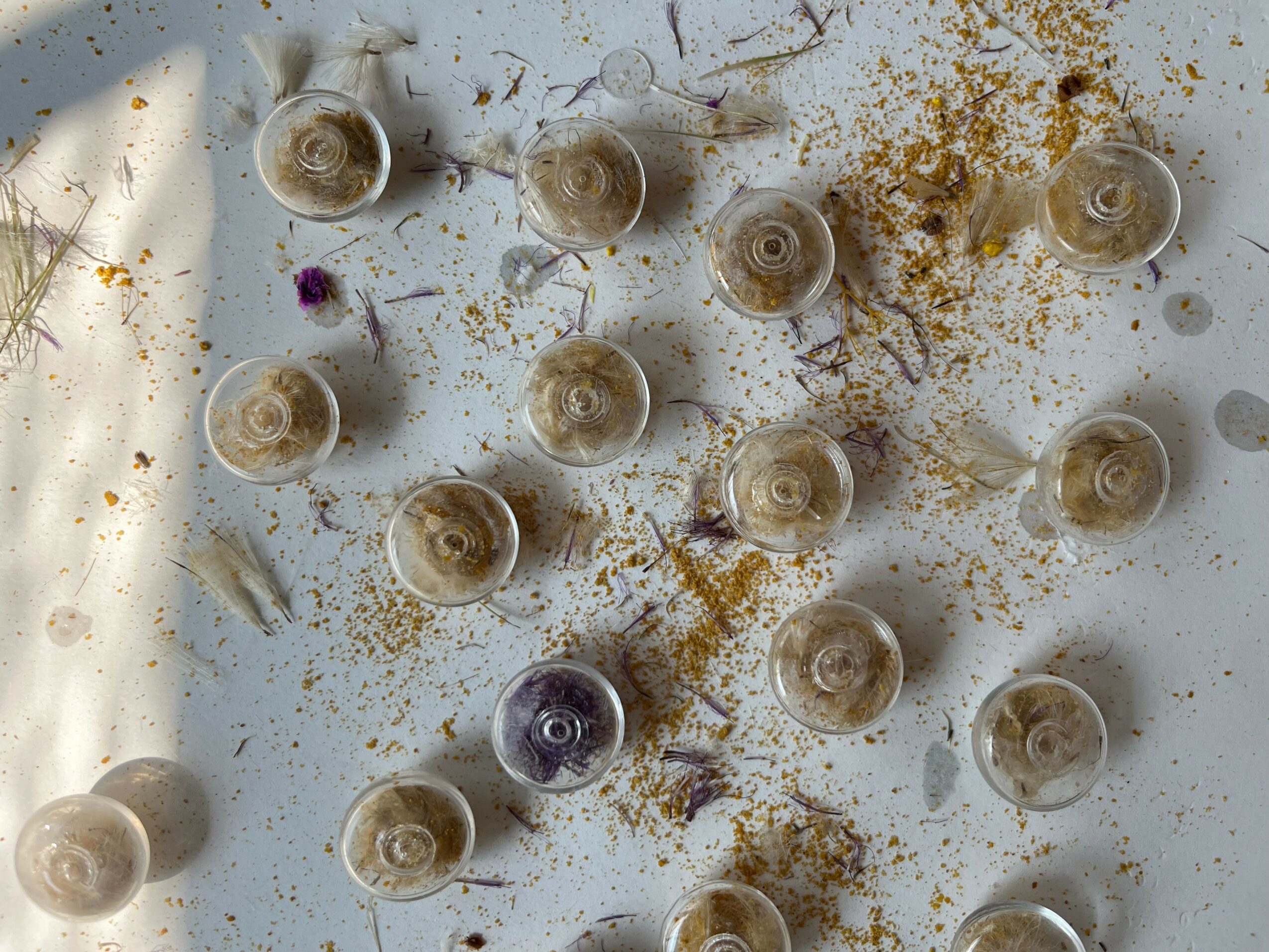
One current series, Reliquaries, is inspired by the reverential practice of creating elaborate shrines for holy relics. These pieces lovingly house pollinator seeds to showcase and preserve them. With the natural world in such obvious peril, I am feeling an overwhelming urgency to guard and treasure those things we stand to lose. Reliquaries are sometimes housed for centuries; showing those who view them throughout those years what is precious to us. This series did not begin as a sculpture; it began to ease my heart as I brought my son into a world that I am worried is slipping through our fingers. It was, and is, a desperate attempt to preserve some small part of the intricate web of the ecosystems that nurture us. It began as a plea asking others to look. Look at what we are going to lose. These small, beautiful seeds sustain us, and we are going to lose them.
As I walked, and gathered, it became more. It became a way for me to observe and learn about the plants I was interacting with. Collecting encouraged me to walk in the mud and snow and mist and rain; I saw the intricacies of the land as I scrunched down to look for seeds, the colors and textures that flourish in winter. It made me look. It has made me feel a part of the land that I live in, as if I have something to contribute to the ecosystems that we are a part of. It makes me rebel against the separation that we have created between ourselves and the biodiversity that sustains us. It satisfies the ancient part of me that wants to forage and gather; it reminds me of all the centuries of women who have walked and gathered and looked. They looked at the land and learned about it because it meant their survival. It means our survival too, but we have forgotten it. What this series has inspired most is a desperate desire to pass this knowledge on.
This is the heart of my practice – teaching myself how to live in harmony with our ecosystems so that I can pass that knowledge on.
How do you think about luck?
Luck only seems discernible to me through hindsight. I was lucky to grow up in Northern California, my barefoot childhood inspiring a lifetime of love for the natural world. Lucky because I had parents who taught me to embrace every opportunity that presented itself, even when I couldn’t see where my path was leading. Lucky because my college professor suggested graduate school in Chicago, where I met my husband. Lucky that after I graduated I met the right people who saw potential in me and my work and led me on a meandering path to my current artistic practice. Lucky to have had my son, who taught me what I want to say to the world.
While you are living them, these moments feel like a culmination of grueling work and personal choice. Looking back I can see the golden moments in my life where the universe heard what I asked for and provided.
Contact Info:
- Website: https://www.brandinhurleystudio.com
- Instagram: @brandin.hurley