





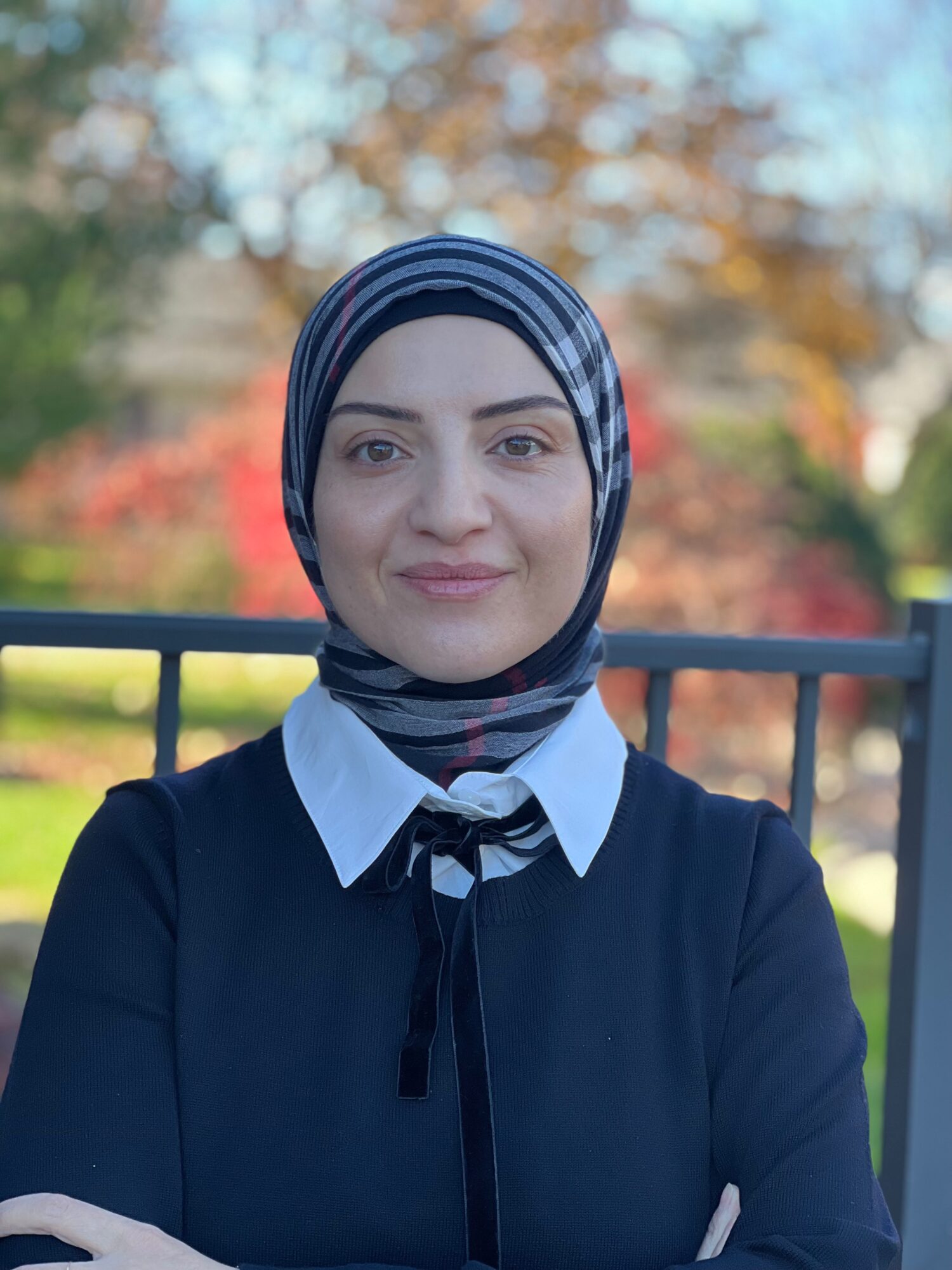
Today we’d like to introduce you to Malak Cherri.
Hi Malak, we’d love for you to start by introducing yourself.
My passion for the creation of art and the collection of antiques did not begin in adulthood, when I first decided to return to school for the study of such—rather, these passions have been with me since childhood. My circumstances at the time had prevented me from having any genuine opportunity to fully immerse myself in and explore this interest; growing up in a family with a strong scientific background—my beloved late father was a physics teacher, and both my brothers pursued acquainted fields—I lacked the means to explore art and its relations, and ultimately studied translation. I earned my master’s degree in 2006, and later took the formal oath and became a sworn translator. Years later, however, when the opportunity arose for me to return back to my studies, to hone my skills and pursue a subject that truly mattered to me as my lifelong desire, I finally pivoted and chose the arts.
The majority of my values, sourcing, and subsequently my work in and of itself are all directly influenced by my experiences and reality as a young girl raised in the heart of Lebanon, surviving and even prospering despite the numerous disheartening wars I was made to endure. I was not unlike other children because of my ancestry—I’d poorly sketch iconic cartoon characters with my brother, play sports and board games with all my neighbors, and, most fondly, enact little silly tricks upon my father, such as pretending to sleep before tackling him as he checked up on me after work. Although the majority of these childhood memories were crafted amidst said wars, their impacts towards making me a well-rounded adolescent were undampened, and they had thereby shaped me into the optimistic and politically-aware woman I am today.
Above all, the instability and lack of security I endured from a young age due to the Israeli invasion and civil war in my home country played the most significant role in shaping the artistry I eventually adopted. My family and I were repeatedly forced to flee to safer areas because of these conflicts, leaving me with a persistent, aching longing for my friends, neighbors, and even the once insignificant toys I had to leave behind. Later, when I first moved to America to build a life after getting married, this longing returned to haunt me once more—as I’d come to learn, the internal conflict was not confined to the geographical borders of my own country—and, as its pains have since become a part of my identity as an immigrant, traversing through various nations each possessing their own character and familiar wistfulness, I’ve henceforth strived to reflect this quality in my already culturally-motivated paintings.
In a similar vein to my paintings, another major outlet of my love for mankind’s unique societies and cultures is my ultimate hobby of collecting antiques. Antiques, in my opinion, have infinitely more character and personality than mass-produced items of any scale; their details, uniqueness, grooves, smudges, and scars all tell intricate stories that machine-made carbon copies lacking any human artistry cannot. The love and enthusiasm put into these pieces crafted by hand portray an appreciation for the uniquely human trait of creativity that is unlike anything else formulated by our species. Antiques and similar artifacts are a perfect mixture of art, chronicle-ism, and our nature as wondrously innovative beings, carrying a flavor of history that I long for my own works to one day reflect. My hobby for collecting these antiques goes back to when my mom who, at the time, was the executive director of “The Social Movement” (a nonsectarian organization for social development) used to frequently travel because of her work; during her travels, she would often receive gifts from friends in various countries, and I in turn began collecting these gorgeously unique treasures from across the world, fueled by my love of the diversity, distinctness, and graciousness of the cultures that came with these gifts.
Would you say it’s been a smooth road, and if not what are some of the biggest challenges you’ve faced along the way?
While ultimately rewarding, my experience with art overall has been both challenging and complicated. Because I didn’t begin learning the arts at a young age and therefore missed the most opportune learning window, for the majority of my life it’s felt as if I’d been disadvantaged from the start. However, after all the time and effort I’ve put into the skill and the intricacies I continue to learn, seeing every piece I’ve finished and what I’ve been able to accomplish despite the hardships has been beyond motivating towards pushing through the process. Another struggle I faced was marketing and cultivating an audience that I’m able to sell my work to. As I lacked algorithmic knowledge and in-person resources, being featured as a consistent winner in various local and nations competitions helped greatly with putting my name out there. By far, winning the 2025 Kresge fellowship was my most major achievement that broadened my opportunities and exposure tenfold.
As you know, we’re big fans of you and your work. For our readers who might not be as familiar what can you tell them about what you do?
I am a photo realistic painter, with emphasis towards cultural, nostalgic, and sometimes political scenes, focusing particularly on the SWANA region. I use oil paints in my work through which I seek to evoke a sense of nostalgia that transcend even personal experience, and specifically source photos that do so effectively to be the muses of my paintings.
What I believe makes humankind so interesting and worth exploring is its vast diversity, folklores and many many cultures. I want to explore those cultures and especially my own, to present them internationally to people who may not be familiar with, or perhaps have prejudices that stop them from wanting to be. We often live in insular communities or lack exposure to others, which leads to ignorance. I aim to break down these social barriers through my art, as art is frequently the most effective and beautiful way to reach the human spirit. My primary goal is to open the world’s eyes to the beauty of this cultural diversity—the daily lives of different people, how they live, what they wear, what matters to them, and, of course, their struggles and challenges. At times, the political landscape also plays a significant role in shaping my work; for instance, my broader series, “Children in War,” is deeply rooted in the wars, genocides, and systemic discrimination unfolding around us, and its burden on the most vulnerable of our populations. I cannot stand idly by and watch such injustice when I have the capacity to express it—even through a single painting—and perhaps spark a change, however small. That is why I believe an artist must be a voice for the voiceless.
Were I to summarize, I’d say that me and my art are accordingly defined by the injustices plaguing our world; me and my art are defined by the beautiful variety found only in human beings; me and my art are defined by my innocent upbringing as a child, of my values, of my steady passion in antique collection and subsequently anthropology; and most importantly, me and my art are defined by the communities I’ve been graciously fostered by.
Networking and finding a mentor can have such a positive impact on one’s life and career. Any advice?
I was incredibly fortunate to have had remarkable teachers during my college studies. One of my best instructors was professor Nemanja Rosic, my painting teacher at Henry Ford, with whom I took multiple classes. Since the very beginning, he’s guided and supported me throughout my journey, helping me to hone my skill and master my craft. Much of the credit belongs to him—to his encouragement and the very foundation he provided throughout my painting studies, from the beginning to now. And of course, as previously mentioned, winning the prestigious Kresge fellowship, has also played a major role in my reaching a wider audience, and introducing people to my work. All in all, I’d advise to define your goal, work as hard as your means allow, and seize every opportunity you deem suitable; it will inevitably lead to larger and larger successes, and will eventually pay off at the end!
Contact Info:
- Website: https://www.dropbox.com/scl/fo/u5we38p3zq44yld84sias/
- Instagram: https://www.instagram.com/reintreasures
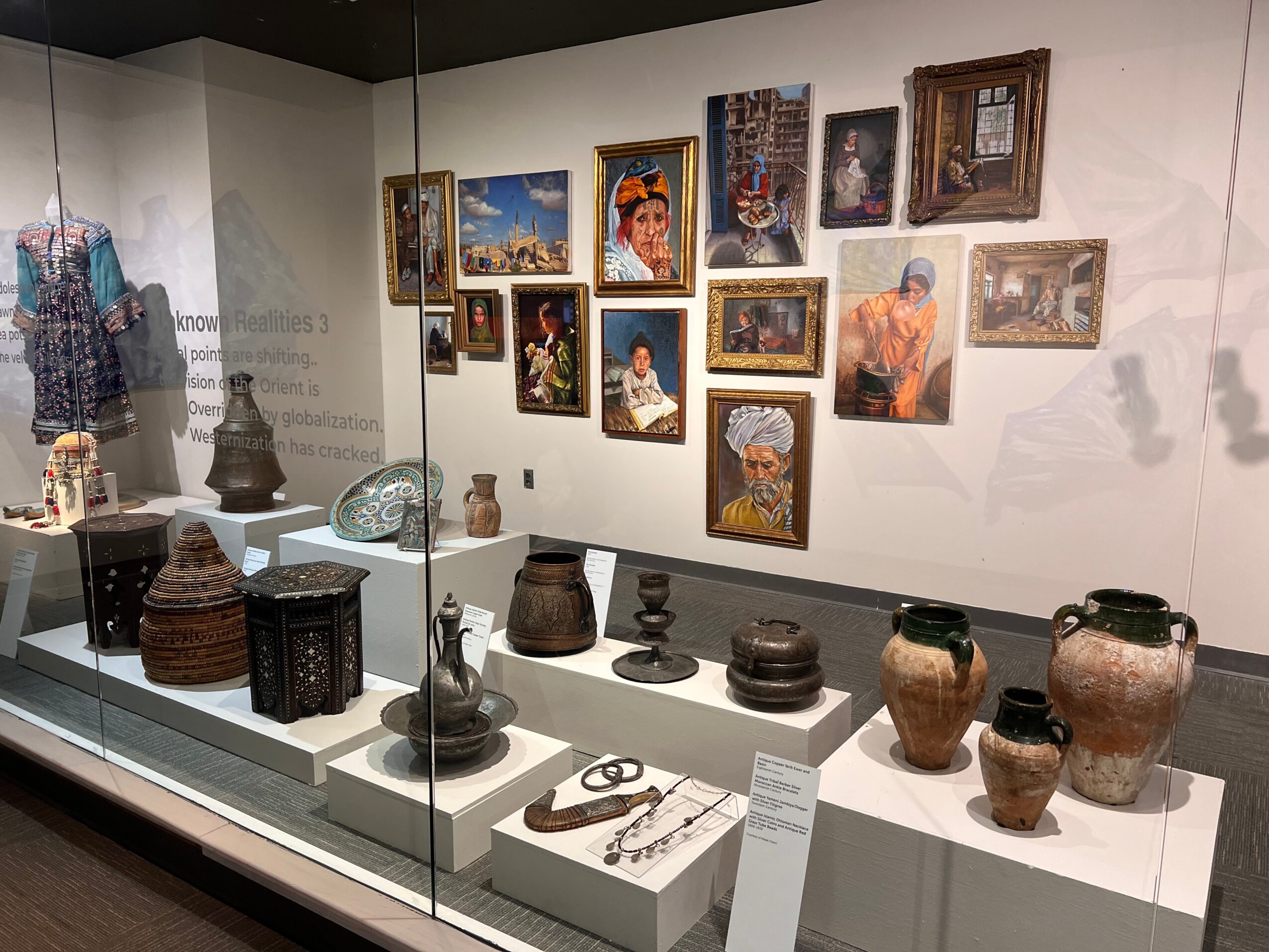
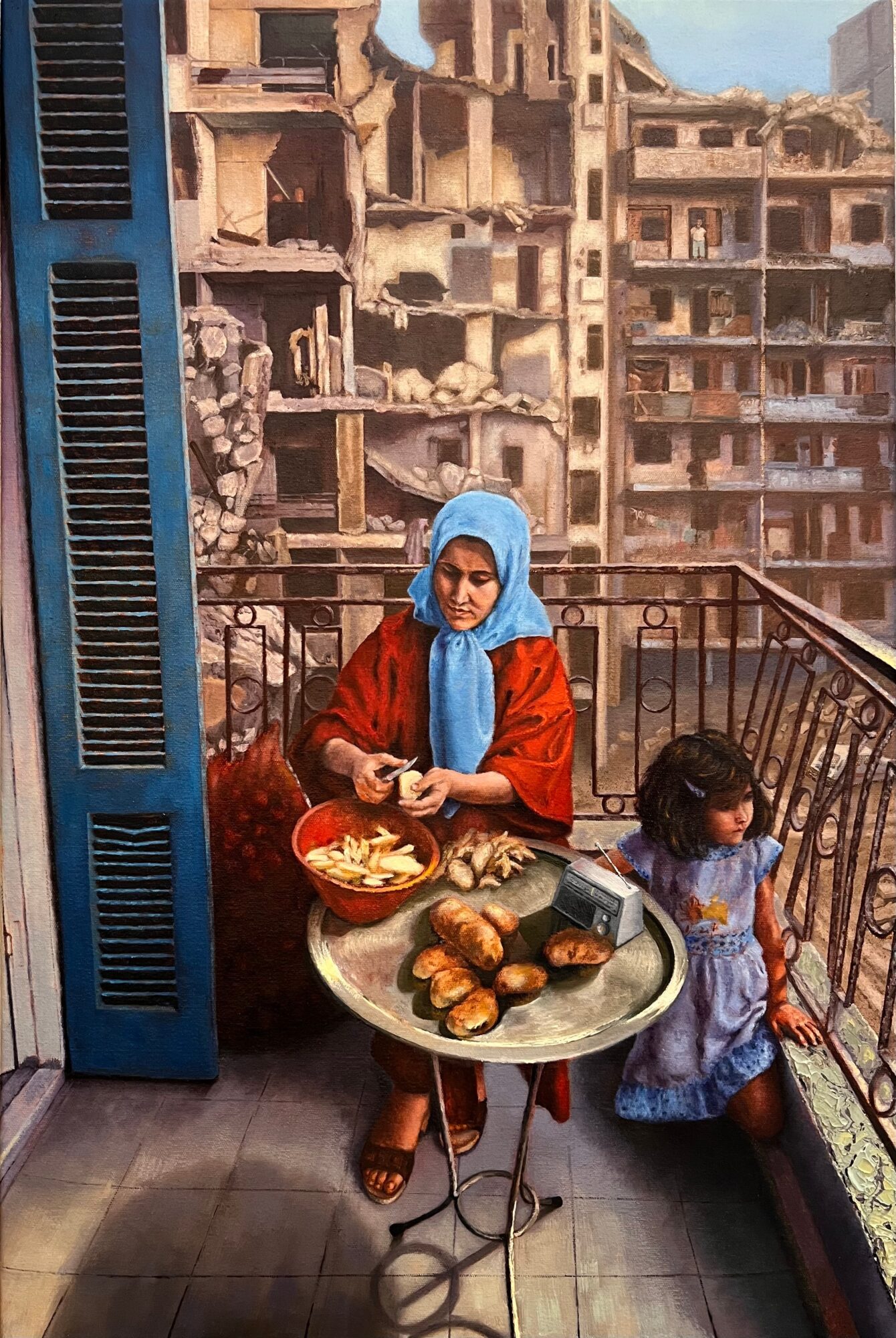
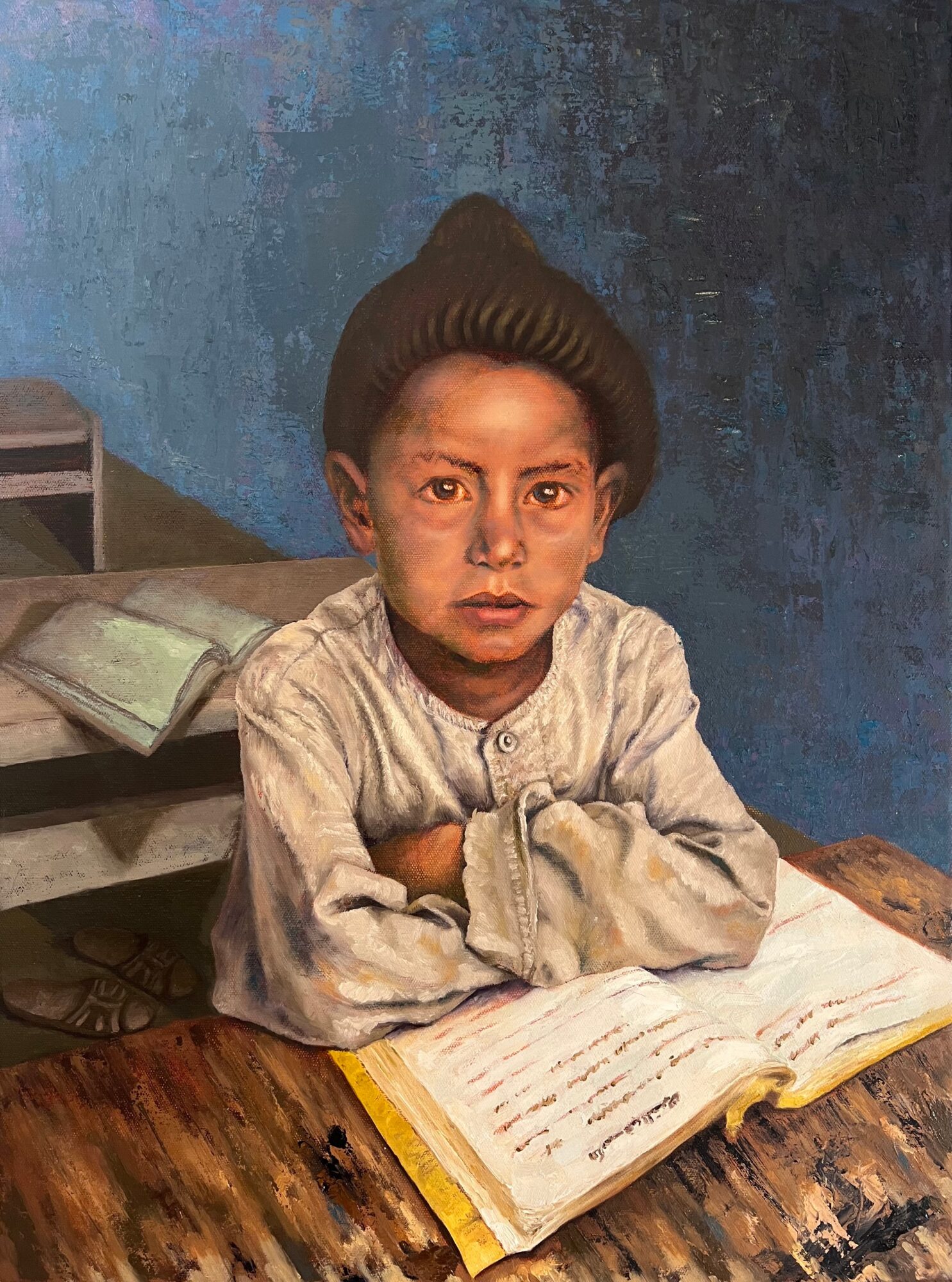
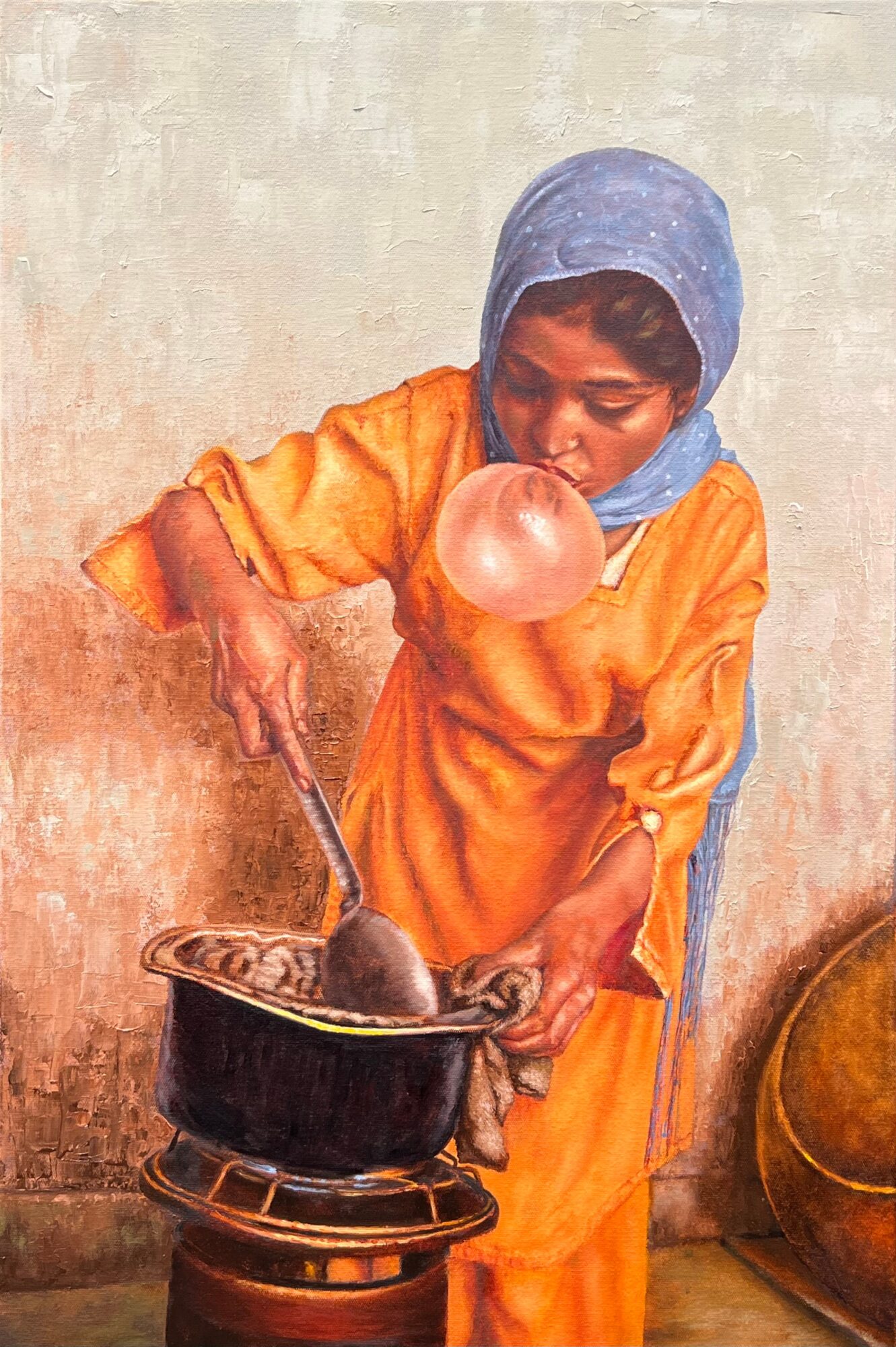
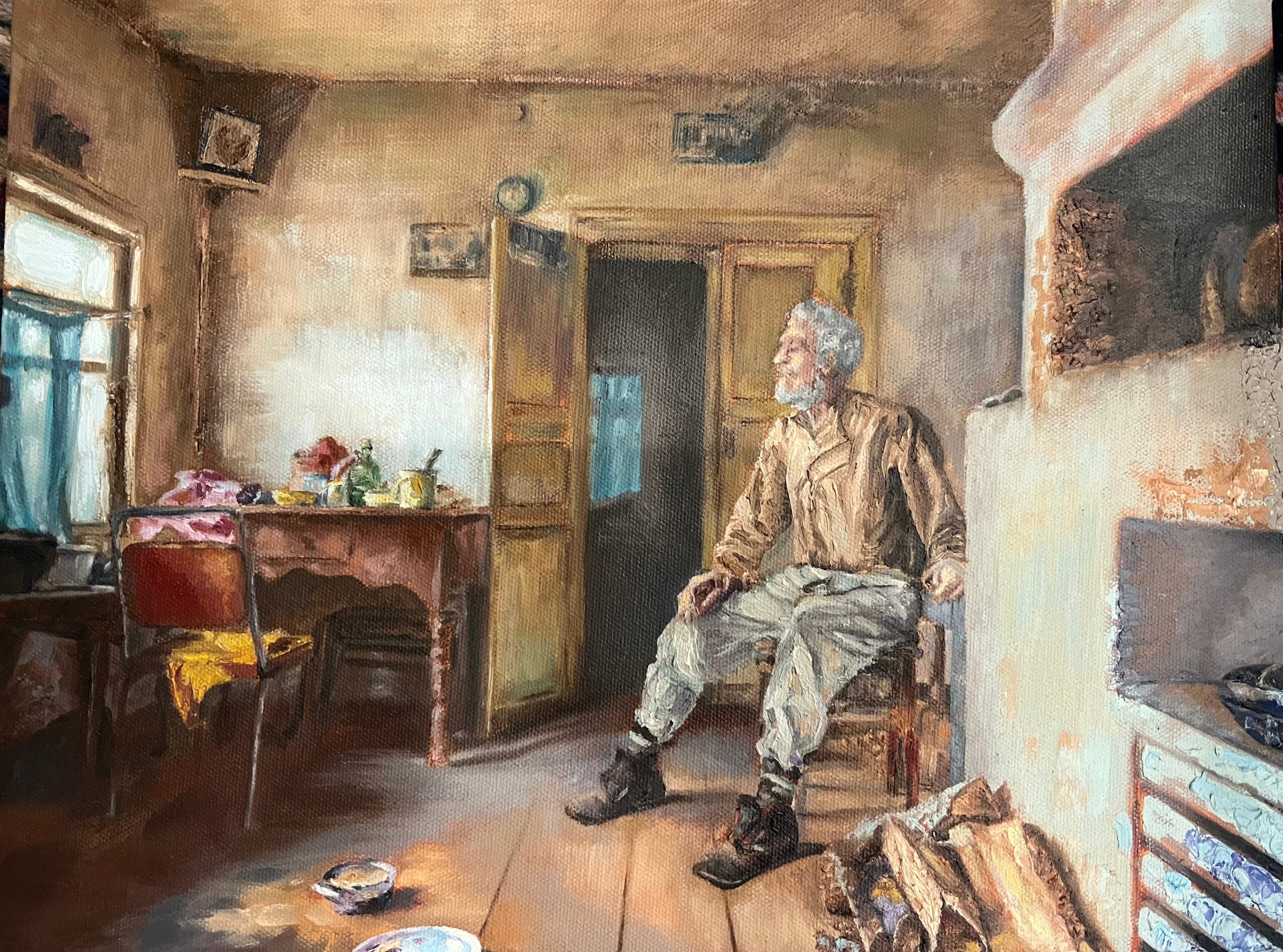
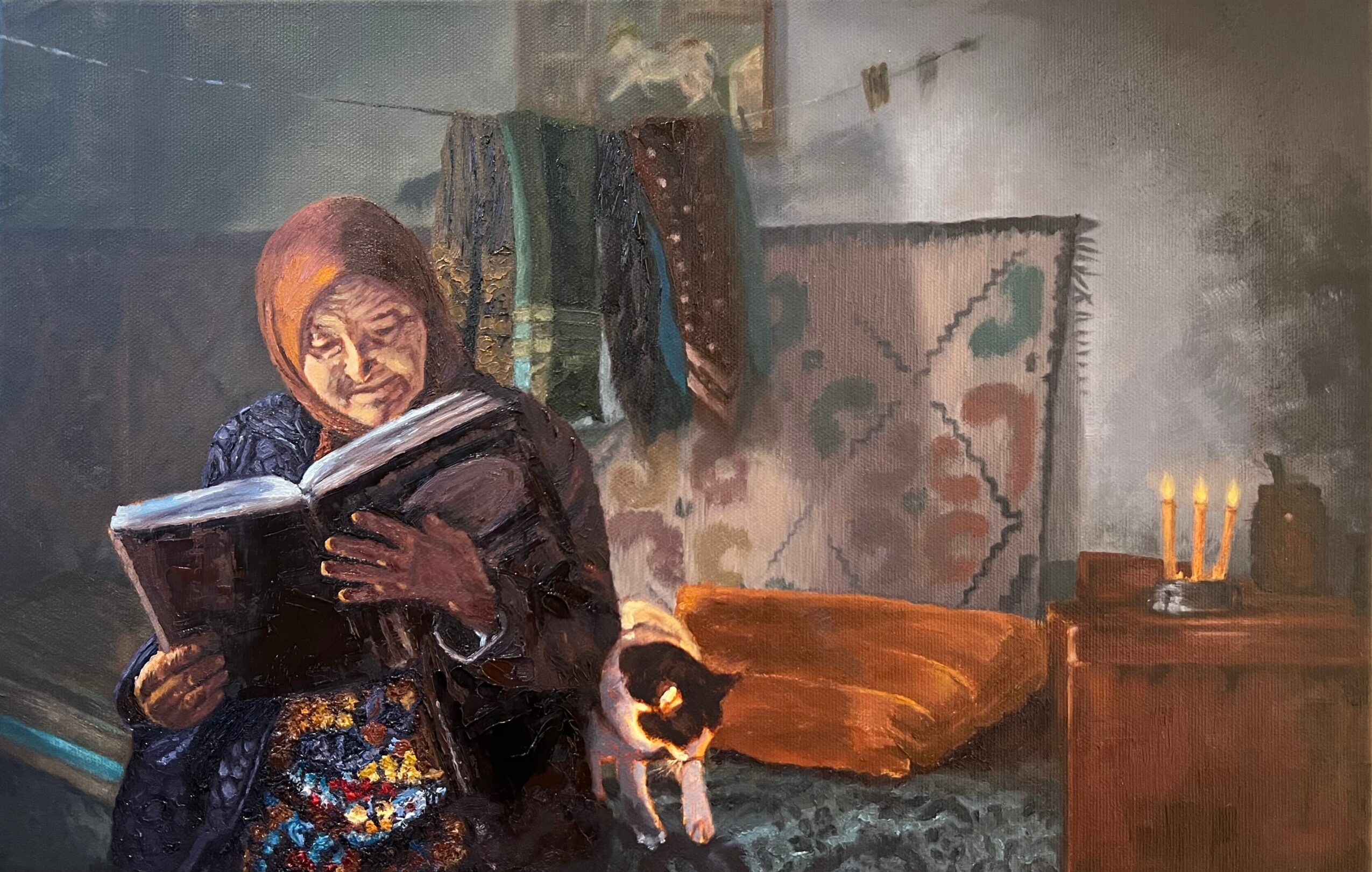
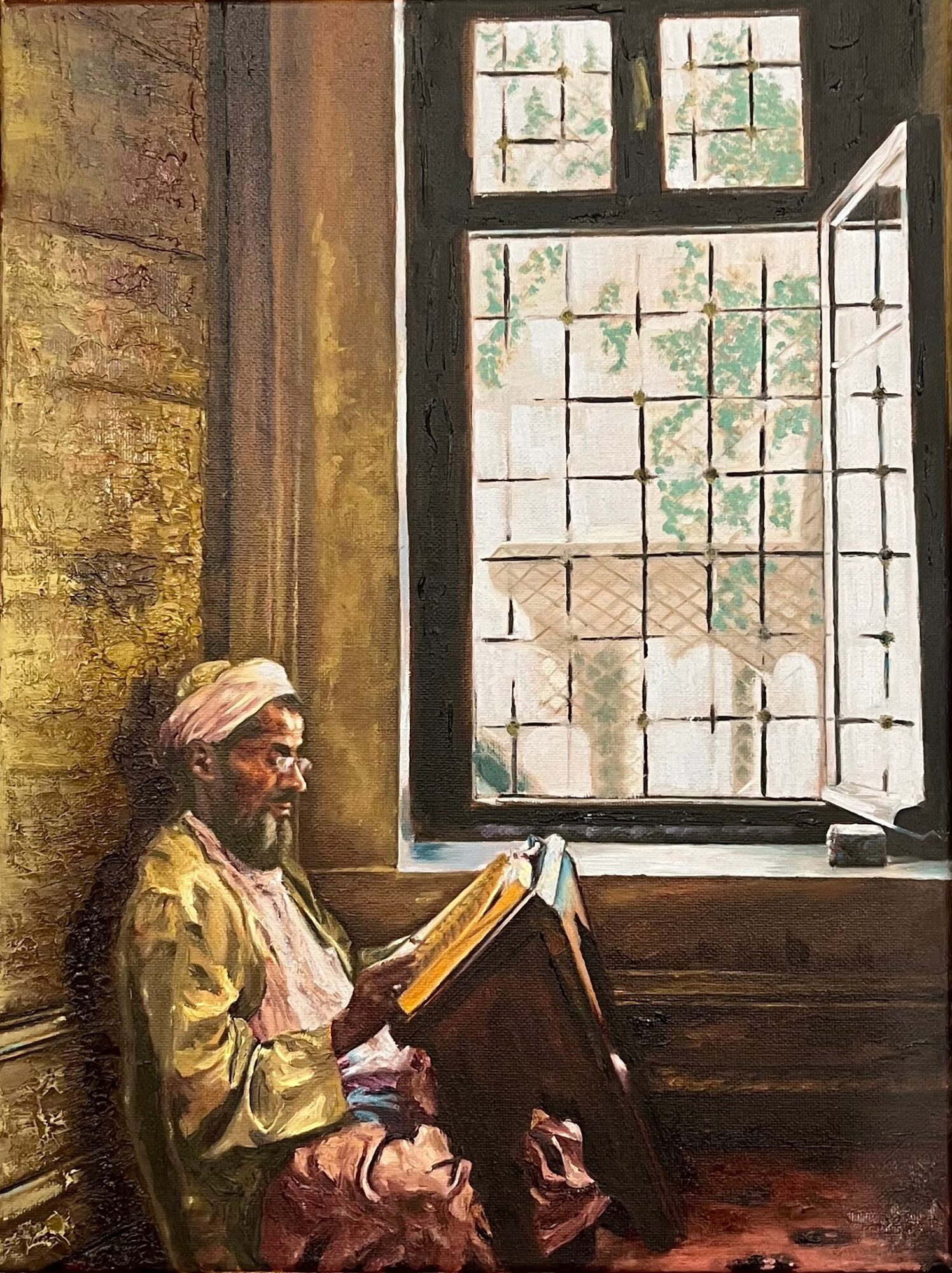
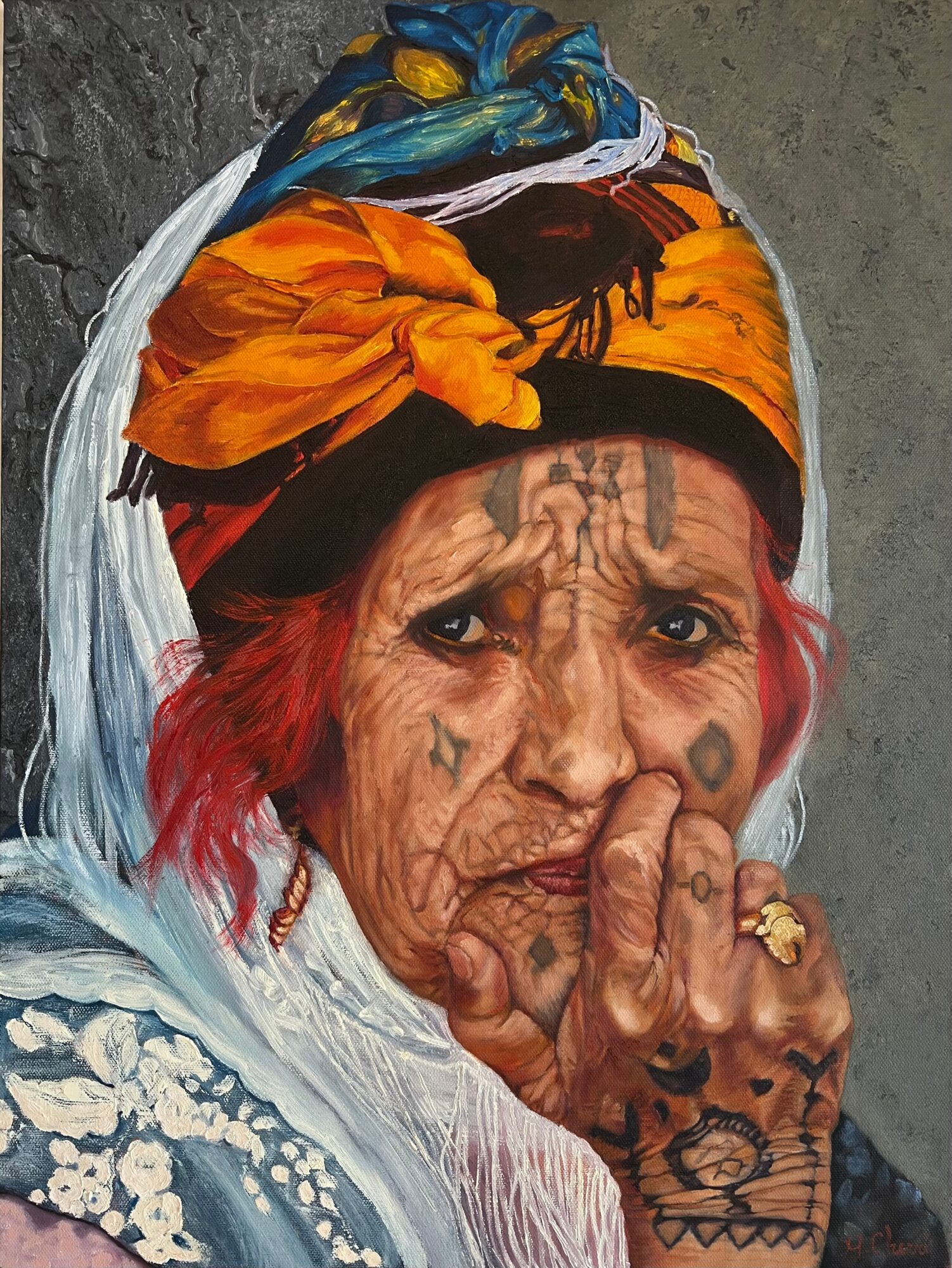
Image Credits
Photographer: Steve McCurry