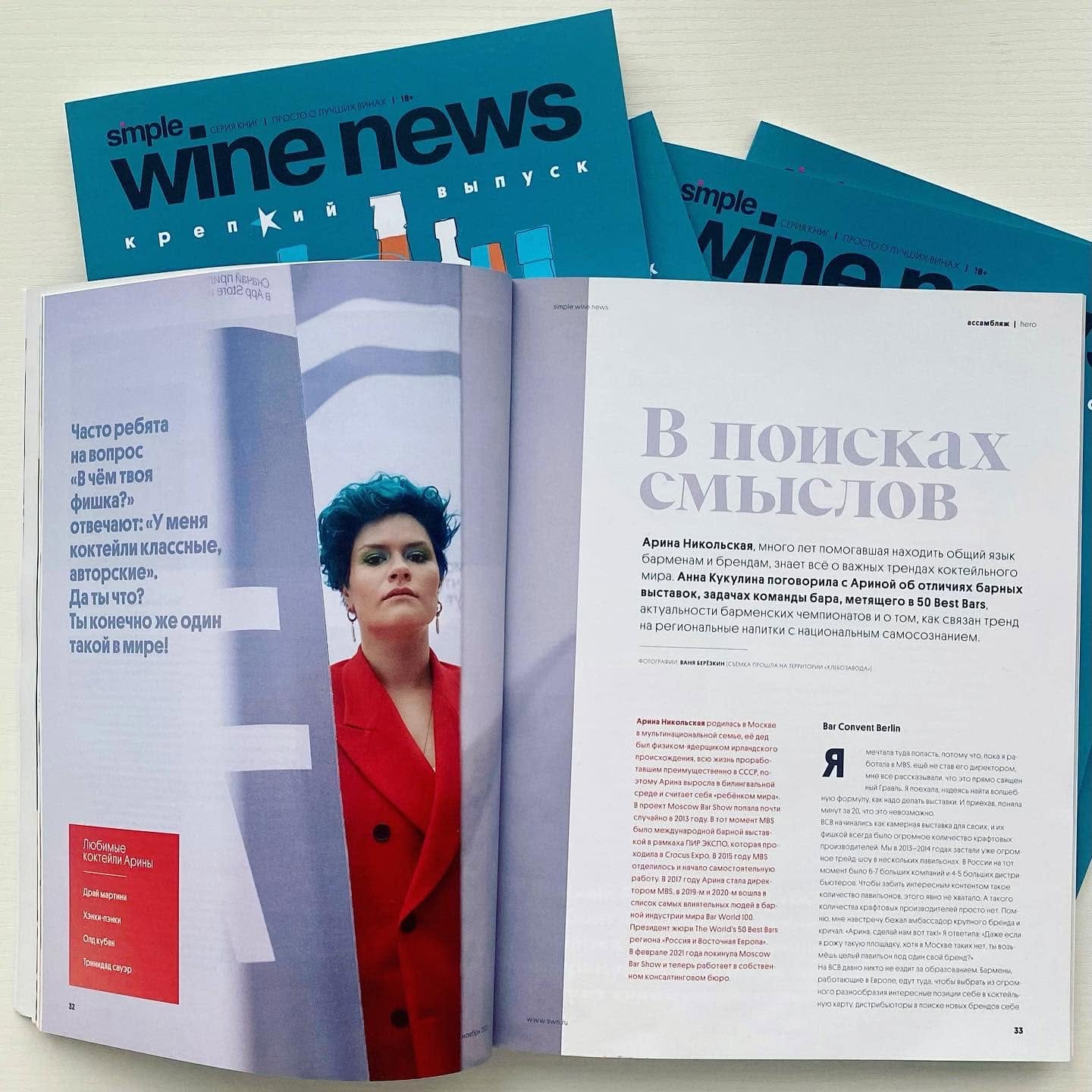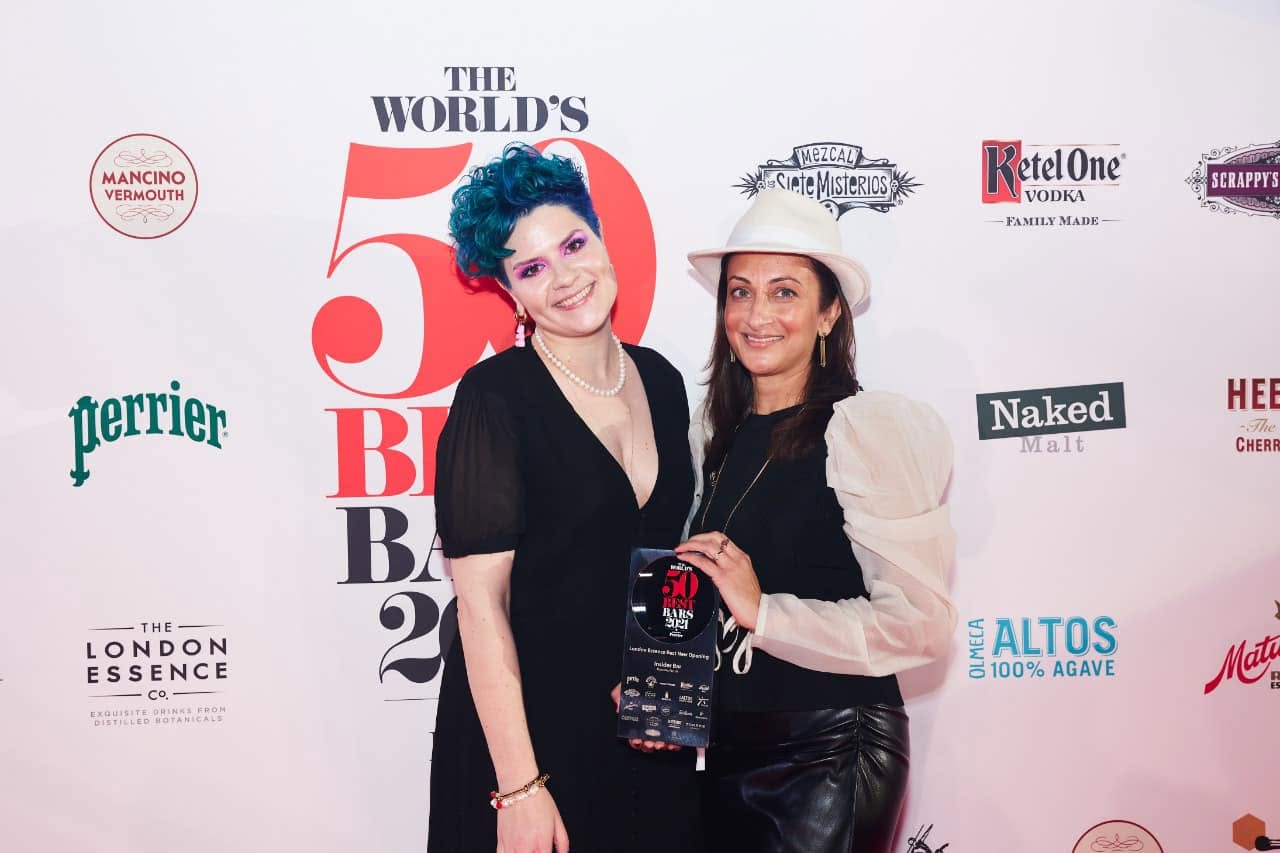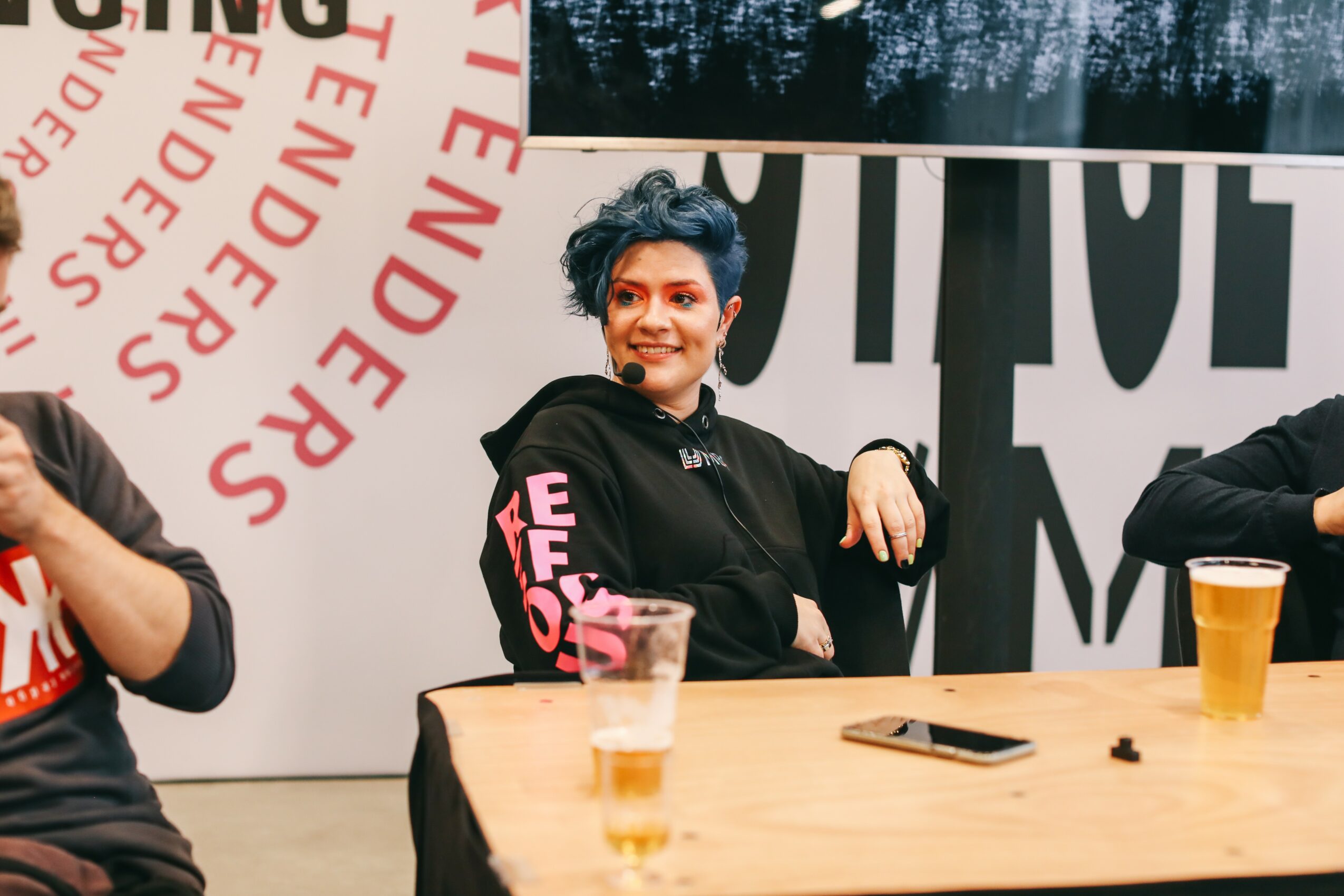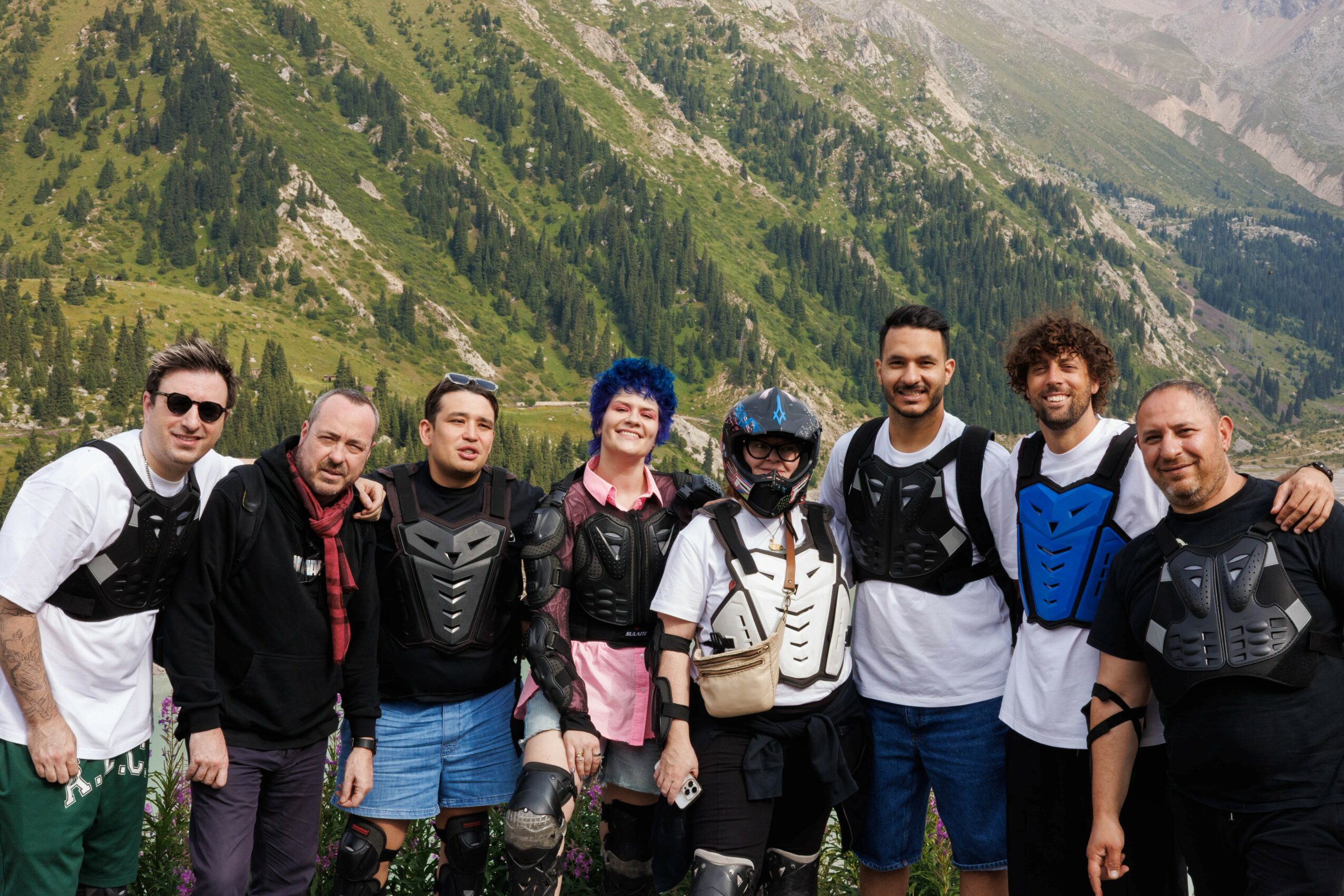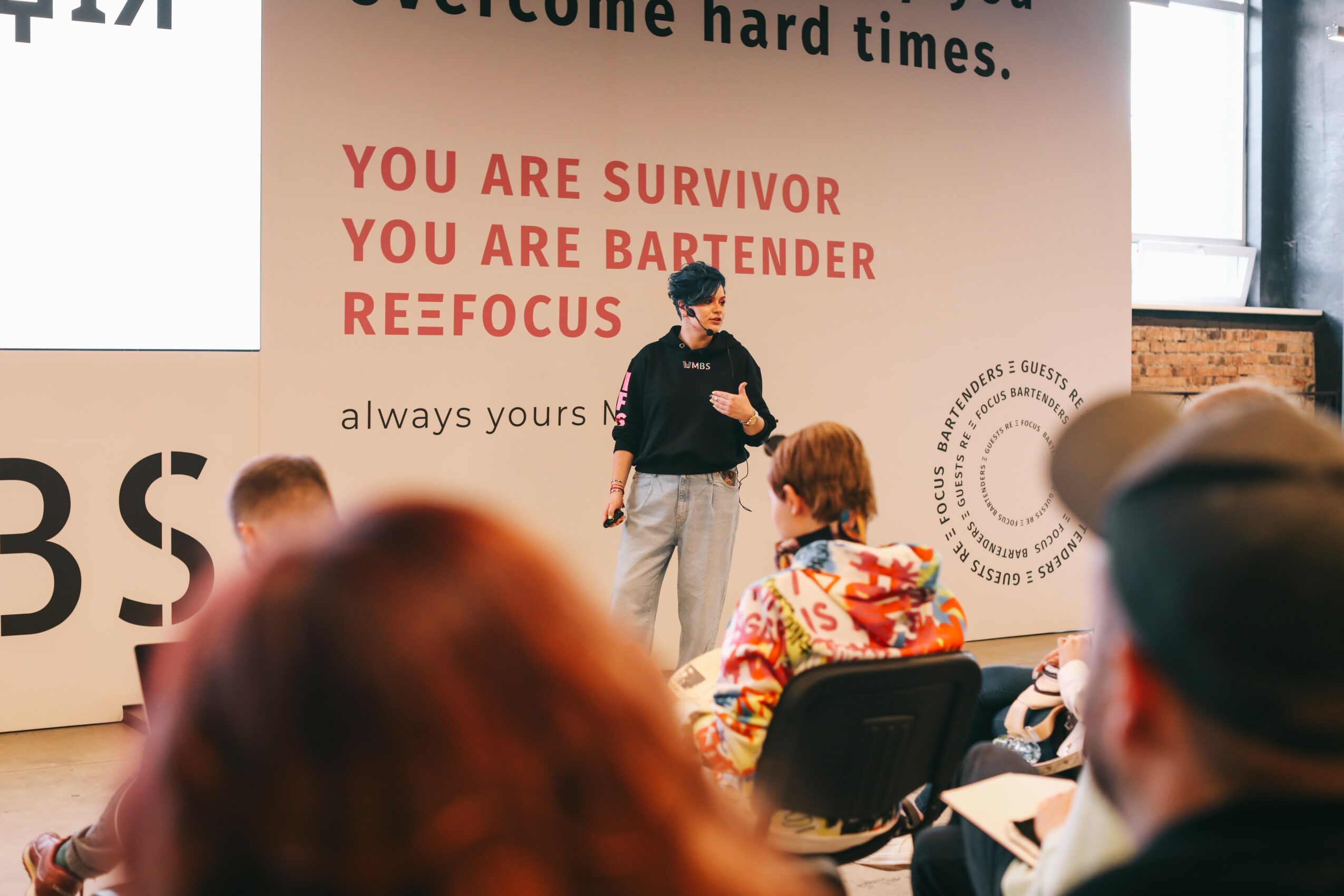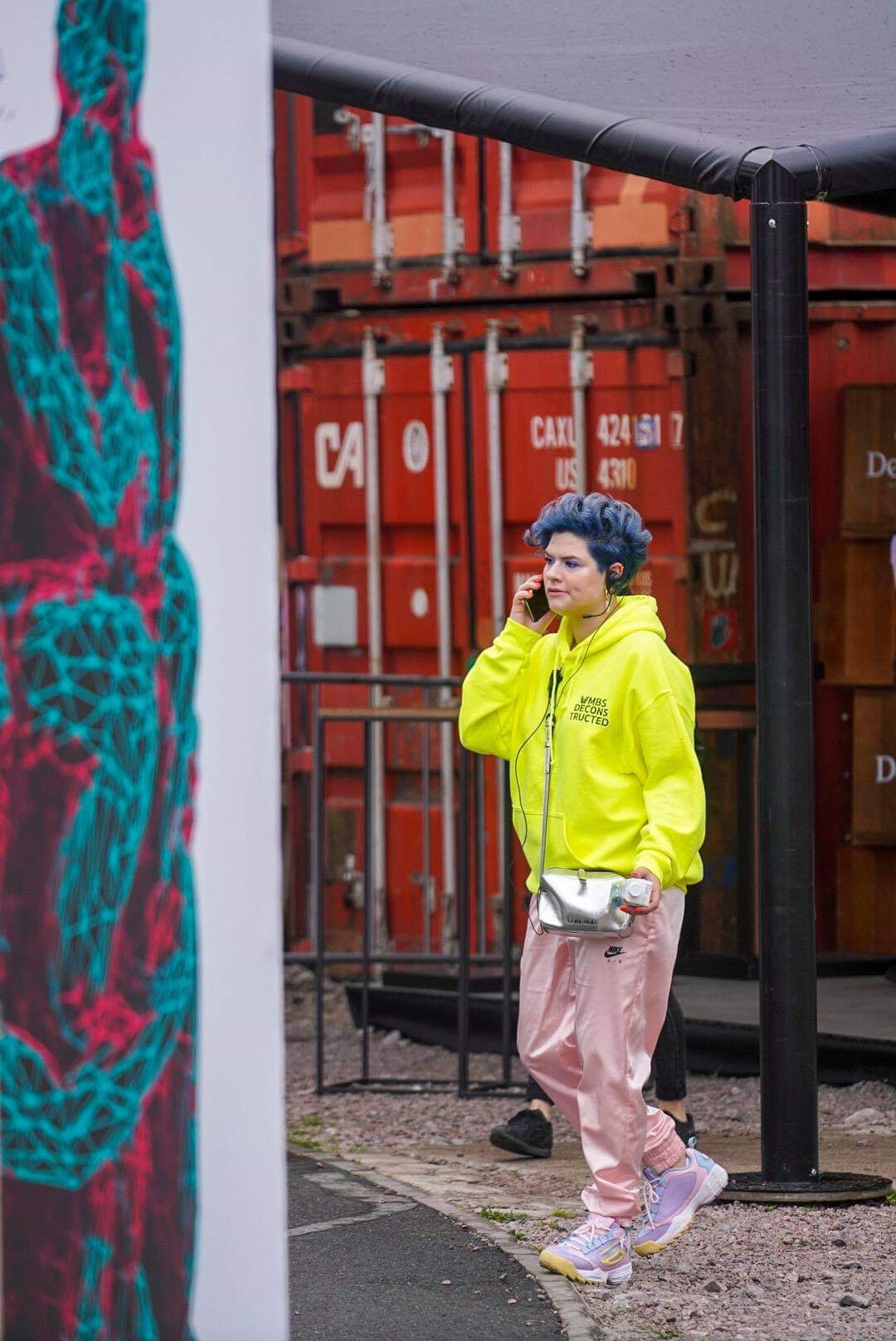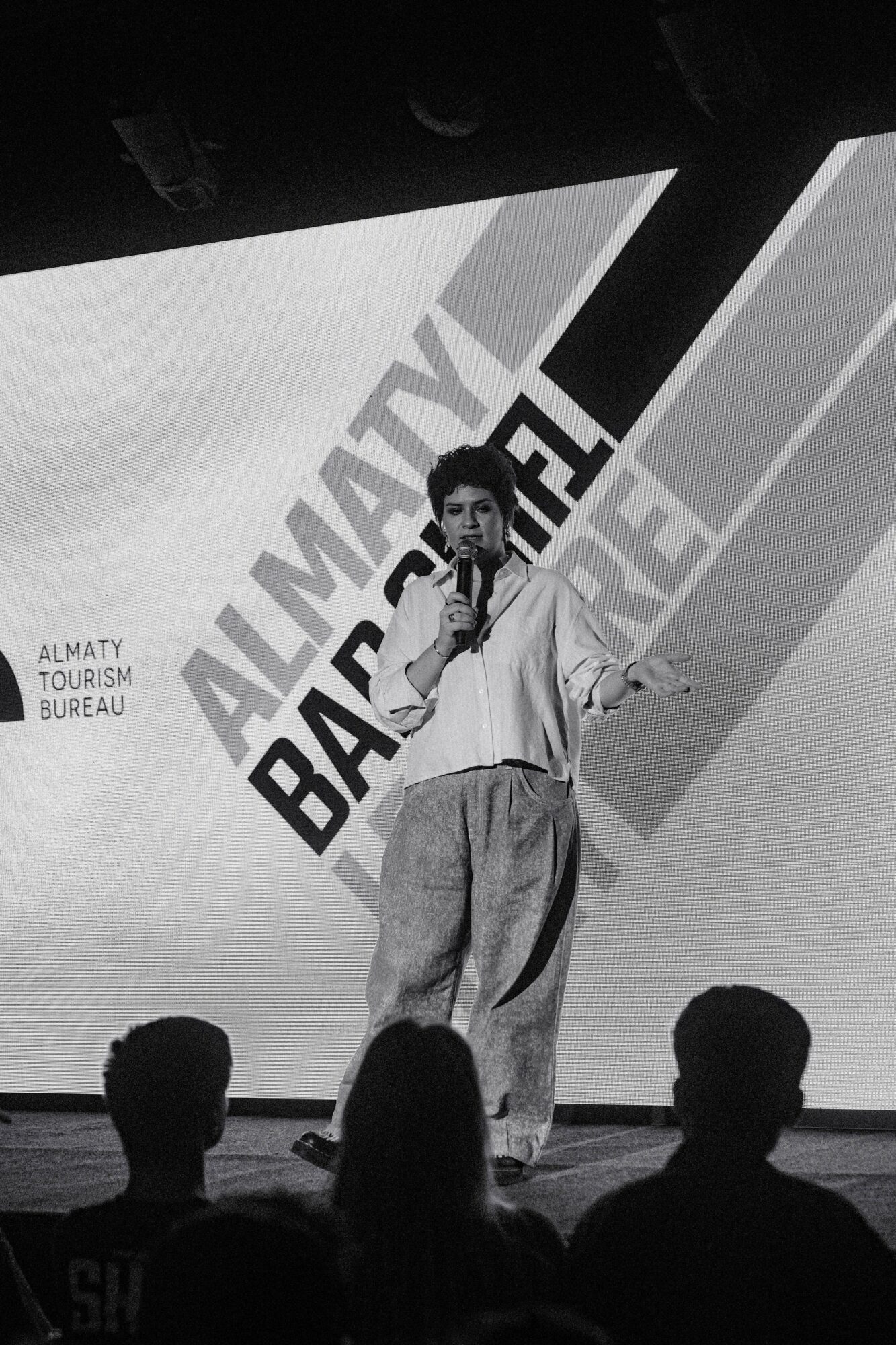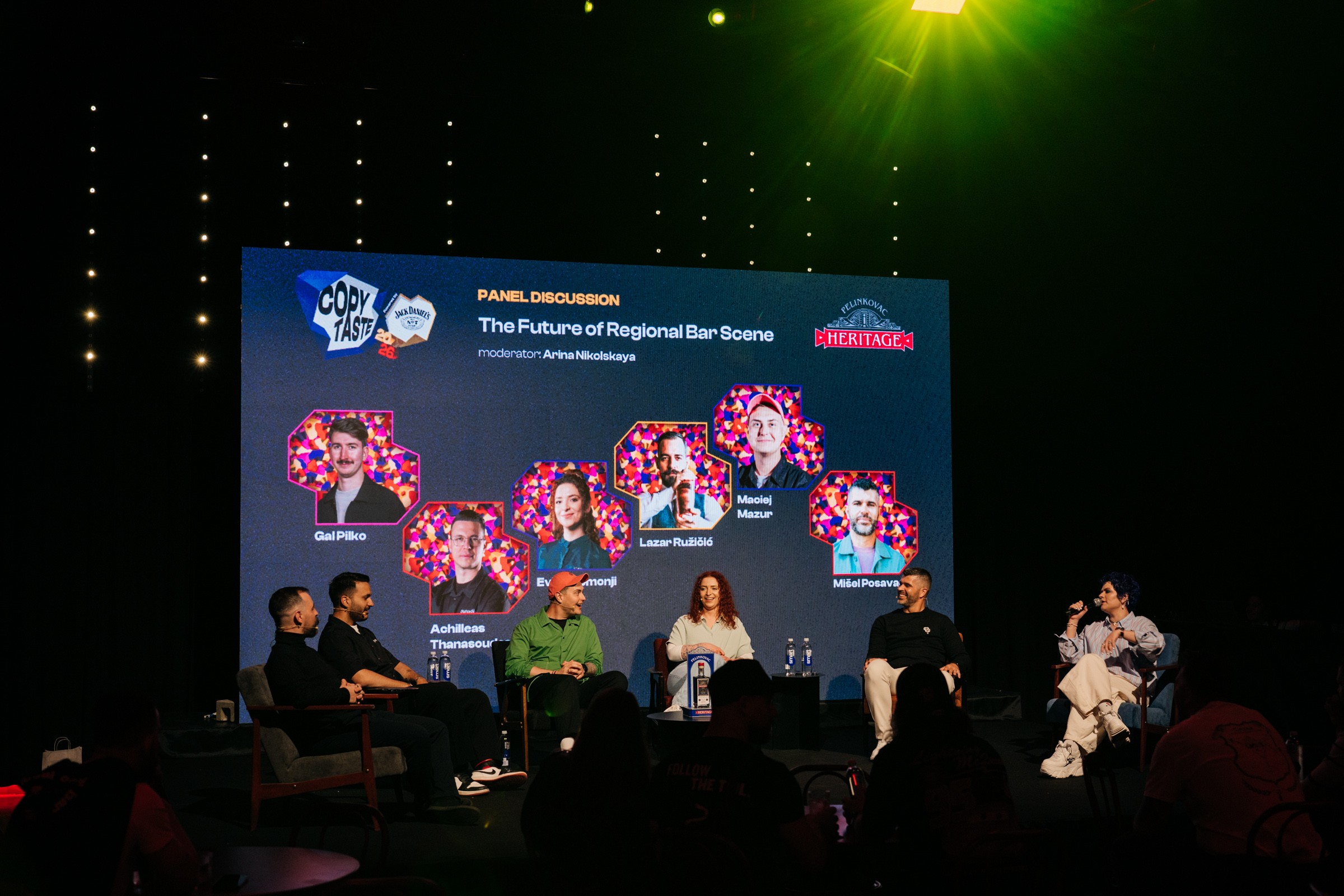





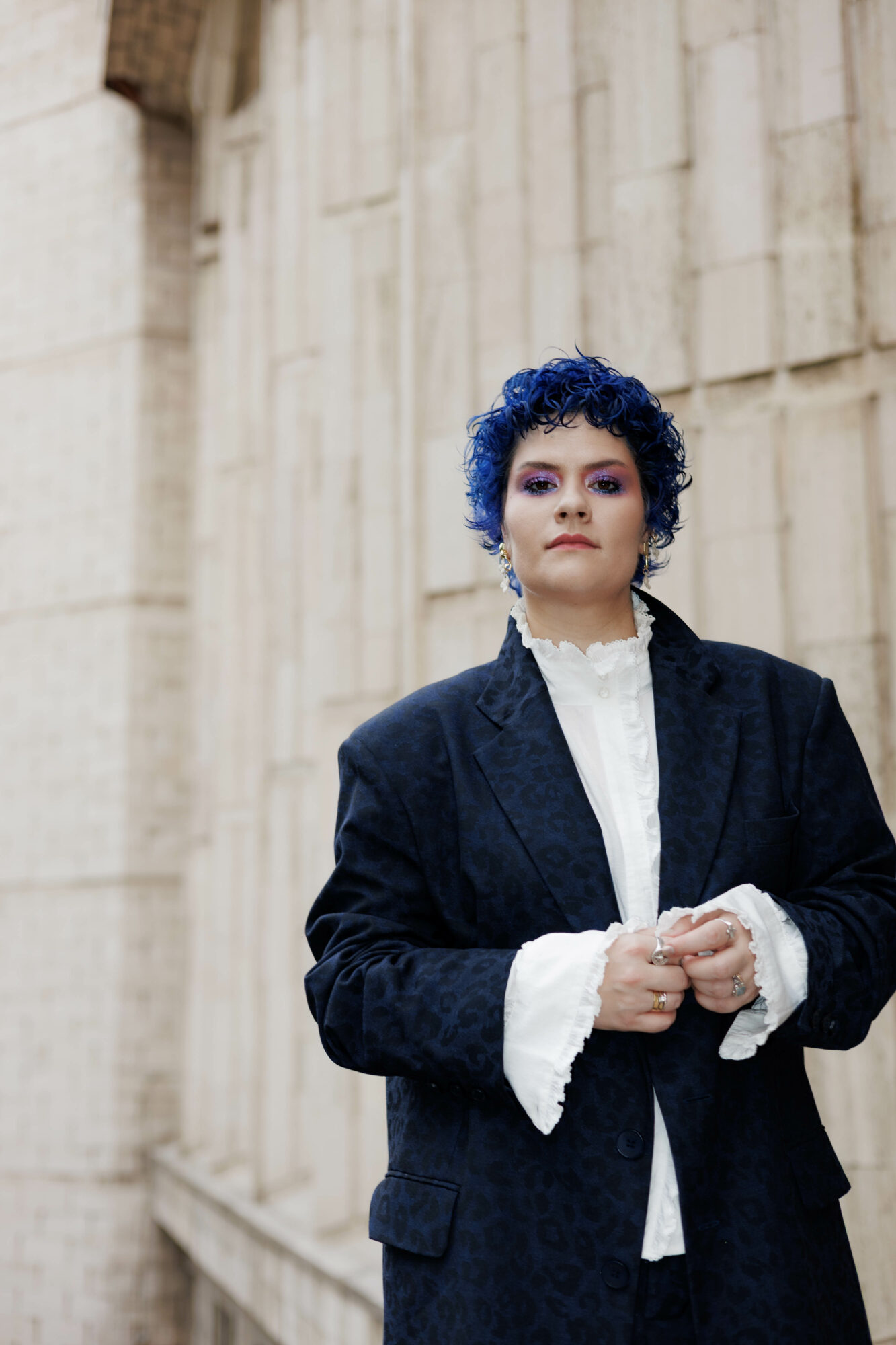
Today we’d like to introduce you to Arina Nikolskaya.
Alright, so thank you so much for sharing your story and insight with our readers. To kick things off, can you tell us a bit about how you got started?
My route into the bar industry was actually quite accidental. I have a PhD in linguistics, and my professional life started while I was still at university, when I joined the Sochi 2014 Organising Committee in the years leading up to the Games. I initially came in through interpreting, but interpersonal skills and being multilingual soon led me into a more direct role supporting and hosting higher international figures from the Olympic movement, including the then-IOC President, Jacques Rogge. It meant constantly moving between languages, cultures and very different kinds of people. That’s what I enjoyed doing.
Some of that probably started at home. I grew up in a fairly multicultural and multilingual family: my Irish immigrant grandfather was a theoretical physicist, while my grandmother and great-grandmother were both professional pianists — a rather textbook post-Soviet intelligentsia household, apparently assembled with a certain disregard for keeping either disciplines or nationalities to a manageable number.
I was never particularly interested in languages in isolation. For me, they were a fascinating way of communicating and navigating between different cultures and phenomena: not simply translating something word for word, but finding a way to convey your own culture, context or some very specific reference so that somebody coming from a completely different background can actually understand what you mean. In retrospect, I suppose I have spent most of my career doing variations of exactly that.
In 2013, I joined Moscow Bar Show almost by accident, and what was initially simply another international project very quickly became most of my professional life. A little under three years later, I took over its direction, moved the exhibition to another city and spent the following years developing it into one of the major meeting points for the bar community in Eastern Europe and an influential event on the international industry calendar.
For me, though, it was always about the community rather than the cocktails: bringing people from different cities and countries together, exchanging knowledge, helping local talent become visible internationally, showcasing the local scene to the wider industry, and then watching those relationships grow. Somewhere along the way, almost as a side effect, I built an international career of my own, largely because I kept travelling to other major bar communities in search of people, ideas and inspiration to bring back home. Apparently, if you do that often enough, people eventually start recognising you across the globe.
My life changed quite dramatically in 2022, when I left Russia and eventually found myself in Almaty, Kazakhstan. Losing the community in which I had spent almost a decade building both my professional and personal life was difficult. Strangely, though, the professional challenge itself felt familiar. I had seen something remarkably similar before. When we started developing Moscow Bar Show ten years earlier, the local bar scene was talented and ambitious but still relatively disconnected from many of the international conversations, networks and opportunities around it. I had already watched what could happen when you created those bridges consistently enough.
So in Kazakhstan, although I was starting again personally, professionally I already knew at least part of the road. The question became how to use everything I had learnt over the previous decade to help another community travel it — preferably faster, and without simply reproducing somebody else’s model.
In 2023, I created Nomad Bar Show as a showcase for the region and a way of bringing international attention and connections into Central Asia. But fairly quickly I realised that producing another bar show was not really what interested me most anymore. What interested me now was something broader, and that became SHIFT Project.
SHIFT grew from a very simple idea: talent should not become less valuable because of geography. We began with mentorships, scholarships, guest shifts, educational programmes and international exchanges, creating practical ways for people and venues from less visible markets to connect with the wider hospitality world. What started in Central Asia gradually expanded into other regions and into a network of collaborators who could do the same work within their own local communities.
Alongside that, I have been the Academy Chair for Eastern Europe, Central Asia and the Baltics for The World’s 50 Best Bars since 2019, which has given me another perspective on how dramatically hospitality has expanded beyond its traditional centres and, equally, how uneven visibility and access can still be.
Most recently, SHIFT has taken what is probably its biggest step yet: we launched our own community app. In many ways, it is the digital version of what I have been trying to build offline for years. It is designed around geography rather than hierarchy, allowing people to discover bartenders, bars, educators, events and local activity wherever they happen to be in the world. People can create their own profiles, add their venues and teams, publish events and knowledge, and see what is actually happening within a particular city or community rather than only what has already become internationally famous. Everything is organised geographically and by community rather than around an engagement-driven feed, so the idea is that you should not have to fight for attention simply to be discoverable.
So these days, when I talk about SHIFT, I increasingly mean the app as much as the individual projects around it. The ambition is to create a shared global infrastructure for an industry that is incredibly international but still surprisingly difficult to navigate once you move outside the handful of cities everyone already knows.
And I think the thread through all of it has remained surprisingly consistent. Whether it was languages, the Olympics, Moscow Bar Show or what we are building with SHIFT now, I have always been interested in connecting people who might otherwise never meet, translating between different cultures and perspectives, and helping good local work travel further without losing what makes it local in the first place.
I’m sure it wasn’t obstacle-free, but would you say the journey has been fairly smooth so far?
I think most careers look way smoother in retrospect than they ever felt while you were living them.
A large part of my work has always involved building things in places that were not necessarily considered obvious international centres at the time. When we were developing Moscow Bar Show, a lot of the work was not simply producing an event; it was persuading people to travel, building trust between very different markets, creating access to speakers and knowledge that were not readily available locally, and at the same time convincing the wider industry that there was something worth paying attention to there. It took years before that stopped feeling like an argument we had to make.
Then, in 2022, I had to leave Russia and effectively lose the professional and personal community I had spent almost a decade building. I had always understood that a career is built less on titles or CV lines than on accumulated trust, relationships, context and reputation, but losing the community around it made that reality painfully concrete. Starting again elsewhere meant discovering exactly how much of what I had built could actually travel with me.
And that created another kind of challenge: how do you use everything you have learnt without simply repeating yourself? There is a certain pressure when you have already built something successful. You do not want the next chapter to feel smaller or less accomplished than the previous one, but at the same time, trying to protect your reputation by reproducing what worked before is probably the quickest way to stop paying attention.
I think that has been one of the most difficult balances for me: maintaining the standard people had come to expect from my work while accepting that a new place, a new community and a different moment might require a completely different approach. Experience gives you confidence and tools, but it can also make you dangerously certain that you already know the answer.
Appreciate you sharing that. What should we know about SHIFT ?
SHIFT is a global hospitality network and a free professional app. We built it around a very simple problem: talent is everywhere, but attention is not.
If you work in hospitality in London, New York or Hong Kong, you are already standing much closer to the international conversation. If you are equally good in Bucharest, Chișinău, Almaty or Accra, geography makes the road much longer. And most of the platforms we use now do not really solve that. Algorithms tend to amplify the people, cities and venues that are already visible. In that sense, hospitality can start to look a little like show business: a handful of places and names become globally familiar, while an enormous amount of very good work stays local.
But careers are usually built the other way round. First you need to find your own community: the people in your city, the venues around you, the local events, educators and opportunities. Then you need ways to connect that local network to people elsewhere and, eventually, to the wider international industry.
That is what SHIFT is trying to make easier.
Offline, we work with local collaborators, bars and hospitality professionals in different cities. We create introductions, guest shifts, scholarships, educational projects and international exchanges. The important part is that we do not arrive pretending to know a city better than the people who actually live and work there. Our collaborators help us understand their communities; we help connect those communities further.
The SHIFT Community app is the same idea in digital form. It puts people, venues, teams, events and professional knowledge in one searchable place. If you are going to another city, you should be able to see who works there, what is happening, which venues are active and what people are sharing. If you are based there, your work should remain findable without having to constantly fight an algorithm for attention.
That is probably the biggest difference for us. We are not trying to decide who is important. We are trying to make it easier to find people who are relevant to you because of where they are, what they do and what community they belong to.
I am especially proud when a connection continues without us. We may introduce two people through a SHIFT project, and months later they are inviting each other, travelling together or creating something independently. At that point, we have done our job.
Ultimately, local communities do not need us to make them interesting. They already have their own talent, knowledge, traditions and ideas. They just need a fairer chance to be found — first by one another, and then by the rest of the world.
Are there any important lessons you’ve learned that you can share with us?
Probably that experience is useful, but dangerous if replicated blindly.
After a while, you begin to recognise patterns. You think you have seen this city before, this problem before, this kind of community before. Sometimes you have. Sometimes you have not.
I have learnt to come with what I know, but not to draw conclusions too quickly. To listen to the people who are already there, understand what they have built and why things work the way they do. If something does not exist, there may be a reason for it. If something looks obvious from the outside, it may be much less obvious once you understand the context. So I try not to assume. I analyse first, and only then decide whether I can be useful.
The same is true of communities. You can introduce people, open a door, create a reason for them to meet. If it works, sooner or later they no longer need you in the middle.
I think I used to see that as losing control. Now I have learnt that it is probably the point — and I rather enjoy it.
Contact Info:
- Website: https://joinshift.co
- Instagram: https://www.instagram.com/_shift.project_/
- Facebook: https://www.facebook.com/arina.nikolskaya.1
- LinkedIn: https://www.linkedin.com/in/arina-nikolskaya-b1a07488