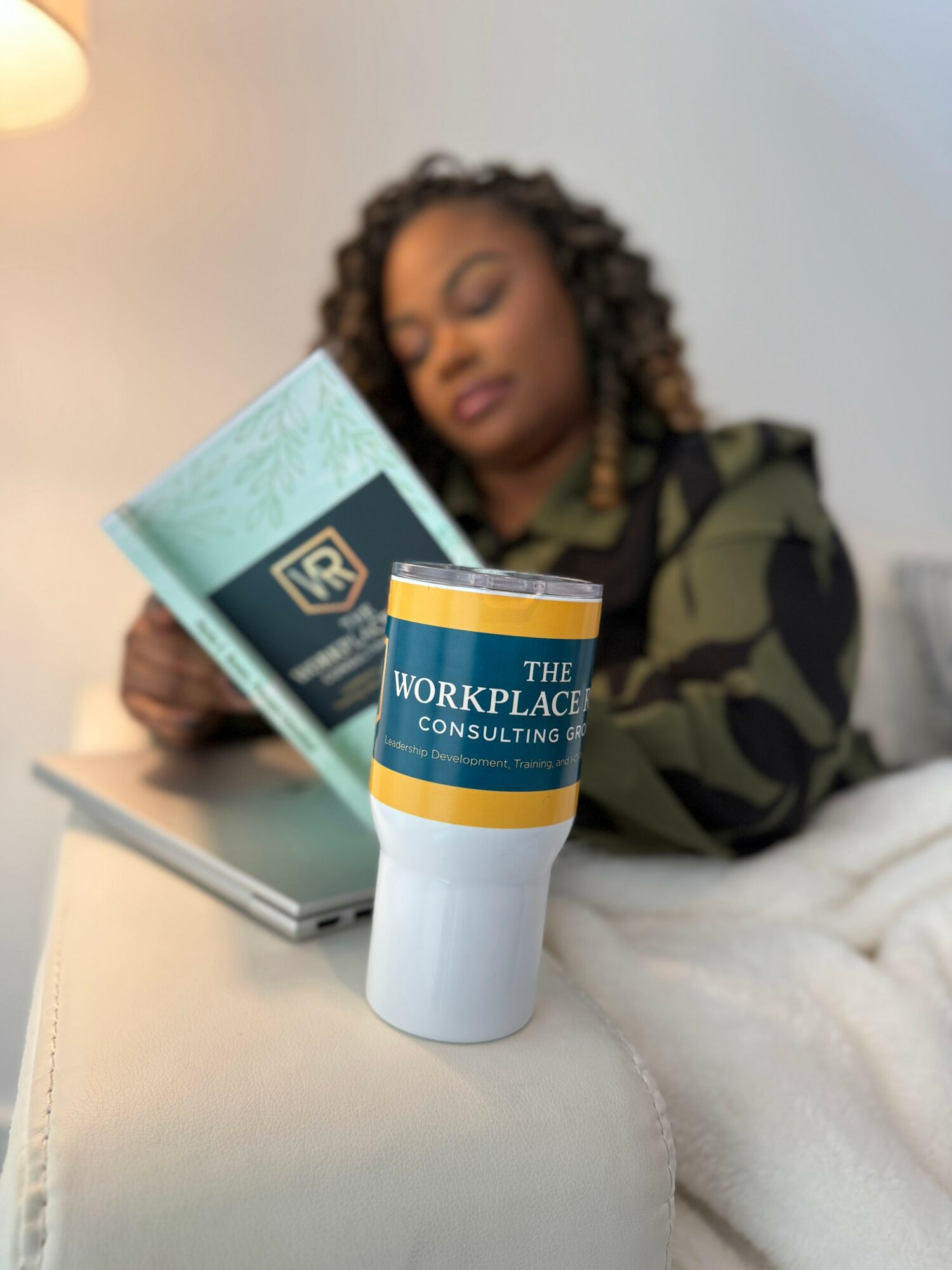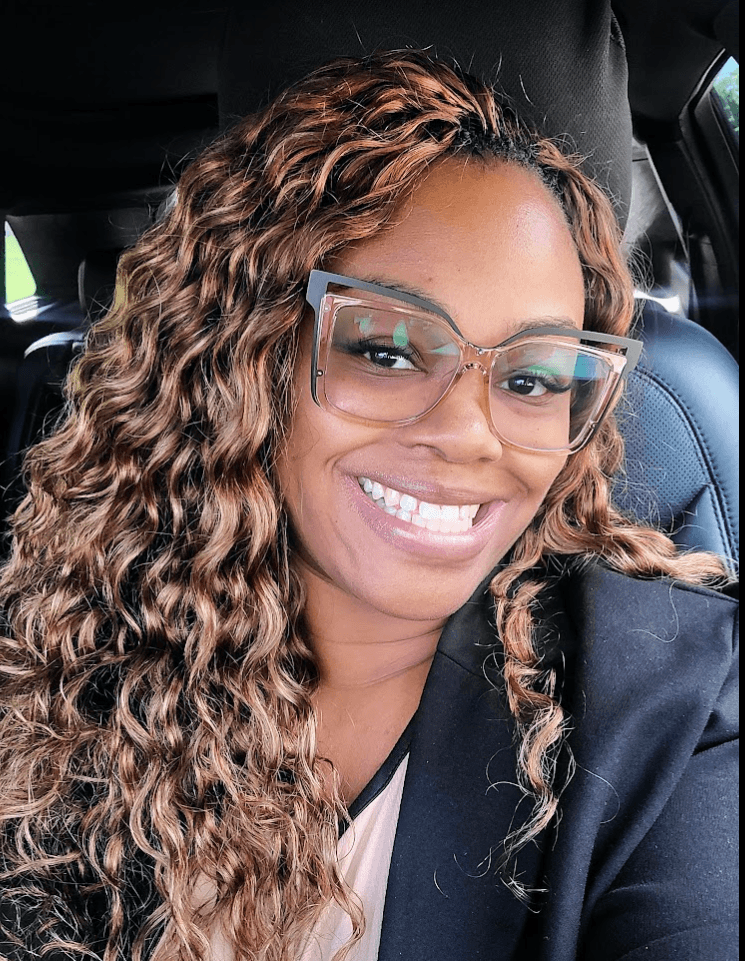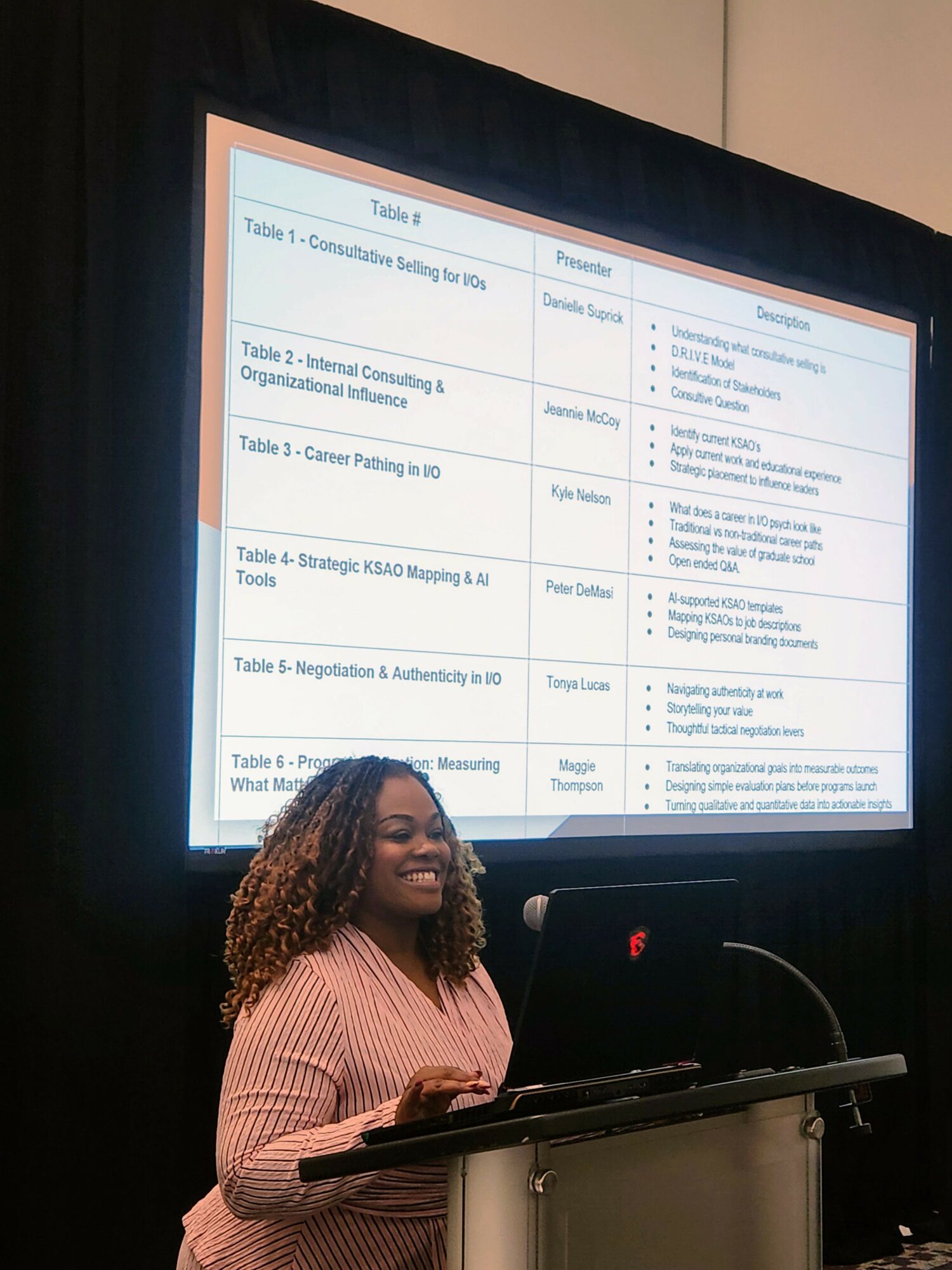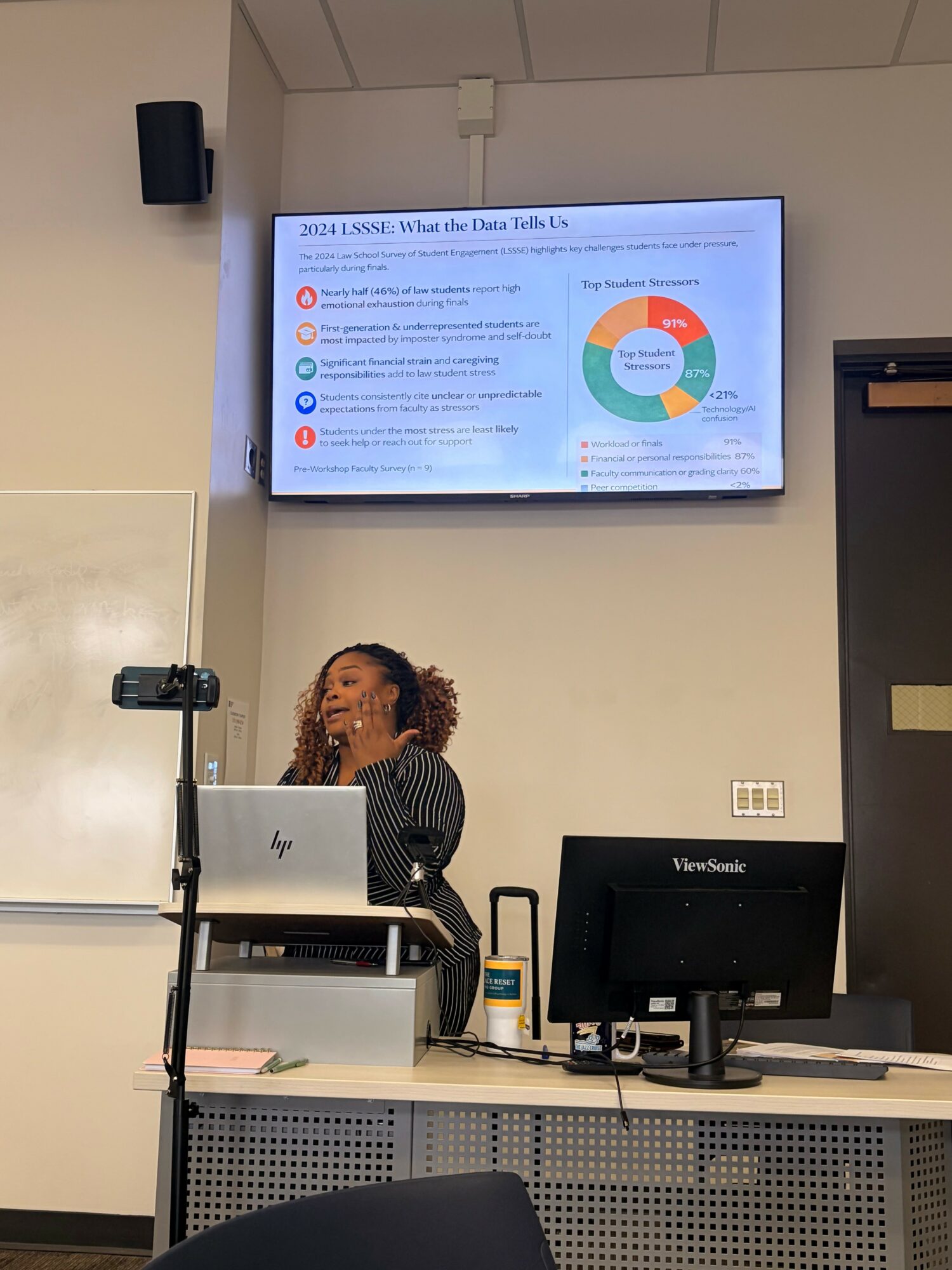





Today we’d like to introduce you to Portia Barnes.
Portia, we appreciate you taking the time to share your story with us today. Where does your story begin?
My professional journey has not been a straight line, and I think that is part of what makes it valuable.
For more than 15 years, I worked in multifamily housing and operations, leading teams, managing communities, solving problems, navigating competing priorities, and being accountable for both people and business outcomes.
I learned a great deal about leadership in those environments, but I also became increasingly curious about why some teams thrived. In contrast, others struggled, even when the people seemed equally capable.
I kept noticing the same pattern: when performance was not where it needed to be, the first response was often to focus on the individual. Train them. Coach them. Hold them accountable. Replace them.
What I often found missing was a deeper examination of the environment around that person.
Were expectations clear?
Were leaders reinforcing the right behaviors?
Did employees have the resources, trust, communication, role clarity, and support they needed to perform?
Was the organization asking people to succeed inside a system that was unintentionally making success harder?
That curiosity eventually led me to pursue my Master’s Degree in Industrial-Organizational Psychology.
Once I discovered I-O psychology, so much of what I had experienced professionally finally had a language around it. I connected what I saw in real workplaces to research on leadership, motivation, engagement, performance, learning, work design, organizational culture, and behavior.
I earned my Master of Science in Industrial-Organizational Psychology, and during that process, the vision for The Workplace Reset Consulting Group began to take shape.
I founded The Workplace Reset Consulting Group around a belief that now sits at the center of my work:
Most performance problems are not simply people problems. They are often environmental problems.
Organizations can spend enormous amounts of money on training, technology, programs, and initiatives, and still struggle if they have not accurately diagnosed the problem in the first place.
My work is about partnering with organizations to slow down long enough to ask better questions before selecting the solution.
Today, I work as an Industrial-Organizational Psychology practitioner, consultant, facilitator, speaker, and Change Architect. Through The Workplace Reset Consulting Group, I partner with leaders and organizations to examine the conditions shaping how people work, communicate, lead, learn, and perform.
The goal is not simply to deliver another workshop. The goal is to help organizations build the capabilities and conditions that enable better behavior and stronger performance to continue after the workshop ends.
Would you say it’s been a smooth road, and if not what are some of the biggest challenges you’ve faced along the way?
One of the biggest challenges has been allowing myself to build something that did not fit neatly into the professional boxes I had previously occupied.
For years, my professional identity was connected to an industry and to operational leadership roles. Moving into I-O psychology and consulting meant becoming comfortable being a beginner again while also recognizing that I was not actually starting from zero.
I bring years of leadership, operations, team development, customer experience, problem-solving, and organizational experience. The challenge was learning to translate that experience into a new professional language and trusting that the combination would be valuable.
There has also been the challenge of building credibility as the business grows. Entrepreneurship requires you to become the strategist, marketer, salesperson, content creator, facilitator, researcher, administrator, and decision-maker, often all in the same day.
Another challenge has been resisting the pressure to offer solutions simply because they are easy to sell. Training is one example.
I love learning and facilitation, and training can absolutely be valuable. Yet training is not always the answer.
If an employee knows what to do but the system does not reinforce it, another workshop may not solve the problem. If a leader has not created psychological safety, communication training alone may not change the team’s behavior. If expectations are unclear, accountability training may create more frustration. That means part of my responsibility as a practitioner is being willing to say, “We need to understand the problem better before we decide what to buy.”
That approach may take more discovery on the front end, but it reduces the risk of organizations spending money, time, trust, and credibility solving the wrong problem.
Personally, I have also had to become comfortable with visibility. Building The Workplace Reset Consulting Group has required me to put my thinking, research, ideas, and professional voice into the world before everything feels perfectly polished. I am learning that growth often requires being willing to be seen while you are still becoming.
Thanks for sharing that. So, maybe next you can tell us a bit more about your business?
The Workplace Reset Consulting Group is an Industrial-Organizational Psychology consulting practice that partners with organizations to understand what is truly hindering performance before investing in a solution.
Our work starts with diagnosis. Organizations often move quickly to implement training, coaching, technology, or other programs when performance is not where it needs to be. The risk is that the intervention gets selected before anyone has fully examined what is creating the problem.
We look at the conditions surrounding performance: leadership practices, communication, trust, role clarity, workflow, expectations, reinforcement, employee experience, and the systems people are working within. That allows us to distinguish between a true skill or knowledge gap and a broader workplace condition that training alone will not solve.
From there, we design the intervention around the actual need. Sometimes that is a workshop or a facilitated learning experience. Sometimes it is leadership development, organizational assessment, performance consulting, strategy facilitation, communication redesign, advisory support, or a combination of approaches.
One of the principles that guides my work is:
Training is necessary, but it alone is not sufficient.
A workshop can build communication, accountability, confidence, leadership capability, or a new approach to the work. The organization still has to create the conditions that allow those capabilities to transfer into day-to-day behavior.
That is where organizations can lose the return on their investment. A strong learning experience may create insight in the room. Still, if employees return to unclear expectations, inconsistent leadership, competing systems, or a lack of reinforcement, the old behavior often wins.
The Workplace Reset Consulting Group focuses on that space between the intervention and the outcome. Our work is designed to build capability while also examining whether the surrounding environment supports people in using what they have learned. The goal is stronger follow-through, less workplace friction, clearer decisions, and more sustainable performance.
I work with teams, departments, small businesses, nonprofits, higher education institutions, and professional associations that are willing to look beyond surface-level symptoms and ask better questions about what their workplace is actually reinforcing.
We don’t help organizations add another solution. We partner with them to understand the problem, build the right capability, and create stronger conditions for performance.
How do you think about luck?
I believe opportunity, timing, and relationships matter, and there have absolutely been moments in my journey when the right person, conversation, introduction, or opportunity appeared at the right time.
I am grateful for those moments.
I also believe that what can look like luck from the outside is often the result of preparation, experience, relationship-building, and small decisions that no one else sees.
There were years of professional experience behind the moment I discovered I-O psychology. There were years of leadership lessons behind the decision to build The Workplace Reset Consulting Group. There were countless conversations, applications, introductions, speaking opportunities, collaborations, and moments of showing up before certain opportunities ever appeared.
One of the biggest lessons I have learned is that relationships matter tremendously. Someone mentions your name in a room you are not in. Someone forwards an opportunity. Someone makes an introduction. Someone sees your work and says, “You should talk to Portia.”
Even this VoyageMichigan feature came through an introduction, and I do not take that lightly.
I think part of building a meaningful career is doing work worth remembering, treating people well, continuing to grow, and building enough trust and credibility that your name comes to mind when the right opportunity appears.
“Luck” may help open a door. What happens next depends on whether you have done the work to be ready when it does.
Contact Info:
- Website: https://workplaceresetconsulting.com
- Instagram: https://www.instagram.com/wrcg_workplacereset/
- LinkedIn: https://linkedin.com/in/portia-barnes-98301019
- Youtube: https://www.youtube.com/@portiacbarnes-twrcg-iopsych