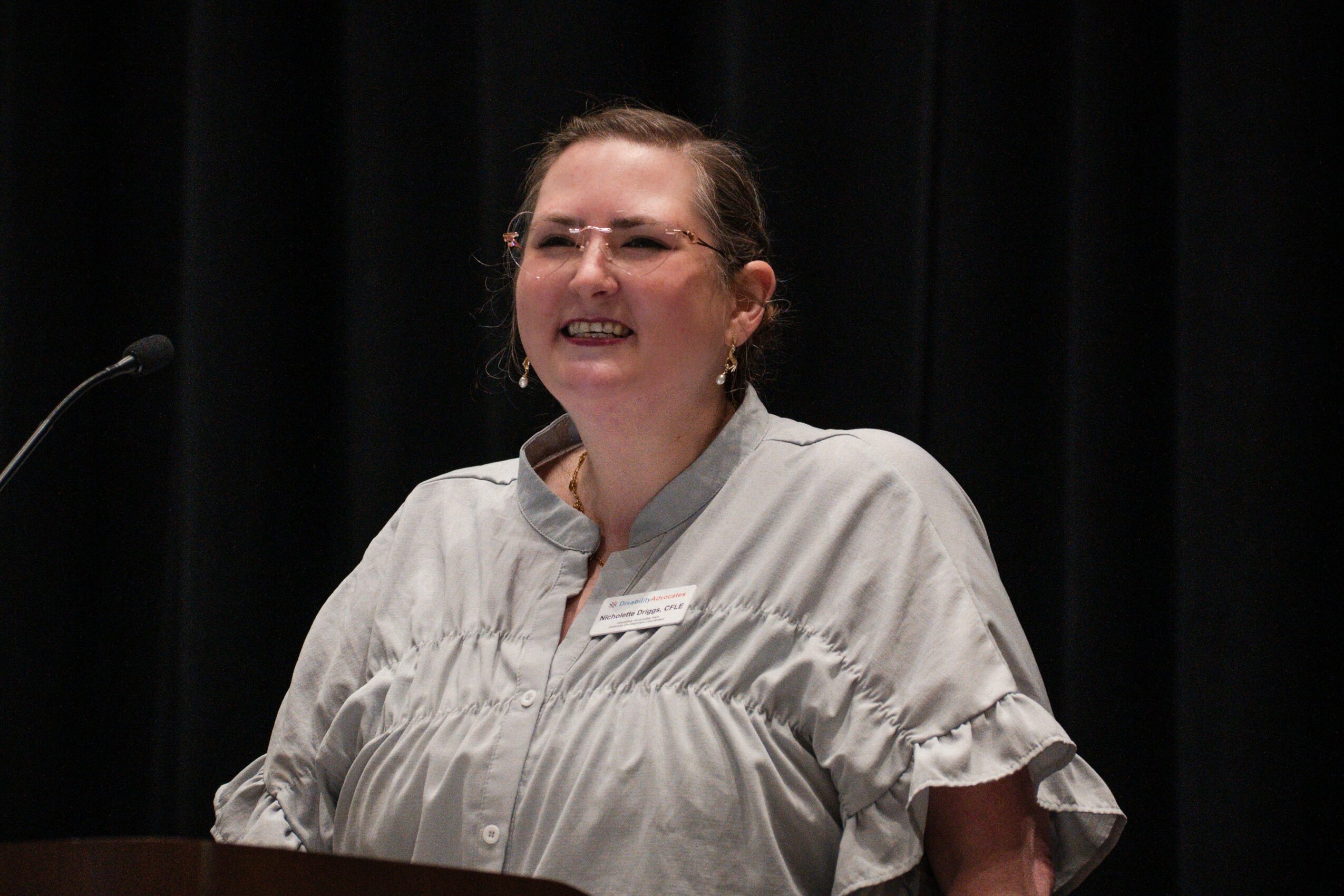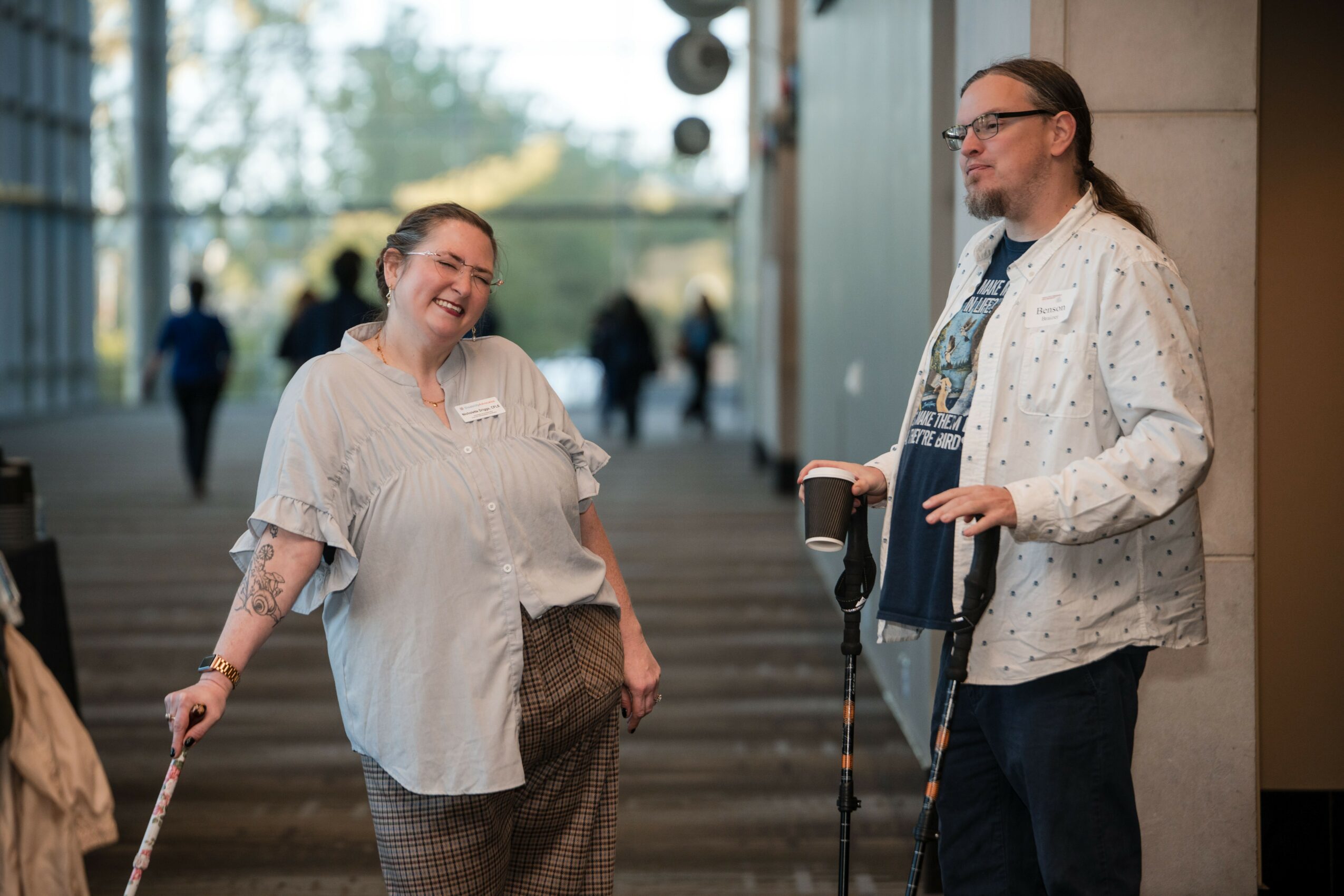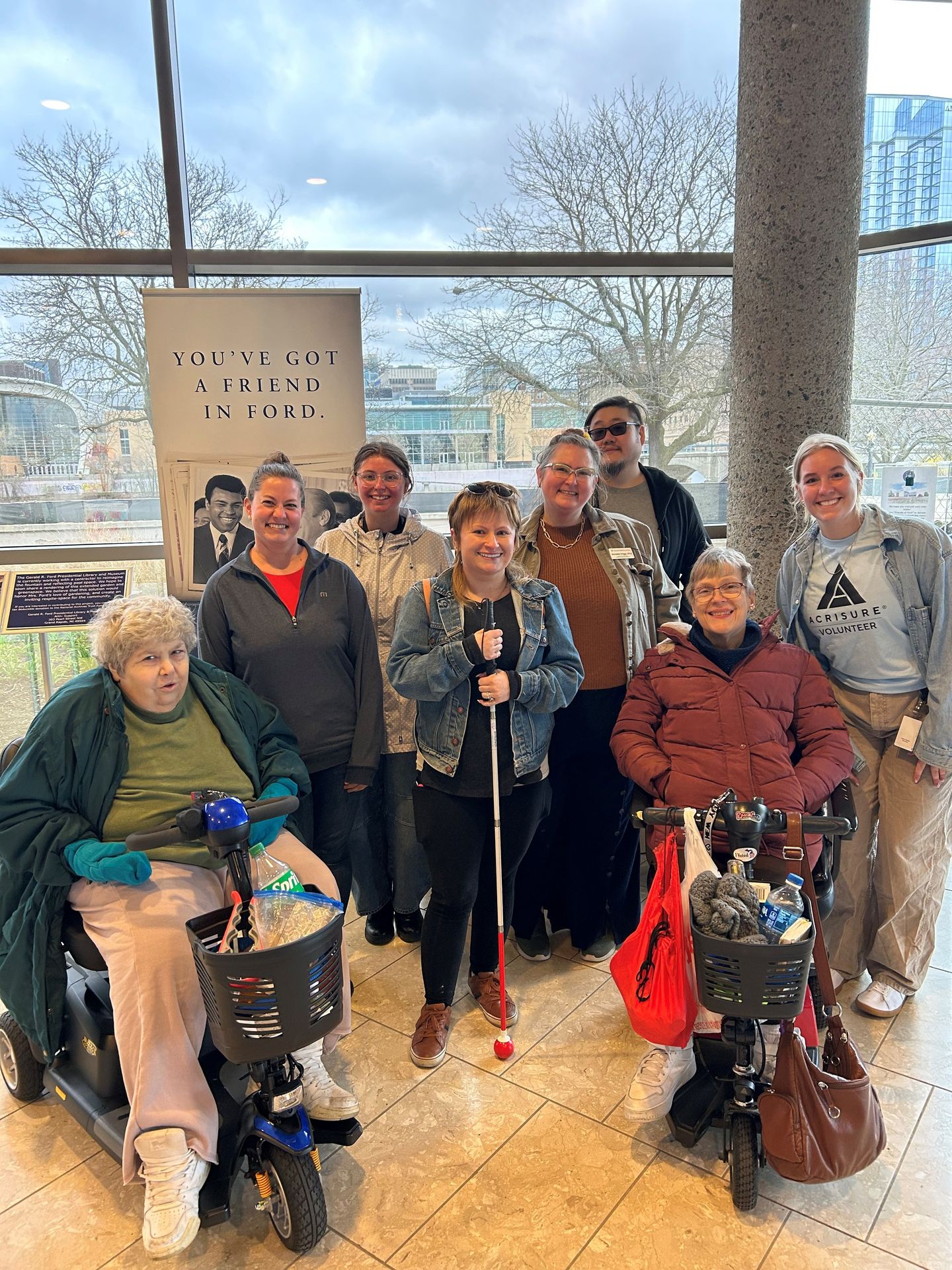




Today we’d like to introduce you to Nicholette Driggs.
Nicholette, we appreciate you taking the time to share your story with us today. Where does your story begin?
I never set out to become a Disability Advocate. In many ways, disability advocacy has been a part of my life for as long as I can remember.
My grandmother used to drive a school bus, and one of my favorite times was riding along with her on the run to the skill center, where she transported young adults with disabilities. At a very young age, disability was not something I viewed as different or separate from my life. It was simply part of my community. I remember those young adults as people first their personalities, their humor, their individuality, and those experiences helped shape how I understood inclusion long before I had the words to describe it.
As I got older, disability became personal in a different way. I had my first surgery when I was 18. At 42, I am preparing for my 31st surgery. My own journey has given me an understanding of disability, accessibility, medical systems, and the barriers people can encounter that I could never have gained from a textbook or professional training alone.
But my experiences have also taught me something even more important: disability is not just a medical experience. It is an experience shaped by the world around us. A curb without a ramp, a building without an accessible entrance, information that isn’t available in an accessible format, a workplace that isn’t flexible, or a community that doesn’t consider the needs of disabled people can create barriers that have nothing to do with a person’s abilities.
Before entering this field, I spent years working with children and families, including serving as a Child Care Director for Northview Public Schools. That work taught me the importance of relationships, communication, education, and meeting people where they are. It also showed me how deeply families are affected by the systems and environments around them.
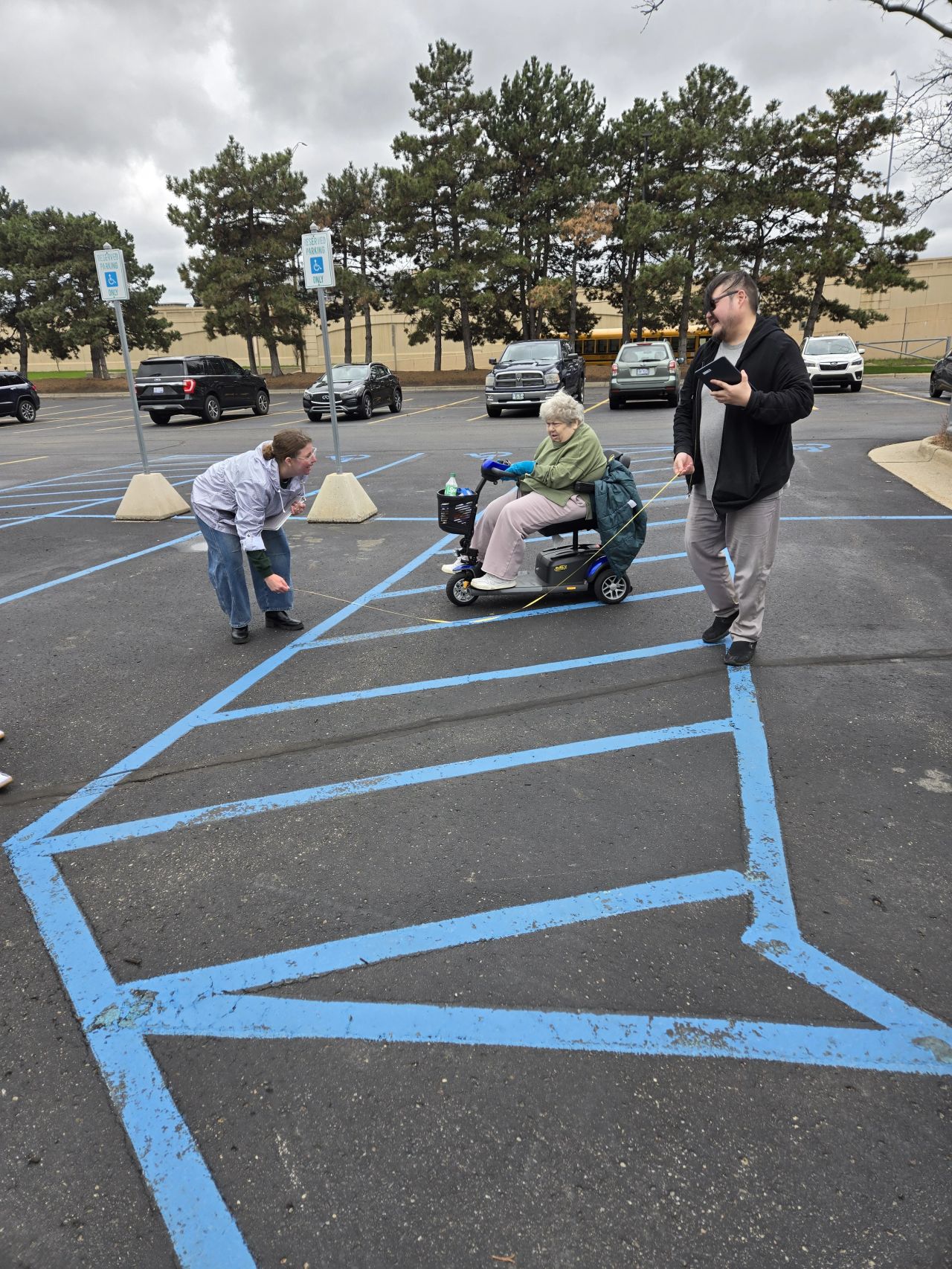
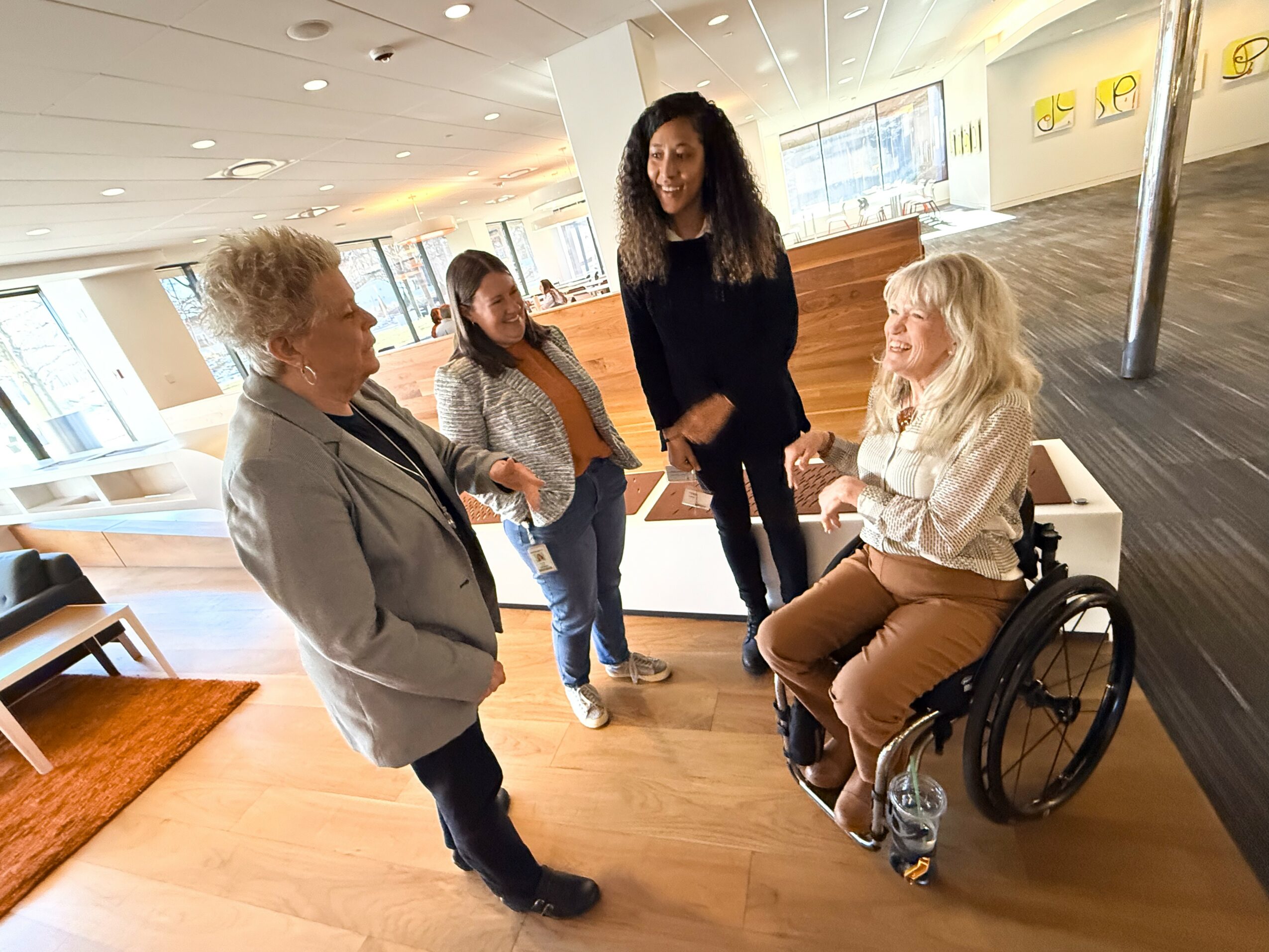
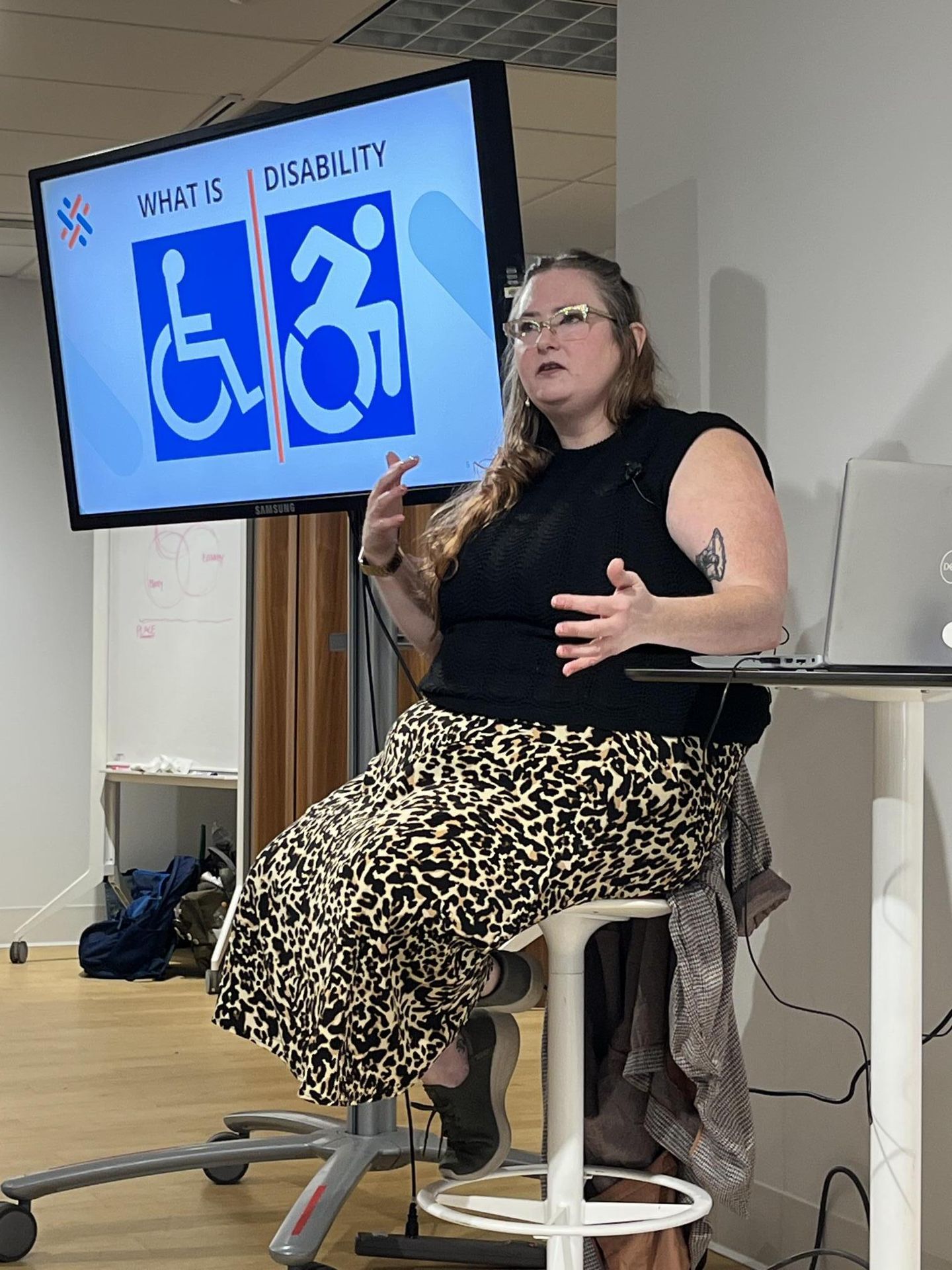
Today, in my role at Disability Advocates of Kent County, I have the opportunity to bring all of those experiences together. I work with communities, organizations, governments, and individuals to identify barriers and create more inclusive environments. I educate others about accessibility, help organizations think differently about inclusion, and advocate for communities where people with disabilities can participate fully.
Looking back, I realize that becoming a Disability Advocate wasn’t one defining moment. It was a lifetime of experiences.
It started with riding on my grandmother’s school bus and seeing disability as a normal part of community life. It grew through my work with children and families. It deepened through my own experiences navigating disability and the medical system. And today, it has become my profession and my purpose.
My goal as an advocate is not simply to make spaces accessible. It is to help create communities where accessibility and inclusion are considered from the beginning—not added as an afterthought. I want families to spend less time fighting barriers and more time participating in their communities, building relationships, working, learning, raising children, and simply living their lives.
I became a Disability Advocate because I have seen disability from many different perspectives. I have been the person learning to navigate it. I have been the professional supporting families. And now, I have the privilege of helping communities understand that disability belongs in every conversation about what makes a community healthy, welcoming, and whole.
In many ways, I think I have been preparing for this work my entire life.
We all face challenges, but looking back would you describe it as a relatively smooth road?
No, the road has not always been smooth.
I have worked in advocacy for most of my adult life, and along the way I have experienced many of the same barriers that I advocate against. Funding limitations can make it difficult to turn good ideas into meaningful change. Organizations and communities may want to create more inclusive environments but lack the resources, knowledge, or capacity to do so. Sometimes progress is slow, and it can be difficult to see the impact of your work when change takes time.
I have also had to navigate my own health and disability journey. There have been times when my health has required me to step away from work and focus on healing and taking care of myself. Returning to work and rebuilding momentum has not always been easy. There have been moments when I have questioned how much I can continue to give while navigating challenges of my own. But there is something I have learned about myself throughout all of it: **I always come back.**
I come back because advocacy is more than a job to me. It is part of who I am and what I believe in. My own experiences have given me an even deeper understanding of how exhausting it can be to navigate systems that were not designed with you in mind. They have also strengthened my determination to help make those systems better for the people and families who come after me. The struggles have not made me want to walk away from advocacy. If anything, they have made me more committed to it. They have taught me resilience, empathy, patience, and the importance of continuing to show up—even when progress is slow.
My path has included setbacks, pauses, and unexpected detours. It has not been a straight line. But every time I have had to step away, I have found my way back.
**I always come back.**
And I think that may be one of the most important things my journey has taught me: advocacy is not about having a perfect or easy path. It is about continuing to believe that change is possible—and continuing to show up to help make it happen.
As you know, we’re big fans of you and your work. For our readers who might not be as familiar what can you tell them about what you do?
My work is centered on helping communities, organizations, and individuals understand that accessibility is not simply about meeting a legal requirement, its about creating communities where everyone can participate, belong, and feel welcome.
In my role at Disability Advocates of Kent County, I work with communities and organizations to identify barriers, educate others about accessibility, and find practical solutions that make a real difference. I am especially passionate about helping organizations move beyond a compliance mindset and begin thinking about accessibility as part of good planning, good business, and good community development. What I am most proud of, however, is the work that Disability Advocates of Kent County is doing in the community. We have the opportunity to meet people where they are and help turn accessibility from an idea into something tangible. What makes this work meaningful to me is that these recommendations are not about creating a separate experience for people with disabilities. They are about making it possible for more people to fully participate in the same community experience.
I bring both professional experience and lived experience to my advocacy. I understand accessibility from the perspective of someone who has spent years working with families and communities, but I also understand what it means to personally navigate disability and barriers. That combination allows me to approach accessibility with both practical problem-solving and empathy.I am proud that my work allows me to help organizations ask better questions: Who might be left out? What barriers might we not see? How can we design this differently from the beginning?
Ultimately, I don’t want to simply tell people what they are doing wrong. I want to help them see what is possible.
One of the successes I am most proud of is the work Disability Advocates of Kent County did for Billy String’s Ionia Freak Fair, where we provided accessibility services to more than 50,000 attendees over the course of two days. We were able to assist families with children with disabilities, support individuals with sensory-related disabilities, and provide a quiet space where people could take a break from the crowds, noise, and stimulation while still being able to enjoy the event. We helped people navigate the event and overcome barriers that might otherwise have prevented them from fully participating. For many people, having someone available who understood disability and accessibility meant they could attend with greater confidence and peace of mind.
What made this experience especially meaningful was the diversity of people we were able to support. Accessibility needs look different for everyone. Whether someone needed assistance navigating the event, a place to decompress, or simply someone who understood their needs, we worked to make the event more accessible and welcoming. Being able to help people with a wide range of disabilities experience a concert and community event of this size and truly participate rather than simply attend, is something I am incredibly proud of. It demonstrated that when accessibility is intentionally built into an event, more people can be part of the experience.
That is what I am most proud of: being part of work that helps communities become more accessible, more welcoming, and more inclusive—and seeing those changes make a real difference in people’s lives.
Can you tell us more about what you were like growing up?
I was a tender-hearted kid with a strong sense of justice. I was never afraid to speak up when something felt unfair or when I saw someone being left out. I had a tendency to climb up on my proverbial soapbox and make my case, even when I was young. I cared deeply about people and often found myself drawn to those who needed someone in their corner. Looking back, I can see that the advocate in me was there long before I had a name for it.
I was also incredibly curious and creative. Our house was always full of pets and still is. I was always doing something: starting a new craft or project, reading a book, or finding something new to learn about. I loved creating things and could easily lose myself in a good book or a new idea. I think that combination of curiosity, creativity, and a tender heart has followed me throughout my life. I have always been someone who notices things, asks questions, cares deeply, and wants to make things better and those qualities have ultimately shaped the advocate I am today.
Contact Info:
- Website: https://www.dakc.us
- Facebook: https://www.facebook.com/DisabAdvocates
- LinkedIn: https://www.linkedin.com/in/nicholettedriggs/
- Other: https://www.linkedin.com/showcase/inclusive-design-solutions