




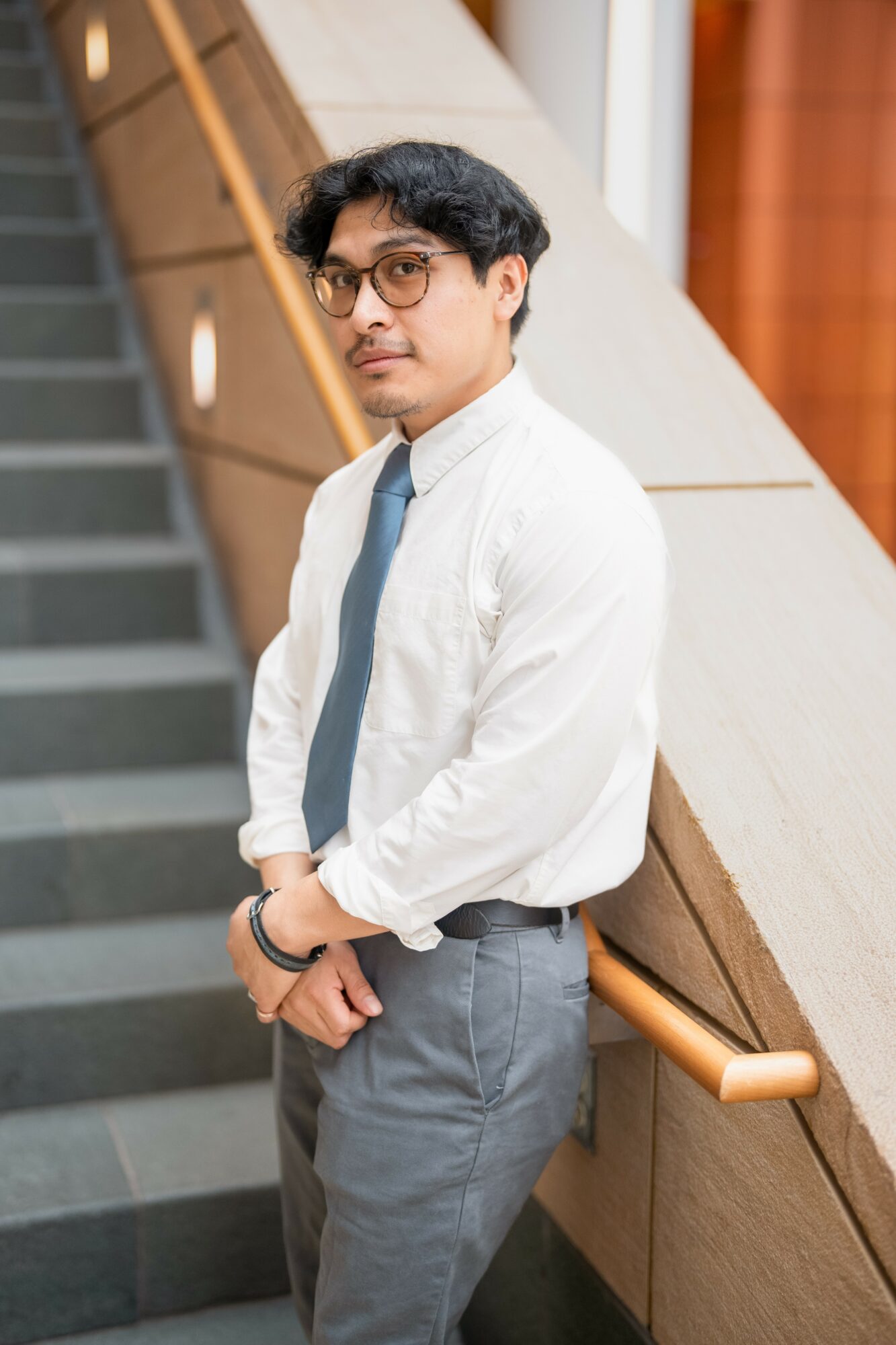
Today we’d like to introduce you to Julio Wagner Tearney.
Hi Julio, so excited to have you on the platform. So before we get into questions about your work-life, maybe you can bring our readers up to speed on your story and how you got to where you are today?
Like many aspiring photographers my start came from the family camera, a simple point-and-shoot film camera that came to my use frequently around the house and on neighborhood adventures. This was during the early 2000s when film was still used out of familiarity rather than the unique and creative use it carries today. The excitement that came from finally being able to see photos taken a week prior will forever feel like that of a kid waking up to a winter wonderland of snow on Christmas morning. Seeing those photos after being away from them for a week always filled me with a sense of wonder and curiosity—something photography continues to bring into my life.
As my photographic eye and curiosity grew so did my number of photo adventures. Eventually I was told that too many adventures and mishaps with the family camera meant I needed a camera of my own. To which this logic made any sense to me now is both amusing and puzzling. The camera I got was a digital Nikon point-and-shoot with a large back LCD for viewing photos, as I was not using computers for photography yet. Like any of my other well-loved tools I learned to use and cherish that camera for a very long time.
Fast forward to my early teenage years is when I found myself using my mother’s trusty Minolta SLR, during a time when manual photography peaked my interests. After learning a few best practices for daylight photography, I figured I had learned enough (which was technically true) and joined my high school’s advanced photography courses, eventually leading into college where I would pursue several degrees dedicated solely to photography.
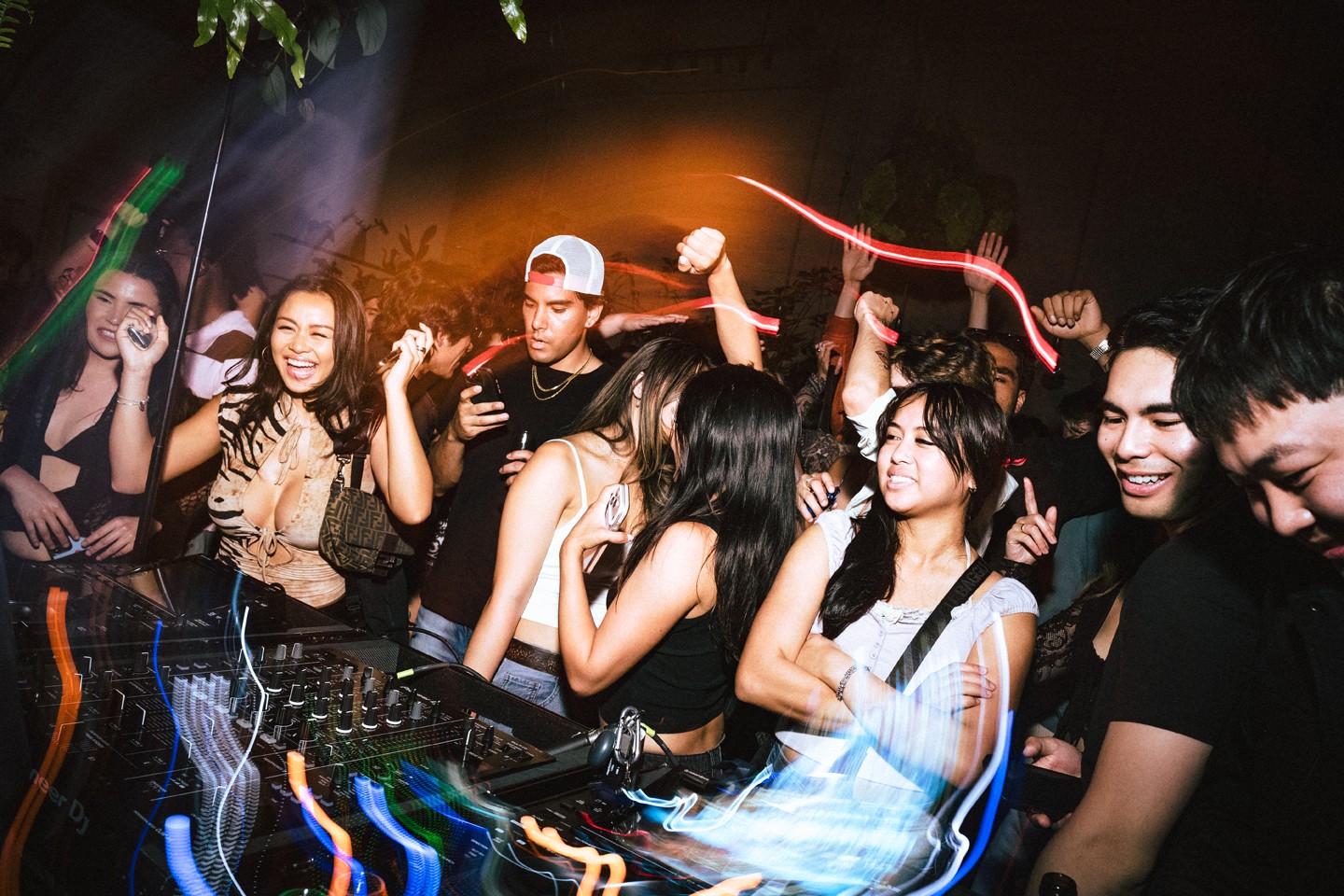
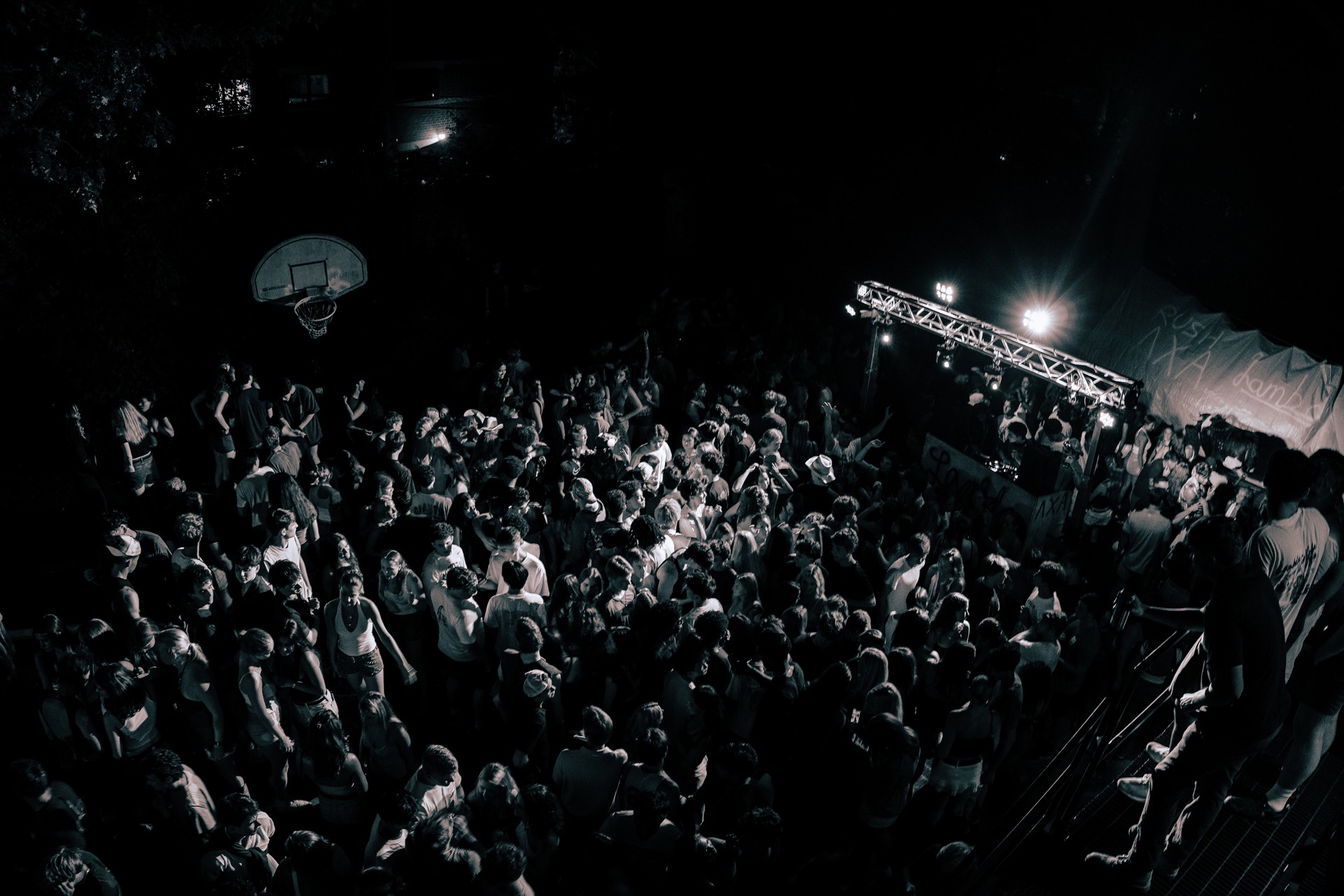
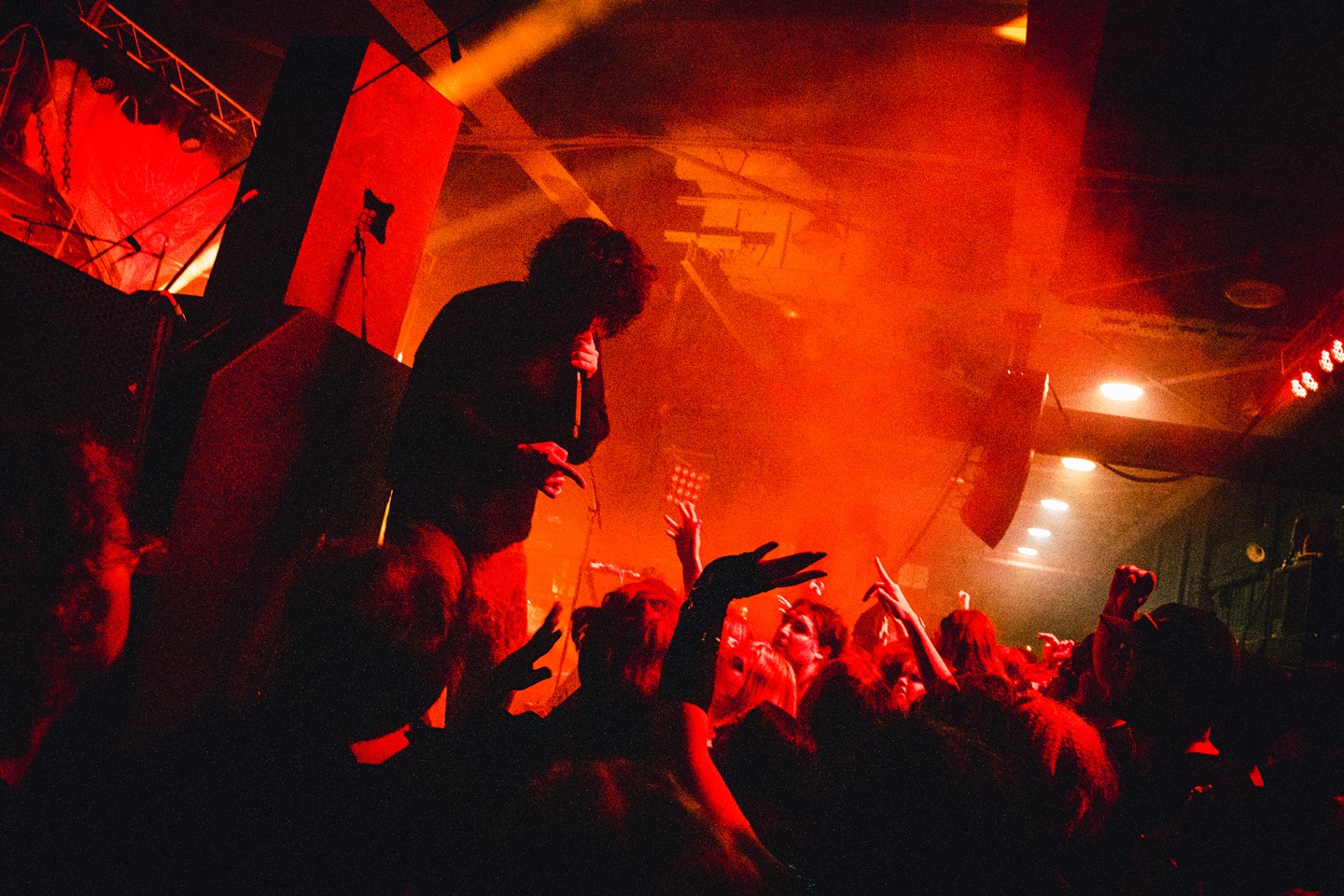
Although my passion carried through college and beyond, I found real growth in communities and people outside of the classrooms and books. About a year after graduating in 2021 I took a step away from photography to reconsider what success meant to me as an artist rather than the standards and demands of the industry. This allowed me to find balance between artistic integrity and client expectations—a common challenge that still arises today with hobbyists looking to bridge the gap between being a super enthusiast and a serious full-time professional. Shortly after that time I started carrying my instant film camera everywhere driven by a simple promise to myself: if clients weren’t interested in my work, I’d give away more than I received. It was a shift in mindset that sparked something new. I’d head out, ask strangers if I could take their portrait, and then hand them the photo moments later. This spontaneous, run-and-gun style of interacting with people felt fresh and freeing—like I was rediscovering photography all over again. Every encounter brought something unexpected, making the process feel raw, honest, and alive. At the time I had not yet committed to turning event photography into more than just a hobby, but this new approach eventually led me into the club and concert scenes, where I would begin documenting shows and sharing work nearly every weekend for about a year plus with the crowd, venues, and eventually clients.
I’m sure it wasn’t obstacle-free, but would you say the journey has been fairly smooth so far?
Absolutely not smooth.
The biggest challenge was probably bridging the gap between being a super enthusiast learning to transition into a serious professional able to sell their work making cold calls on a regular basis. I think back to being a teenager when Instagram had introduced sending messages or DM-ing (direct messaging), as most people nowadays say. I would DM potential models and friends or just about anyone as I was trying to build a portfolio and log my “ten thousand hours”, a phrase often used about someone striving to pay their dues within a certain field to gain experience and credibility.
In the classroom everything came naturally—but beyond that? It was a different story. If anything, what’s gotten easier (or simpler) is understanding how to get from point A to point B. Some of the biggest challenges have always come from working chaotic or unorganized events. With time I’ve come to appreciate those moments because it’s always a crazy gig that pushes you beyond and teaches more than anything a classroom or professional could provide. You often walk away better—not just as a creative or professional but as a collaborator and teammate too.
Appreciate you sharing that. What else should we know about what you do?
Buttonspam Photography is entirely inspired by my Instagram handle, @buttonspam. The name originally comes from my time in high school when I created an unserious or ‘spam’ account semi dedicated to the gaming scene. ‘Buttonspaming’ or ‘buttonspam’ comes from the rapid input of button pushing to achieve a combo or moves in certain games, usually of the fighting genre or during quick time events. I originally wanted Shutterspam to be the username to directly align with my photography interests, but the handle and others alike were already taken and so Buttonspam was born.
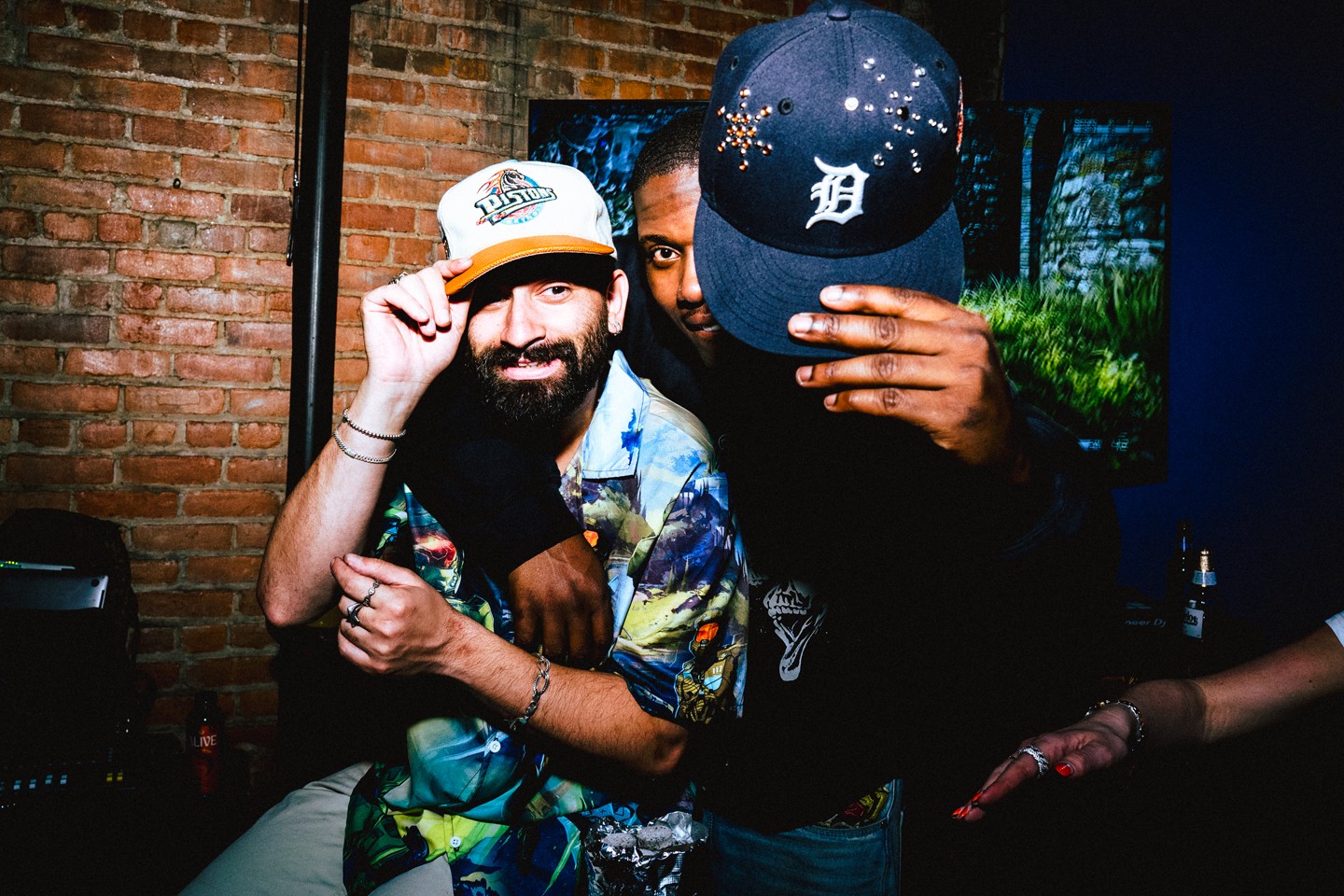
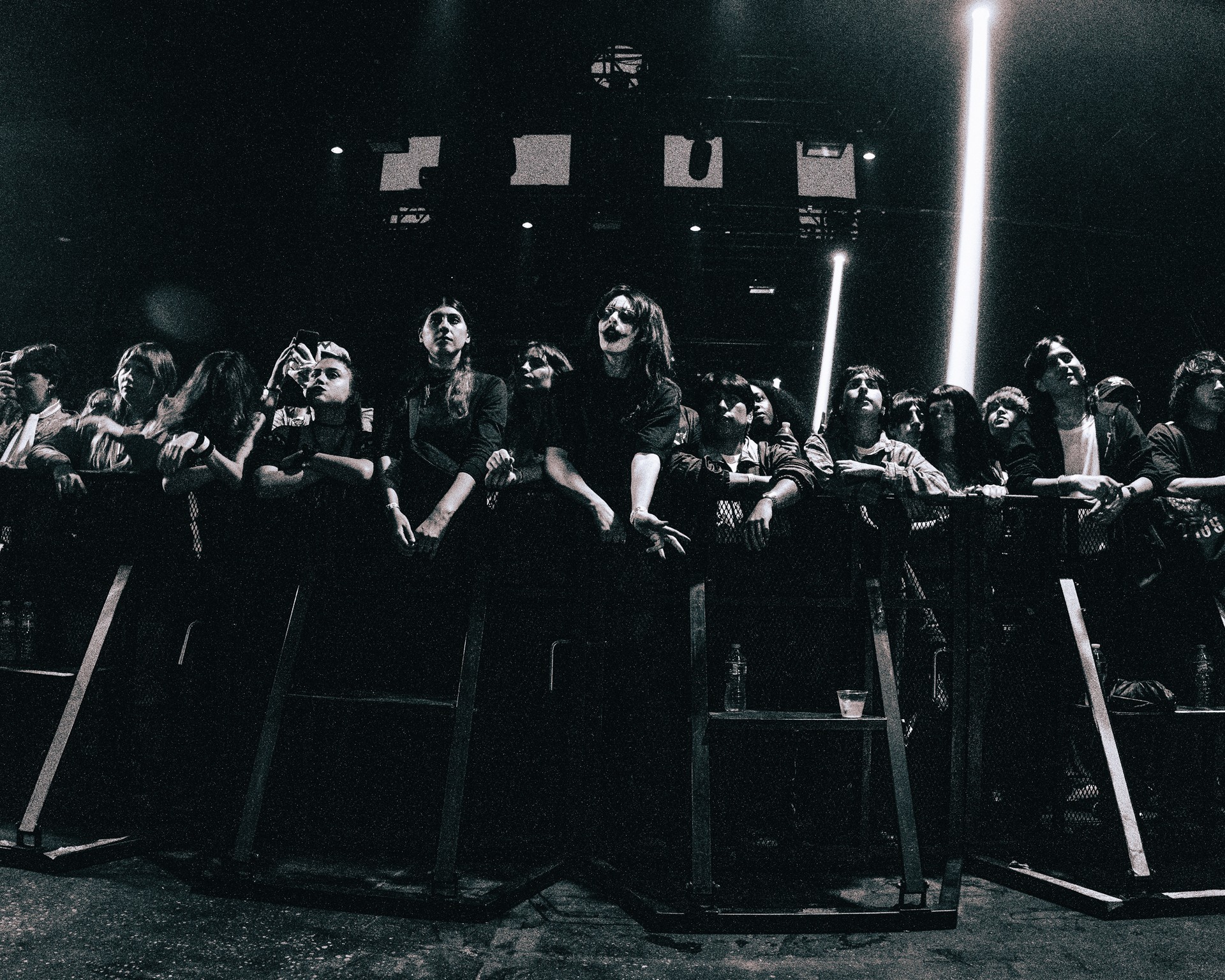
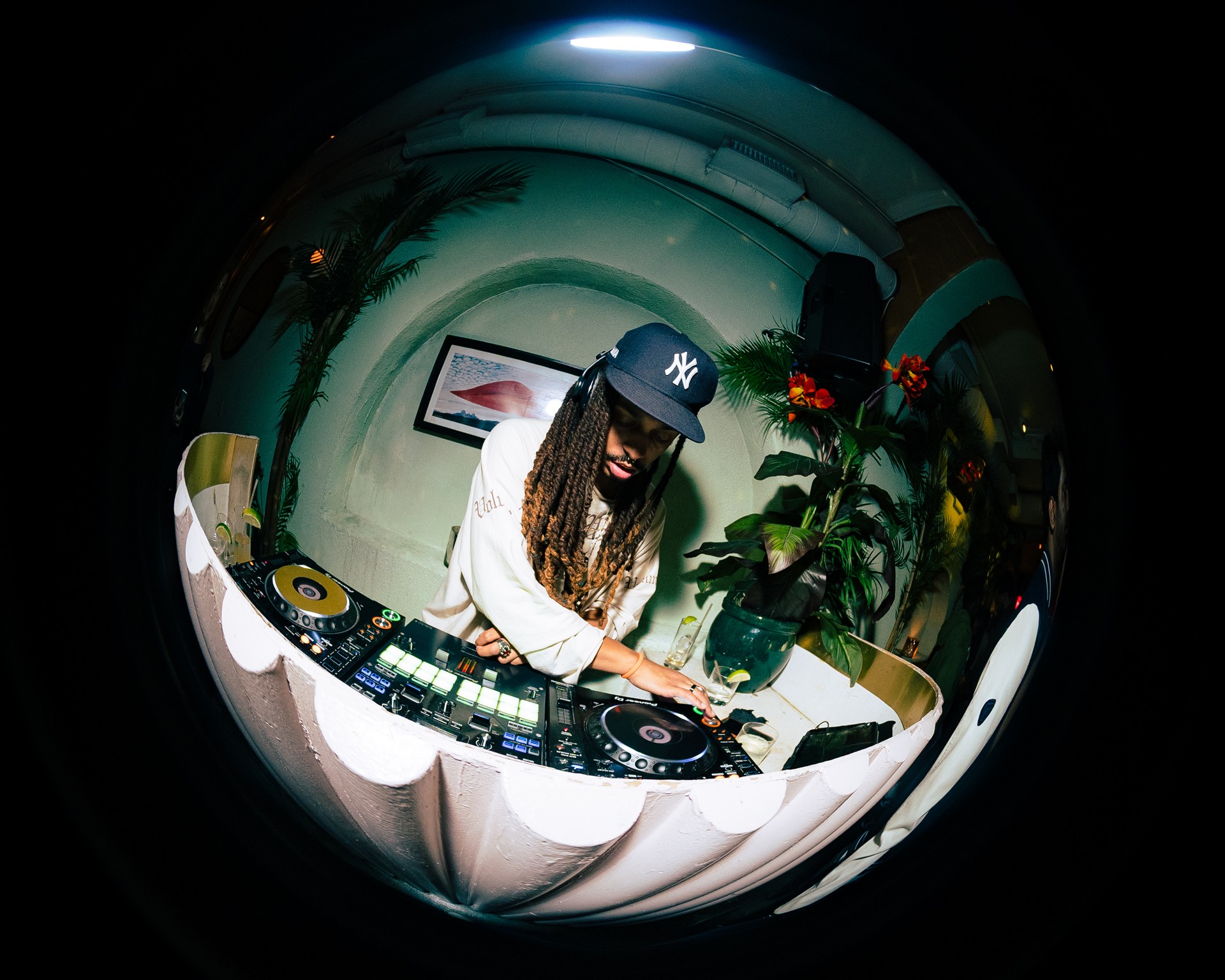
I currently specialize in event and venue photography for several venues and organizers in Michigan, primarily around the Ann Arbor and Detroit areas along with the occasional destination gig in California or New York. While I still dabble in portraits, much of my recent work is found in the club and nightlife culture of southeast Michigan and residing the Metro Detroit areas.
Out of many proud moments, one of my personal achievements during my photo career has been learning to navigate the world of networking without a proper introduction or mentor. While having a solid technical foundation from school, the human interaction and communication skills were an afterthought not to be forgotten about. I learned a lot while fumbling my way through awkward introductions, unanswered emails and DMs, and clique events that felt more like popularity lookbook contests that creative communities. However, every connection I made I earned, along with the realization that showing up authentically is one of the best skills to have not just in the industry but as what I understand and believe to be the genuine human experience.
The brutal reality of trying to turn photography into a sustainable career is not for the faint of heart, and while many photographers’ portfolios will have you thinking good work grabs sure solid gigs, the in-world connections you make along consistent effort are often most important in pushing your brand and career forward.
Are there any apps, books, podcasts, blogs or other resources you think our readers should check out?
I have many favorite media titles and resources throughout the years. I will list some of my most used resources that continue to be of good use.
Akira by Katsuhiro Otomo – Anime and Manga
Ann Arbor Film Festival – Avant-garde experimental film festival
Behance.com – Digital Portfolio Website
Chiron Duong – Fine art photographer
Dazed – British Youth Culture Magazine
Goodnight PunPun by Inio Asano – Manga series
Interaction of Color by Josef Albers – Studies on color theory and art education
NTS Radio – Music radio app and website
The Photograph as Contemporary Art by Charlotte Cotton – Art history and critical theory book
Pinterest – Visual creative search engine
Richard Avedon – Fashion photographer
Redline by Takeshi Koike – Anime
Spider-Man Into the Spider-Verse – Animated movie
Spirited Away by Studio Ghibli – Anime
Vogue Korea – High fashion and lifestyle magazine
Contact Info:
- Instagram: https://www.instagram.com/buttonspam/