




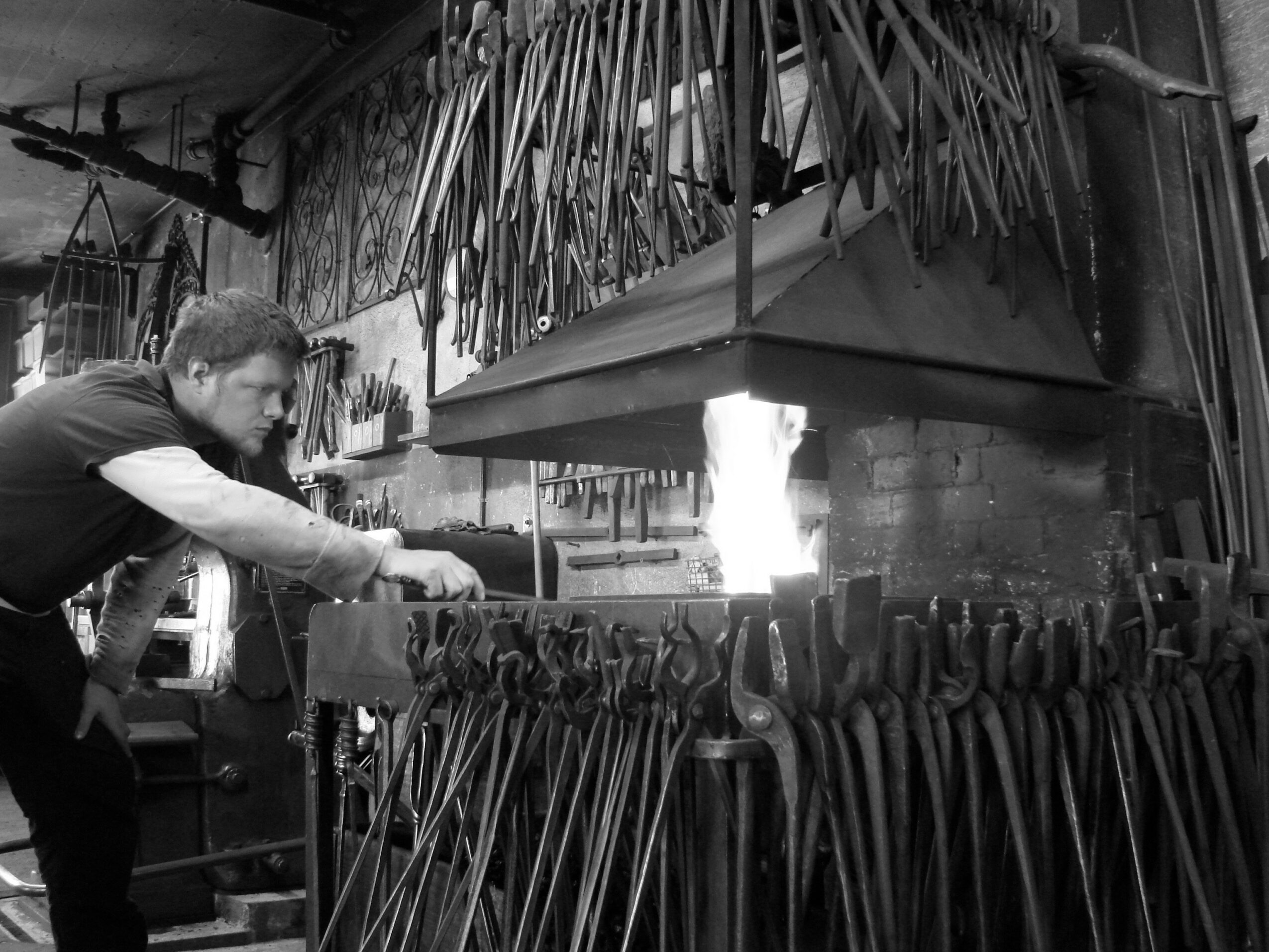
Today we’d like to introduce you to Andrew Kyte.
Hi Andrew, we’re thrilled to have a chance to learn your story today. So, before we get into specifics, maybe you can briefly walk us through how you got to where you are today?
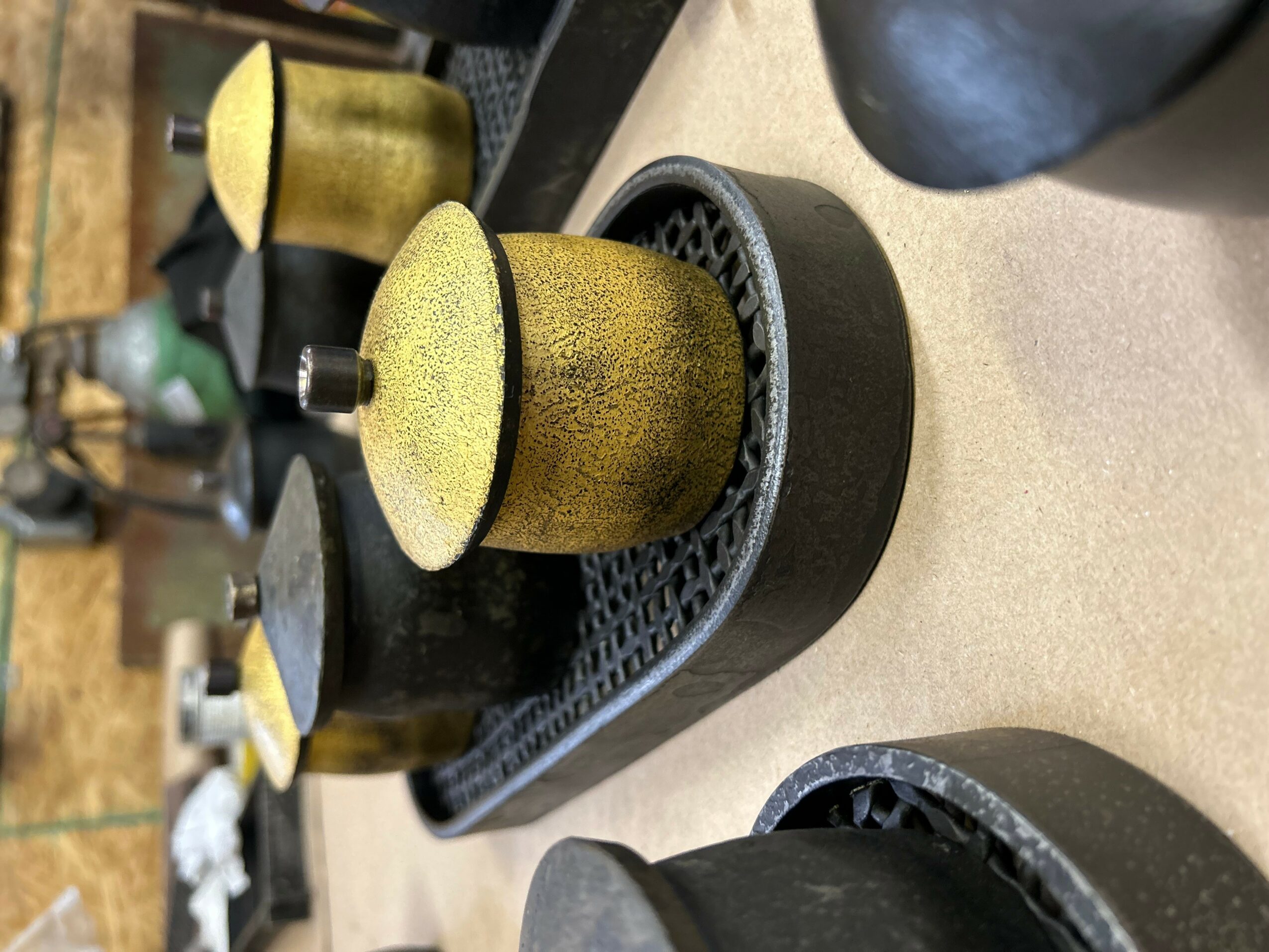
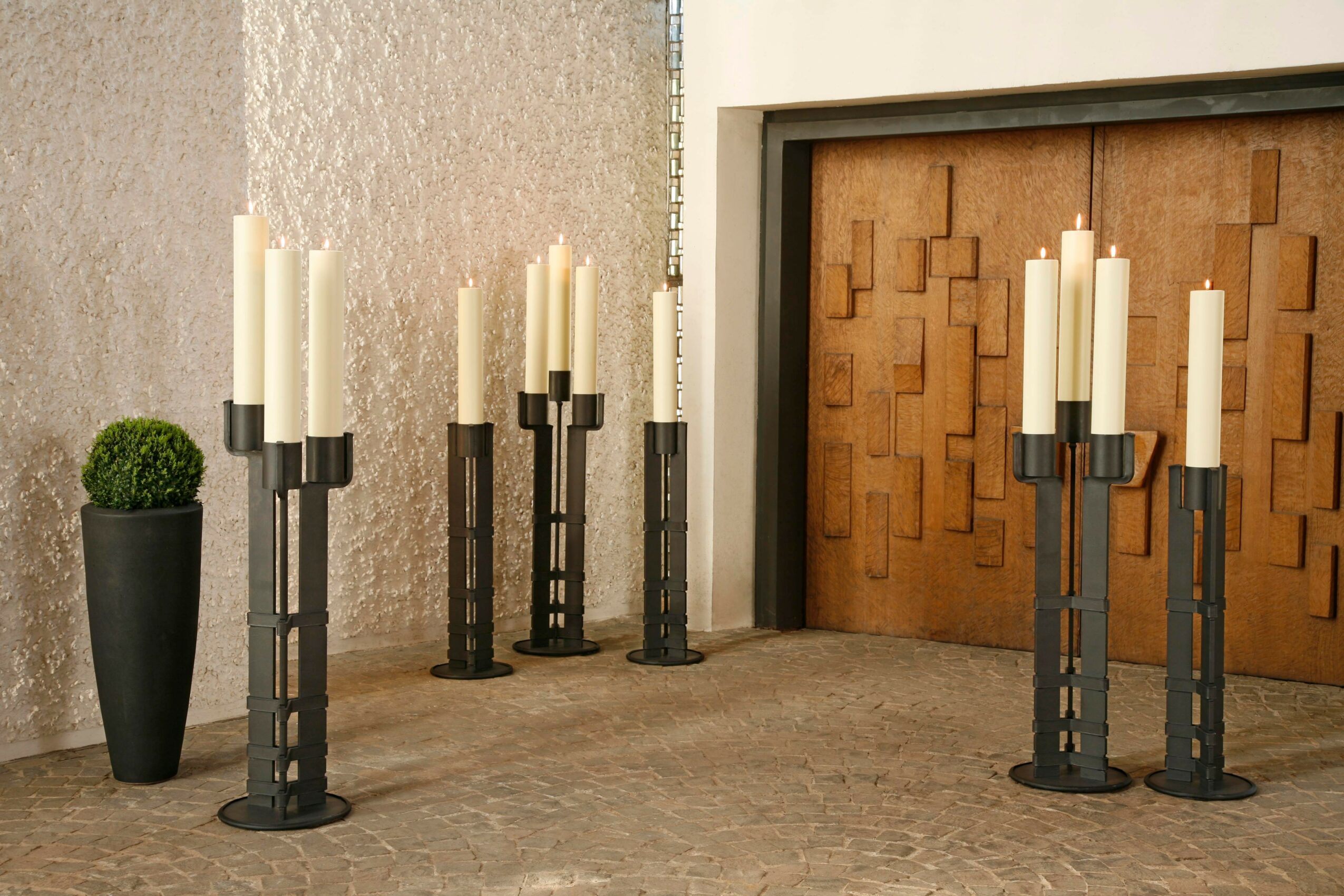
I was introduced to forged metalwork while working for a local jeweler and studio silversmith — the direct metal processes drew me in, but jewelry-scale work felt too limiting. Realizing I was more inclined toward larger-scale work like fabricated candle holders and raised vessels, my eyes turned toward forged ironwork in architecture. I sought out local fabricators and blacksmiths, working in several shops to build a solid skill set. This led to me working all over the US and Europe.
Would you say it’s been a smooth road, and if not what are some of the biggest challenges you’ve faced along the way?
Running a small business is never easy. Its especially difficult when your business is built around an ancient craft. The first five years were very rocky as I was working to establish relationships with designers and architects. Just getting the word out that I exist and can offer something special was daunting.
Thanks for sharing that. So, maybe next you can tell us a bit more about your work?
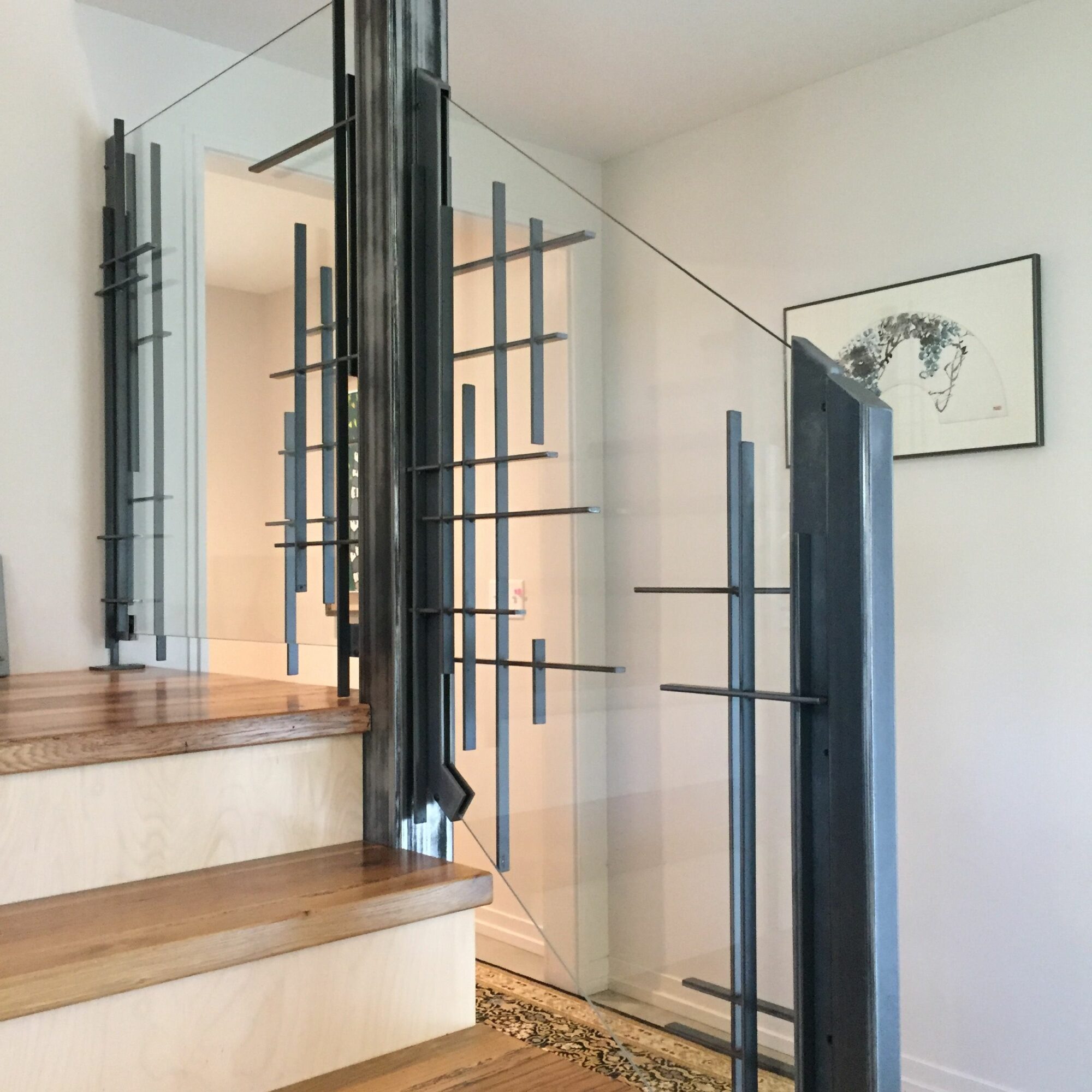
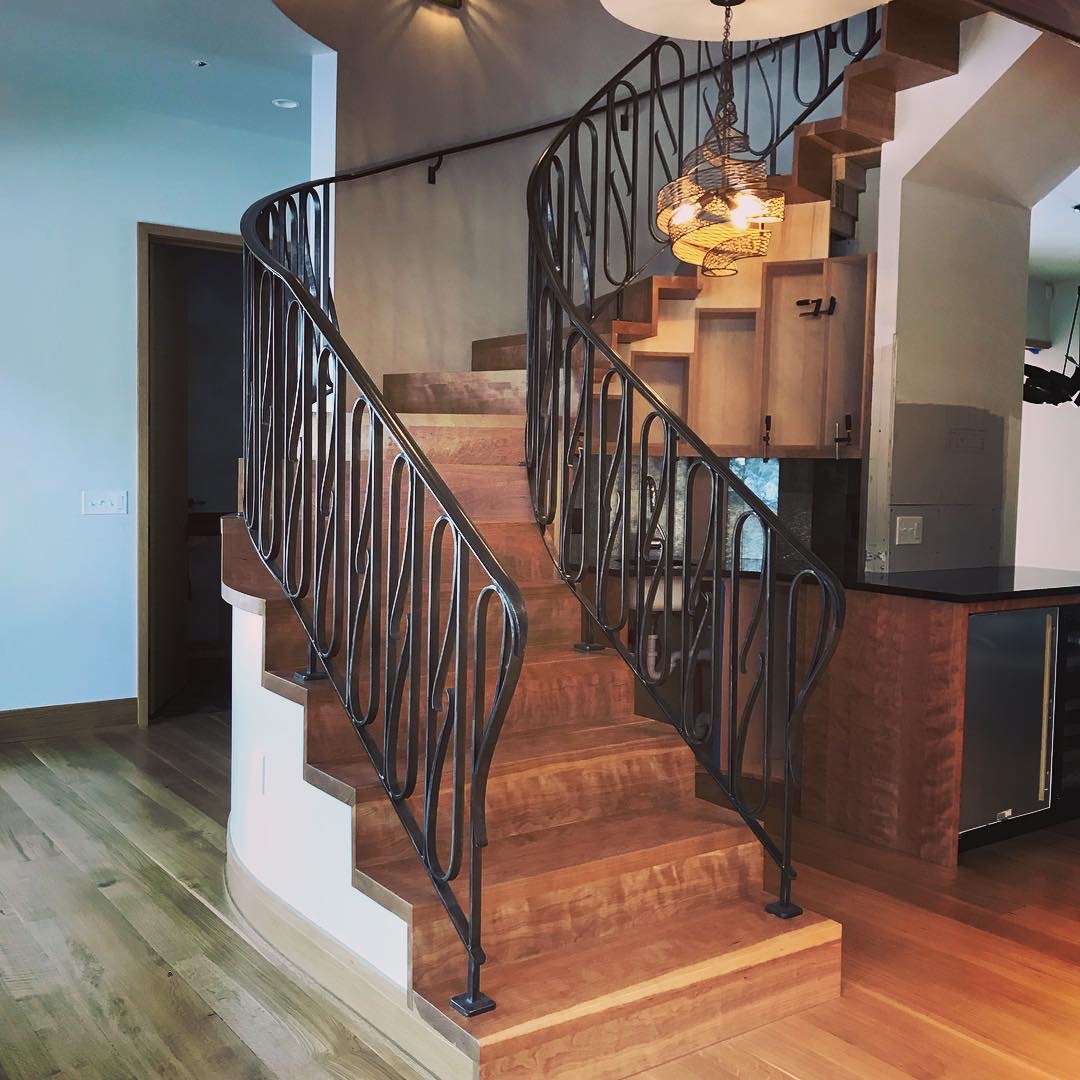
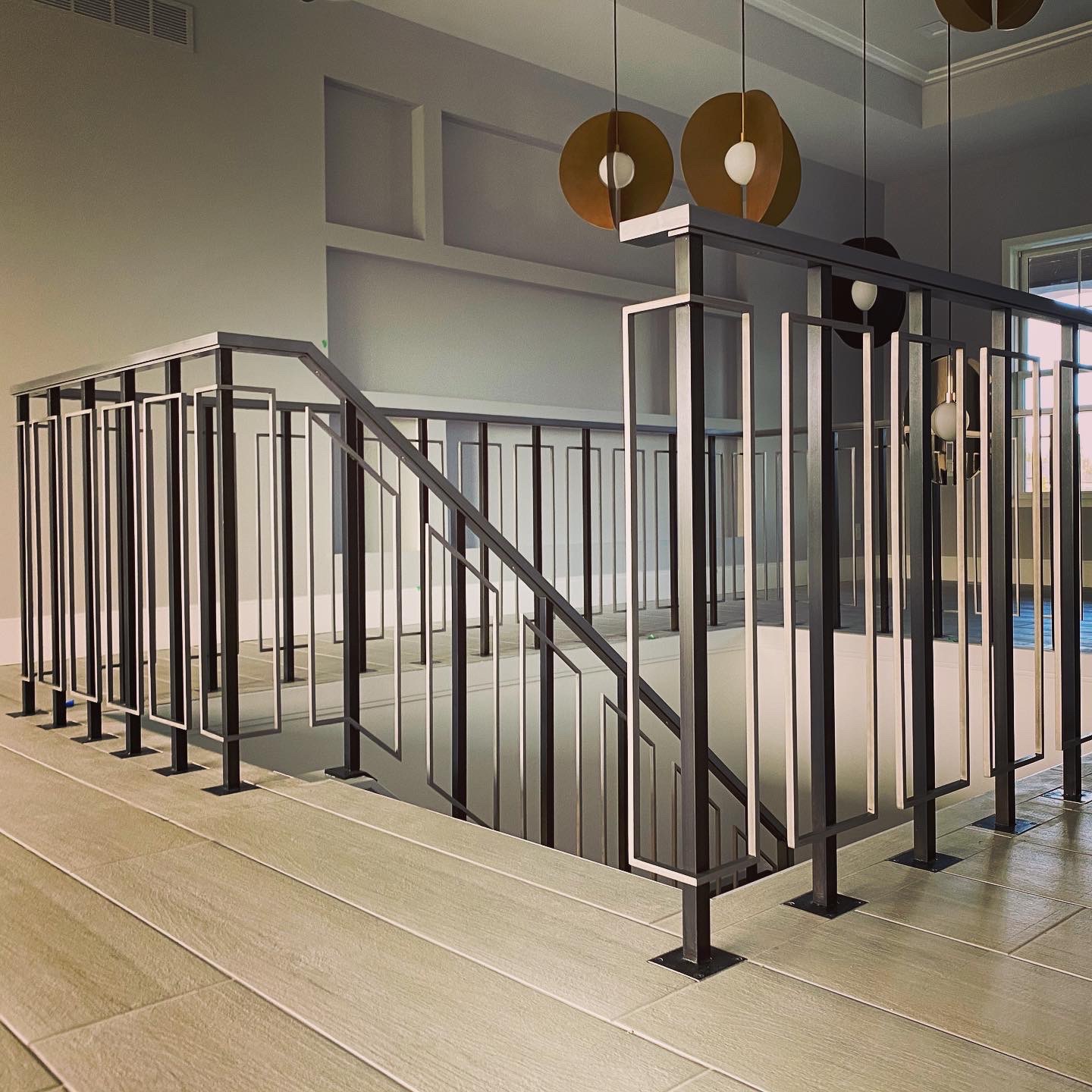
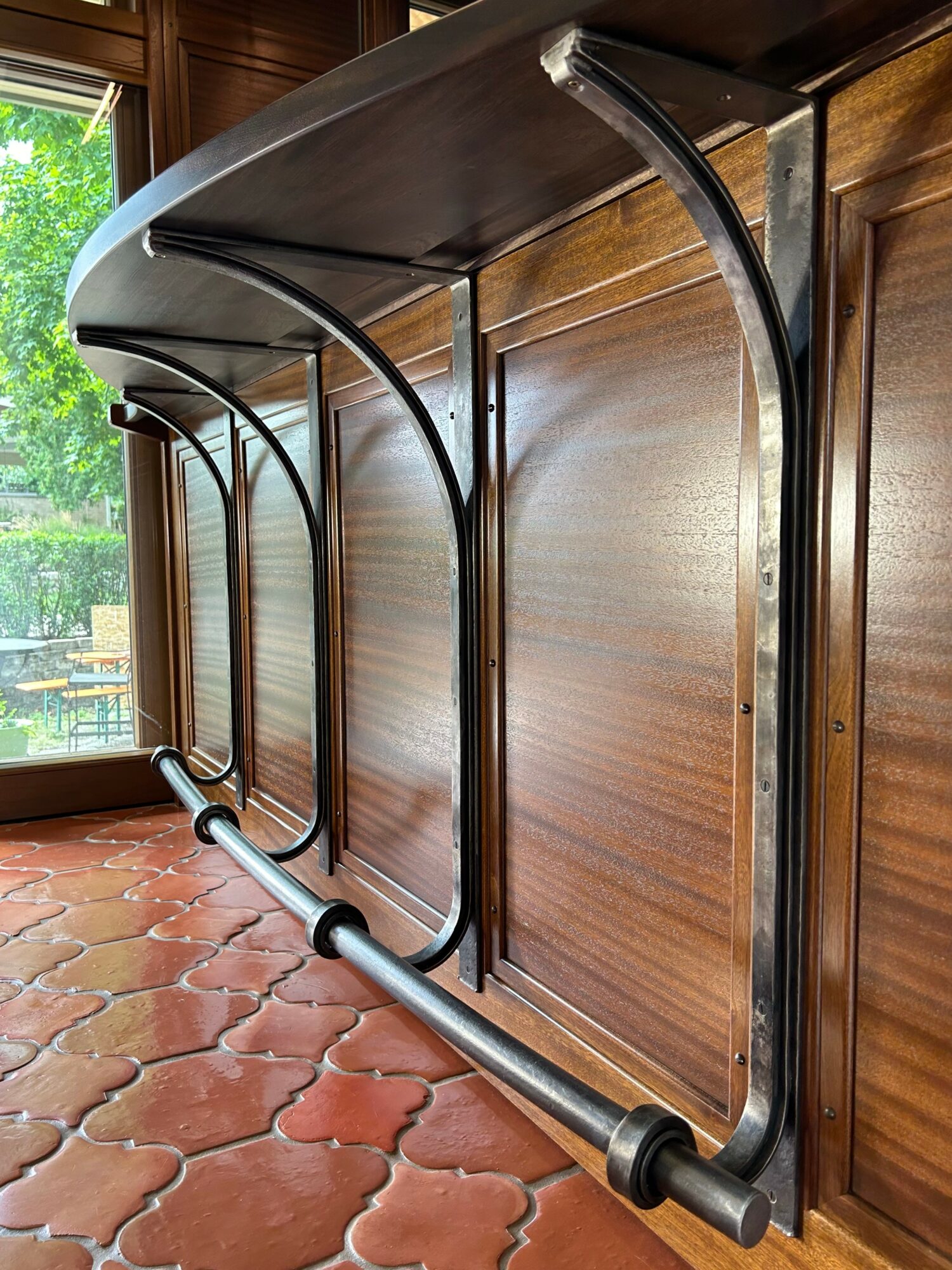
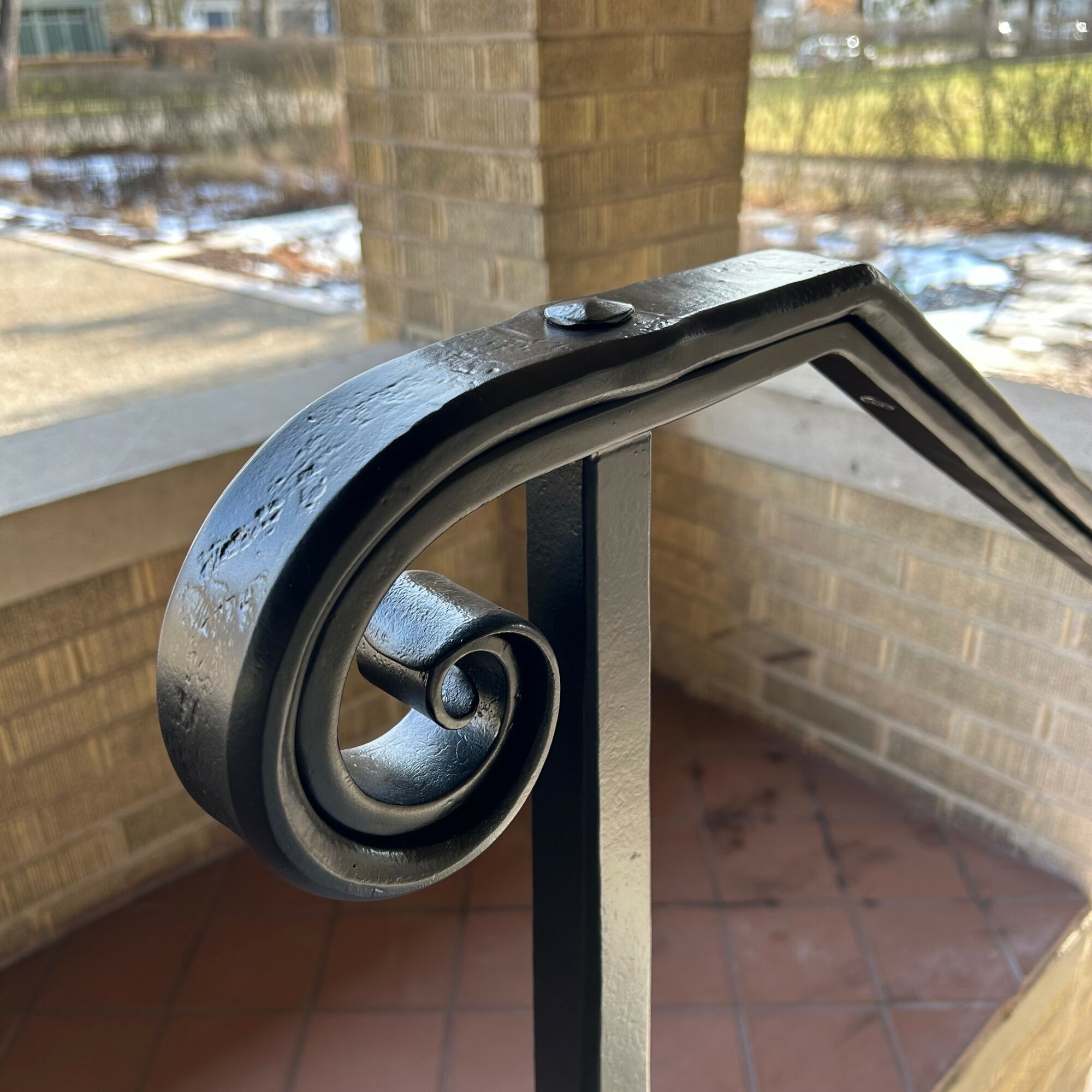
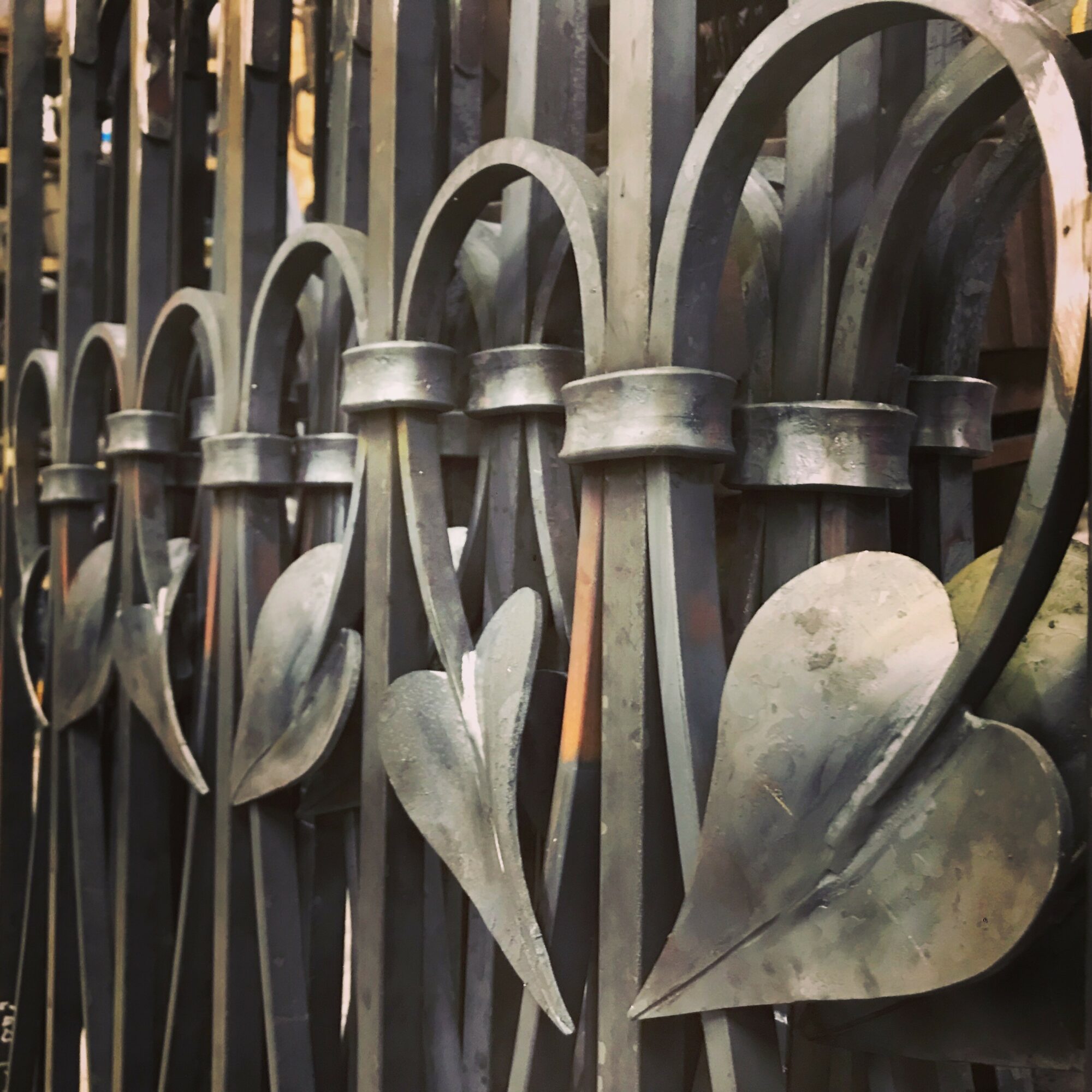
I ground everything I make in traditional blacksmithing techniques — the kind of skill that only comes from spending real time at the forge, hammer in hand. But I don’t treat that tradition as something to preserve behind glass. I pair hand-wrought forged work with modern fabrication, so a piece can carry the warmth and individuality of something hammered by hand while still meeting the precision a contemporary architectural or furniture commission demands.
What I’m after is an elegant simplicity — I’d rather a piece feel inevitable and quiet than loud or overworked. That restraint comes out of years of training under some of the best contemporary masters in the field, in shops across the country and in Germany, so the craftsmanship underneath the simplicity is as high as it gets.
I move comfortably across scales, too — from a single hardware detail on a piece of furniture to large architectural work meant to live in a space for generations. That range comes from my own path into the trade: starting with jewelry and silversmithing, then following my eye toward bigger, more architectural forms.
Ultimately, I want each piece to read as heirloom-quality — something built to be handed down, not just used.
If we knew you growing up, how would we have described you?
Growing up I was a clown without much focus. I had a hard time focusing on things unless it really caught my interest. My grades were poor but I read voraciously and was very interested in history and art. I also was captivated by biographies and learned a lot about how I could forge my own path in life if I could just find my ‘thing”. I tried on a lot of interests before I began to see that I liked working with my hands. It still took a number of years before I saw that “thing” could be in metal work.
Contact Info:
- Website: https://www.kytemetalwerks.com
- Instagram: kyte_metalwerks