



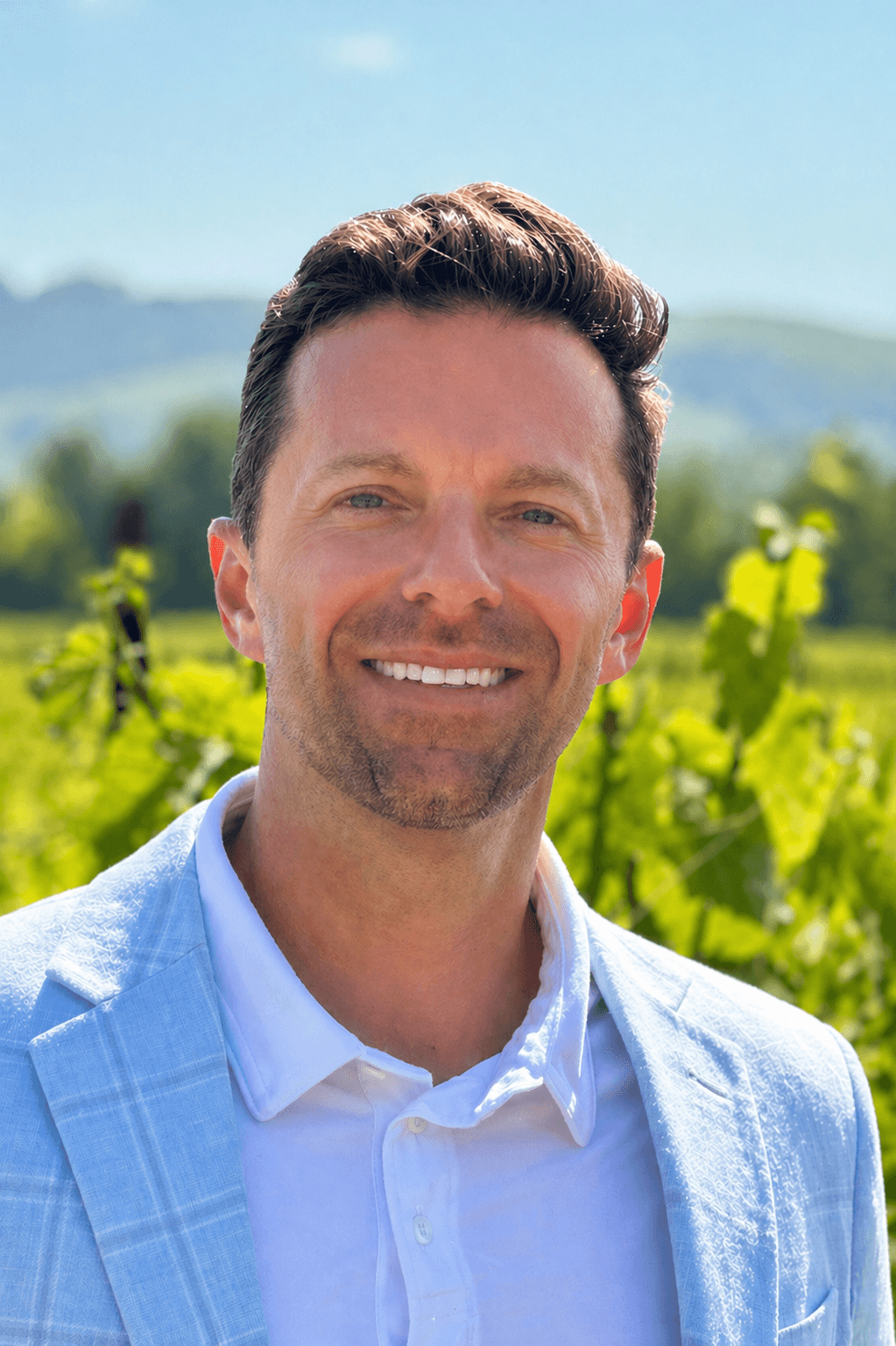
Today we’d like to introduce you to Mike Mudrey.
Hi Mike, can you start by introducing yourself? We’d love to learn more about how you got to where you are today?
I grew up in East Grand Rapids, Michigan, and my first job was working at a concession stand at a local park, selling hot dogs, popcorn, and candy on summer evenings. I certainly wasn’t thinking about hospitality companies at the time, but looking back, there is probably a straight line from that little concession stand to some of what I’m building today.
I went to Michigan State University and studied supply chain management. After graduating, I went directly into corporate America and spent the first part of my career working in supply chain, operations and procurement for a variety of Fortune 500 companies. I did both operational and consulting work, which gave me a very hands-on education in how large organizations actually function: how decisions get made, how teams operate, how companies buy, negotiate, solve problems and execute.
Along the way, I also went back to school for my MBA, completing an intensive weekend program in just 17 months while continuing to work. It was demanding, but it gave me another lens through which to think about business and helped broaden my perspective beyond the functional world of supply chain and procurement.
Then World 50 called.
At the time, World 50 was still a small company of roughly 30 people. It was a very different opportunity from the career path I had been on, but I was drawn to the chance to build something. I joined the company and ultimately began building and leading executive communities for senior leaders from some of the world’s largest organizations.
World 50 itself has grown tremendously during that time, from roughly 30 people when I joined to around 600 today. Being part of that journey has given me a front-row seat to what it looks like to scale a business: building teams, launching new businesses, creating culture, serving increasingly complex customers, and trying to preserve what makes an organization special as it grows.
It has also given me the extraordinary opportunity to spend more than a decade learning alongside some of the best executives in the world. My job is fundamentally about bringing leaders together, creating environments where they can learn from one another, and building communities around shared challenges. I have had access to an incredible education in leadership, strategy, culture, innovation and how great companies are built.
I’ve always been a voracious reader and student of business, so that environment has suited me well. I believe strongly that one of the best ways to become a better builder is to study people and organizations that have built great things before you. Understand what worked, what failed, how they created culture, how they designed the customer experience and how they scaled without losing the thing that made them special.
At the same time, my wife, Gina, and I began building businesses of our own, while also raising our four kids.
What eventually became The 601 Group grew from a series of opportunities, experiments and a growing conviction that we wanted to build something larger than any single restaurant or concept.
Today, The 601 Group is a Michigan-based hospitality company focused on unique food and immersive hospitality experiences. Our portfolio includes The Local Epicurean, For Crêpe Sake and Brown Butter Crêperie & Cafe (plus a new concept coming soon called Tiny Joys..
The Local Epicurean has become the clearest expression of what we believe hospitality can be.
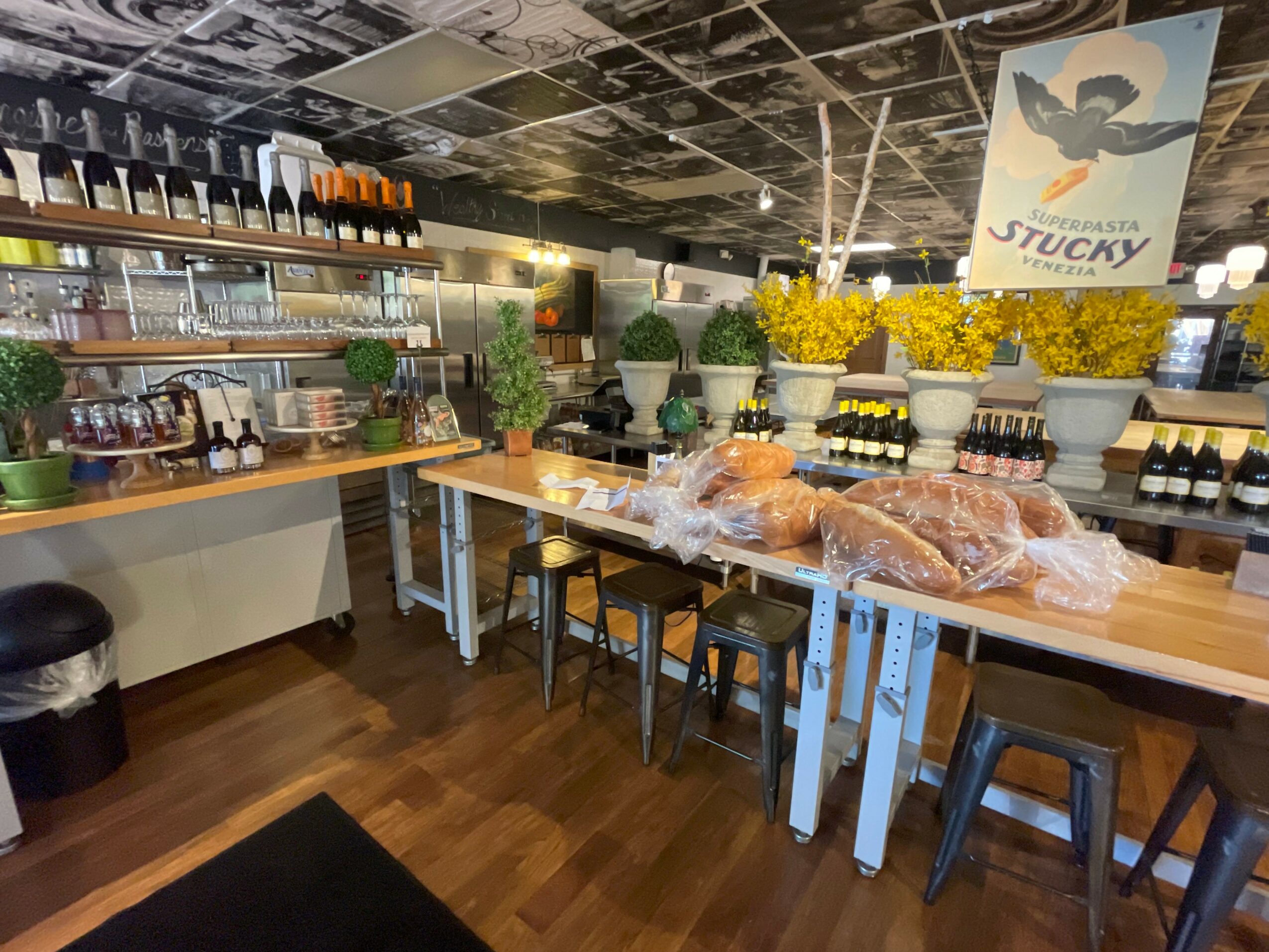
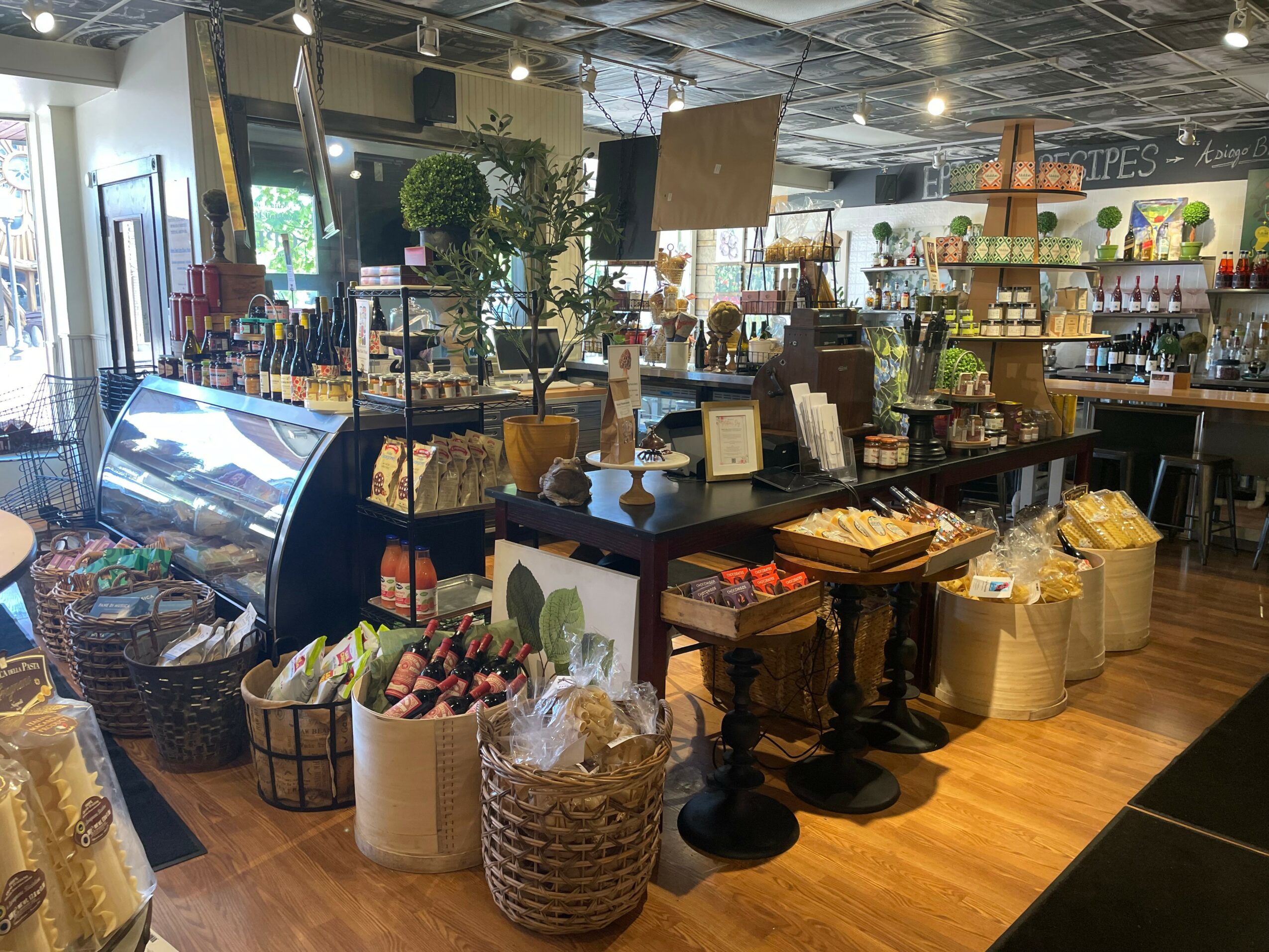
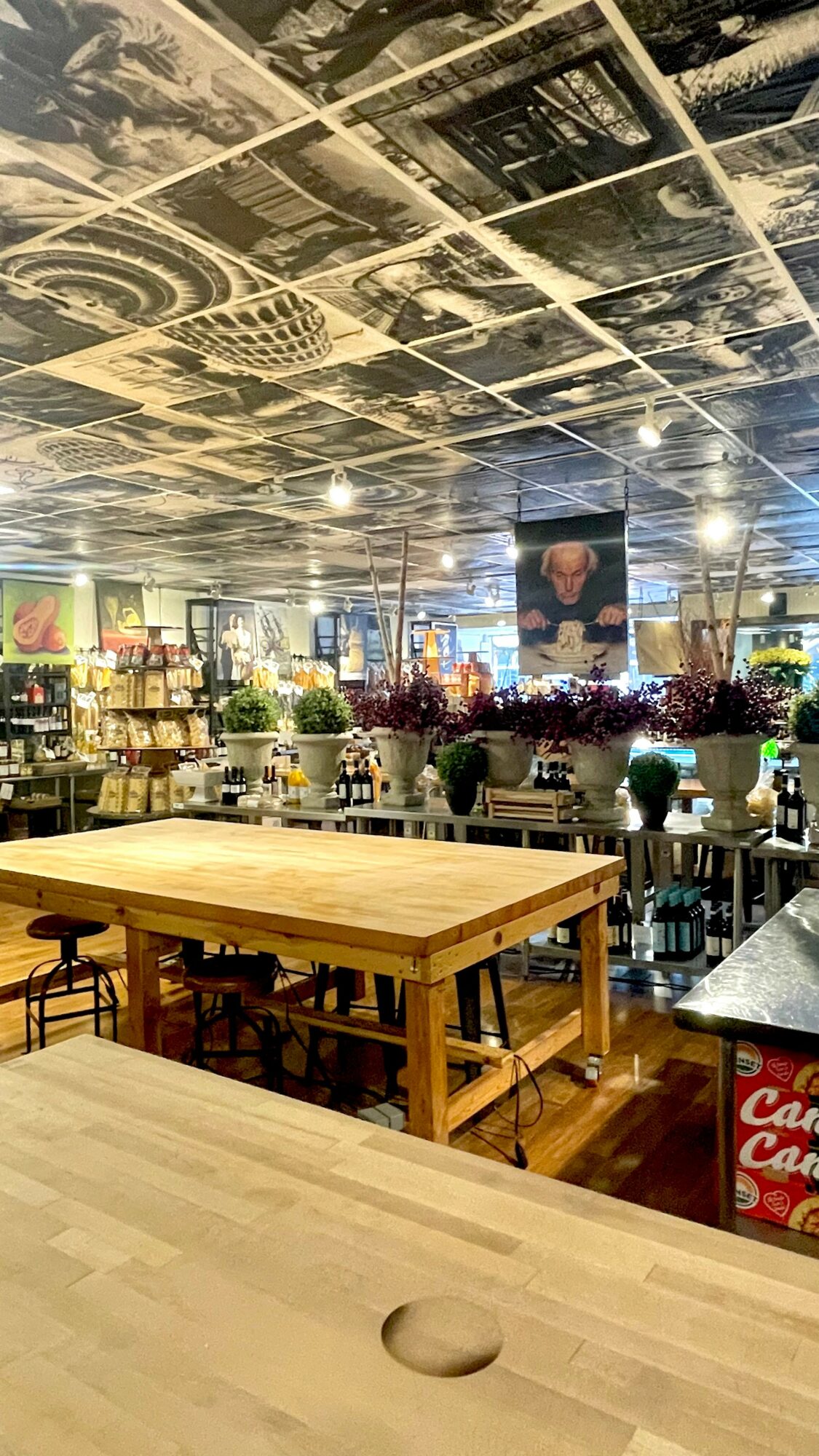
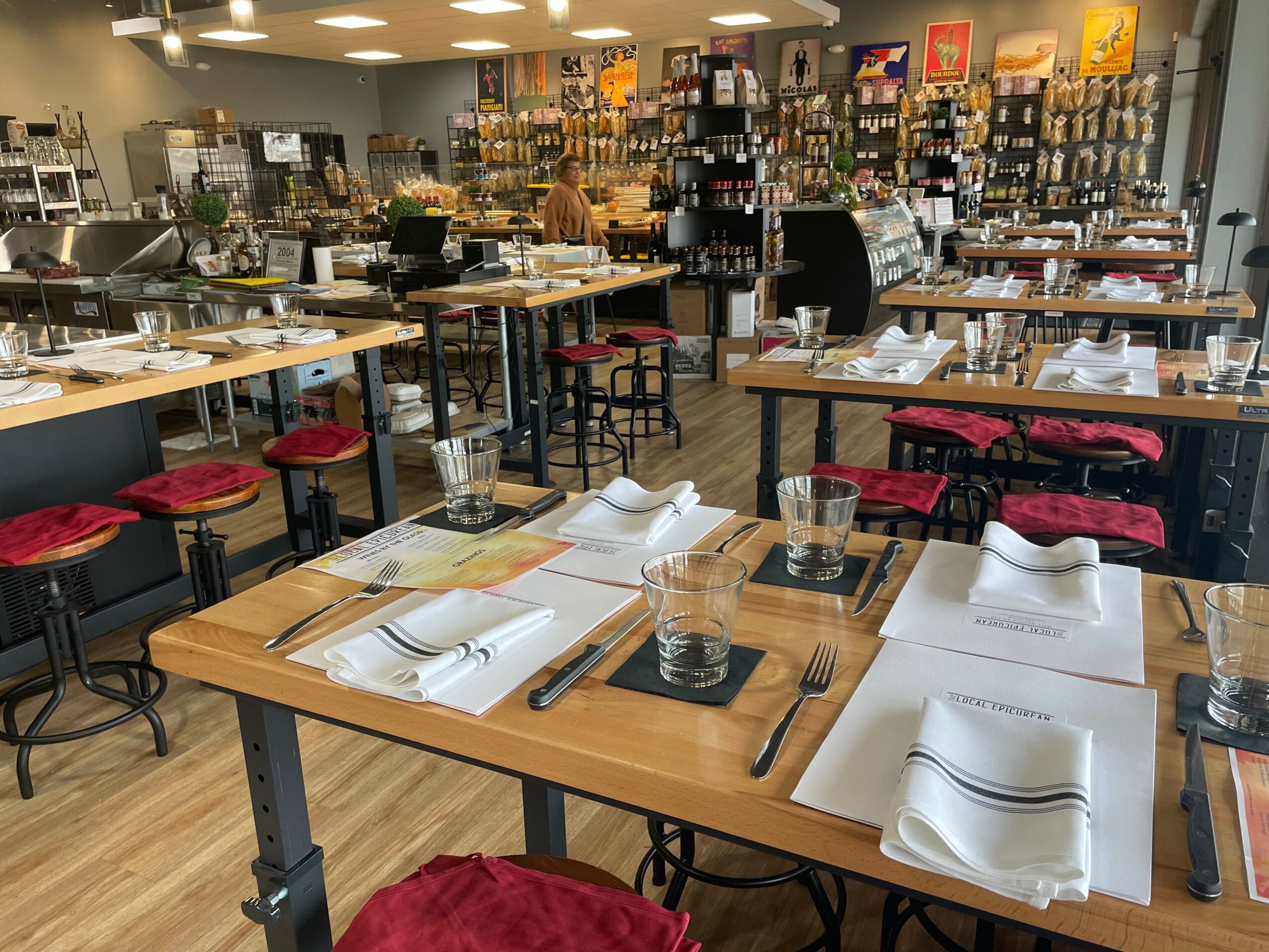
We opened The Local Epicurean East Lansing in late 2024 and acquired the original Grand Rapids location at the beginning of 2026. The business is built around private, hands-on culinary experiences. Guests come in to make fresh pasta, cook a meal together, celebrate a birthday or anniversary, entertain clients, bring a corporate team together, or simply do something different with people they care about.
We also operate public experiences, including Supper Clubs and wine events, where people who may not know one another come together around food and leave having shared something.
That idea of gathering has become increasingly important to me.
So much of modern life is being optimized for convenience, speed, delivery, screens and isolation. I think there is enormous value in building businesses that move in the opposite direction. Businesses that give people a reason to leave the house, put their phones down, sit around a table, make something with their hands, laugh, talk and actually spend time together.
That philosophy extends across what we are building at The 601 Group. For Crêpe Sake and Brown Butter are casual crêperie concepts, but we continue to think about how the experience can be more memorable than simply serving someone a meal. Tiny Joys is growing from the same instinct: take something familiar and nostalgic and make the experience around it more interesting, more fun and more human.
What makes my entrepreneurial story a little unusual is that I have built The 601 Group while continuing my career at World 50.
For years, those two worlds have existed alongside one another. One might involve a conversation with a senior executive running a multibillion-dollar organization. The other might involve a broken piece of restaurant equipment, a staffing issue, a construction project, a menu change or figuring out why Saturday sales were different from Friday.
But I’ve found that the two worlds reinforce each other constantly.
My early career gave me an operating foundation. World 50 exposed me to leadership, strategy, community-building and the realities of scaling a company. The 601 Group gives me a place to put those lessons into practice every day.
And hospitality is an incredibly direct teacher.
A decision you make in the morning can affect the guest experience that evening. One great employee can completely change the energy of a room. One bad interaction matters. A seemingly small operational improvement, repeated hundreds or thousands of times, can transform the economics of a business.
There is nowhere to hide. The customer tells you very quickly whether what you built works.
We have grown considerably in a relatively short period of time, but I still feel like we are at the beginning.
Our goal is to continue growing The Local Epicurean, including expansion into the Detroit suburbs, while also developing The 601 Group into a broader portfolio of distinctive hospitality and experiential brands.
I am particularly interested in the challenge of scale. How do you take something that feels personal, local and special and grow it without turning it into something generic? How do you create systems without removing the humanity? How do you build strong economics while still caring deeply about the experience of the guest and the people who work there?
Those are the questions I spend a lot of time thinking about.
Ultimately, the common thread through my career is that I like building things.
I like building businesses, teams, communities, experiences and ideas. I even enjoy physically building and remodeling things at home because there is something deeply satisfying about taking an idea and turning it into something real.
The scale has changed quite a bit since that concession stand in East Grand Rapids, but the underlying motivation really hasn’t.
Build something worthwhile. Take care of the people around you. Keep learning. Pay attention to the details. And then figure out how to make it better tomorrow than it was today.
I’m sure it wasn’t obstacle-free, but would you say the journey has been fairly smooth so far?
Not even close.
I sometimes think entrepreneurship gets told backward. Once something is working, people see the locations, the brands, the growth and the next project, and it can look like there was a plan that unfolded more or less as intended. That has certainly not been our experience.
The 601 Group has been built through a combination of conviction, experimentation, mistakes, reinvestment and a lot of figuring things out while already in motion.
Hospitality is also a difficult business to learn in because the feedback is immediate and the margins leave very little room for error. You can have a concept people genuinely love and still have a business that isn’t financially working. Those are two very different things, and learning to separate them has been important for me.
The Local Epicurean in East Lansing is a good example. We opened it believing very deeply in the concept, and the customer response has validated much of what we believed. People love the experience. They celebrate important moments with us. Companies bring their teams in. Some of our prime weekend times can book weeks or months in advance.
And yet the business has still lost money.
Even as revenue has grown, we have had periods where that location has been losing $6,000 to $10,000 a month. That is not the part of entrepreneurship that normally ends up in an announcement about a new location.
The reality is that I have been able to continue investing in these businesses, absorb some of those losses and give ourselves time to solve the problems because I have continued working full time at World 50. My career there has not just been something I was balancing alongside 601; financially, it has given us the ability to take risks, reinvest and survive periods when the businesses themselves could not yet fund everything we were asking them to become.
There is a tradeoff to that, of course. The thing that creates financial flexibility also creates an enormous constraint on time.
For years, I have essentially been building two careers at once while Gina and I have also been raising our family. There have been a lot of very early mornings, late nights, weekends and moments when I have gone from one completely different world into another without much transition in between.
I may spend part of a day talking with executives running some of the largest companies in the world and then find myself dealing with a broken refrigerator, a contractor, a staffing problem, a liquor license or a clogged drain that evening. Entrepreneurship has a wonderful way of keeping your ego in check.
We have also learned how much harder physical businesses are than they appear from the outside.
Opening and expanding locations involves real estate, financing, architects, construction, health departments, planning commissions, liquor licenses, inspections, equipment, technology, staffing and dozens of dependencies where one delay can move everything else behind it. We have had openings pushed back for months by approvals. We have had construction budgets change. We have negotiated leases while trying to understand how much cash we would actually have to carry before opening. We have closed locations temporarily for moves and renovations while expenses continued.
There are moments when what looks like a relatively simple business decision becomes six months of work.
Acquisitions have brought their own lessons. Taking over an existing business means inheriting not only the things that made it successful, but also systems, habits, customer expectations, physical assets and problems that were built long before you arrived. Growth can create complexity much faster than it creates capability if you aren’t careful.
One of the biggest lessons for me has been that growth and progress are not always the same thing.
I am naturally inclined to build. I see opportunities everywhere. That can be a strength, but it can also become a weakness if you try to pursue too many of them simultaneously. Capital is finite. Time is finite. Leadership attention may be the most finite resource of all.
I have had to become much more disciplined about asking not simply, “Could we do this?” but, “Should we do this, and is this the most important thing for us to be doing right now?”
There has also been what I think of as the pressure of belief.
When you are the person championing an idea, other people eventually begin making decisions based on your conviction. Employees join you. Your family invests alongside you. Landlords sign agreements. Partners believe the projections. People count on the business being there next month and next year.
That changes the weight of entrepreneurship.
Believing in something when it is only your idea is relatively easy. Continuing to believe when you have payroll coming, a location losing money, construction costs increasing and dozens of people relying on decisions you are making feels very different.
I have learned that conviction cannot mean refusing to change your mind. Sometimes believing in the larger idea means being willing to admit that the way you originally planned to get there was wrong.
We have changed menus, pricing, operating models, staffing structures, physical spaces, marketing strategies and entire assumptions about how some of these businesses should work. We continue to do that.
I probably spend more time studying what isn’t working than celebrating what is.
But I don’t view the difficult parts as separate from the story anymore. They are the story.
Every loss has forced us to understand the economics better. Every operational problem has forced us to build a better system. Every hiring mistake has taught me something about leadership. Every delayed opening has made us better at development. Every business that performs differently than I expected has made me question an assumption I previously thought was obvious.
And occasionally, you get the other side of it.
You walk into one of our locations and see a room full of people cooking together. You see a team that has gotten dramatically better. You hear from a guest who celebrated something important with us. You see an idea that once existed on a piece of paper becoming a real business with employees, customers and its own history.
Those moments don’t erase the difficult ones, but they remind you why you keep working through them.
So no, it hasn’t been a smooth road. I don’t expect it ever will be.
I have become much more comfortable with that.
The goal isn’t to build a business where nothing goes wrong. The goal is to become the kind of organization, and the kind of leader, that gets better every time something does.
Great, so let’s talk business. Can you tell our readers more about what you do and what you think sets you apart from others?
The 601 Group is a Michigan-based hospitality company focused on building and operating unique food and hospitality concepts.
That word, unique, is important to us.
We are not trying to build another burger restaurant, pizza place or interchangeable neighborhood concept. The businesses we are drawn to tend to have something distinctive about them, whether that means they are truly immersive experiences or simply offer a format, product or atmosphere that feels different from what is already everywhere else.
Today, our portfolio includes The Local Epicurean (two locations), For Crêpe Sake and Brown Butter Crêperie & Cafe , with additional concepts in development, including Tiny Joys.
The Local Epicurean is the most experiential part of the portfolio.
We operate the brand’s East Lansing and Grand Rapids locations, both of which are technically franchises. They are also currently the only two locations in the entire Local Epicurean system.
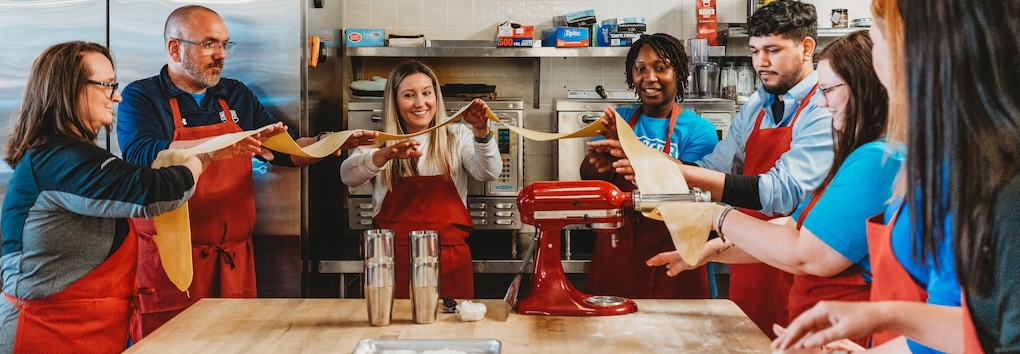
The Local Epicurean is built around private, hands-on culinary experiences. Rather than coming in, ordering a meal and having someone else prepare it, guests actually become part of the experience. They cook together, make fresh pasta, learn new techniques, share wine and ultimately sit down together around something they created.
People come to us for date nights, birthdays, anniversaries, family gatherings, client entertainment, bachelor and bachelorette events and all kinds of celebrations, but a major part of the business is corporate team building.
That is an area where I think the concept is particularly powerful.
A company can take a group of people who may normally interact in meetings or over Zoom, put them around a table with ingredients and a glass of wine, and suddenly the dynamic changes. Hierarchy breaks down a little. People laugh. They make mistakes. They help each other. They learn something new together. The cooking is important, but the real product is often the connection that happens around it.
We also use the locations for public events. In East Lansing, that includes our Supper Clubs, where individuals, couples and small groups sign up to cook together with people they may have never met before. In Grand Rapids, we host our Wine Passport series and other special events.
Those gatherings have reinforced something I have become increasingly interested in: hospitality can create real human connection at a time when so much of life is becoming more digital, more convenient and more isolated.
That is a big part of what makes The Local Epicurean special to me.
For Crêpe Sake in East Lansing and Brown Butter in Grand Rapids are different businesses, but they fit the 601 Group for the same fundamental reason: they are distinctive.
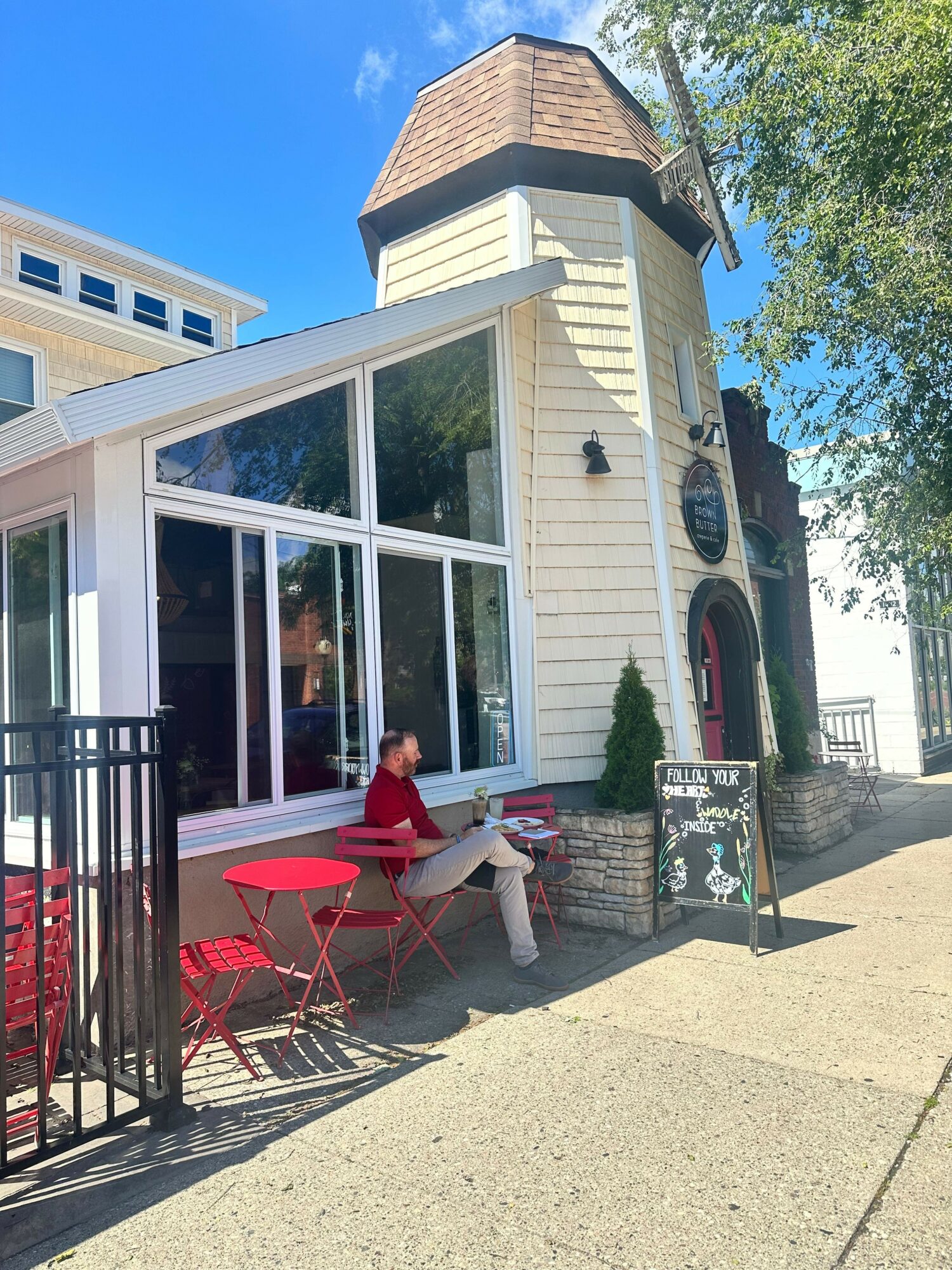
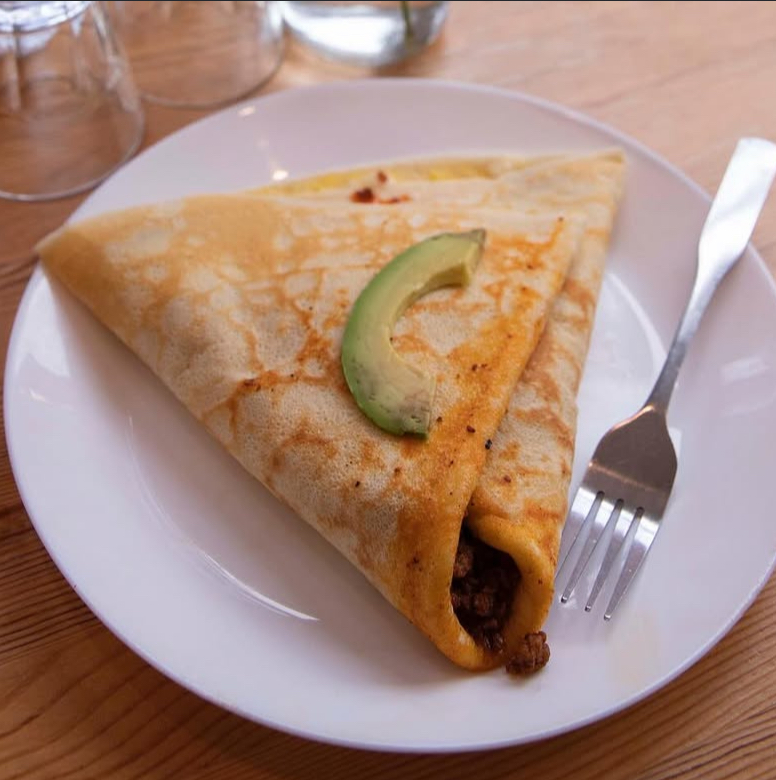
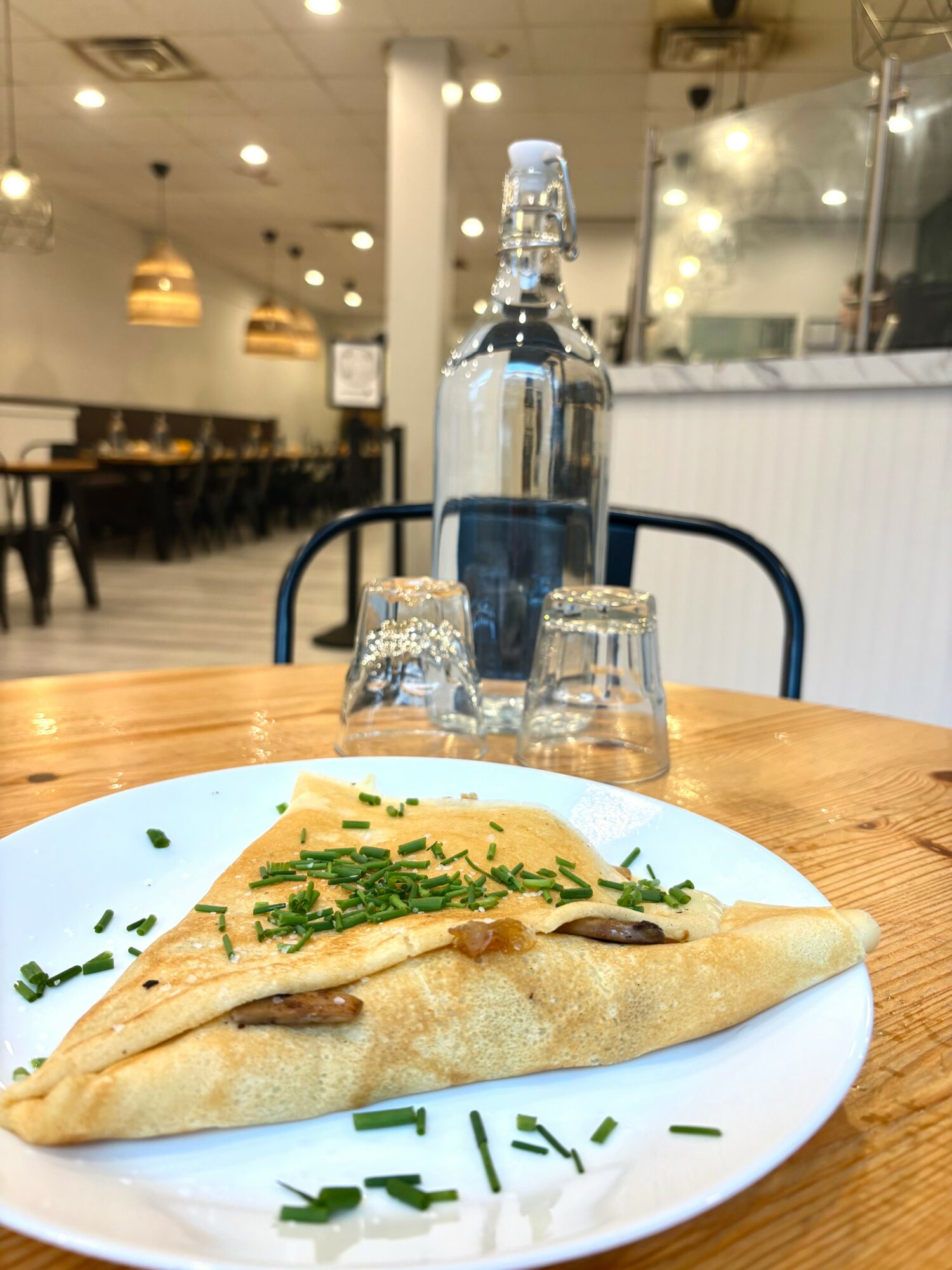
They are crêperies, which already puts them outside the typical restaurant categories most people encounter every day. We serve sweet and savory crêpes, gourmet waffles and have continued evolving the concepts to make them broader, stronger businesses while keeping the thing that makes them unusual.
For Crêpe Sake is currently going through a significant evolution, including moving into a larger location, adding capacity, expanding the menu and adding a liquor license. Brown Butter has also continued to evolve, including adding wine and cocktails and creating small-format experiential events of its own.
We are constantly asking how each concept can become more interesting without losing what originally made people care about it.
Then there is Tiny Joys, which is still very much a concept in development. It is not open yet, and we will not really begin developing it in earnest until after the For Crêpe Sake move is complete. The idea grew from the same basic philosophy: take something familiar, in this case mini donuts, and build a brand and experience around it that feels different, memorable and fun.
We have other ideas in various stages as well. I tend to have no shortage of those.
What ties all of this together is not that every 601 business needs to be immersive.
Some are.
The Local Epicurean is absolutely an immersive hospitality experience.
Others are simply unique concepts that give people a reason to choose them over a more conventional alternative. A crêperie is different. A thoughtfully developed mini-donut concept can be different. The common denominator is that there needs to be a reason for the business to exist beyond simply serving food.
That is probably what sets us apart most.
We think about the entire experience.
What does someone see when they first encounter the brand? What does it feel like to walk into the space? How are they greeted? What are they doing while they are there? What will they tell someone else about afterward?
To me, hospitality begins well before someone walks through the front door and continues after they leave.
We also approach the businesses with a portfolio mindset.
We are not trying to force every concept into the same mold. Brown Butter should feel like Brown Butter. For Crêpe Sake should feel like For Crêpe Sake. The Local Epicurean should have its own identity.
What we want to build at the 601 Group level are the systems, operating discipline, leadership, financial infrastructure and shared learning that allow each individual brand to get stronger without stripping away its personality.
That is harder than it sounds.
As we grow, I spend a lot of time thinking about how you create repeatability without creating sameness. How do you develop systems without making the experience feel corporate? How do you scale something local and personal without sanding off everything that made it interesting in the first place?
Those questions are especially important as we think about the future of The Local Epicurean.
We believe there is a much larger opportunity for that brand, and we are currently working toward expansion into the Detroit suburbs. Over time, I would like to see The Local Epicurean grow well beyond its current two locations while maintaining the intimacy and personal nature of the experience.
Brand-wise, I am probably most proud of the fact that we are starting to create a recognizable philosophy across businesses that, on the surface, look very different.
We are becoming much clearer about what belongs inside The 601 Group and what does not.
It does not need to be fancy.
It does not need to be expensive.
It does not even need to be a full-service restaurant.
But it should be interesting.
There should be something about it that makes someone say, “I want to go do that,” rather than simply, “I need somewhere to eat.”
That distinction matters to me.
Ultimately, I want people to think of The 601 Group as a company that builds hospitality concepts with a point of view.
Some will be immersive. Some will be simple. Some may be highly experiential, while others may revolve around one very specific product.
But they should all feel like they have a reason to exist.
Can you share something surprising about yourself?
Something that may surprise people who know me professionally is that I have always thought of myself as a designer and a builder.
I don’t mean that in the traditional construction sense. What I really enjoy is looking at something as it exists today and being able to see what it could become.
That might be a room, a house, a backyard, a restaurant or an entire business. I love the process of rethinking the flow, changing the pieces that are not working and gradually transforming something into a version that feels completely different from where it started.
I do enjoy getting my hands dirty and physically building things, but the part I find most satisfying is the vision behind it. I like seeing possibilities that are not immediately obvious and then figuring out how to make them real.
The more I’ve thought about it, the more I realize that this probably explains a lot about how I approach business too. I am naturally drawn to things with potential. I like taking something that is incomplete, underdeveloped, or just not quite right yet and asking, “What could this become?”
Whether it is a physical space, a brand or a business, that process of imagining, designing and building is probably the thing I enjoy most.
Contact Info:
- Website: www.mikemudrey.com / www.601-group.com / www.thelocalepicurean.com / www.forcrepesake.com / www.brownbuttercrepes.com
- LinkedIn: https://www.linkedin.com/in/michaelmudrey/
- Other: https://www.mikemudrey.com