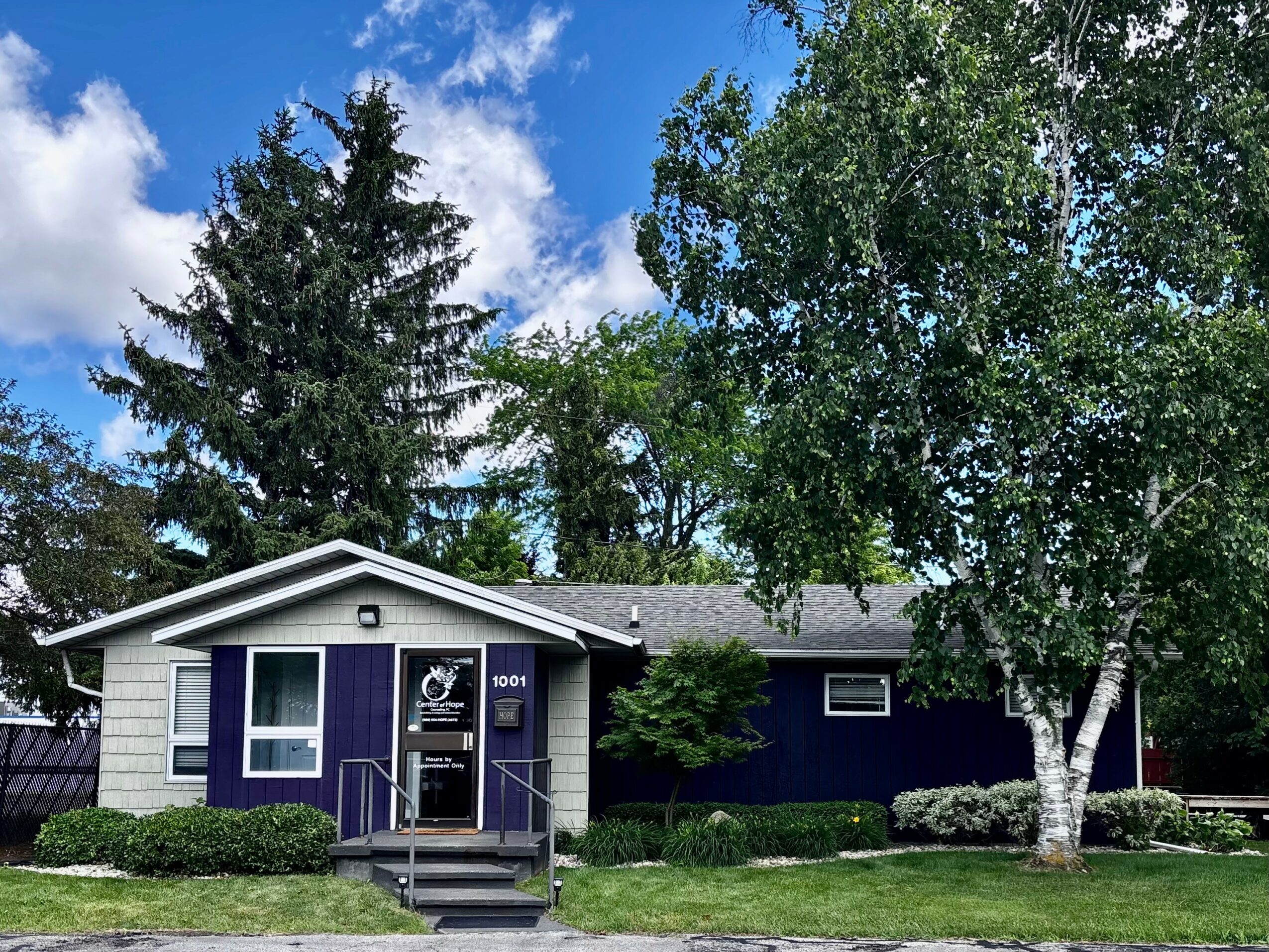





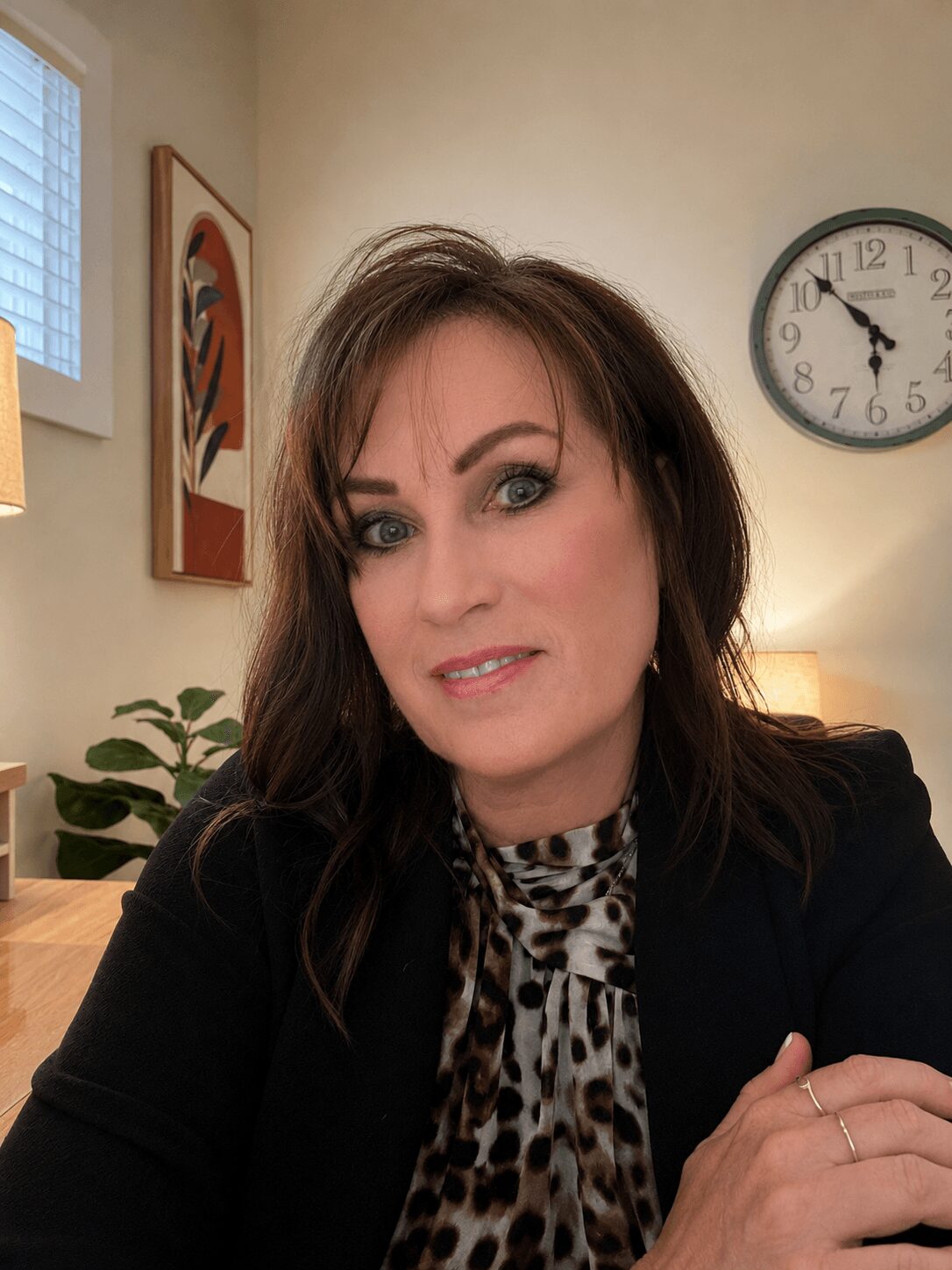
Today we’d like to introduce you to Lisa Carpenter.
Hi Lisa, can you start by introducing yourself? We’d love to learn more about how you got to where you are today?
When I graduated from Central Michigan University in 1994 with my master’s degree in Professional Counseling, I don’t think I could have imagined where this career would eventually take me. I began my work in the substance abuse field while also counseling individuals struggling with anxiety, depression, trauma, and self-esteem issues. I loved being a therapist and the opportunity to walk alongside people during some of the most difficult times in their lives. Years into my career, however, I began working with a client who presented with symptoms of anorexia. I knew enough to recognize that she needed specialized treatment, but I also realized that eating disorders were an area in which I needed more education and experience. I connected with an eating disorder specialist so that my client could receive the care she needed, and through collaborating with that clinician, something clicked for me. I became fascinated by the complexity of eating disorders—the way they can involve anxiety, trauma, perfectionism, shame, self-worth, relationships, and a person’s need to find some sense of control. I wanted to understand more and, more importantly, I wanted to be able to help.
That experience sent me down a path I never anticipated. I began attending specialized trainings, seeking supervision, and immersing myself in learning how to effectively treat eating disorders. The more I learned and the more clients I worked with, the more passionate I became about this population. I also began to recognize a significant gap in our community. People struggling with eating disorders often needed more than an individual therapist—they needed knowledgeable clinicians, collaboration with medical providers and dietitians, family support, and professionals who truly understood the complexity of these illnesses. I kept thinking, “We need something more comprehensive here.” Eventually, I decided to build it.
That vision became Center of Hope Counseling in 2016. What started as my desire to provide better, more specialized care has grown into something much larger than I originally envisioned. Center of Hope has evolved into a group practice with clinicians who bring their own expertise, personalities, and passions to the work. While eating disorder treatment remains an important part of who we are, we now provide specialized services in areas including anxiety, depression, trauma, body image and self-worth, men’s emotional health, and other complex mental health concerns. We are able to serve clients in person as well as virtually throughout Michigan, allowing us to reach people who may not otherwise have access to specialized care.
One of the things I am most proud of is that Center of Hope has continued to grow without losing the reason it was created in the first place. I never wanted to simply build a large counseling practice. I wanted to build a place where people could find clinicians who genuinely care about them, where therapists continue learning and challenging themselves professionally, and where clients with complicated needs don’t feel like they are “too much” or have nowhere to turn. More than 30 years after I first entered this profession, I still love the work, but my role has expanded. I now have the opportunity not only to help clients myself, but also to mentor and supervise other clinicians, develop specialty programs, and build a team that can reach far more people than I ever could on my own. When I think about where Center of Hope began, I often come back to that first client with anorexia. I wanted to know how to help one person who came into my office, and that experience ultimately changed the direction of my career. In many ways, Center of Hope grew from that simple belief that when someone comes to us for help, we should keep learning, keep growing, and do everything we can to give them hope.
Can you talk to us a bit about the challenges and lessons you’ve learned along the way. Looking back would you say it’s been easy or smooth in retrospect?
One of the greatest struggles I have faced while growing Center of Hope has actually been something that also motivates me to continue growing it—the difficulty of getting individuals with eating disorders the level of care they need. Eating disorders can be incredibly complex and, at times, medically and psychologically dangerous illnesses. Unfortunately, Michigan has limited resources for individuals who need more intensive levels of treatment beyond traditional outpatient therapy. There have been many times throughout my career when I have known that a client needed a higher level of care, but finding an appropriate program that had availability, was geographically accessible, and could meet that individual’s specific needs was extremely difficult. Families are sometimes faced with the reality of having to travel significant distances or even leave the state to access specialized treatment, which creates additional emotional, financial, and logistical challenges during an already overwhelming time.
Insurance has been another significant obstacle. Even when we identify an appropriate treatment program, obtaining insurance coverage for the recommended level of care can be incredibly frustrating. I have spent countless hours advocating for clients, communicating with other providers, providing clinical documentation, and trying to help families navigate a system that can be very difficult to understand. It is especially challenging when you are sitting across from someone who is struggling with a serious illness and you know what treatment they need, yet accessing that treatment becomes a battle in itself.
Those experiences have certainly been some of the hardest parts of this work, but they have also influenced how I have built Center of Hope. They reinforced for me that we needed to do more than simply provide therapy sessions. I wanted to develop a practice where clinicians understand the complexity of eating disorders, collaborate with physicians, dietitians and other treatment professionals, involve families when appropriate, and advocate for clients when they need additional services. We cannot eliminate all of the barriers that exist within the larger healthcare system, but we can make sure that our clients and their families do not have to navigate those barriers alone. In many ways, the challenges I have encountered have strengthened my commitment to continuing to expand the specialized services and resources available through Center of Hope
As you know, we’re big fans of Center of Hope Counseling. For our readers who might not be as familiar what can you tell them about the brand?
Center of Hope Counseling was founded in 2016 with a mission to provide high-quality, specialized mental health services using evidence-based approaches while never losing sight of the individual person behind the diagnosis. We serve adolescents and adults with a wide range of mental health concerns, with specialty services in areas including eating disorders and body image, trauma, anxiety, depression, self-esteem, and men’s emotional health. Our clinicians utilize evidence-based and specialized treatment approaches such as Cognitive Behavioral Therapy (CBT), Dialectical Behavior Therapy (DBT), Eye Movement Desensitization and Reprocessing (EMDR), Internal Family Systems (IFS), and other approaches based on each client’s individual needs. We provide both in-person and virtual services, which allows us to reach individuals throughout Michigan who may not otherwise have access to specialized mental health care.
Something that is especially important to me is that Center of Hope is more than a collection of therapists working under the same name. I have worked to create a practice where clinicians are encouraged to develop areas of expertise, continue their education, consult with one another, and collaborate with other professionals when a client’s needs extend beyond the therapy office. This is particularly important in our work with eating disorders, where treatment may involve close collaboration with physicians, dietitians, families, schools, and higher levels of care. Our goal is to look at the whole person and provide treatment that is compassionate, individualized, and grounded in sound clinical practice. Ultimately, the mission of Center of Hope is reflected in our name: we want people to know that even when they are facing something that feels overwhelming, complicated, or difficult to change, there is hope—and they do not have to navigate it alone.
Pricing:
- We accept and can bill many insurance companies. We also offer a pay out of pocket option that is less than the going rate to make our services more available to our clients. and those in need
Contact Info:
- Website: https://centerofhopemtp.com