



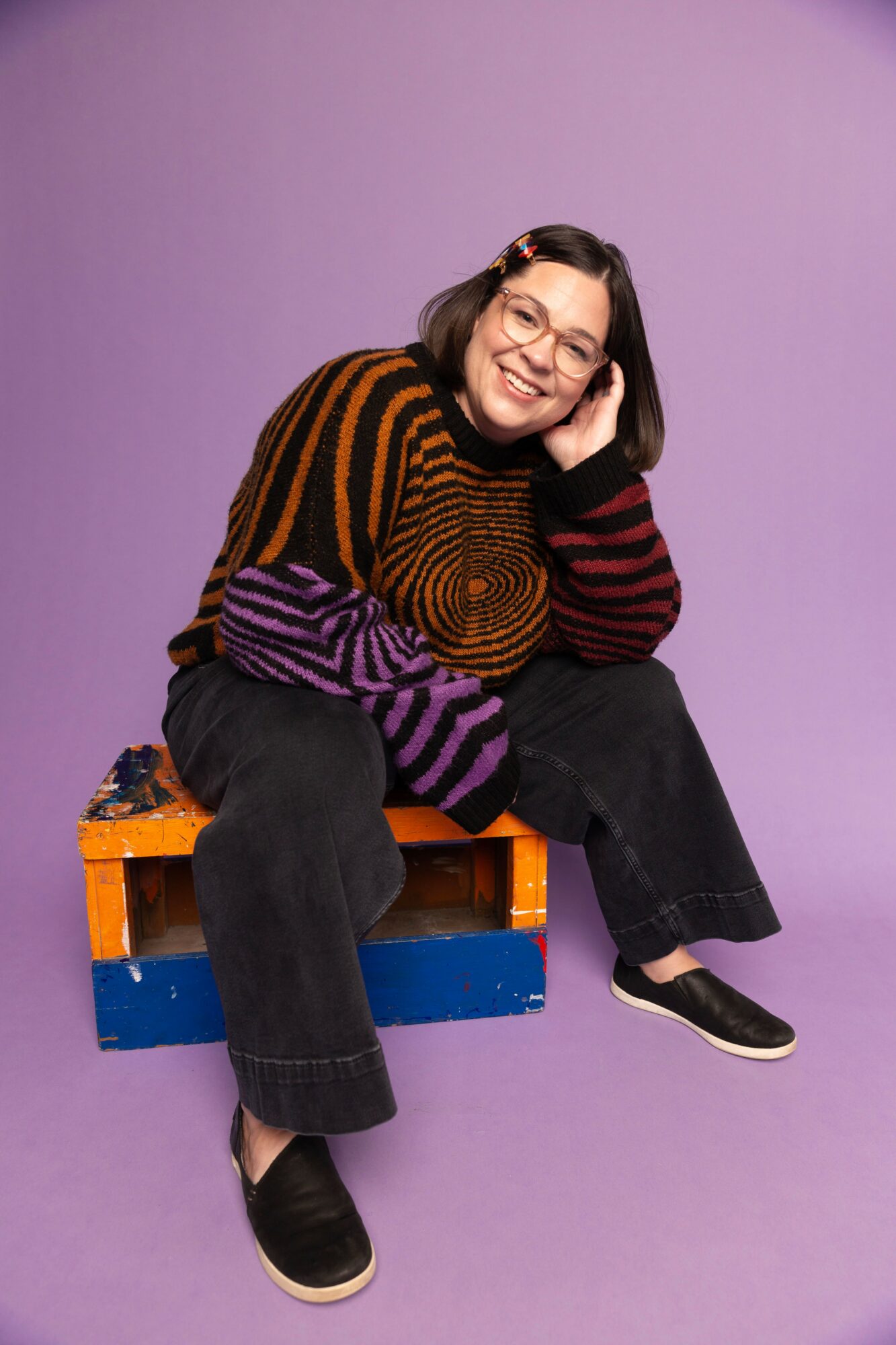
Today we’d like to introduce you to Shannon.
Alright, so thank you so much for sharing your story and insight with our readers. To kick things off, can you tell us a bit about how you got started?
I started college as a fine arts student and eventually transferred to Kendall College of Art and Design (KCAD), where I pivoted to graphic design. While I loved fine arts, graphic design offered a way to combine creativity with a practical career.
After graduation, I built my career across higher education, agency, corporate, and freelance environments. At KCAD, I learned production and project management. At creative agencies, I sharpened my design skills and learned how to navigate ambiguity, collaboration, and client relationships. At Amazon, I gained experience shaping large-scale initiatives, presenting to leadership, and working across complex stakeholder groups.
Along the way, I experienced health challenges, organizational changes, and layoffs that reshaped my understanding of success. Those experiences ultimately led me to freelancing full-time—something I never imagined I’d enjoy because I value stability so highly.
Looking back, each season prepared me for the next. My journey has taught me that career paths are rarely linear, and that I don’t always know what’s best for me. More than anything, I am learning to hold my plans loosely and trust where God is leading.
Would you say it’s been a smooth road, and if not what are some of the biggest challenges you’ve faced along the way?
No, but I think a straight path is rare, especially in the creative fields. Looking back, the disappointments and unexpected turns have helped me grow into a stronger, more well-rounded person and a better designer.
Early on, I struggled with understanding my value. I wanted to pursue big ideas and boundary-pushing aesthetics, often overlooking the history of the client and the industry they served. Being surrounded by creatives I respected taught me that success isn’t always about delivering the most creative work, but about serving the client and your team in the way they need you to.
Starting a new job at Amazon two weeks before the pandemic began while raising a two-year-old brought a new host of challenges. I had incredible opportunities and worked hard to make the most of them, but eventually the pace and pressure caught up with me. After a year, I became ill. My long-shot dream of joining Prime’s superstar team wasn’t worth sacrificing my wellbeing, so I took a step back.
That experience changed me. I became more focused, more confident, and more intentional about how I approached both work and life. I carried those lessons into my next roles.
A few years later, I landed what felt like a dream job. I was doing some of the best work of my career and helping grow a business with a small team. But when we lost our biggest client, I was laid off. Losing that role was painful, but it created space for opportunities I never would have pursued otherwise. Again and again, what felt like a setback in the moment became a redirection.
Appreciate you sharing that. What else should we know about what you do?
With 17 years of experience spanning higher education, agencies, corporations, and freelancing, I’ve worked on just about every type of project a graphic designer can encounter.
What sets me apart is my ability to jump into a project at almost any stage and help move it forward. Colleagues have called me a “secret weapon” and a “pinch hitter” because I’m comfortable stepping into ambiguity. Whether a project needs design, organization, production expertise, or problem-solving, I enjoy figuring out what’s needed and helping make it happen.
I credit that to a tendency to look beyond the design itself. I enjoy identifying problems and opportunities, juggling competing goals, and helping move projects forward while elevating the craft wherever possible.
Some notable projects include developing and refreshing brands for Amazon, the Christian Standard Bible translation, and Funky Buddha Yoga; working on audiobook projects for Dean Koontz and Nora Roberts; designing websites for MSU; and contributing to an award-winning ad campaign for Bell’s Oberon beer. Along the way, I’ve been fortunate to earn more than 40 design awards.
To reconnect with my tactile side, I’ve been practicing sign painting, and you’ll see some of my work around Grand Rapids (check out the windows and grab some candy at Sticky Fingers!). Recently, I took on a project for a real estate development in Ada that had me head-to-toe in PPE working with unfamiliar materials and tools.
I’m currently freelancing under the name Mild Midwest and am enjoying this season of my career. Whether I’m exercising my problem-solving skills or my creative chops, every day brings new challenges and opportunities.
My passions are brand identity development and hand lettering, and I hope to continue growing the craft-focused side of my business in the years ahead.
Is there any advice you’d like to share with our readers who might just be starting out?
1. Embrace discomfort (that’s how you grow)
One of the best things I’ve done for my career is choosing to be uncomfortable.
Learn the new tool. Go to the networking event. Have conversations with everyone. Trust that you can handle the project. Push through the parts of design you dread. Challenge your design aesthetic. Put yourself out there.
2. Your network is your lifeblood
Everyone advises you to “build relationships,” but for many years I didn’t understand the gravity of that advice.
So far, every role and every client I have secured came through a connection, recommendation, or relationship (much gratitude and appreciation to all). The creative community is smaller than you think — and people will remember their experience working with you. Be kind and work hard.
3. Double down on your strengths
One lesson that has shaped my career is to double down on the things you do well.
As much as you try, there will always be deficits in your personality or work style. Growth is important, but there are limits to how much you can change. On the other hand, when you invest in your natural strengths, your impact can become exponential.
Your strength is someone else’s weakness. There is value in whatever that skill is—even if it isn’t flashy.
Contact Info:
- Website: https://www.mildmidwest.com
- Instagram: https://www.instagram.com/mildmidwest/
- LinkedIn: https://www.linkedin.com/in/shannon-finazzo/
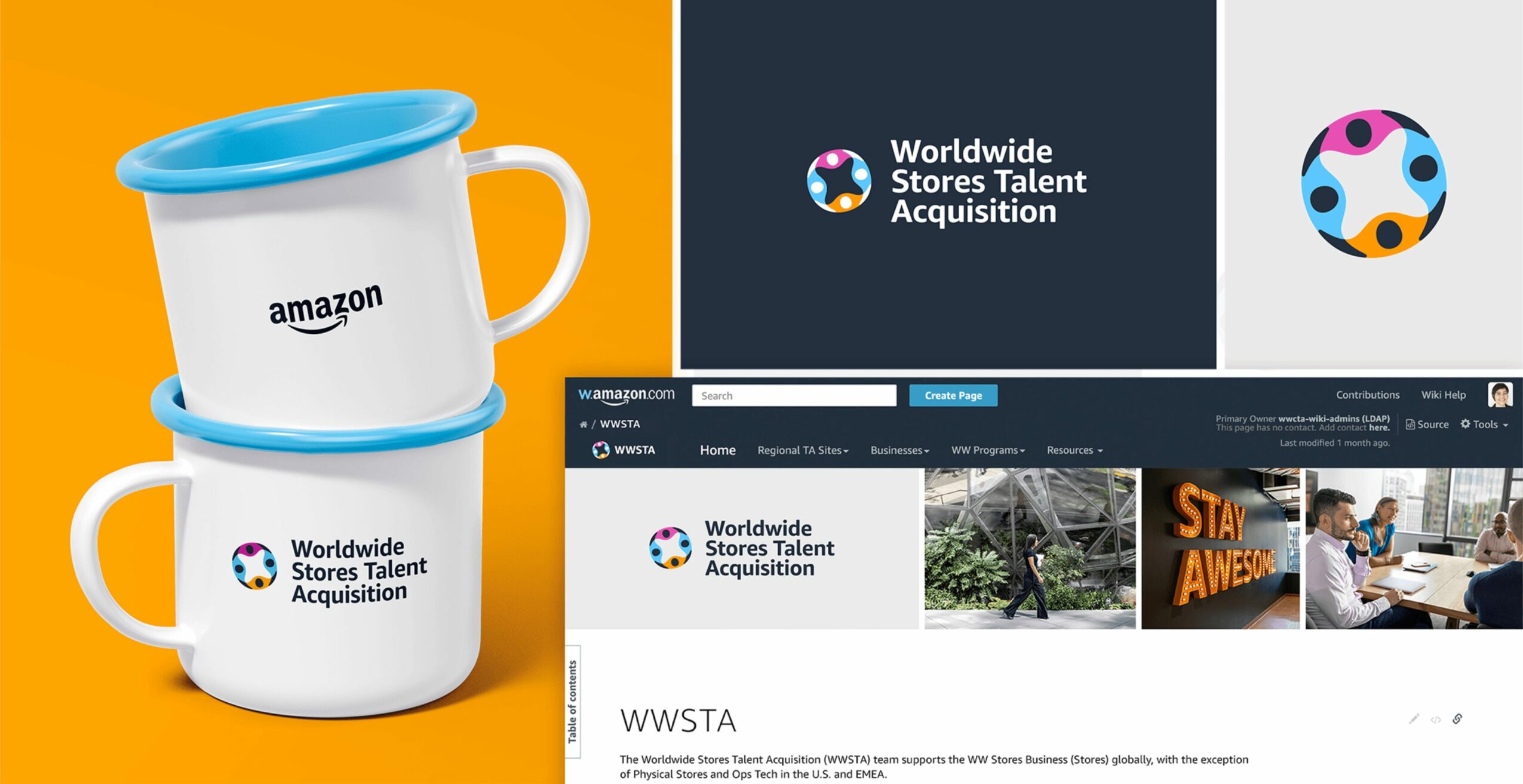
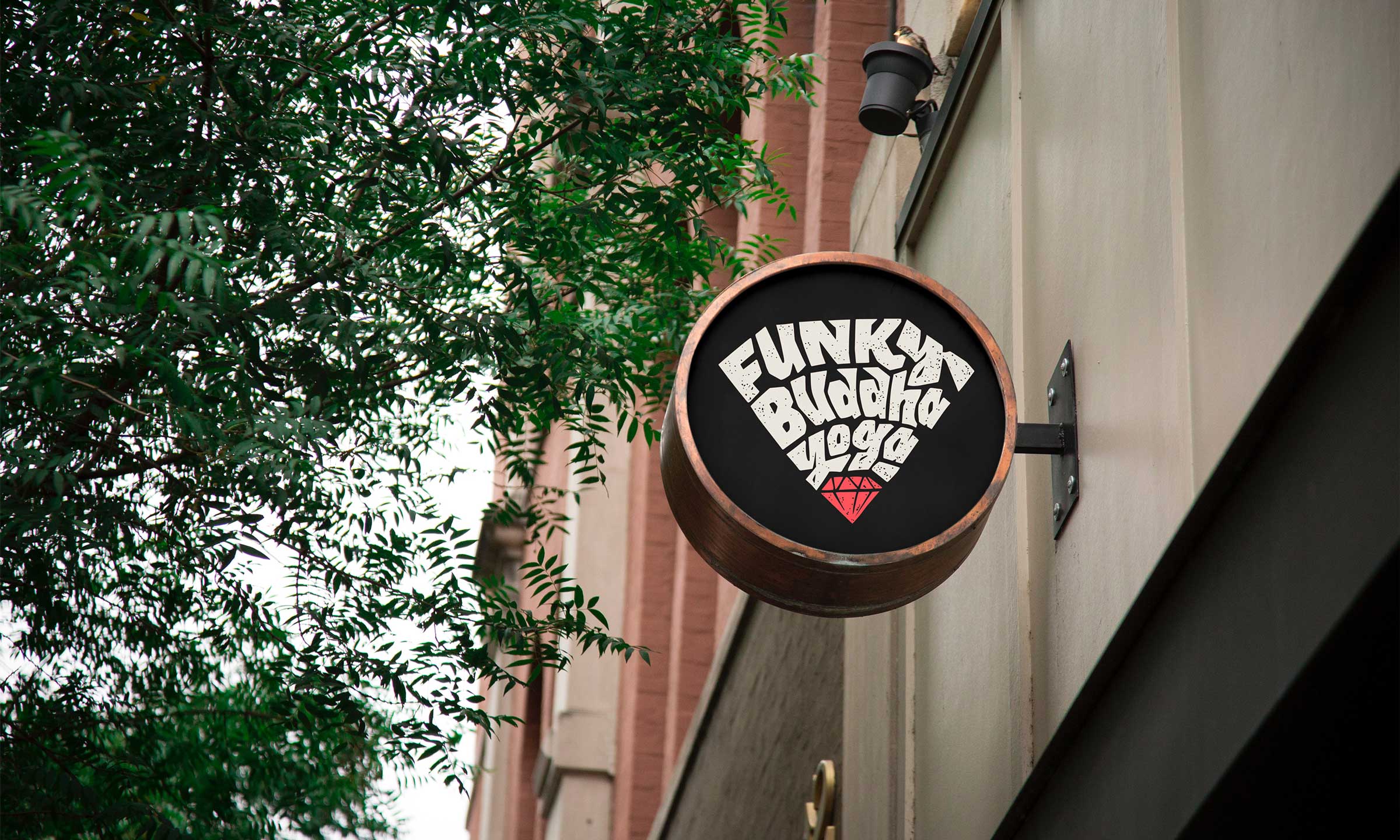
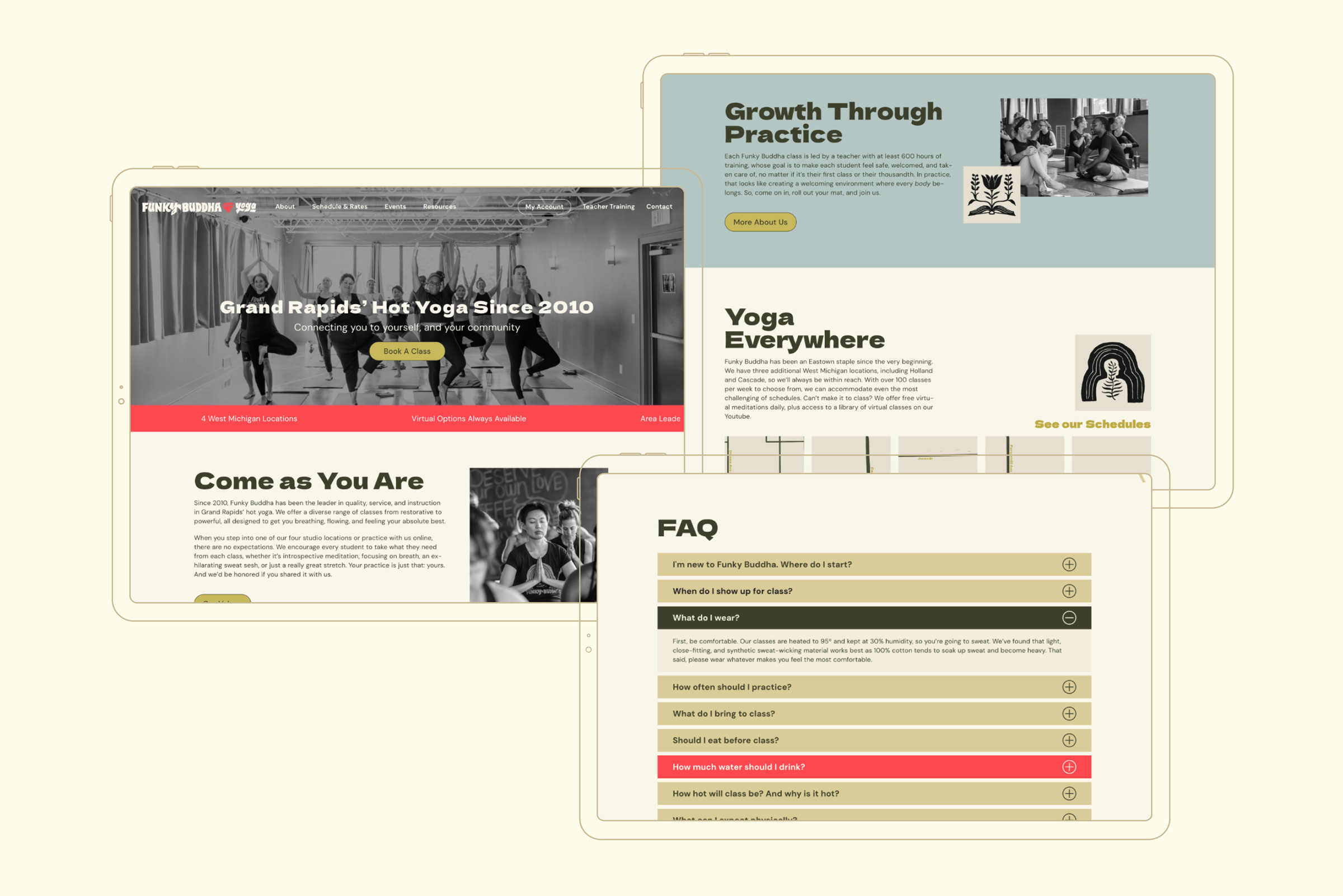
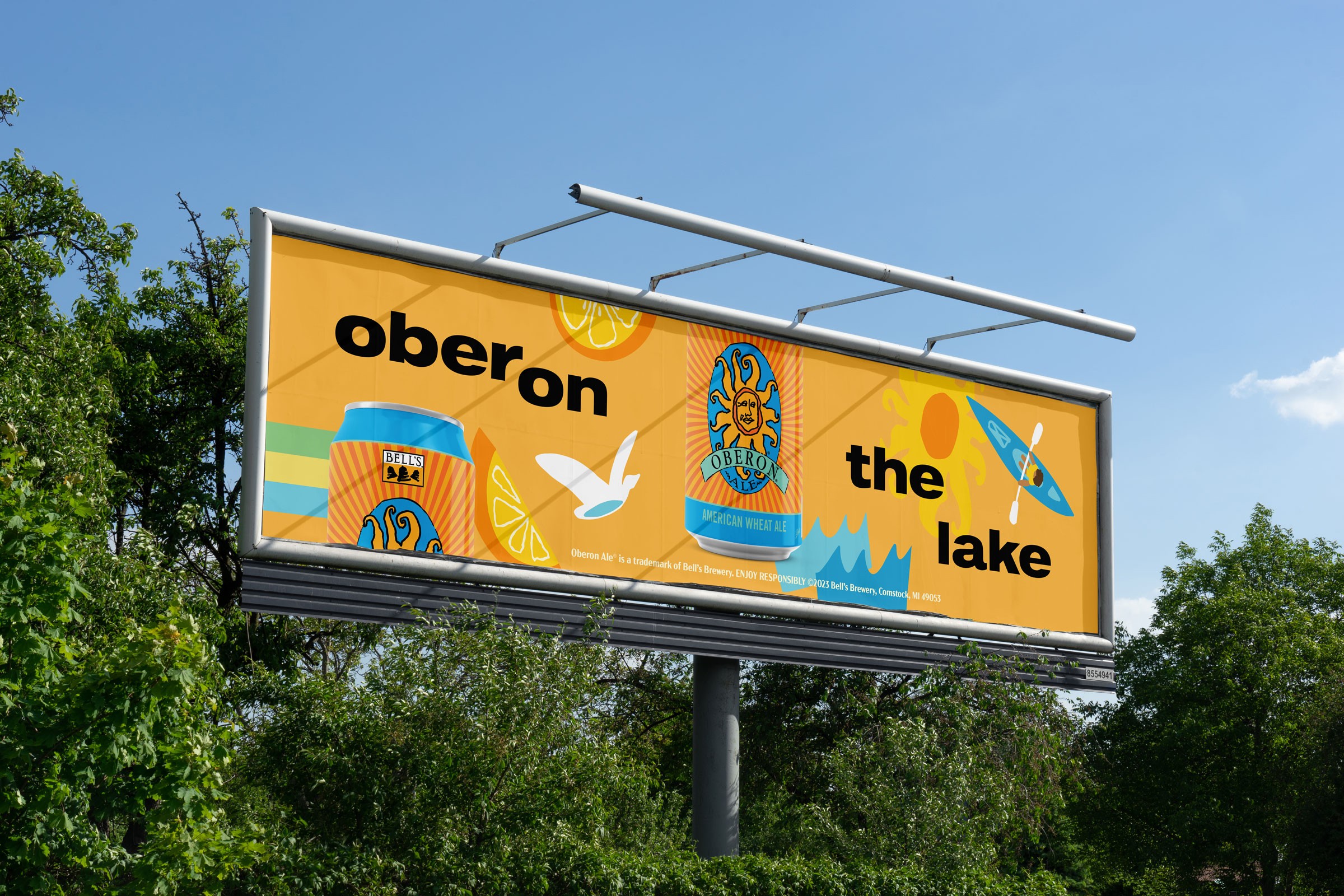
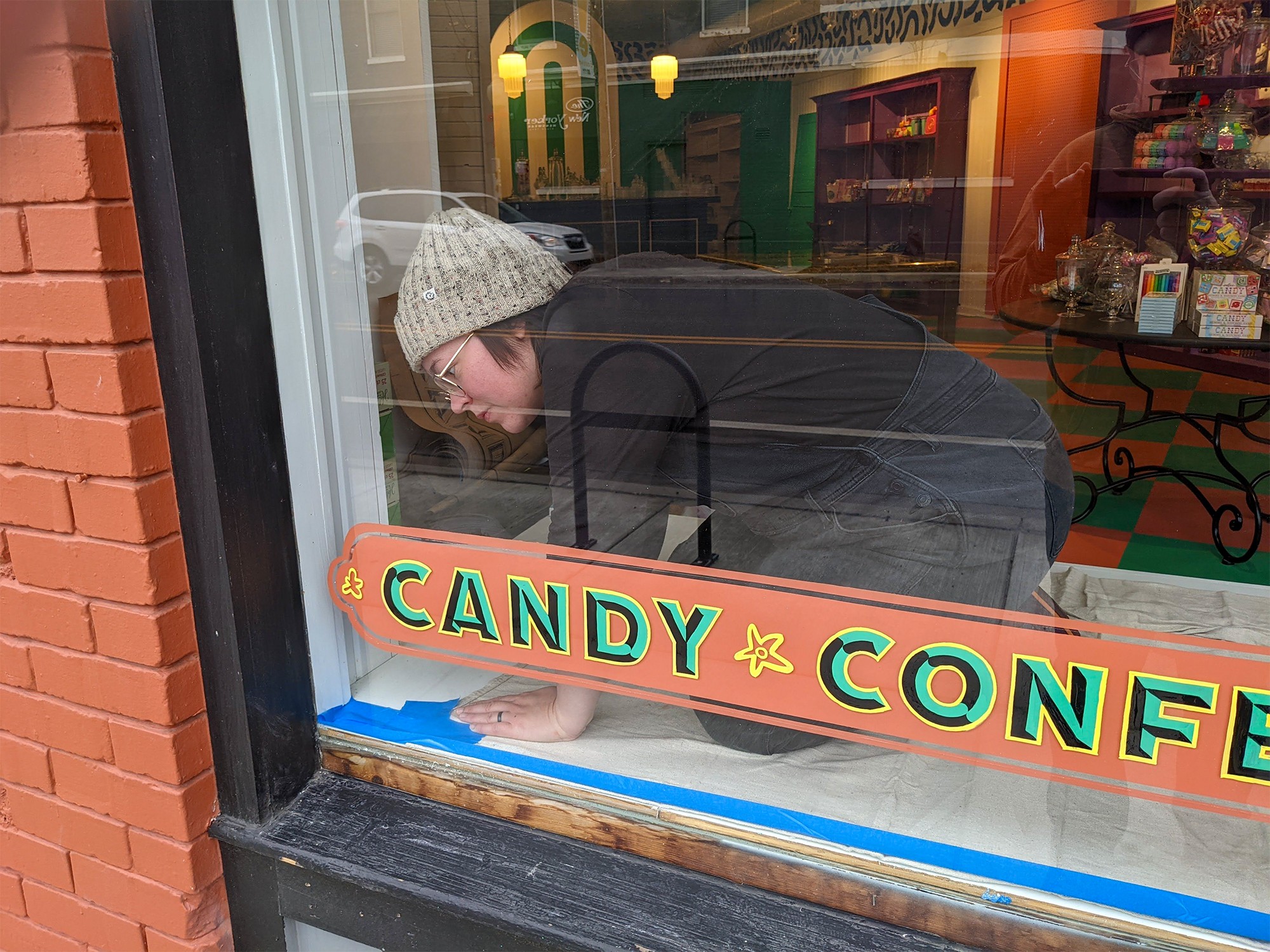
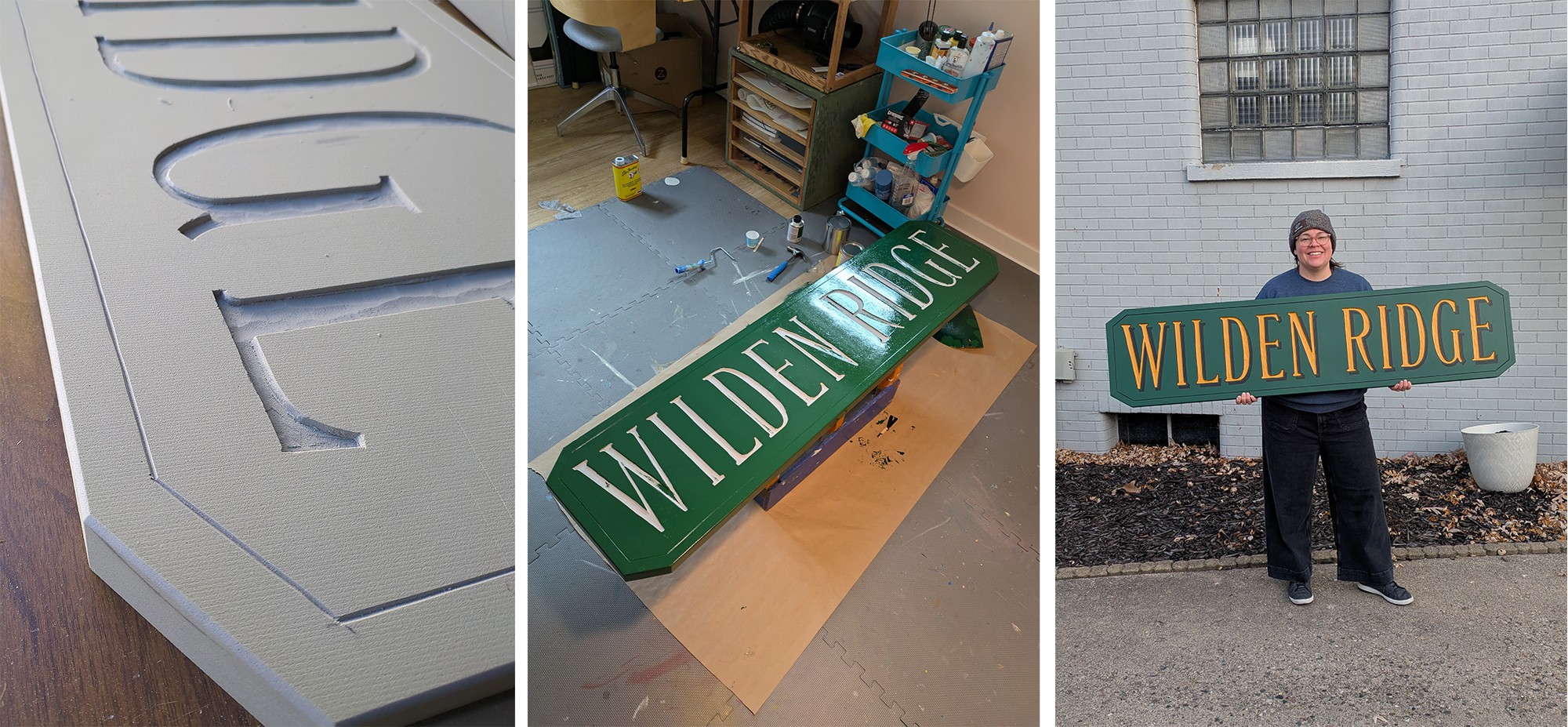
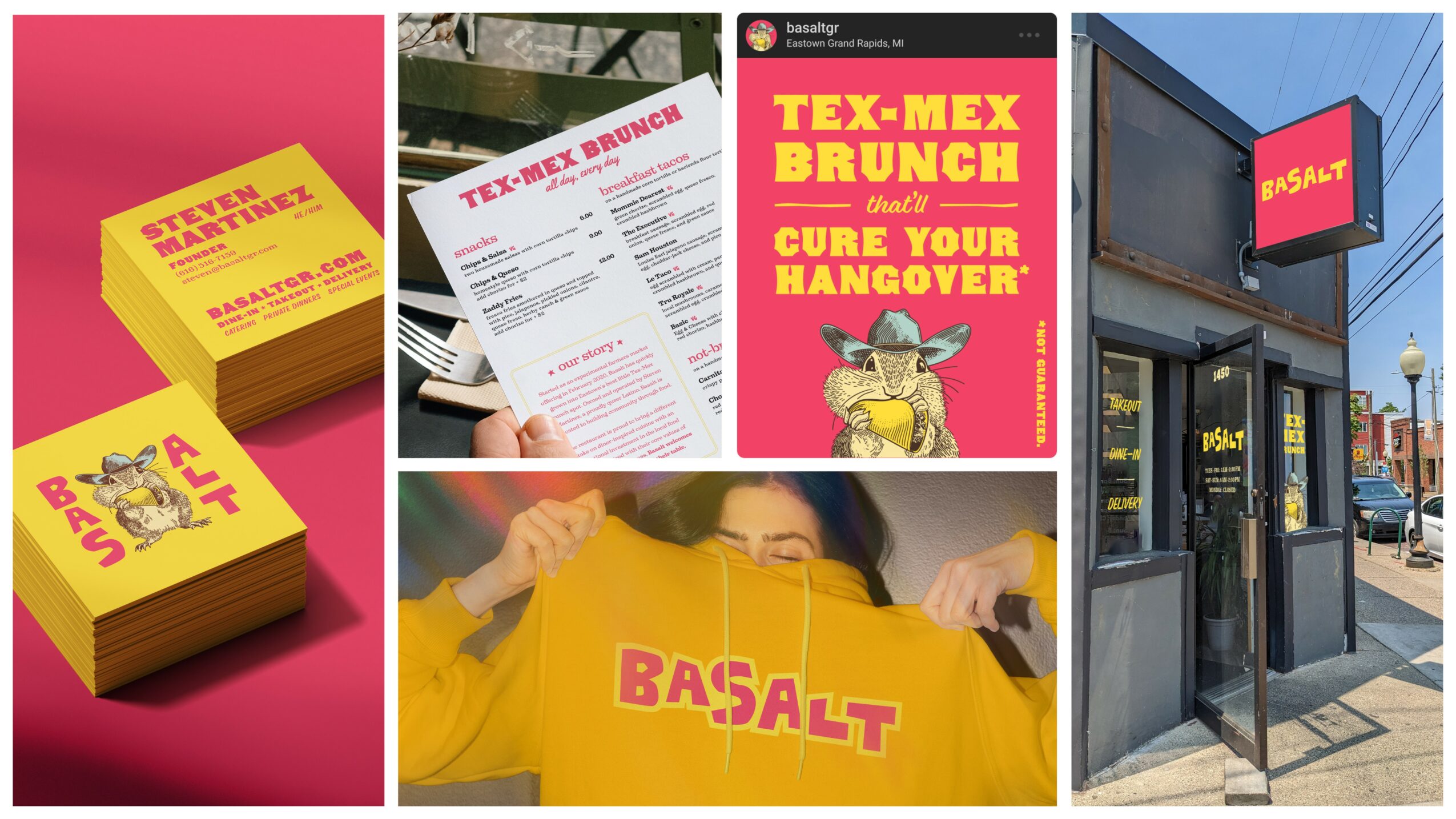
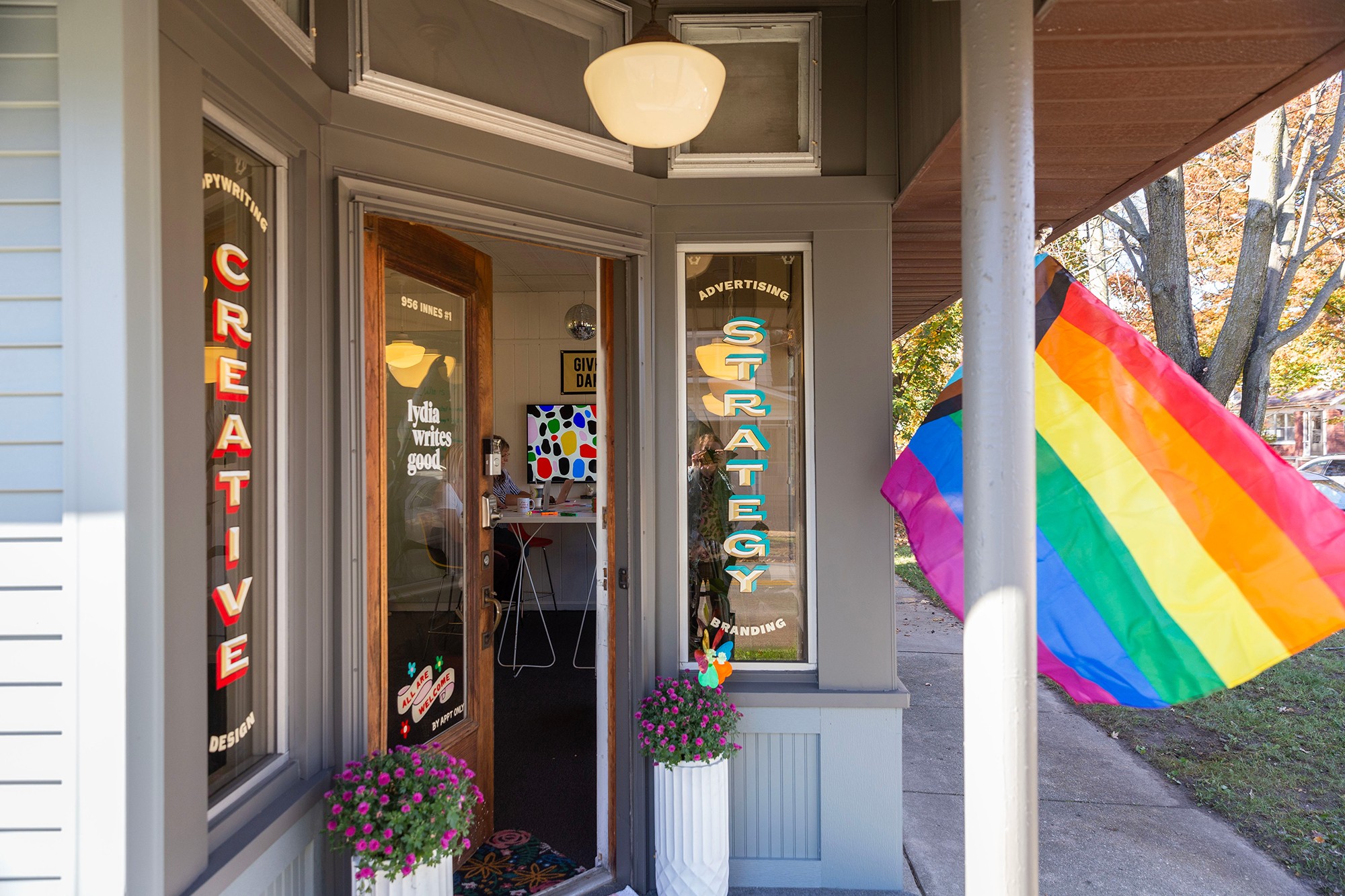
Image Credits
Portrait and corner storefront courtesy of Rachel Britton Photography