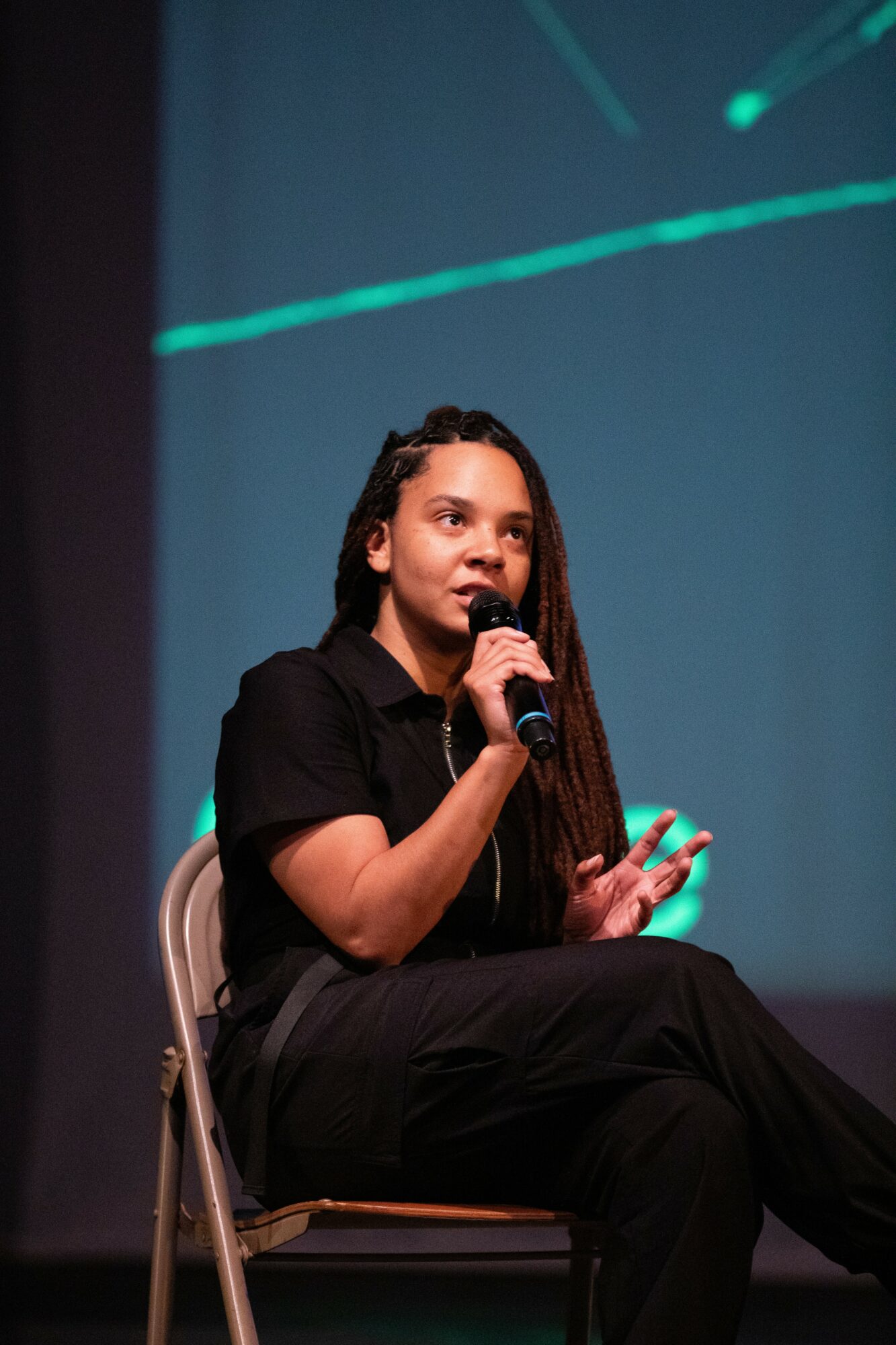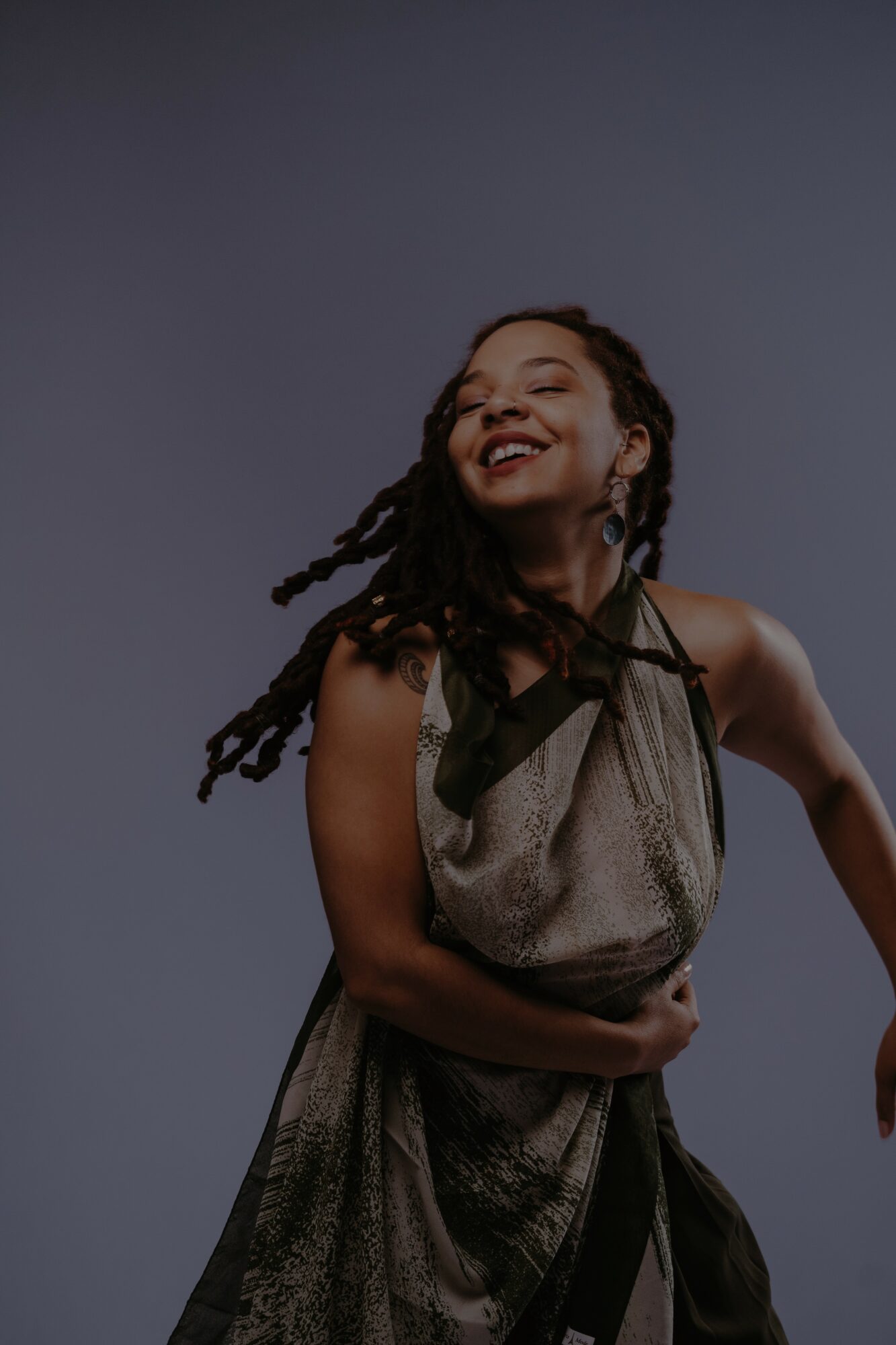





Today we’d like to introduce you to Miryam Gabrielle.
Hi Miryam, thanks for joining us today. We’d love for you to start by introducing yourself.
The Arts have always been an important piece of my family’s culture. I grew up with stories of my mom’s theater performances, my dad’s teenage band, and grand parents who loved to show off their dance skills at any function. Music was the undercurrent of my home, with my parents jokingly pop quizzing us on legendary vocalists. Understanding the depth of what the arts offer, my mom placed my siblings and I in programs for Music, Theater and Dance. As a young dancer, I fell in love with the feeling of speaking multiple dance languages and worked to become a versatile mover.
While attending Eastern Michigan University, I became involved with student demonstrations in connection with the Black Lives Matter Movement. It was through these acts of resistance that I began studying social and political artistic works. Ultimately, this led to a shift in my field of study, later graduating with dual Bachelors Degrees in Dance Performance and African American Studies.
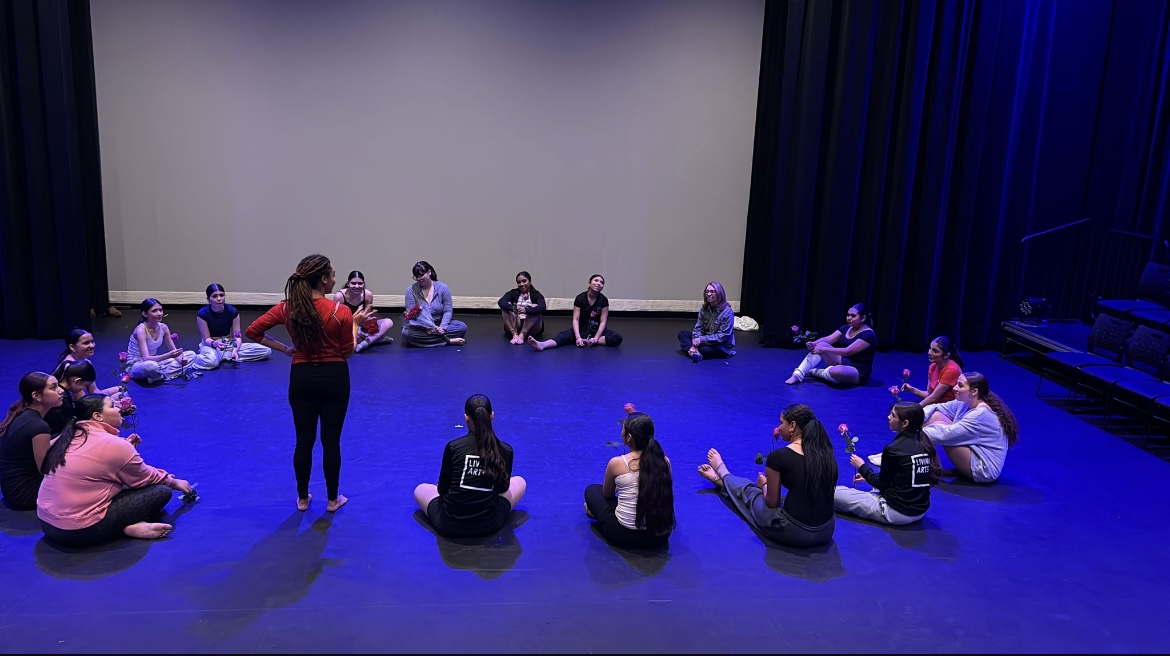
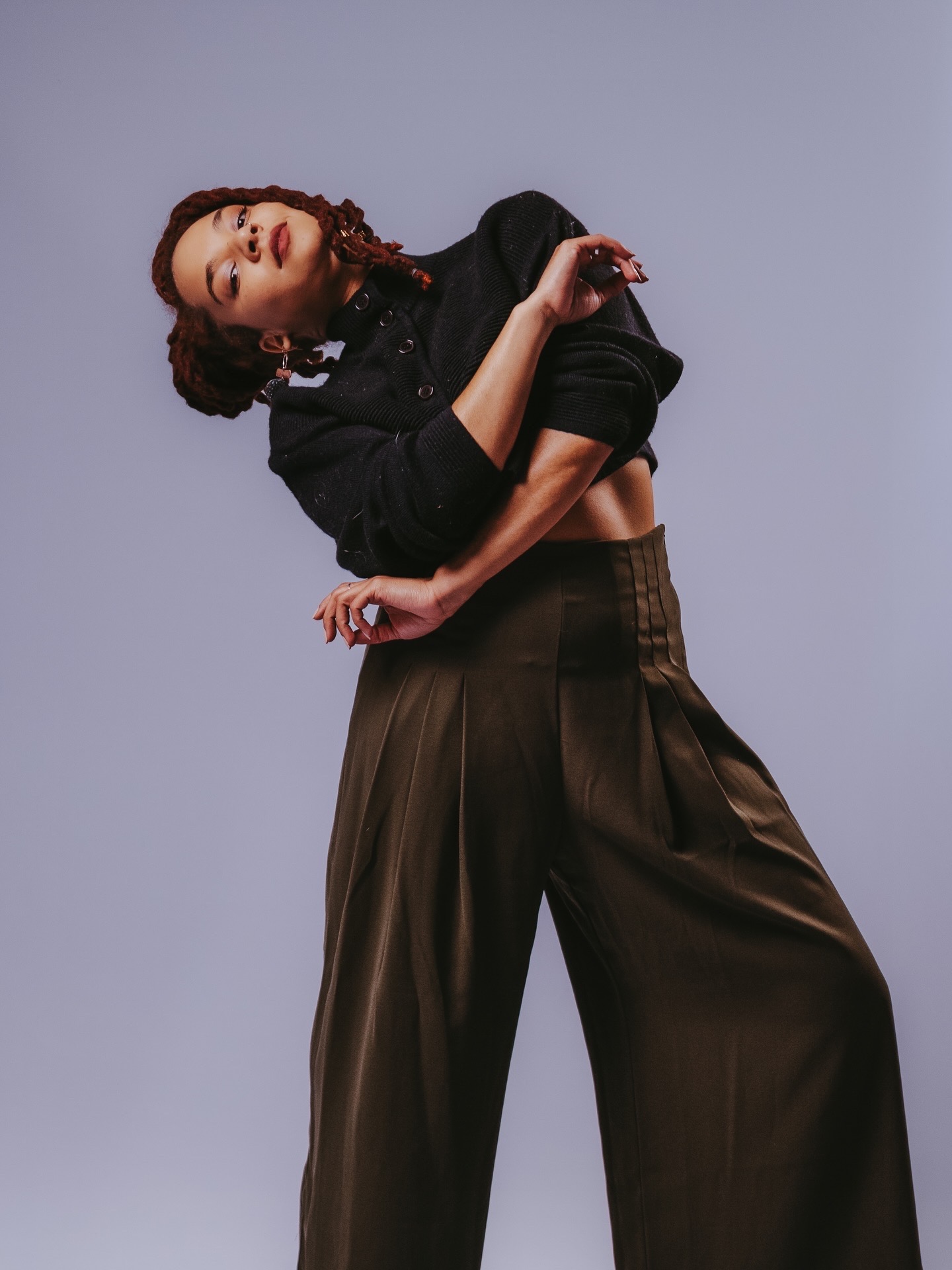
Over the last decade, I’ve had the privilege to be in the classroom as an Educator, on stage as a Dancer and behind the scenes as an Organizer. My artistry explores the cross section of improvisatory, polyrhythmic and somatic movement techniques, now studying dance as early human technology.
If the body holds memory, then movement is the code by which we recall our histories, connect to our internal systems and embed tools of liberation.
My choreographic works have been presented by The Charles H. Wright Museum of African American History, The Henry Ford Museum, Eastern Michigan University, Detroit Dance Collective, Living Arts Detroit, Sidewalk Arts Festival, Women’s Work, the historic Hartford Memorial Baptist Church, The Masonic Temple Detroit, Sphinx Organization, and University of Michigan Museum of Art.
I am also a Co-Founder and Artistic Leader of Collective Sweat Detroit, a dancer-led non-profit devoted to building fellowship in the Detroit dance community.
Can you talk to us a bit about the challenges and lessons you’ve learned along the way. Looking back would you say it’s been easy or smooth in retrospect?
Life has a way of testing you and your self trust.
One learning curve was letting go of self comparison, especially from what my younger self thought I was supposed to have accomplished. I tend to get really zero’d in on my practice. Especially when building something new, I tune out of any and everything else. I spent years running myself ragged trying to keep up with my own expectations, without leaving space for life to show up in other ways. Artistic work is still work and needs to have balance. Letting go of self comparison and out of alignment expectations actually gave me more energy/time to be in my practice.
The other learning curve was that things can change rapidly. After long COVID symptoms disrupted my nervous system, I went from an advanced level mover to needing support walking across my apartment, over night. Suddenly, everything I understood about myself changed and I had to learn the new normal. It was about 3 months before I could comfortably walk and about a year before I could dance again. I learned a lot about myself in that time and never take movement for granted any longer.
As you know, we’re big fans of you and your work. For our readers who might not be as familiar what can you tell them about what you do?
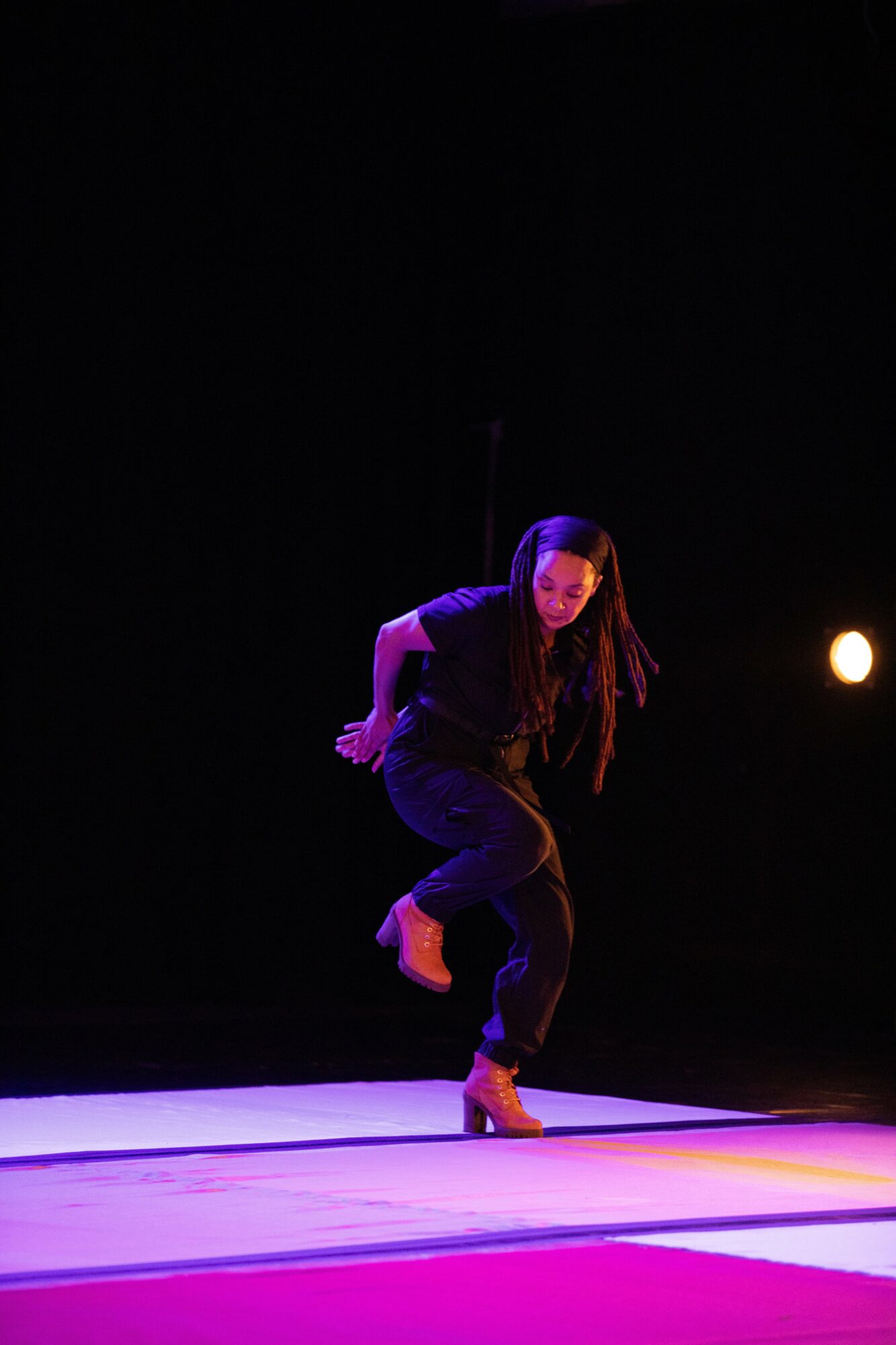
I hold many hats as a Choreographer, Dancer, Educator and Arts Organizer. My latest work, presented in “Code Moves” this passed June, was a piece titled “9.”
“9” explores the tradition of Step dance as a coded movement language that led to the liberation of enslaved Africans in the United States. After the premiere performances, I’m looking to expand on this, with goals of an evening length concert focusing on step’s history and lineage.
My movement artistry and dance education practices explore the intersection of improvisatory, polyrhythmic, and somatic movement techniques to create spaces that prioritize fullness of the mover while emphasizing the connection between the mind and body.
It’s this intersection that creates a specificity that is unique to my work. I hold space for the performance, history, body-mind connection and liberation that is necessary for a full understanding of the craft.
Any advice for finding a mentor or networking in general?
Instead of framing it as looking for a mentor, I looked for teachers with which I held a natural connection. If the class or lecture was strong, I’d make sure to let them know how it impacted me. I became interested in other people’s stories, learned to get out of my comfort zone and kept showing up.
It’s easier to build a mentor/mentee relationship from a place of genuine connection. I often asked my teachers or choreographers about their journey and what they hoped to do next.
It becomes less intimidating once you realize we’re all trying to figure things out.
Contact Info:
- Website: https://miryamgabrielle.com
- Instagram: https://www.instagram.com/miryam.gabrielle?igsh=d3hkanQ5Znl0ZHU1&utm_source=qr
- Facebook: https://www.facebook.com/mgjdance/
- LinkedIn: https://www.linkedin.com/in/miryam-gabrielle-36112793