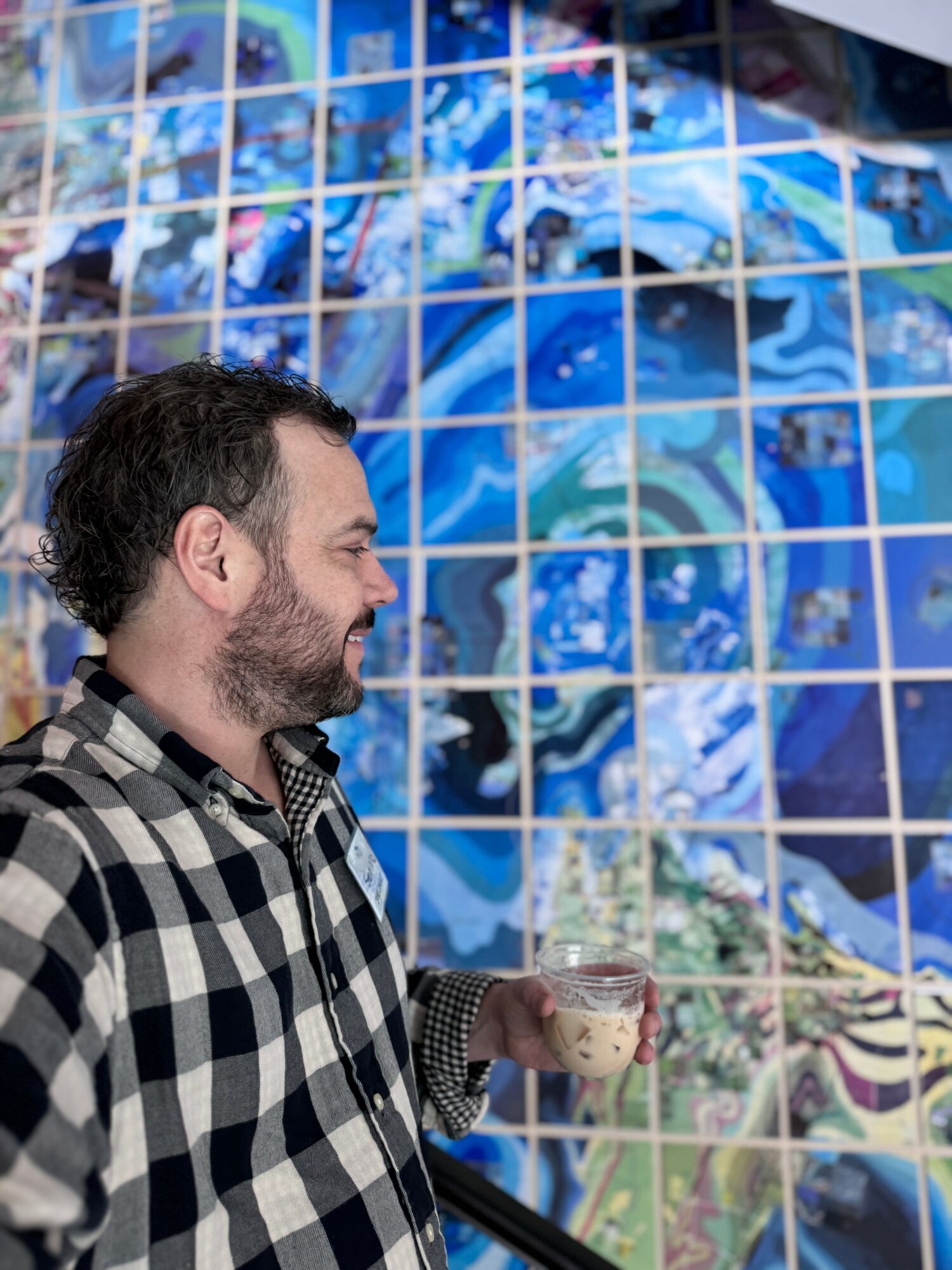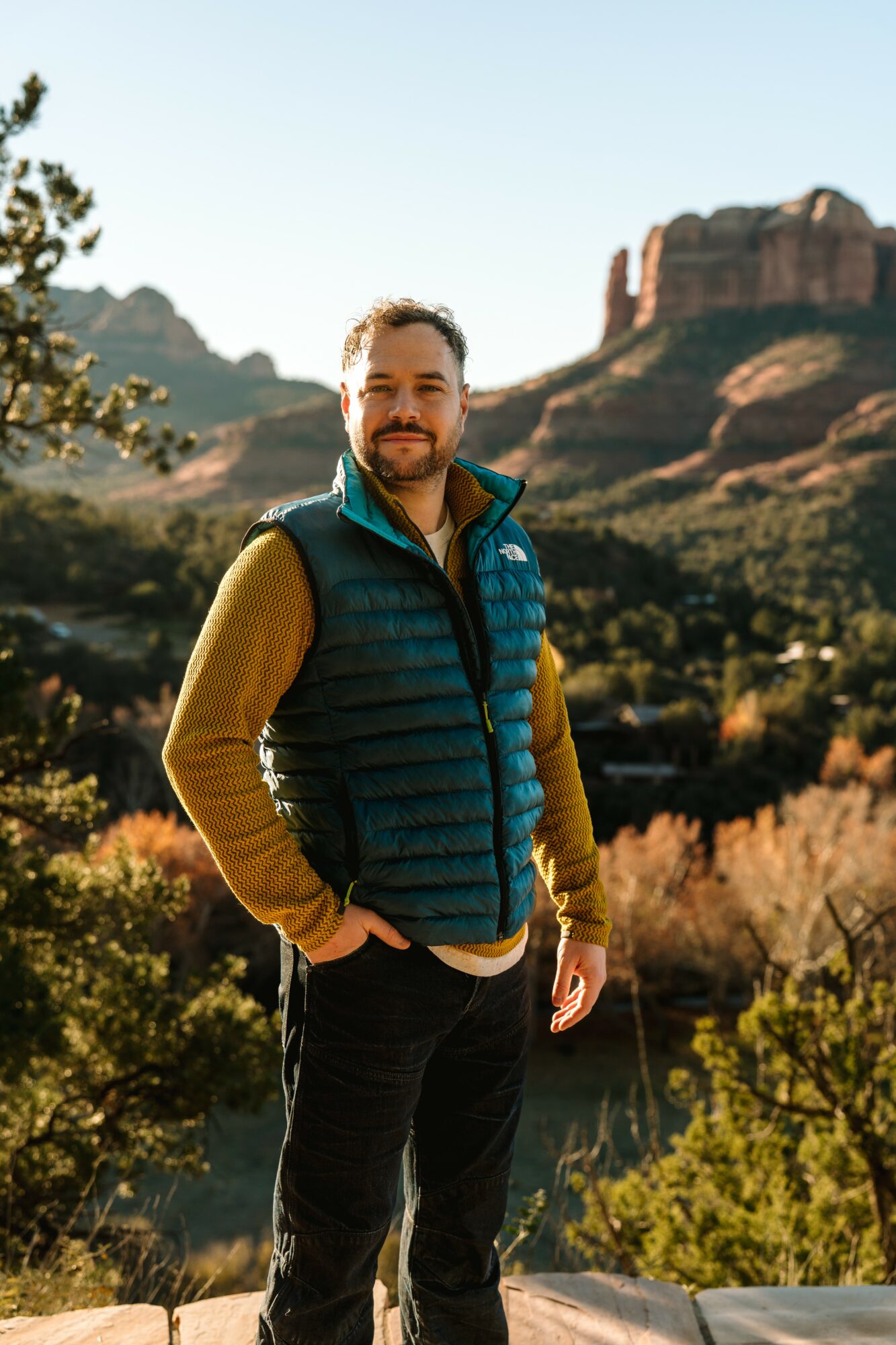





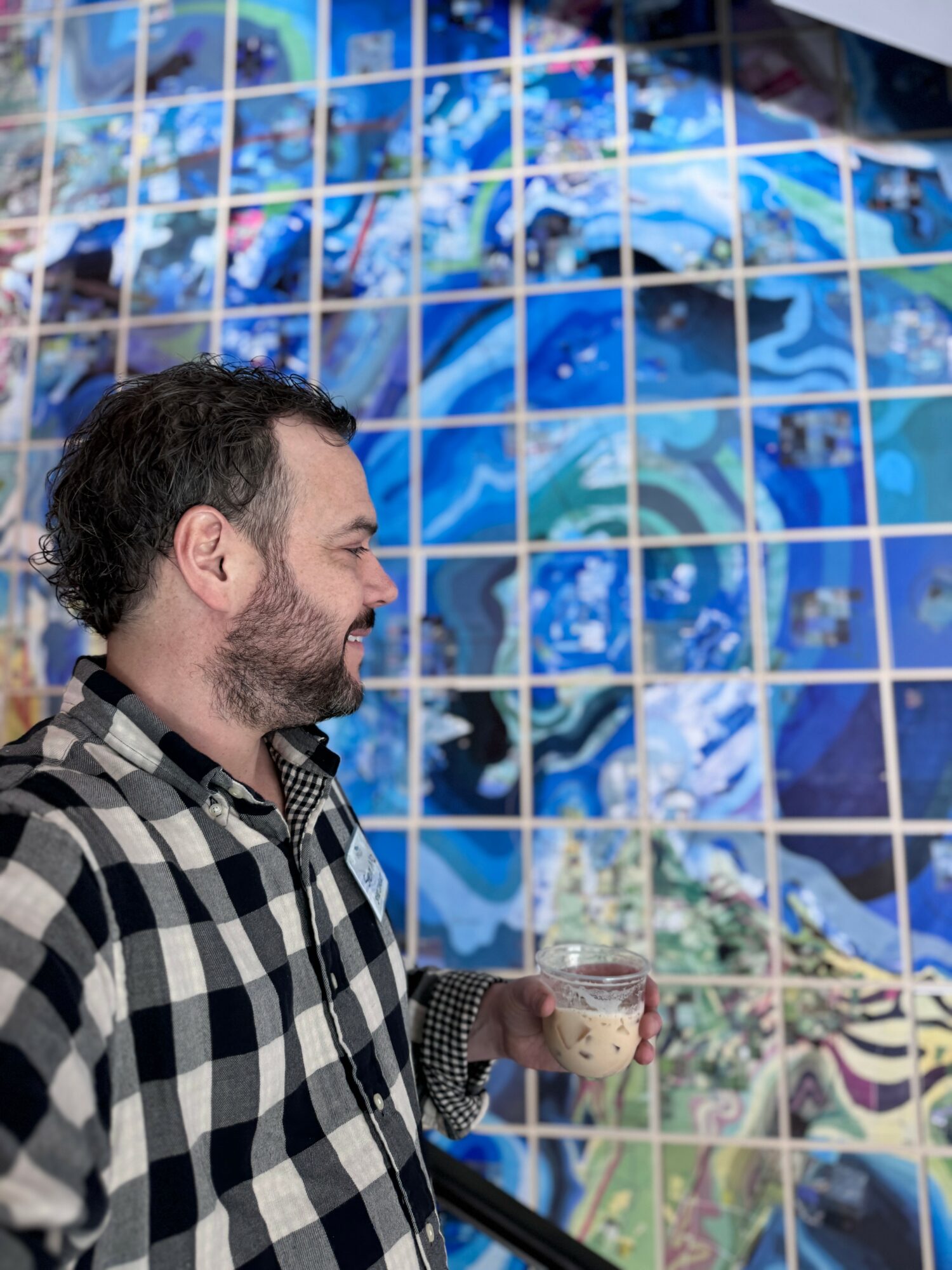
Today we’d like to introduce you to Steven McQuown.
Hi Steven, please kick things off for us with an introduction to yourself and your story.
I’ve been deeply involved in the arts for as long as I can remember. Growing up in the Chicago suburbs, the performing arts were my creative outlet and my primary connection to community. That passion led me to study musical theatre and business at Northwestern University in Evanston, IL, where I discovered that my interest extended far beyond performing. I became fascinated by every part of the arts ecosystem—from production and design to administration, technology, and the systems that help creative work reach an audience.
After college, I joined an arts marketing agency just as digital strategy was becoming an increasingly important part of how arts organizations connected with their audiences. It was an exciting time to work at the intersection of technology and culture, and I quickly found myself drawn to analytics, search, advertising, and the broader strategic questions surrounding digital engagement.
I have spent the past fifteen years helping arts organizations strengthen their online presence through analytics, advertising, search, and long-term digital strategy. Along the way, I worked with organizations ranging from local nonprofits to nationally recognized institutions, while also spending countless weekends at art fairs alongside my partner, who exhibited on the national art show circuit.
After spending time in Chicago and Minneapolis, I ultimately put down roots in Leland, Michigan, where we built our home in 2016. Living in Northern Michigan reinforced my appreciation for the incredible creative work happening outside major metropolitan areas and the importance of making those stories easier to discover.
Those experiences made me realize something that stayed with me for years: the organizations and artists who could benefit most from strong digital strategy often had the least access to it. I began asking how the tools being used by major institutions could be adapted for individual artists, small organizations, and creative communities, making them more accessible.
Today, my work sits at the intersection of digital strategy, cultural documentation, and community building. Through projects like GreatLakes.art (http://www.greatlakes.art/) and Cultural Strata (https://culturalstrata.org/), I’m working to build a more durable cultural internet—one that doesn’t simply promote creative work, but also preserves it, connects it, and makes it more discoverable over time.
Whether I’m documenting artists, experimenting with new approaches to online engagement, or building tools that strengthen our cultural infrastructure, I’m ultimately driven by the same idea: meaningful creative work deserves the opportunity to be found, regardless of someone’s marketing budget or digital expertise. I hope my work helps leave behind a richer cultural record for the people who come after us.
I’m sure it wasn’t obstacle-free, but would you say the journey has been fairly smooth so far?
It has not been a completely smooth road. For most of my career, I’ve balanced consulting for clients with building my own ideas on the side. I’m intentionally a small operation, supported by a part-time assistant, so every new project has to compete for the same limited resource: time. That constraint has forced me to become incredibly intentional about where I invest my energy and to build systems that let me accomplish more in the time I have.
Another challenge has been that much of my work today doesn’t fit neatly into an existing category. Projects like GreatLakes.art aren’t traditional businesses, nonprofits, or media companies—they’re experiments in building digital infrastructure for artists and cultural communities. That means I’m often testing ideas without knowing exactly which ones will resonate. Some projects gain traction immediately, while others quietly teach me what doesn’t work. I’ve come to see those experiments as an essential part of the creative process rather than something to avoid.
Perhaps the biggest lesson has been learning to embrace iteration; I now aim to share ideas before they feel finished and to build something tangible before trying to perfect it. I’ve learned that meaningful progress comes from putting thoughtful ideas into the world, listening carefully, and continually improving them. That mindset has shaped nearly everything I build today.
Thanks – so what else should our readers know about SMQ Consulting // GreatLakes.Art?
At its core, my work is about helping meaningful creative work become easier to discover, better connected, and more likely to endure over time. For the past fifteen years, I’ve worked as a digital strategist through SMQ Consulting (https://www.smqconsult.com/), specializing in arts and cultural organizations and helping clients improve everything from digital analytics and search visibility to advertising and long-term digital strategy. That consulting work continues today, but over the past few years it has evolved into building public-interest tools and digital infrastructure to address many of the challenges I’ve seen repeatedly throughout the cultural sector. Much of my work today focuses less on individual campaigns and more on building systems that continue creating value long after they’re launched.
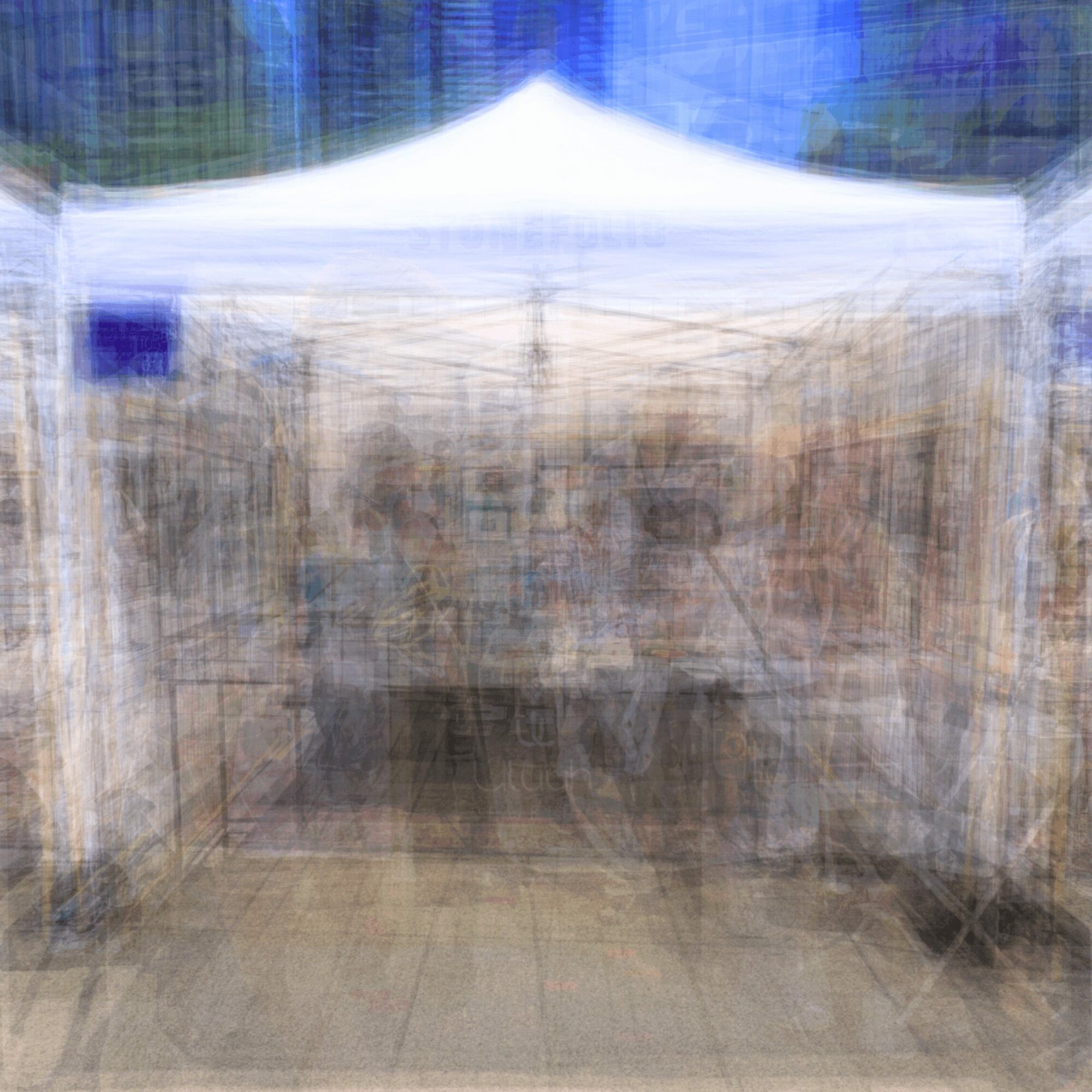
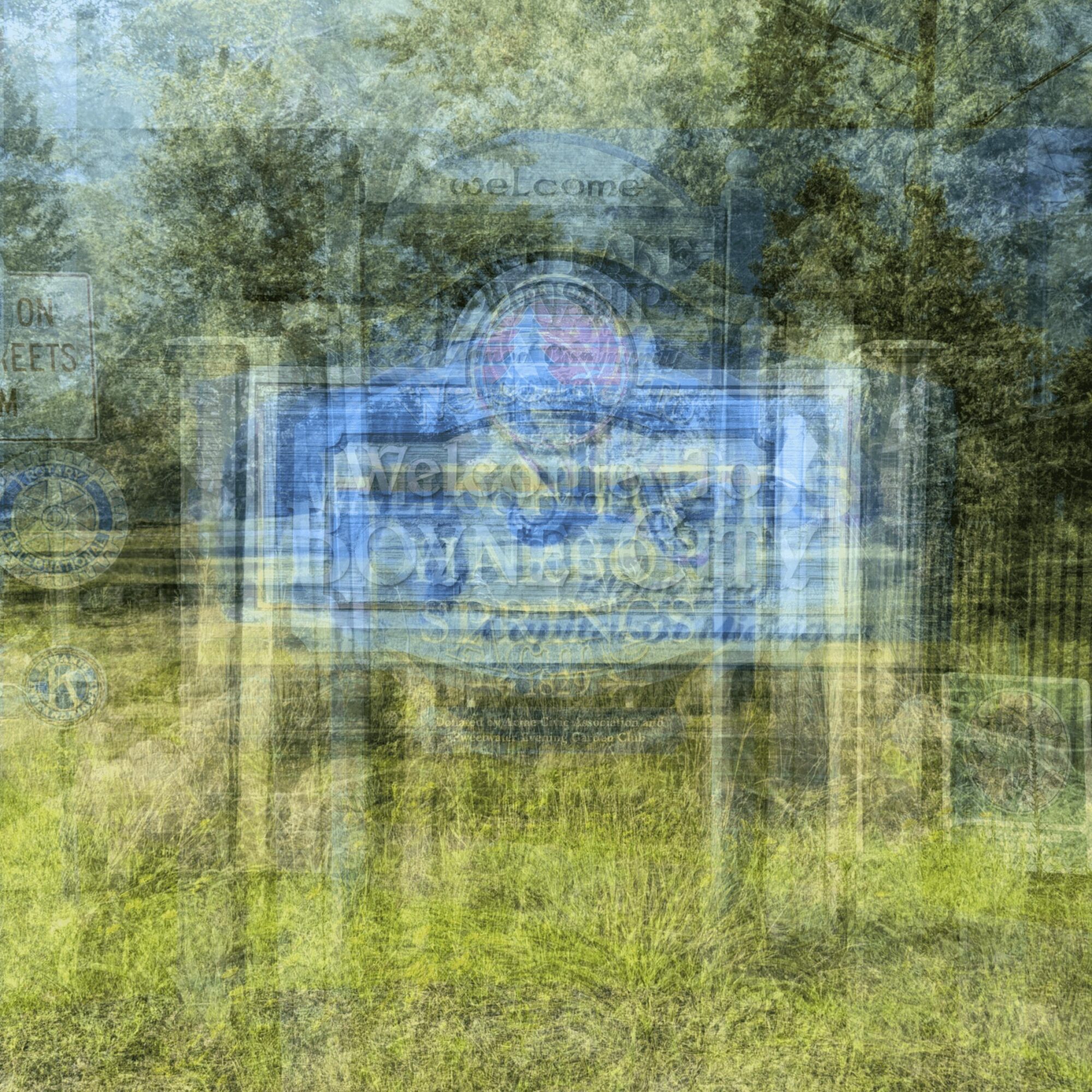
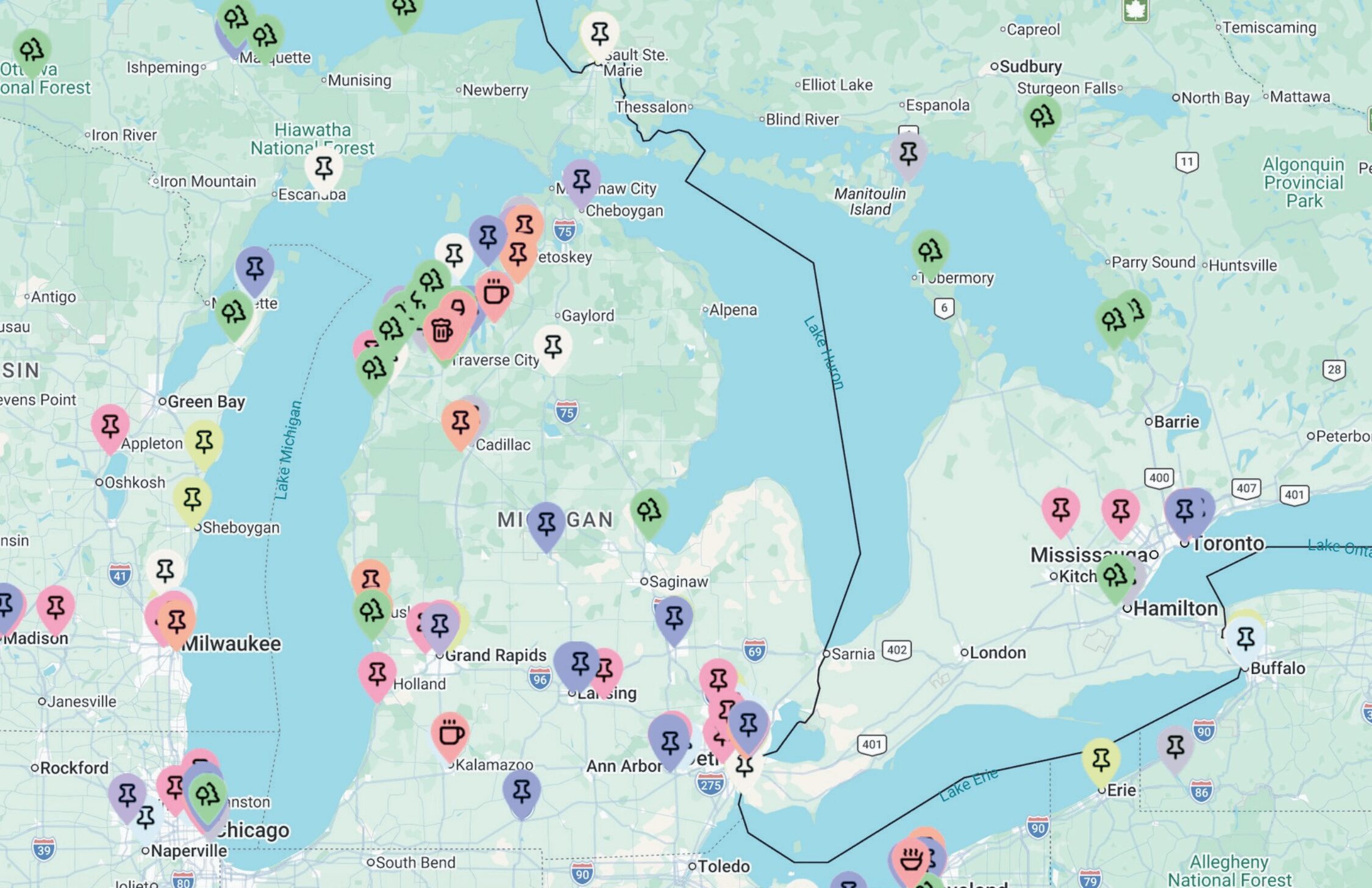
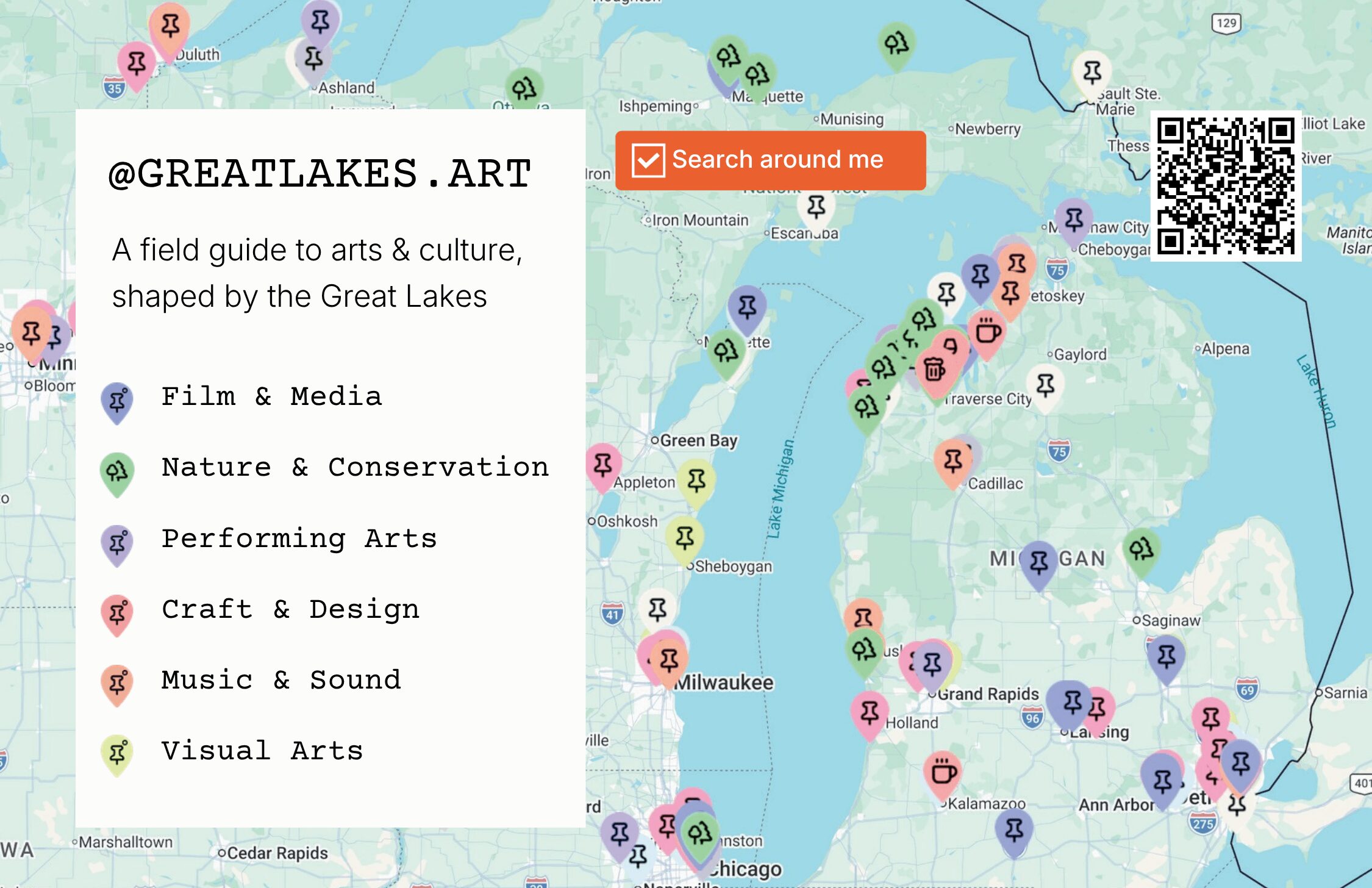
GreatLakes.art is one example of that approach. It began as a regional field guide to artists, arts organizations, events, and creative places throughout the Great Lakes, but it’s also become a living laboratory for testing new ideas about cultural discovery, community participation, and digital engagement. Through initiatives like Attention Grants, Field Notes, Average Objects, and other ongoing experiments, I’m constantly asking how we can make it easier for people to find, support, and connect with the creative communities around them.
Those ideas have grown into a broader initiative I call Cultural Strata, which explores what I describe as “the cultural internet.” I’m interested in the systems that influence what creative work gets seen, remembered, and preserved online—and what quietly disappears. Some of that work looks like research, some looks like digital strategy, some looks like documenting artists and places, and some takes the form of experimental digital projects that test entirely new ways of engaging with culture. What ties it all together is a simple belief: every artist, organization, and community contributes something meaningful to our collective cultural record; I want to help build the cultural infrastructure that makes those stories easier to discover today and more likely to survive tomorrow.
Another extension of that mission is Optimize.Art (https://optimize.art/), a digital strategy and analytics platform designed specifically for artists and creative organizations. It distills many of the systems, frameworks, and lessons I’ve developed through years of consulting into an affordable, self-guided resource. My goal is to make streamlined digital strategy and reporting accessible to those who may otherwise not have access to it.
Let’s talk about our city – what do you love? What do you not love?
I’ve been consistently impressed and inspired by the creative and entrepreneurial energy throughout Traverse City and Leelanau County. You can see it in organizations and initiatives like the Office of Possibilities (OOPs), 20Fathoms, Creative Coast, the Boardman Review, Old Mission Culture Co., the MWMI Arts & Culture Network, The Alluvion, Grove Community Incubator, local pitch nights, and so many others. There’s a genuine willingness here to build things, support one another, and invest in the future of the region.
In truth, I originally moved here because of the natural beauty and the extraordinary commitment to conservation. I’m incredibly grateful for the work of the Leelanau Conservancy and the many other organizations and volunteers who have protected the landscapes that make this area so special. It’s rare to find a community that values both its natural and cultural assets so deeply, and I think that’s one of Northern Michigan’s greatest strengths.
As for what I like least?
I recently received a $15 parking ticket for “not backing into the parking space” in an otherwise empty lot. My sincere apologies to anyone I inconvenienced with the direction my vehicle was facing.
Contact Info:
- Website: https://greatlakes.art/
- Instagram: https://www.instagram.com/greatlakes.art/
- Facebook: https://www.facebook.com/groups/greatlakes.art
- LinkedIn: https://www.linkedin.com/in/stevenmcquown/
- Youtube: https://www.youtube.com/@CulturalStrata
- Other: https://smqconsult.com/