




Today we’d like to introduce you to Justin Dillard.
Hi Justin, so excited to have you with us today. What can you tell us about your story?
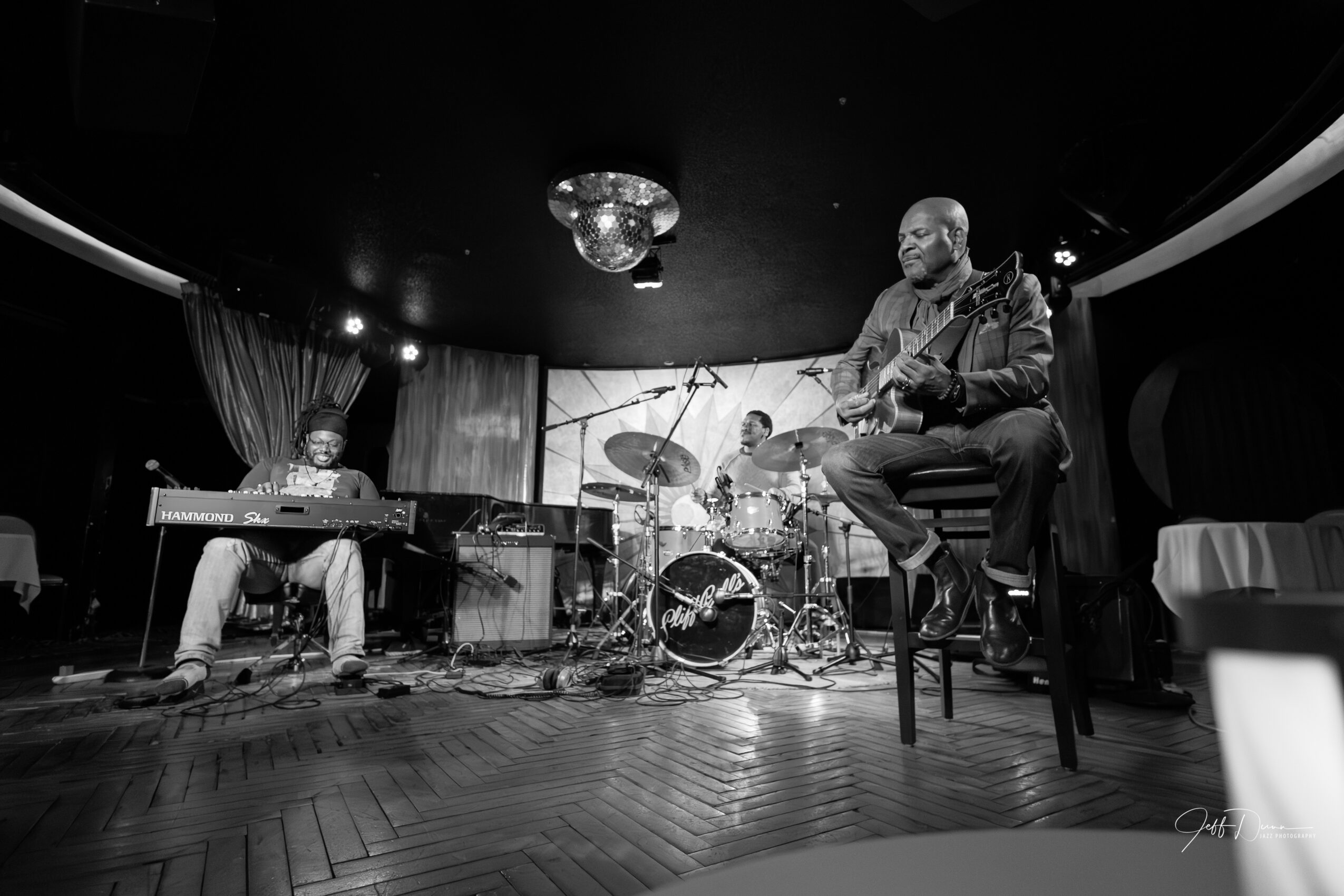
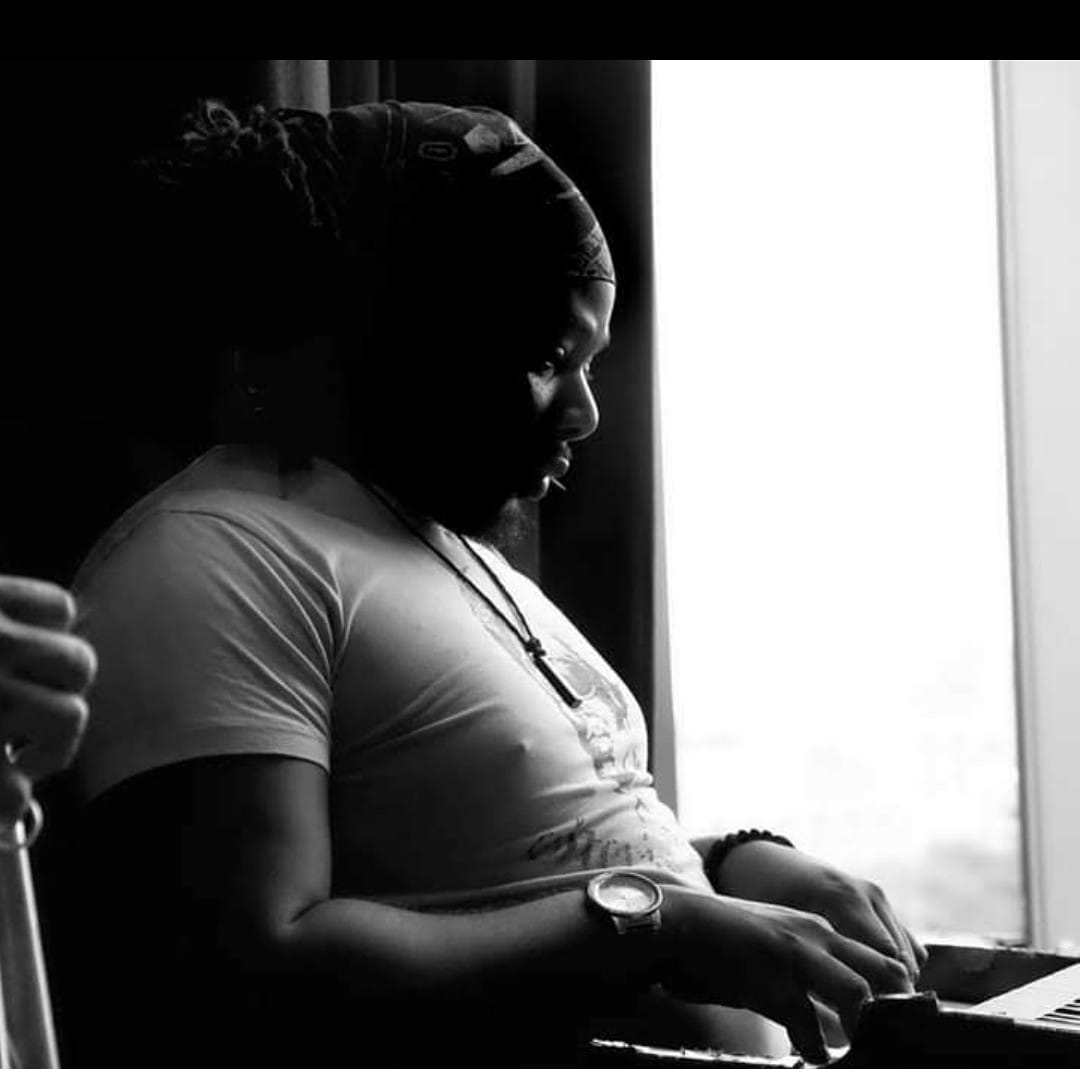
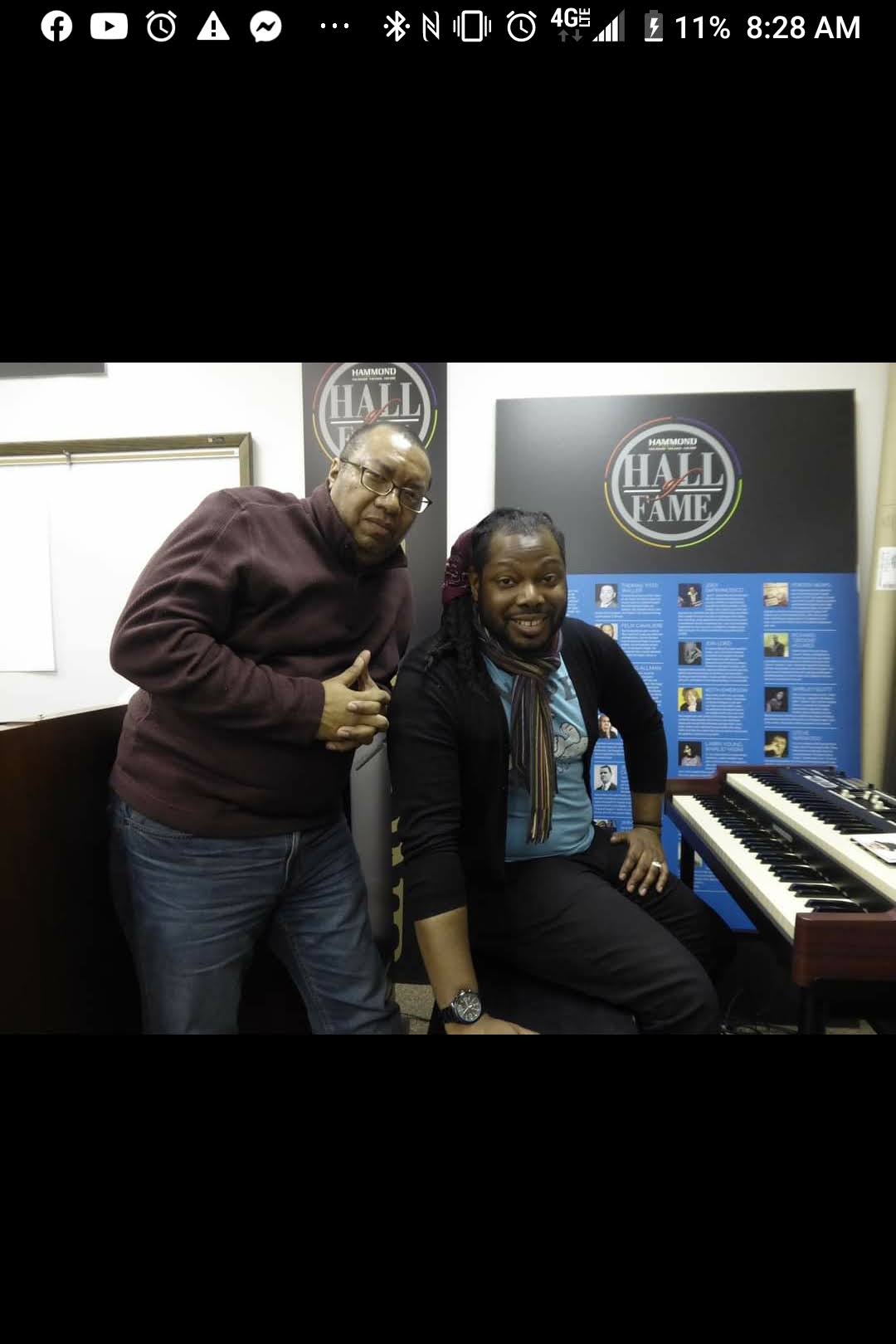
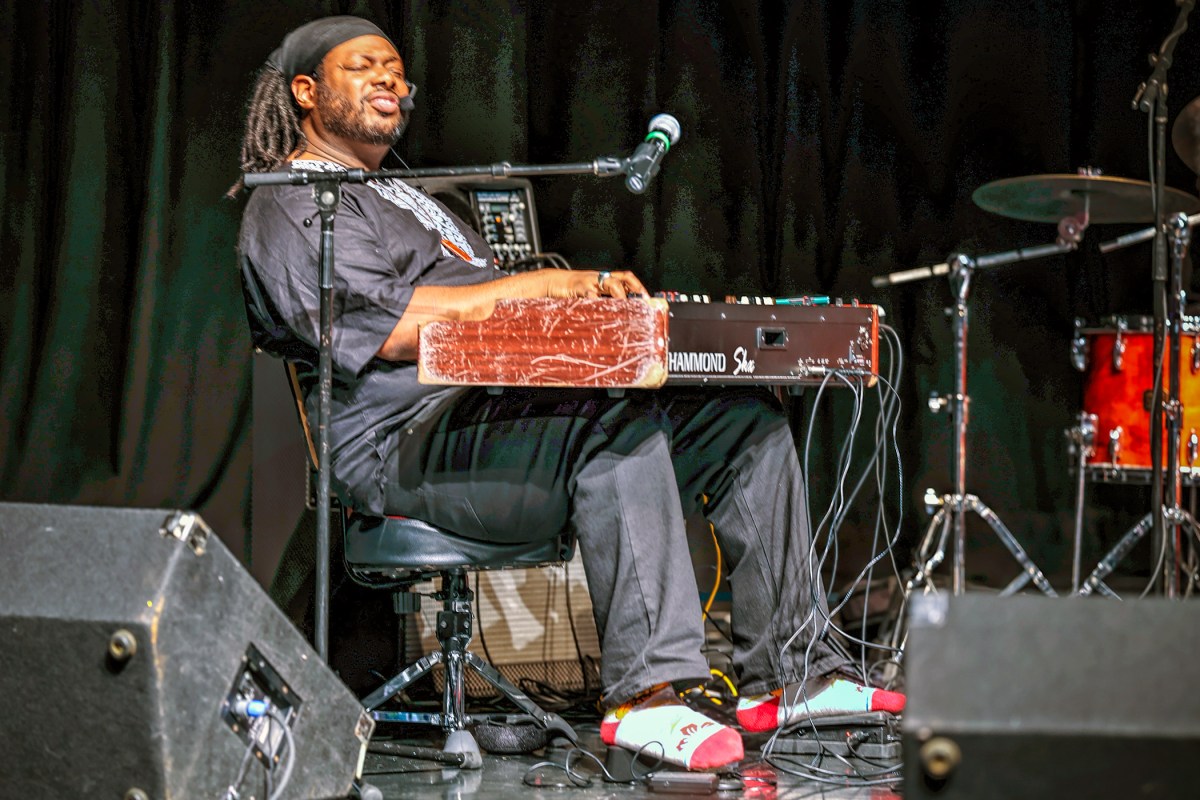
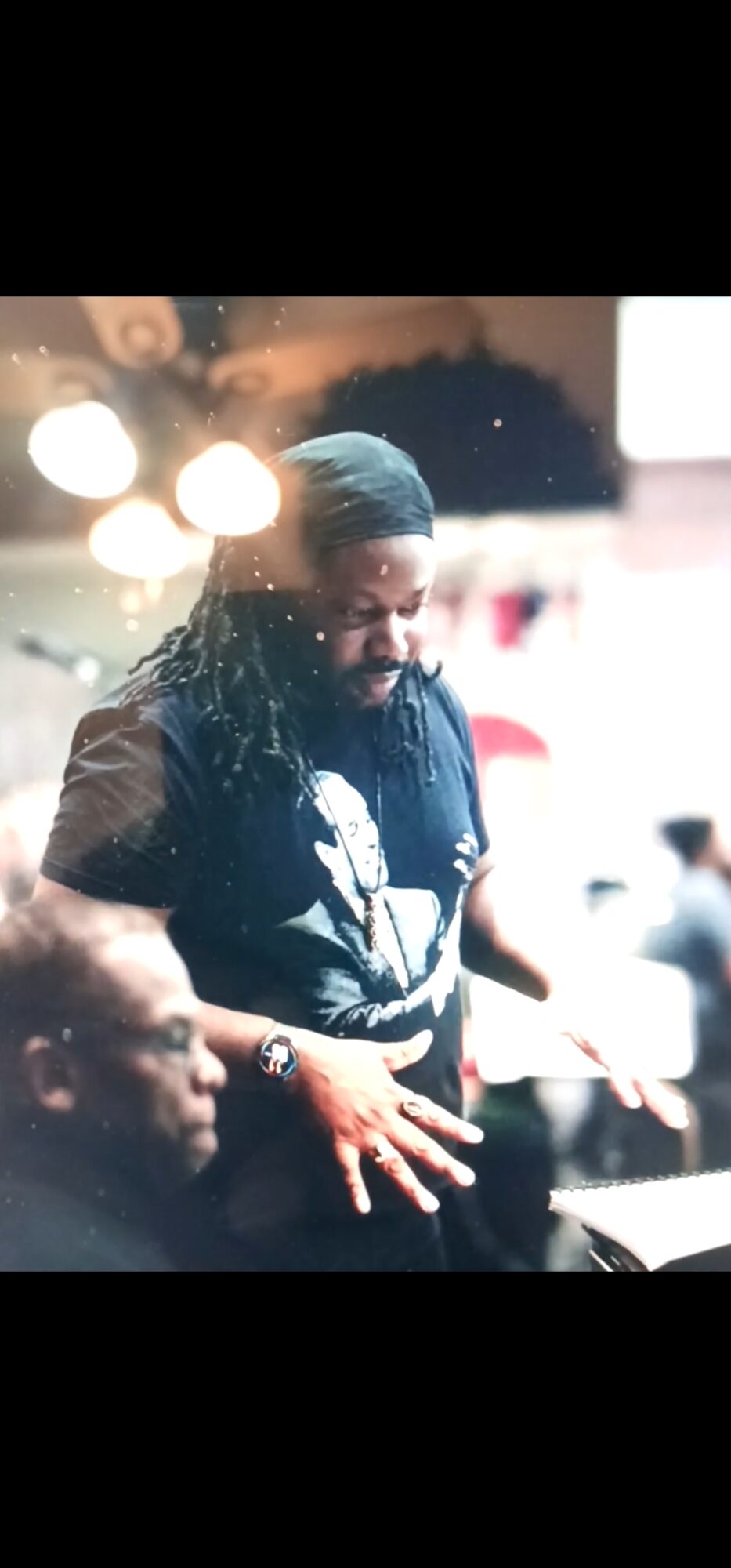
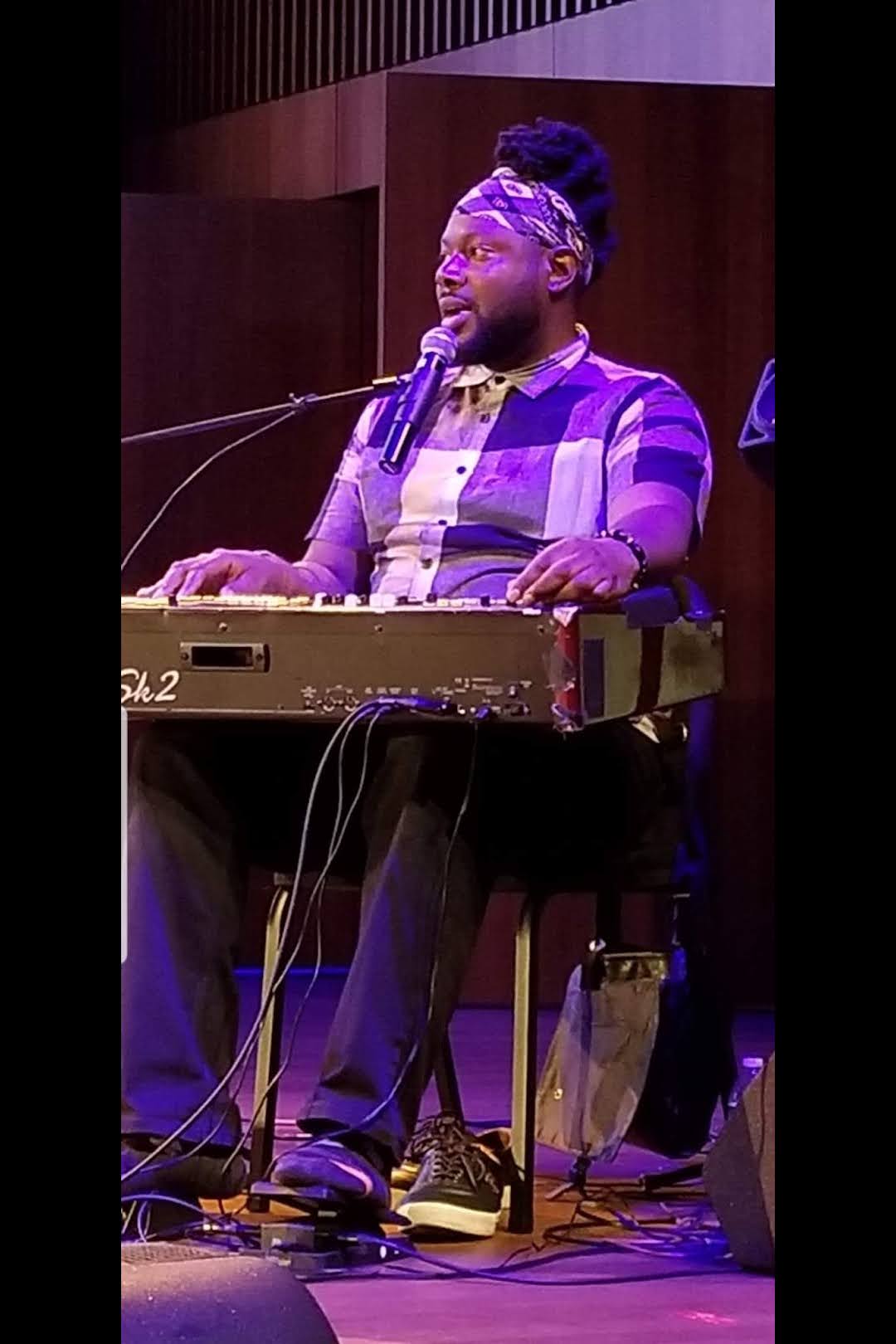
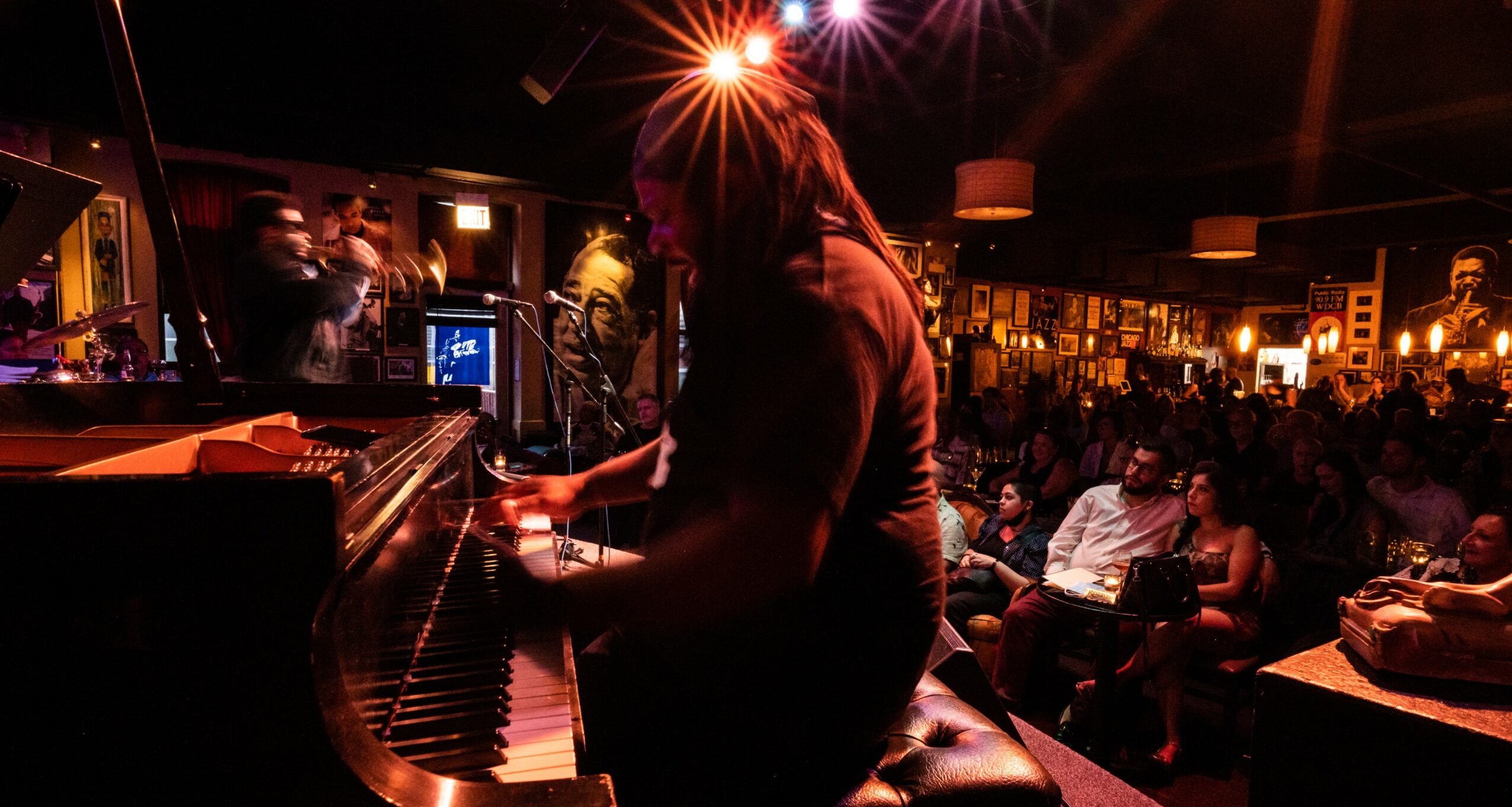
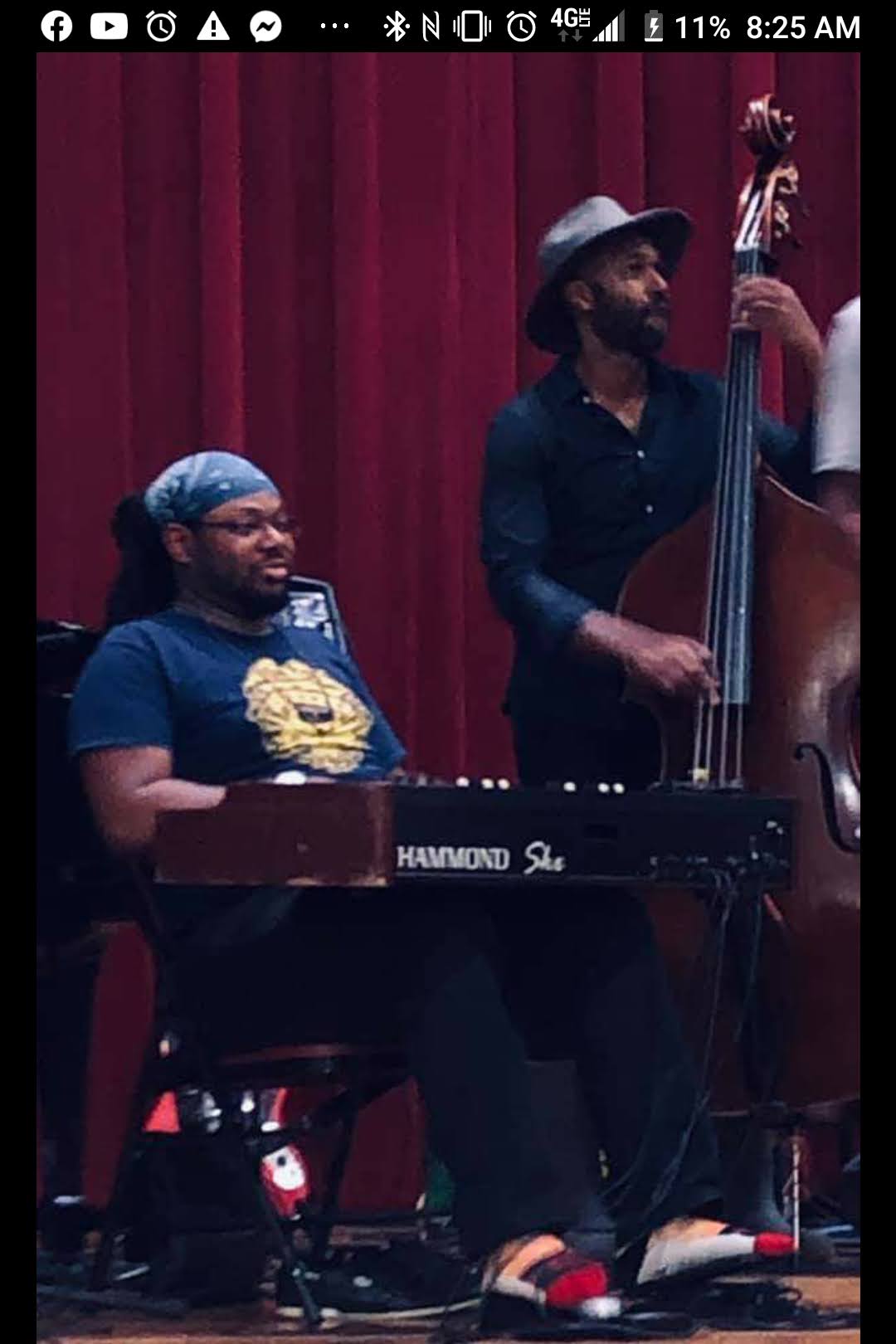
Born and raised on the Westside of Chicago, I got my start on piano while being discovered by Barbara Suggs Mason at Julian Jr. High School playing piano before choir rehearsal. Seeing the potential she informed my mother and a casio keyboard was purchased. In high school, I was introduced to my late piano teacher Dave Gessner via the Steckman Studio of music. After attending Vandercook College of Music, I was told about The Velvet Lounge(owned by the late Fred Anderson) by Kobie Watkins, where I met all my mentors. I became an endorsed Hammond Organ artist not long after college and the rest is history.
Alright, so let’s dig a little deeper into the story – has it been an easy path overall and if not, what were the challenges you’ve had to overcome?
The main struggles were me not having a car for a long time. Especially being a pianist with equipment to schlep around. It became harder after I began playing organ because my amp got bigger to account for the bass. Sometimes having to make 2 trips to and from the venue on public transportation just to make the gig. Many times I was broke with holes in my shoes. Walking to jam sessions way across town at 2am during Chicago winters in sometimes dangerous neighborhoods with my keyboard in tow to play one song; two if I was lucky. Then, back across town to get home. I’d walk miles with my equipment on a dolly to gigs. Sometimes I had to carry my amp, which was around 50lbs for miles at a time. There were no ubers back then; and a taxi cost half the gig money I was gonna make. So I did what I had to do. Hazing by the elders was par for the course, but nothing too extreme. There are some stories though… The biggest issue was figuring out who we were as people first, and then musicians, and how we fit into this music. Like Miles said, “It takes a long time to sound like yourself.”
Alright, so let’s switch gears a bit and talk business. What should we know about your work?
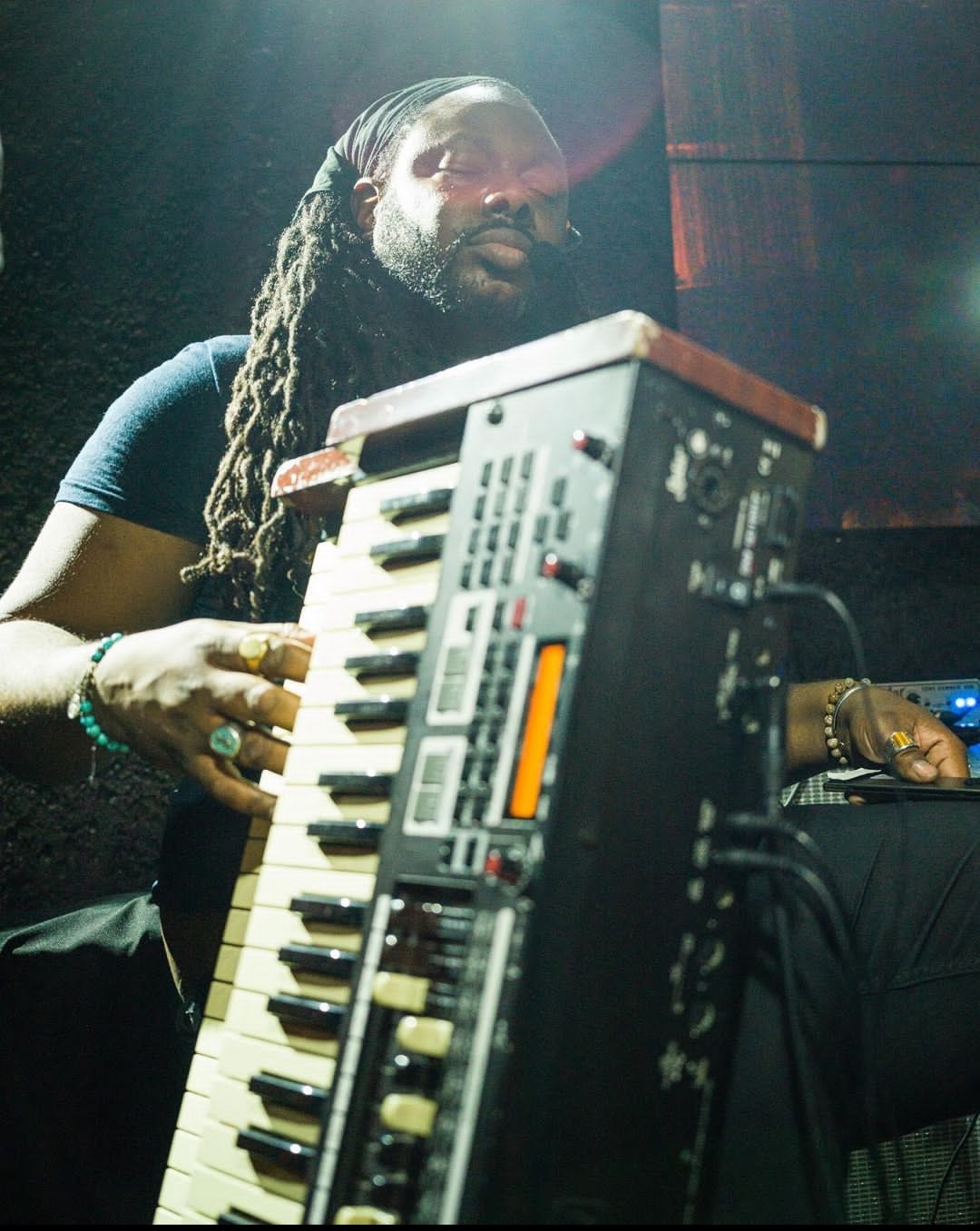
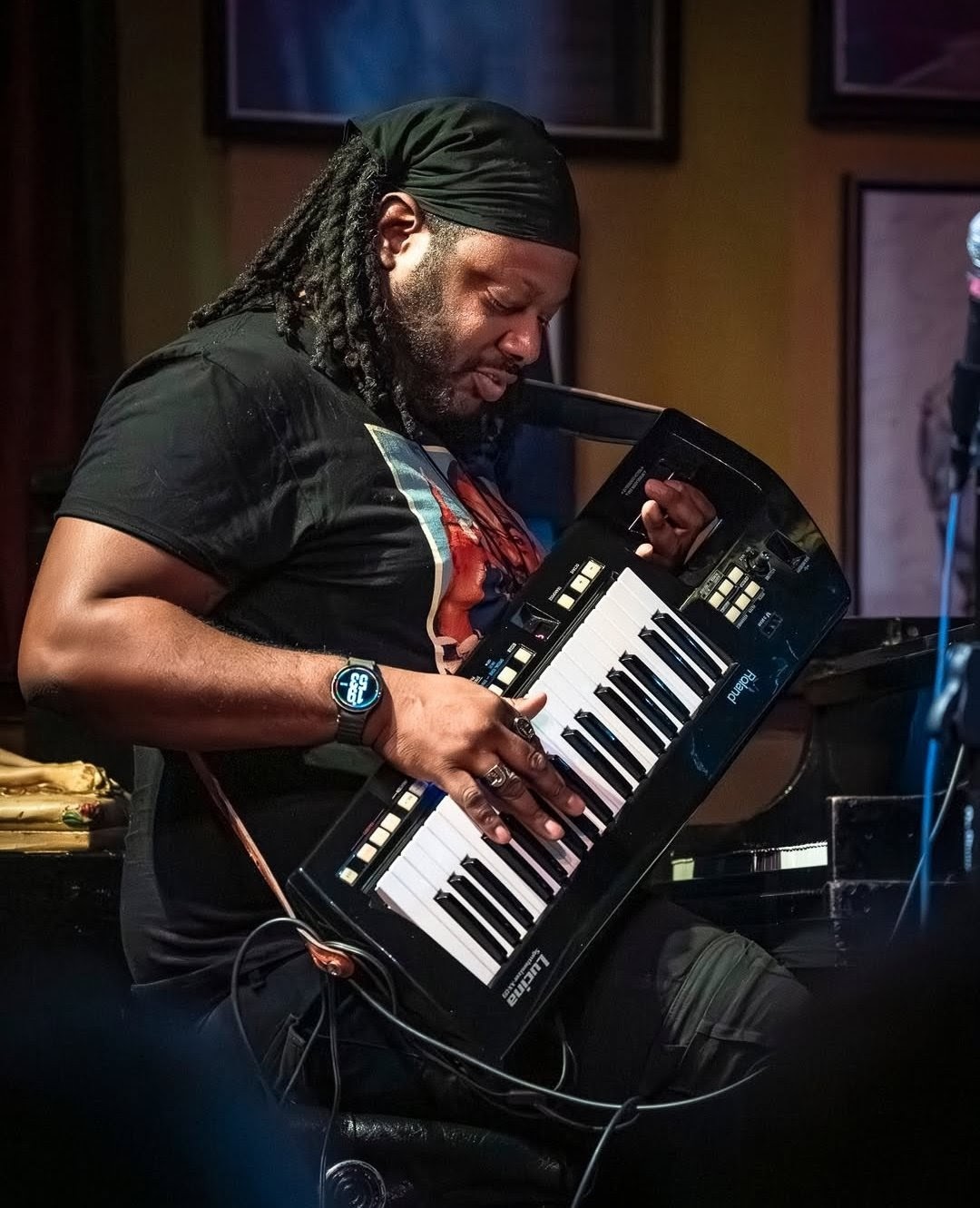
The biggest thing Im known for as a keyboardist is my organ work. I was always a great keyboardist. I found my calling when I began playing organ though. It was born out of necessity and scarcity. I couldn’t find suitable bass players, as the top people I usually played with were always working, as they should be. So I took matters of the bass into my own hands, pun intended. My best friend Junius Paul was one of the most sought after bassists at the time, and after sitting next to him for years, I knew how bass was supposed to sound. So I started my organ journey after having to deal with too many B and C list bass players, and became an A list bass player with my left hand. I’ve gotten the seal of approval from pretty much every bass player that I admire in Chicago. Fooling many people who, sight unseen, couldn’t tell there wasn’t a bass player present. Something I take great pride in. I still get those accolades today. The independence it takes to do what I do is what most organ players don’t have. I have to give credit to Stevie Wonder first and foremost for expanding what left-hand bass could do. Of course Bernie Worell. Joey DeFranscesco was the first organist I heard have some nice bass chops on organ, then I heard my to be mentor the late Dr. Lonnie Smith, and that’s all I needed to hear. Everybody else was null and void. I found my cat on organ; as I found my cat on piano the late great McCoy Tyner who was also a mentor to me. I’ve been very privileged in that way. It also taught me that the organ and the piano are very different instruments. So is the rhodes and wurly and clav and so on. They all have their own language and approach. Just because you play keys, doesn’t mean you can play those instruments with the expected efficiency it requires. They’re all demanding in their own right.
What was your favorite childhood memory?
I have a bunch. Being carried into the house by my father after olive garden. Learning I could play the bassline and melody to Chameleon by Herbie Hancock simutaneously. Being inspired to play the piano in the first place by James Robinson-Parran. Learning and playing ‘Joyful Joyful’ for the choir(Sister Act 2 had just come out). Running the fastest split time for the 4×200. Traveling to see my grandma in Houston by myself(back when you could send a kid on a solo trip on the plane).
Pricing:
- The musician market has declined over the years. here I break down what the pricepoint is supposed to be for musicians today based on what the great Art Tatum made as an emerging pianist on the NY scene. Note, this information is based on what compensation he got BEFORE he made it. this was his FIRST gig in NYC. He had NOT become the Art Tatum we know and love yet. he was just a regular guy at the time getting regular wages. Rationalization: Art Tatum made a fee of $45(in addition to 2 quarts of whiskey a night [valued at $6 in 1933 which = $42 for the week]) playing a 7 day work week at The Onyx Club in NYC as the intermission pianist(His first job in NYC before he became the giant we know him to be). Thats $6.42 pay + $6 for the whiskey; which = $12.42 a day. That’s $86.94 total for the week. $86.94 in 1933 = $2,167.31 today. Divide that by 7 and that’s *$309.61 PER GIG* today. You add in all todays added costs of parking, gas to and from the rehearsal AND the gig, and we’re definitely around $350 a gig today. And we’re not even talking resume or renting a rehearsal space as the leader… So anybody one taking less than $200 a gig is DETRIMENTALLY UNDERCUTTING the scene.
Contact Info:
- Instagram: @featuringjustindillard
- Youtube: @jus10dillard