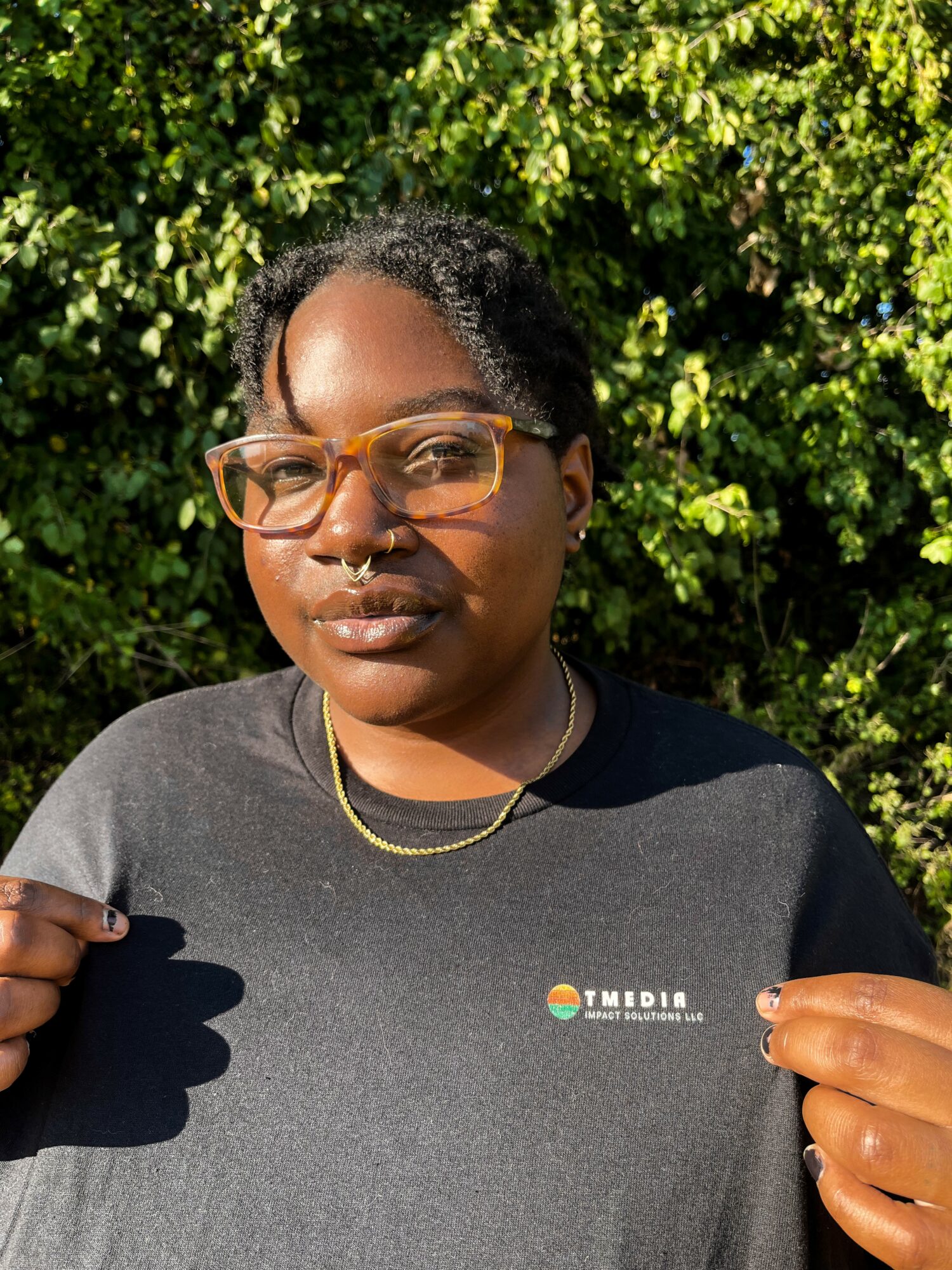





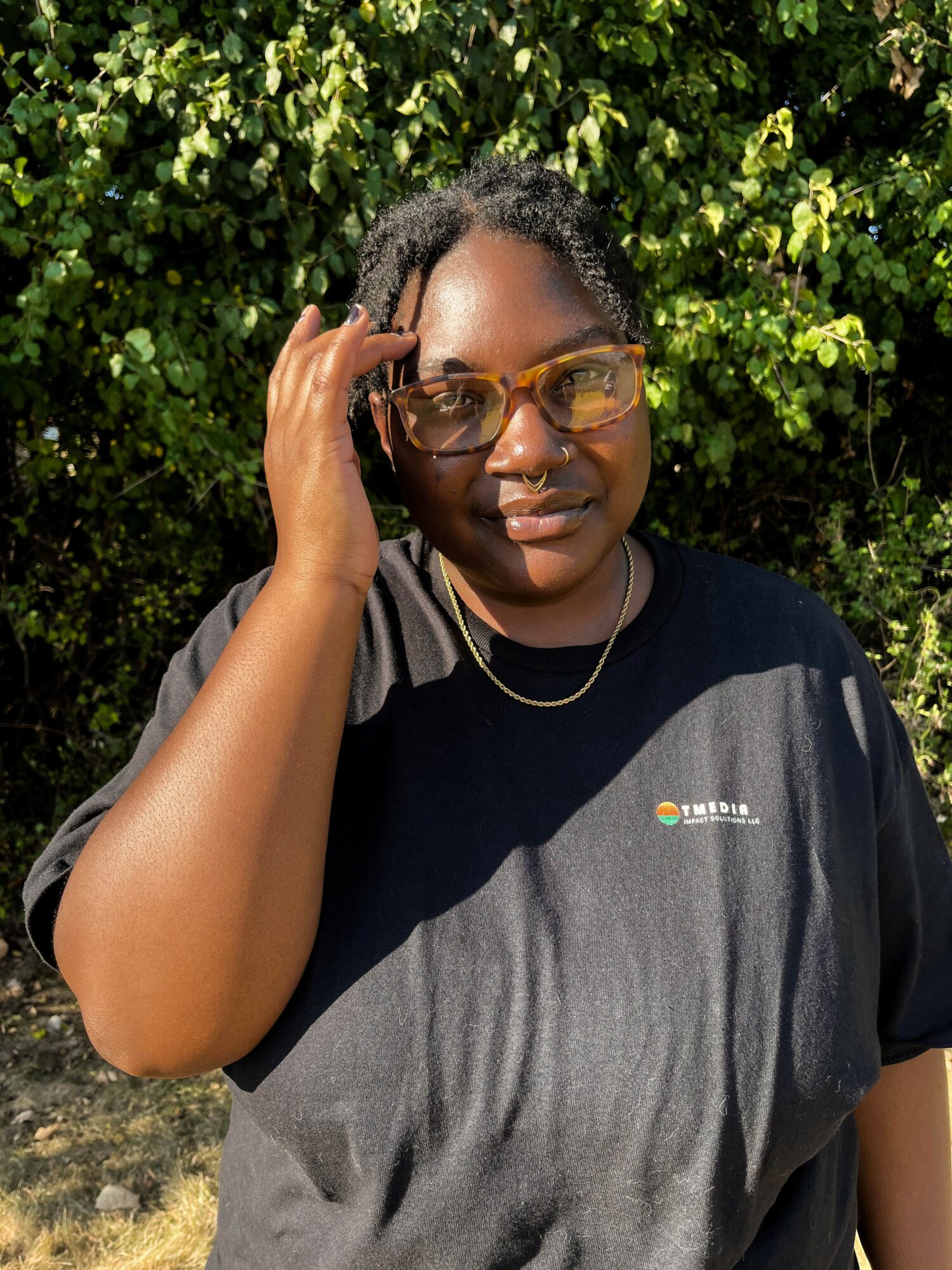
Today we’d like to introduce you to Tamarra Campbell.
Hi Tamarra, so excited to have you with us today. What can you tell us about your story?
I’ve been an independent artist in the film industry for a decade now, and early on, I completely fell in love with the business side of the craft—specifically, understanding the market. I became fascinated by the lifecycle of a project: where films move, how they hop around from platform to platform, and the strategy required to position them successfully once the cameras stop rolling.
About two years ago, I noticed a glaring gap right here in Michigan. We have incredible local artists creating truly exceptional work, but there was a severe lack of representation and distribution support to help them showcase those films to the world and demand the value they deserve. As an independent artist with a growing business, I knew how critical that missing infrastructure was, so I decided to step into that gap.
That drive became the foundation for the distribution and impact services I provide through Tmedia. My focus shifted toward ensuring that filmmakers not only make great art but also secure the representation needed to get it seen. Today, I’m proud to bridge that gap as a leader in distribution and impact work across Michigan, as well as serving as the President of the Film & Media Alliance (FMA). My journey has been about evolving from making films to building the avenues that allow local films to thrive, ensuring our artists have the high-level support they need to succeed in the broader market.
I’m sure it wasn’t obstacle-free, but would you say the journey has been fairly smooth so far?
Here is the complete, seamlessly combined response. It flows naturally from your big-picture mindset as an “explorer” right into the practical, day-to-day challenges you navigate for your clients.
Interviewer: Has it been a smooth road? If not, what were some of the struggles along the way?
Your Response:
“What exactly is a smooth road when you are actively breaking ground? I usually want to say ‘heck no,’ but the reality is that when you are building something new—especially in an industry that requires a lot of foundational work—friction is just part of the process.
This opportunity has absolutely presented challenges, but my focus has always been on creating solutions rapidly to navigate those hurdles and keep moving things forward. I look at it like being an explorer. When you are charting new territory and pushing the industry in a transformative direction, you are inevitably going to come across obstacles. They might be entirely new to you, and they might require you to think on your feet, but they are never impossible to get over or through.
If I had to break down the specific obstacles I encounter on this path, they really fall into three distinct areas: education, industry investment, and time.
First is the education of emerging artists. You have incredibly talented people who want to level up, but they are often used to their old ways or stuck in bad industry habits. I never expect an artist to inherently know the business side of filmmaking—their job is the art. So, I spend a lot of time educating them on how the market actually works so they can step into their power as professionals.
The second challenge is getting distributors to want to invest in Michigan. After not having state film incentives for years, the question from the outside is often, ‘Why invest in this community of artists now?’ I talk about value a lot. I have to constantly champion the inherent worth, the unique voices, and the high caliber of work coming out of our state to prove that our artists are a lucrative, smart investment, regardless of tax incentives.
The last major challenge is simply time. Closing a distribution deal can easily take over six months. I always have to remind filmmakers: you spent months, sometimes years, creating this film. We need to afford that same respect and time to the negotiation process. Rushing it doesn’t work because it takes time to secure the right deal and build real, long-lasting relationships that will support their careers far beyond just one project.
Great, so let’s talk business. Can you tell our readers more about what you do and what you think sets you apart from others?
“At its core, Tmedia is built to support artists who want to build truly sustainable careers. We step in as producers and consultants to fully support the film team from the ground up. Our daily work spans a wide spectrum of needs—we help raise funds, seek distribution, produce, and offer high-level strategic consulting.
What sets us apart is our focus on being a transformative force in the industry, particularly through our impact work. When we work with projects that tackle social issues, I step in as an Impact Producer. Having completed seven dedicated impact campaigns, I can tell you that this approach provides filmmakers with highly effective, alternative ways to raise funds and build deeply engaged audiences around their message.
For your readers, the biggest takeaway about our services is this: if you have a finished piece of work, our team will come alongside you to secure strategic platform placement. We know how to navigate the market to get those narratives and documentaries onto major platforms, ensuring your work actually finds its audience.
Brand-wise, what I am most proud of is our ability to provide long-term sustainability for independent artists. When artists decide to go independent, the road can be incredibly daunting. I am proud that Tmedia gives them the concrete tools, the business strategy, and ultimately, a much better outcome so they can continue bringing their creative visions to life on their own terms.”
What do you like best about our city? What do you like least?
“What I love most about our community—and really, Michigan’s creative scene as a whole—is the undeniable creative energy here. We have an incredible wealth of talent working across so many different mixed mediums. Everywhere you look, you see artists pushing boundaries, experimenting, and creating genuinely innovative work. The raw artistic material in this state is exceptional.
If there is something I like least, it’s that people do not collaborate more. There is often a tendency for artists and creators to work in silos, keeping their heads down on their own projects. While that focus is understandable, working in a vacuum ultimately limits how far a project can go.
That lack of collaboration is actually a huge part of why I do the work I do, especially through the Film & Media Alliance. I want to break down those silos. When we share resources, knowledge, and networks, everyone’s work is elevated. The talent is already here; we just need to build stronger bridges between the artists to create a truly unified, powerful, and sustainable community.”
Contact Info:
- Website: https://tmediaimpact.com
- Other: tmedisitee@gmail.com