



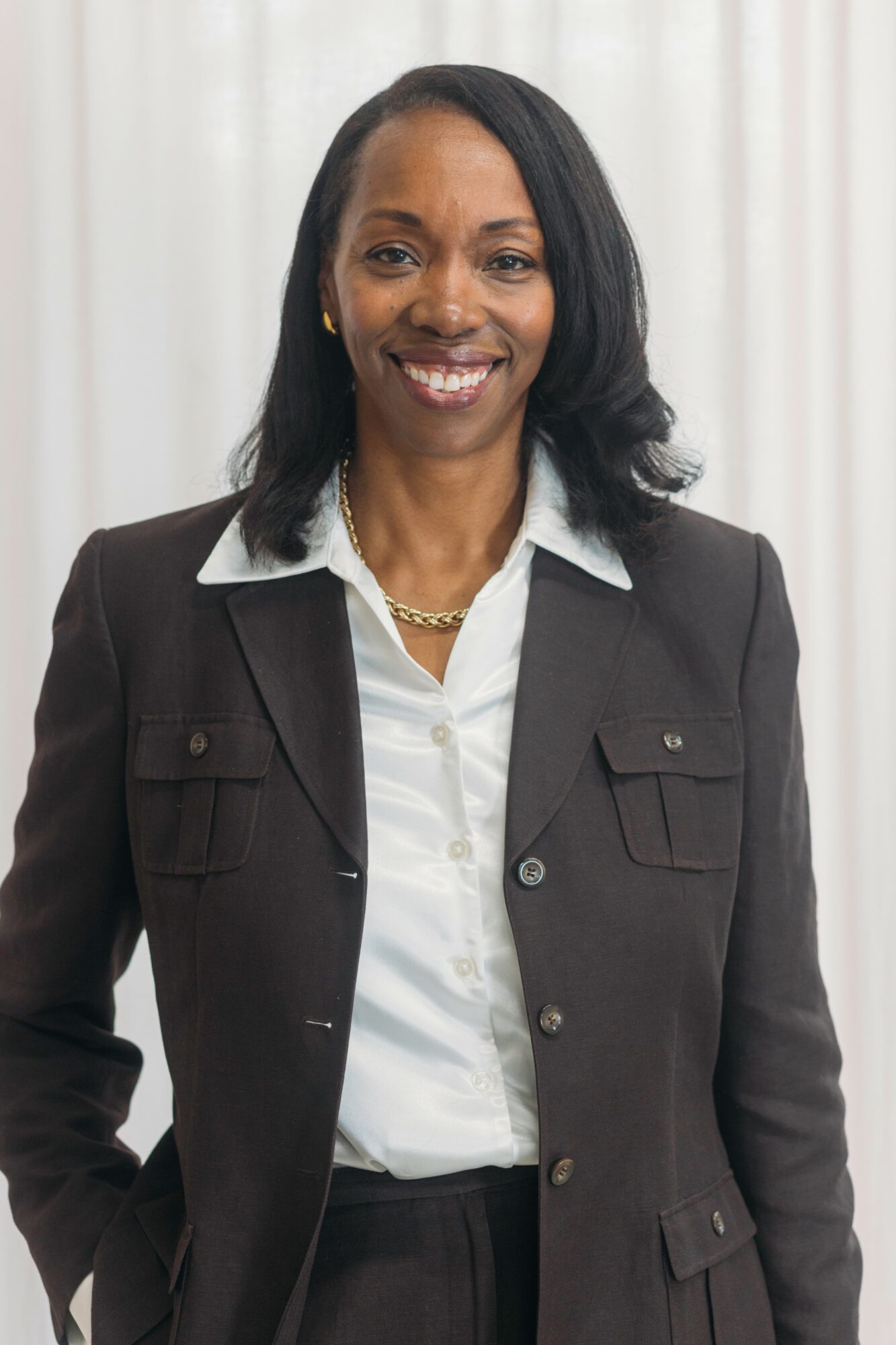
Today we’d like to introduce you to Kim Theus.
Hi Kim, we’d love for you to start by introducing yourself.
My story begins with my parents, who, as newlyweds, made the courageous choice to move from the Jim Crow South to what many called the “Jim Crow North” in search of better opportunities for our family. In Tennessee, they faced systemic barriers that barred them from purchasing property. After a year in Detroit of working small, odd jobs, my father secured a position at Chrysler, which ultimately allowed him to achieve a milestone that had been denied to them back home: purchasing our family home.
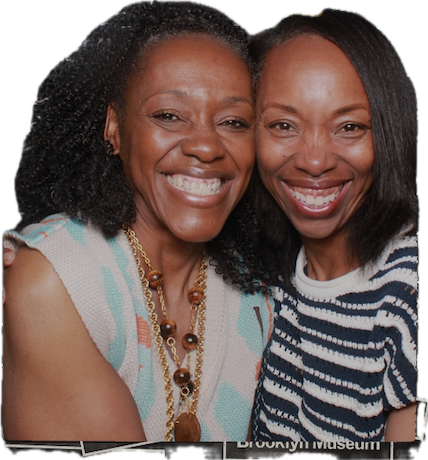
That very home is the heartbeat and inspiration behind the work my sister, Rhonda Theus, and I do today at Canfield Consortium.
When our parents passed away in 2006 and 2007, they left that home to us. At the time, I was living in New York City. As Rhonda and I spent more time back in our old neighborhood trying to figure out our next steps for the house, we were deeply saddened by the profound decline we witnessed. The vibrant community we grew up in had shifted. Many of the homes belonging to our childhood friends stood empty or had been demolished, leaving painful physical and emotional voids in the neighborhood.
However, knowing how much homeownership, building a family, and leaving a lasting legacy meant to our parents, selling the house was never an option. It was a tangible piece of our family history. We quickly realized that we weren’t alone; many of the residents who remained were legacy Detroiters living in homes passed down from parents, grandparents, or great-grandparents. Inspired to protect that collective heritage, we decided to get involved in community redevelopment.
In 2019, I made the definitive decision to move back to Detroit from NYC to focus fully on building Canfield Consortium.
Looking back, my college days majoring in marketing and philosophy prepared me for this grassroots work in ways I never anticipated. Marketing taught me to look at the positive potential in every situation and communicate a vision, while philosophy trained me to constantly question why things are the way they are. Together, these two lenses allow me to approach neighborhood stabilization not just as a structural challenge, but as a human and cultural one.
Working in grassroots community development has taught me that the answers to our most persistent issues are often simple—but simple doesn’t mean easy. It requires an unyielding commitment to do the heavy lifting. It takes time, immense persistence, and a refusal to back down. But transforming a neighborhood from the ground up isn’t impossible, and every day at Canfield Consortium, we are proving that the legacy left to us is well worth fighting for.
Alright, so let’s dig a little deeper into the story – has it been an easy path overall and if not, what were the challenges you’ve had to overcome?
The journey has certainly had its challenges, and the road has been anything but smooth. When Rhonda and I first started, our primary hurdle was securing funding. Grant funding in community development is fiercely competitive, and in those early days, we simply didn’t have the resources to hire a professional grant writer.
We quickly learned a hard truth: just presenting a “need” on paper isn’t enough to secure funding. To break through, we had to become strategic storytellers. We shifted our approach to craft a narrative that powerfully communicated our vision, honored our community, and clearly defined our goals. In those first few years, it was tough; Rhonda and I were contributing our own personal funds just to keep the momentum going. However, the harder we worked, the more passionate we became. Eventually, that raw passion and authentic storytelling began to leap off the page, leading to being awarded funding for truly transformative projects.
Another profound hurdle we encountered was navigating the deep, systemic trauma that many legacy Detroiters carry.
True community development isn’t just about rebuilding structures; it’s about restoring faith.
There were times when residents did not feel seen or heard. I quickly learned that you cannot heal decades of community trauma with a simple, boilerplate “this time is different” speech. You have to actively listen, show up, and prove your commitment through consistent, tangible actions.
Because I was living in New York City during Detroit’s toughest economic years, my lived experience was naturally different from the neighbors who stayed and endured those hardships. Striking the right balance was a delicate, emotional challenge: I had to learn to deeply respect and honor their painful experiences without allowing that collective exhaustion to diminish my optimistic vision of what our childhood neighborhood could become once again. Overcoming that gap required humility, patience, and a lot of conversations on front porches, but it has ultimately made our bond with the community unbreakable.
Appreciate you sharing that. What else should we know about what you do?
When given the choice to categorize our focus, I chose Artist/Creative over a traditional business or real estate firm. In grassroots community development, you have to be inherently creative to get things done—you are essentially looking at an empty canvas of systemic neglect and figuring out how to paint a vibrant, thriving future onto it.
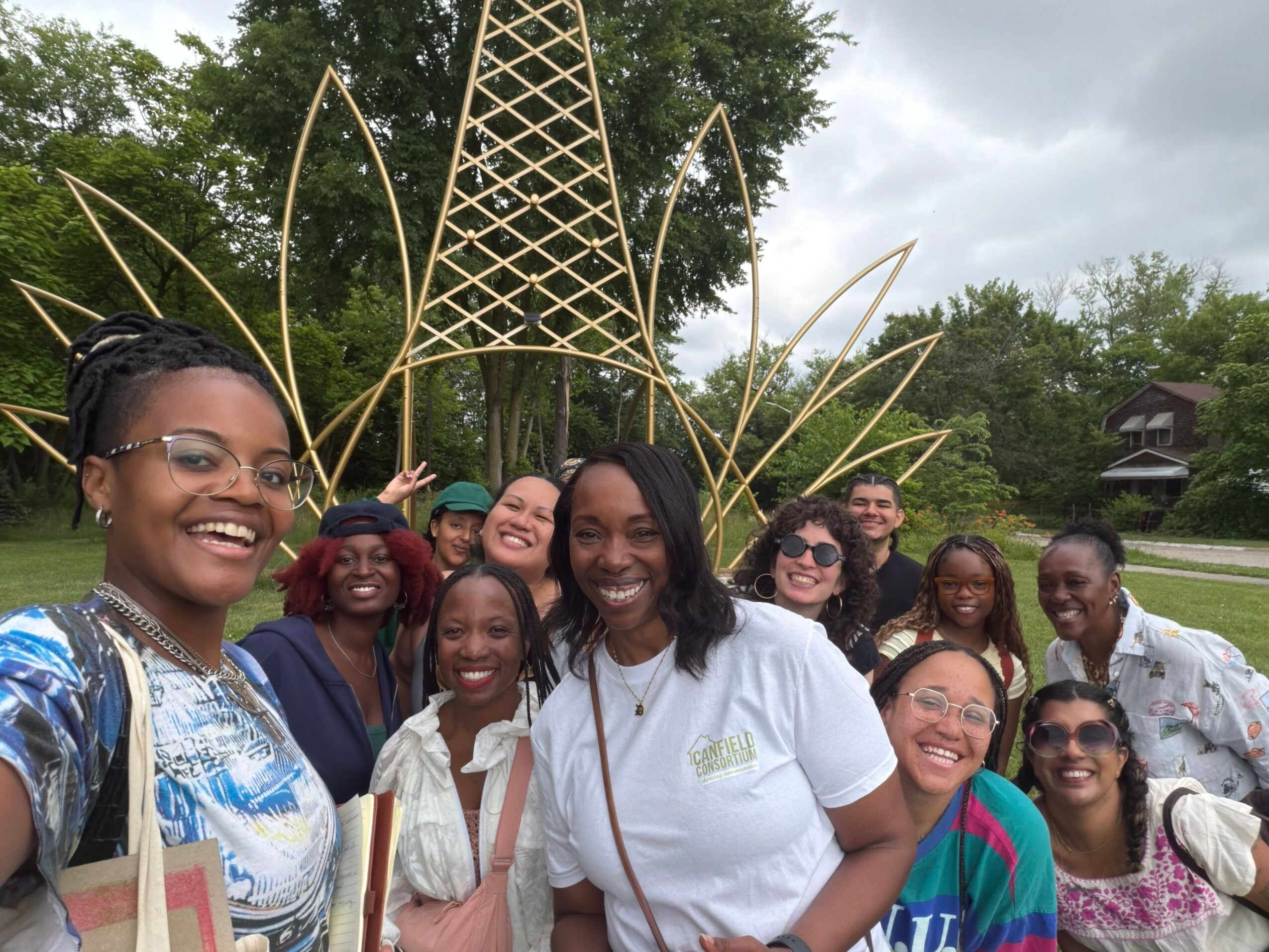
At Canfield Consortium, we use art and creative expression as a foundational pillar of community development. We specialize in neighborhood stabilization, but we do it through a cultural lens. We are known for our holistic approach to revitalizing East Canfield; we don’t just see housing and infrastructure—we see public spaces, green initiatives, and cultural preservation as interconnected pieces of a neighborhood’s identity.
What We Are Most Proud Of
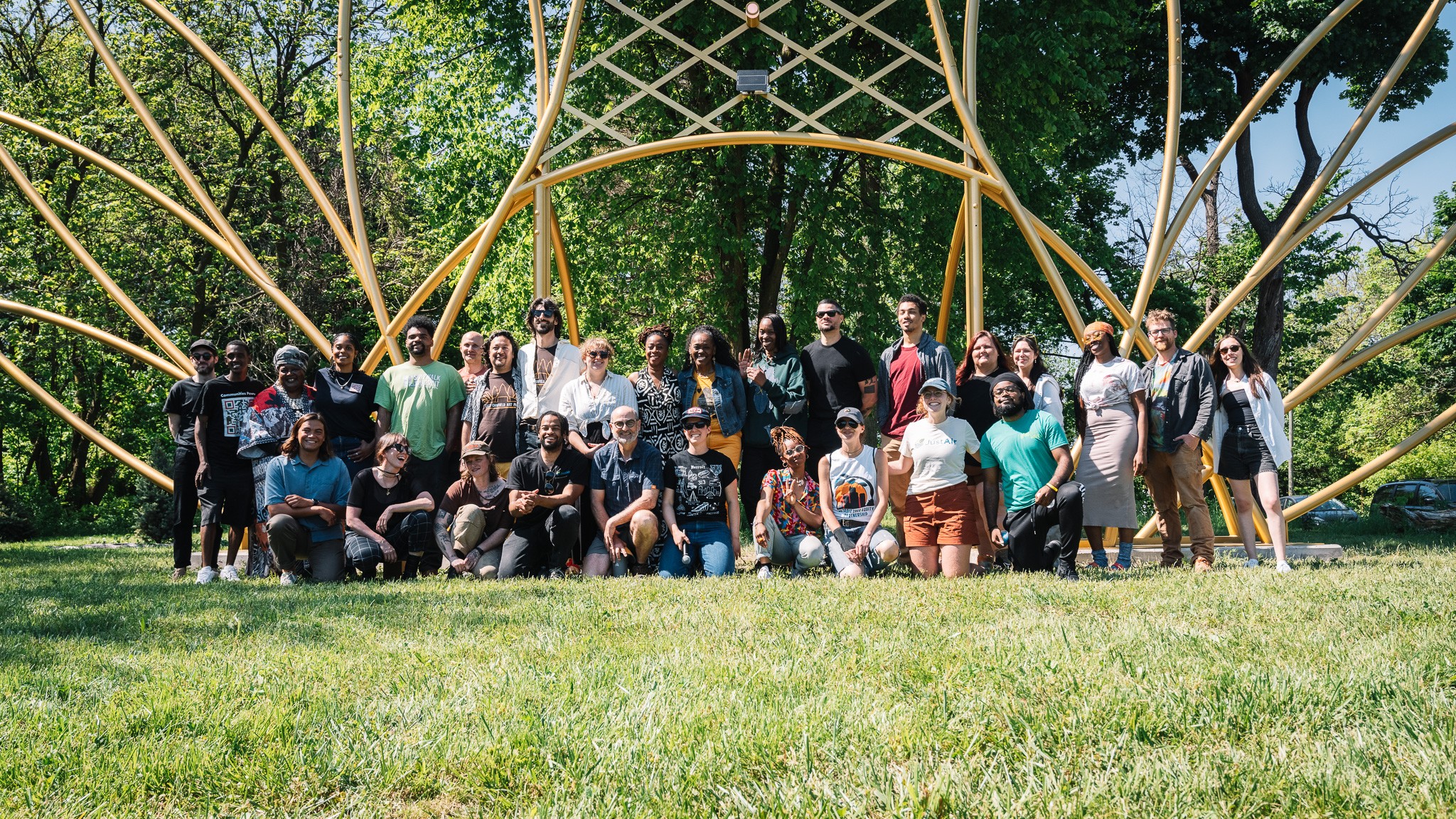
I am incredibly proud of how we have successfully married public art with neighborhood equity. One of our crowning achievements is the establishment of the East Canfield Art Park, a vibrant, community-centered green space that serves as an outdoor gallery, a gathering place, and a symbol of pride for legacy residents.
Transforming vacant, overlooked spaces into beautiful, functional sanctuaries where neighbors can connect, reflect, and celebrate their shared history is deeply rewarding. We proved that world-class art installations and beautiful public parks aren’t just reserved for downtown districts or affluent suburbs—they belong right here in East Canfield Village.
What Sets Us Apart
What truly sets us apart is our deeply personal, grassroots connection to the land we are building on. We aren’t outside developers swooping in with a cookie-cutter blueprint. This is the neighborhood where my sister and I grew up; the house we operate from is the very legacy our parents left behind.
Because we see our work through a creative and philosophical lens rather than just a financial spreadsheet, we prioritize the people just as much as the property. We define success not by how quickly we can flip a block, but by how effectively we can protect and uplift the legacy Detroiters who have anchored this community for generations. We are transforming our community from the inside out, proving that with a little creativity and a lot of heart, the answers to our neighborhood’s future are already within us.
We all have a different way of looking at and defining success. How do you define success?
For us, success is about changing the narrative. For a long time, outsiders looked at our neighborhood and saw only deficit. They had low expectations and prescribed a very narrow, restrictive box for how a small, grassroots organization like ours was “supposed” to operate.
We completely rejected that. We chose to do the exact opposite.
We don’t think small, and we refuse to treat our neighborhood with a poverty-mindset. Success isn’t about simply placing temporary band-aids on deep, systemic issues. It is about implementing bold, permanent, and beautiful solutions that restore dignity to the space and its people.
True success isn’t measured in dollar amounts or the number of lots cleared. It is measured in the emotional and psychological shift of our community.
When we look out and see legacy residents actively smiling, enjoying the new improvements, and gathering in spaces that were once forgotten, that is success. When we look at the faces of our neighbors and see that the generational trauma is giving way to joy, hope, and an optimistic outlook for the future—that is the ultimate victory. We are not just rebuilding a neighborhood; we are restoring a community’s right to dream big.
Contact Info:
- Website: https://www.canfieldconsortium.org/
- Instagram: https://www.instagram.com/canfieldconsortium/
- Facebook: https://www.facebook.com/canfieldstreet
- Youtube: https://www.youtube.com/channel/UCabLhsImOxOddb6EDO8Corw