




Today we’d like to introduce you to Cass Holowicki.
Cass, we appreciate you taking the time to share your story with us today. Where does your story begin?
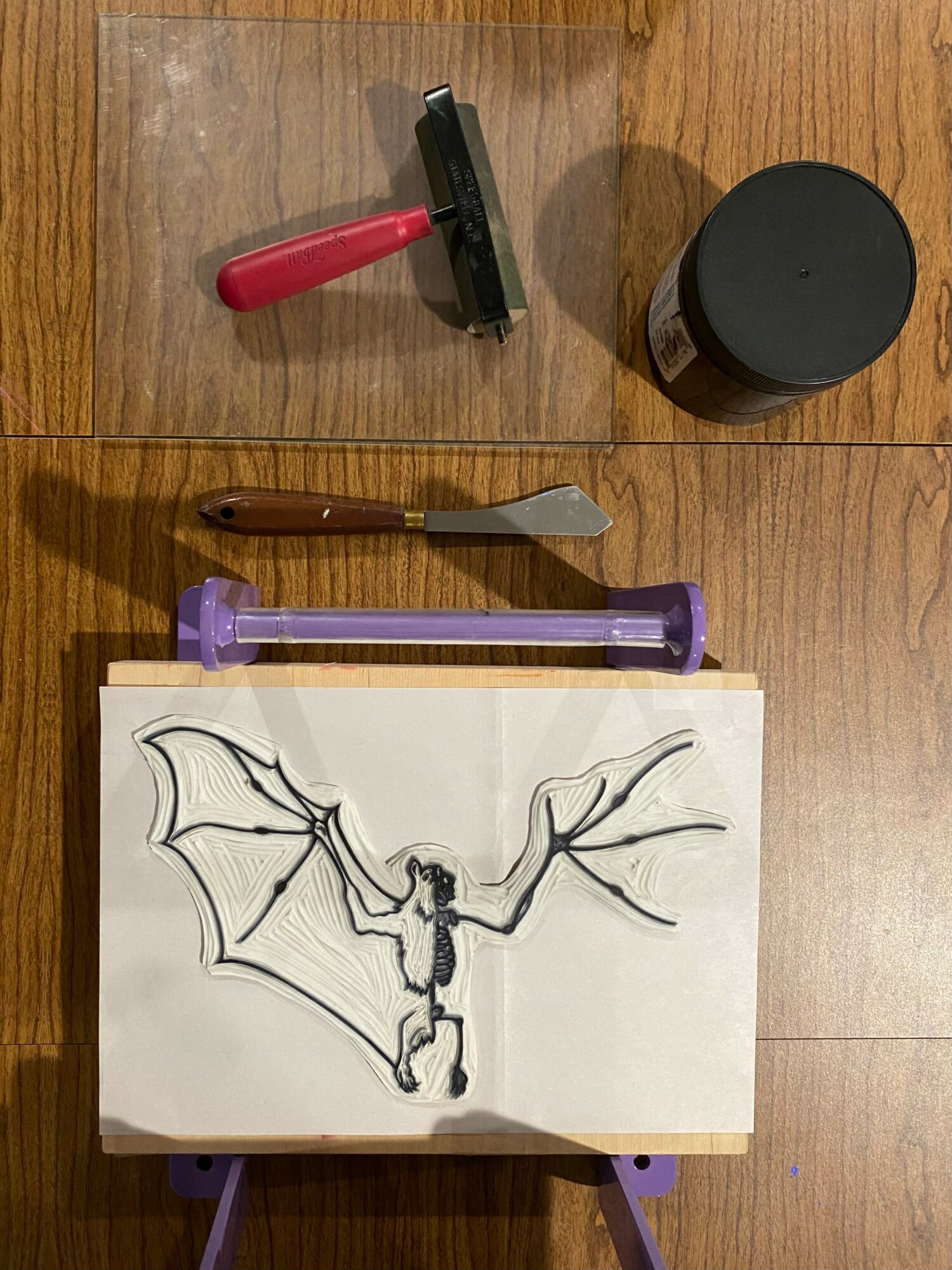
I’ve been creating art my whole life, but I didn’t find a medium I was truly passionate about until my junior year in high school, when I first tried linoleum carving. I fell in love from the moment I printed that first carving and threw myself into learning printmaking. Most of my early work was exclusively linoleum prints, but I also wanted to learn other forms of printmaking. My older sibling, Jess, played a huge role in helping me learn to screen print, since they had experience from their undergraduate studies.
At Plymouth-Canton Educational Park, my high school, there is an Arts Academy program that I was a part of. During my senior year, I took a capstone course in which I had a year to pursue a creative project of my choosing. This project gave me the chance to host a local art show featuring other high school and undergraduate artists, with many selling their work for the first time. The show was a huge success and not only allowed me to expand my printmaking portfolio and sell work for the first time, but also showed me how much drive and passion I had for supporting other artists.
Jess and I sold our work together at that show under the name Holowicked Prints. Holowicked is a nickname based on our last name, Holowicki, that our family uses for our huge Halloween display and our general love for all things spooky. After that first show, we began pursuing other shows, and the rest was history. Today, the majority of the work featured at our booth is mine, but I still love having Jess’s work since that’s how this all began.
I chose to pursue my bachelor’s in printmaking from Wayne State University after graduation. Although WSU didn’t offer all the printmaking courses it once did, I was able to significantly evolve my practice during my time in undergrad. I found a true love for screen printing during my program, and improved my home studio by working in a real studio. Although I was the only print major, it was incredible to see others learn about printmaking and find joy in the process, just as I did. The time I had in the print studios at WSU means the world to me, and all the incredible work I’ve collected from classmates over those years still decorates my home studio today.
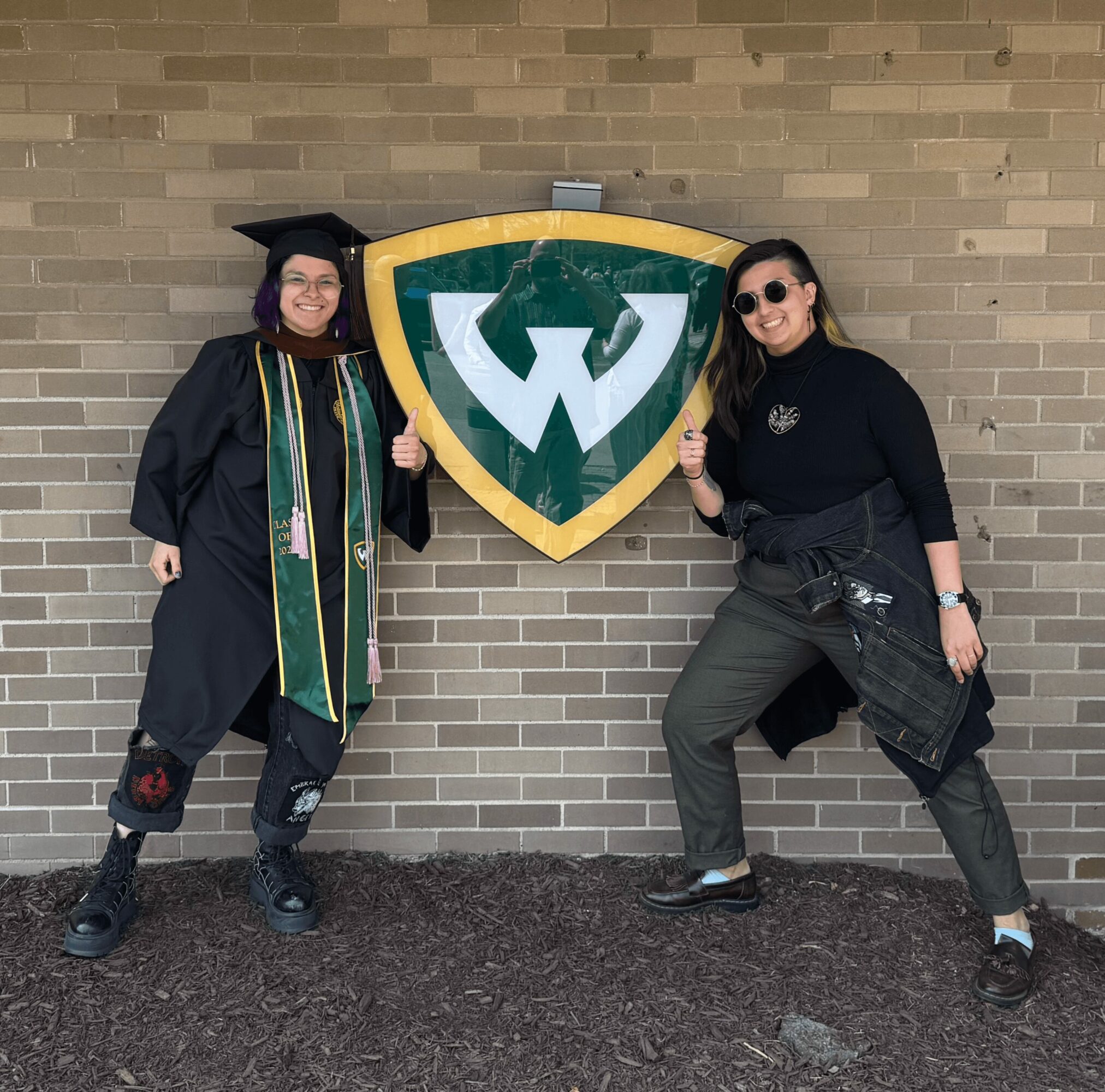
Following my bachelor’s, I pursued a Master’s in Arts Administration at WSU and graduated this May! Although I love creating and selling my own work, my career goals center on helping and supporting other artists. My entire master’s program was devoted to developing a business plan for an arts hub that my family and I want to open together.
Since graduating, I’ve thrown myself into more shows than ever before. For the first time, it feels like I can give serious attention to Holwicked Prints, and with a differing business plan in the future, I want to enjoy this time as much as possible.
Alright, so let’s dig a little deeper into the story – has it been an easy path overall and if not, what were the challenges you’ve had to overcome?
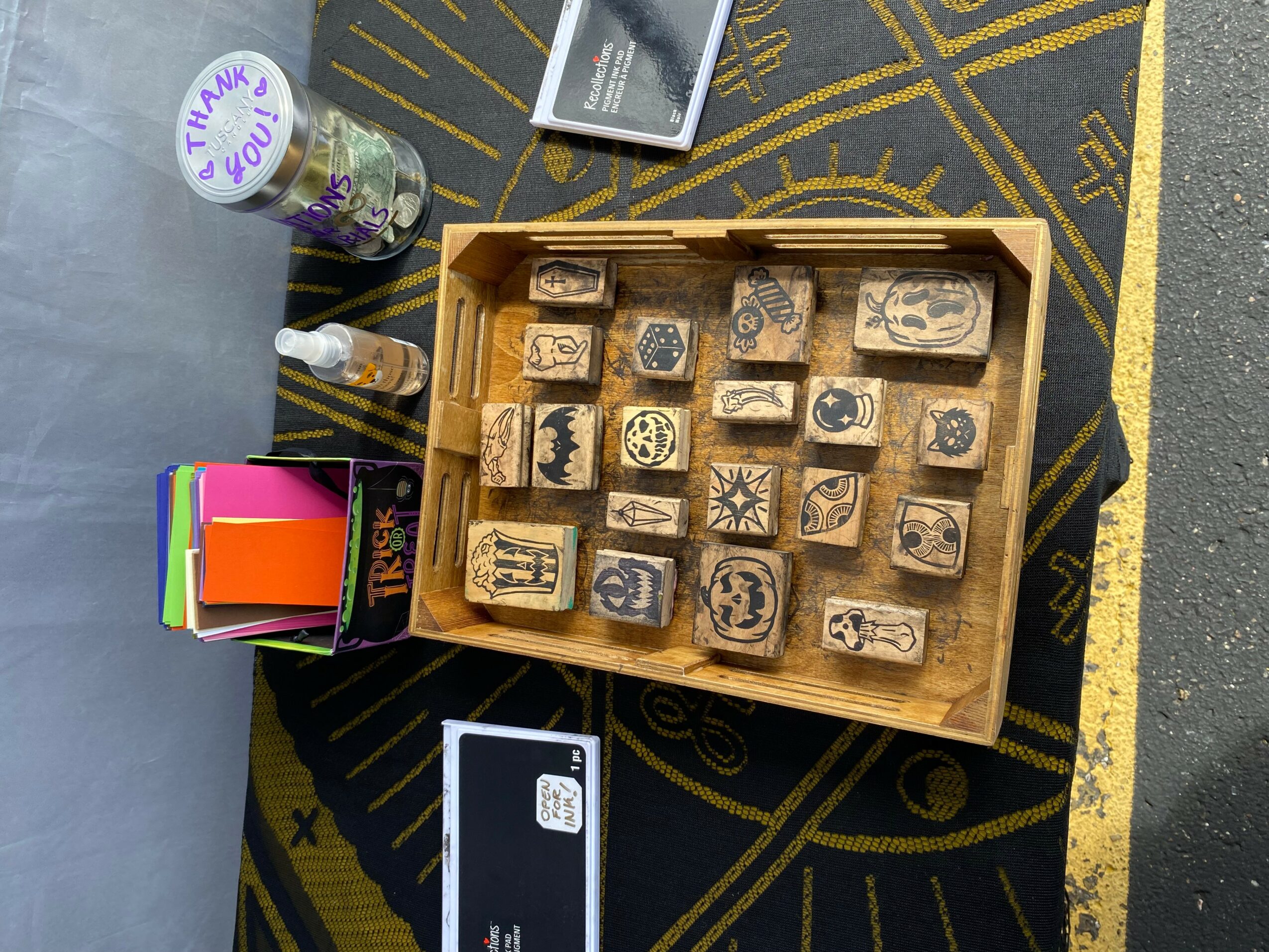
It certainly has not been a smooth road. I can’t count how many times I’ve sliced my fingers carving or messed up burning a screen. Linoleum printing was the easiest printmaking style to do at home and was something I could do at shows to share the practice. Screen printing, on the other hand, was a serious struggle to learn to do at home. For a long time, we used a high-power bulb hung over a shower bar in our basement bathroom to burn screens, which was a picky process. Things got easier after my undergraduate screen printing courses and getting an exposure unit, but to this day, screen printing has always been the more temperamental process.
Selling at shows was its own hurdle. Finding shows that supported our niche style of work and making a profit took some trial and error. It was also a struggle to balance a show schedule with school and work. There have been plenty of shows we’ve wanted to do but simply couldn’t due to other scheduling conflicts. Despite the difficulties we’ve faced, my love for the work I create and the relationships I’ve built at shows has always pushed me forward.
Thanks for sharing that. So, maybe next you can tell us a bit more about your work?
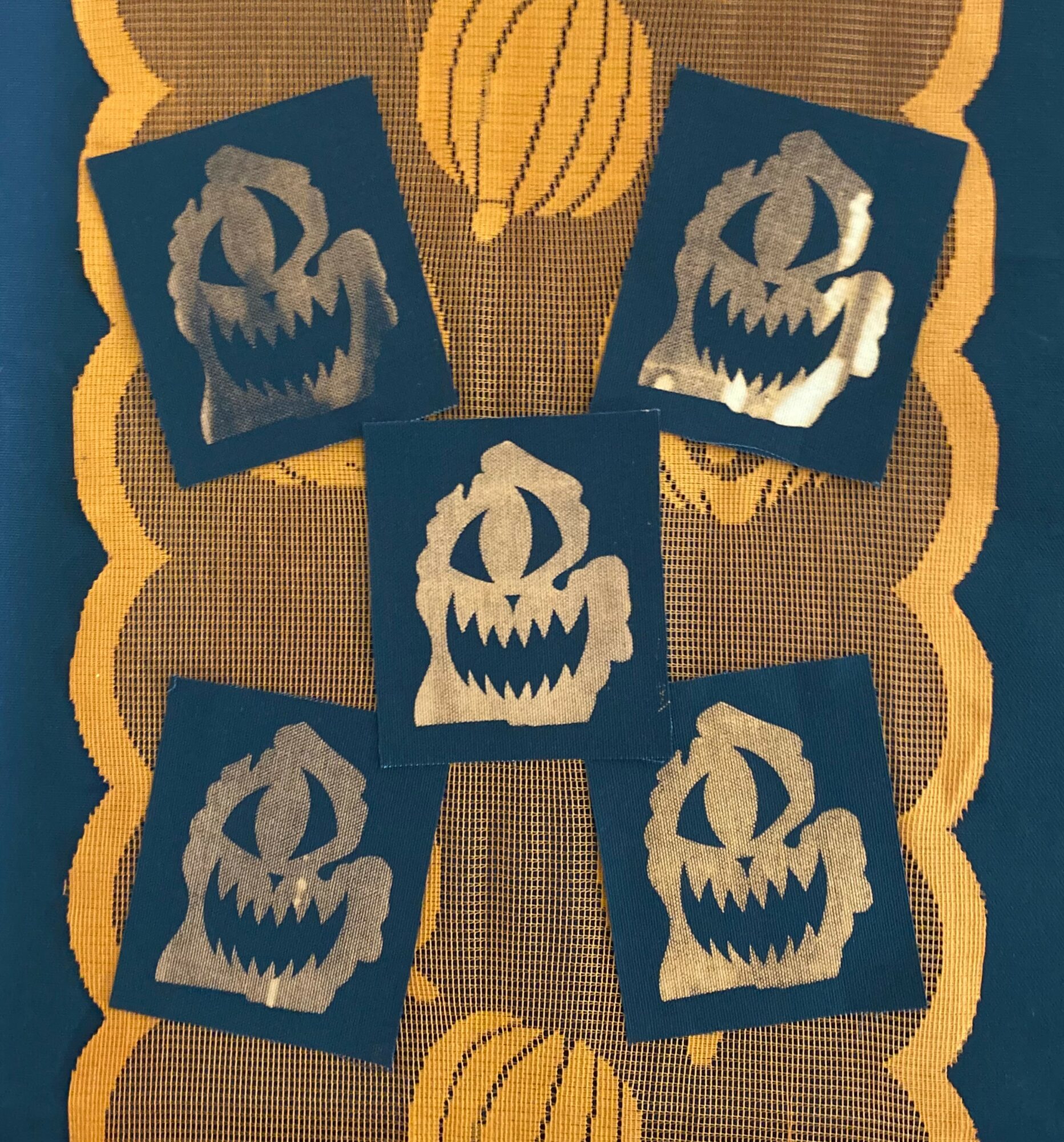
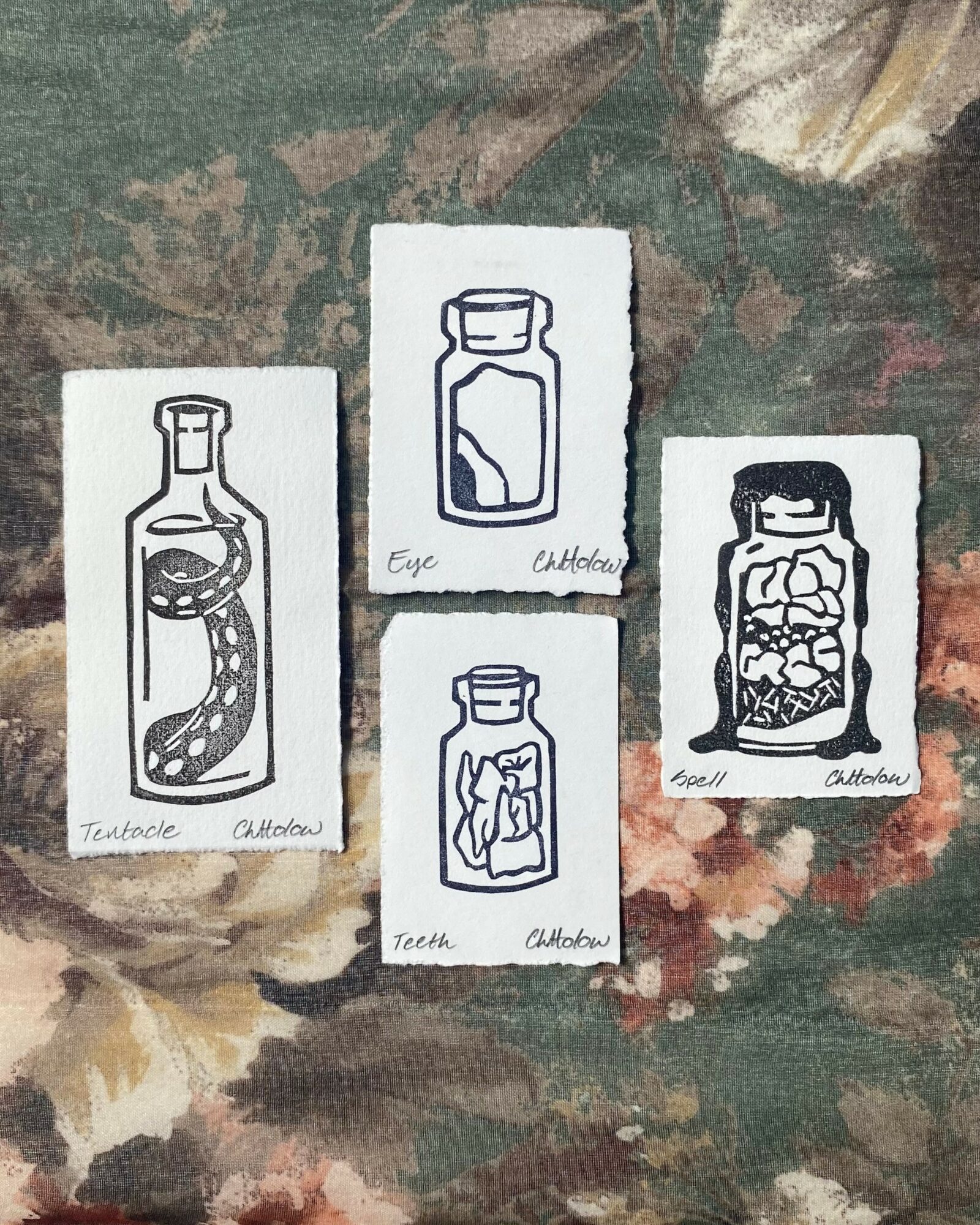
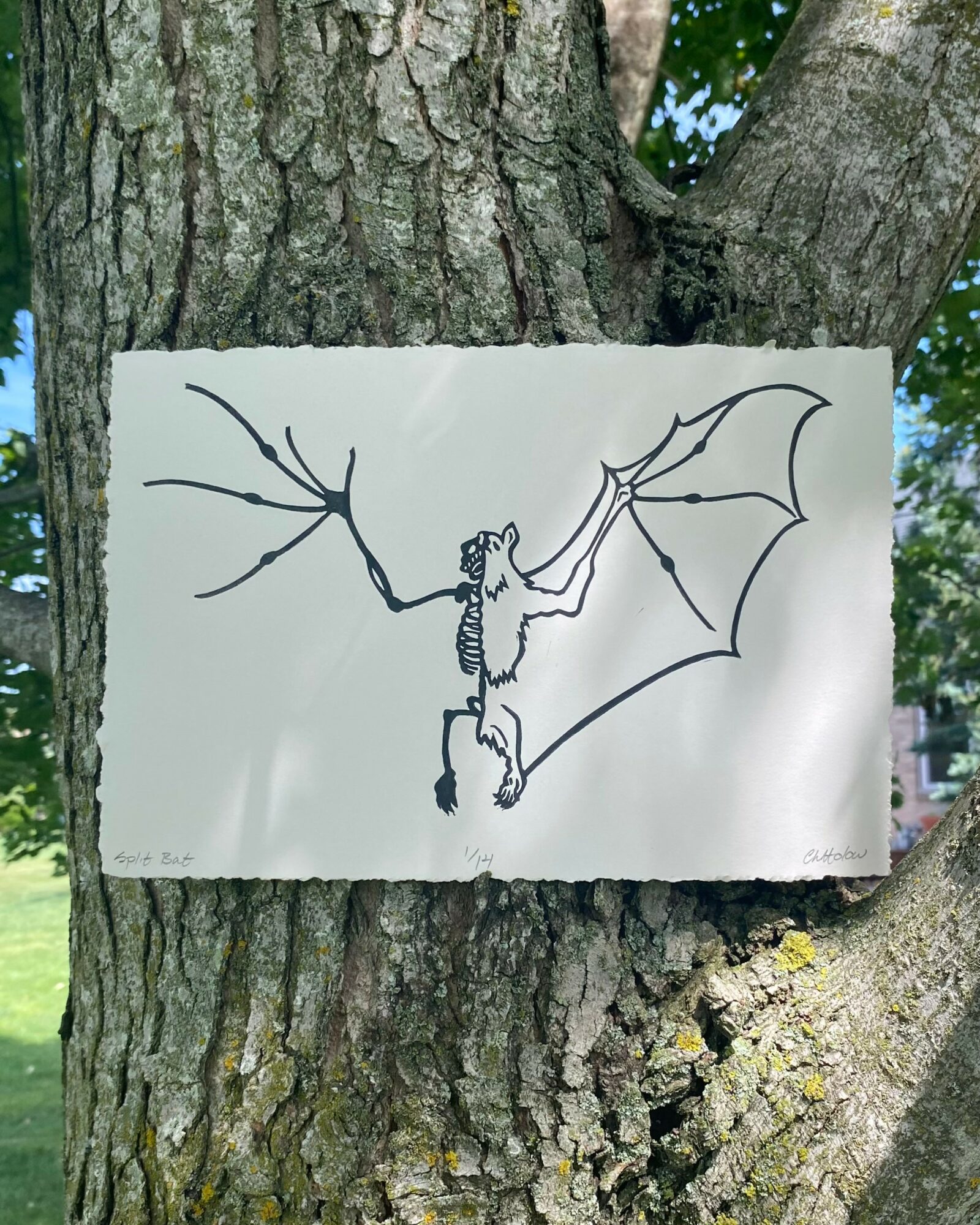
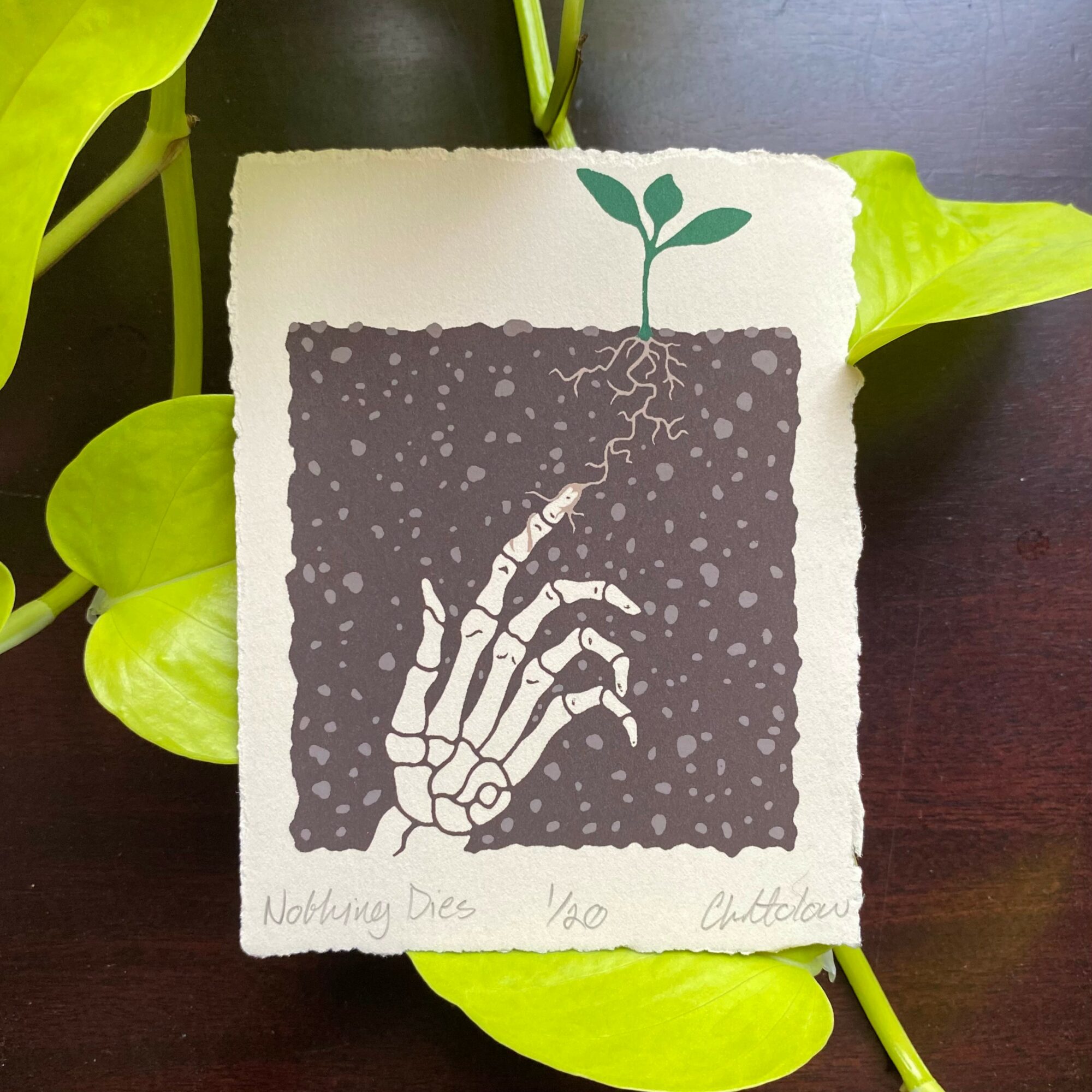
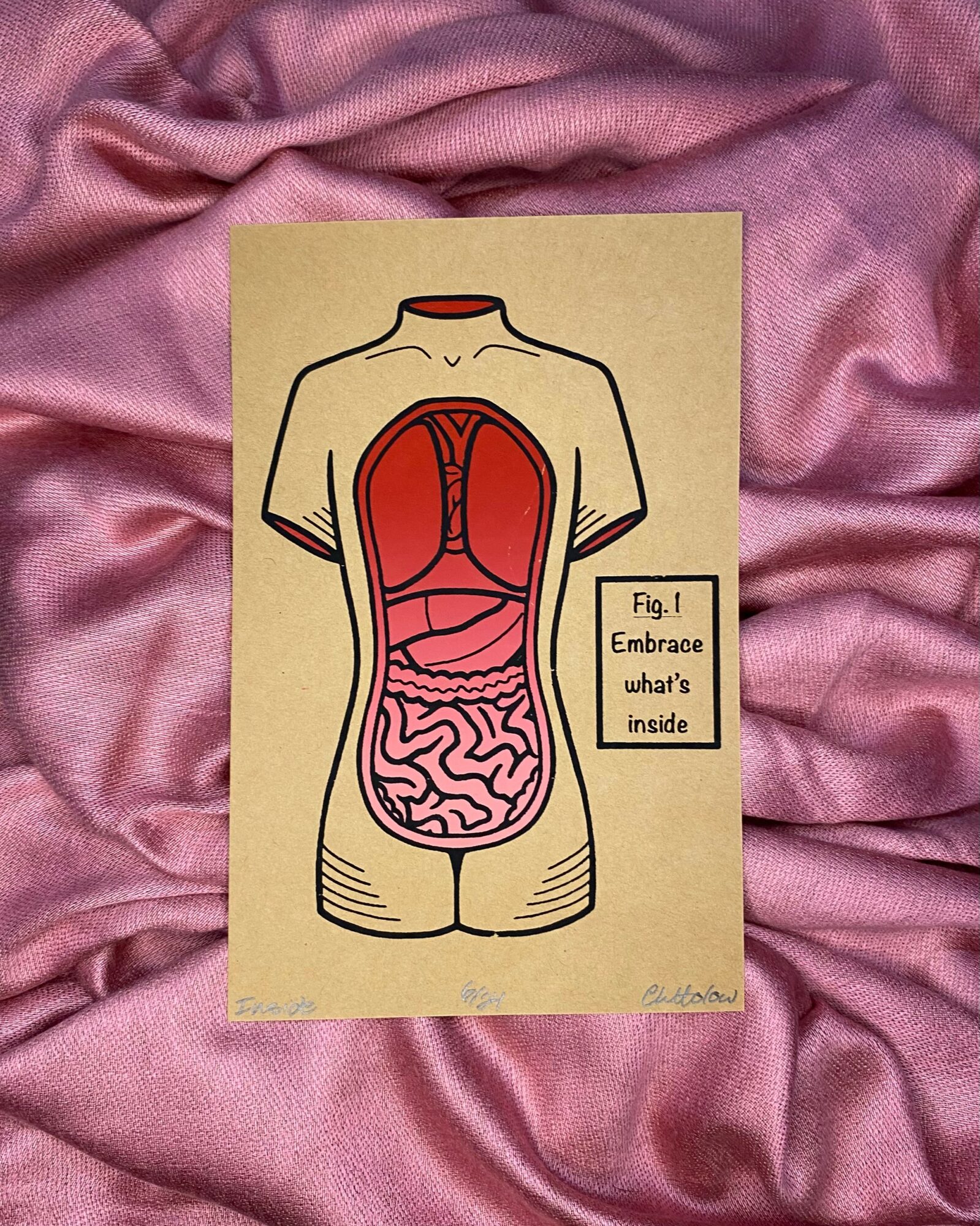
My work primarily consists of linoleum and silkscreen prints. I often find myself switching between the two. I’ll make a linoleum print, then have a bunch of ideas for others and make them until the idea well runs dry. Once that happens, I switch to screen printing, and the cycle repeats. Each process offers its own unique elements to a design. If I’m deciding what process to use for a design, there is one thing that always decides for me: color. Although I’ve tried many times, I don’t enjoy making multiple layered linoleum prints. I can be extremely picky about the alignment of a print, and linoleum does not offer me the same control as screen printing.
The themes of my work tend to be on the spooky side, featuring many ghosts, eyes, teeth, and bones. In recent years, I’ve begun featuring items from my oddities collection in my work. It feels like a chance for me to share the pieces I love with others. There’s also a smattering of personal works I have extra copies of that I bring to shows, like my Letterboxd review guide or the Valentine’s Day cards I make for my friends and family every year. Nowadays I prefer making work that brings my joy first and foremost
During my time as an undergraduate, with unlimited resources in a large studio space, I spent two semesters pushing my screen-printing abilities. To push myself, I set goals to print on anything other than paper and to incorporate 3D elements into prints. Sculpture and mixed media are two mediums I also enjoy, and I wanted to combine elements of them with my prints. This period of experimentation really pushed my abilities and creative process, helping me grow significantly. The works I made during that time are still some of my favorite pieces today.
Despite telling myself I do shows to sell the work I want to create, I still place limits on myself. As much as I miss creating mixed-media prints, I often worry about the logistics of bringing them to shows, pricing them, and gauging people’s interest. I’ve tried many new things over the last year that have turned out well, and I can slowly feel my courage to pursue bigger projects more with each passing day. Hopefully that means I’ll make the jump soon and bring something entirely new to my audience.
Before we go, is there anything else you can share with us?
In the near future, I plan to open an arts hub that can support and uplift artists in a variety of ways, including an arts consignment shop, an events space, and a studio space. While developing the plan for this business during my Master’s program, I felt I needed to dedicate more time to learning about and understanding art consignment shops.
Art consignment shops are businesses that sell the work of local artists in their storefronts in exchange for a split of the sale. Businesses like these offer artists the chance to sell their work in a consistent location, with shop staff who handle all sales and store upkeep. I have often compared art consignment shops to year around art fairs and have had experience working in one for a period. However, I wanted a better understanding of its business model and practices.
Upon researching, there was little more than artist blog posts about their experiences selling in such shops. This lack of information drove me to dedicate my thesis project to researching and understanding the business pratices of art consignment shops. After months of research, interviewing art consignment shop owners and artists who have participated in such shops, I analyzed all the information collected and created a 100+ page research paper. As proud as I am of the paper, I felt that the academic format was not as approachable as it could be. This information felt valuable, and I wanted it to reach the parties who could benefit from it, such as art consignment shop owners or artists seeking new ways to sell their work.
After taking some time away from the paper, I’ve been brainstorming ways to make this information more accessible, such as sharing the full paper online, creating a zine with key points, and even reworking it into a handbook for publication. Until that time comes, though, I would like to implore anyone reading this to find an arts consignment shop near you!
If you’re ever looking for a great gift or something nice for yourself, art consignment shops will always have something unique, along with the benefit of supporting local artists and small businesses.
Contact Info: