




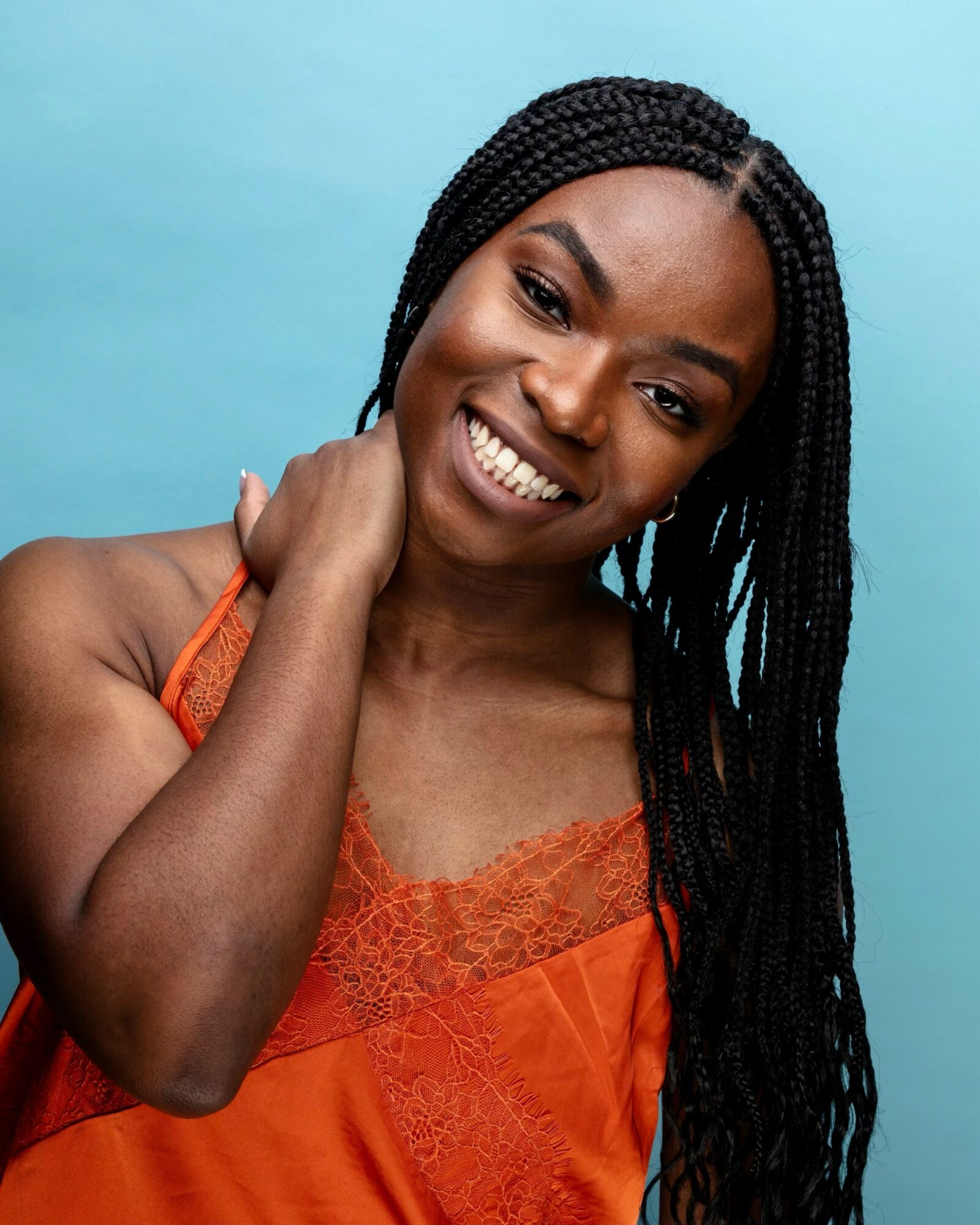
Today we’d like to introduce you to Curry Jackson.
Hi Curry, we’d love for you to start by introducing yourself.
I started dancing at the age of seven in my hometown of Fort Wayne, Indiana, at K. Monique’s Studio of Dance, and from that moment on, everything changed. What began as a love for hip hop quickly grew into a deeper curiosity about movement, pushing me to explore styles like ballet, contemporary, jazz, tap, musical theater, jazz funk, and lyrical. Throughout my childhood, dance became my world, and with my mother encouraging and supporting all of my aspirations with dance, I spent weekends traveling to do what I loved, competing dances and meeting other talented dancers at conventions with my team, building discipline, resilience, and a strong sense of community.
When I continued my training at the University of Michigan, my relationship with dance evolved. It became more than performance—it became a language. Dance gave me a way to express emotions I could not always put into words. It became a space where I could be fully myself, let go, and connect with others who shared that same passion. Being surrounded by artists who are authentic, supportive, and driven has shaped me not only as a dancer but as a person.
My journey has allowed me to grow into both a performer and a creator. As Co-Artistic Director of 2XS Michigan this past year, I had the opportunity to help lead a team, shape artistic direction, and mentor dancers in a collaborative environment. I have been given the opportunity to perform in a variety of spaces—from the Power Center for the Performing Arts to concept videos, professional showcases, and events. Each experience has strengthened my voice as an artist and deepened my love for storytelling through movement.
At the core of everything I do is a belief that dance is meant to connect and empower. My work is rooted in musicality, grounded power, and emotional authenticity, and I strive to create spaces where people feel seen, inspired, and free to express themselves. Dance is not just something I do—it is how I tell my story, and I am excited to continue sharing it with the world.
Would you say it’s been a smooth road, and if not what are some of the biggest challenges you’ve faced along the way?
One of the biggest challenges in my journey has been navigating spaces where I didn’t always feel represented. Growing up as an African American dancer in Fort Wayne, Indiana, I was often one of the only people in the room who looked like me. Dance is an art form I deeply love, but it is also one that has not always been reflective of dancers from all backgrounds. That reality came with moments of doubt, pressure, and the feeling of having to prove that I belonged.
There were times when I questioned whether I fit the mold or where I stood within certain spaces, especially in styles and environments that lacked diversity. But over time, I learned to shift my perspective. Instead of seeing it only as a limitation, I began to see it as a purpose. Being one of the few meant that I had the opportunity to represent something bigger than myself.
Rather than allowing the obstacle to discourage me, it shaped how I move through the world as an artist. It taught me resilience, confidence, and the importance of authenticity. Now, I carry a strong sense of responsibility—not just to succeed, but to create space and visibility for the next generation. I want young dancers of color to walk into studios and feel like they belong without question, and to see a path that feels possible for them.
The challenge didn’t stop me; it refined me. It gave my journey deeper meaning and continues to influence the way I show up, lead, and create within the dance community.
Thanks for sharing that. So, maybe next you can tell us a bit more about your work?
My work as a choreographer and a dancer is deeply rooted in storytelling, musicality, and emotional authenticity. I often describe my creative process as “creative chaos”—it starts with a feeling, an idea, or even just a piece of music that sparks something in me, and from there I begin to build.
A lot of my choreography and movement is influenced by my personal experiences, the environments I’ve been in, and the people around me. I am drawn to creating pieces that feel honest and human—work that allows dancers to tap into their individuality while still being connected to a larger vision. I focus heavily on musicality and grounded power, often blending sharp, dynamic moments with more fluid and vulnerable movement to create contrast and keep the audience engaged.
Throughout my time at the University of Michigan and beyond, I’ve had the opportunity to create across a range of spaces, including concert dance works, competitive pieces, concept videos, and staged productions. No matter the kind of piece being produced, I approach each project with the same intention: to create something that resonates.
Collaboration is also a huge part of my process. I value working with dancers as individuals, learning how they move, and using that to help shape the piece. I want the people performing my work to feel seen and connected to what they are doing, not just executing steps. That energy translates to the audience, making the work more impactful.
At the core of my choreography is the goal of connecting and evoking feeling. I want people to watch my work and see a story, feel an emotion, or recognize a piece of themselves in it. As I continue to grow, I am excited to keep pushing my creative boundaries and exploring new ways to bring ideas to life through movement.
Do you have any advice for those looking to network or find a mentor?
Finding a mentor or building a strong network starts with being open, present, and intentional in the spaces you are already in. Some of the most meaningful mentorships in my life did not begin with a formal ask—they grew naturally through consistent work, curiosity, and genuine connection. Showing up fully, asking thoughtful questions, and demonstrating commitment to your craft often invites guidance from those who see your potential.
One piece of advice I would give is to not be afraid to reach out or express interest in learning from someone you admire. Mentorship does not always happen automatically; sometimes it begins with a simple conversation, a class, or even asking for feedback. Being respectful of someone’s time while showing enthusiasm and willingness to learn can open many doors.
It is also important to nurture the relationships you build. Mentorship is not just about receiving advice—it is about mutual respect, trust, and growth over time. Staying in touch, expressing gratitude, and applying what you have learned shows mentors that their investment in you matters. Networking, in this sense, becomes less about “who you know” and more about the quality and authenticity of your connections.
What has worked well for me is staying grounded in my passion and letting that guide my interactions. By being dedicated to my growth and open to learning, I have been fortunate to form connections with mentors who genuinely care about my development. Each relationship has come from shared experiences, whether in the studio, classroom, or performance space, and has grown through consistency and trust.
Ultimately, finding a mentor is about building real relationships. When you approach networking with authenticity and a willingness to learn, it becomes a meaningful and enriching part of your journey—not just as a dancer, but as a person.
Contact Info:
- Instagram: https://www.instagram.com/itscurryjackson
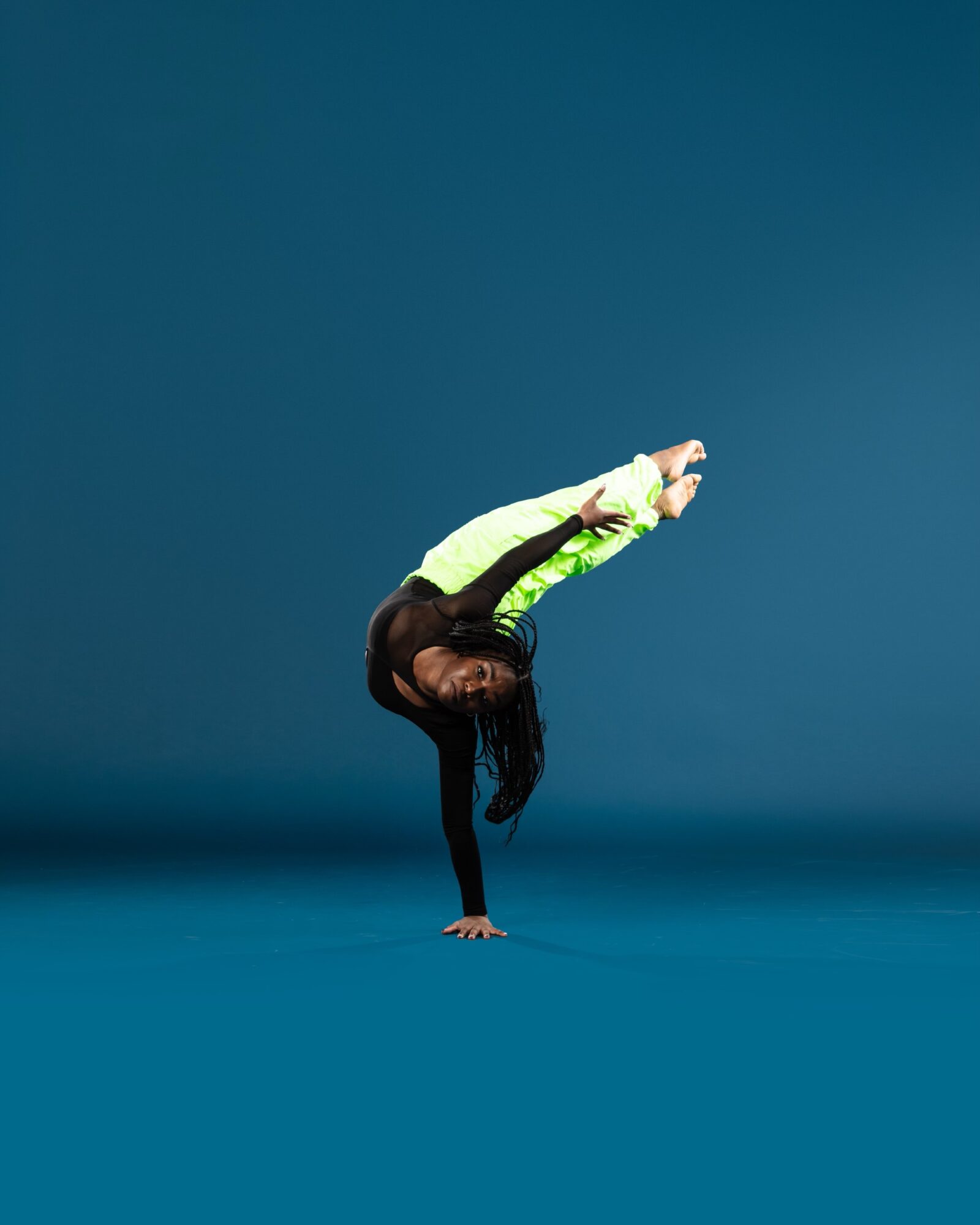
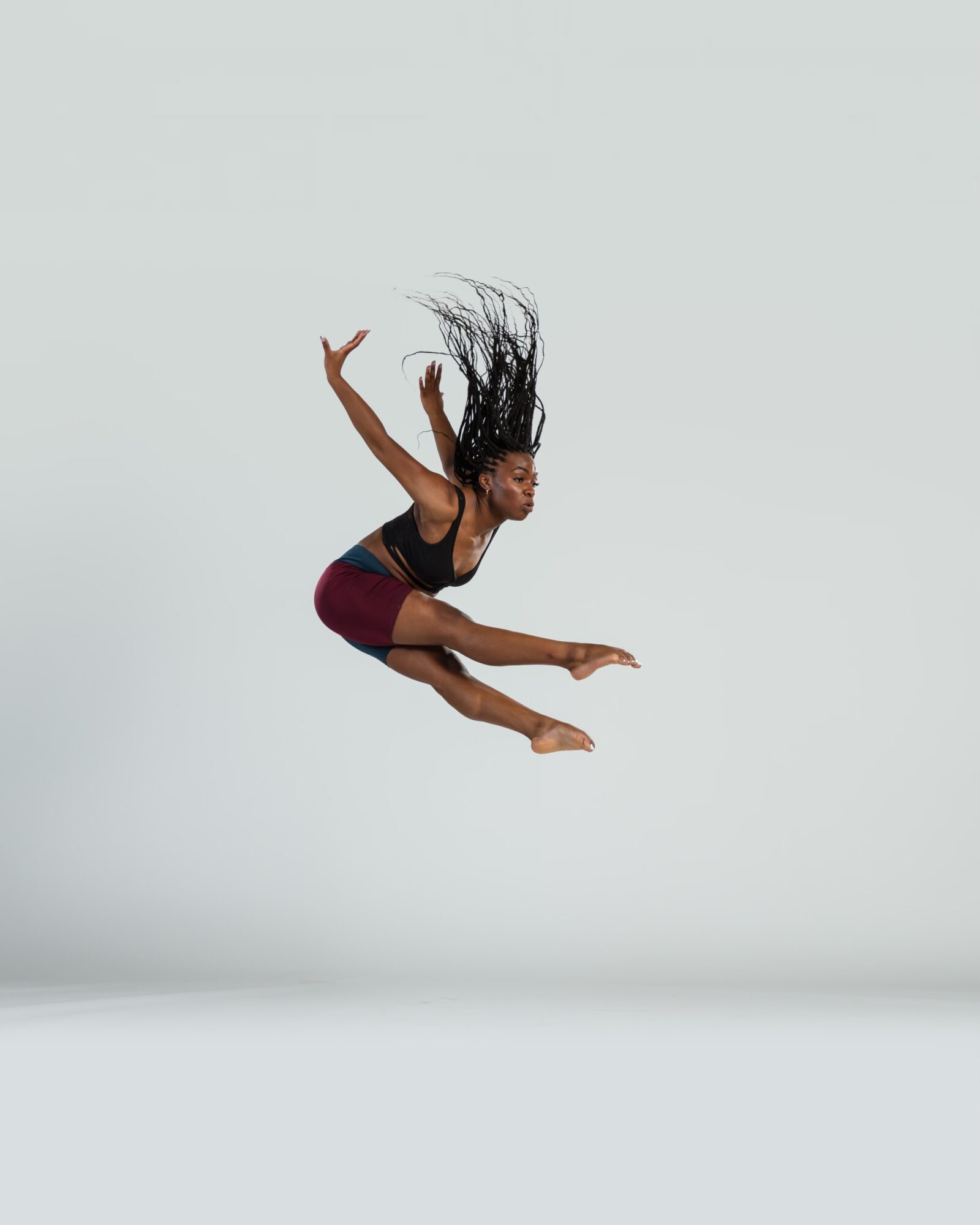
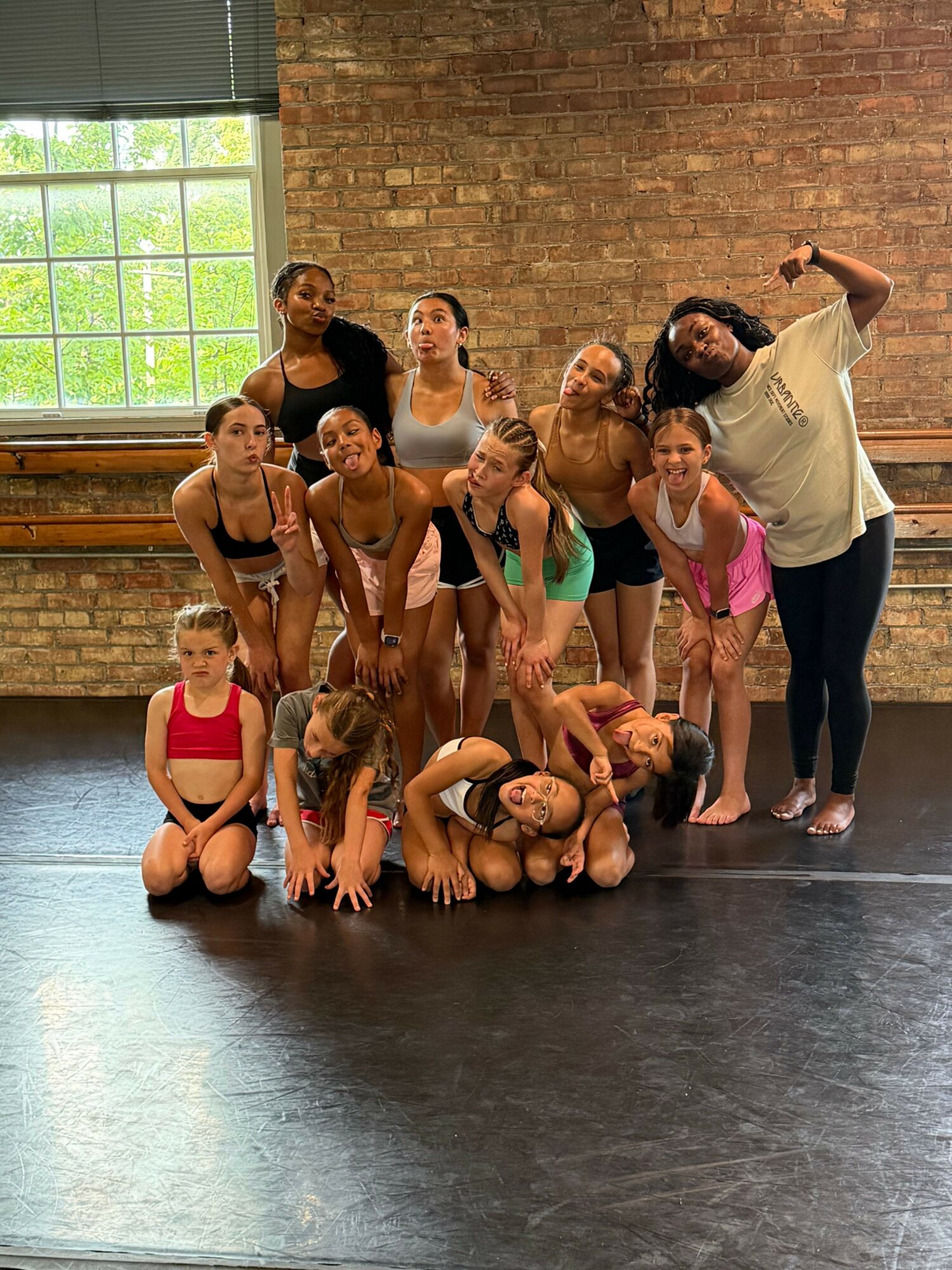
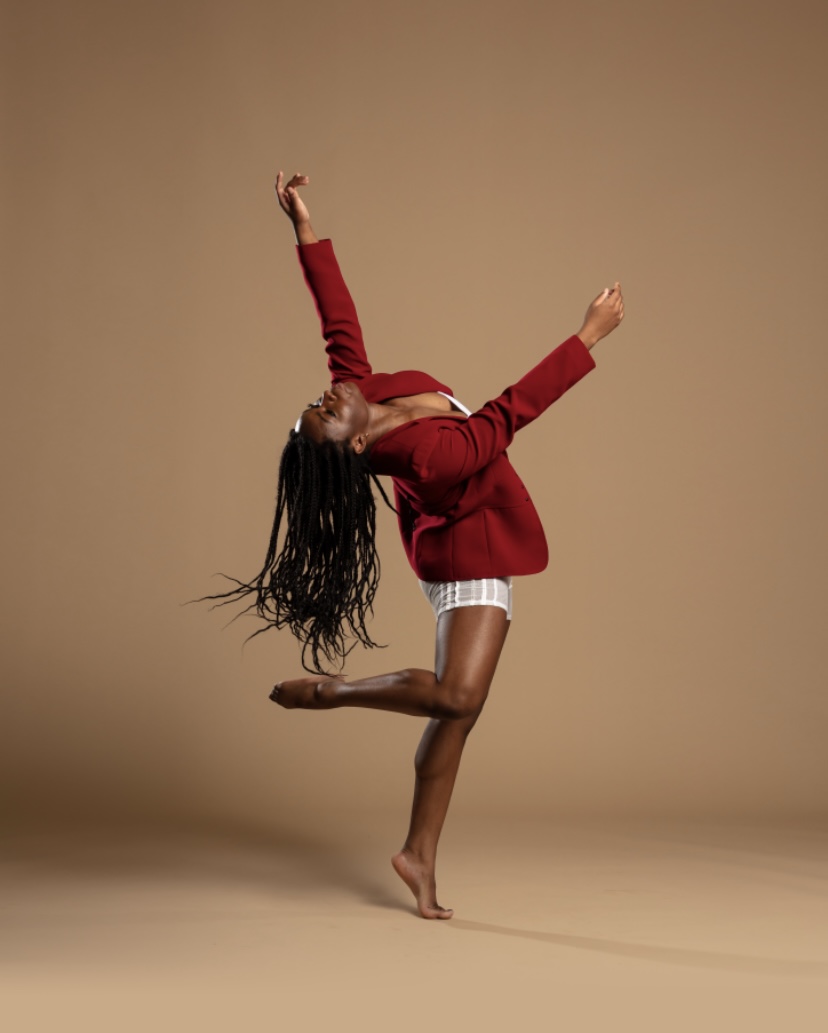
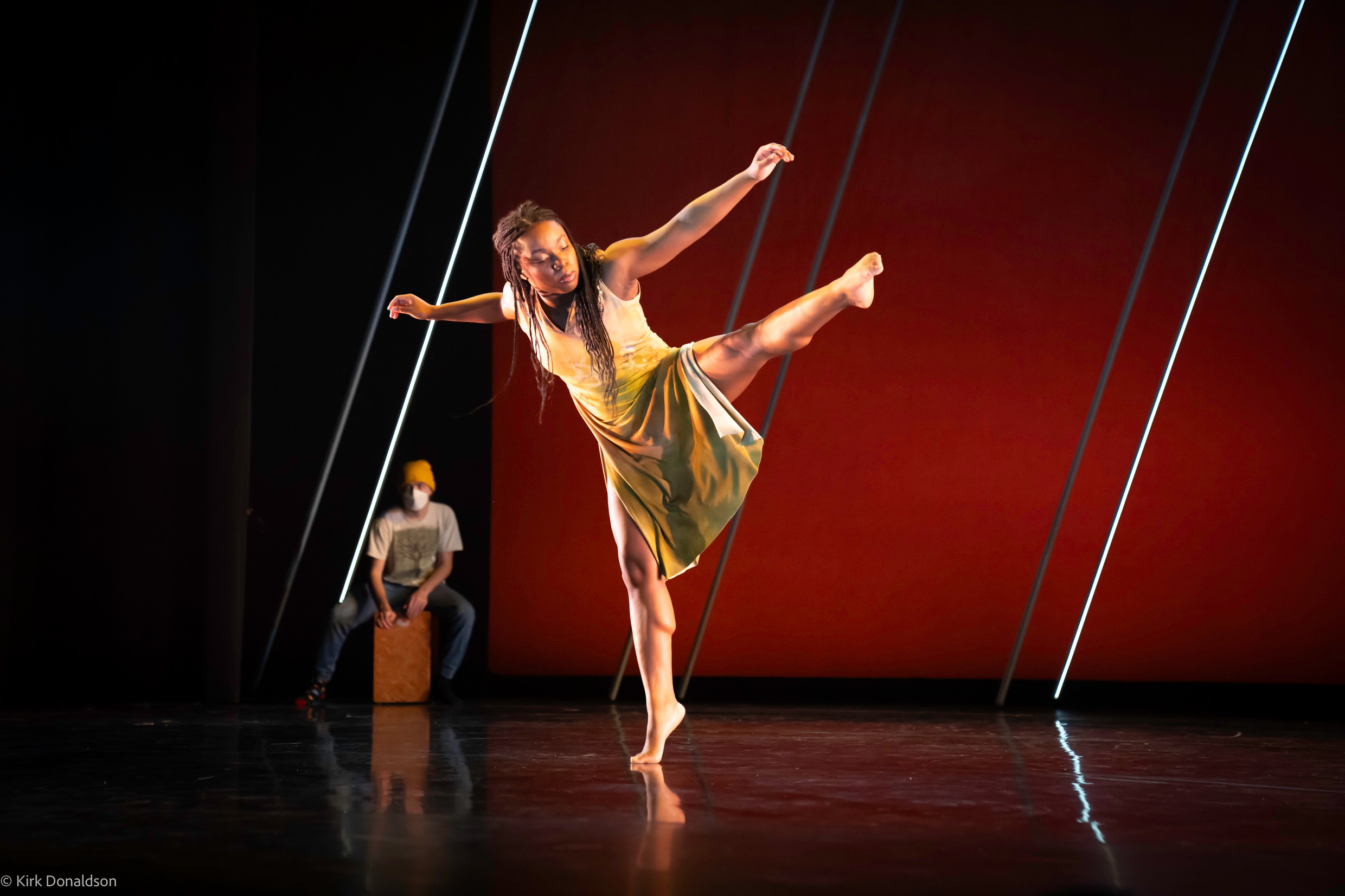
Image Credits
Jake Joe
Kirk Donaldson