





Today we’d like to introduce you to Will Bezard.
Alright, so thank you so much for sharing your story and insight with our readers. To kick things off, can you tell us a bit about how you got started?
My story, told as concisely as I can tell it, is that I grew up in Boulder City, Nevada, as a first-generation American. My father’s family came from France and settled in Las Vegas in the 1960s. I started playing guitar when I was very young, and my parents supported my musical interests as much as they could.
At different points in my life, I played music very seriously, but I also struggled academically. By the time I got into college, I was really struggling. I failed out more than once and had a hard time with what people might call “failure to launch” into adulthood. All I really wanted to do was party and play music, and eventually that became a problem because I could not figure out how to turn that into a life or a way to support myself.
During that period, my mother suggested that I take a job placement test based on Myers-Briggs personality ideas. I took the test, got my results, and one of the suggestions was instrument repair. Up until that point, when I was about 21, I had never seriously considered that as a possibility. I had tinkered around with my own guitars, but not in any serious way. I had done little things here and there, but I always found the deeper work intimidating. I also would not have described myself as a natural tinkerer in the way many people in this field might describe themselves.
After that, we did some research and found the Galloup School of Guitar Building and Repair in Big Rapids, Michigan. They had a two-year waitlist, so I spent those two years working food service jobs and saving most of the money I needed to attend. At the time, they were offering a six-month training program with housing provided.
When I finally got there, I knew I was financially responsible for making it happen, so I made the absolute most of my time to the best of my ability. I learned a lot, and I will never forget the first time I strummed a guitar that I had made from scratch in that program. My whole life changed in that instant. I realized, “This is what I’m going to do.”
From there, I still had periods of struggle, but the school eventually connected me with a shop in California. I ended up working with Rick Turner, a very significant American luthier who got his start in the 1960s. I would strongly encourage anyone interested in this field to research Rick Turner and his life. I worked in his shop for six years. I started as a guitar finisher, then moved through different positions in the shop and learned as much as I could.
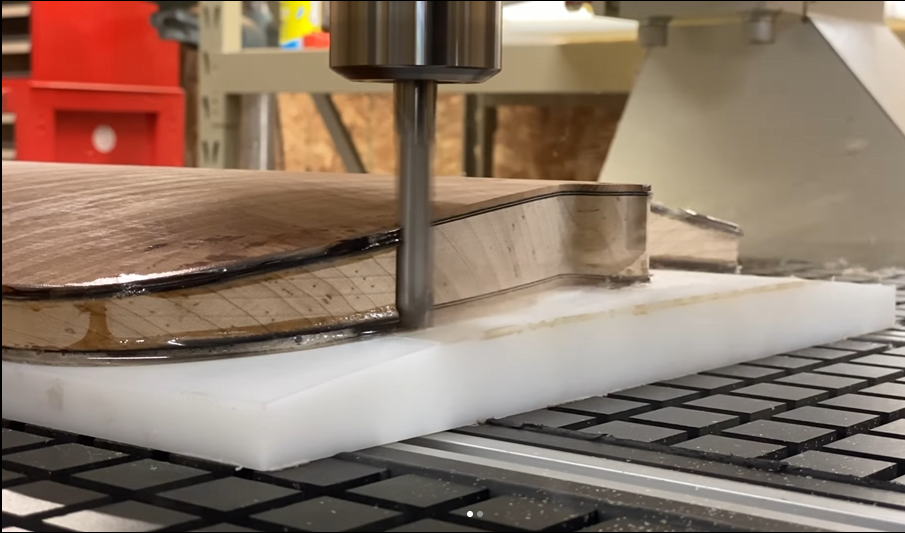
During that time, I learned how to operate and program CNC machines, do 3D modeling, build guitars, mill lumber, finish instruments, and understand the broader rhythm of a working guitar shop. I also served as the shop foreman for a number of years.
After about six years in California, I moved back to Michigan to work at the same school I had attended. Today, I make my own guitars in that shop, teach people our craft, and support my employer, Bryan, and my colleagues in their different lutherie-related endeavors.
I’m sure it wasn’t obstacle-free, but would you say the journey has been fairly smooth so far?
I had several obstacles along the way. The craft of luthery itself is, in my opinion, foundationally adverse. It is not an easy or simple thing to make a living doing. To do it well, you almost have to be a modern-day Renaissance man. You need to understand woodworking, basic mechanical engineering, finishing, paints, chemicals, sales, marketing, customer relations, hand tools, and in some cases CNC machining or machining in general. It is a very multifaceted career, so even just learning the craft is difficult.
My biggest struggle, though, came alongside my life as a musician. I struggled quite a bit with substance abuse on and off throughout my 20s, and it took me a long time to get that part of my life figured out. But that adversity is part of what made me who I am. It shaped my perspective on life, work, discipline, and what it means to keep moving forward.
I do not shy away from sharing that part of myself because I think showing people that recovery is possible is a powerful message. It is part of my story, and I think there is value in being honest about it.
Can you tell our readers more about what you do and what you think sets you apart from others?
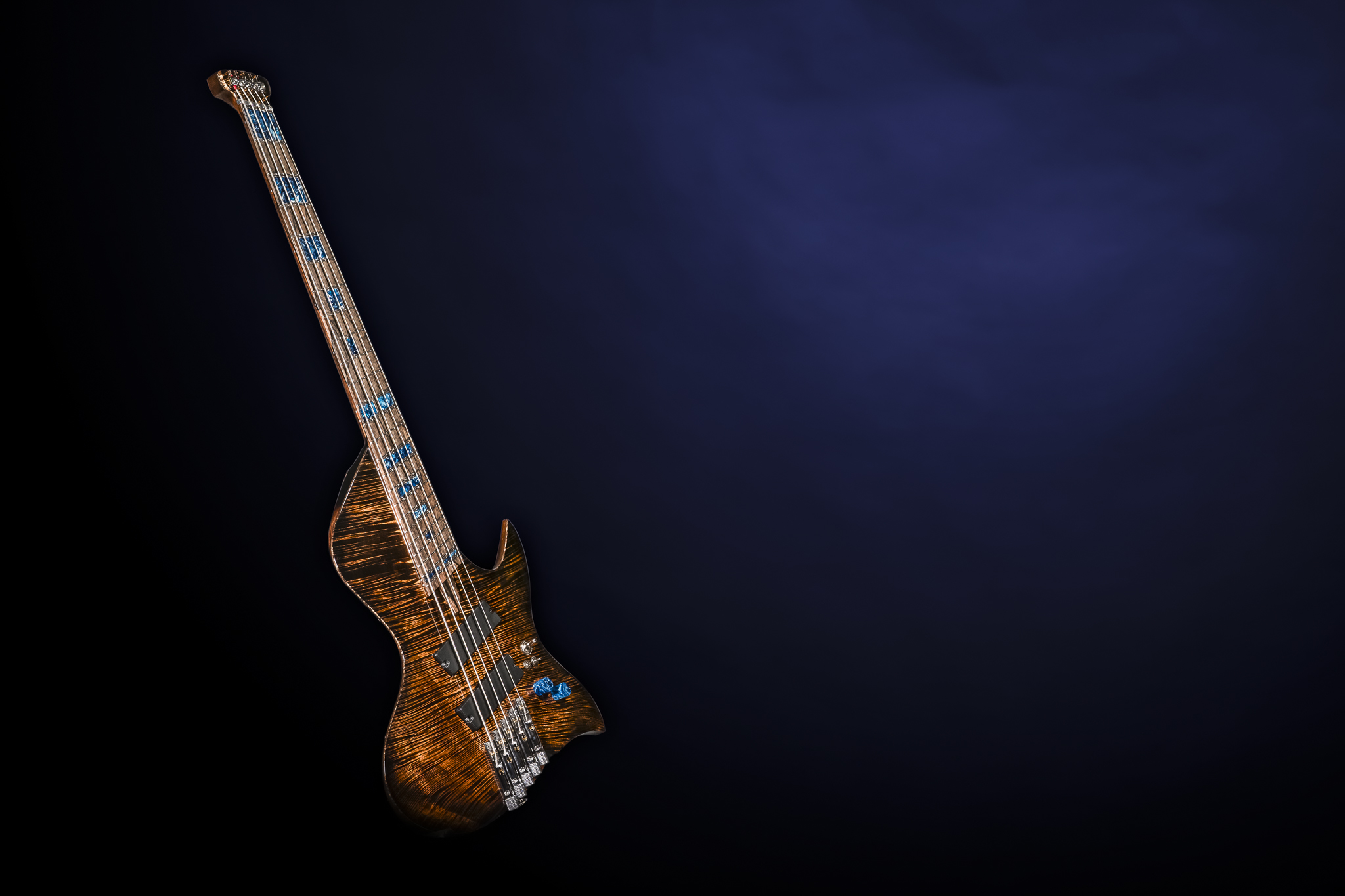
What I am is what we call a luthier. The word comes from the French word for the lute, and it describes a person who makes and repairs stringed instruments. My specialization is electric guitars, although I am also well versed in acoustic instruments, including flat top guitars and archtop guitars. I also have experience with instrument voicing, which is something the institution I work for is somewhat of an industry leader in.
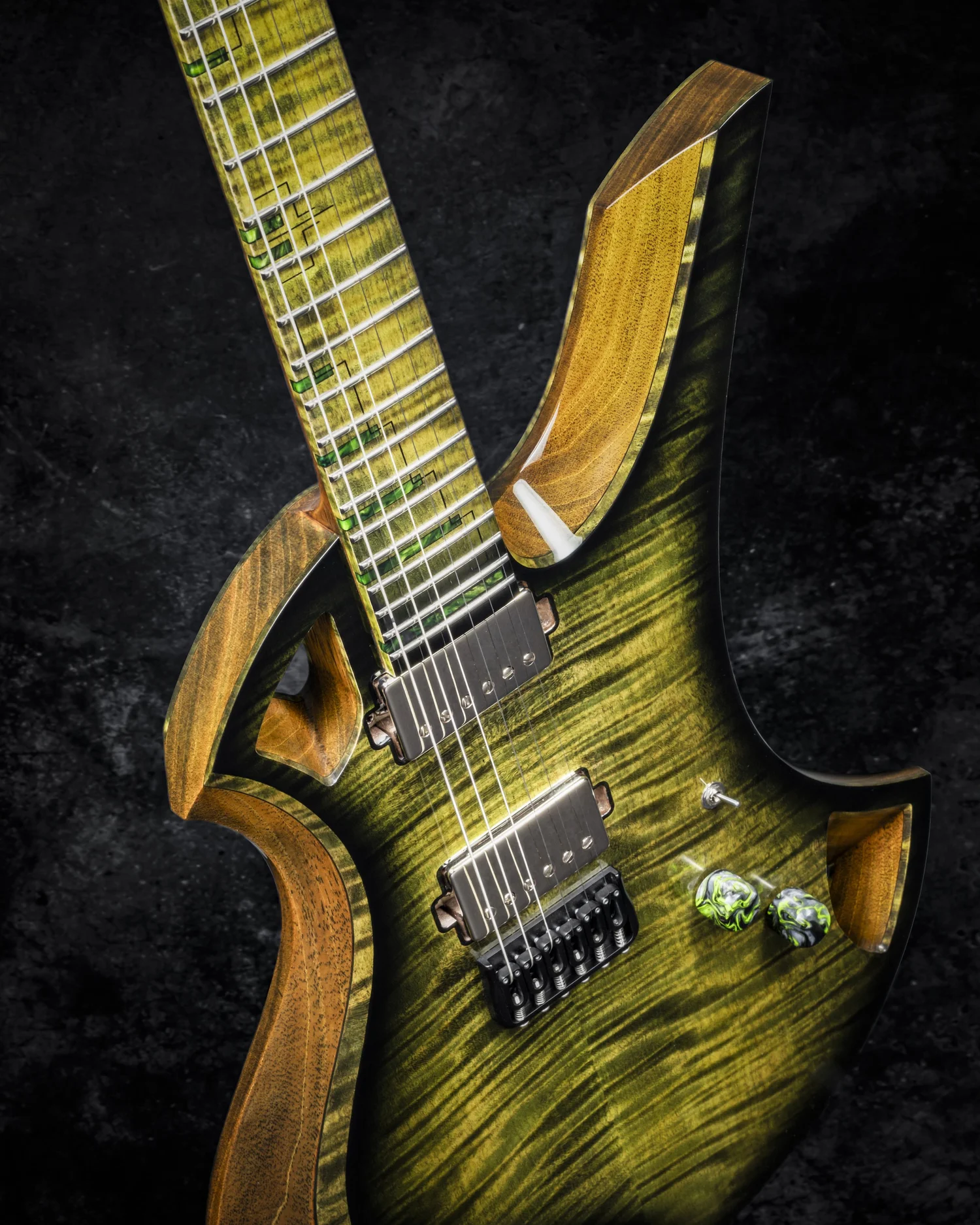
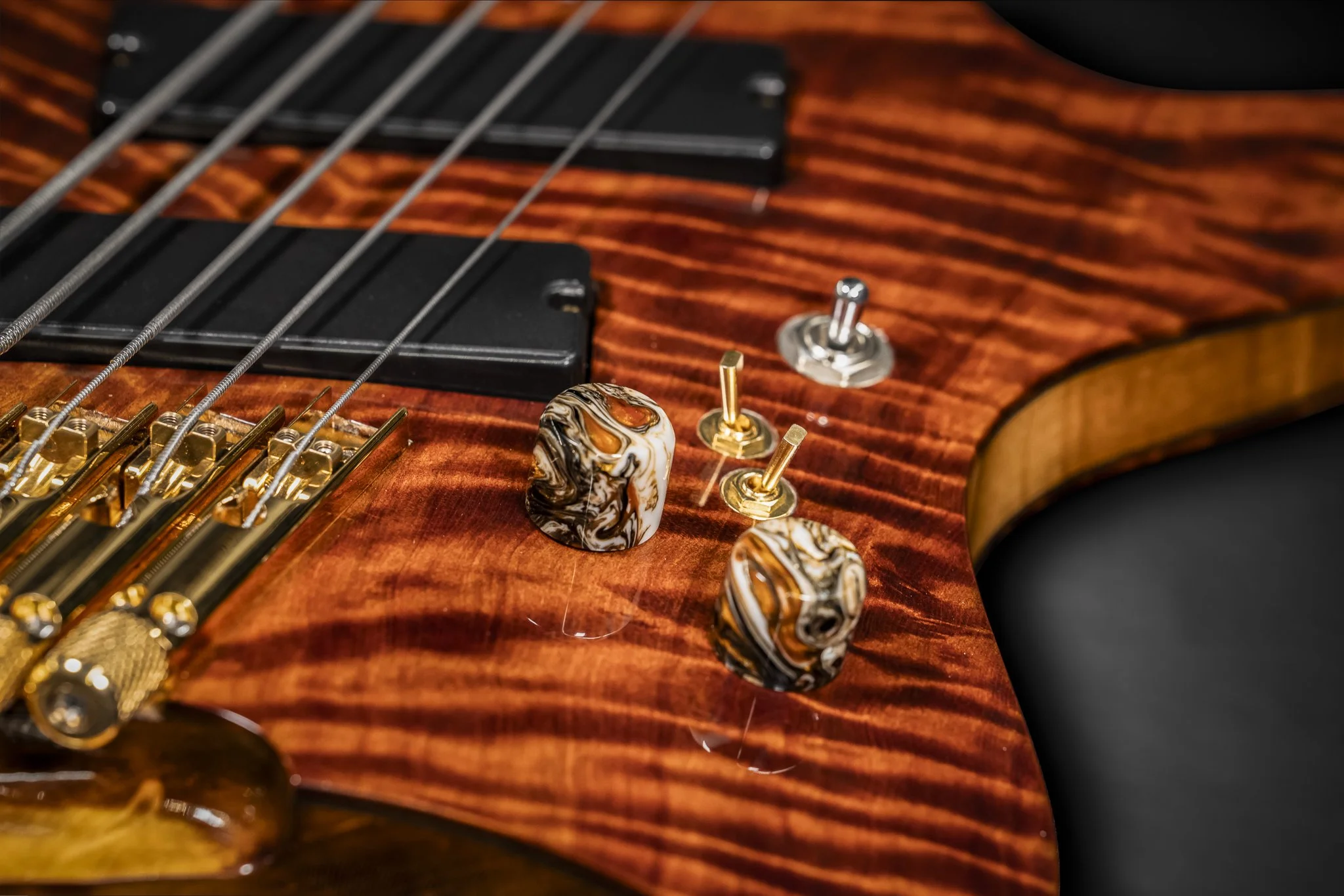
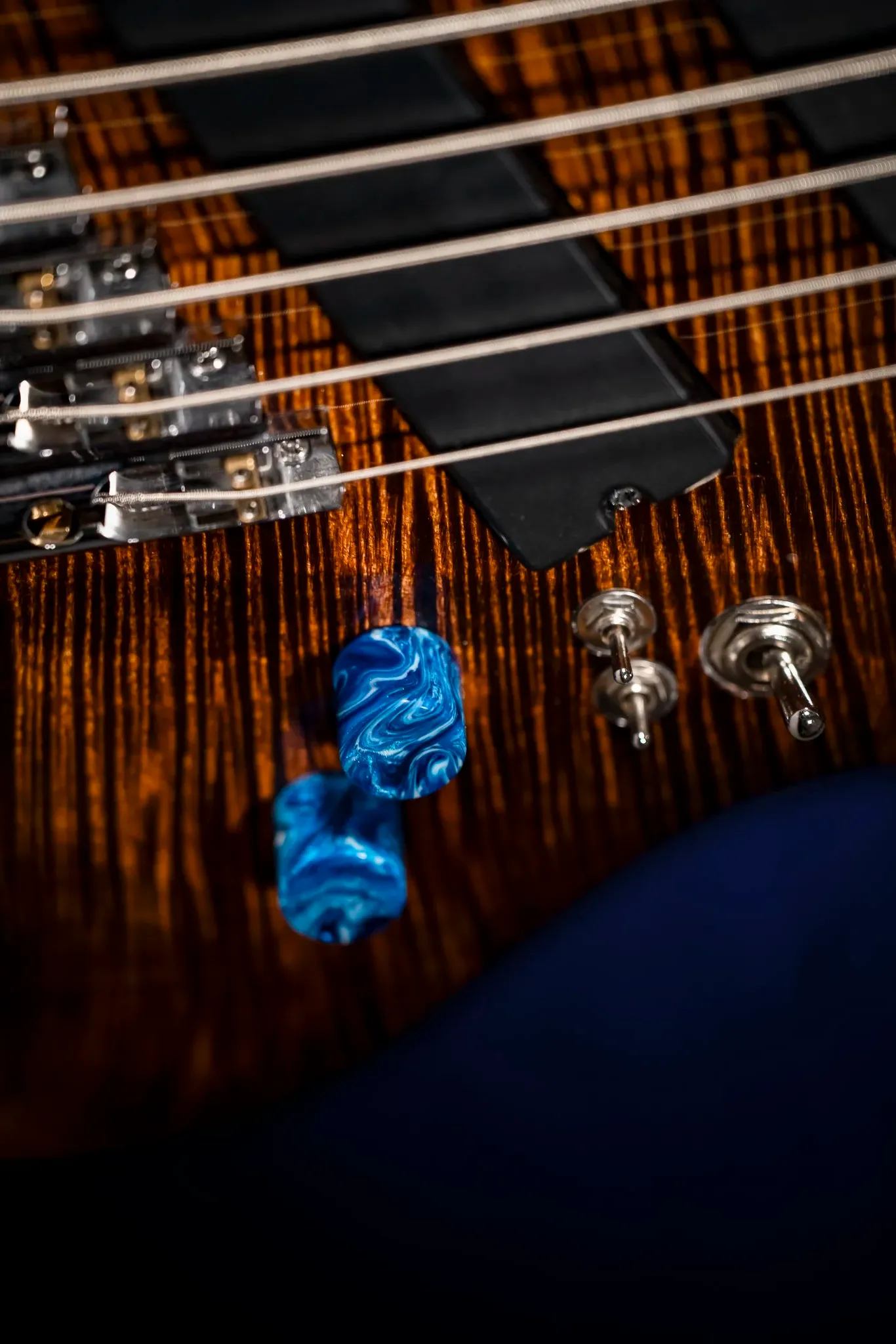
I think what I am most proud of is the overall aesthetic and technical execution of my guitar builds. They tend to be relatively complex, and what I like to do is combine modern technology, like CNC machines and CAD modeling, with old-world craftsmanship. That includes traditional woodworking, old-school joinery, highly figured woods, and traditional materials, while also using modern materials like carbon fiber and epoxies.
I think what sets me apart is my willingness to blend those two worlds. There are many other luthiers doing great work, but I think the context I do it in, along with the style of guitars I make, gives my work its own identity.
I also try to apply the idea that form follows function. I do my best not to let any part of my design process be dictated by ego. I try to strip the instrument down to first principles, look at what it actually needs to do, and then allow the form to be built around that.
Do you have any advice for those looking to network or find a mentor?
My best advice for finding a mentor, or networking in general, is to practice openness. One of my biggest hurdles early on was being open to different people and different opportunities. I had a very specific idea of what I wanted to do, and because of that, I had a hard time seeing the value in perspectives outside of that narrow path.
That openness ended up serving me really well. Two of my greatest mentors have been people who do not make the same instruments I make or listen to the same music I listen to. But they are both great craftspeople and brilliant minds, and they have helped steer me in the best possible directions.
So my advice would be to stay open. Do not dismiss someone just because their work, background, or taste is different from yours. Sometimes the most valuable guidance comes from people who see the craft from a completely different angle.
Pricing:
- My base price for a guitar is currently $7,000 USD. That tends to increase per year and depends on current demand
Contact Info:
- Website: https://www.bezardguitars.com/
- Instagram: https://www.instagram.com/bezardguitars/
- Facebook: https://www.facebook.com/BezardGuitars