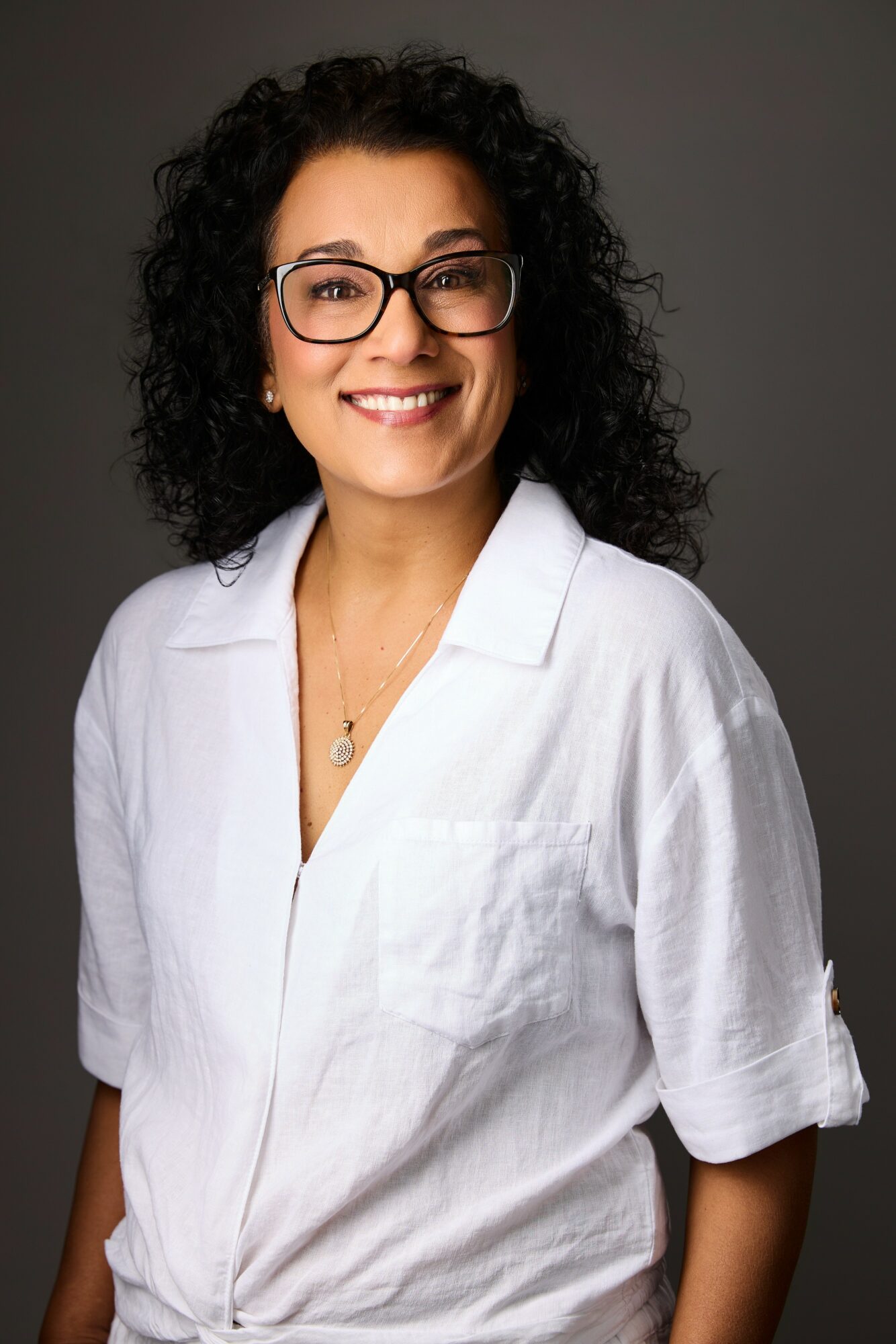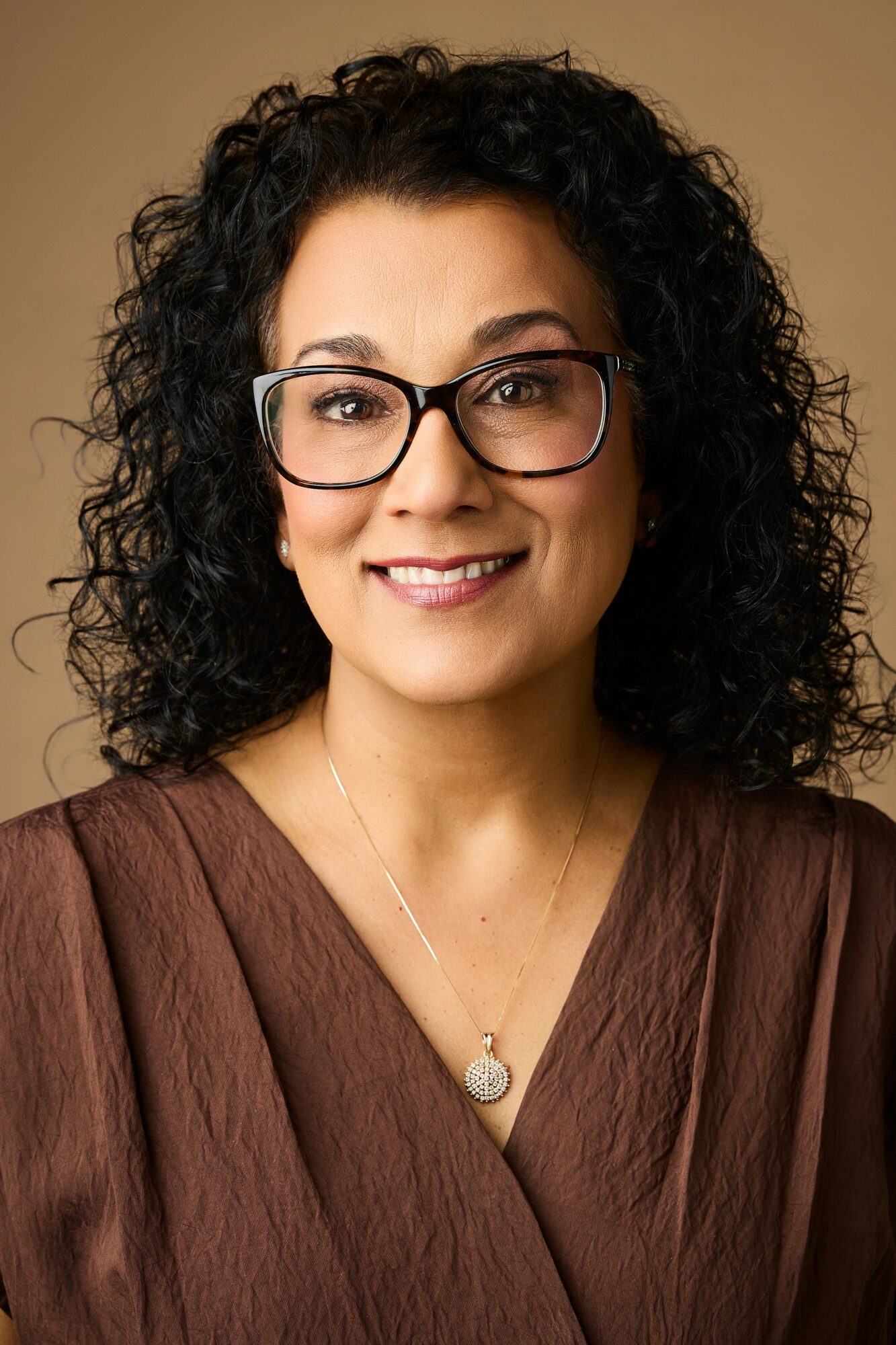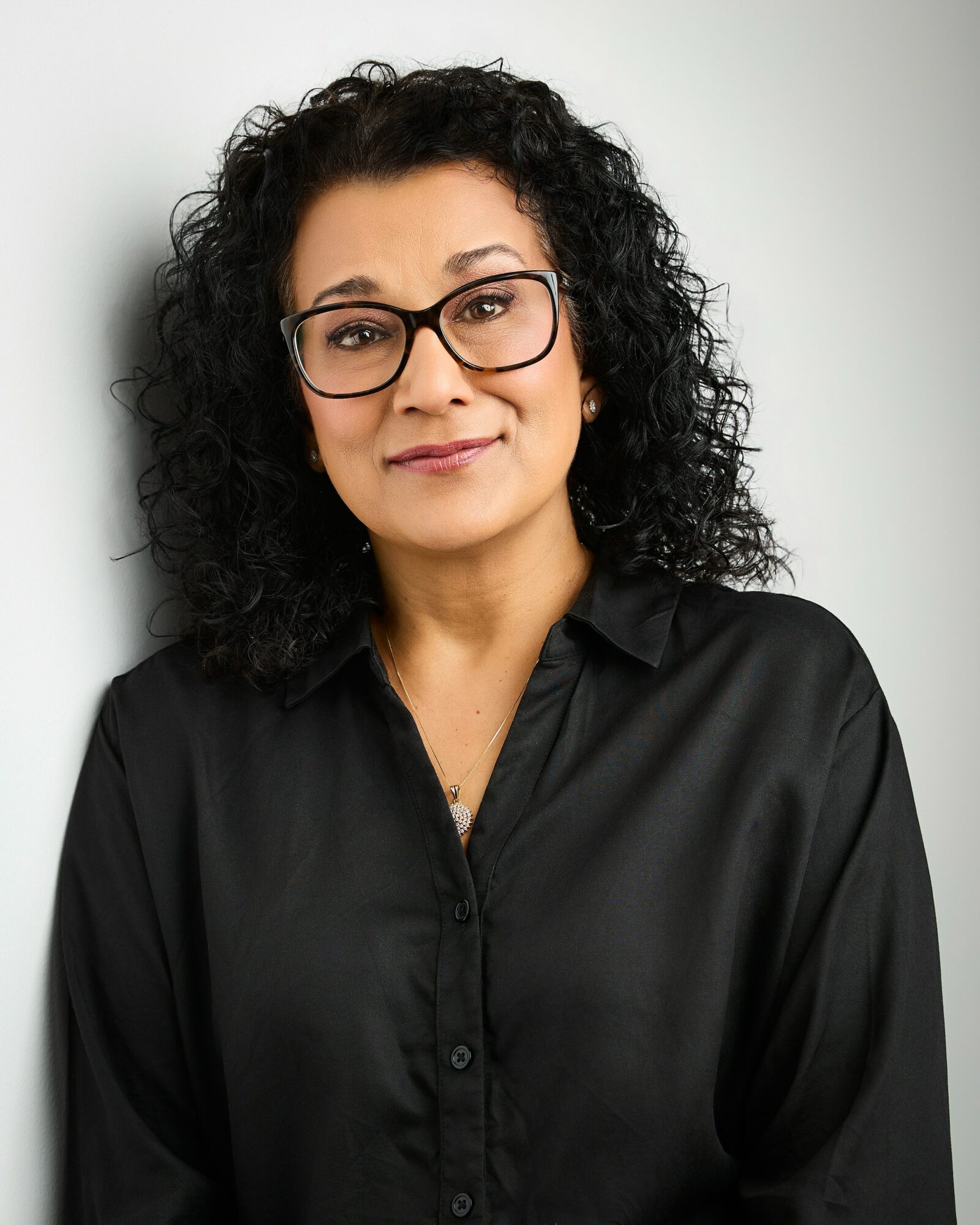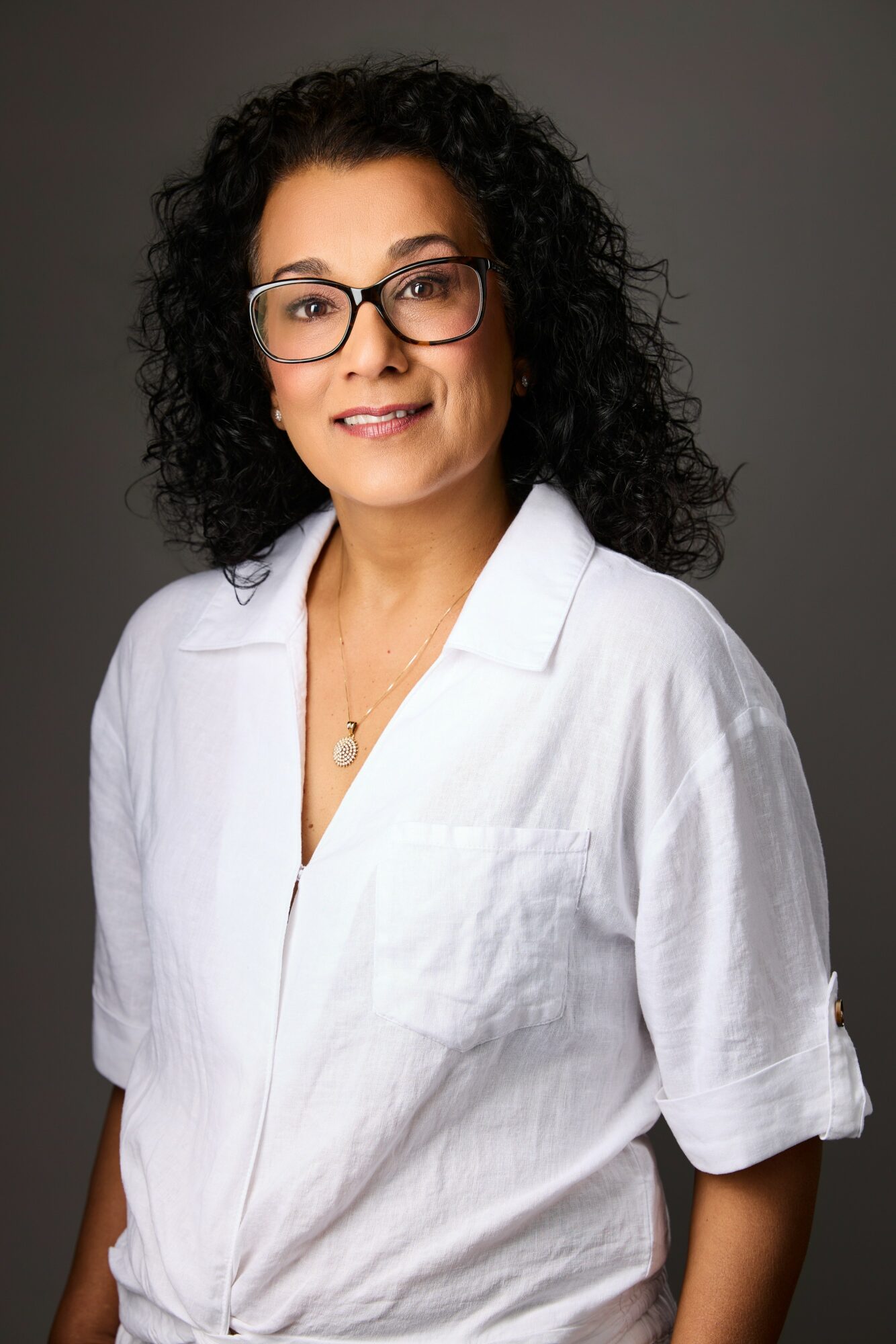





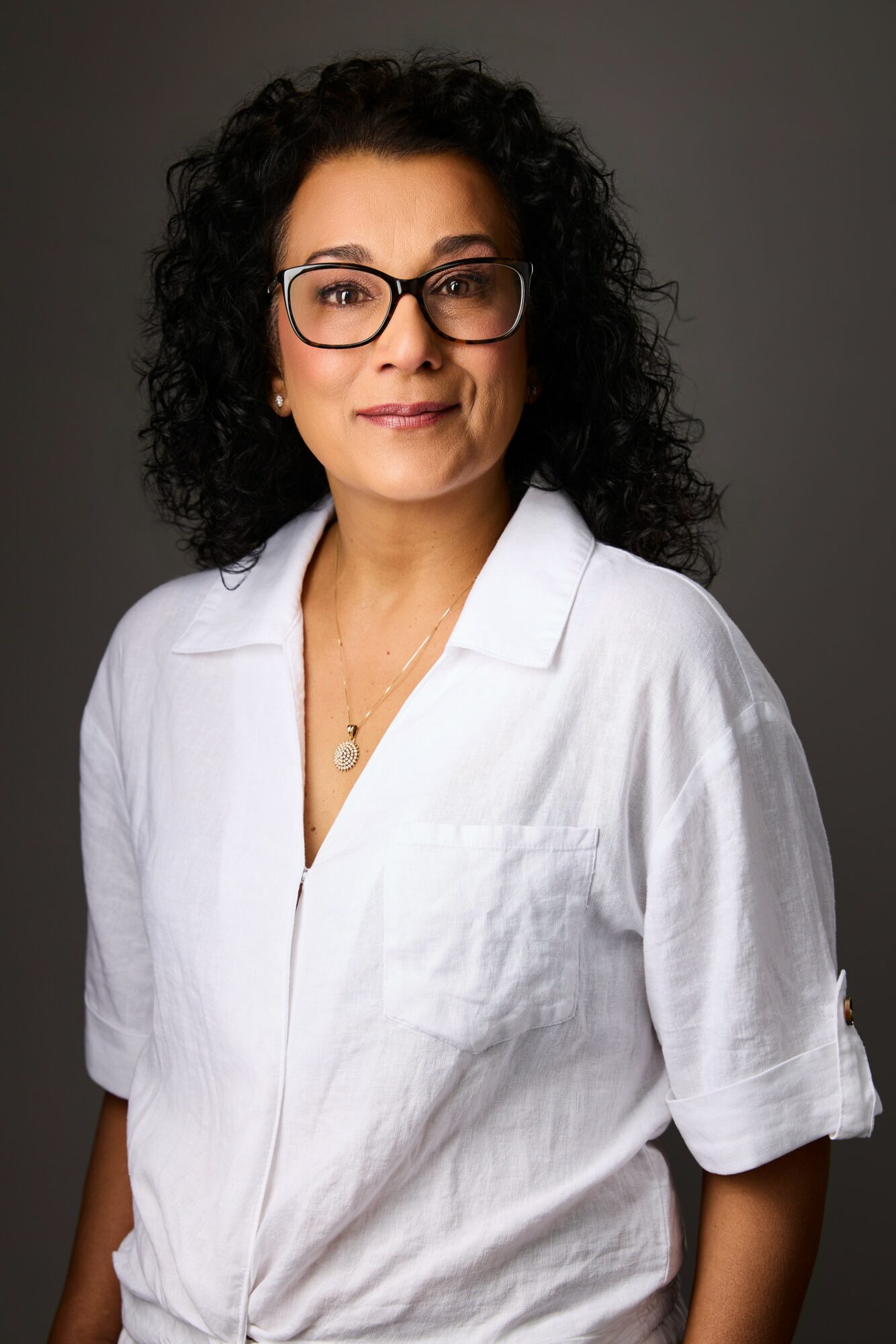
Today we’d like to introduce you to Umang Badhwar.
Hi umang, we’d love for you to start by introducing yourself.
My path into this work has been anything but straight and I think that’s actually what makes me truly enjoy it.
It started, of all places, in a film theory class in college. We were studying how cinema constructs meaning, and the professor introduced psychoanalytic theory as a lens for understanding it. Something clicked for me that day that never unclicked. I became fascinated with the idea that so much of what drives us, our choices, our patterns, and our pain; lives beneath the surface of what we can’t easily see or say.
After college I found myself doing crisis and trauma work in community mental health, specifically in the emergency screening department. That was an immersion like no other. You learn very quickly in that setting what people carry, and how long they’ve been carrying it alone. It was humbling work. It made me a better listener before I even knew what kind of clinician I wanted to be.
Eventually I pursued a Fellowship in Adult Psychoanalysis, which gave formal language and depth to what I had been intuiting since that film class. And I added certification in Mindfulness-Based Stress Reduction, MBSR; because I believe healing asks something of the body and the present moment, not just the mind and the past.
Today, I practice out of Bingham Farms. I work with adults, couples, people across the lifespan and the common thread in almost all of it is helping people understand how their history is showing up in their present, so they can finally have a little more choice in how the story goes.
Alright, so let’s dig a little deeper into the story – has it been an easy path overall and if not, what were the challenges you’ve had to overcome?
Smooth? I have to laugh a little.
The honest answer is no. And I think anyone who tells you their path into private practice was smooth is either very lucky or is editing their story generously.
Building a solo practice means you are simultaneously the clinician, the administrator, the marketing department, and tech team. There is no orientation for that. You learn by doing, and sometimes by doing it wrong first.
There’s also something particular about specializing in trauma and grief; the work itself asks a lot of you. You have to develop what I’d call a very sturdy interior life. You learn to tend to yourself with the same seriousness you bring to your clients, or the work will quietly hollow you out. That took me time to understand, and honestly it’s a ongoing practice.
And then there’s the more existential challenge of choosing depth over volume in a mental health landscape that often rewards the opposite. Psychoanalytically informed work is slow, intentional, relational; it doesn’t fit neatly into a world that wants quick fixes and symptom checklists. Holding that boundary has been its own kind of practice.
But I’ll say this, every hard turn brought me somewhere truer to who I am as a clinician. So, I’ve made peace with the road being exactly as uneven as it was.
Thanks for sharing that. So, maybe next you can tell us a bit more about your business?
I work with people who are carrying things they’ve never quite had the words for and my job is to help them find those words, and then figure out what to do with them.
My private practice specializes in adults and couples navigating two broad territories. The first is adverse childhood experiences or ACE. This includes adults who grew up with any type of abuse such as sexual abuse, poverty, or parents struggling with addiction. These aren’t just childhood memories; they become the invisible architecture of adult relationships, self-worth, and the body itself. I work with people who have spent decades not connecting those dots, and there is something profound that happens when they finally do.
The second territory is life transitions. Such as grief, loss of a loved one, career endings, identity shifts. I specialize in what I think of as the transitions that don’t come with a roadmap. The ones where the world expects you to recover on a timeline that has nothing to do with how grief actually works.
What sets my work apart is the psychoanalytic foundation underneath all of it. I’m not interested in managing symptoms in isolation. I’m interested in understanding the whole person; what their history made of them, and what they want to make of themselves from here. Combined with my Mindfulness Based Stress Reduction, MBSR certification, I bring the body and mind together; because insight alone doesn’t complete the picture. Healing happens in real time, in the whole body, not just in retrospect.
Through HourTalk LLC, I also bring this work into the corporate space. I’ve designed two workshops specifically for organizations: one on stress and resilience in the workplace, and one I’m particularly proud of, supporting employees through survivor’s grief, the complicated feelings that surface after a company-wide layoff, for those who kept their jobs. That particular workshop addresses something most organizations don’t have language for yet, and I find that the room is always very quiet at the start and very alive by the end.
What I’m most proud of, brand-wise, is that nothing I do is generic. Every offering, whether it’s a clinical hour or a corporate workshop, is rooted in the same belief: that people deserve to be understood at the level of their full complexity, not just their presenting problem.
Are there any books, apps, podcasts or blogs that help you do your best?
I’m drawn to film, to literature, to conversations that go longer than they were supposed to. I find that the things that make me better at this work are rarely labeled “self-help.” They’re more often a film that captures something true about human longing, or a piece of writing that articulates what I’ve been sensing but hadn’t found language for yet.
What I return to most consistently is psychoanalytic literature; not as homework, but because I genuinely find it the most honest body of writing about what it means to be a person. And mindfulness practice, which I don’t just teach, I actually do it. That distinction matters more than people realize.
Contact Info: