




Today we’d like to introduce you to Wendy Warren.
Wendy, we appreciate you taking the time to share your story with us today. Where does your story begin?
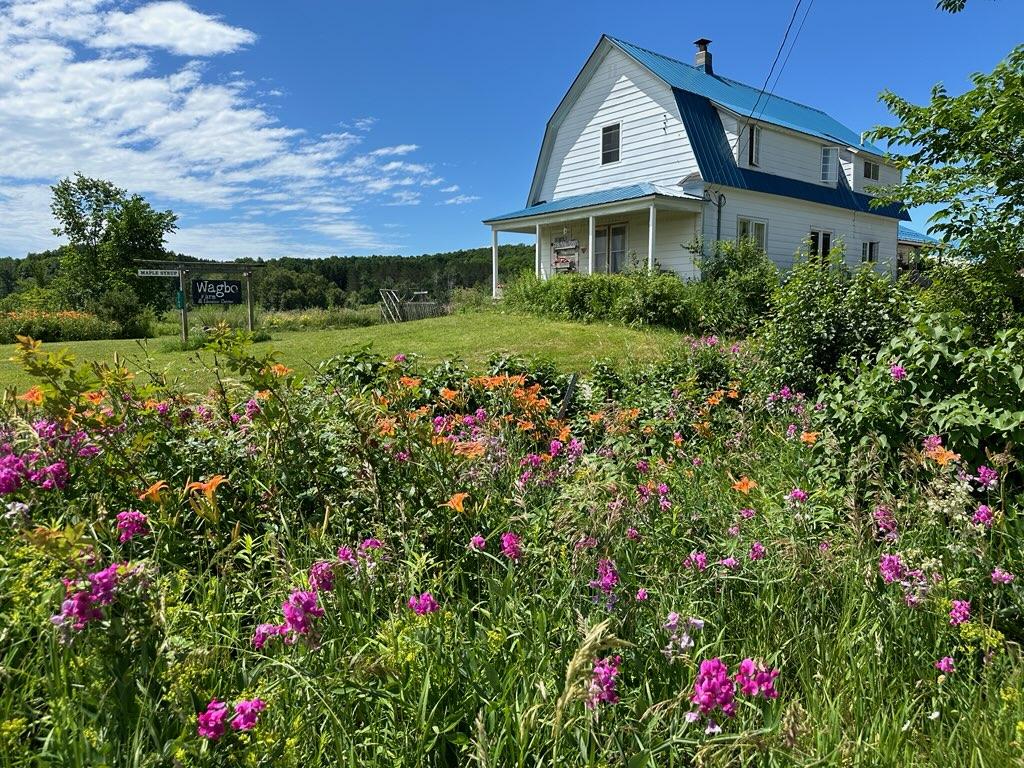
While I was house hunting in East Jordan (Northern Michigan) in 2018, I drove by Wagbo Farm & Education Center and was immediately attracted to its big historic livestock barn, rustic farmhouse and outbuildings and the sheep in the field. I was hoping to be a farmer in the next chapter of my life, and I thought, what better neighbors than a farmstead with sheep! Inspired by a group of women farmers in SW Wisconsin who organized and call themselves the Soil Sisters (@soilsisterswisco), it was my dream to have my own livestock and grow my own food. As luck would have it, I found a great piece of property just up the road from Wagbo that was waiting to be turned into a farm. After moving to our new property, I became acquainted with Wagbo as a non-profit educational organization with a mission to connect people with each other and the land. I learned that Wagbo was a group of people as much as a place. A group with a common goal of supporting sustainable forestry, regenerative agriculture, human self-sufficiency – or in a word – resilience. Everything I believed in. Not only that, but my varied experiences and passions relating to environmental stewardship (stormwater to waste management to invasive species), arts, non-profit administration, building remodeling, facilities maintenance and farming could all be put to use at Wagbo Farm & Education Center. It was a perfect match for me and the next chapter of my life – which was to get back into my creative self, raise my own food and herbs and continue working to help heal Mother Earth to the best of my abilities.
My love of art and nature was kindled in my childhood on a twenty acre “hobby” farm where we raised beef cattle on a small scale. I grew up finding peace and solace by walking in the fields and wood lines that bordered our property. My four younger brothers and I entertained ourselves by playing in the creek and swinging on overgrown wild grape vines. At an early age, I admired the wildflowers and I knew that these beautiful plants that people call weeds had much more to offer and that people were somehow deeply intertwined with the environment and with plants and animals.
Being born in 1962 in the midst of the Vietnam war and the war protests, I always wanted to be a hippy. I admired them – not for their (perceived) obsession with drugs and sexual freedoms – but for their rejection of materialism, social conformity, and war. When I found Wagbo, I felt the Universe had actually placed me in the midst of a group that some outsiders consider hippies – my dream come true. In reality, they are a group of people who are tasked with utilizing the Wagbo farm assets for best use to follow its mission. They are driven to question institutionalized policies and religious dogma and believe in preparing to be resilient and self-sufficient by connecting with the land on a deeper level than most and sharing with others who want to learn the same. I am fortunate to work with this organization with whom I resonate with and with whom I can share a career’s worth of variable skills. I am driven, like many others, to build upon the existing assets that Wagbo Farm possesses and maximize its potential for peace and justice programming, environmental stewardship and community self-sufficiency.
During my husband’s naval career, we moved 8 times and I raised my daughter and ran the household as if I were a single mom. During that time, I changed jobs 13 times. I became very good at submitting resumes and interviewing. I landed several jobs where I was in a newly created position. In essence, I was a self-starter and extremely independent. I began to listen to my true self when I decided to leave work as a government employee doing environmental compliance work and instead work for environmental non-profits. I expected that non-profits would have more freedoms to pursue meaningful projects that actually got boots on the ground for the good of the Earth. I was correct, but I did not realize until I started working as a director, how much time and effort and sacrifice an executive director makes to keep the organization afloat and its employees paid. I’ve taken numerous surveys to determine my leadership style and how best to interact with others. My favorite result was when I was labeled as “Maximizer”. Yes, that was me, always taking something (that needed help) and improving upon it. In fact, I think I have always been attracted to a position or a place that needed help – like a moth to light. I have relied on successful grant writing, creative contracts, persuading others, and donations. All of the skills I learned from my lifetime of 20+ jobs really do come in handy at Wagbo Farm. There are a lot of assets there in need of being maximized. We take it one step at a time. Prioritize a project, seek funding, execute. I want to be making art or spending time with my animals, but I truly get my adrenaline rush from completing successful projects that benefit the various aspects of Wagbo’s mission.
Would you say it’s been a smooth road, and if not what are some of the biggest challenges you’ve faced along the way?
The non-profit, Wagbo Peace Center, aka Wagbo Farm, was born from the dreams of three sisters whose family had immigrated from Norway. Having no heirs, the Wagbo sisters wished for their 212-acre farm to be utilized to support peace and justice and environmental sustainability. After the third sister passed and bequeathed the farm to be a non-profit, the farm was run by various resident farmers that offered educational workshops and ran the maple syrup operation. During and after Covid participation in workshops drastically decreased. Also, the resident program manager was offered a full-time job off the farm which limited capacity for programming. I signed on as a contracted Administrator and Development Officer, but not as program and marketing manager. The budget would not support paid staff beyond my contract, but realizing that you could not raise funds unless donors were connected and motivated to support the organization, it was necessary to find a way to offer programs and services (charitable support) without initial funding. Being the only part-time person associated with Wagbo, I endeavored to fill the gap to lead the development and marketing and execute programs on a volunteer basis. It has not been easy, as marketing has never been among my greatest strengths, but fortunately, we have recently been able to raise funds through grants to help fill that gap. As a result of our efforts, including a very active working board of directors and associates, we are spiraling upward in our ability to provide meaningful support to people in the region and in becoming a self-sufficient non-profit and becoming perceived as an asset to the community.
Thanks for sharing that. So, maybe next you can tell us a bit more about your work?
Grant writer, finance & administrative consultant, project manager and “maximizer”.
Before we go, is there anything else you can share with us?
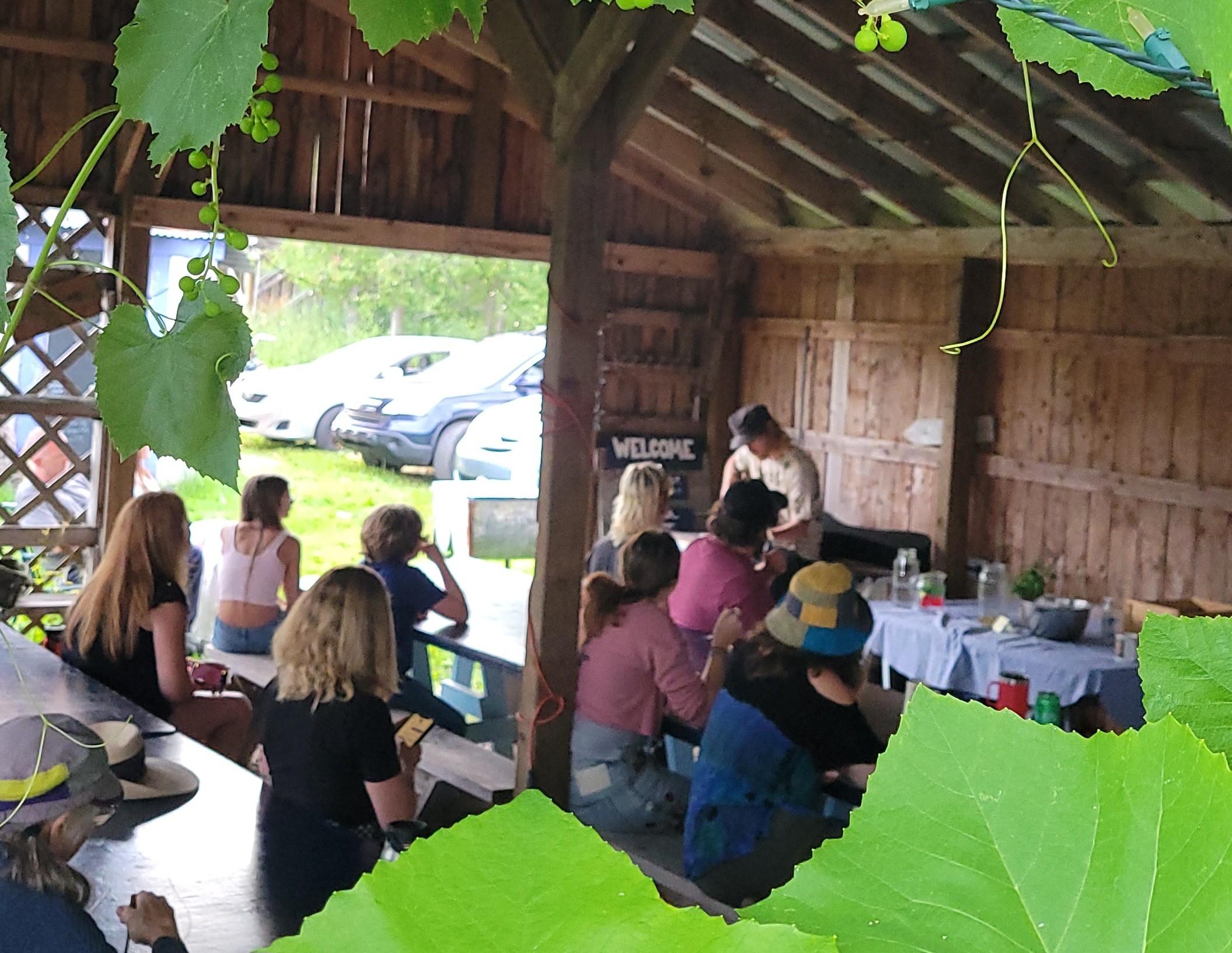
Wagbo’s founding origins around peace and justice and its mission to connect people with each other and with the land is even more relevant today than ever before during its 30-year existence. With today’s misinformation being exposed (think “safe” pesticides like Round-up, the food pyramid turned on its head, and industrial waste products becoming food additives), and with all of the shocking new injustices that grab our attention every day, Peace and Justice is a phrase on everybody’s minds. I believe there is a very real possibility of an energy crisis or an energy delivery crisis (outdated energy grids, malware, etc.) which could result in a food delivery crisis, or water crisis (contamination, flooding, droughts, etc.). So, it is even more important that we know how to be self-sufficient. To decentralize the sources that we rely upon to deliver our basic human needs (food, water, air, housing) in other words, buying and eating local and becoming more self-sufficient is critical in this day and age. Unfortunately. It seems we are on the cusp of either a golden age, or a dark age, but either way, I want to be prepared and I want to support others who want to be prepared. At the same time, we also need to cultivate joy in our lives. Joy can be derived from self-expression, socializing with others, and connecting with mother nature. Wagbo Farm is a place that supports all of these important aspects of living a healthful and abundant life. This year’s programs include a myriad of offerings from health & wellness to arts & music to foraging and planting trees and repairing household items.
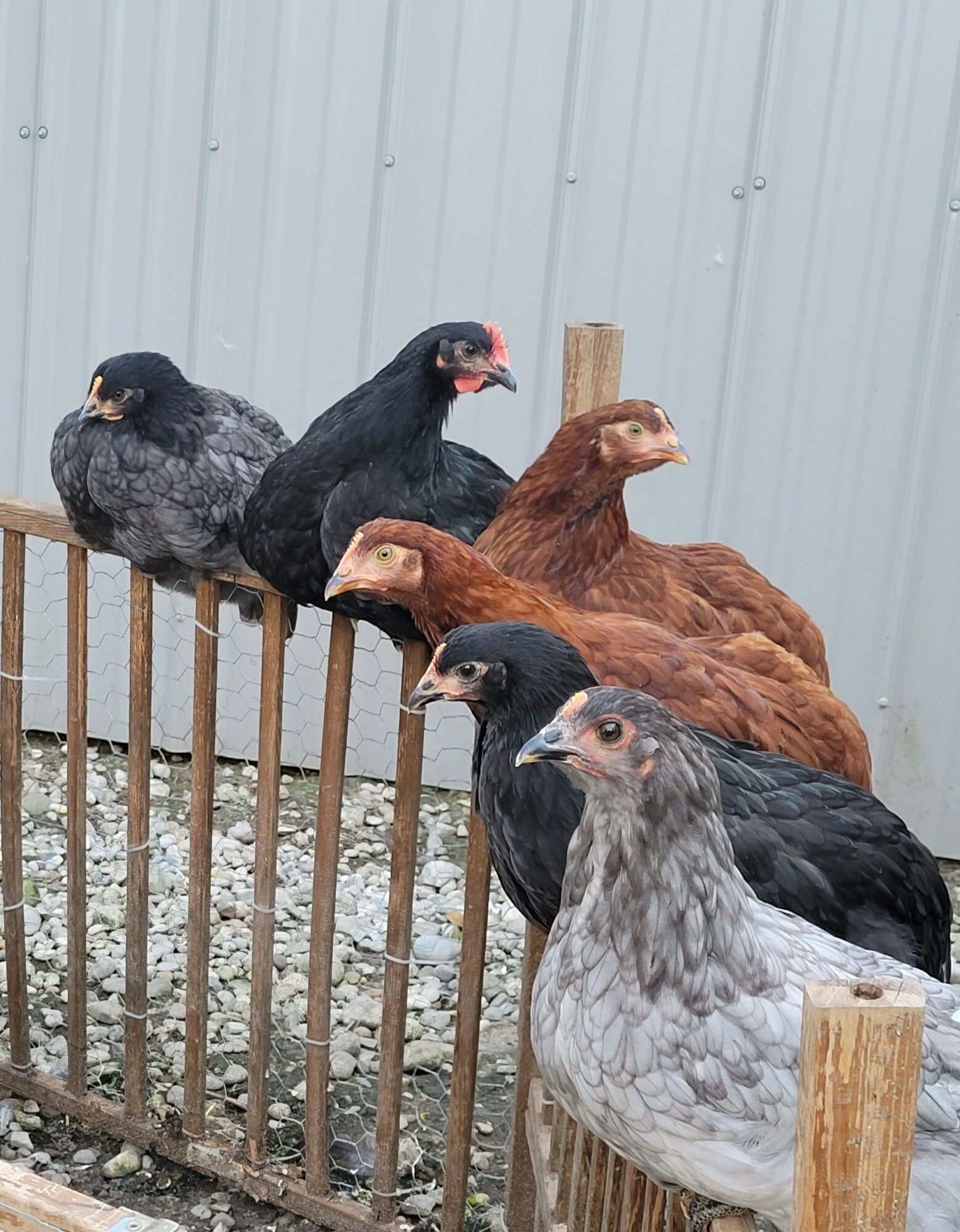
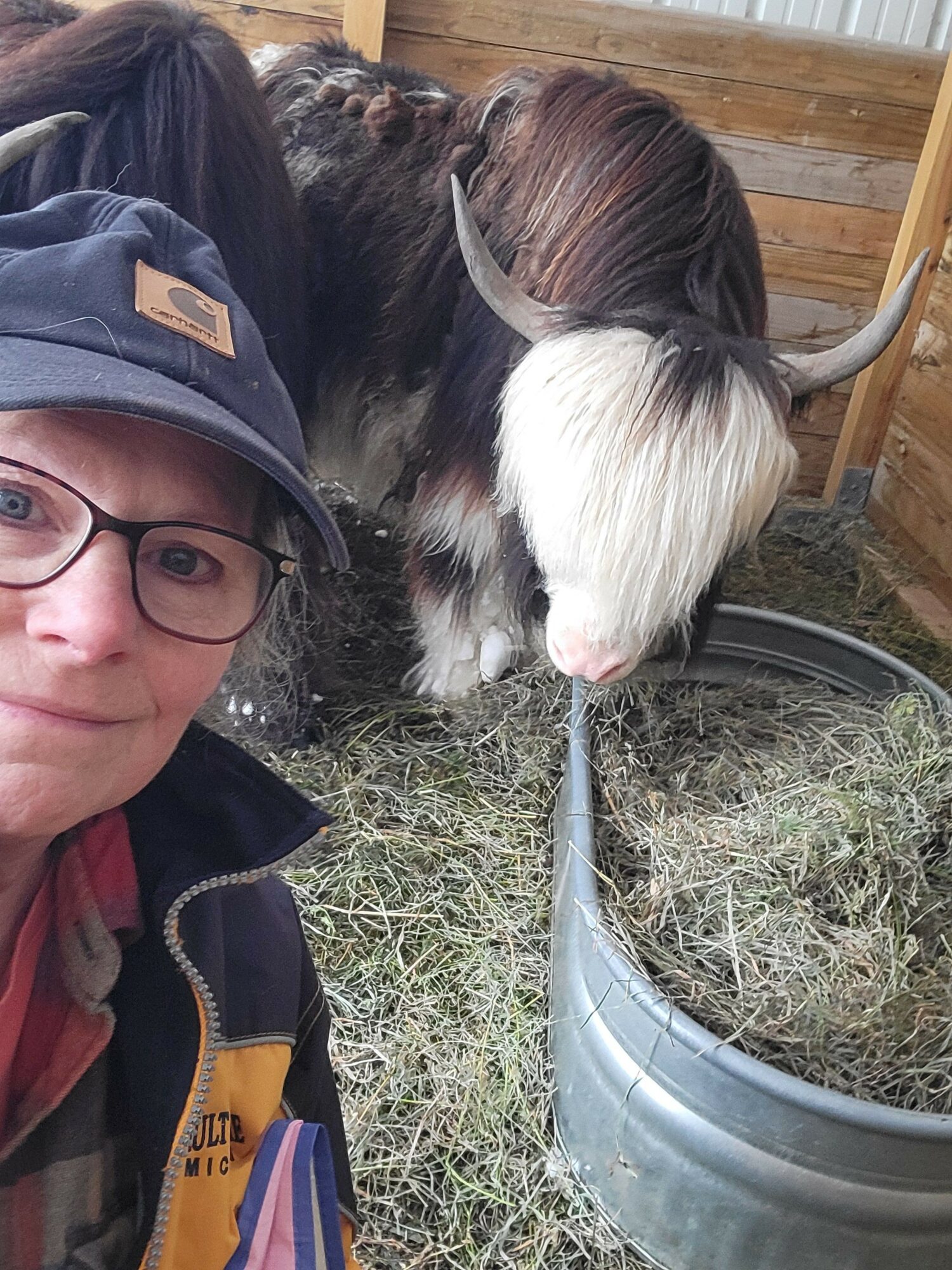
I have always had a hard time limiting my work and taking time out for family, but now that I am a Nana, I have no hesitation saying, sorry, I can’t do that, I will be out of town caring for my littles. They grow so fast, it’s a precious time one cannot ignore, so I am thankful that my job has flexibility. I named our property Healing Hens Farm for a reason. The first animals we got were chickens. Watching their foraging and their social struggles and antics gave me presence and along with that a healing in my soul. Now we also have ducks and rabbits (raised for meat), as well as two Yaks (for wool and meat) that are going to bear young ones this summer. I’m so grateful to be a Nanna and a farmer and a Wagbo associate.
As Wagbo Farm has been offering programs more consistently, we have been meeting new people and organizations that have common interests and resources and skills to share. These new connections are creating synergy and providing a catalyst for even more and better opportunities to support individuals, families and organizations. We are experiencing synchronicity, not coincidentally, but intentionally. We are abundant, indeed, and I am proud to be one of the many key players that has made it happen.
Pricing:
- $50/hr
- Consultations $0
Contact Info:
- Website: https://www.wagbo.org
- Instagram: @gettoknowwagbo
- Facebook: https://www.facebook.com/marthawagbofarm