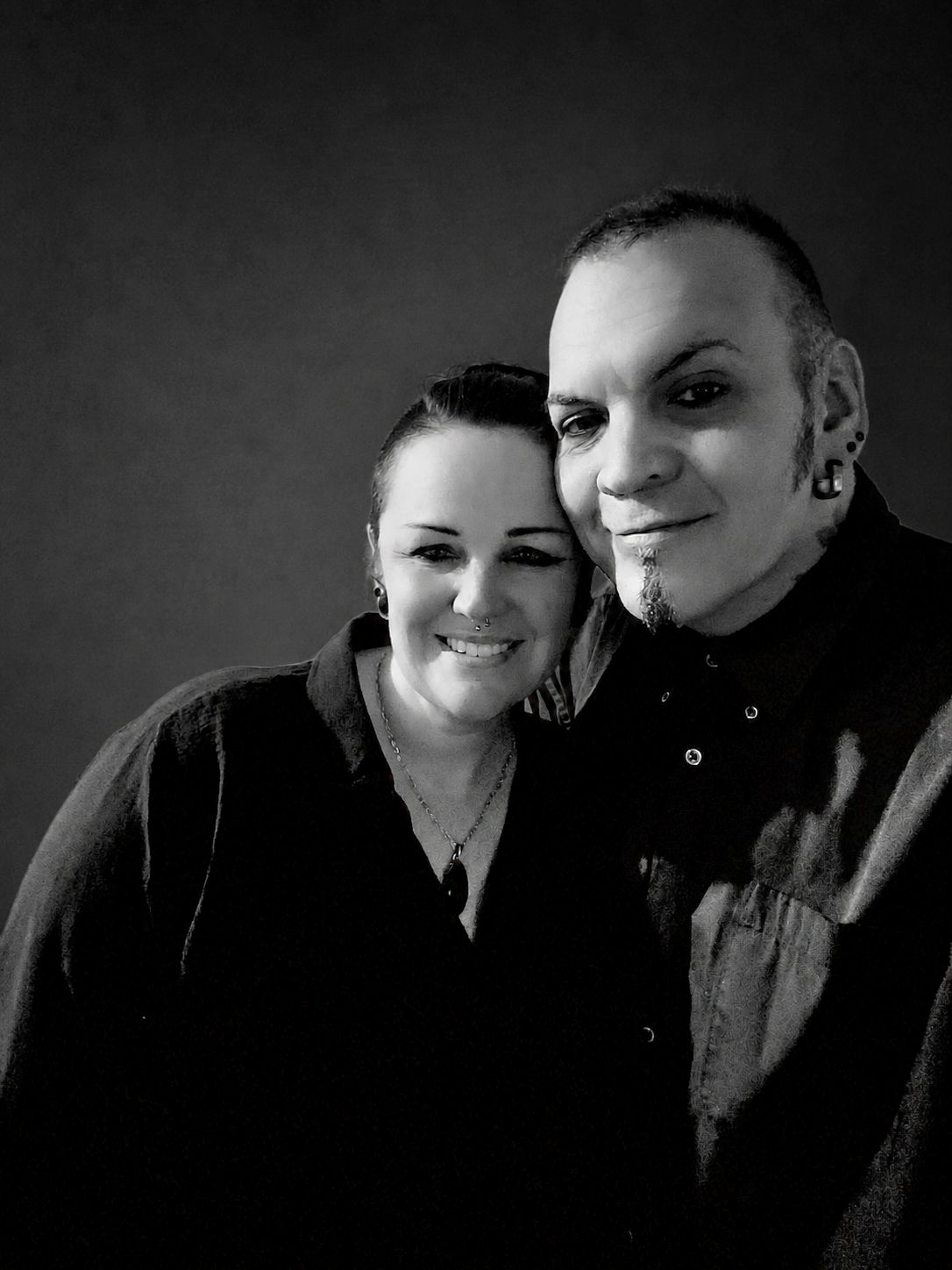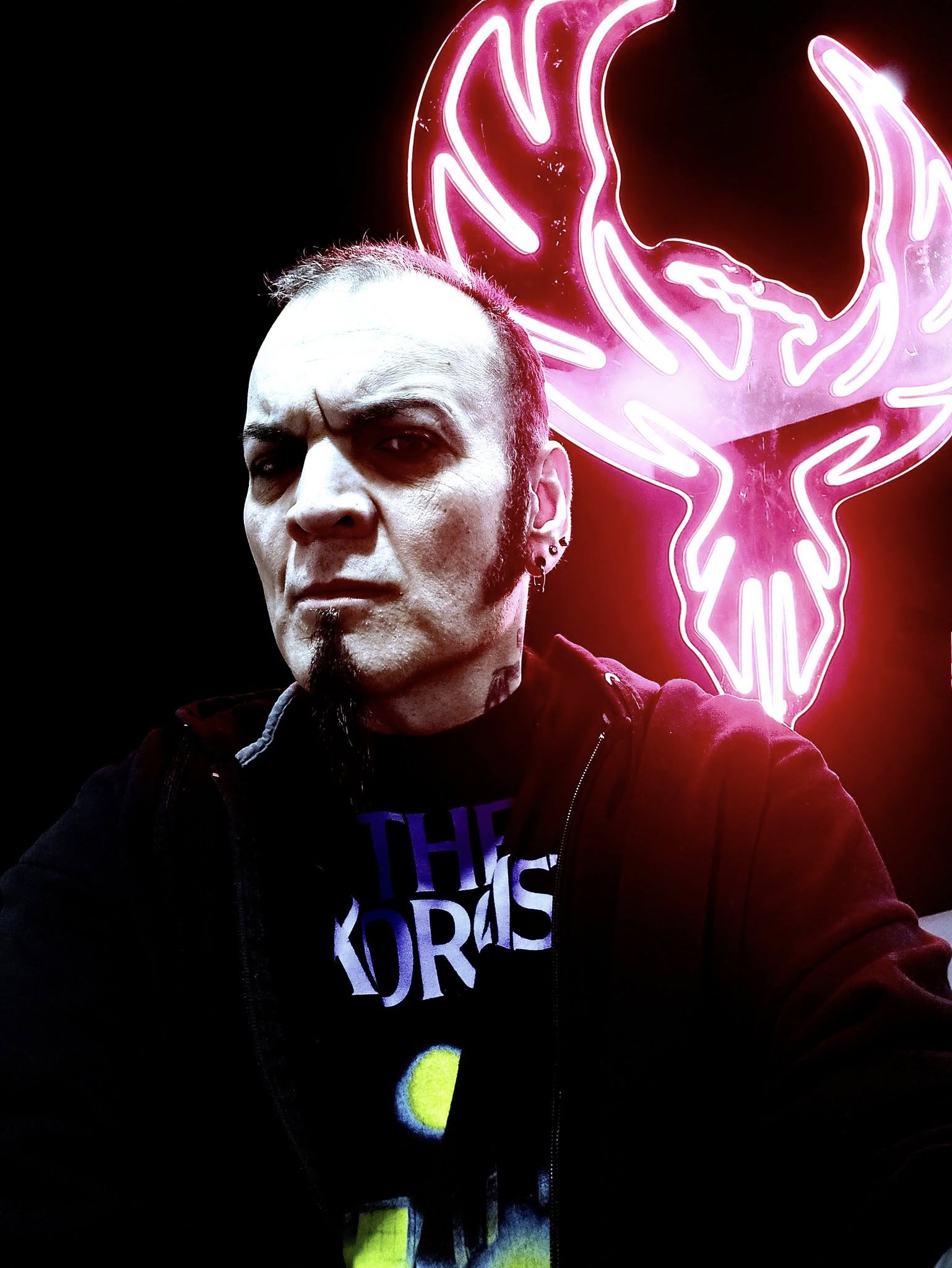





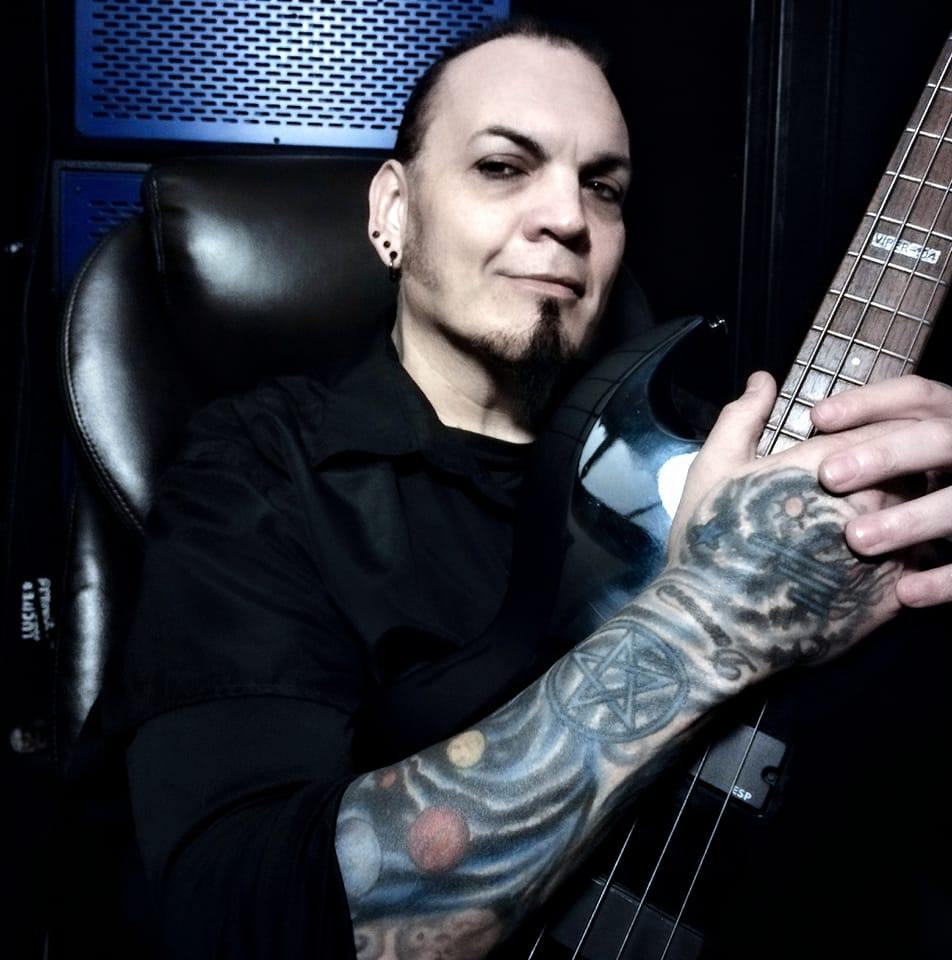
Today we’d like to introduce you to David St. Eerie.
Hi David, it’s an honor to have you on the platform. Thanks for taking the time to share your story with us – to start maybe you can share some of your backstory with our readers?
I started creating art, music, stories, and strange little worlds when I was very young. Horror films, old paperbacks, underground music, comic books, mythology, and the darker corners of imagination always fascinated me. Over time, that evolved into writing music, performing in bands, creating visual art, filmmaking experiments, and eventually building the identity that became David St. Eerie.
Like a lot of artists, my path was not linear. There were periods of growth, periods of collapse, and moments where creativity became less of a hobby and more of a lifeline. Recovery and personal transformation became a huge part of my story. I’m now 17 years clean and sober, and that journey deeply shaped both my life and my art. A lot of what I create deals with transformation, love, cosmic wonder, fear, grief, and the idea that even darkness can become something meaningful when it’s confronted honestly.
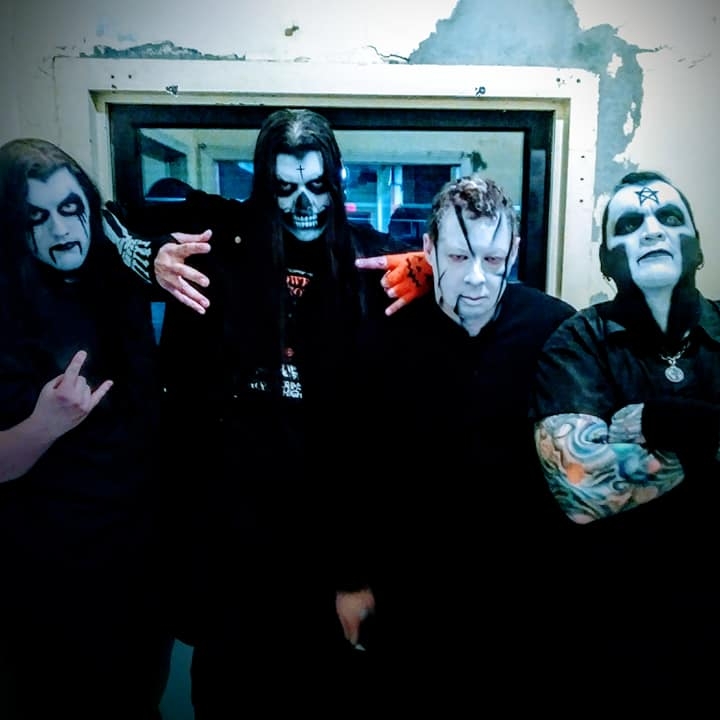
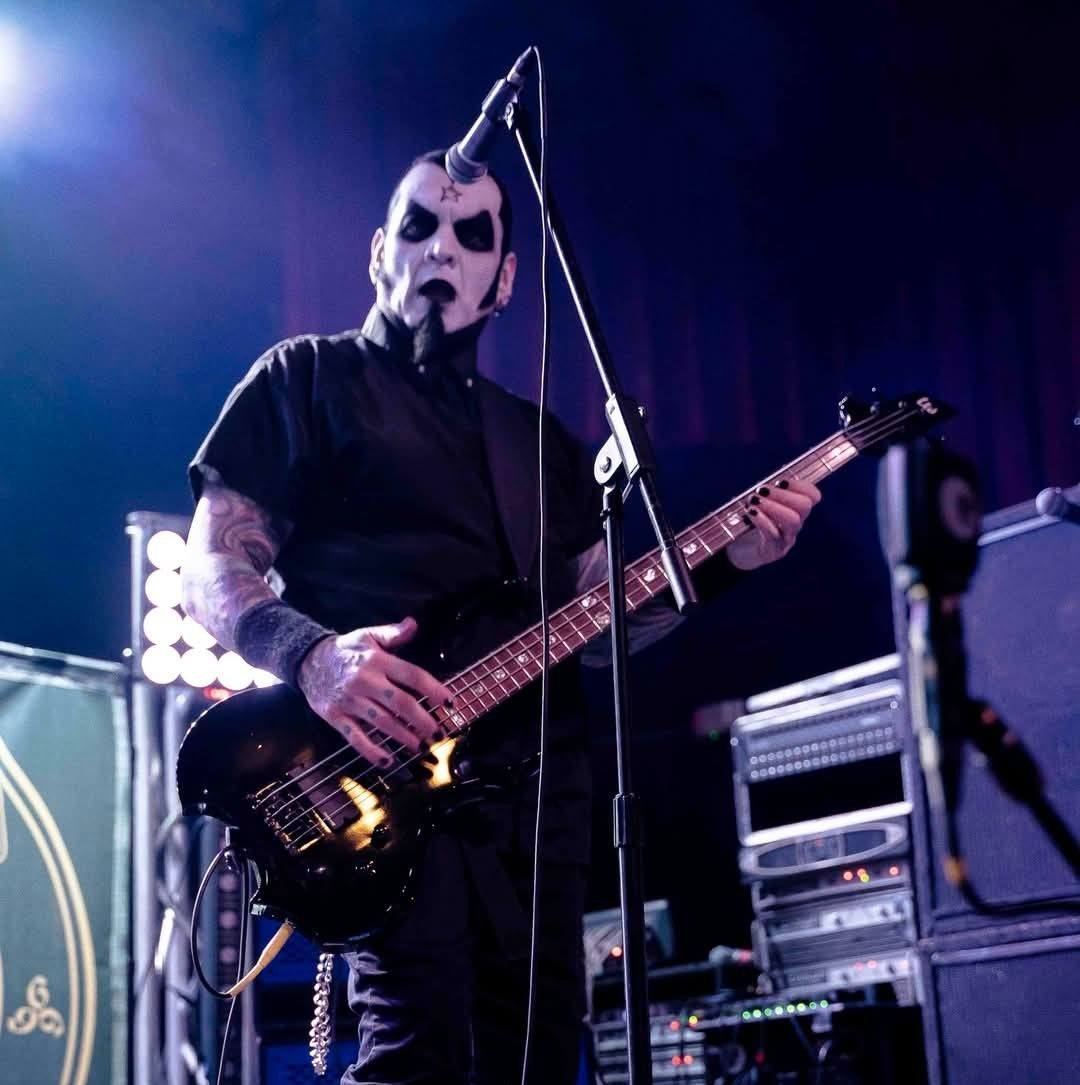
Musically, I’ve worked through several projects over the years, including Lords of October (writing and performing as “Lucifer Fulci”) and now primarily as David St. Eerie, where I blend elements of horror, progressive rock, dark folk, synth-driven atmospheres, and cinematic storytelling. I’ve also continued expanding into writing fiction, experimental film projects, soundtrack work, and multimedia collaborations with my wife Sarah, who inspires much of my creative universe.
At the same time, outside of the creative world, I work in social services and mental health case management. That side of my life keeps me grounded and connected to real human struggles and resilience every day. In many ways, both paths inform one another — one focused on helping people survive reality, the other focused on transforming emotion and imagination into art.
Today, I feel less interested in chasing trends and more interested in building a body of work that feels authentic — something strange, heartfelt, cosmic, romantic, and honest. Whether it’s an album, a short film, a live performance, or a story, I want people to feel like they stepped into another world for a little while… but also maybe understood themselves a little better when they came back out of it.
At this time, my main projects are as follows:
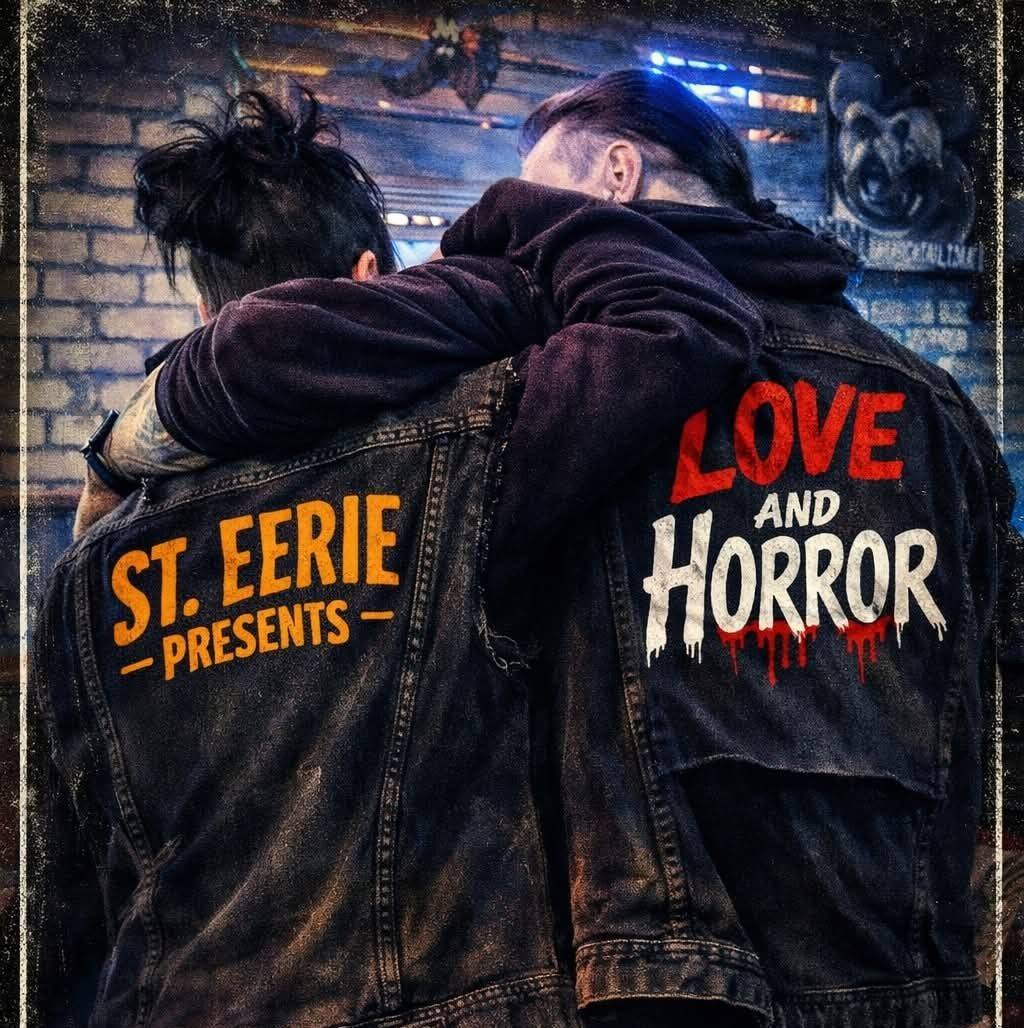
St. Eerie Presents: Love and Horror. This is a feature documentary on my history in horror media, with a bit of scary fiction tossed in for good measure.
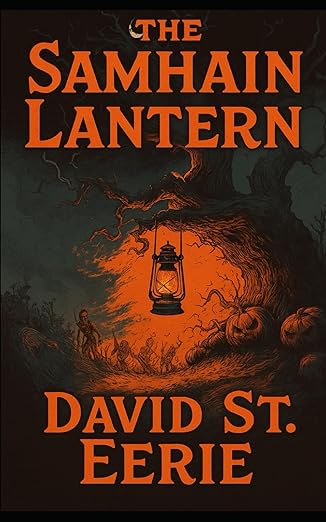
The Ancient Thing. My latest novel, which takes place 100,000 years ago in another solar system. Its a sci-fi/horror story about a group of aliens battling over a creature that has the capacity to destroy entire civilizations.
Unnamed indie/folk album of music. This will be my very first adventure into a more mellow, heartfelt genre of music. I think it is quite beautiful.
We all face challenges, but looking back would you describe it as a relatively smooth road?
Definitely not a smooth road. I think most meaningful creative journeys are a mixture of passion, uncertainty, sacrifice, reinvention, and persistence. There were many years where I was balancing survival, recovery, work, relationships, and creativity all at once, often without knowing where any of it was leading.
Addiction and personal struggles were a major part of my earlier life, and overcoming that completely changed my direction. Getting sober forced me to rebuild myself from the ground up and learn how to create, perform, and live honestly without self-destruction attached to it. I’m grateful to say I’ve now been clean and sober for 17 years, but that transformation took time, accountability, and a lot of hard internal work.
Creatively, there were struggles too. Underground and independent artists often wear every hat imaginable — writing, recording, designing artwork, promoting, filming, editing, networking, and funding projects personally. There were periods where projects stalled, bands changed, life responsibilities took priority, or I questioned whether anyone was even listening. But I kept creating because I genuinely love the process.
Another challenge has been learning how to evolve without losing authenticity. The world changes quickly, especially now with technology and AI transforming creative spaces in real time. Instead of resisting those changes, I’ve tried to adapt while still keeping the emotional and human core of the work intact.
At the same time, many of the struggles ultimately became fuel for the art itself. The darker experiences, the rebuilding process, the strange turns in life, the relationships, the losses, the hope — all of it became part of the stories and music. Looking back now, I don’t think I would remove those difficult chapters, because they shaped both the person and the artist I became.
Great, so let’s talk business. Can you tell our readers more about what you do and what you think sets you apart from others?
St. Eerie Presents is essentially the umbrella that connects all of my creative worlds together. It began as an extension of my music and artistic identity, but over time it evolved into something much broader — a multimedia creative platform that blends music, film, storytelling, visual art, horror culture, and experimental media into one cohesive universe.
At its core, St. Eerie Presents is about atmosphere, emotion, and immersive storytelling. Whether it’s a progressive rock album, a dark folk song, a horror-inspired short film, a cosmic love story, or a surreal visual piece, the goal is always to create experiences that feel cinematic, emotionally honest, and slightly otherworldly. A lot of our work lives somewhere between horror and beauty — eerie, romantic, melancholic, cosmic, and deeply human all at once.
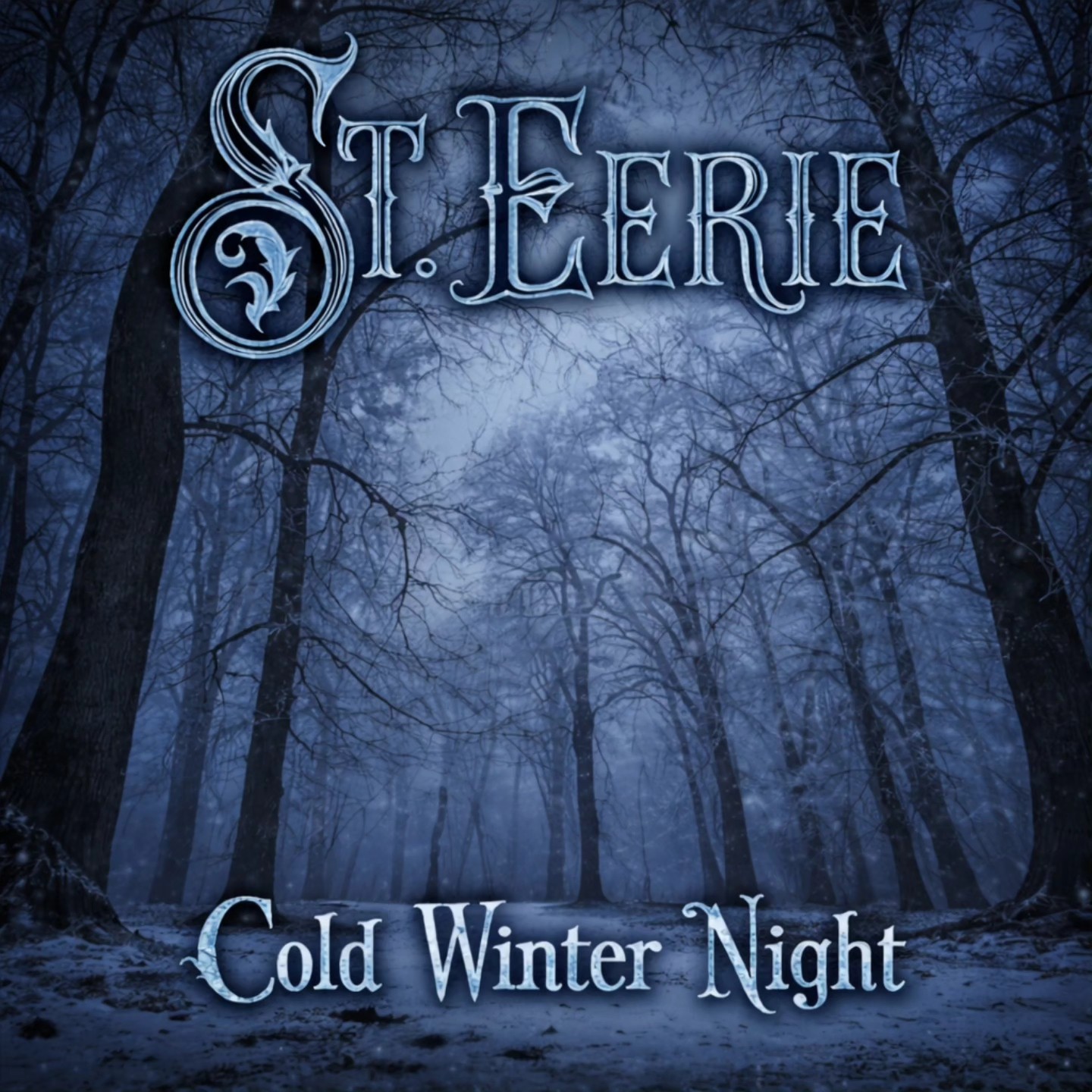
Musically, I’m probably best known for projects like St. Eerie and Lords of October, which draw inspiration from progressive rock, horror soundtracks, gothic and psychedelic music, Synthwave, folk, and classic cult cinema. Beyond the music itself, I’ve become increasingly focused on creating full visual and narrative worlds around releases — artwork, film aesthetics, lore, short fiction, and immersive concepts that make each project feel larger than just an album or song.
What sets St. Eerie Presents apart is that it’s deeply personal and independently built. We aren’t trying to manufacture trends or fit neatly into one category. Everything is created from a genuine love of art, storytelling, underground culture, classic horror, cosmic philosophy, and emotional authenticity. I think audiences connect with that sincerity. People often tell me the work feels like stepping into a dream, an old film, or a forgotten transmission from another dimension — and honestly, that’s one of the best compliments I could receive.
I’m also proud that the brand has become collaborative and family-oriented in many ways. My wife Sarah is a huge creative inspiration and collaborator, and my son Daemon has become involved in directing and filmmaking as well. There’s something meaningful about creating art that becomes part of your family’s shared mythology and creative legacy.
Right now, St. Eerie Presents continues expanding into music releases, books, film projects, experimental video work, live performances, and multimedia storytelling. I want readers to know that this isn’t just a business in the traditional sense — it’s an evolving artistic universe built around imagination, transformation, love, resilience, and the idea that art can still feel mysterious and magical in a world that often moves too fast.
Networking and finding a mentor can have such a positive impact on one’s life and career. Any advice?
One of the biggest things I’ve learned is that genuine relationships matter far more than “networking” in the traditional sense. People can usually tell when someone is only trying to gain something from them. The connections that lasted in my life — creatively and professionally — came from sincerity, mutual respect, consistency, and shared passion.
My advice for finding mentors is to first focus on becoming deeply engaged in what you love. Create constantly. Show up consistently. Support other people’s work. Be curious. Ask thoughtful questions. Most mentors don’t appear through formal arrangements — they emerge naturally through repeated interaction, collaboration, and trust over time.
For me, some of the best opportunities came simply from being involved in local scenes, community events, independent art spaces, recovery communities, music circles, and collaborative creative projects. I learned early on that you don’t have to be the loudest person in the room to build meaningful connections. Being dependable, authentic, and passionate goes a very long way.
I also think people underestimate the importance of perseverance. A lot of creative careers are built slowly, relationship by relationship, project by project. Sometimes the person you casually collaborate with today becomes an important creative partner years later. Sometimes someone notices your consistency long before they say anything about it.
Another important thing is not being afraid to evolve. Technology, media, and creative industries are constantly changing. I’ve had to learn new tools, new platforms, filmmaking techniques, audio production methods, and now AI-assisted creative workflows. Staying open-minded has helped me connect with people across different generations and artistic backgrounds.
Most importantly, though, I would say: build community, not competition. Encourage people. Celebrate other artists. Share opportunities when you can. Some of the strongest creative movements happen when people genuinely want to help each other grow instead of fighting for attention. In my experience, that spirit tends to come back around in meaningful ways.
Contact Info:
- Website: https://www.DavidStEerie.com
- Instagram: https://www.instagram.com/st.eerie.presents/
- Facebook: https://www.facebook.com/st.eerie.presents
- Youtube: https://www.youtube.com/@StEeriePresents