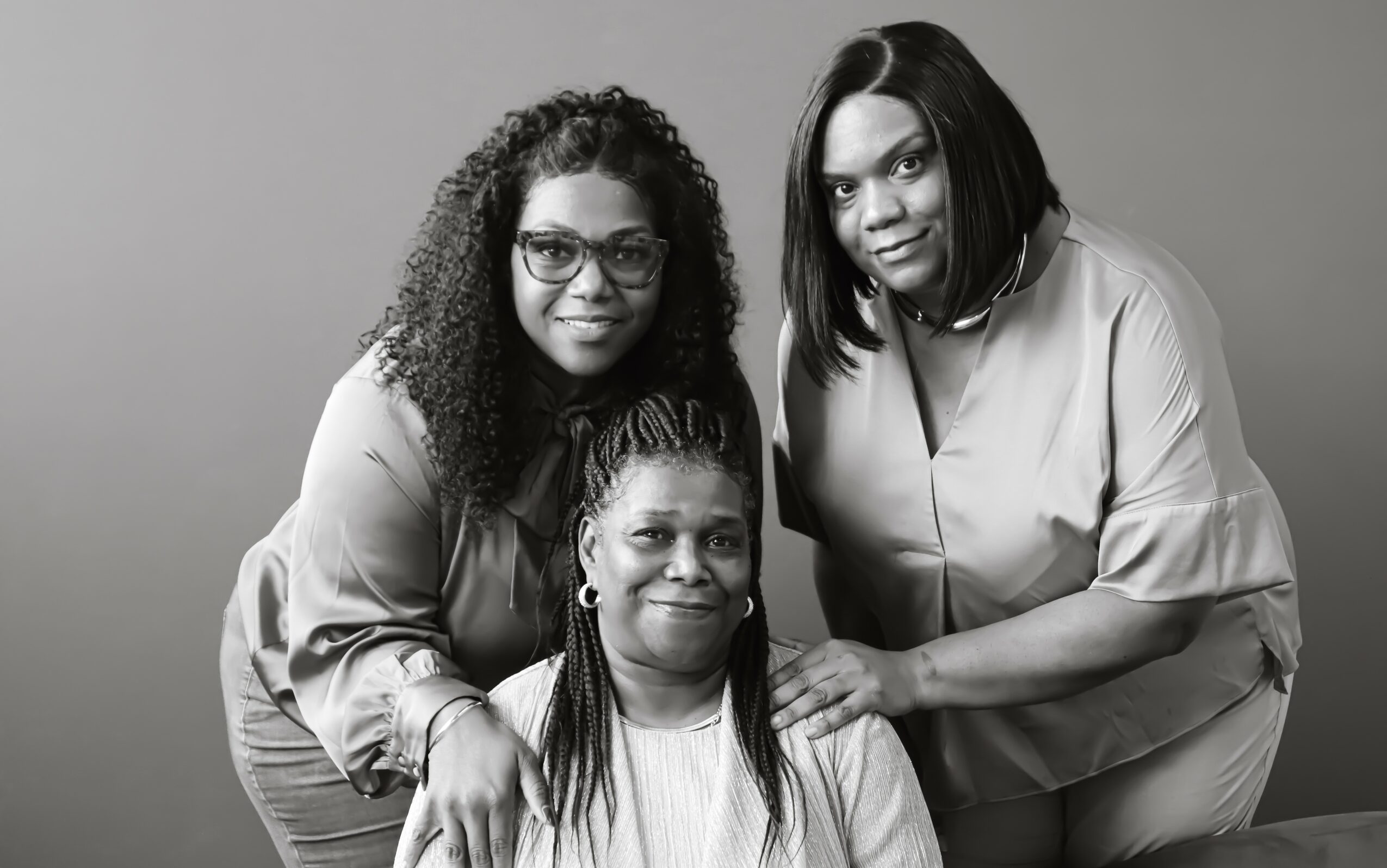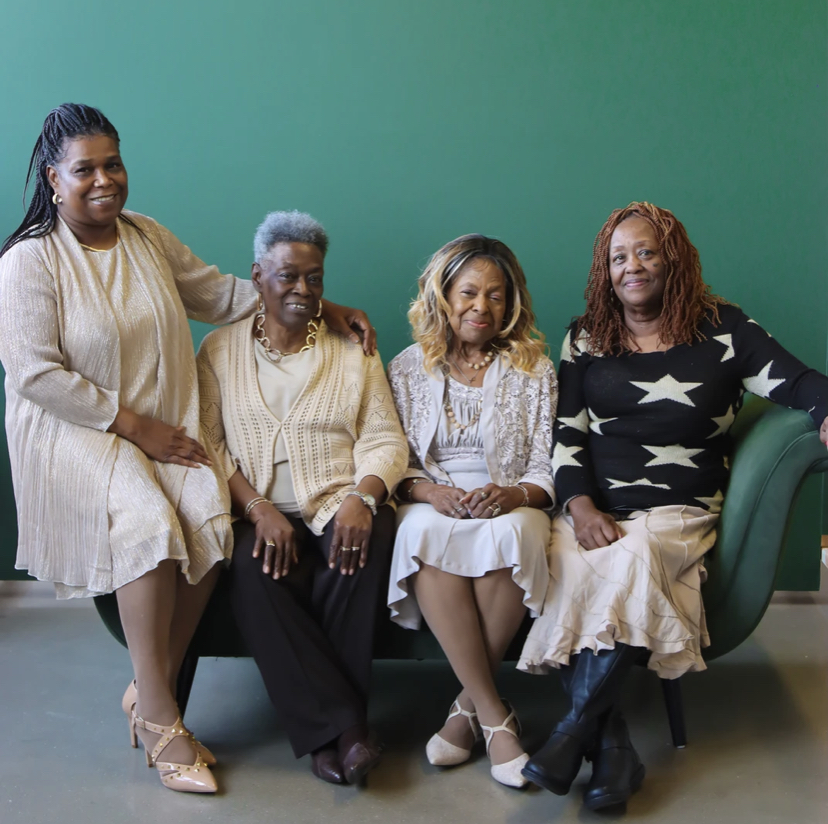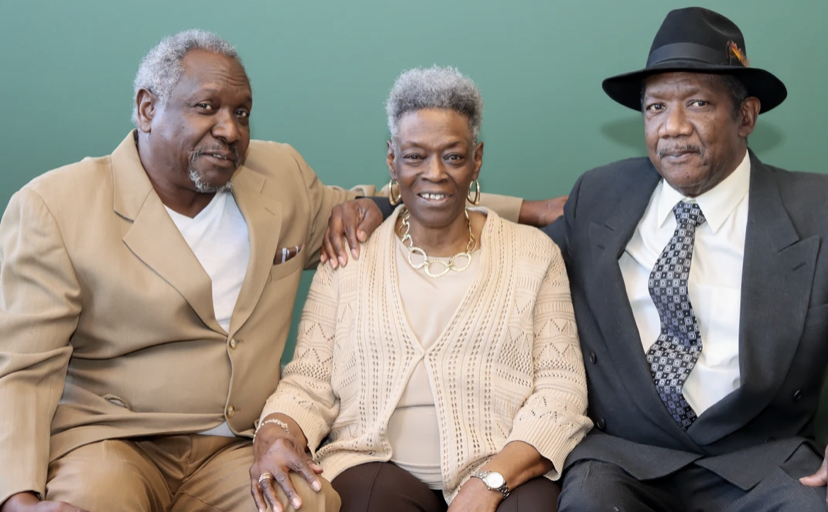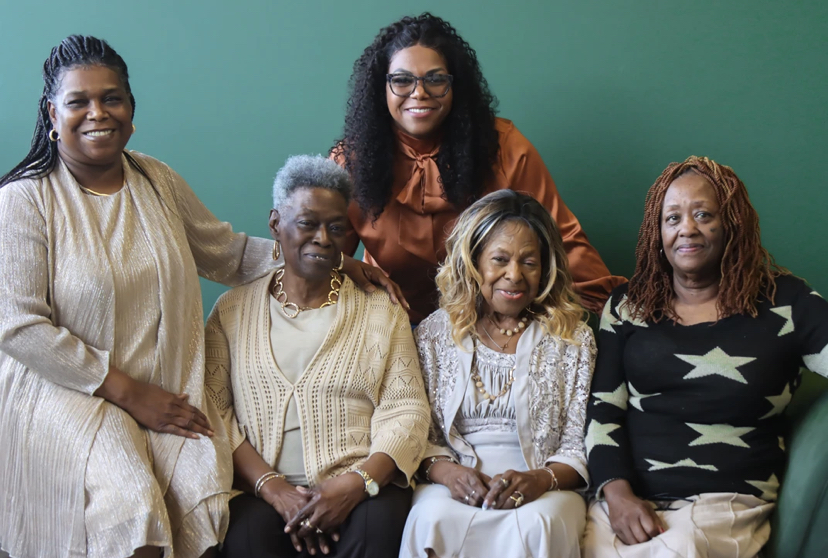





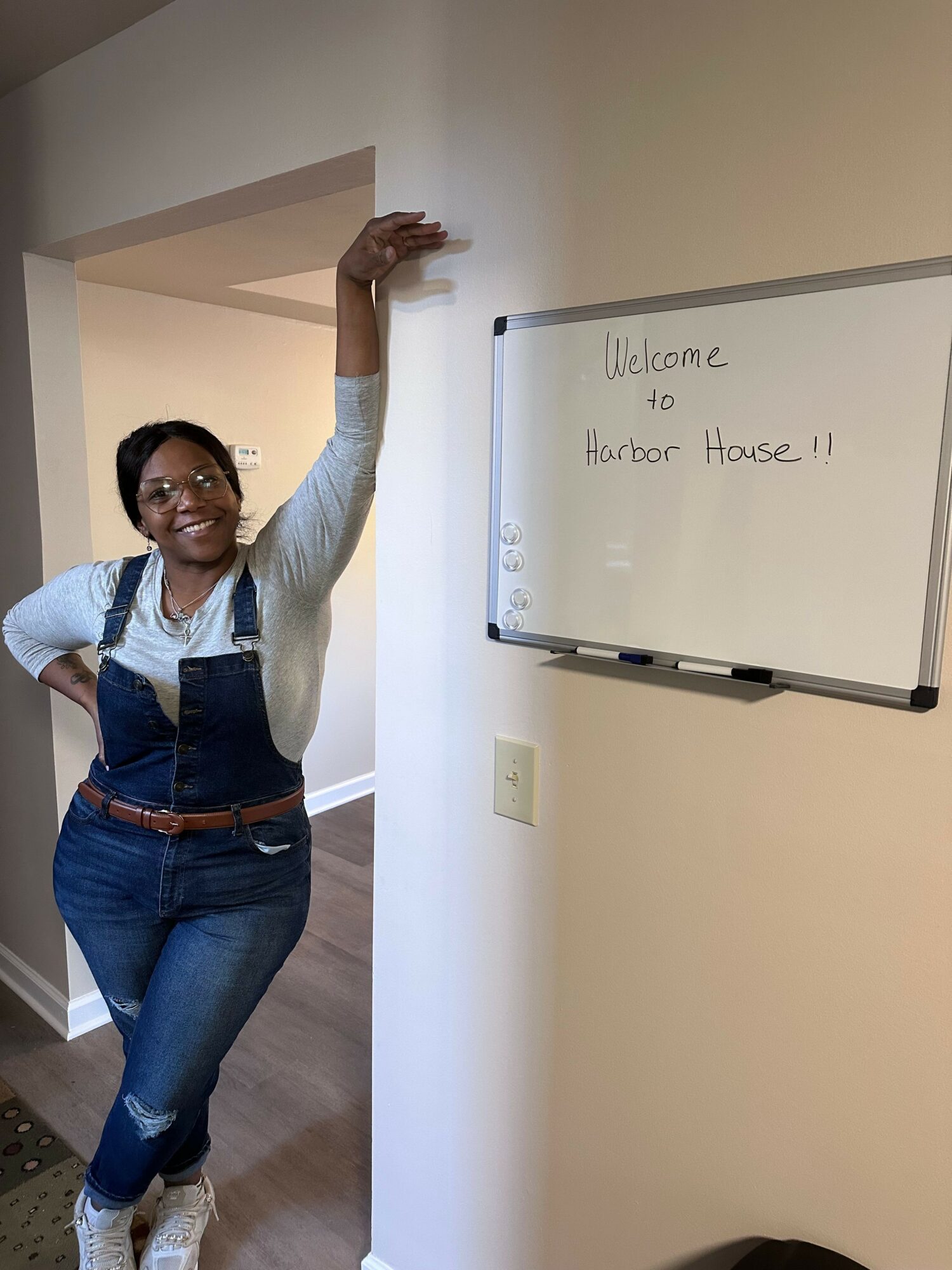
Today we’d like to introduce you to Yolanda Pope.
Hi Yolanda, please kick things off for us with an introduction to yourself and your story.
My story really starts on the floor.
I spent years working as a Licensed Practical Nurse in senior living and post-acute care — bedside, in the trenches, watching what happened to people when the system ran out of room for them. I saw seniors discharged from hospitals with nowhere safe to go. I watched people lose their housing because no one was coordinating their care. I saw how quickly a medical crisis could become a housing crisis, and how a housing crisis could become a death sentence for someone already managing complex illness.
I kept waiting for someone to build the bridge between healthcare and housing stability for that population. And eventually I realized, I was going to have to be that person.
I founded DAP Services & Resources in October 2021, initially as a care coordination and case management organization. What I didn’t anticipate was how fast the need would expand. Within a short time it became clear that coordination alone wasn’t enough people needed somewhere stable to land while we helped them get their footing. That’s how we grew into housing stabilization, launching our Senior Stability Program, designed to support seniors through the stabilization process while they worked toward permanent housing. What we quickly discovered was that the stabilization options simply didn’t exist in our community. So we built them ourselves that’s how Harbor House and our Permanent Supportive Shared Housing model for older adults came to be, both housed under the Senior Stability Program.
Today DAP operates as a full continuum care coordination, nursing services, crisis stabilization, and housing serving seniors 60 and older and adults managing debilitating chronic illness. We went from me, solo, to a growing team with multiple funding streams, hospital referral relationships, and a seat at the table on our local Continuum of Care board.
I’m a mom, a nurse, a founder, and an advocate and I built this because the people we serve didn’t have time for me to wait.
Alright, so let’s dig a little deeper into the story – has it been an easy path overall and if not, what were the challenges you’ve had to overcome?
Smooth is not a word I would use.
Building DAP has been one of the most rewarding and most humbling experiences of my life often at the same time.
The first challenge was credibility. I was a nurse with a vision, not a seasoned nonprofit executive. And for a long time, I was the executive director, the case manager, the grant writer, and the intake coordinator — all at once. I had to learn grant writing, financial management, compliance, program development, and organizational strategy largely on my own, largely while still delivering services directly to clients. There’s no manual for building this kind of organization from scratch, especially one sitting at the intersection of healthcare and housing two systems with different funding structures, different regulations, and different languages that don’t naturally talk to each other. Most funders and systems aren’t built for an organization doing both, which meant we were constantly having to explain ourselves before we could even make our case.
Funding was and honestly still is a constant navigation. In the early days, every dollar required proving that what we were doing was both necessary and sustainable. We were filling a gap that the system hadn’t formally acknowledged yet, which meant we had to educate funders while simultaneously making the case for support. That’s an exhausting position to be in.
Then there’s the tension that every founder in direct service work eventually faces building the organization while still doing the work. I was actively coordinating care for high-need clients, holding their crises, while simultaneously trying to build infrastructure, write policy, and secure funding. Those two things don’t pause for each other. You learn very quickly how to operate under pressure and how to prioritize ruthlessly.
And there’s the human side of the work itself. We serve people in real crisis, seniors who have lost everything, adults whose health has stripped away their stability. Holding space for that every day, while also running an organization, takes a toll. Learning where the boundaries are, for myself and my staff has been an ongoing lesson.
What kept me going was simple: the people we serve don’t get to opt out of their circumstances. So I don’t get to opt out either.
We’ve been impressed with DAP Service and Resources, but for folks who might not be as familiar, what can you share with them about what you do and what sets you apart from others?
DAP Services & Resources is not a traditional nonprofit.
We are a care coordination and case management organization that specializes in the people most systems leave behind: seniors 60 and older and adults managing debilitating chronic illness who are experiencing housing instability or homelessness.
What sets us apart starts with our foundation? Most housing organizations are not clinically led. Most healthcare organizations don’t touch housing. We sit intentionally at that intersection and that’s not an accident, it’s our model. Every service we provide is designed around one question: what does this person need to stabilize, and who is going to coordinate it?
Our core services include:
Care Coordination & Case Management: This is our identity. We connect clients to medical, behavioral health, housing, and social services, and we stay with them through the process. We don’t hand people a list of phone numbers and call it help.
The Senior Stability Program: Our flagship housing initiative, built specifically because the stabilization options for seniors simply didn’t exist in our community. Under this program we operate Harbor House, our transitional stabilization housing, and Permanent Supportive Shared Housing for the Aged (PSSHA) — a model designed to provide older adults with stable, supported housing long-term.
Nursing & Medication Management Services:Because our clients often have complex medical needs that don’t stop when they lose their housing. Having licensed nursing embedded in our model is rare in this space and it’s a direct reflection of our clinical roots.
Crisis Home Help Services: Rapid-response support for individuals on the edge of losing stability, designed to intervene before a situation becomes a full crisis.
Community Education: Crucial Conversations Series: Because systems change requires informed communities. We bring people together to have honest conversations about aging, housing, and health equity.
What we are known for is doing what others refer out. When a hospital social worker, an Adult Protective Services caseworker, or a community health worker encounters a senior with nowhere to go and a complex medical history, they call DAP. We are the organization that says yes when the system has run out of options.
What I am most proud of, brand wise, is that DAP represents something rare: a Black woman-led, clinically grounded, community-rooted nonprofit that built something the system should have built a long time ago. We didn’t wait for permission. We identified the gap, designed the solution, and put it into practice. That spirit is embedded in everything we do.
What I want readers to know is this: DAP is not just a service provider. We are a model. What we are building in Lansing has national implications for how communities address senior homelessness at the intersection of healthcare and we are just getting started.
Do you have any memories from childhood that you can share with us?
My favorite childhood memory is time spent with my grandmother.
I remember being in second or third grade and having a school project where I had to glue objects onto a paper tree. We didn’t have glue or glue sticks we didn’t have a lot of money growing up. Without hesitation, my grandmother went into the kitchen and made a paste out of flour and water. We sat together, finished that project, and turned it in. That was who she was. She made something out of nothing, every single time.
My grandmother was also the first person I ever watched fall through the cracks of a system that should have caught her.
She died of a heart attack at 61 prematurely, and in large part because our family didn’t have the information or support we needed to properly manage her chronic illness. I remember sitting around as a family, talking about the doctor recommending a nursing home, and everyone being strongly against it. Less than a month later, she was gone.
I was too young then to understand what care coordination was, what chronic disease management looked like, or what questions our family should have been asking. I know now. And that knowing is a big part of why DAP exists so that other families don’t have to lose someone the way we lost her.
She made something out of nothing. I’d like to think I’m still doing the same.
Contact Info:
- Website: https://dapservice.org