



Today we’d like to introduce you to Gandhi Bhattarai.
Hi Gandhi, we’re thrilled to have a chance to learn your story today. So, before we get into specifics, maybe you can briefly walk us through how you got to where you are today?
I didn’t choose healthcare because I had a plan. I chose it because I couldn’t imagine doing anything else with my life. Helping people when they are at their most vulnerable when the body is failing them, when the answers aren’t coming fast enough, when fear is louder than hope that has always felt like the most important thing a person can do with their time. Everything else followed from that.
I started on the floors. Cardiac step-down, telemetry, med/surg, renal, nursing homes — over thirteen years across nearly every acute care setting you can work in. I saw what illness does to a person at its most severe. I watched patients come back again and again with the same metabolic crises, the same cardiovascular decline, the same preventable deterioration — and I kept asking myself the same question: why are we only treating this once it’s already a crisis? Where is the medicine that meets people before they fall?
That question sent me further. I became a Family Nurse Practitioner, then a Psychiatric-Mental Health Nurse Practitioner. because I kept noticing that the body and the mind were never actually separate problems, even when we treated them that way. I still practice at a psychiatric outpatient clinic. That work grounds me. It reminds me that behind every lab value and every treatment plan, there is a person trying to live a full life.
The turning point toward ARBOUR came from watching something that quietly troubled me for years: people getting sick young. Not elderly patients with a lifetime of wear people in their thirties, forties, fifties with cardiovascular disease, metabolic dysfunction, hormonal decline, and early aging that felt premature and, more importantly, preventable. I started pursuing anti-aging medicine, attending advanced courses, seeking hands-on training in hormone optimization, regenerative protocols, and aesthetic medicine. And the more I learned, the more certain I became that this was where I was meant to practice. Not just treating disease preventing it. Not just managing decline — reversing it where the science allows.
ARBOUR Longevity was built on a single conviction: that longevity isn’t luck. It’s the product of maintaining your hormonal environment, your metabolic health, your cardiovascular resilience, and yes, your skin, your confidence, and your intimate health. These things matter. Sexual wellness is one of the areas I feel most strongly about, because so many men and women are silently struggling with changes they don’t know how to name and don’t believe have solutions. They do. That is exactly why we offer what we offer, and why no department at ARBOUR exists in isolation from the others.
If I could distill everything into one sentence, it would be this: I want to be the clinician who helps people stay well long enough to actually enjoy their lives and to look and feel like themselves while doing it. That’s the work. That’s ARBOUR.
We all face challenges, but looking back would you describe it as a relatively smooth road?
Honestly, no. And I wouldn’t trust anyone who told you building something like this was easy.
There is a particular kind of challenge that comes with building a cash-pay clinical practice in a market that has been trained to expect insurance-covered medicine. You are asking people to think differently about what their health is worth and what kind of relationship they want with the person responsible for it. That requires trust that takes time to build, and in the beginning, time is the one thing you don’t feel like you have enough of.
There is also the reality of doing this while still practicing clinically. I still work at a psychiatric outpatient clinic. I still see patients there while building ARBOUR from the ground up. The days are long. The mental load of running a clinical practice the operations, the marketing, the compliance, the patient experience, the business decisions alongside the emotional weight of psychiatric work is something you have to consciously manage. Some weeks you carry more than feels sustainable.
But here is what I keep coming back to: I have spent thirteen years in healthcare watching what happens when people don’t get ahead of their decline. I have seen cardiovascular disease in people who should have had decades left. I have seen hormonal decline quietly destroy the quality of someone’s life for years before anyone named it. I have seen men and women suffer in silence with intimate health concerns they felt they had nowhere to bring. That picture does not leave you. It makes the hard days feel like the right price to pay.
I don’t think of myself as someone who overcame the obstacles so much as someone who was too convinced of the need to let them stop me. The community deserves this kind of care. That has always been enough to keep going.
Thanks for sharing that. So, maybe next you can tell us a bit more about your work?
I am a triple board-certified clinician, Family Nurse Practitioner, Psychiatric-Mental Health Nurse Practitioner, and Ani-aging and I founded ARBOUR Longevity in Ann Arbor to practice at the intersection of all three. I can imagine very few providers hold all three simultaneously and are determined to make the kind of change in people’s lives that this combination makes possible. That intersection is where the most meaningful work happens.
But I want to be honest about something: this work is also personal. In my twenties I was dealing with significant hormone issues of my own. It was affecting my life in ways I couldn’t fully explain to anyone around me, and finding the answers figuring it out for myself through clinical knowledge, persistence, and refusing to accept that nothing could be done changed everything. That experience never left me. It became the lens through which I see every patient who walks through the door with a concern they have been carrying quietly for too long.
What I specialize in is preventing the kind of decline most people assume is inevitable. Premature cardiovascular disease. Metabolic dysfunction. Hormonal decline that quietly erodes energy, mood, body composition, and intimate health for years before anyone addresses it. Early aging that accelerates when the internal environment is ignored. These are not separate problems they are different expressions of the same underlying picture, and addressing them requires a clinician who can see the whole picture at once.
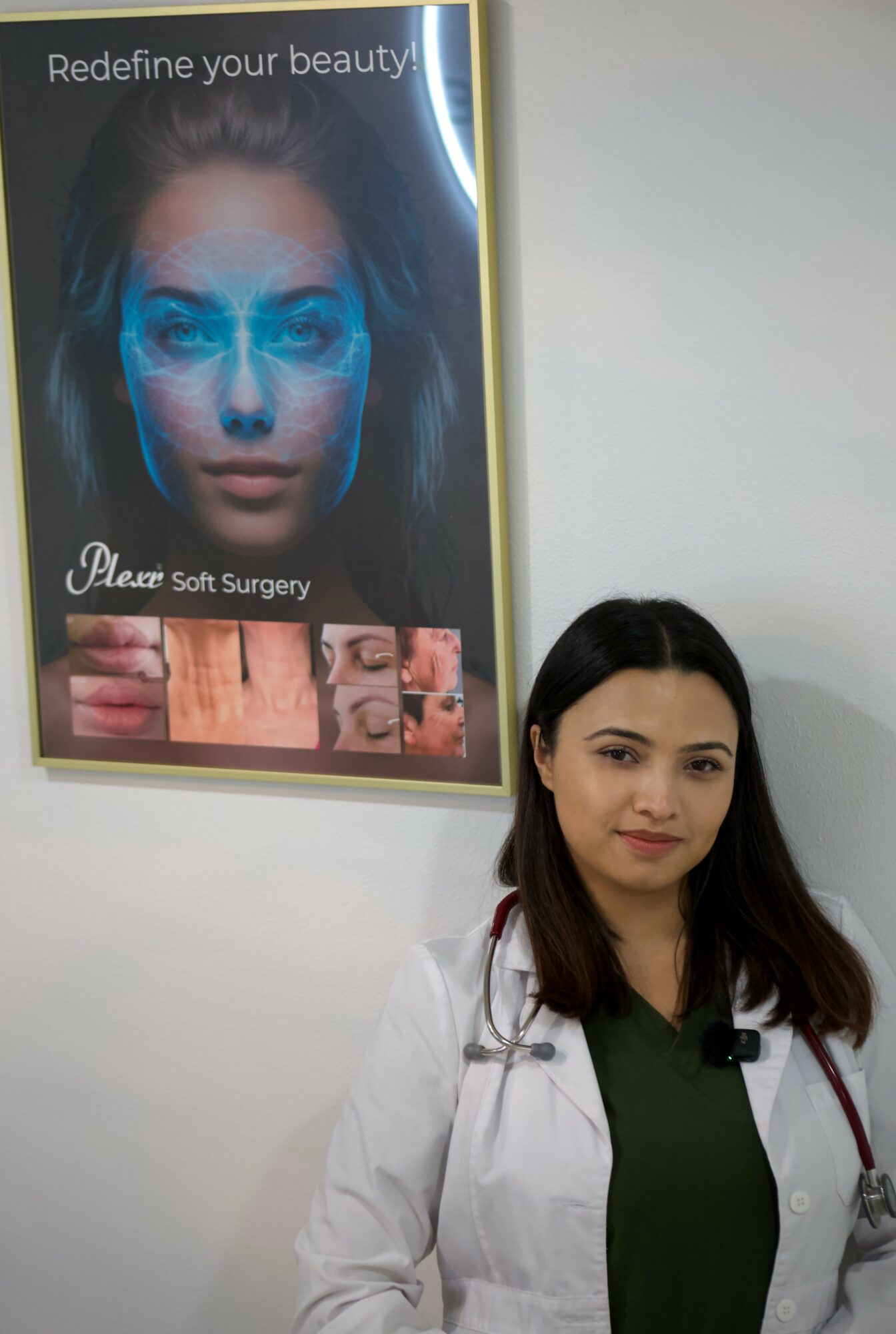
At ARBOUR that translates into a genuinely integrative practice. Advanced Plasma Soft Surgery using Plexr Plus FDA-cleared, safe for every skin tone, every season. Comprehensive hormone optimization for men and women. Medical weight loss. NAD+ and IV therapy. peptides, Advanced injectables. And sexual wellness, including CMA-licensed P-Shot and O-Shot treatments an area I feel particularly called to because so many men and women suffer silently with changes they don’t believe have solutions. They do. I know, because I was once one of those people looking for answers that felt impossible to find.
What I am most proud of is the clinical framework that holds all of it together. Every patient is assessed through a hormonal, vascular, neurological, and psychological lens before any recommendation is made. That is what the triple certification makes possible and it is what sets this practice apart.
What drives me is simple: I want people to live longer, feel better, and look like themselves while doing it. ARBOUR is my answer to that conviction. And in many ways, it is the practice I wish had existed for me.
Are there any important lessons you’ve learned that you can share with us?
That the most credible thing you can offer another person is the truth of your own experience.
I spent years in clinical settings learning how to assess, diagnose, and treat. I became board certified three times over. I studied the evidence, attended the courses, put in the hours. And all of that matters deeply. But the lesson that changed the way I practice did not come from a textbook. It came from being a patient myself.
I had to figure it out for myself through clinical knowledge, through persistence, and through refusing to accept that nothing could be done. That experience taught me something I carry into every patient encounter: suffering in silence is not strength, and a concern that goes unnamed does not go away. It just goes unaddressed.
The lesson I return to most is this; listen to what people are not saying as much as what they are. In over thirteen years of clinical practice, I have found that the most important thing a patient needs before any treatment is to feel genuinely heard. Not managed. Not processed. Heard. Once that trust exists, the clinical work becomes a collaboration rather than a transaction. And the outcomes reflect that difference every time.
The other lesson is simpler and harder at the same time: do not wait for the perfect moment to build the thing you believe needs to exist. The need in the community was real and it was urgent. People were declining in ways that were preventable. That reality was more compelling than any fear I had about whether the timing was right or whether I was ready. I was not fully ready. I started anyway. I think that is almost always the right answer.
Contact Info:
- Website: https://www.arbourlongevity.com
- Instagram: @arbourlongevity
- Facebook: https://www.facebook.com/endurancehrt