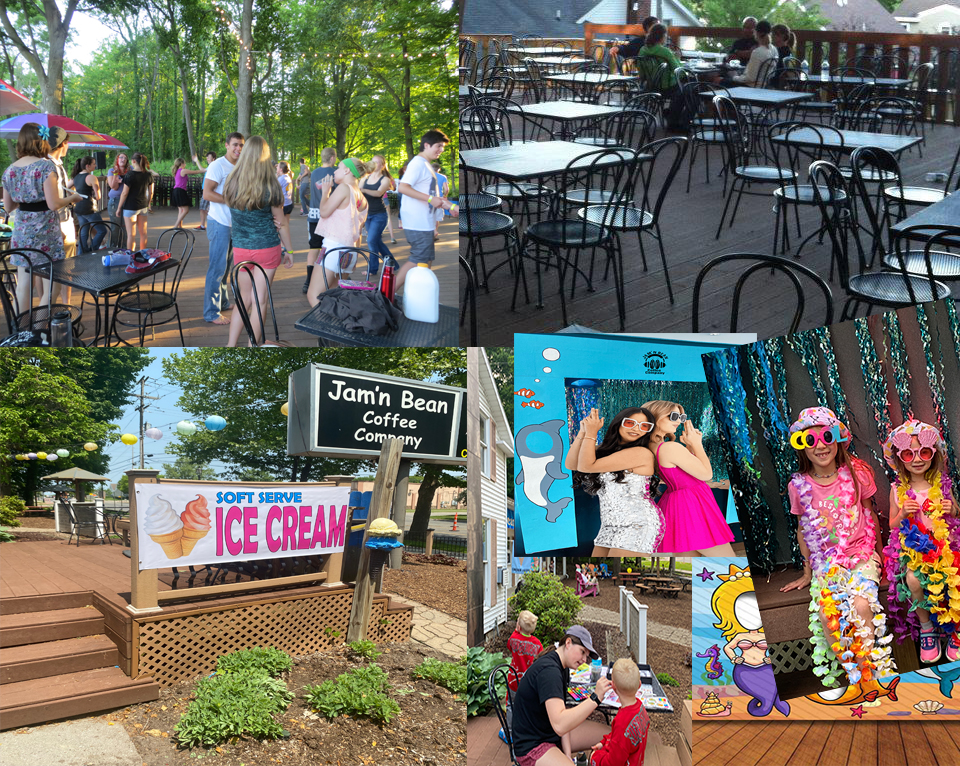






Today we’d like to introduce you to Doug Lee.
Hi Doug, can you start by introducing yourself? We’d love to learn more about how you got to where you are today?
Jam’nBean was never meant to be just a coffee company. From the very beginning, it was about music, community, and protecting creative opportunities for young people.
In 2011, Jam’nBean was founded as a fundraiser to support the Forest Hills Marching Band. At the time, the Forest Hills Central High School marching band was a powerhouse—over 300 student musicians in a school of just 1,200 students. As a father of four children deeply involved in music, I saw firsthand how music education builds discipline, confidence, creativity, and lifelong skills in our youth.
In 2010, Michigan introduced a graduation requirement mandating a full year of foreign language for publicly funded schools. While well intentioned, the unintended consequences were immediate and severe. Music and art programs across the state were reduced or eliminated. At Forest Hills, the marching band dropped from more than 300 students to just 80 in a single year. Similar declines were seen statewide.
Watching these programs disappear was heartbreaking. That moment is when the Jam’nBean idea truly took shape. What began as a small coffee fundraiser evolved into a mission-driven effort to support music education. Over time, Jam’nBean donated more than $100,000 in music scholarships, directly benefiting students and programs in need.
In 2015, Jam’nBean became instrumental in helping change Michigan law, allowing students to substitute music and art for the foreign language graduation requirement. The bill passed unanimously through both the House and Senate and was signed into law in November 2015.
With that milestone reached, I believed Jam’nBean’s mission was complete and planned to close operations in 2016. However, my son Thomas had a different vision. He saw Jam’nBean’s potential as a business built on craft, quality, and purpose. With his encouragement, Jam’nBean transitioned into a for-profit company.
In 2016, we opened two additional locations and began our journey as a premier coffee roaster. Thomas became an apprentice roaster, developing his craft under the guidance of a California-based master roaster. His dedication and attention to quality helped define the flavor and consistency Jam’nBean is known for today.
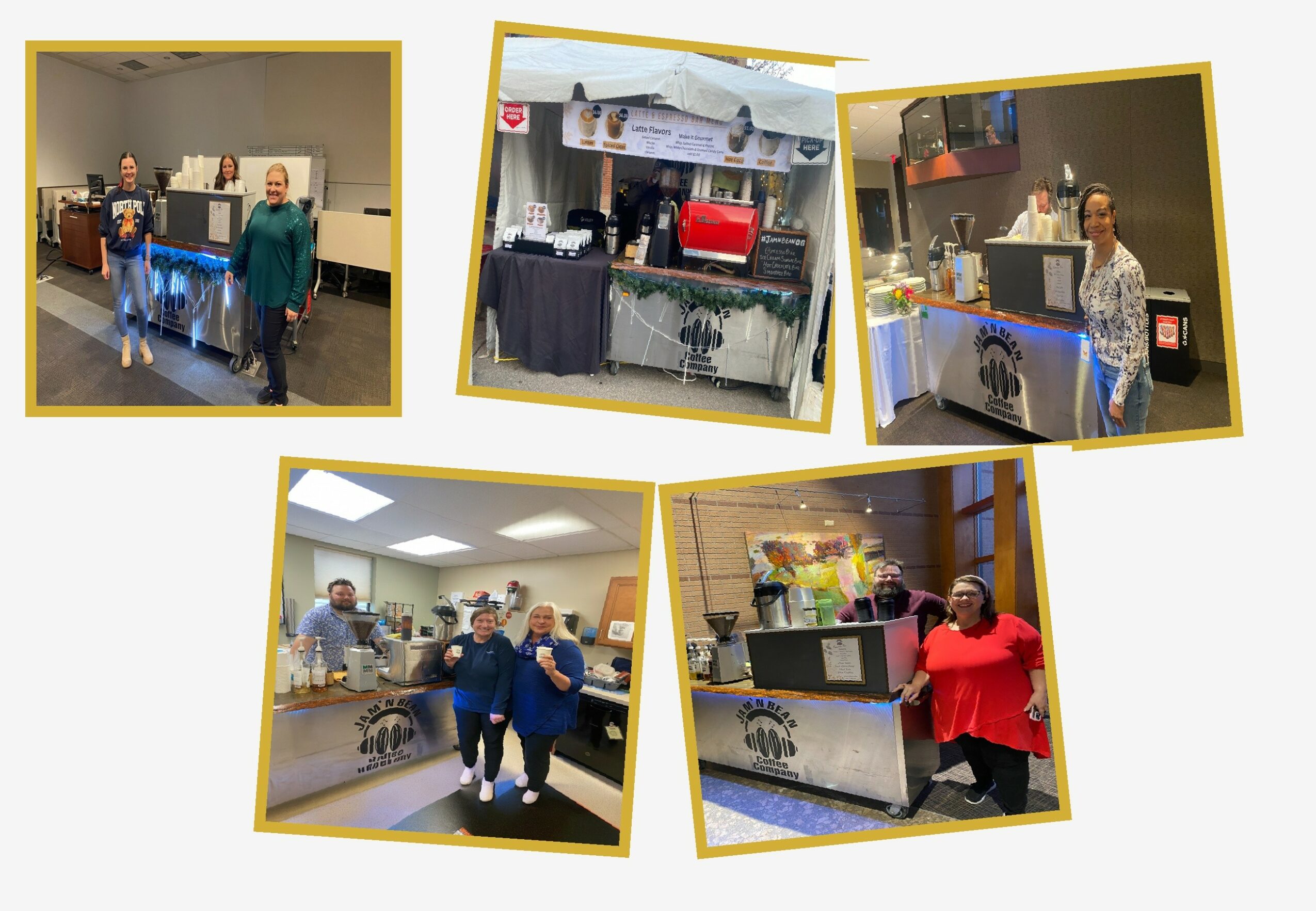
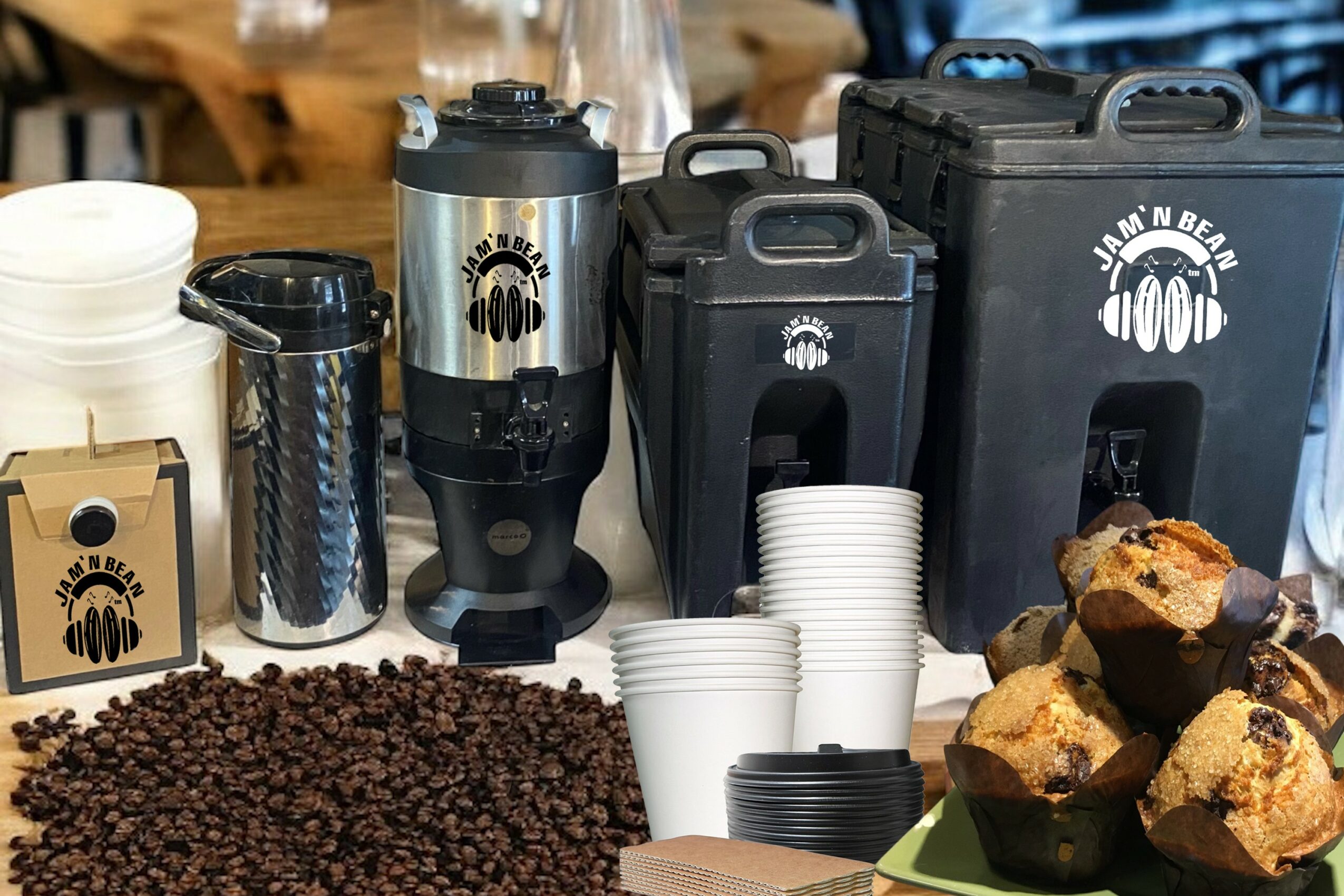
Then came COVID. The pandemic forced the closure of two locations and required another reinvention. We shifted our focus to online sales and created a mobile catering division, bringing Jam’nBean coffee and beverages to large-scale events, weddings, graduation parties, and corporate gatherings.
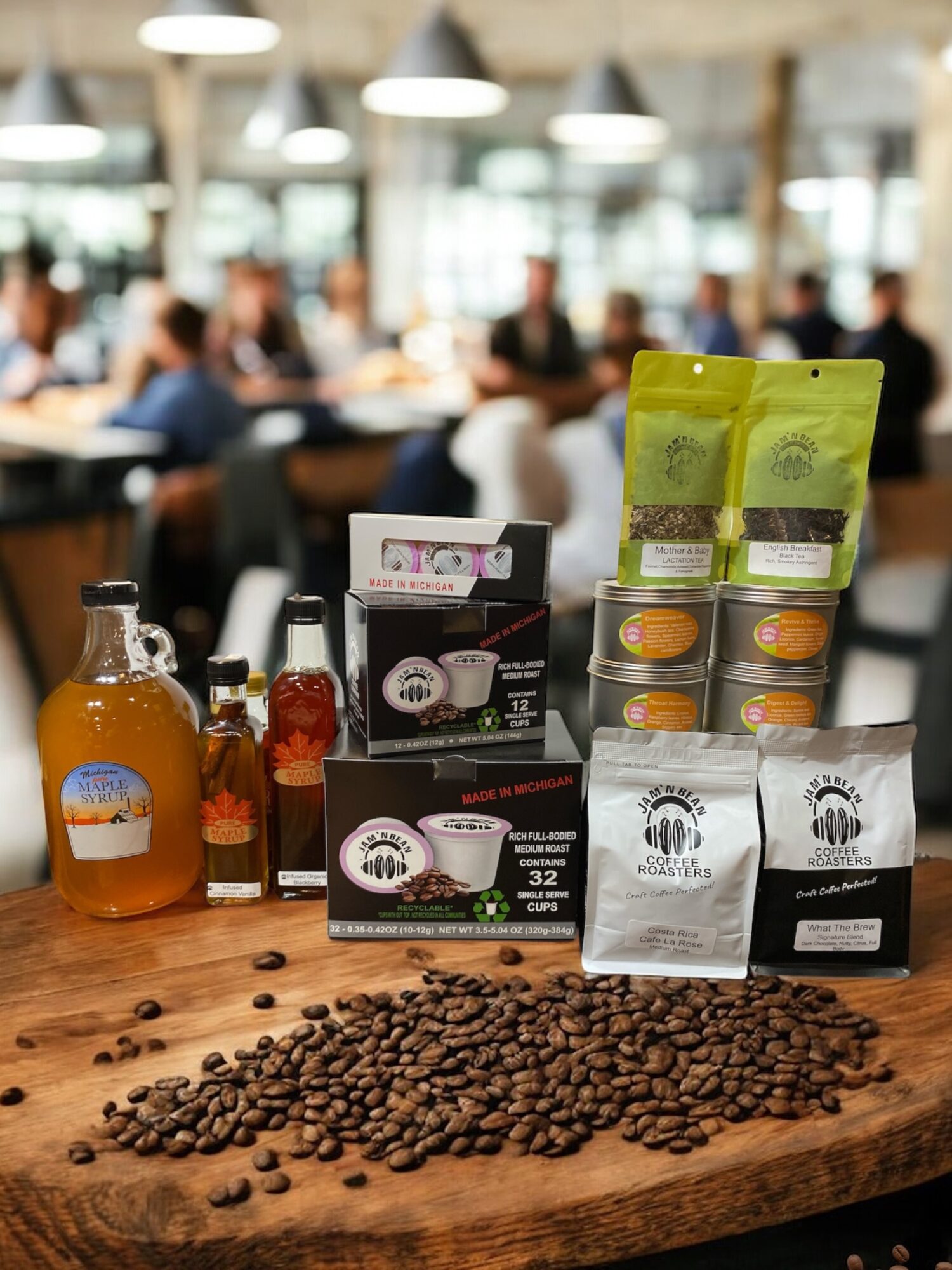
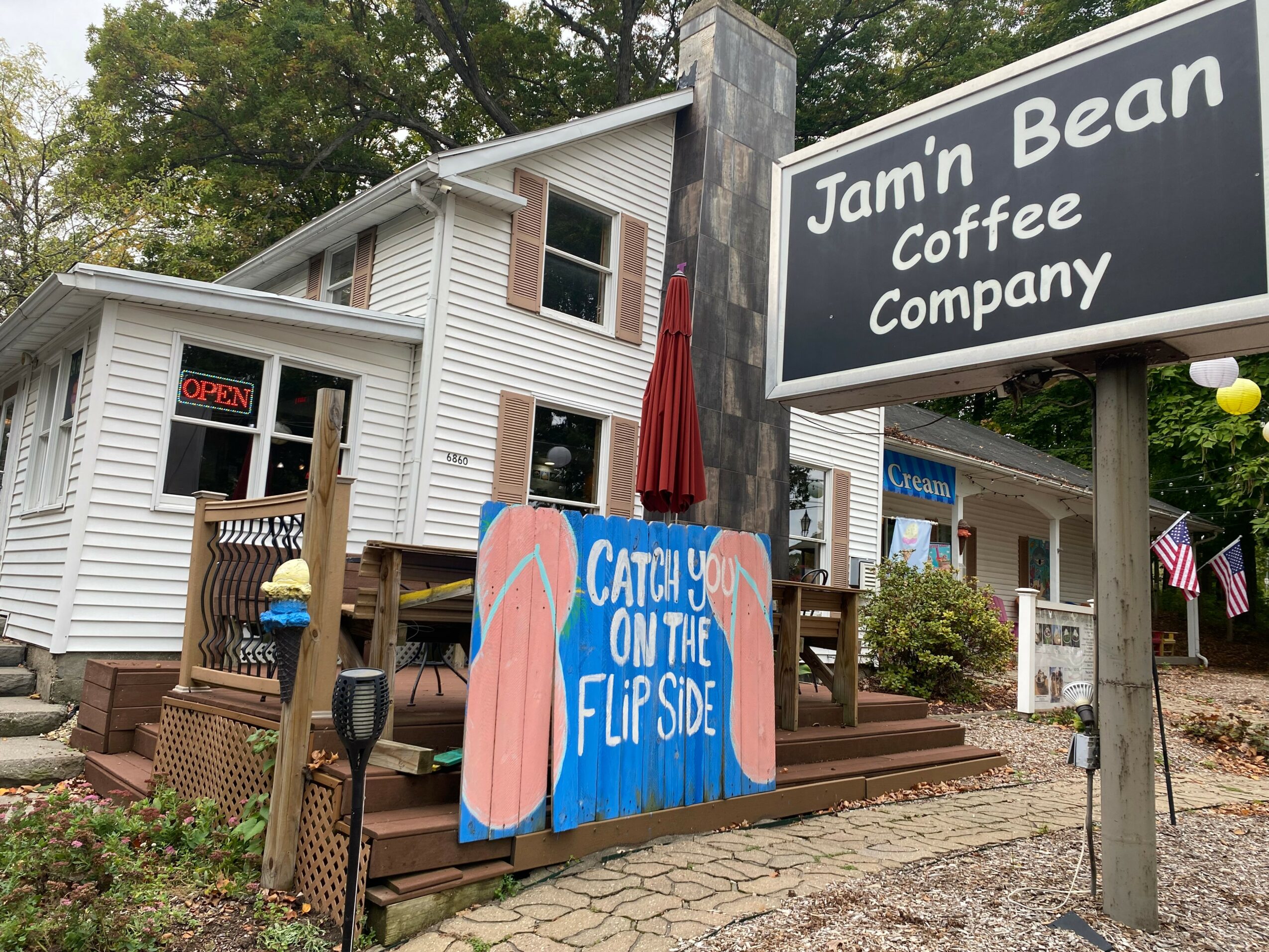
Today, Jam’nBean operates one retail location, offering fresh-roasted craft coffee, tap-to-bottle Michigan maple syrup, organic loose-leaf teas, and K-cups. While the business has evolved, its foundation remains unchanged.
Jam’nBean was born from music, built by family, and sustained by community. Every cup carries a story of resilience, creativity, and the belief that supporting the arts—and local craftsmanship, matters.
Would you say it’s been a smooth road, and if not what are some of the biggest challenges you’ve faced along the way?
Jam’nBean’s story has never been a straight line. Alongside its growth and purpose has been a rough, often unpredictable road—one that mirrors the challenges faced by much of the hospitality industry.
One of the most persistent hurdles has been staffing. Like many coffee shops, Jam’nBean has relied heavily on young employees—students balancing school, activities, and family commitments. Recruiting, training, and retaining reliable retail staff has been a constant challenge. Schedules shift, availability changes by semester, and turnover is a reality that requires continual investment in training and leadership, even when margins are tight. This struggle is not unique to Jam’nBean; it’s a shared pressure across the hospitality industry, especially for small, independent businesses.
The rise of work-from-home has introduced another long-term challenge. Coffee shops have traditionally thrived on daily commuters, office workers, and lunchtime foot traffic. As remote work became normalized, especially after COVID, many downtown and village locations saw a noticeable decline in consistent weekday customers. The rhythm of the morning rush changed, afternoon traffic softened, and businesses were forced to rethink hours, staffing levels, and how to remain relevant in a less predictable flow of customers.
Physical disruptions have also tested resilience. In 2014, Jam’nBean faced a devastating flood that impacted operations and required significant recovery—both financially and emotionally. Just as stability returned, ongoing road construction projects began affecting access to nearly all of our downtown and village locations. Extended closures, detours, reduced parking, and unclear signage made it difficult for customers to reach us, even when they wanted to support local. These projects often lasted far longer than anticipated, compounding the strain on daily sales and staff morale.
Each of these challenges—staffing shortages, shifting work habits, natural disasters, and prolonged construction has required adaptation, patience, and persistence. They’ve forced Jam’nBean to make hard decisions, pivot operations, and continually reimagine what a local coffee business looks like in a changing world.
The road has been anything but smooth. Yet, through every disruption, Jam’nBean has continued forward reshaping itself not out of convenience, but out of necessity. Like many small hospitality businesses, survival has depended on resilience, community support, and the willingness to endure uncertainty while still showing up, day after day, to serve.
We’ve been impressed with Taro Systems, but for folks who might not be as familiar, what can you share with them about what you do and what sets you apart from others?
The story of Taro Systems runs on a parallel track to Jam’nBean: rooted in innovation, persistence, and adapting early to where technology was headed.
I started my first technology company in 1981, focused on developing software for vertical industries at a time when computers were still far from commonplace in business. The goal was practical: create software that solved real operational problems for specific industries, long before “off-the-shelf” solutions became the norm.
A pivotal moment came in 1983, when we partnered with IBM during the launch of their Value Added Dealer (VAD) program. The vision behind that program was ambitious for its time—to place a personal computer on every office desk. As a VAD partner, Taro Systems helped bridge the gap between hardware and real-world business use, delivering software solutions that made PCs indispensable rather than optional.
That early alignment with IBM shaped the company’s trajectory. Taro Systems evolved, refined its offerings, and ultimately became deeply rooted in the residential real estate market, where it continues to operate nationwide today. While the technology has changed dramatically—from on-premise systems to cloud-based infrastructure, the core philosophy has remained the same: build reliable systems that businesses can depend on every day.
In an interesting twist of continuity, Taro Systems and Jam’nBean now physically share the same foundation. Our cloud-based server operations are housed in the lower level of Jam’nBean, quietly running beneath the hum of espresso machines and daily conversation above. In fact, the Cascade location was originally built as a data center for Taro Systems long before it became a coffee shop.
What now serves as a gathering place for community, coffee, and conversation once served as a hub for servers, software, and connectivity. It reflects a lifelong pattern of building systems, whether technological or community-driven, that support people in meaningful ways.
Taro Systems remains a reminder that long before coffee became the public-facing brand, technology was the backbone. Both ventures share the same DNA: adapt early, stay resilient, and keep building as the world changes.
What matters most to you?
God, family, and country matter most to me because they provide order, purpose, and responsibility in a world that is constantly changing.
God is the foundation. Faith gives me a moral compass when decisions are difficult and outcomes uncertain. It reminds me that success is not measured only by profit or recognition, but by integrity, humility, and service to others. Belief in something greater than myself keeps ego in check and provides peace during seasons of struggle, loss, or doubt. It also reinforces the idea that work done honestly and with care has meaning beyond the task itself.
Family is where those values are lived out every day. Being a parent shaped my priorities more than any business decision ever could. Raising children, supporting their growth, and showing up consistently matters more than any title or achievement. Family teaches patience, sacrifice, and accountability. It’s where lessons are tested, forgiveness is practiced, and love is proven through action, not words. Everything I build, whether a company, a community space, or a legacy, is ultimately for them and because of them.
Country represents opportunity and responsibility. Living here made it possible to start businesses, take risks, fail, rebuild, and try again. It provided the freedom to create, to advocate for change, and to stand up for what I believe matters, whether in education, the arts, or local communities. Patriotism, to me, isn’t blind loyalty; it’s stewardship. It means contributing, voting, employing, mentoring, and caring about the future we leave behind.
Together, God, family, and country create balance. Faith keeps values centered, family keeps priorities grounded, and country provides the platform to act on both. When everything else is stripped away, markets change, trends fade, buildings close—these three remain. They are the constants I return to, the measure by which I judge success, and the reason I keep moving forward
Contact Info:
- Website: https://www.jamnbean.com
- Instagram: https://www.instagram.com/jamnbeancoffee/
- Facebook: https://www.facebook.com/jamn.bean/
- Other: https://www.tiktok.com/@jamnbean