




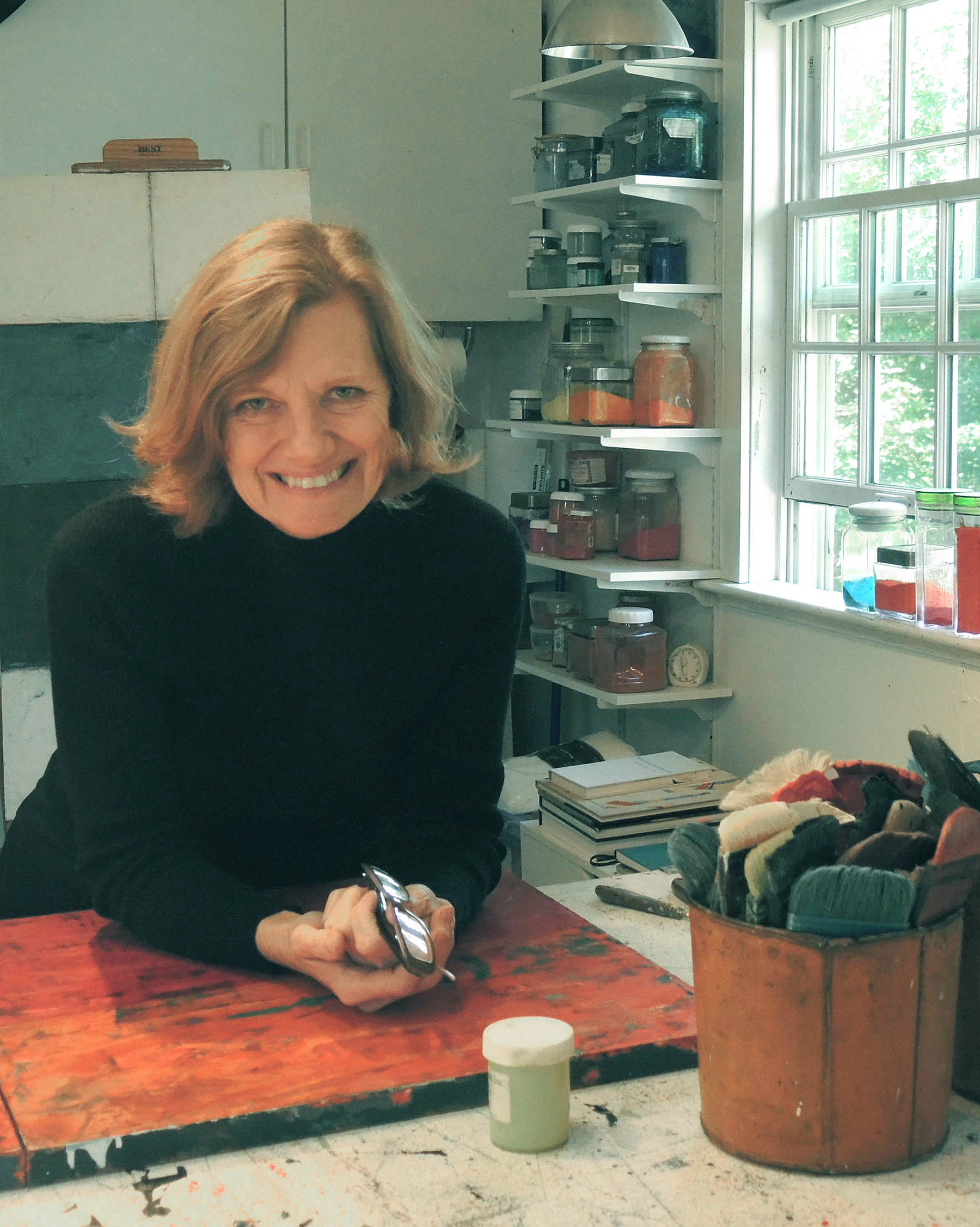
Today we’d like to introduce you to Graceann Warn.
Hi Graceann, please kick things off for us with an introduction to yourself and your story.
I have painted since I was a young teenager. I think it was my most natural means of expression. I remember my bedroom growing up was half oil painting studio. I loved the smell, I loved moving paint on canvas. I bought all the “how to paint” books I could find and my parents gave me art supplies every Christmas.
I went to college and became a landscape architect—it was the closest thing to art I could find. I worked in the public and private sectors for about 7 years. When I was working for a private office in Ann Arbor they sent me to Minneapolis to attend an urban design conference. When I was there I took a look at the Walker Art Center. I went to see the building, in particular the siting of the building, and poked my head in. What was showing was an exhibition of the last works of Mark Rothko. I went into the gallery, and I was surrounded by these paintings, and I had a strong, emotional reaction-my heart was beating so fast and my eyes filled with tears. I was in the gallery by myself. I was really surprised by my reaction because I wasn’t a person who went to galleries or museums then. This was the first time that abstract art had affected me in such a profound way. In retrospect, I realized that my own work, the design work I was doing in an office, couldn’t compare with what art had to offer, and I decided to rent a small studio.
I spent hours and hours reading about abstract art especially DADA and Abstract Expressionism. I became fascinated by the work of Joseph Cornell, Robert Rauschenberg, Cy Twombley, Joan Mitchell and Franz Kline. I began to form opinions about what moved me and why.
My life changed within that year. I have been full time in my studio since 1986.
Alright, so let’s dig a little deeper into the story – has it been an easy path overall and if not, what were the challenges you’ve had to overcome?
I started out doing very humble art fairs and showing in non profit spaces while working part time as a landscape architect. Those were some long days but I was determined to make this career work. In 1986 I was fortunate to get into a juried show sponsored by the American Craft Council in Baltimore. They had a 2 day “trade” portion which meant only galleries attended and I got exposed to many people I could never have met without this show. I made connections there that are still with me today. I did that show annually along with a couple of other ones like Philadelphia Museum Show, Architectural Digest and the Smithsonian Craft Show (when I got in) until 2021. Being in my studio every day because of that initial show made me the artist I am now. Because I was able to make a living, I didn’t have to do anything but art so I took it upon myself to never take it for granted. I have always pushed myself to try new media and not get complacent. If I feel the need to push myself, I will take classes in subjects that feed the narrative of my work. I took 2 years of Classical Art and Archaeology and a year of Theater Design at University of Michigan for instance. If I need technical assistance I’m a DIYer.
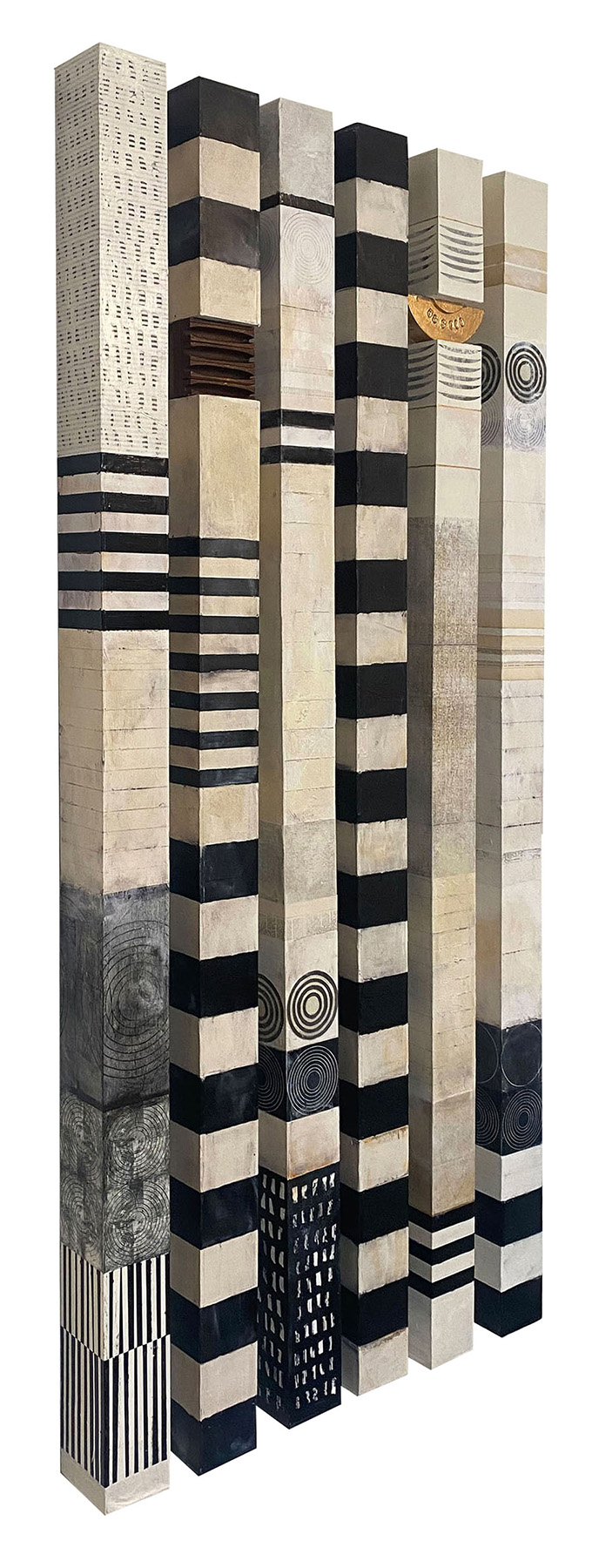
Struggles came along as a result of outside forces- post 9/11, the economic collapse in 2008 and Covid come to mind. In those periods I found that people really needed art and I responded by making very “quiet”, deep pieces that reflected how I was feeling. I also tried to expand my repertoire a bit by introducing multiples that were smaller in scale and people could purchase a few and add to them over time. I also created 3 dimensional wall columns that are more architectural in appearance which appealed to designers and architects.
Appreciate you sharing that. What else should we know about what you do?
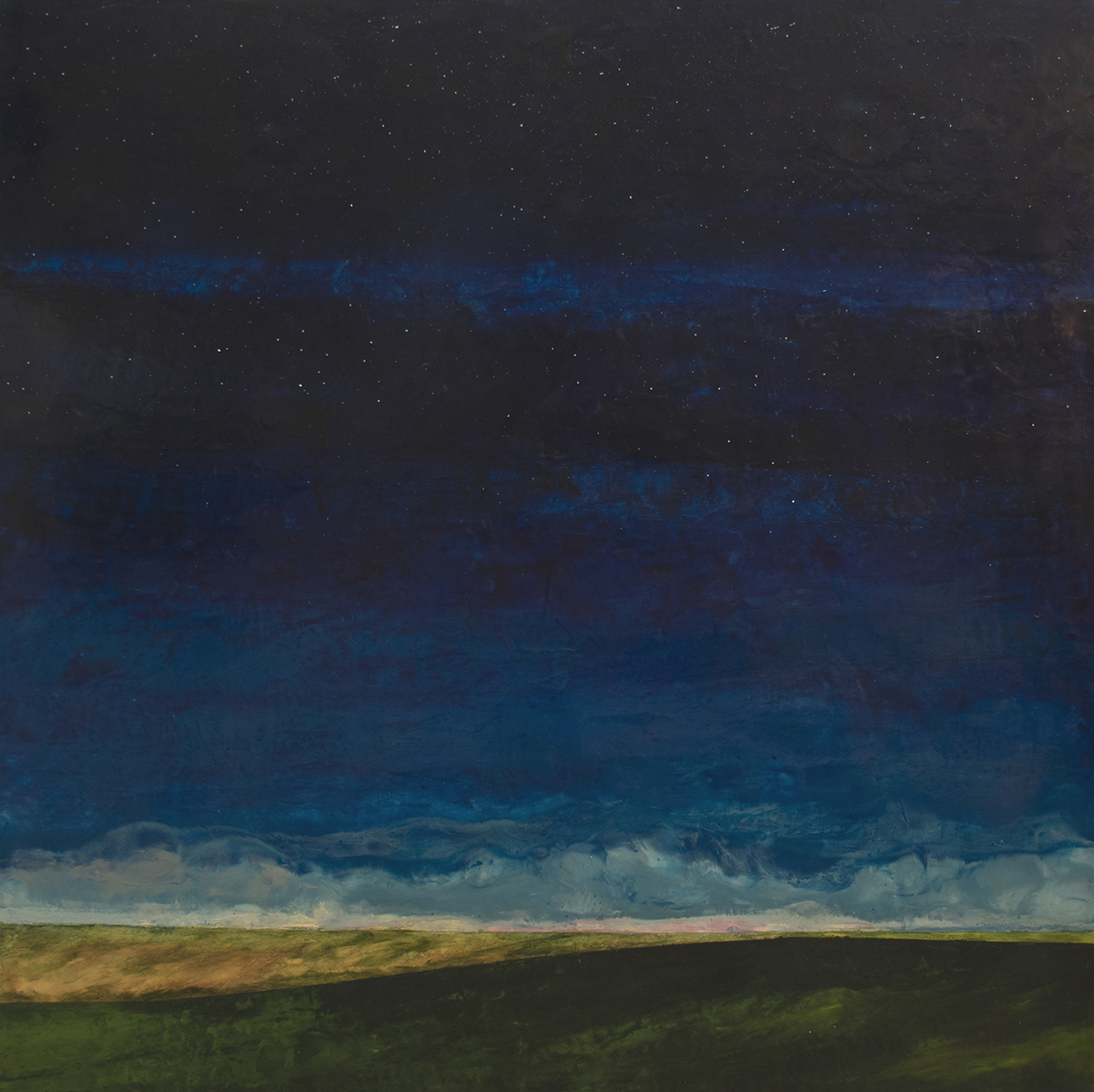
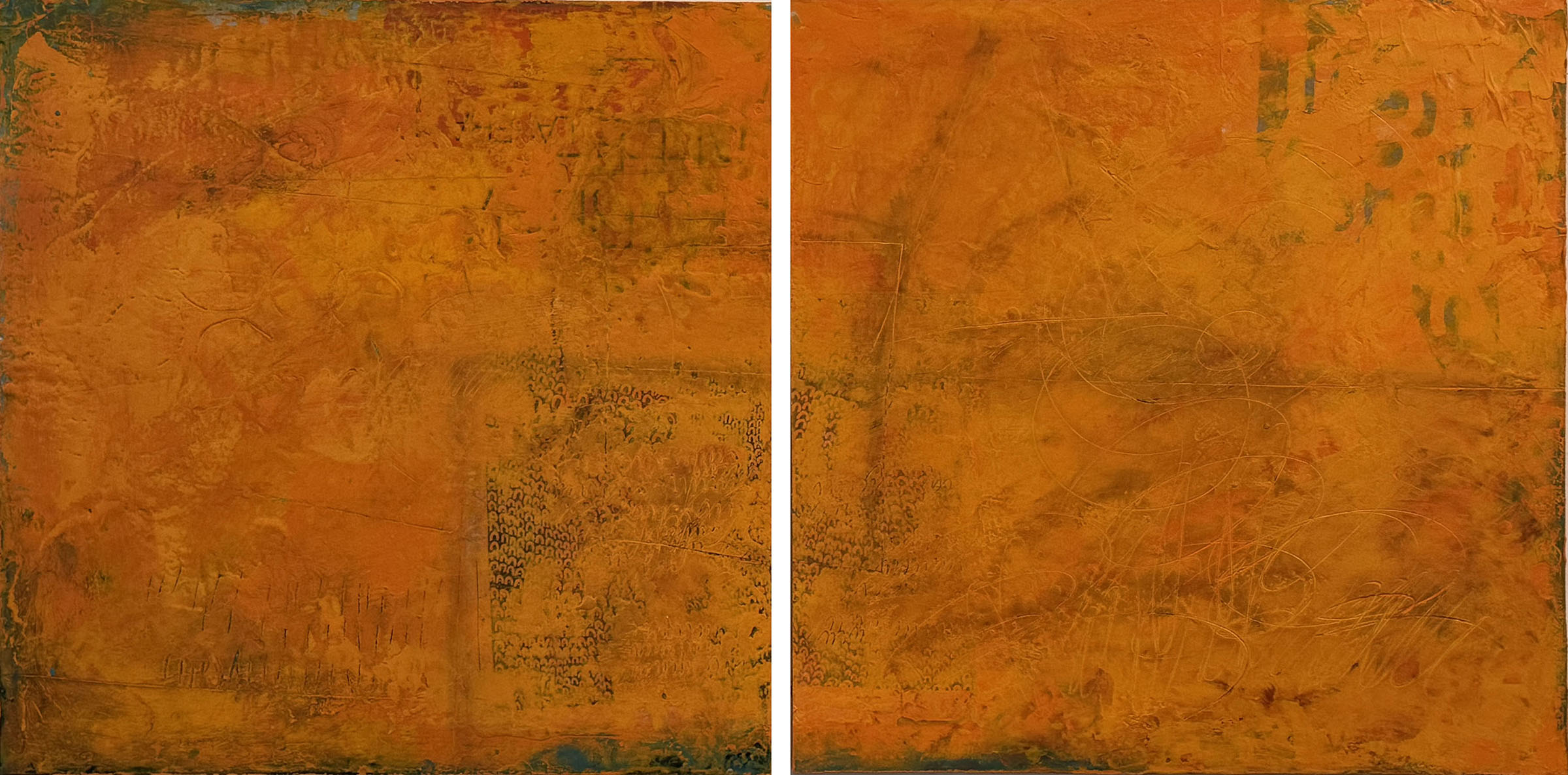
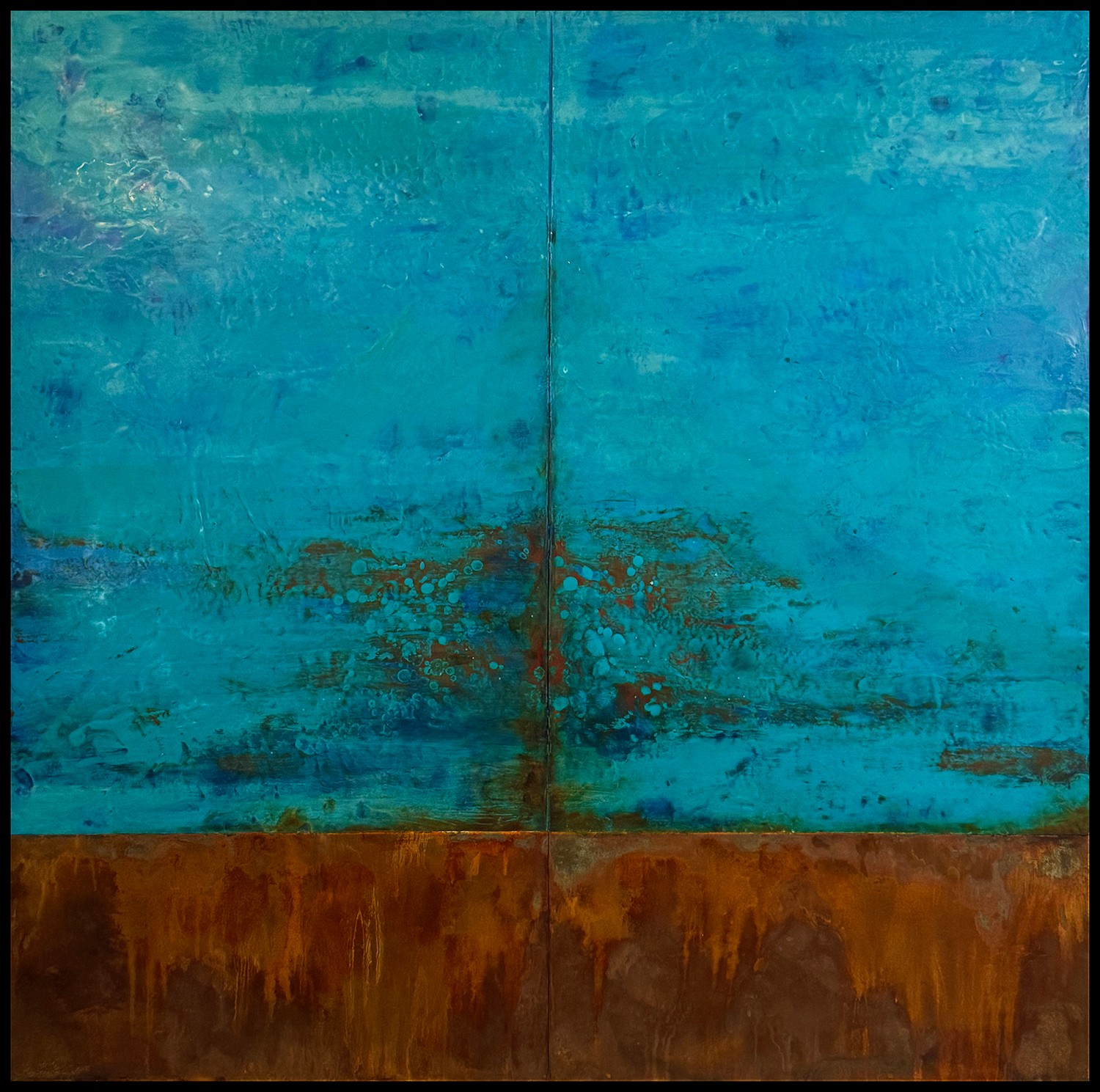
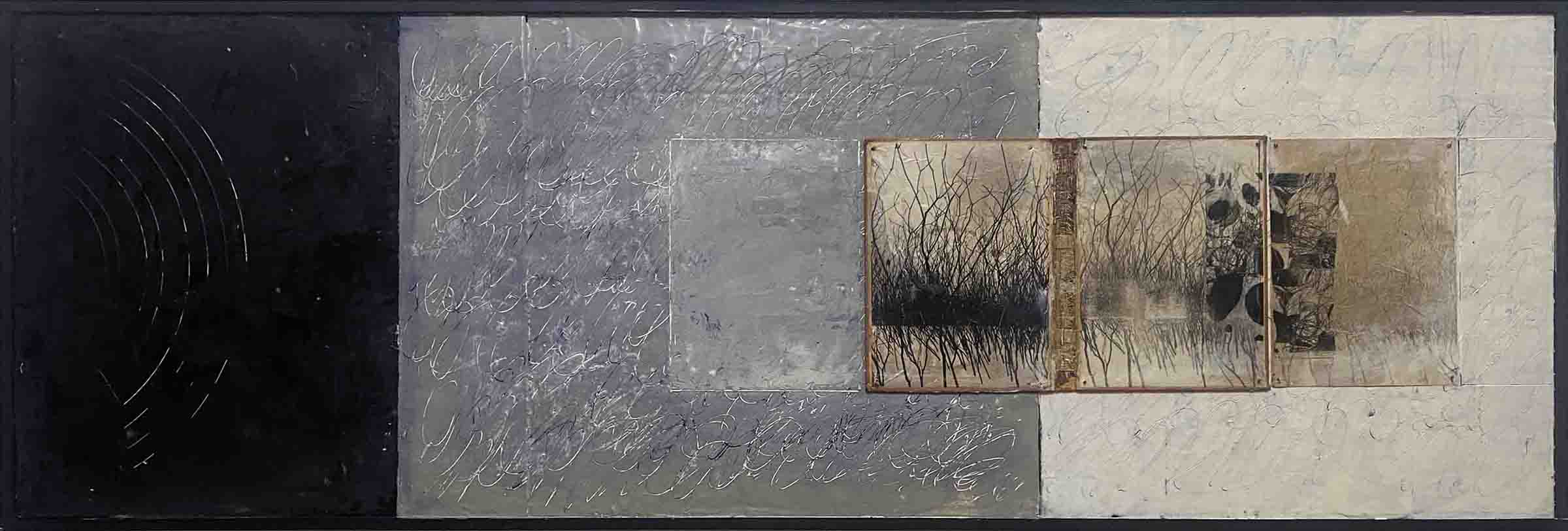
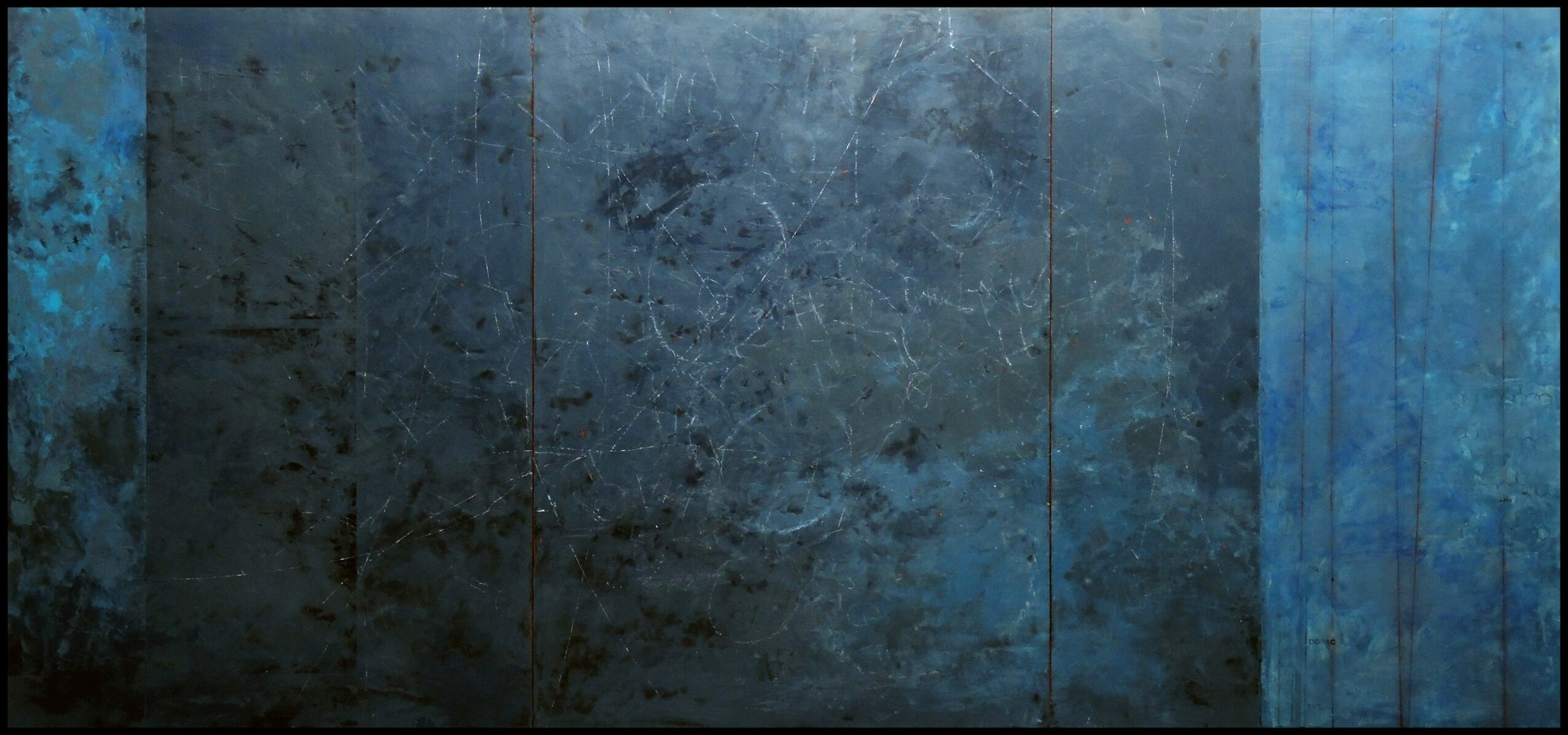
I was making collages and assemblages from the beginning (I think they are a direct result of my design background) but in the late 90’s I discovered encaustic painting. Encaustic is an ancient painting medium that combines melted beeswax with dry pigment and resin. Nobody I knew [then] was doing it. The first time I saw Jasper Johns’ encaustic work (in his Flags and Targets) it was the sensuality and complexity of the surface that struck me. I always had that in the back of my mind knowing at some point I wanted to paint. It was on my first trip to Oaxaca, Mexico that I noticed a lot of contemporary artists there painting with encaustic and I really liked what they were doing with it. It’s a very expressive medium which invites layering and mark making.
I came back to Ann Arbor and created an encaustic studio and I’ve been working predominately in that medium ever since. I feel I have my own voice with it and I also feel I’ve grown with it.
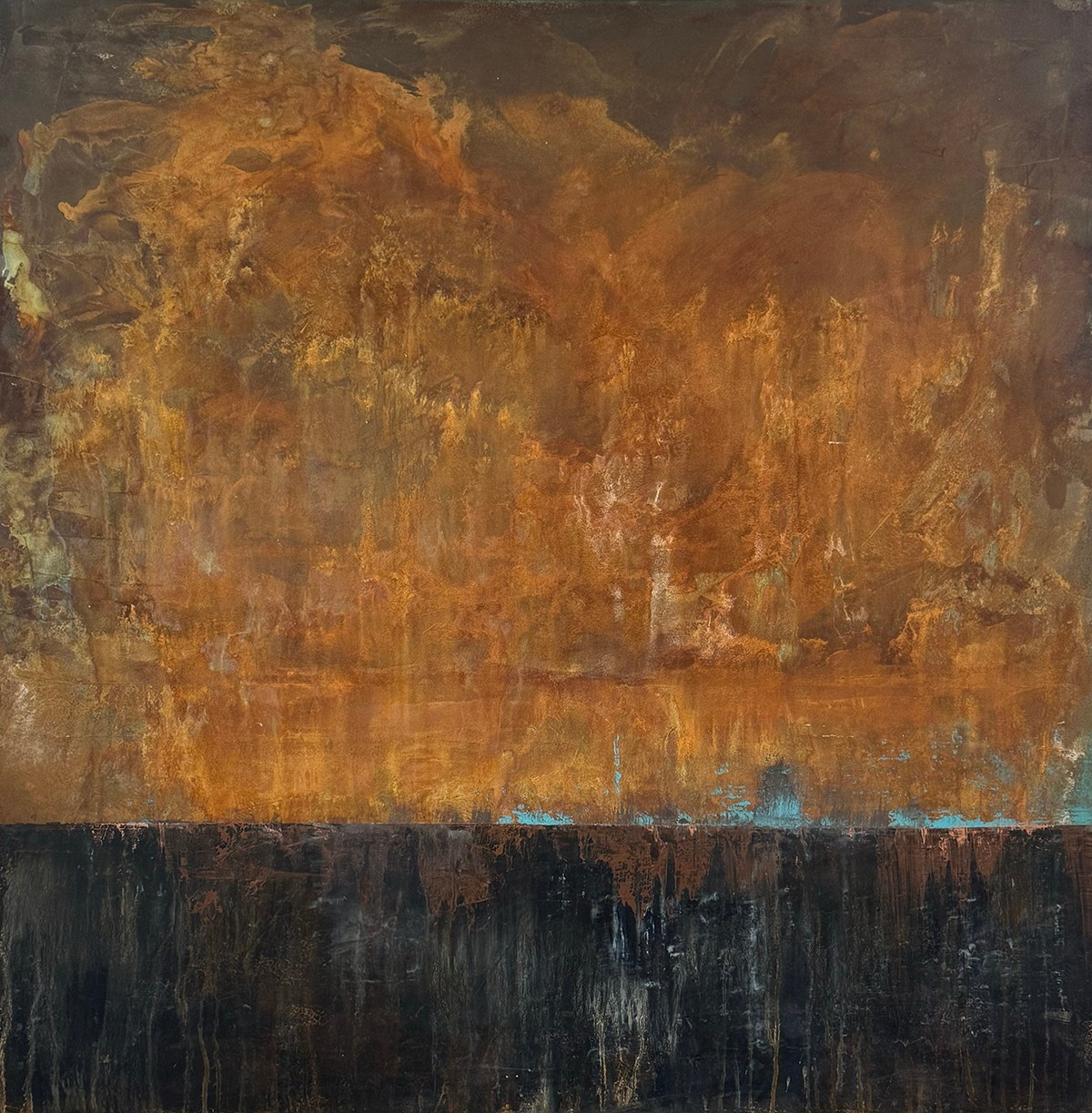
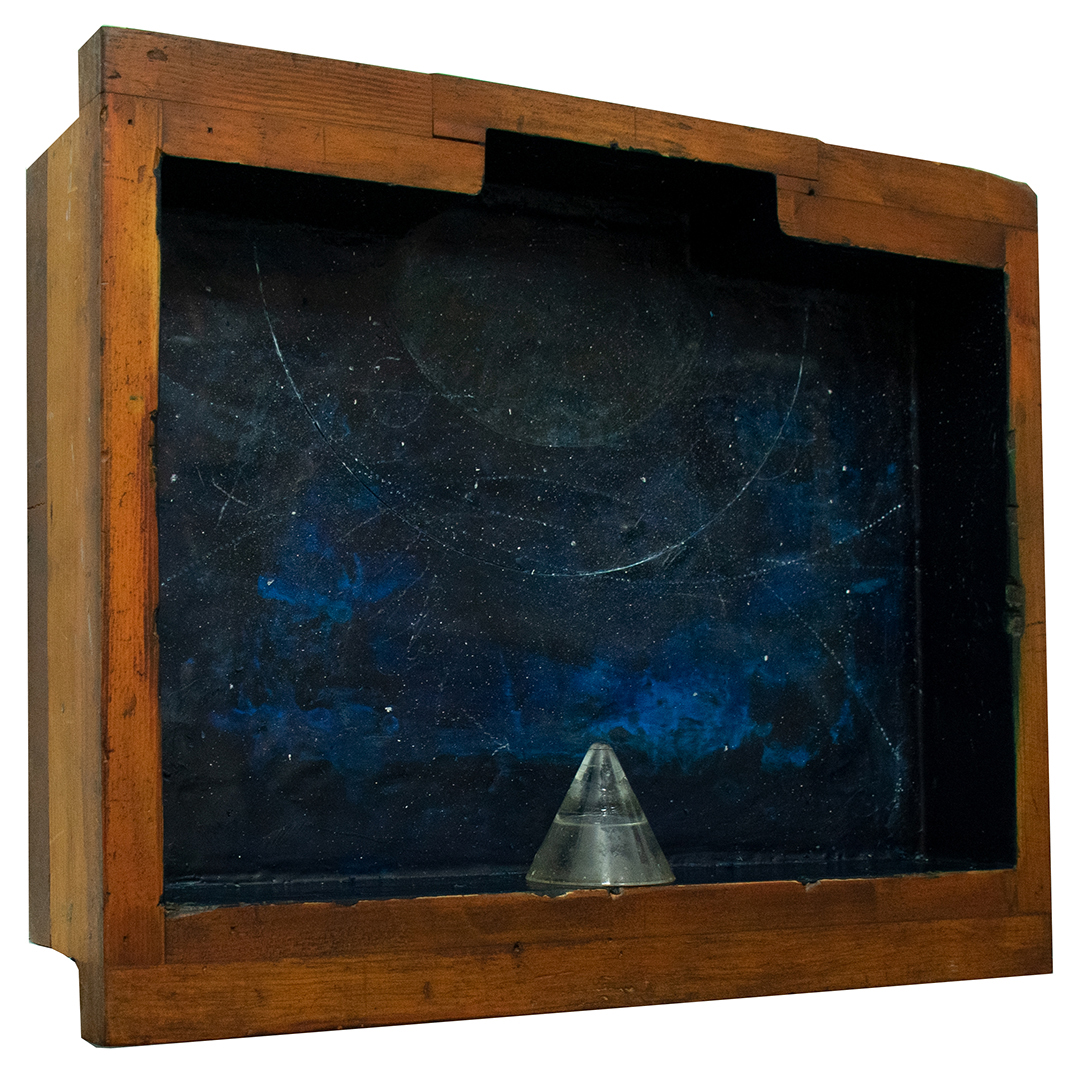
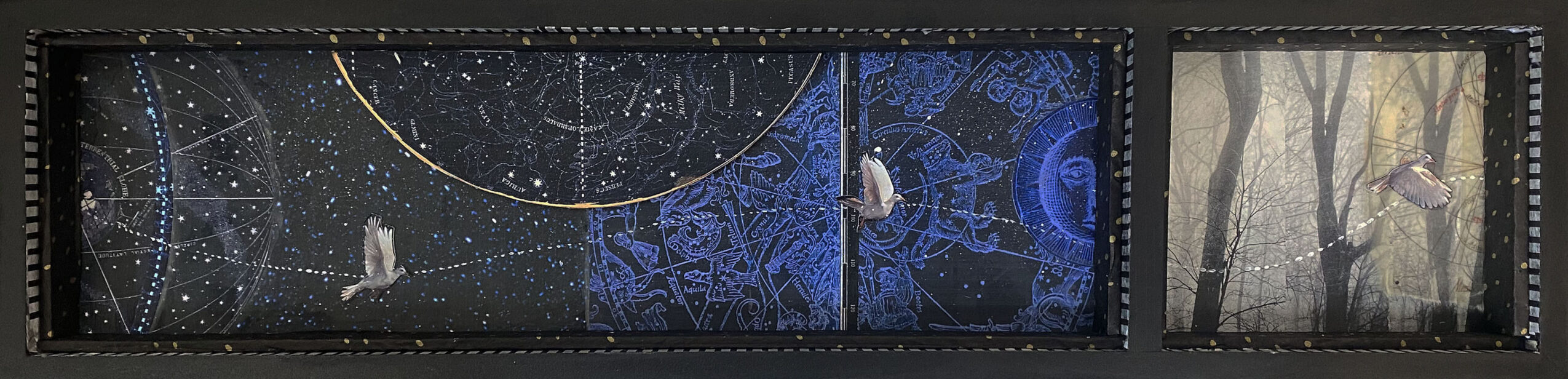
Generally my work has an emotional center to it while referencing themes of old architecture, science, mystery and the passage of time.
What am I proudest of? I think my perseverance and keeping myself engaged all these years.
How do you think about luck?
I like the statement attributed to John Milton in which he says “luck is the residue of design”. I don’t really believe in luck as much as I believe in recognizing possibilities when they present themselves. I’ve rarely said “no” to opportunities that have come my way even though a couple of times I was a little nervous to take the project on. I have enormous faith in myself to come through be it because of ignorance or strength!
Contact Info:
- Website: https://www.graceannwarn.com
- Instagram: gwarnart