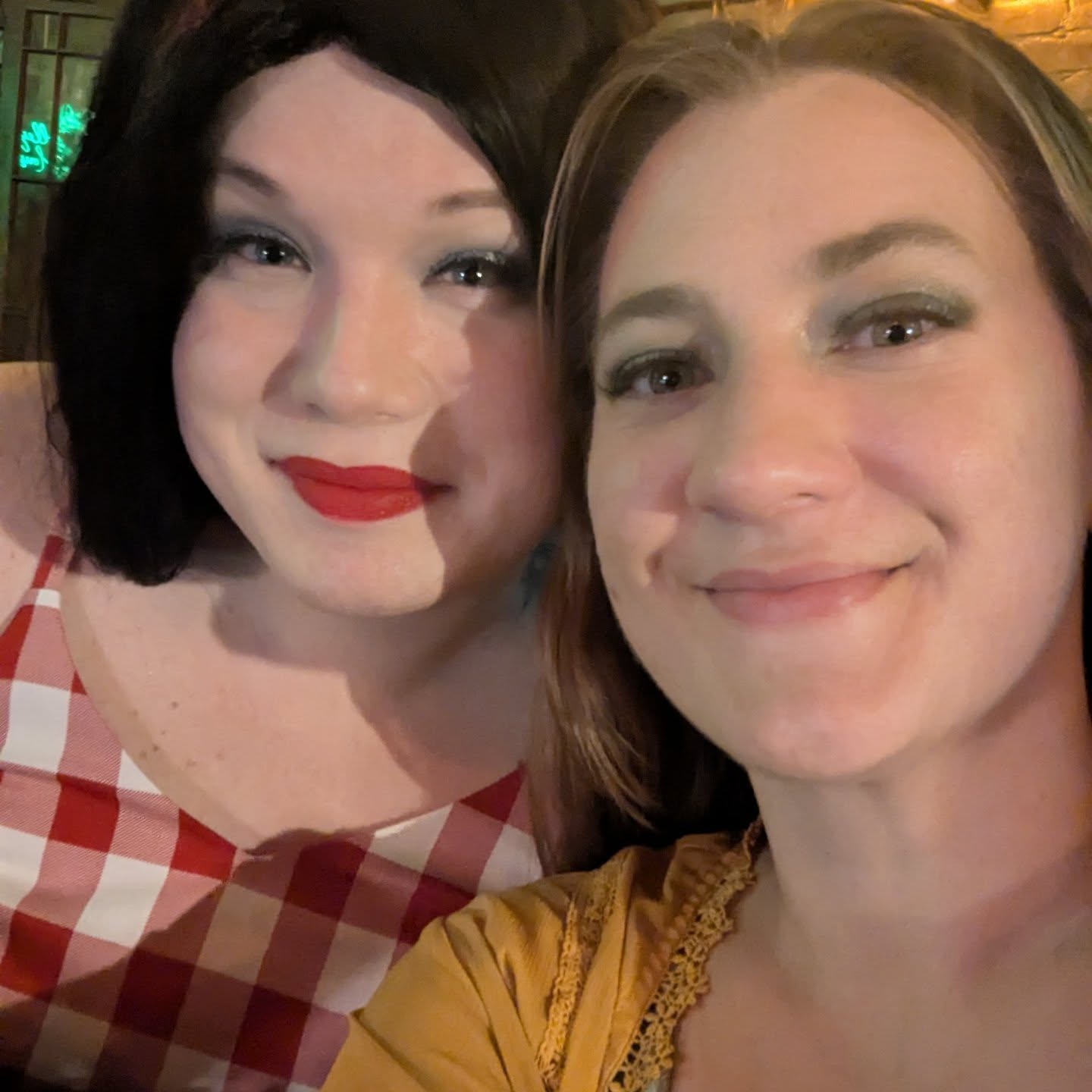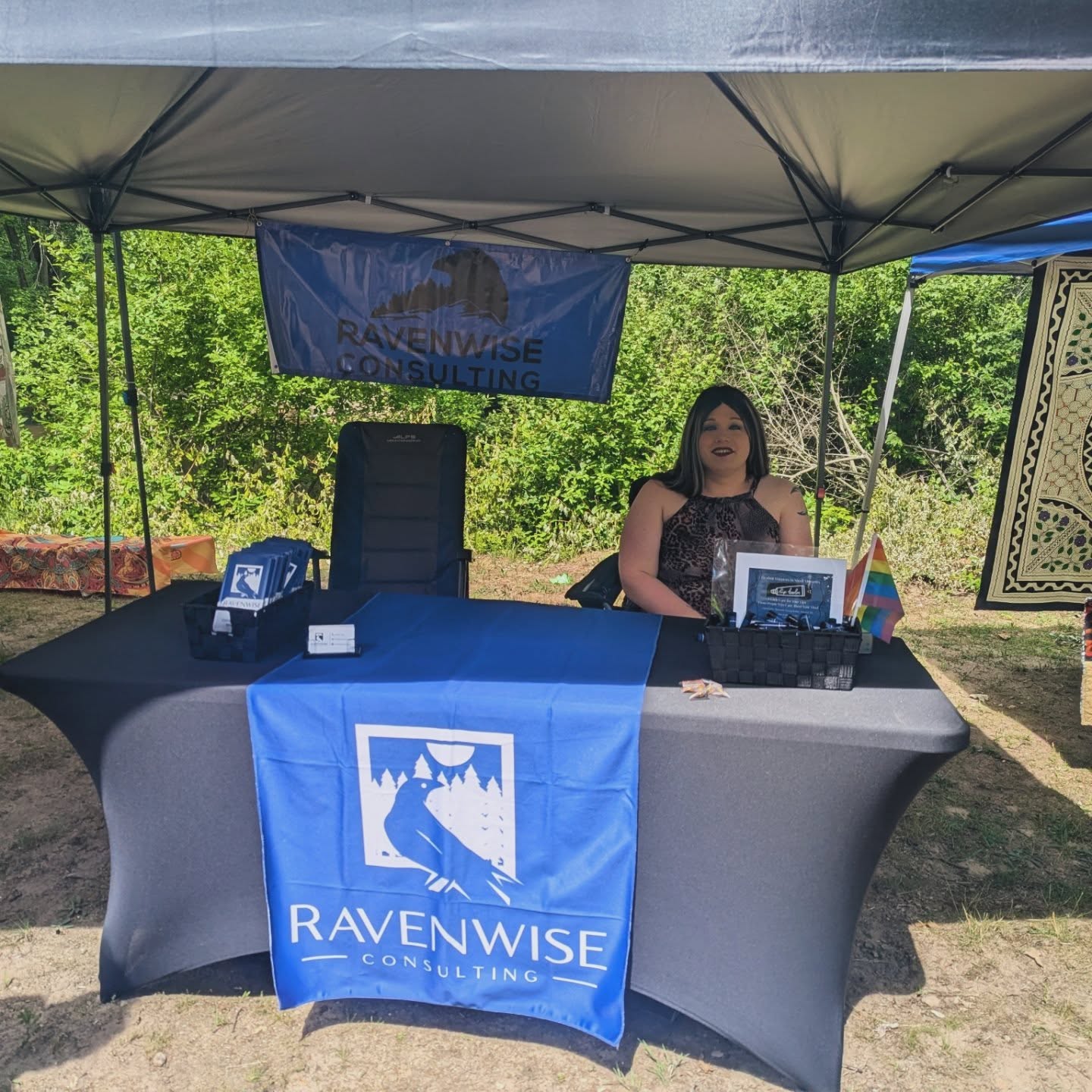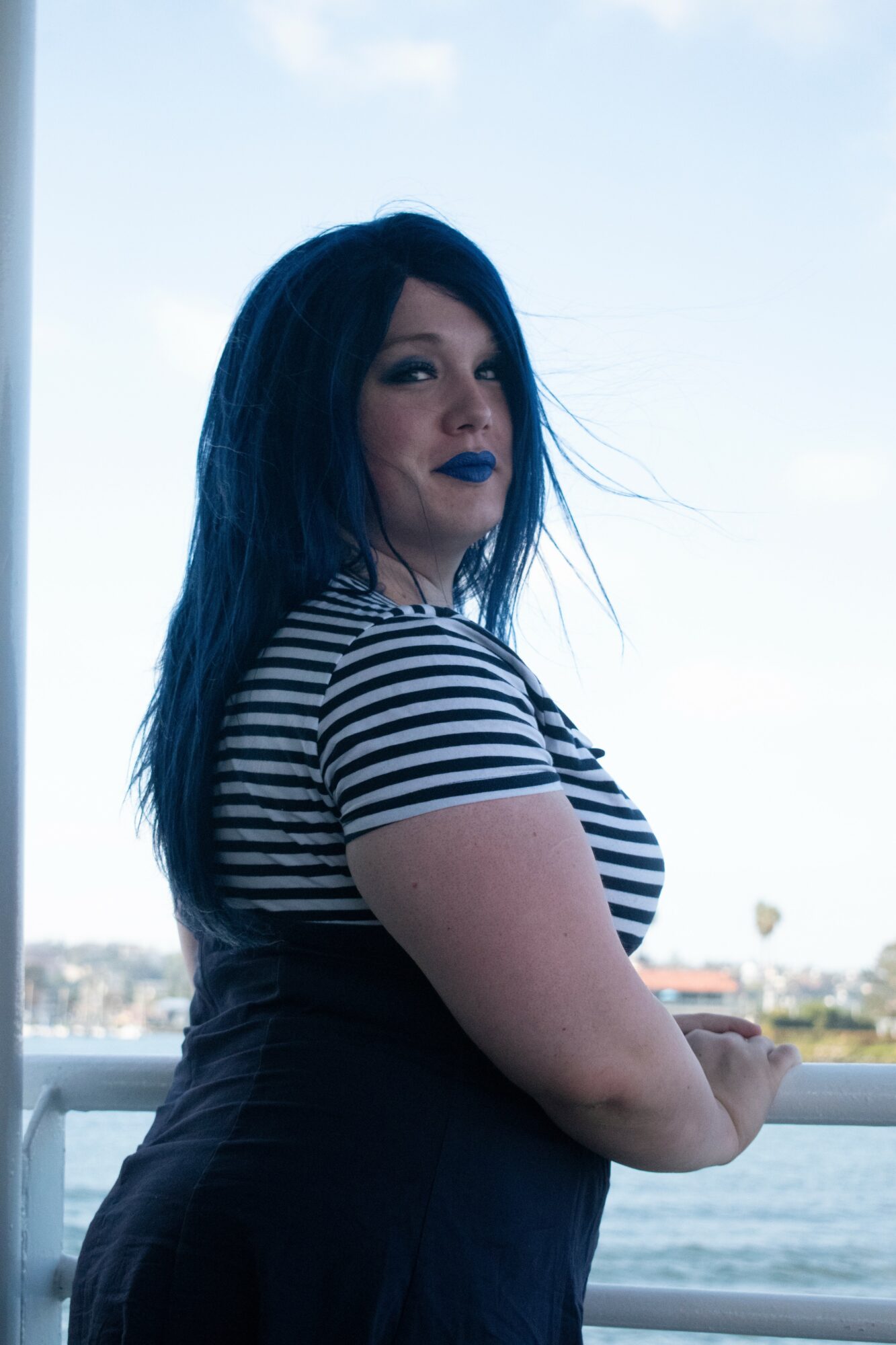





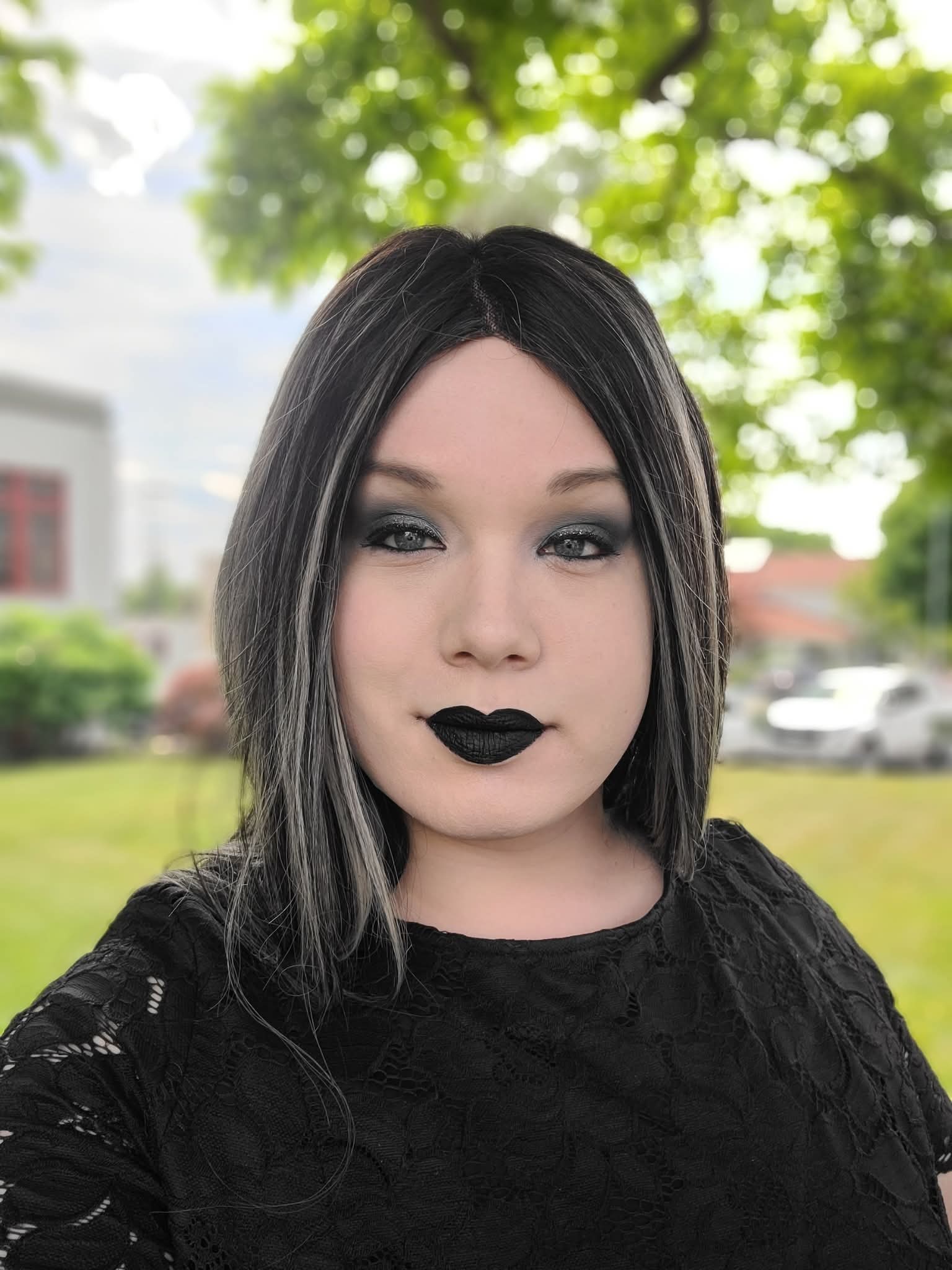
Today we’d like to introduce you to Taryn Sinclaire.
Hi Taryn, thanks for joining us today. We’d love for you to start by introducing yourself.
I come from a family marked by generations of mental health struggles and intergenerational trauma—patterns so pervasive that no one escaped untouched. From childhood into adulthood, I experienced multiple traumas that fundamentally shaped who I am and how I move through the world. Like many Millennials, I entered college immediately after high school without a clear sense of direction. Through a series of missteps, I eventually found my way to social work. At the same time, I was actively confronting my own mental health challenges and working through the trauma of my early life.
While in college, I began my mental health career as a Peer Support Professional. A Peer Support is someone who has received mental health services themselves and reached a level of stability that allows them to support others earlier in their healing process. I say “relatively healed” because who among us doesn’t need the occasional update or tweek? Peer support is transformative not just because of the help offered, but because it embodies hope. Peer Supports are living proof that things can change.
It was through this work that I finally gained clarity about my long term path. I completed my MSW and became a therapist. Even now, I often joke with colleagues, and occasionally with clients, that I’m not sure whether I’m a therapist who started as a Peer Support or a Peer Support who happens to have therapist credentials and more rigorous professional boundaries. The relational nature of my work has never left me.
After several years in direct clinical practice, I realized I wanted to do more than individual work alone. I wanted to address the systemic issues I saw in my community. There are needs that are going unmet despite the number of caring professionals doing their best within broken systems. That realization led me to found Ravenwise Consulting.
At present, Ravenwise focuses on providing accessible therapy services to those who need them most. While we serve a broad range of clients, we also offer specialized care in areas such as sex therapy, psychosis, addiction, eating disorders, trauma, and personality disorders. My own clinical focus is Borderline Personality Disorder, trauma, and codependence. Collectively, our team spans the full gamut of care.
Looking ahead, the long-term vision for Ravenwise extends far past outpatient therapy. Our goal is to establish sober living homes and a rehabilitation facility within our community. To move us toward that goal, I do not take a salary from the company. For me, the work is not about personal profit. It is about reinvesting resources where they are most needed and building systems that allow for lasting communal healing
Alright, so let’s dig a little deeper into the story – has it been an easy path overall and if not, what were the challenges you’ve had to overcome?
I am not a trust fund baby who woke up one day and decided to solve the problems around me. I wish I could say that. What is true is that my work is deeply personal. I have lived through my own traumas. These experiences significantly impacted my mental health and shaped the path I ultimately chose. I’ve been fortunate to have skilled clinicians and a strong support system that allowed me not only to heal, but, to reach a place where I can meaningfully support others.
What often goes unspoken in this work is the financial reality of trying to run an ethical business while generating a profit. Ravenwise, being a for-profit business, must generate revenue to survive. At the same time, I am deeply committed to paying my clinicians well. I can confidently say that for a private practice, we are among the highest paying in the state. That decision leaves the business with fewer retained resources, but it also creates a team that feels valued, respected, and invested. Happy clinicians do better work. That quality of care is the foundation of Ravenwise’s reputation, even if it means I personally have to work harder to reach the long term goals I have set. No one ever said social work was for the faint of heart.
We also operate in a highly competitive landscape. Michigan has no shortage of private practices, and the rise of large corporate mental health platforms, such as Grow Therapy and BetterHelp, adds additional pressure. These entities operate at scale in ways that smaller, values-driven practices simply cannot. Standing out requires intention, integrity, and persistence.
Collaboration, unfortunately, has been another major challenge. I have reached out to numerous nonprofits and community organizations, including our local community mental health system, with the goal of building referral relationships and coordinating care. More often than not, those efforts go unanswered. The lack of responsiveness makes it harder to build partnerships. In turn, this limits what we can collectively offer our community. The reality is that we could accomplish far more if systems, and people, were willing to work together.
I work approximately 20 hours a week for Ravenwise Consulting without pay. While the business itself generates revenue, I do not take a paycheck. That choice is intentional. Paying myself would slow progress toward opening our first sober living home or require reducing clinician pay. I refuse to do the latter. My team earns every dollar they make. For now, reinvesting my labor into the mission is the fastest and most ethical path forward. As a result, I maintain an additional 35 to 45 hours of direct client care each week to meet my own financial needs.
Appreciate you sharing that. What should we know about Ravenwise Consulting?
At Ravenwise Consulting, our work is grounded in a simple principle: our purpose is to help people. In particular those from disenfranchised and underserved communities. We actively work to reduce barriers to care by offering sliding-scale fees and accepting Medicaid whenever possible. As both a practice, and a team of individuals, our goal is to strengthen the communities we are part of by helping people navigate their mental health struggles and make meaningful changes in their lives.
We are known for providing high quality and relational care. One of our core beliefs is that while we hold professional power, we are not fundamentally different from the people we serve. We reject models rooted in superiority or distance. Instead, we operate from the understanding that we are humans helping humans. We are individuals who have simply made a few different choices or had access to different supports at pivotal moments. Our role as therapists is not to impose our will and plan, but to help clients move toward healthier, self-defined versions of their lives. There is no “one size fits all” approach. We meet clients where they are and work toward the goals they establish.
Equality and equity are not abstract values for us. They actively shape our business model. Every clinician on our team is grounded, introspective, and fully aware that none of us are immune to hardship. Each of us has sought mental health support at some point in our lives. In many ways, our work represents us circling back. Using what we have learned to widen access to healing for others.
Collaboration is central to how we operate. We are always open to working alongside individuals, businesses, and nonprofit organizations to better serve the needs of our community. Meaningful change does not happen in isolation. I have met with people with a wide range of representation; from large organizations to a local piano teacher seeking support for students struggling with anxiety and perfectionism. No effort is too small and no contributor is insignificant. Community care works best when we recognize that progress is collective and collaborative.
Any big plans?
Our most immediate goal is the purchase of our first sober living home. If we continue as expected, I look forward to attaining that goal by the end of 2026 or early 2027. While this past year has reinforced how unpredictable life can be, it has also clarified my resolve. This will happen.
Longer term, my vision extends beyond sobriety alone. I aim to build a rehabilitation center that provides continuous wraparound support; housing, job training, and foundational life skills such as cooking, cleaning, and daily structure. Recovery does not end with sobriety. True healing requires stability, dignity, and the tools/skills needed to build an independent life. My goal is to give people the highest possible chance of long-term success.
Alongside this work, I also hold a vision for a group home serving adolescent girls. Early, consistent support has the power to change life direction. By intervening sooner, we can reduce the likelihood that unmet needs compound into far greater difficulties in adulthood.
These are ambitious goals for one person. That is precisely why I do not intend to pursue them alone. I will continue building relationships, expanding our team, and partnering with others who share these values. What may be too large for an individual becomes achievable when taken on collectively. With a committed community, this work is far more than a possibility.
Pricing:
- Sessions range from $20-$180 depending on income level
- Most Michigan based insurances are accepted
- We also accept Medicaid/Medicare
Contact Info:
- Website: https://ravenwiseconsulting.net/
- Facebook: https://www.facebook.com/RavenwiseConsulting