




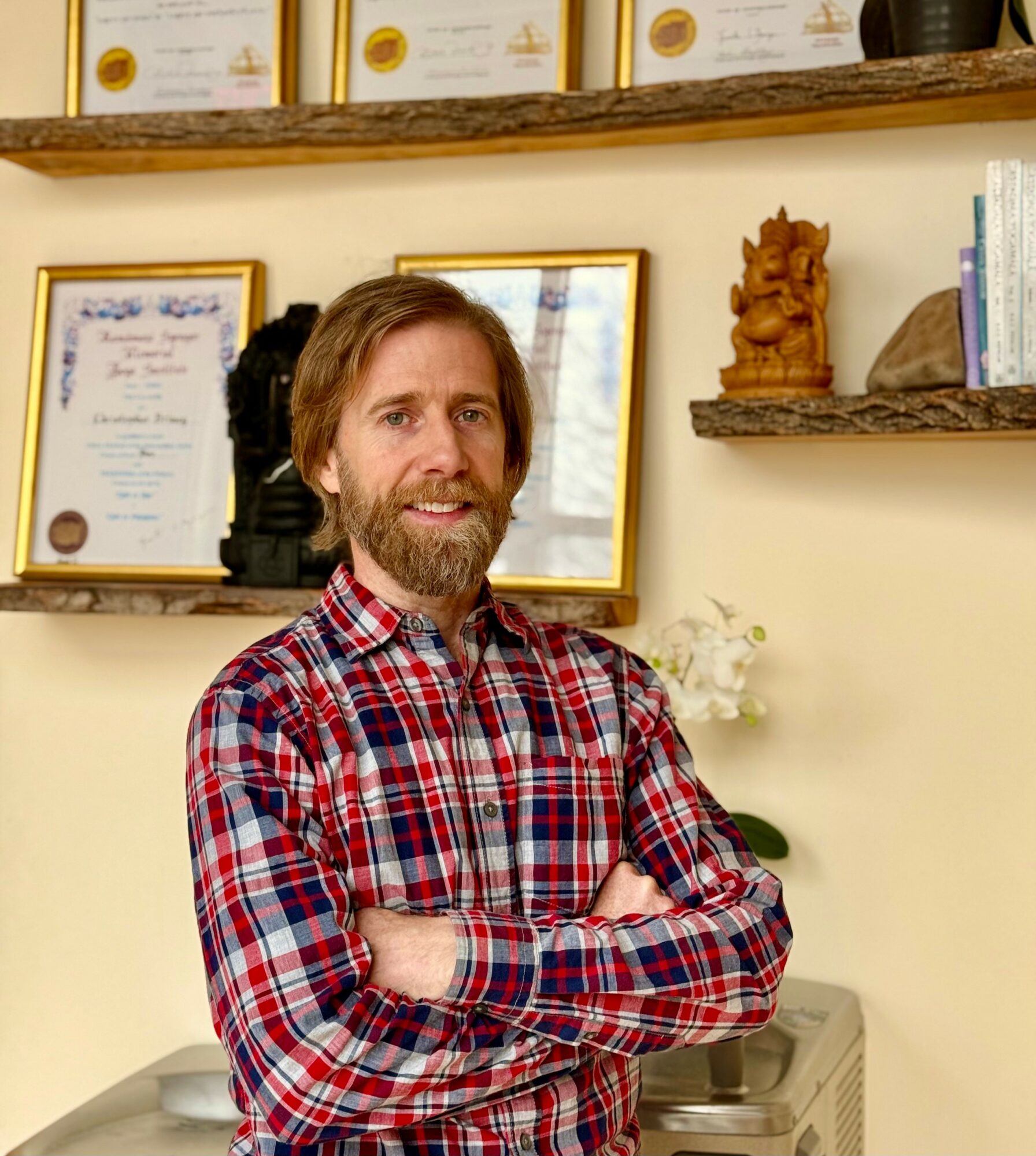
Today we’d like to introduce you to Christopher Briney.
Alright, so thank you so much for sharing your story and insight with our readers. To kick things off, can you tell us a bit about how you got started?
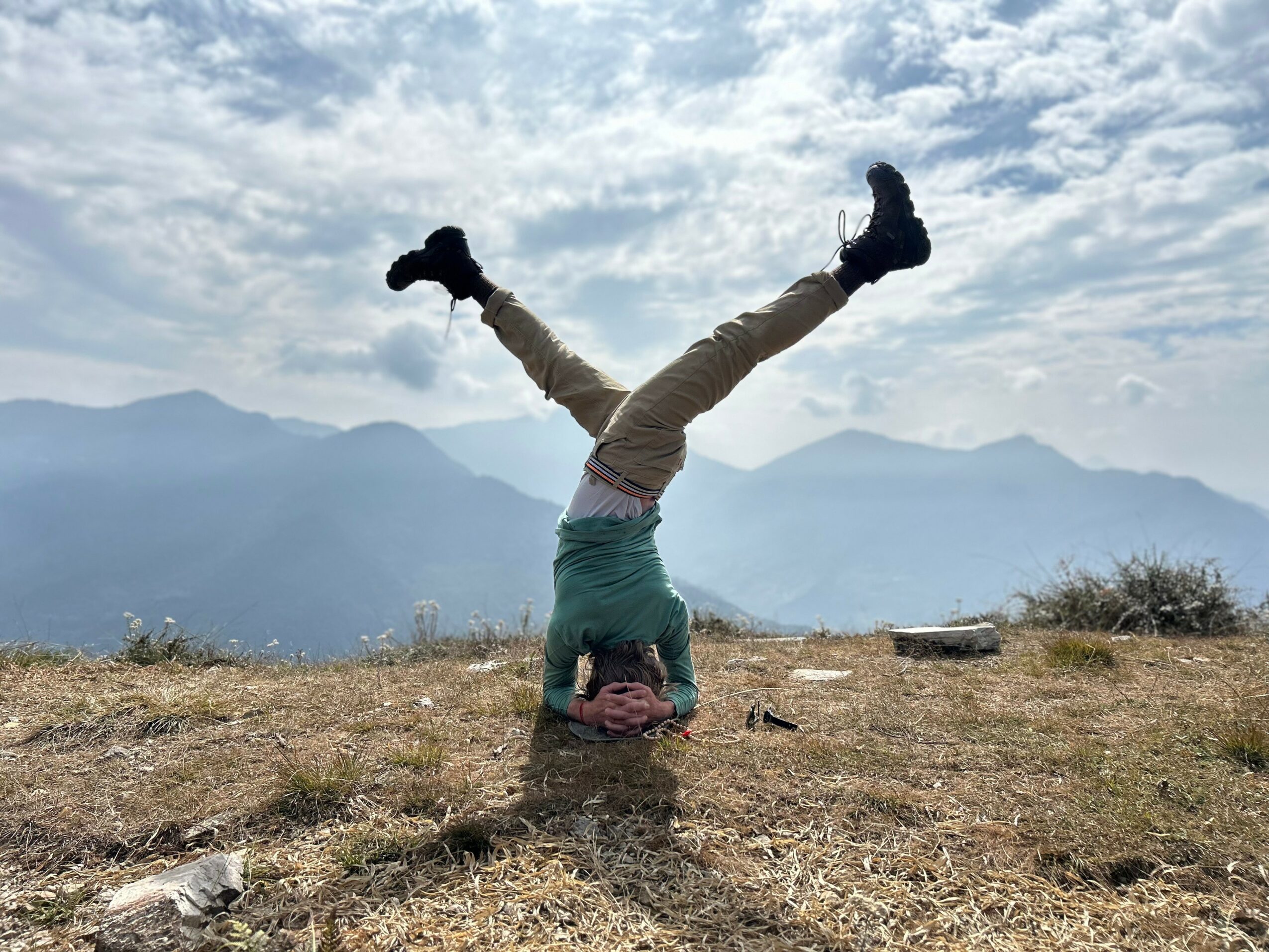
I loved being a student in college. It was a great relief and inspiration to be exposing myself to some of the most profound creativity, thought, and wisdom known to humankind while studying literature, music, cinema, and anthropology. I say it was a great relief because all that I was being exposed to in my university studies stood in marked contrast with my employment at a truck assembly plant. As I was finishing my education, my mind was open and eager to learn, while my body (and in many ways, my emotions) was feeling the strain put on it by assembly line work. It was at this point that I discovered yoga. I discovered it somewhat by chance. I was teaching a West African percussion class at a small business in Ferndale. (I studied West African percussion in college.) One of my students happened to be a yoga teacher. And he just so happened to be the yoga teacher of a bandmate of mine in a percussion ensemble called Seven Rivers, that I was leading at the time. When he first suggested that perhaps we could trade yoga classes for percussion classes, I was pretty unresponsive. I thought yoga was too “soft” for me at the time, and really something only elastic young women could do. Plus I had never liked stretching, when we were “forced” to do it in gym, for sports, etc.. However, when I discovered that my bandmate was taking yoga with this same young man the coincidence struck me. She also shared how she felt she was benefitting from it not only physically, but mentally and emotionally. Finally, one day I came in to teach my percussion class, and my student, the yoga teacher (Mitchel was his name), was lifting himself up from a prone position into headstand in one movement with remarkable grace and power. I was impressed by this and asked him what it was that he was doing. “Yoga,” he said. I’m pretty sure I came to his class that very next time he taught.
The class was quite challenging and, in some ways, painful. There was certainly quite a lot of stretching, which brought up the old aversion to the sensations of trying to lengthen and open rigidified muscles. I was also shocked by the level of strength–not an ordinary strength, but a kind of coordinated strength, the strength of several areas working in unison with each other–that it required. I don’t think I did anything very skillfully at all, and I poured sweat (and at least one other potentially embarrassing sound) from my body in the class. I didn’t expect that I would be so inspired by the wisdom I detected behind the movements (or yogasanas), their order and sequencing, as well as how the breath and mind were engaged. Nor did I expect to feel so amazing at the end! Not only did my body feel great, but I felt a certain quiet joy within myself, an enhanced appreciation and even love for the world and people around me. It was an emotional feeling that I hadn’t felt in a long time. I had grown accustomed to a certain cynicism and negativity in my view of the world. I was struck by the awareness of the good–in myself, in others, and in the world around me–that I hadn’t experienced in quite some time, perhaps not ever. This experience moved me deeply.
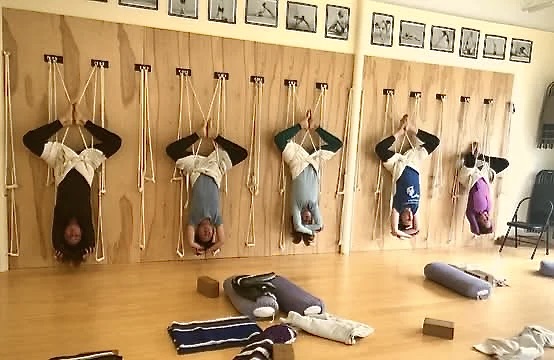
From that point on, really, I plunged into the practice and study of yoga. My first experience definitely motivated me to want to know more. On the heels of my years as an eager student in college, the study of yoga was a natural fit for a mind accustomed to, and hungry for, seeking, studying, learning . . . knowing. Within a few weeks, I was practicing two to three times at the yoga studio Mitchel taught at (it was really the only yoga studio in town in 1997), and also doing some practice at home. Within a few months, I took my first yoga workshop, in October of 1997. (What an eye-opening experience that was!) My weekly classes and attendance at workshops, intensives, etc. have continued to this day. In the ensuing 28-plus years, I have done tens of thousands of hours of yoga training. I continue to maintain a daily practice of yoga, take two weekly classes with B.K.S. Iyengar’s son, Prashant Iyengar, via Zoom (thank you, COVID-19), and continue to take workshops, and attend Iyengar Yoga intensives and conventions. My studies have taken me twice to India. Once to train at the Ramamani Iyengar Memorial Yoga Institute (RIMYI) founded by B.K.S. Iyengar in Pune, India, and recently to study the yoga culture and lead a yoga retreat in and around Rishikesh, India and the Himalayas in that region (known as the “Yoga Capital of the World”). If all goes as planned, I will return to Pune India to study again at the RIMYI in the fall of 2026. I am quite certain that my studies, like those of my teachers, B.K.S., Geeta, and Prashant Iyengar, Laurie Blakeney, Lois Steinberg, and many others, will continue lifelong. Yoga is such an immense and in-depth subject. It is a subject that has been developed and refined by some of the wisest and noblest human beings for millenia (some say for eons). One lifetime is not enough to plumb its depths!.
Given that I have been a Yoga Teacher for nearly 25 years, and have attained five advanced certifications as an Iyengar Yoga teacher, it may be surprising to hear me say that I never intended to become a yoga teacher. I was just very interested in the subject and, the more I was learning, the more I wanted to learn. Being a yoga teacher initially just fell in my lap. In fact the first formal “yoga teacher training” I took, I took because I wanted to learn and practice the material that the program covered. I had no intention of teaching. But, as I said, opportunities to teach came to me. Someone asked me to apply for the first class I taught, an eight-week course through a community education program in Fraser, Michigan. Soon after that, a friend that I had “practiced and pot-lucked” with in the first year or two of my practice, had opened up a yoga studio in Royal Oak. She had a couple of classes available and asked me to teach them. I agreed. Not many months later, a number of studios opened in the Metro Detroit region. It seemed at this time, classes were ample and teachers were scarce. I soon had a full schedule of about twelve to fourteen classes per week at various studios and my teaching “career” was off and running. Still, I didn’t think that would be my life’s work. Within a short time, however, not only did I discover that I had a gift for teaching, I also realized what an immense challenge and responsibility it was to teach yoga.
Thus began my second journey to elevate my education as a yoga student, and teacher. Yoga is a very potent subject with very powerful “technologies” as part of its practice. Handled correctly, these “technologies” can work wonders in the body and mind. Yoga can transform a person in a very powerful and dramatic way. This transformation can be quite rapid and far-reaching. At the same time if these technologies are handled incorrectly, great damage can be done to the individual in body and mind. I have seen and experienced this on a number of occasions. Recognizing the great potential of yoga to impact a person, I also felt that it was my duty to ensure that I delivered the teachings in the safest and most effective way. This necessitated (and still necessitates) rigorous training and education.
This felt need to train myself well and at depth lead me to Iyengar Yoga. I did not start practicing Iyengar Yoga. I started practicing another method. In fact, I had a resistance to Iyengar Yoga. It seemed too intense and detail-oriented based on the little information I had about it. Yet, as I continued to seek and pursue yogic knowledge, it turned out to be virtually the only well of knowledge that didn’t run dry for me. It was really a longing to learn and know more, to improve my practice and teaching that led me to Iyengar Yoga. That and the integrity of it. Some other styles that were popular 10, 20 years ago ended up awash in some pretty significant scandals that undid them. Others have just faded out. Iyengar Yoga continues to develop, evolve, and grow. That really spoke to me at the time, and speaks to me still.
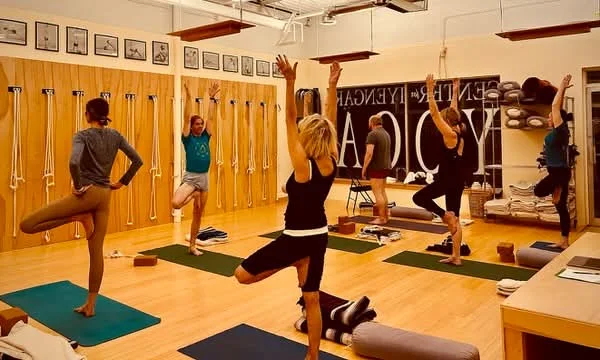
I have been directing my own yoga studio since 2003. In my early days as a teacher, it didn’t take me long to realize that my earning potential was limited as a teacher at another studio (the last time I was a contract teacher at another studio, the pay rate for such a teacher was the same as it had been fifteen years before). More importantly, though, at some of the studios I was teaching I felt there was a pressure to curb the teachings, or bend them to fit the commercial interests of the studio owners. In other words, attracting and retaining students by giving them what they “wanted,” or what was “popular” in some cases became more important than transmitting the teachings of yoga in an authentic way as far as I could tell. While I understood (and now know) that yoga studios are businesses to run and, as such, have bills to pay and financial objectives to meet, I felt there must be a way to both honor the authentic tradition and teachings of yoga, and generate sufficient income to provide for the needs of students and teachers. I felt it was important to try and build such an enterprise and so began my journey as a yoga studio owner. That journey continues to this day. It is a great satisfaction to me that I have found a way to balance the commitment to transmitting the classical, tried-and-true teachings of yoga with the need to run a successful business that supports a life well-lived. This has been an unexpected area of ongoing personal development and growth. Though it can be quite challenging at times, the rewards are great and are very much worth the effort! I am proud of the work I and my community of students have done to be entering our 23rd year at the Center for Iyengar Yoga.
Can you talk to us a bit about the challenges and lessons you’ve learned along the way. Looking back would you say it’s been easy or smooth in retrospect?
I spoke about this at some length in the previous entry.
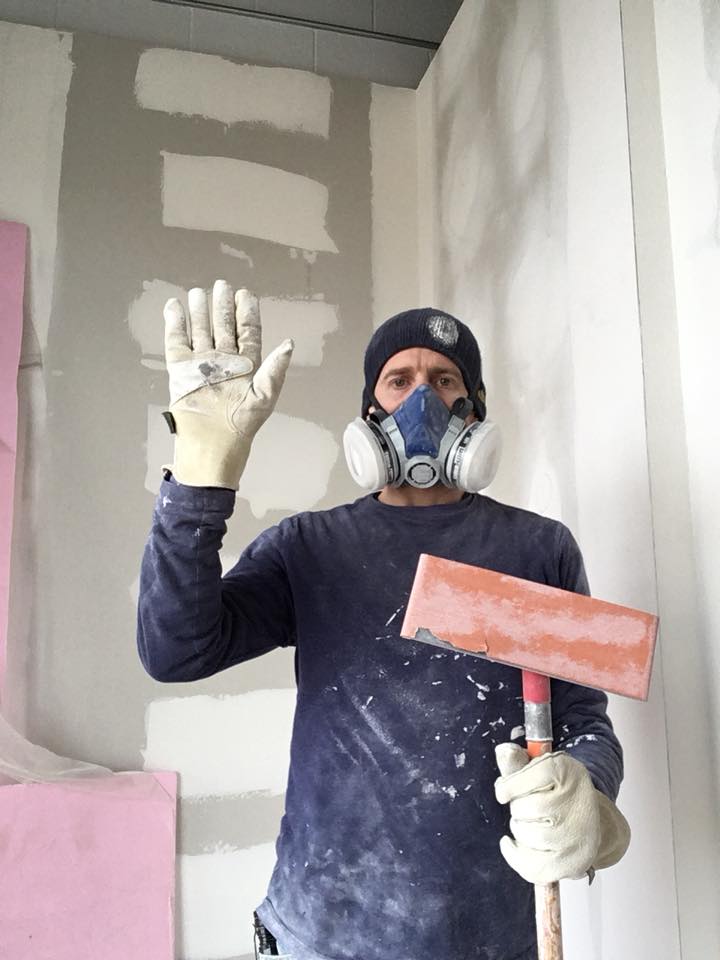
It has certainly not been a smooth road. It has been very demanding at times to be the person not only responsible for delivering safe, transformative, inspiring, and authentic yoga classes, but also the one responsible for promoting, marketing, managing and running the business. At times, wearing so many “hats”–studio director, senior teacher, curriculum development, bookkeeper, receptionist, janitor, maintenance, etc.–has been overwhelming. Other times, like during COVID when our studio was shuttered for some time and business declined, there have been some financial challenges that meant I sought work as a house painter, handyman, substitute school teacher, and waiter, among others.
One other thing has been the challenge of really connecting to students, to people, and developing relationships with them, only to have them move on. There have been some students who have made good progress, really worked to a point where some exciting doors are opening for them, only to turn away, or move away. It can be hard to see such an inspiring possibility go unfulfilled.
One other challenge I guess I could mention is this: there really aren’t clear standards for yoga teachers and so sometimes it feels challenging to educate people about what to look for in a yoga teacher. For example, I have spent the last 25 years in some form of teacher training or other. As I mentioned, I have amassed tens of thousands of hours of training. By contrast, anyone can “registered” as a yoga teacher with as little as 200 hours of training. In some cases, people get a teacher “certification” after a week-long or even weekend course. Training isn’t everything but it does make a big difference in how a yoga teacher is able to serve his or her students. Sometimes the difference goes unidentified by the average yoga consumer, through no fault of their own. For example, I know of some would-be yoga practitioners who got turned off by or turned away from learning yoga, not because they lacked any capability, but rather because the teachers that taught them didn’t help them find their way into a compelling and effective practice. The challenge in this case is to help people who don’t think yoga is for them to know that, with skillful teaching, they (or others) could have likely benefitted immensely from the practice.
As you know, we’re big fans of you and your work. For our readers who might not be as familiar what can you tell them about what you do?
Again, I have touched on this in previous questions. One thing I will reiterate that I believe sets me apart is my ongoing practice and study of Iyengar Yoga. There is a saying: “Some yoga teachers measure their experience in hours. An Iyengar Yoga teacher measures their experience in decades.” I guess you could say I am proud of the time, effort and resources I have dedicated to my yoga training. But I am more proud of the fact that I have learned enough to know how much I have to learn. And I have gone deep enough into the study of yoga to ignite a hunger for, and commitment to, lifelong learning.
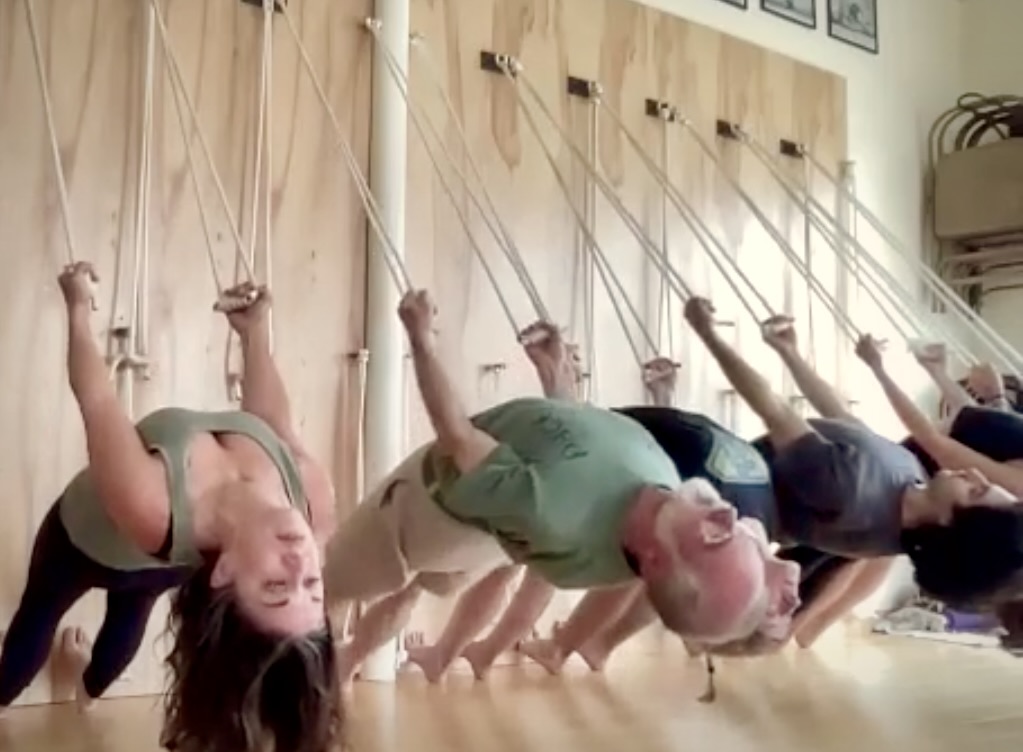
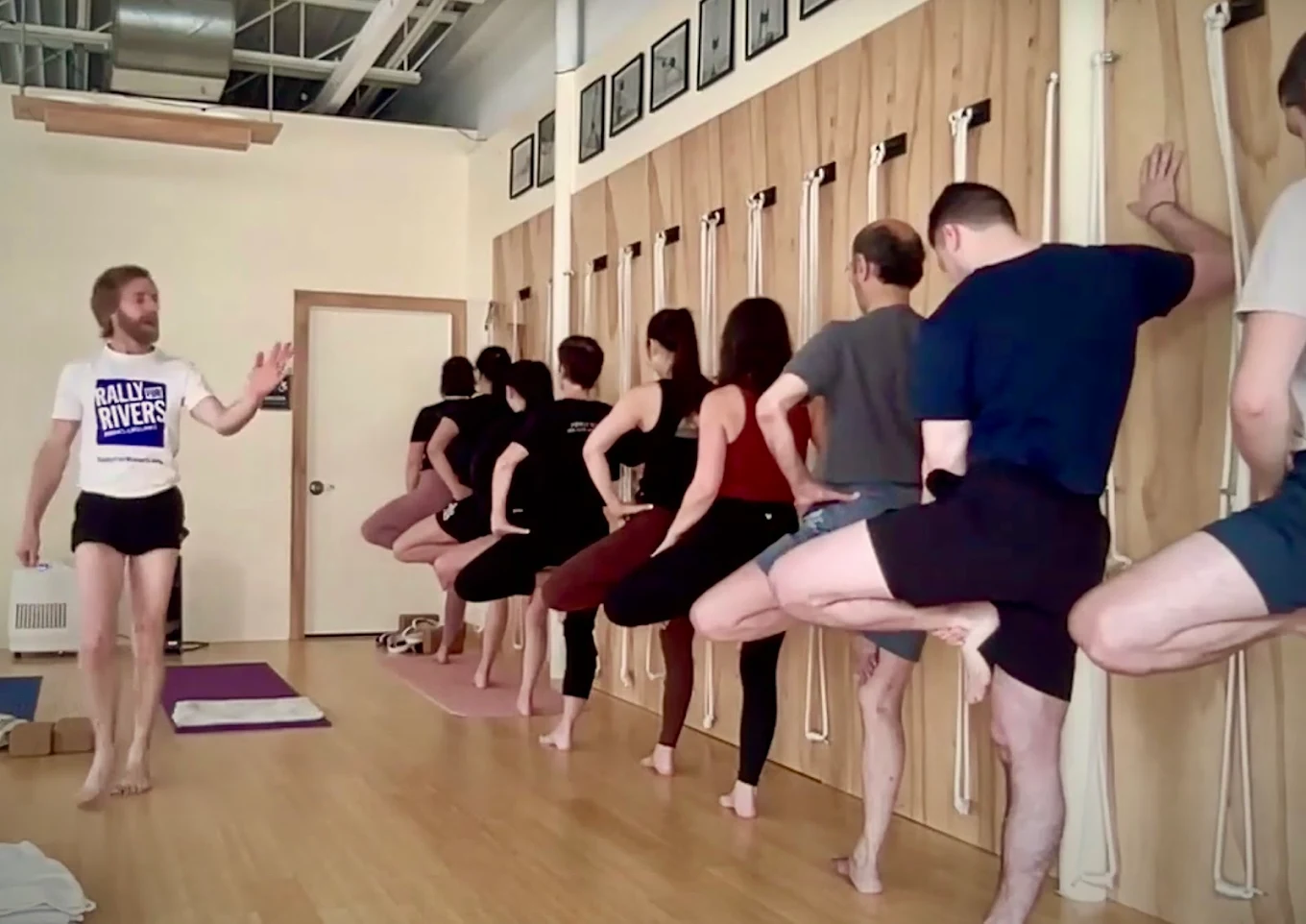
As a Certified Iyengar Yoga Teacher (CIYT), I automatically qualified for certification as an International Yoga Therapist (C-IAYT). My training allows me to specialize in teaching yoga to all levels, ages, and body types. I have taught 8 year-olds (8 is the earliest age to begin any kind of “formal” yoga training, according to the yoga tradition), and I currently teach an 85 year-old student. I have taught gymnasts and I have taught self-proclaimed “couch potatoes.” I have taught high-level executives and youth in a juvenile detention facility. I have taught pregnant women and I have taught couples trying to conceive. I have taught people in peak health–athletes and dancers–, and I have taught people dying of cancer. My teacher, B.K.S. Iyengar said, “Yoga is for everyone.” I am proud that I have developed my capacities to teach such a variety of people–to meet them where they are, and to provide them with the tools to fashion greater health, happiness, and an increasing sense of well-being for themselves.
I think these skills do set me apart from others in my field. I will find a way to teach anyone.
I am also the only teacher at my certification level (Level III) in the Metro Detroit region. And I hold the highest certification level of any male Iyengar Yoga teacher in the entire midwest. I share these things because I want to reach students whose lives can be positively impacted by the practice of Iyengar Yoga. I am sure this practice will contribute great value to their lives. I have seen it happen, in my own life and in the lives of many, many others. I am proud that I have developed the capacity to transmit such a force for good in people’s lives in an effective way.
Are there any important lessons you’ve learned that you can share with us?
If we are willing to reach for it, most of us are capable of much more that we even dream, and that I truly am the one responsible for what my experience of life is.
Pricing:
- Single class: $28
- Once per week subscription: $25 per class
- Twice per week subscription: $23 per class
- Thrice per week subscription: $21 per class
- Private lessons available by appointment, price TBD.
Contact Info:
- Website: https://www.centerforiyengaryoga.com
- Instagram: https://www.instagram.com/centerforiyengaryoga/
- Facebook: https://www.facebook.com/CenterforIyengarYoga
- LinkedIn: https://www.linkedin.com/in/christopher-briney-40937b6/
- Youtube: https://www.youtube.com/@centerforiyengaryoga
- Yelp: https://www.yelp.com/biz/center-for-iyengar-yoga-royal-oak?osq=center+for+iyengar+yoga