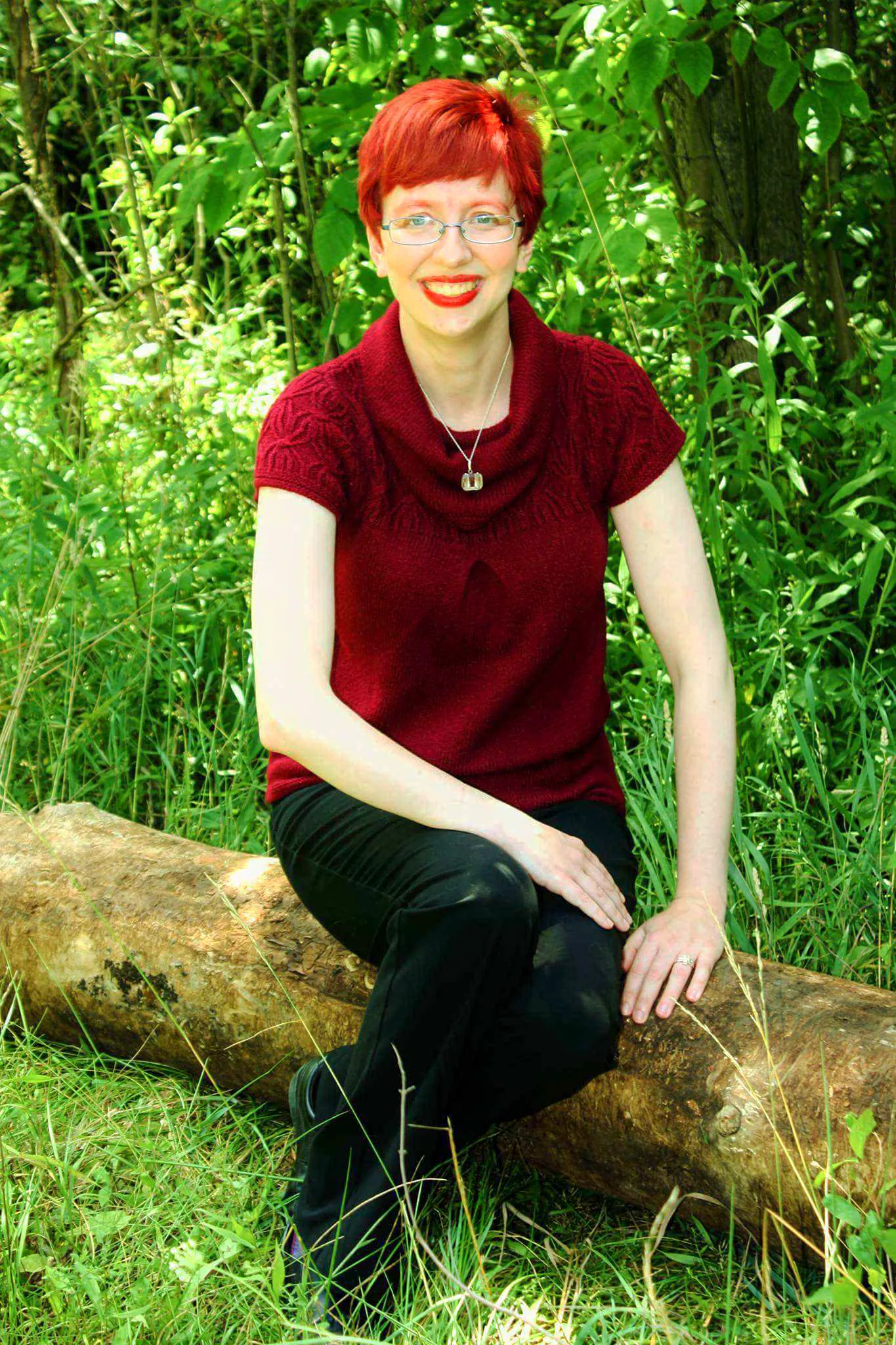




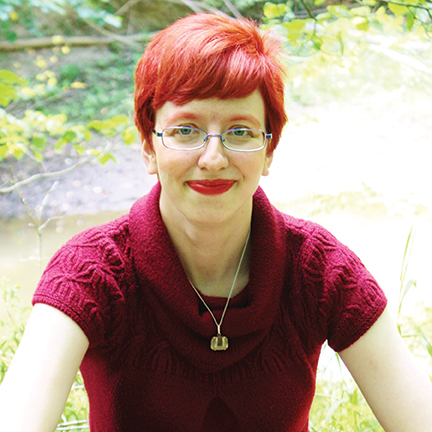
Today we’d like to introduce you to Mackenzie Flohr.
Hi Mackenzie, can you start by introducing yourself? We’d love to learn more about how you got to where you are today?
I was born and raised in Strongsville, Ohio, and grew up as an only child in a home where creativity and education were incredibly important. My mother enrolled me in a well-regarded private school in Parma Heights, rooted in Catholic tradition. While the academics were strong, many of the experiences I had there were deeply difficult and shaped me in ways I’m still unpacking.
As a child, I often escaped into my imagination. That instinct to create worlds came from necessity-being left-handed in the 1980s at a strict Catholic school meant I was treated as if something was inherently wrong with me. In second grade, a teacher repeatedly struck my hand with a ruler to force me to write right-handed. My mother didn’t discover this until another student told her. Ironically, I never did learn to write with my right hand, but the experience taught me early what it felt like to be an outcast.
There were other moments of exclusion as well. For example, after two friends got into a disagreement over who would play with me, a teacher labeled me a “devil’s child” and instructed the playground monitor not to allow anyone to play with me. For a child, that isolation stays with you.
Theatre became my refuge. In third grade, I was cast as a munchkin in The Wizard of Oz at Padua High School, a huge moment for me. Performing allowed me to express myself freely in a way school often didn’t. My mom encouraged that spark and later enrolled me in summer acting classes at the Cleveland Playhouse. Those experiences eventually led me into community theatre and helped build my confidence.
By seventh grade, I had hoped things would improve as lay teachers replaced the nuns, but instead that year became one of the most challenging. My homeroom teacher frequently used verbal aggression, and when my mother raised concerns, I bore the brunt of the retaliation. Some classmates joined in. Two boys regularly bullied me, encouraging me to commit suicide, lying that no one would miss me, and even causing physical injury both to me and another classmate.
After that year, my parents transferred me to public school, but the emotional damage had already taken root. I later learned I was living with severe depression, neurodiversity, and PTSD. It took years to unlearn the belief that I was not good enough or that I deserved to have bad things happen.
But surviving those experiences gave me something meaningful: a deep understanding of what it feels like to be unseen, unheard, or misunderstood. Today, I use my writing and my voice to remind others that they matter, they’re not alone, and their stories are worth telling.
Despite the trauma, or maybe because of it, my creativity became my lifeline. It shaped me into the person I am now.
I’m sure it wasn’t obstacle-free, but would you say the journey has been fairly smooth so far?
It definitely hasn’t been a smooth road. For many years, I struggled not only with the impact of depression and trauma, but also with feeling dismissed whenever I tried to talk about what I was going through. I often heard that I was “overreacting,” that things “weren’t that bad,” or that my experiences didn’t matter in comparison to someone else’s. Those responses made it incredibly difficult to reach out for help or believe that my feelings were valid.
My writing journey had its own challenges. I didn’t have much support early on. My father openly doubted I’d ever finish a book, and my mother often viewed my creative pursuits as burdensome. Hearing those things from the people closest to you shapes your internal narrative for a long time.
College presented another difficult chapter. I pursued a theatre degree, but an advisor, someone who should have been a source of guidance, ended up reinforcing the same harmful messages I’d heard growing up. One day during a costume design class, she had me work on sewing a costume for an actor for an upcoming production. I had never sewed a day in my life. When she discovered I was sewing “wrong,” instead of showing me what to do, she took me to the front of the class, humiliated me by saying I was destroying the costume, and spanked me in front of my classmates. That moment reopened old wounds and ultimately pushed me away from theatre entirely.
Even in my professional writing career, the road hasn’t always been linear. A restrictive publishing contract prevented me from releasing new installments of my fantasy series for several years. Not only did it stall my momentum, but it created frustration among readers who worried the series might never be completed. It has been a challenging obstacle, especially as I work toward long-term goals like seeing my stories adapted for streaming.
But each of these struggles has also taught me perseverance, boundaries, and the importance of believing in my own voice, even when others don’t. They’re a significant part of why I write the stories I do and why I advocate so strongly for others who feel unseen or unheard.
Can you tell our readers more about what you do and what you think sets you apart from others?
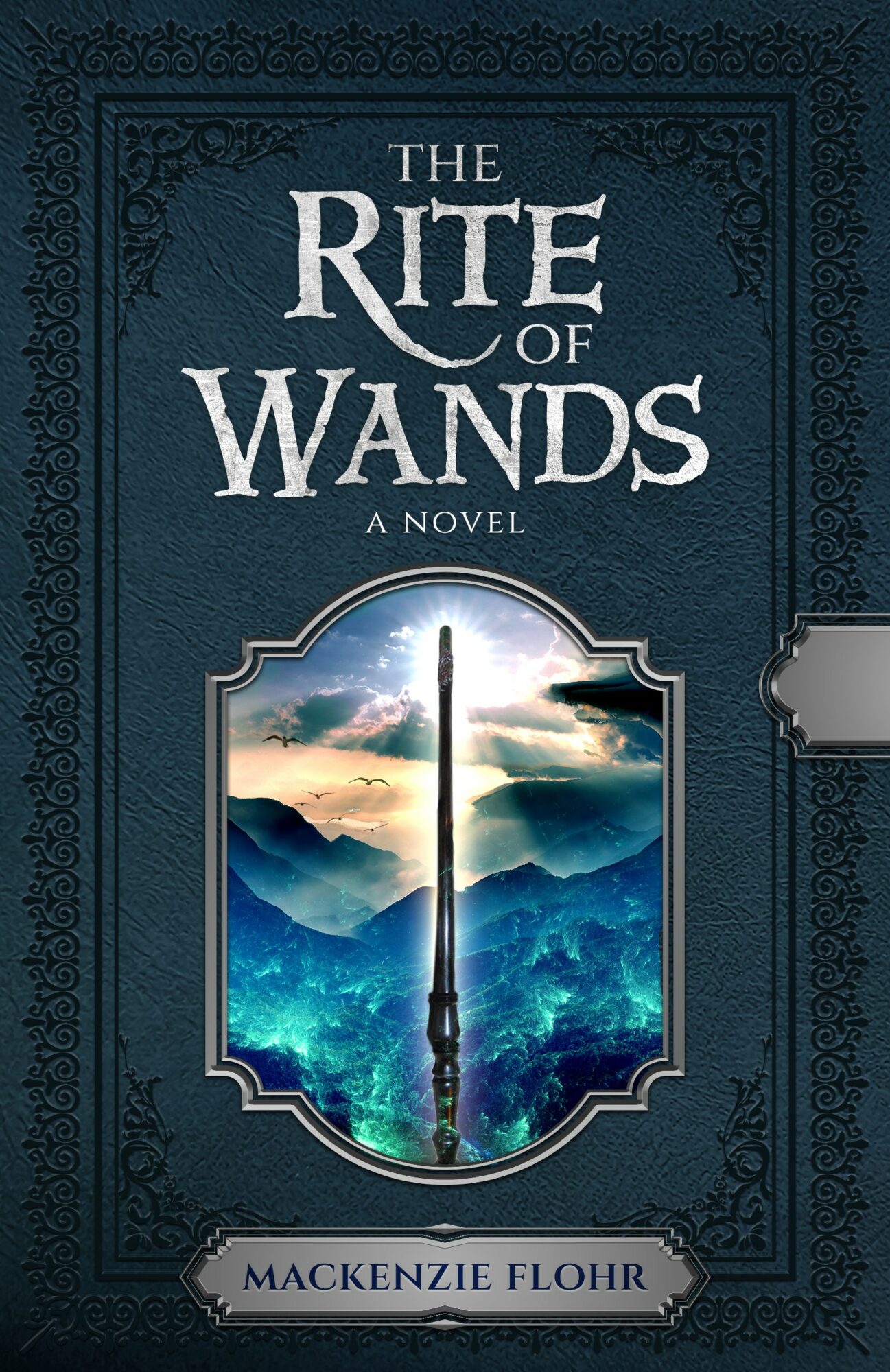
I’m the award-winning author of The Rite of Wands, an epic fantasy series often described by readers as “Game of Thrones in Ireland during the Black Plague,” and particularly appealing to fans of Doctor Who, and book readers of expansive, lore-rich fantasy worlds. My work blends Celtic mythology, dark fantasy, and character-driven storytelling focused on moral complexity, destiny, and self-discovery.
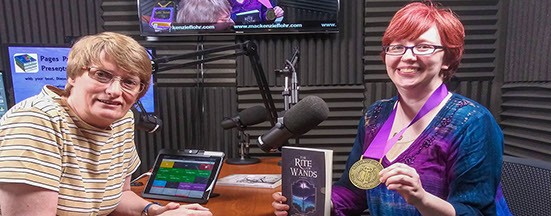
The first book in the series was published in 2017 and went on to win multiple honors, including the Gold Medal at the Literary Classics Book Awards. In 2020, my publisher and I had differing visions, and the series was ultimately shelved. It was a difficult setback, but it also gave me time to reimagine the world and its future. After the publisher unexpectedly closed this past summer, I finally regained the rights to my work, and I’m thrilled to be relaunching the series in 2026, with the plans and expansions I had originally envisioned.
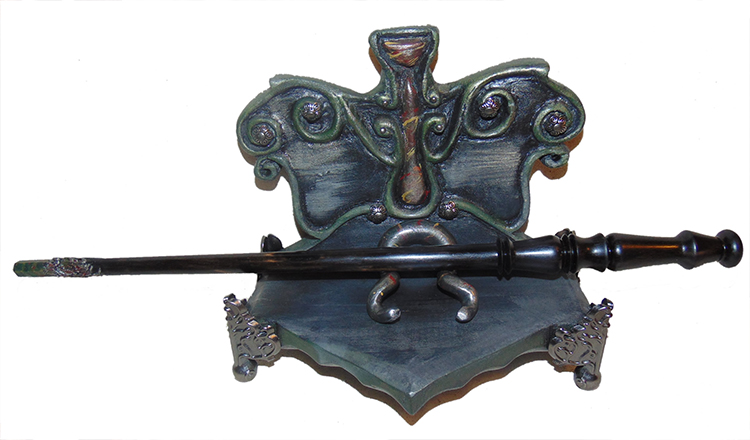
One of the things I’m most proud of is the connection readers feel to my characters, especially Mierta, the series’ protagonist. I actually wrote him with British actor Matt Smith in mind, and it has become one of my favorite full-circle moments that Magical Alley, a wand-crafting studio in Oregon, helped bring Mierta’s wand to life, and Matt Smith autographed it at a convention we both attended. Magical Alley and I are now collaborating on a special project for readers that I can’t wait to share more about!
What sets my work apart is the emotional honesty behind the magic. I bring real, lived experience, resilience, trauma, and healing into my fantastical worlds, creating stories that feel both mythic and deeply human. My mission is not just to entertain, but to help people feel seen, understood, and reminded that they matter.
We’d love to hear about how you think about risk taking?
I have to laugh at this question, because risk-taking is exactly what got The Rite of Wands temporarily shelved by my former publisher!
I’ve always believed that a book is much more than just a book. Whether it’s fiction or nonfiction, a story can expand into multiple streams of income-adaptations, merchandise, collaborations, and creative experiences for readers. A book shouldn’t be treated like a glorified business card; it’s an entire world with potential.
For years, readers approached me at conventions asking if I planned to adapt the series for film or television. At the time, I didn’t have anything in motion, but the idea excited me. I also knew fantasy is notoriously expensive to produce, so I wanted to approach it with intention. I studied screenwriting and eventually wrote a TV pilot myself, because I’m the only one who truly knows where the series is headed, and I wanted the adaptation to stay true to its vision.
Here’s where the risk came in: even though my publishing contract didn’t grant the publisher any subsidiary rights, they insisted I focus solely on writing books and forbade me from pursuing adaptations. That creative restriction eventually brought the series to a halt.
As stressful as that period was, the risk was worth it. It clarified that the publisher and I were not aligned from a business perspective, and it ultimately led me to regain my rights. Writing the TV pilot also helped me uncover deeper layers of my characters and world, insights I never would have discovered otherwise.
So yes, I take risks. And while they haven’t always made my path easier, they’ve always pushed me toward greater authenticity, ownership, and creative freedom.
Contact Info:
- Website: https://www.mackenzieflohr.com
- Instagram: https://www.instagram.com/mackenzieflohr
- Facebook: https://www.facebook.com/MackenzieFlohrAuthor/
- Twitter: https://twitter.com/mackenzieflohr
- Other: https://www.twitch.tv/mackenzieflohr