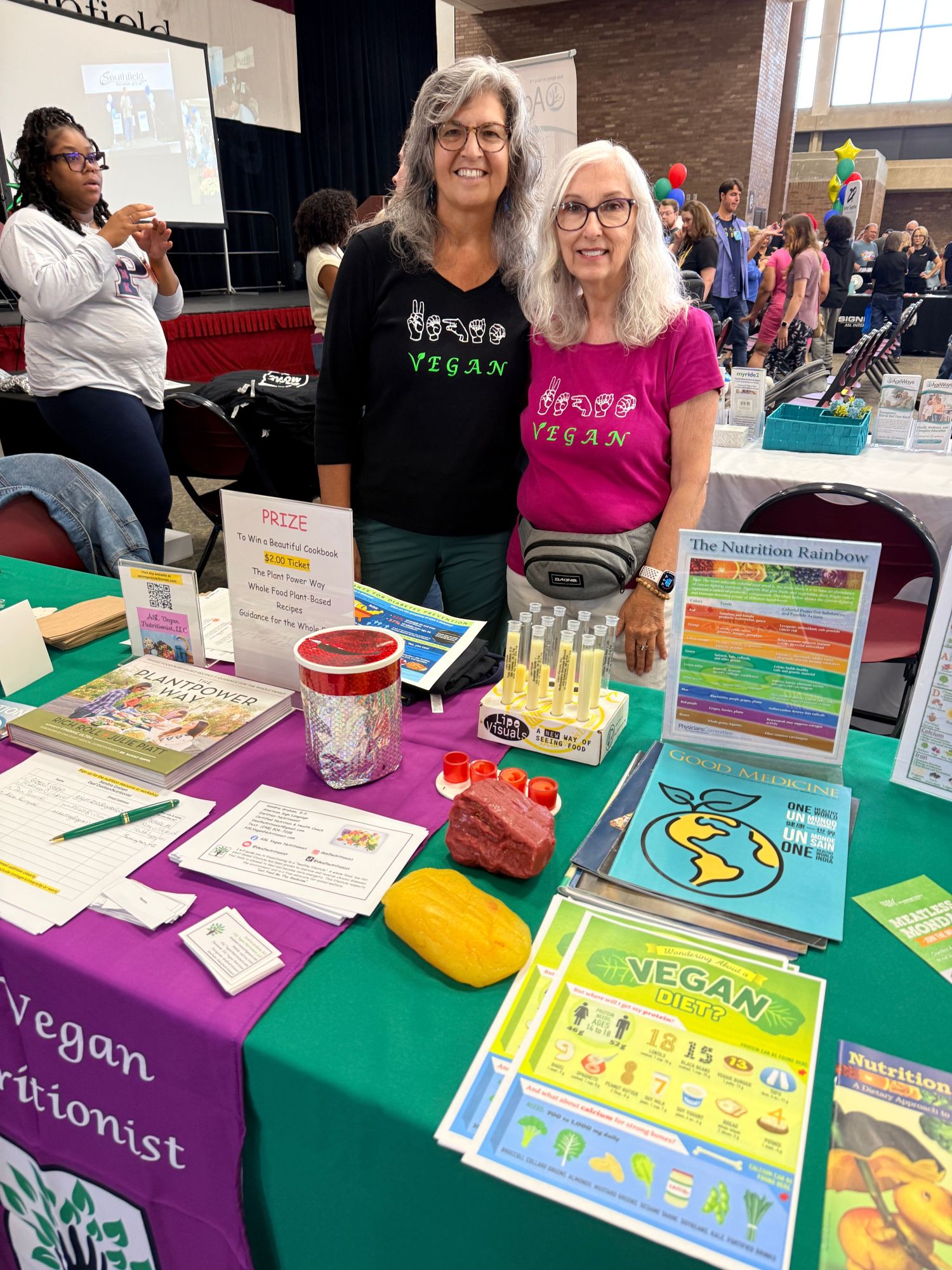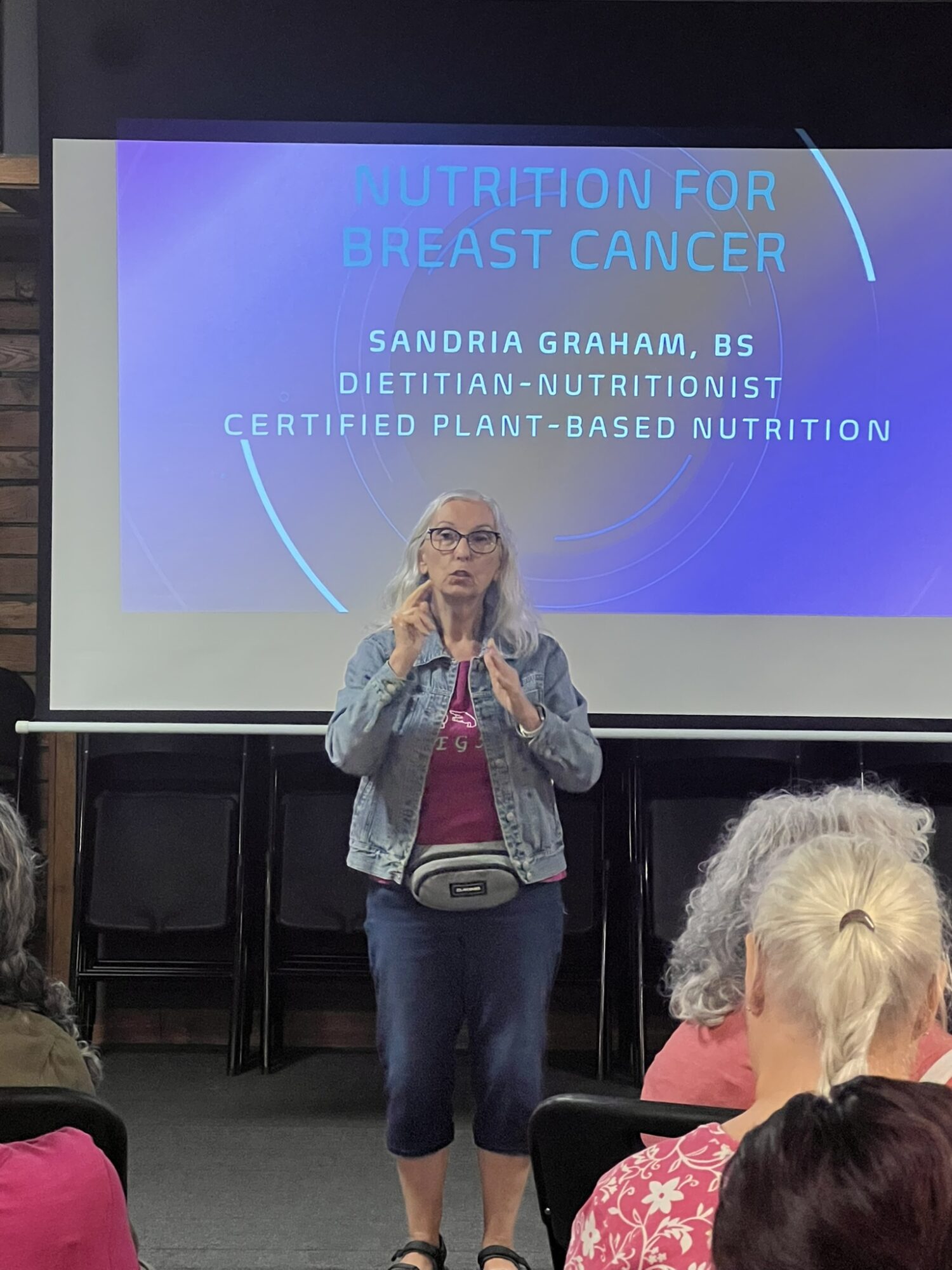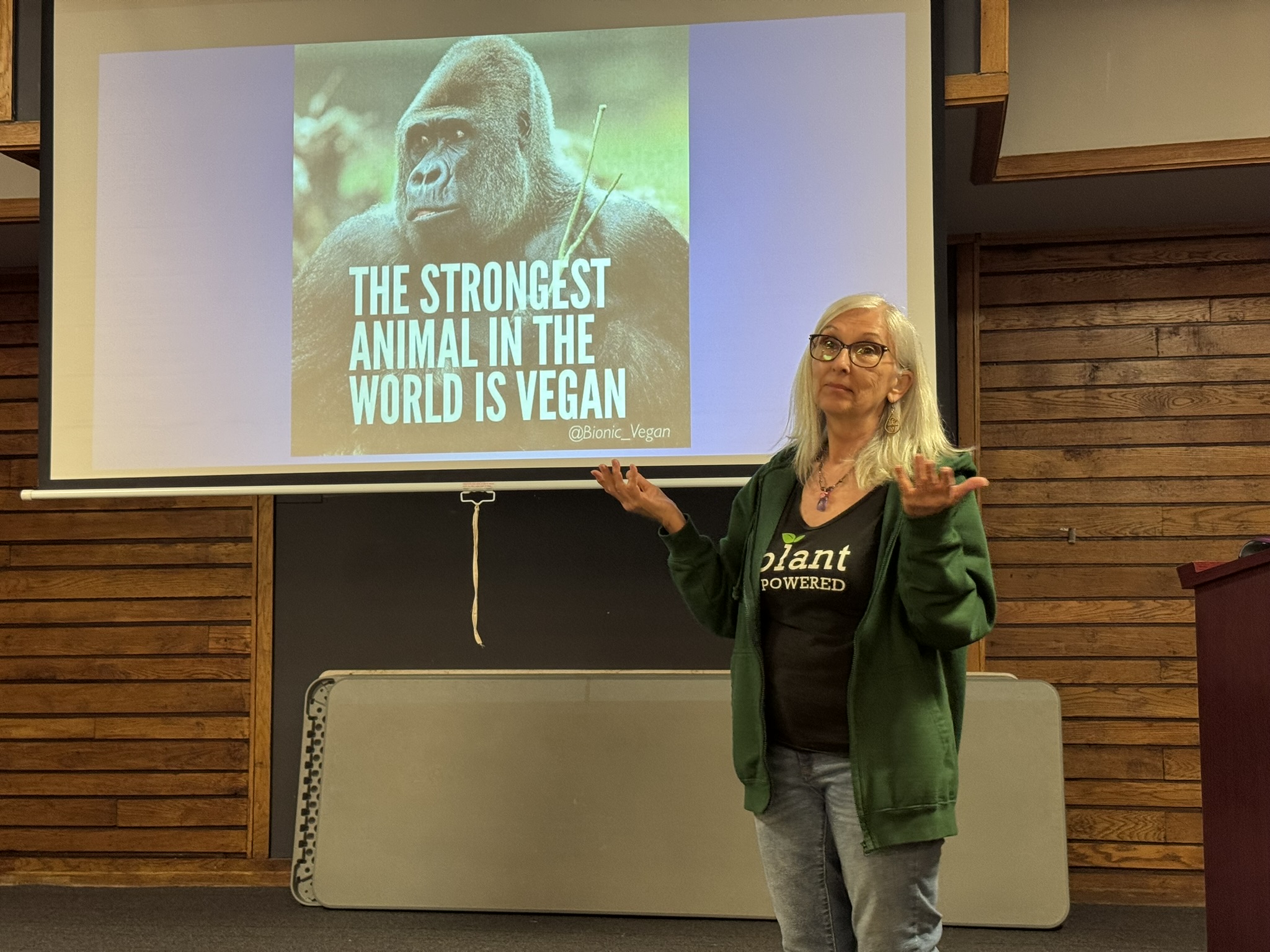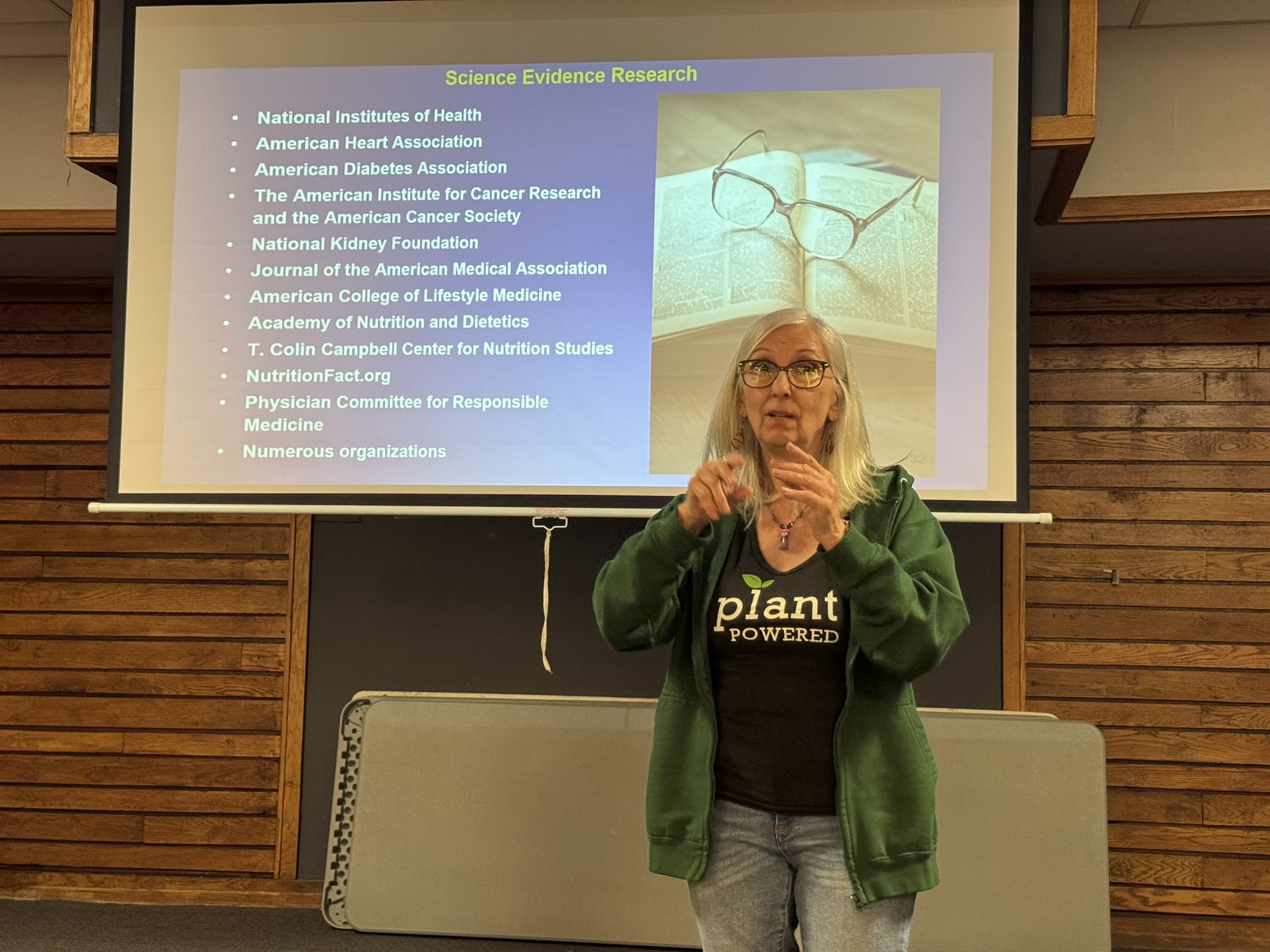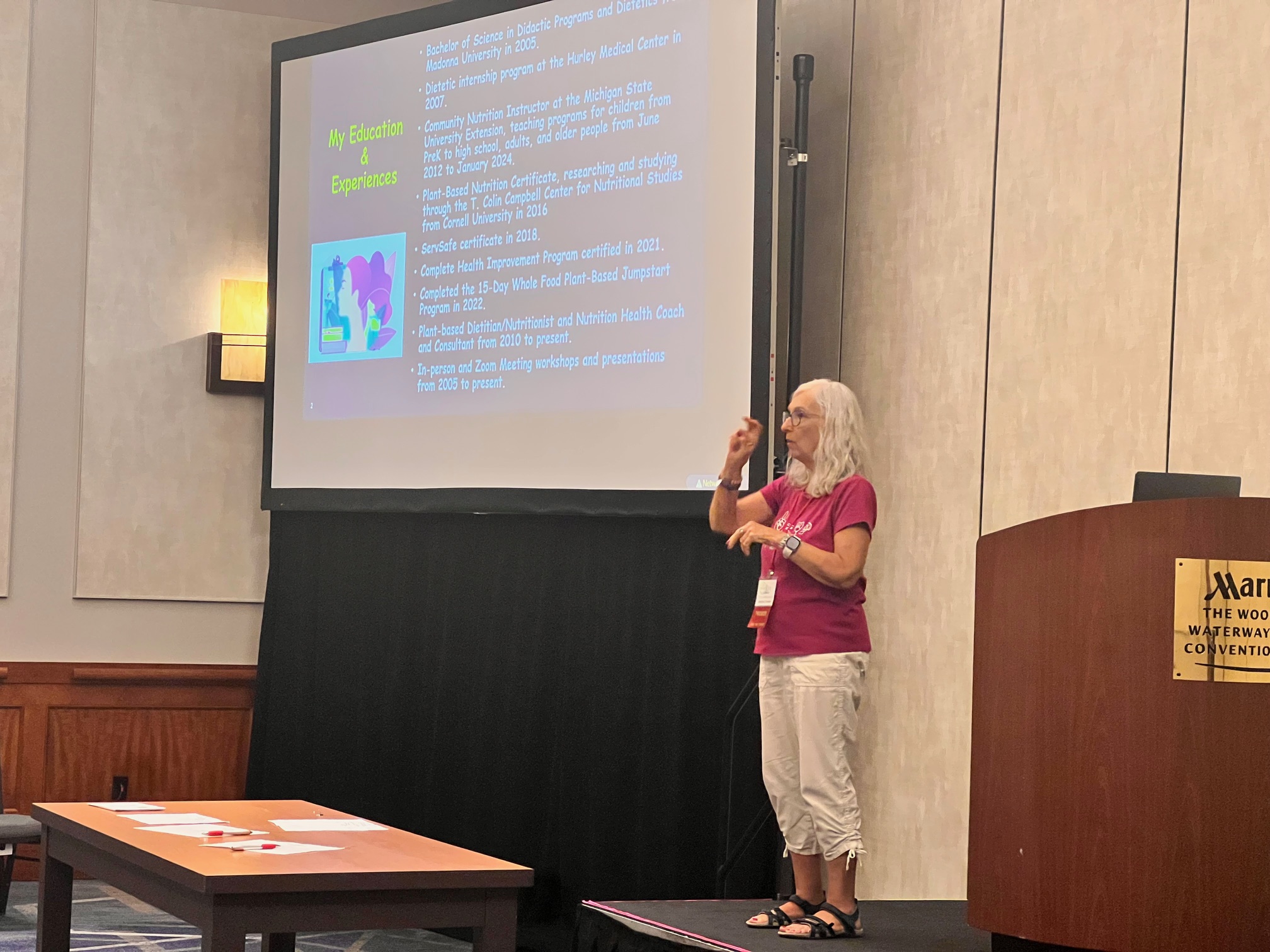




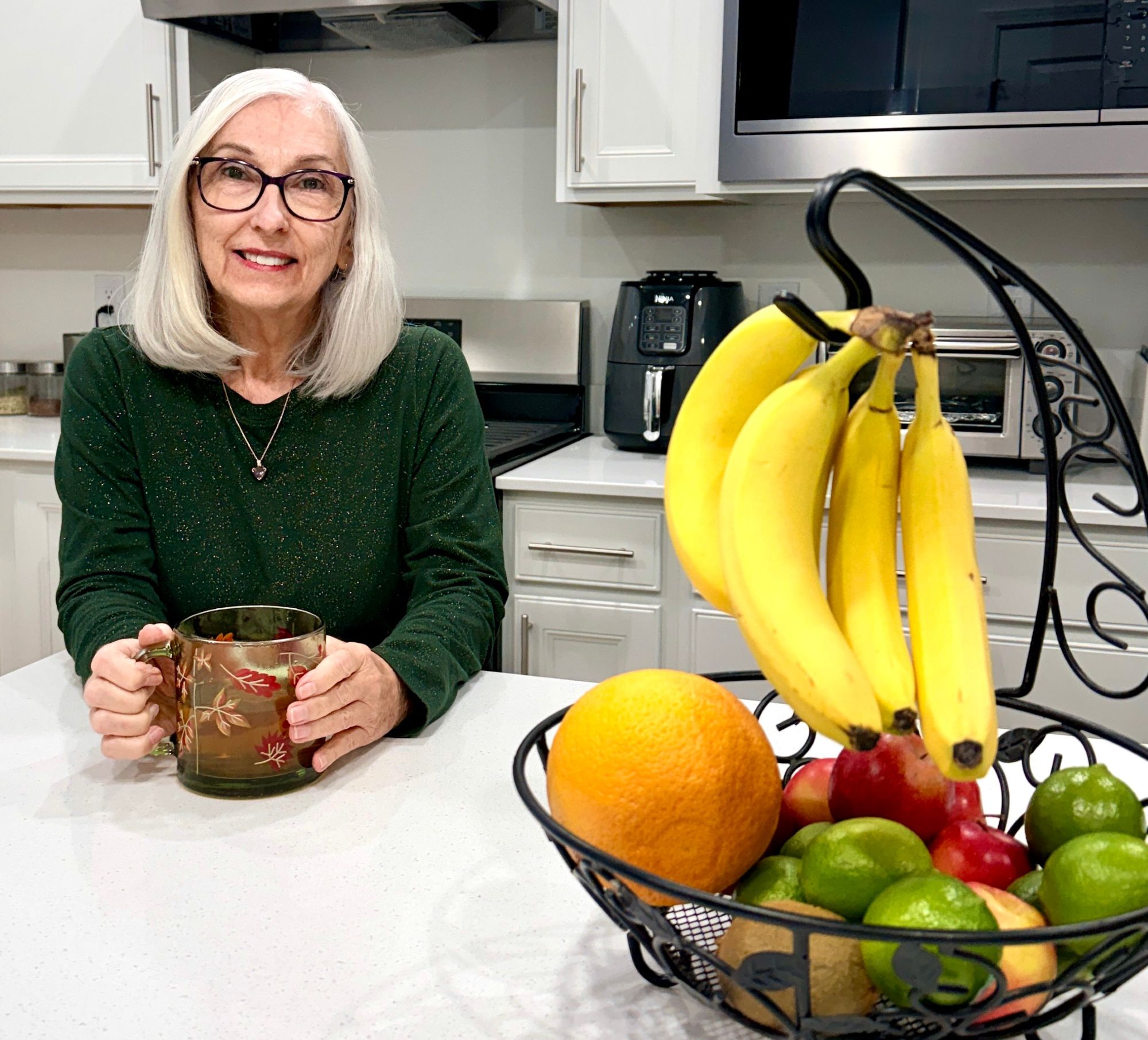
Today we’d like to introduce you to Sandria Graham.
Hi Sandria, we’re thrilled to have a chance to learn your story today. So, before we get into specifics, maybe you can briefly walk us through how you got to where you are today?
What inspired me to become a Dietitian & Plant-Based
I discovered my passion for nutrition in the 1980s, when I learned how deeply food can influence our health and how it can help treat and prevent disease. That realization sparked a lifelong interest in nutrition and wellness. I knew I wanted to become a nutritionist so I could make a meaningful impact, educate others, and help people experience how eating more plants and choosing nourishing foods can support their energy, balance, and overall well-being. Nutrition gave me the perfect way to unite my love for food, science, and helping people achieve their goals.
I follow a plant-based lifestyle for three reasons: my health, the animals, and the planet. Eating plant-based food helps me feel my best, show compassion to all living beings, and do my part to protect the environment. Knowing that every meal can make a difference keeps me inspired and motivated. Cooking has been a passion of mine since childhood, which made becoming a nutritionist feel natural and purposeful.
My mission is to promote health and wellness in the Deaf and Hard-of-Hearing community through accessible plant-based nutrition. I believe food is powerful medicine. Plant-powered meals include vegetables, fruits, whole grains, legumes, beans, peas, nuts, and seeds. I personally avoid meat, fish, eggs, and dairy, but plant-based eating can be flexible depending on each person’s goals and comfort level.
I often share the 80/20 concept. It isn’t an absolute rule, but an idea: when you focus on your nutrition about 80% of the time and stay active the other 20%, you can create sustainable habits that support long-term health. My goal is to guide others toward a lifestyle that feels balanced, enjoyable, and nourishing from the inside out.
How did I decide to follow a 100% plant-based diet?
In 1980, in my 20s, I joined the Food Buyer Club in Charlotte, NC; I learned more about health and nutrition from the vegetarian members. During my second pregnancy, I decided to become a vegetarian for four years. While we had our baby son, it was hard for me to cook two meals separately for my Lebanese ex-husband, who was a meat eater except for pork because of his Muslim religion, and me, as a vegetarian. So, I returned to eating a small amount of lean white meat — chicken and fish — as a semi-vegetarian for 27 years while still eating a heavily plant-based diet. I haven’t eaten red meat since 1980.
As a dietetic student, I watched the Earthlings documentary; it blew my mind and made me quit white meat overnight. I read the book “Becoming Vegan” by Brenda Davis, RD. Brenda and I studied in the same program under the Academy of Nutrition and Dietetics (AND). They are the world’s largest organization of food and nutrition professionals. The Academy is committed to improving the nation’s health and advancing the profession of nutrition and dietetics through research, education, and advocacy. Brenda is intelligent, knowledgeable about plant-based education, and shows how to eat a balanced diet. I have never looked back on my old diet since 2010 and have been living a plant-based lifestyle since then. I feel a lot better, am highly energetic, have no constipation problem, sleep better, and have lifted my brain fog.
My weight has been average, and I have stayed healthy my whole life. I haven’t been overweight because I have been vegetarian, semi-vegetarian, and vegan/plant-based ever since. The turning point was that I grew up eating traditional Southern food—mostly fried—where I lived in Chattanooga, TN.
Therefore, my parents had heart disease, high cholesterol, and hypertension. They took heavy medicines. My grandfather (father’s side) passed away at 60 from a heart attack. I didn’t want it to happen to me in the future. I didn’t believe in family genetics because we can control it through healthy eating. I learned that all the chronic diseases we fear are PREVENTABLE with our food!
I was a youth swimmer, track team athlete, and cheerleader. I enjoy staying active, cooking, gardening, camping, traveling, reading, sewing, making movie projects, creative design, and spending time with family, grandchildren, and step-grandchildren.
Inspired by My Journey
I bring a wealth of knowledge and experience to my role as a plant-based nutrition coach. I graduated with a Bachelor of Science in Dietetics from Madonna University, with minors in chemistry and biology. I honed my skills through the accredited dietetic internship program at the Hurley Medical Center. I worked as a Community Nutrition Instructor at the Michigan State University Extension for over 11 years.
My qualifications and experience testify to my commitment to helping you on your plant-based journey. I continue to study doctors and other plant-based professionals who are spreading the truth about health and diet—Dr. Joel Fuhrman, Dr. T. Colin Campbell, Dr. Caldwell Esselstyn, Dr. Michael Greger, Dr. Neil Barnard, Dr. Dean Ornish, Brenda Davis, RD, Julieanne Hever, RDN, and many others.
I founded and administered a “Deaf and ASL Vegan Unity” group on Facebook in 2010. I opened my Facebook business, “ASL Vegan Nutrition,” to share my knowledge and help educate the Deaf and Hard-of-Hearing Community. I understand the confusion that can come from the abundance of conflicting nutritional information. I have been in your shoes and know how challenging it can be initially. That’s why I am here to provide a plan you can start without feeling overwhelmed by someone you can trust.
I’ll listen and understand why you want to learn about a healthy lifestyle. I can take you through a process that will make the transition easier and exhilarating. You’ll know where food comes from and what happens in the process. You’ll wonder why you didn’t see this before. You’ll learn how to transition to a healthy plant-based diet with the right dietary requirements and supplements. So, you may feel full, satisfied, and energetic. Your body will heal, save the planet, and become a true animal lover in every sense of the word.
We all face challenges, but looking back would you describe it as a relatively smooth road?
Managing conflicts between vegans and meat-eaters requires a focus on mutual respect, clear communication, and practical compromises. The key is to create a peaceful coexistence by addressing practical living needs while respecting personal beliefs.
Communication and Respect
• Listen and Empathize: Try to understand their perspective. Many people grew up eating meat and may not fully understand the ethical implications from a vegan viewpoint. A person who feels understood is more likely to be curious about your perspective.
• Use “I” Statements: Frame discussions around your own feelings and choices rather than accusing or judging them. For example, “I feel uncomfortable when animal products are cooked near my food” is more effective than “You shouldn’t cook animal products here”.
• Focus on Shared Values: Instead of focusing on disagreement, find common ground. Most people agree that compassion and health are essential values; you can build a bridge from these shared values.
• Choose the Right Time: Avoid deep discussions about animal agriculture during mealtimes.
• Avoid Stereotypes and Pressure: Do not expect them to change overnight or at all. Pressuring or nagging them can drive a wedge in the relationship.
• Share Positives: Instead of focusing on the negative aspects of meat-eating, share the delicious elements of your plant-based meals and offer to cook for them sometimes.
Practical Kitchen and Living Solutions
• Designated Storage Areas: Store plant-based and animal products on different shelves in the fridge and pantry to avoid confusion and potential contamination.
• Separate Utensils and Cookware: If cross-contamination is a concern, use separate cutting boards, knives, and pans. Color-coding them can help.
• Mindful Cleanup: Ensure all shared kitchen items, like countertops and sinks, are cleaned thoroughly after use.
• Cook in Turns or Plan Ahead: Coordinate meal preparation times to minimize awkward overlaps in using shared kitchen appliances.
• “Meat on the Side” Meals: Prepare shared meals that are primarily plant-based and let meat-eaters add animal products on the side if they wish (e.g., tacos, pasta, stir-fries). This allows everyone to eat together while accommodating different preferences.
By implementing these strategies, you can foster a more understanding and respectful environment that accommodates both your vegan lifestyle and their dietary choices.
Great, so let’s talk business. Can you tell our readers more about what you do and what you think sets you apart from others?
A nutrition counselor provides proper nutrition education so you can develop a healthy diet and healthy habits to meet your individual needs. This goes beyond creating your nutrition plan and advising you on your do-this-and-don’t-that—we are your personal trainer, supporting you in building healthy habits. A nutrition counselor is often confused with a registered dietitian or nutritionist. The scope of work may seem similar, but there are still stark differences.
How Can I Help You
As your nutrition counselor, you can expect a holistic nutrition counseling program that includes everything from a healthy diet and exercise to improving mental health. I offer nutrition counseling for clients battling chronic disease, aiming for weight loss or weight gain, or simply needing help to build healthy habits. Here’s how our nutrition counseling program will go.
Individual Services Provided
• Development of the Plan consultation
• Health nutrition history assessment
• Health coaching to support and reverse chronic conditions such as high cholesterol, high blood pressure, diabetes, IBS, and digestive issues
• Prevent nutritional deficiencies
• Weight management support
• Balanced plant-based diets and build a custom plant-based meal plan/menu
• Learn new recipes & cooking skills, including gluten-free options
• Improve your meal prepping
• Identify what to improve
• Save on research time
• Learn healthy shopping and food label reading with a guided tour
• Discover top vegan or plant-based restaurants and hard-to-find products
• Stay motivated and consistent
• Video consultations are available on Videophone, Facebook, FaceTime, and Zoom
• Group presentations available for classes, tours, and workshops
Nutrition Consultant Service
15 minutes free to get to know me. Consultant fees will vary, including 30 minutes, 1 hour, and 1 hour each for one to three sessions, including a health and nutrition history assessment and consultation, and providing resources and personal guidance.
Note: I’m a self-employed dietitian/nutritionist coach and do not accept health insurance. However, I offer discount services and packages for payment. Health insurance usually covers Dietitians with Medical Nutrition Therapy to help with diabetes, hypertension, renal diseases, eating disorders, cancer, etc.
Payment for your service is expected online before scheduling an appointment. After receiving your payment for the assessment and session, I will email you a form for your nutrition and health history. We will then set up our appointment.
What sort of changes are you expecting over the next 5-10 years?
Healthy People helps make the U.S. healthier by providing a framework with science-based, measurable objectives to improve national health promotion and disease prevention efforts. It works by setting national goals to eliminate health disparities, promote healthy environments and behaviors, and achieve better health and well-being for all people across all life stages. The initiative provides data, encourages cross-sector collaboration, and promotes evidence-based policies and programs to achieve these goals.
Improving American health and lifestyles while reducing healthcare costs requires a multifaceted approach that includes preventive care, healthy lifestyle choices, community-based programs, and policy changes.
Individual Actions to Improve Health and Reduce Costs:
• Prioritize Preventive Care
• Adopt a Healthy Diet
• Engage in Regular Physical Activity
• Prioritize Sleep and Manage Stress
• Build a Relationship with a Primary Care Physician
Community and Policy Strategies
• Invest in Public Health Infrastructure
• Address Social Determinants of Health
• Expand Access to Care
• Promote Community Wellness Programs
• Implement Value-Based Care Models:
• Leverage Technology and Data Analytics
Contact Info:
- Website: aslvegannutritionist.com
- Instagram: https://www.instagram.com/deafnutritionist/
- Facebook: https://www.facebook.com/deafnutritionist/
- Linkedin: https://www.linkedin.com/in/sandria-graham-264a2012/
- Youtube: https://www.youtube.com/@DeafNutritionist