




Today we’d like to introduce you to Jessica Humiston.
Alright, so thank you so much for sharing your story and insight with our readers. To kick things off, can you tell us a bit about how you got started?
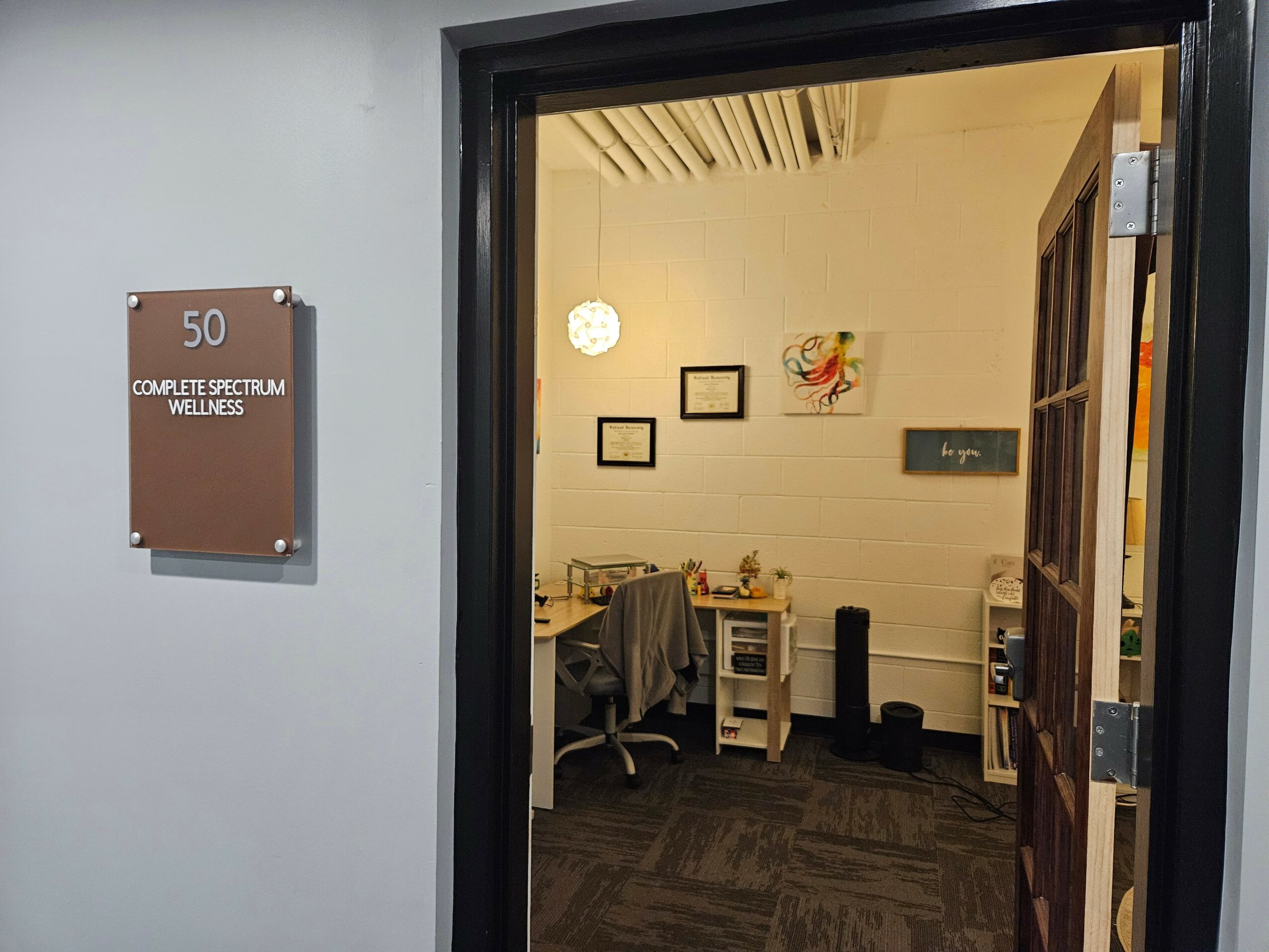
I initially started attending college with the intention of being an education major, but that felt like the wrong fit. While taking a couple of psychology electives, I felt drawn to the field of psychology. I have been told throughout my life that I am someone who people have an easy time opening up to, and being a therapist would allow me to stay in the field of Psychology, so I chose that route. Throughout my career I have worked in non-profit, agency, and private practice settings, and wound up going out on my own in 2022. I felt that I had amassed enough experience to start my own practice at that point.
We all face challenges, but looking back would you describe it as a relatively smooth road?
I had difficulty finding a work setting that felt like the right fit. I’ve finally felt ‘at home’ in my own practice, and things have run a lot more smoothly since then.
Appreciate you sharing that. What else should we know about what you do?
My primary area of focus as a mental health therapist is Neurodiversity Affirmative Therapy. This approach operates from the understanding that brain structures vary vastly from person to person, and no structure (also known as a neurotype) is problematic or wrong. I primarily work with teens and adults who are late identified Autistic and/or ADHD, and have been working with this population for about 7 years. I am a Neurodivergent person myself (meaning I do not have a typical brain), and I feel like I am able to relate to my clients as a result. I am most proud of my ability to offer a unique understanding to my clients that helps them become more comfortable in the therapy space.
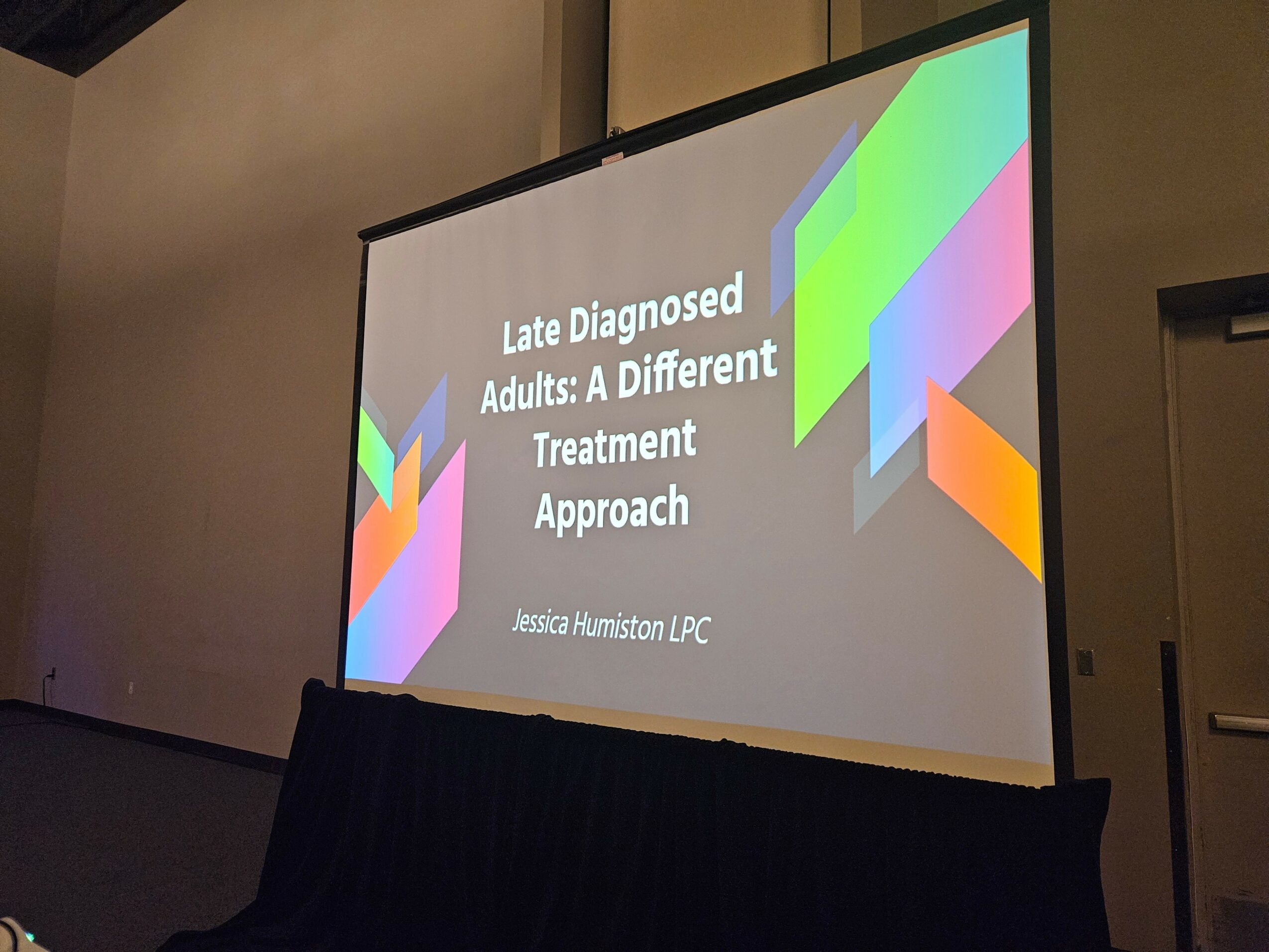
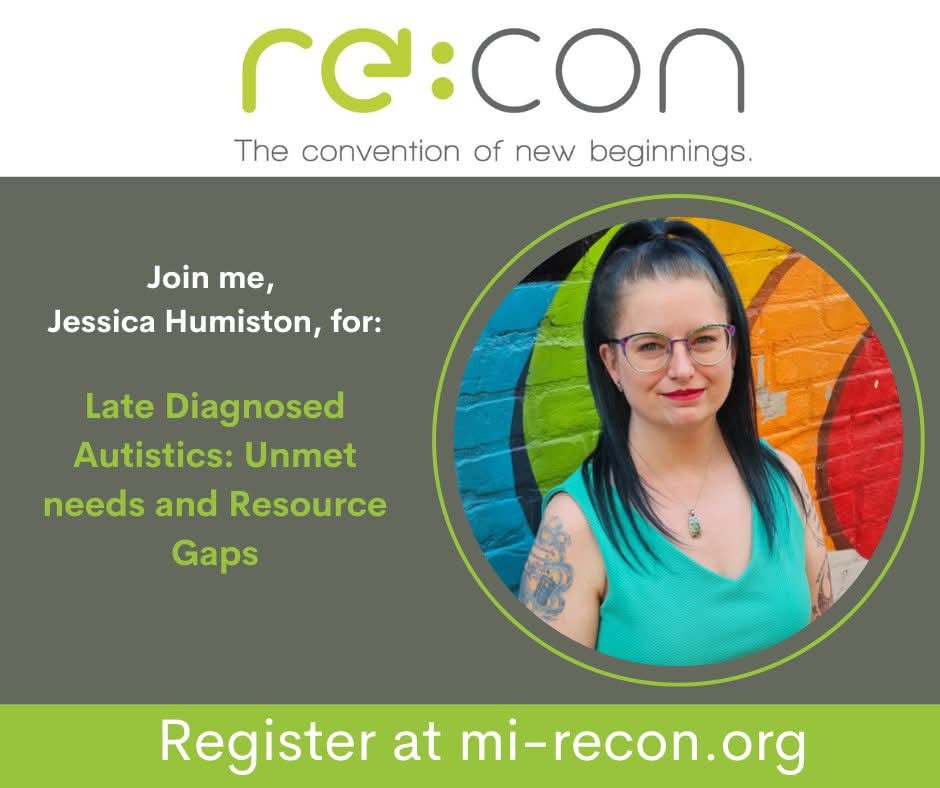
I have also been fortunate enough to present at conferences, including two this year focusing on the specific needs of late identified autistic adults. I really enjoy interacting with conference audiences and being able to share knowledge on a wider scale than what I get when offering therapy. I am also to bring my lived experience as a Neurodivergent person to my presentations, which is a unique perspective in the Michigan conference circuit.
So maybe we end on discussing what matters most to you and why?
Social justice, disability rights in particular, is very important to me. I firmly believe all humans deserve equal access to opportunities, the means to survive, kindness, and the ability to be their authentic selves. I am a disabled person, and have encountered situations where some of these things were not available to me, and I feel it is important that we work to ensure no one has those experiences.
Contact Info:
- Website: https://www.completespectrum.net