




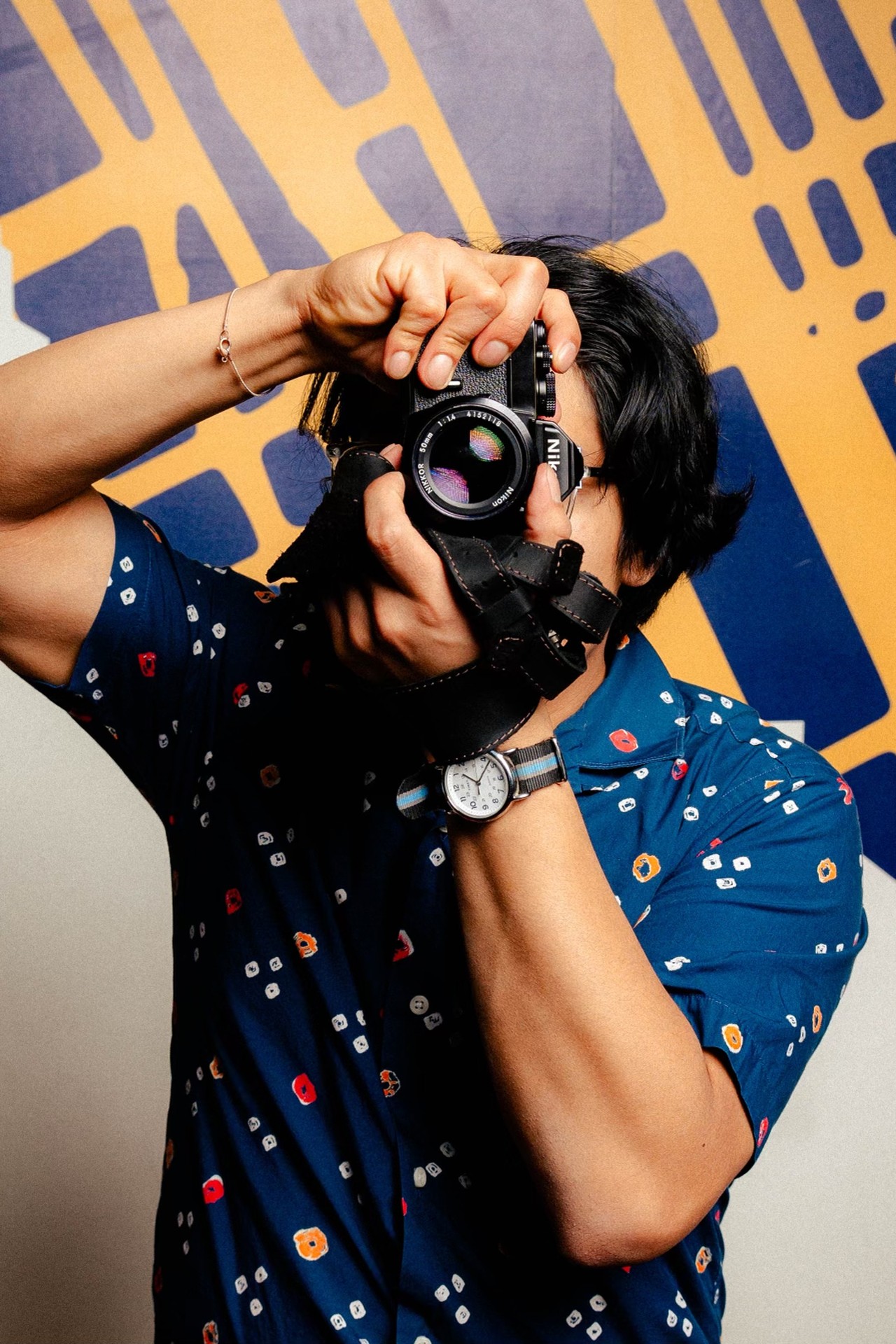
Today we’d like to introduce you to Julio Wagner Tearney.
Hi Julio, can you start by introducing yourself? We’d love to learn more about how you got to where you are today?
I first got started with photography using the family camera. It was a simple point and shoot that made the process a joy and hassle-free experience, much like using a modern phone camera today. But what really pulled me what the excitement of seeing the photos a week later when my mother would drive me to the CVS after receiving the call telling us that the film was developed and ready to be picked up. Seeing those photos after a weeklong of not remembering what was on the roll but only memories to rely on was also a big part of the wonder and curiosity that photography would bring into my life.
However, as my curiosity and creative eye grew, so did my risks. This eventually led to a series of clumsy mistakes—and a few close calls that nearly broke the family camera—that had my parents find me a camera of my own. They made sure it was digital with a good screen for viewing photos, as I didn’t know anything about using computers for photos yet. As I would mention to friends and future professors and mentors, I always found it amusing that they’d hand over something so valuable after all my mistakes. I cherished that camera and it became more than just a tool; it became a secondary window into a world that would exponentially change my life.
Fast forward to my teenage years and I found myself using my mothers trusty Minolta SLR, which taught me more about using settings for creative purposes. These new skills excited me because the results were always much “better” after nailing a shot time and time again. The exploration of these new (to me) photography techniques and skills would have me joining my high school’s advanced photography courses and clubs, eventually leading into college where I would pursue several degrees in photography.
Although my passion carried through college and beyond, I found real growth in communities and people outside of the classrooms and books. About a year after graduating in 2021 I took a huge step away from photography to better align myself with understanding success for myself rather than the industry. This led me to finding a balance between artistic integrity and client expectations—a common challenge that still arises today with hobbyists looking to bridge the gap between enthusiast and serious full time professional.
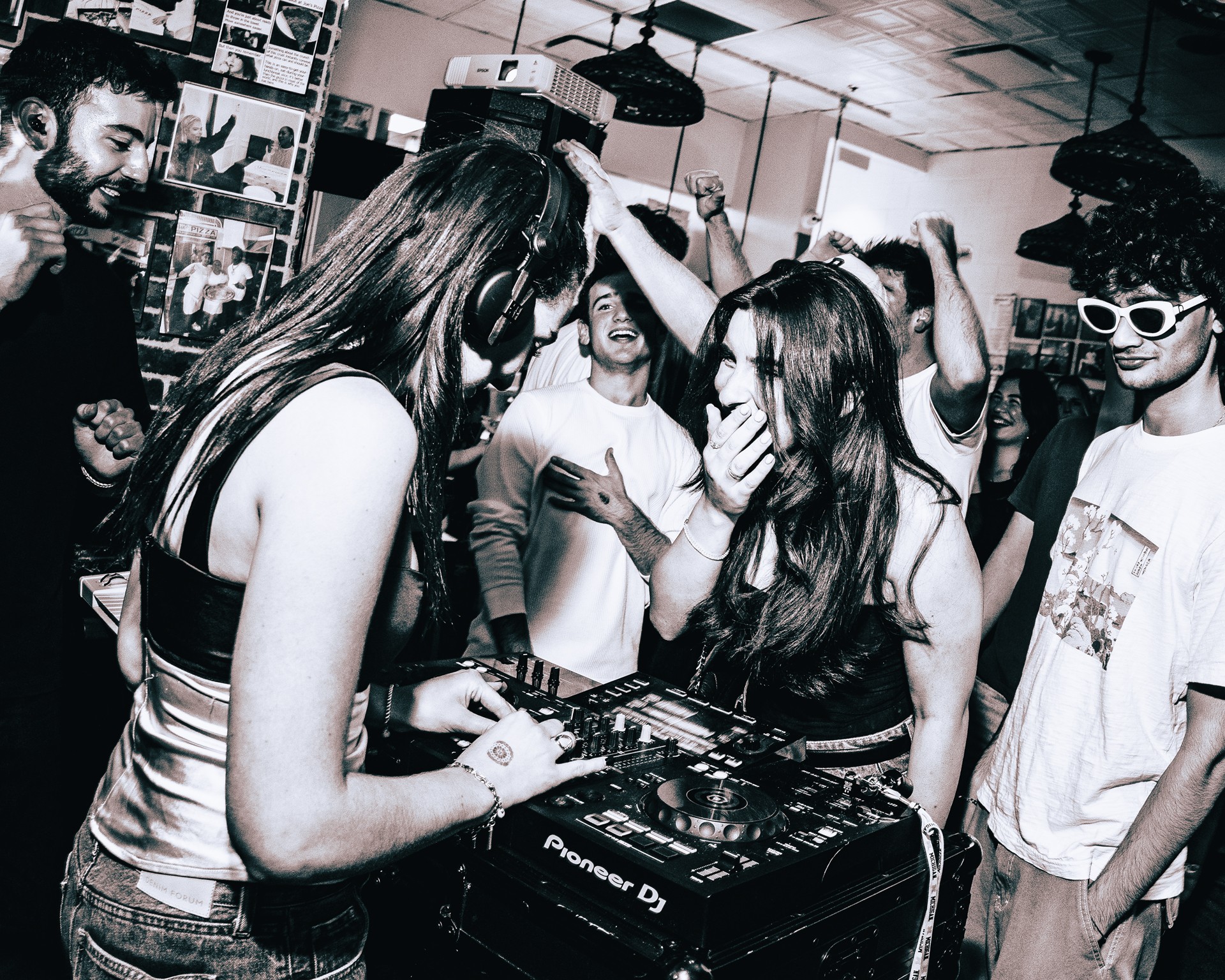
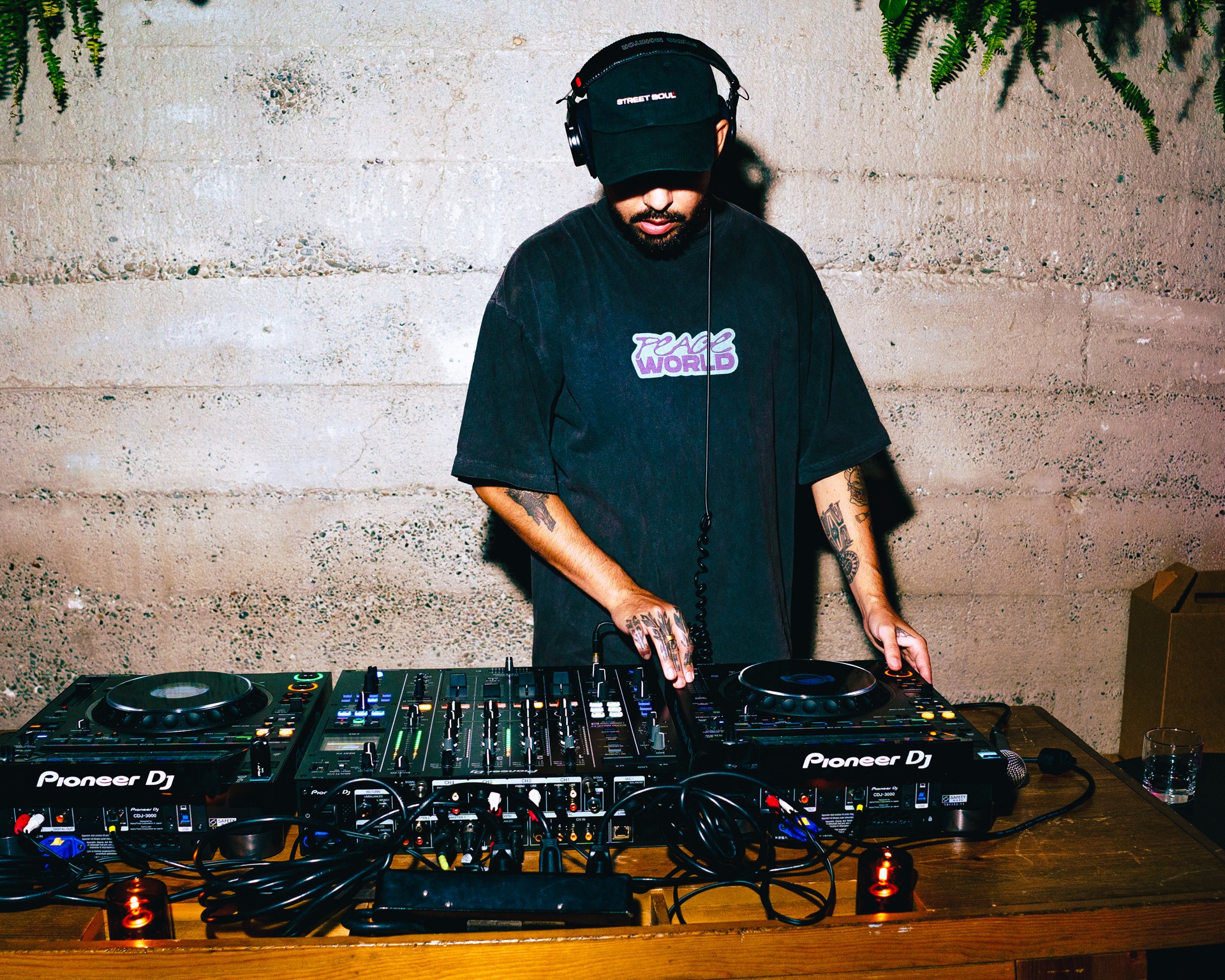
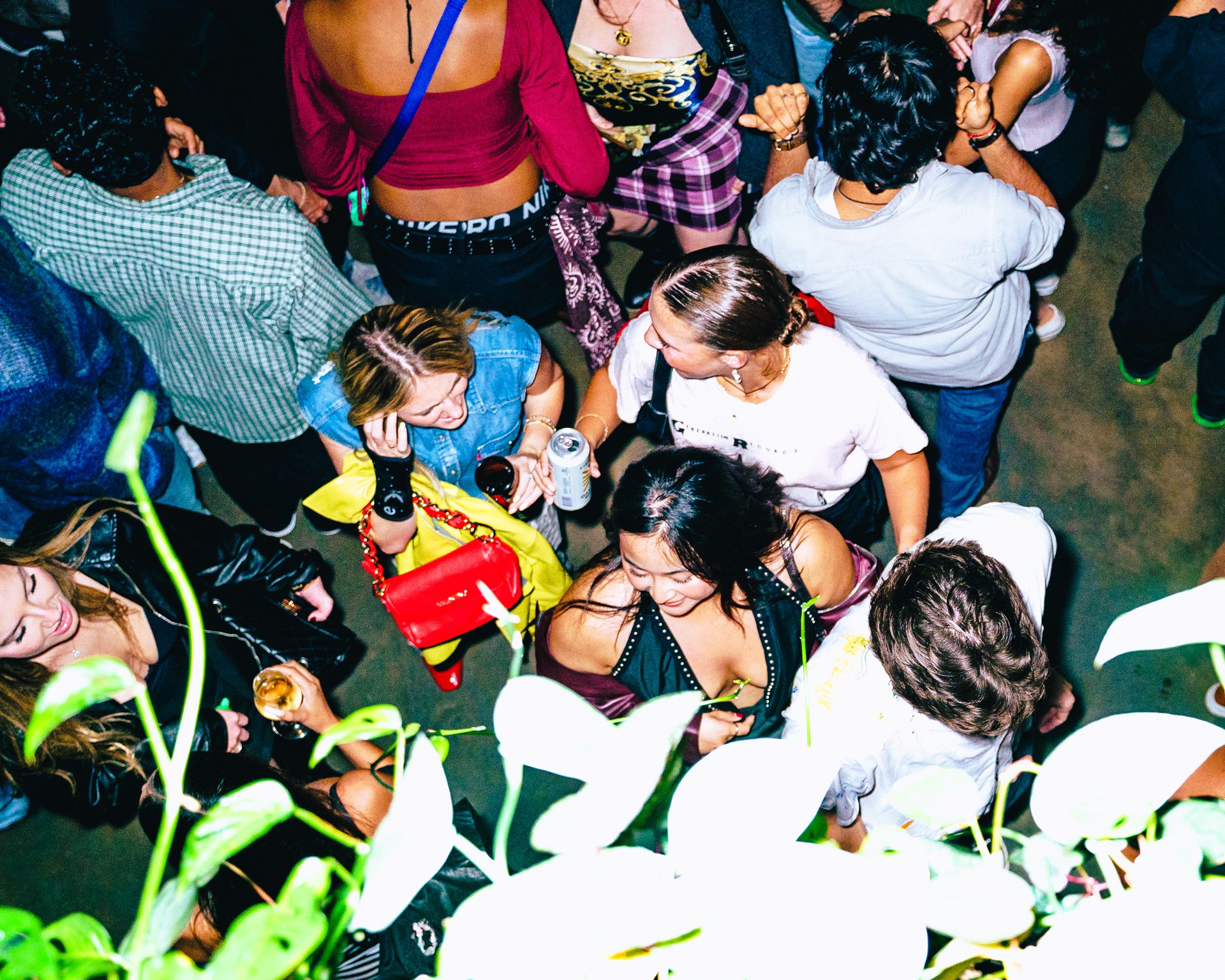
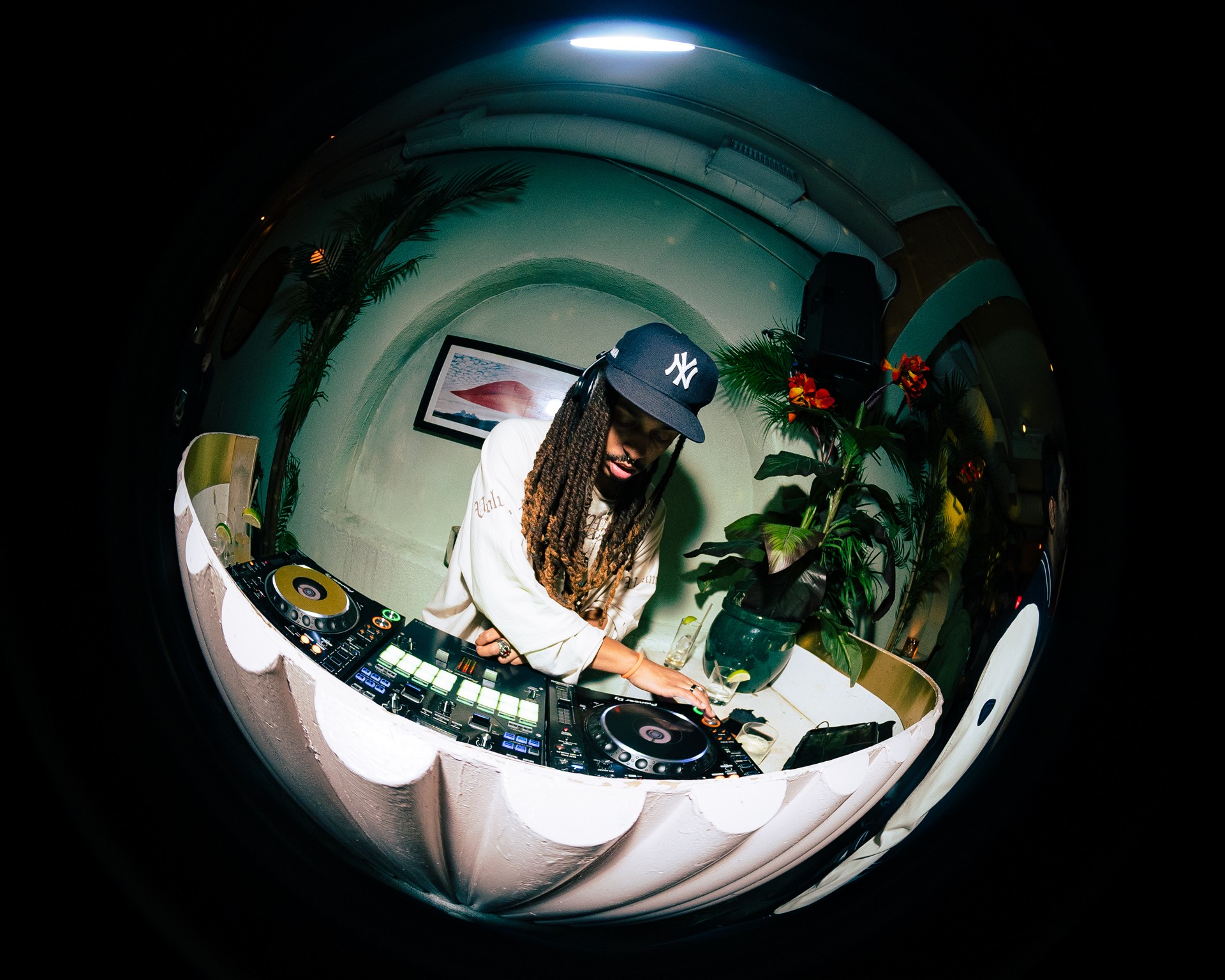
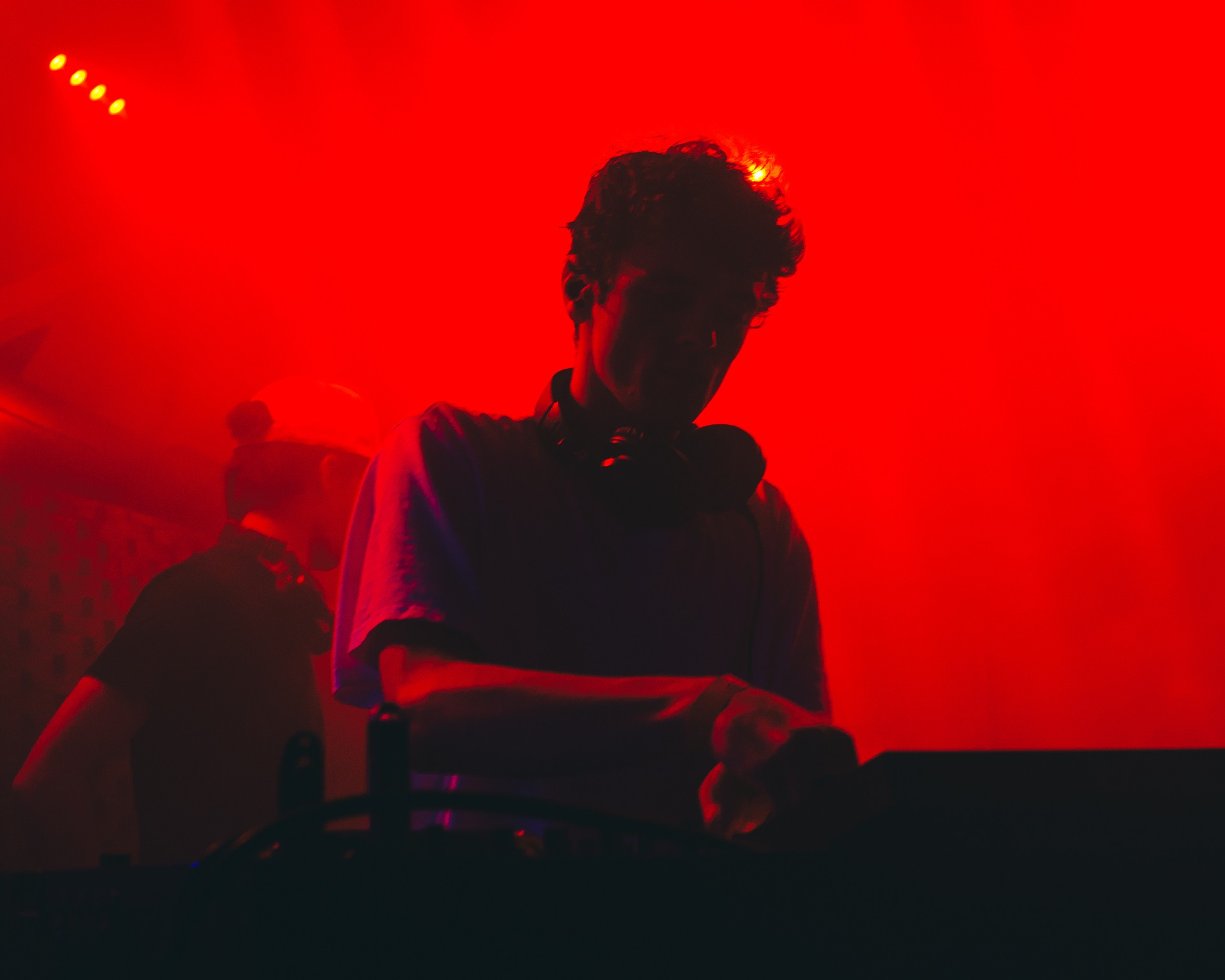
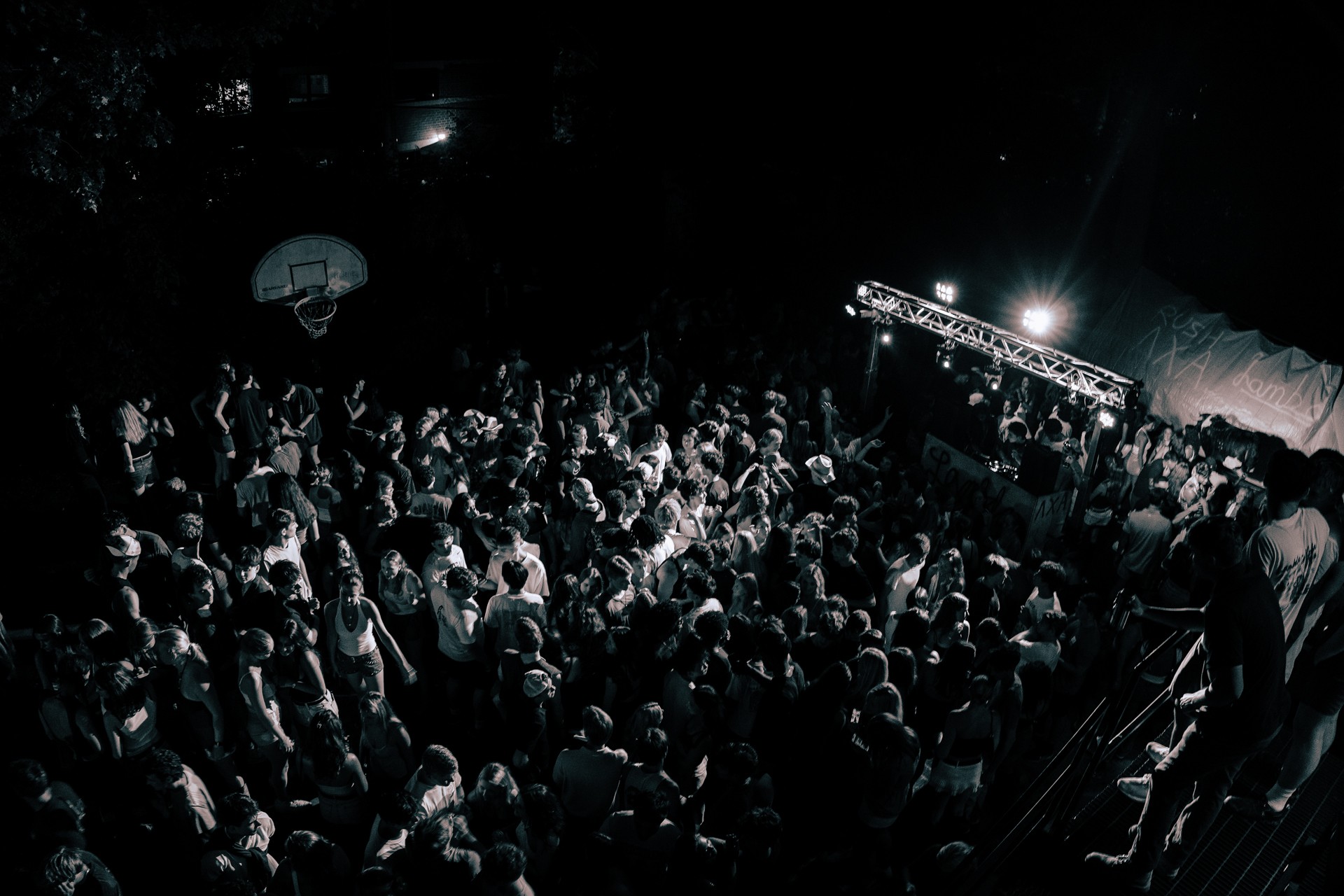
About three years ago, I started carrying my instant film camera everywhere, driven by a simple promise to myself: if clients weren’t interested in my work, I’d give away more than I received. It was a shift in mindset that sparked something new. I’d head out, ask strangers if I could take their portrait, and then hand them the photo moments later. This spontaneous, run-and-gun style of interacting with people felt fresh and freeing—like I was rediscovering photography all over again. Every encounter brought something unexpected, making the process feel raw, honest, and alive. At the time, I hadn’t yet committed to turning photography into more than just a hobby, but this approach eventually led me into the EDM (electronic dance music) scene, where I started documenting shows and sharing my work nearly every weekend for about a year with the crowd, venues, and eventually clients. And just like that, we’re nearly caught up to where my photography journey stands today.
We all face challenges, but looking back would you describe it as a relatively smooth road?
A lot of challenges were brought up by drying the bridge that gap between super enthusiast to a serious professional.
I think back to being a teenager when Instagram had introduced sending messages or DM-ing (direct messaging), as most people nowadays say. I would DM potential models, friends, or just about anyone as I was trying to build a portfolio and get my “ten thousand hours” in. While my peers were in school with a fixed schedule, being in a hybrid homeschool setting allowed me to carve out time to find myself in photography and really explore avenues that otherwise would be filled with lengthy test prep and extra curriculars ( I did actually have a huge passion for classical cello, but that’s a story for a different time).
In the classroom, everything came naturally—but beyond that? It was a different story. And honestly, it still is. If anything, what’s gotten easier is simply understanding how to get from point A to point B. Some of the biggest challenges have always come from working chaotic or unorganized events. With time I’ve come to appreciate those moments because it’s always gigs like those that push you beyond and teach more than anything a classroom or professional could. You often walk away better—not just as a creative or a professional, but as a collaborator and teammate too.
Alright, so let’s switch gears a bit and talk business. What should we know about your work?
As of right now, I do event and nightlife photography for several venues in Michigan. While I still dabble in portraits, much of my professional work in found in the club and nightlife culture of southern Michigan and the Detroit areas.
What I’m honestly most proud of is figuring out how to navigate the world of networking without much of a roadmap. While school gave me the technical foundation it never really touched the messy human part of the process. The brutal reality of trying to turn photography into a sustainable career is not for the faint of heart.
Networking wasn’t even on my radar until much later. I had to fumble my way through awkward introductions, unanswered emails, and events that felt more like popularity contests than creative communities. But every connection I made, I earned. And I’ve come to realize that showing up authentically, even when it’s uncomfortable, is a kind of skill on its own.
Before we let you go, we’ve got to ask if you have any advice for those who are just starting out?
Advice? Honestly, being consistent and always looking for ways in improve what you’re interested in are two very big pieces of what’s helped me along the way. Making connections with people you genuinely want to connect with goes much further than any simple referral will go. Believe me, referrals come with simple consistency and effort.
Beyond that, the biggest thing I would also tell my younger self would be to work with what gear you have and only upgrade once you feel the limits of the gear you already own. Of course, if something breaks then replace it if you can, but upgrading will usually put you in a longer learning period tied to gear rather than live, on-the-job experience and good practice. Practice practice practice.That’s right, You HAVE to learn how to practice before and outside of the paid gigs and events. That way you’re not practicing on the job where you’re expected to be a ready professional.
Contact Info:
- Instagram: https://www.instagram.com/buttonspam/