




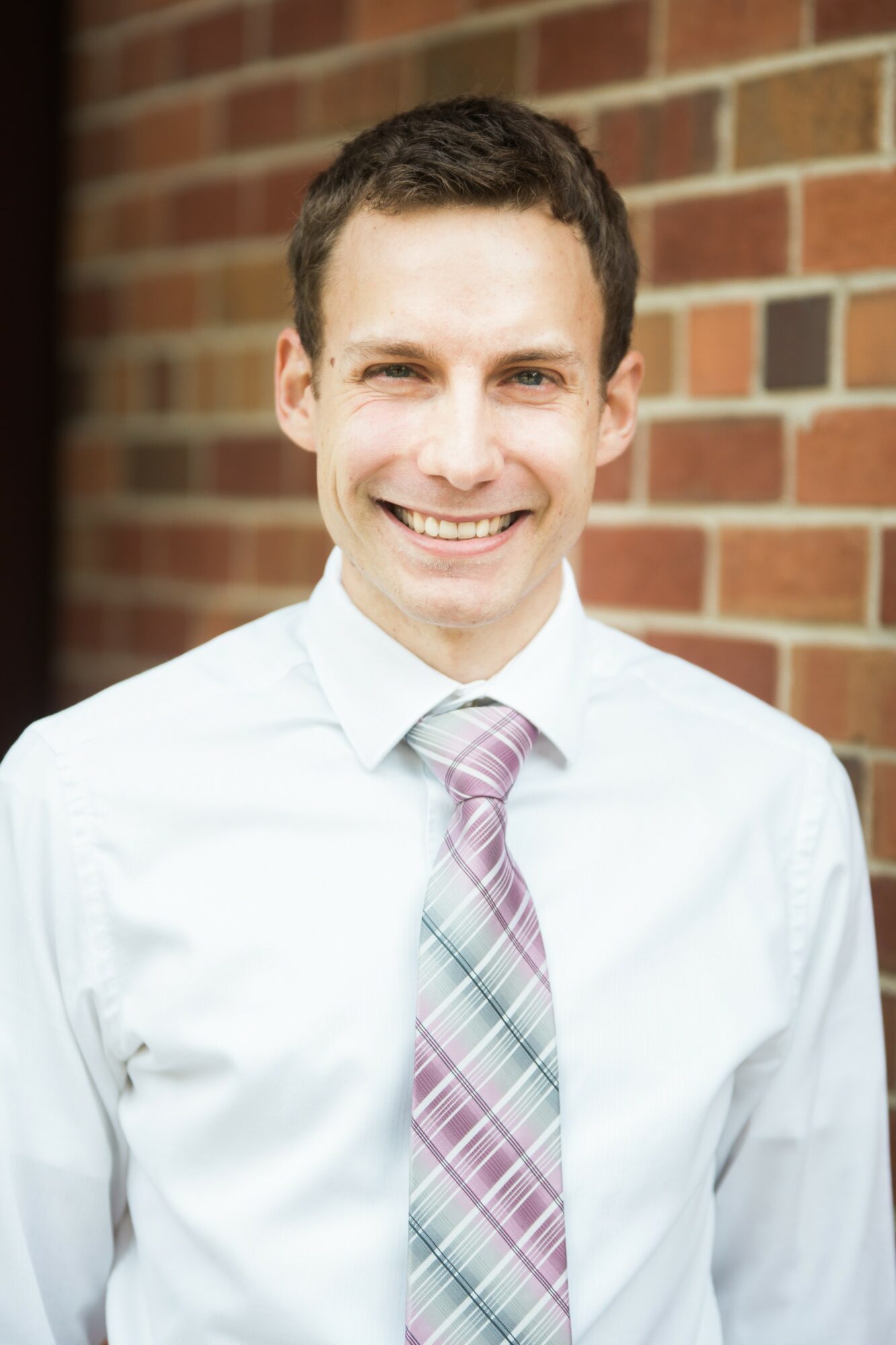
Today we’d like to introduce you to Jacob Haag.
Hi Jacob , can you start by introducing yourself? We’d love to learn more about how you got to where you are today?
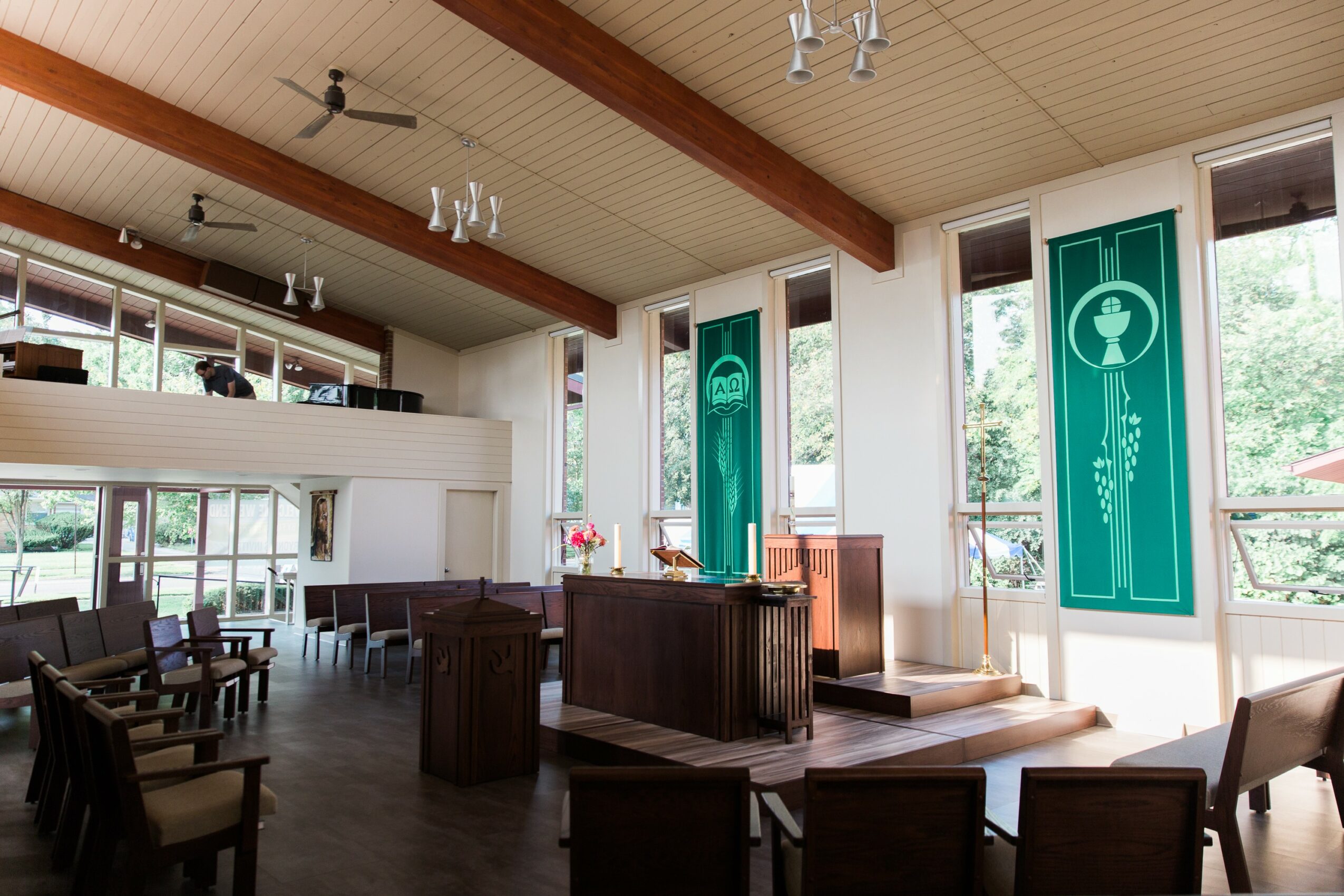
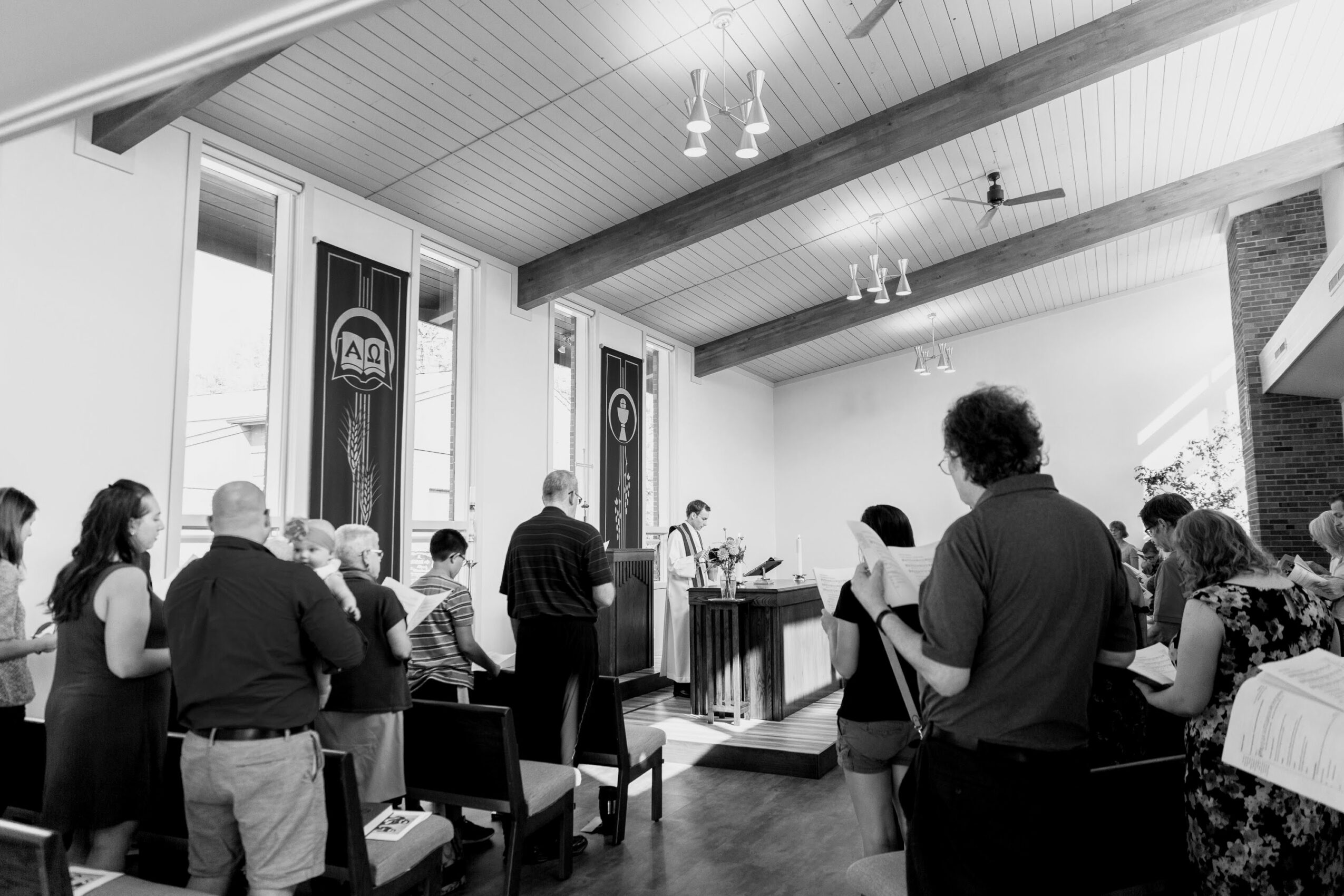
I started as the pastor of Redeemer Lutheran Church in 2015 fresh out of school, with a newly minded masters’ degree. I always was intrigued with the thought of coming to a college town—the academics, the vibrancy, the excitement, the culture, the diversity. Meeting people of such different backgrounds in such a concentrated place … well, it’s exciting, but it’s also a bit intimidating, especially when you are just starting out. How could I ever feel like I’m making an impact on thousands of people? But that’s exactly the point of ministry. It’s about taking the one thing that doesn’t change—God’s message of love, grace, and salvation found in Jesus—and applying that to thousands of different people in thousands of different settings. I’ve always felt like that is the heart of my work, and it’s work that best happens one-on-one. Even though we tend to emphasize our own individualism in America, our own identities, our own feelings, and our own decisions can change. Not only is that an uncertain way to live, but it’s also a very stressful way to live. We all fall short of our own standards and the pressure we put on ourselves. So we need a more solid foundation to root ourselves to, a grander metanarrative to help us make sense of this world. And there’s nothing bigger than God. I’m on the fronts lines of the church, and I’m the first to admit there’s a lot of heartache and pain. But I’ve also seen a lot of beauty in the church. That is what the church is meant to be, a bigger community that is there to support each person and connect them to Jesus’ unchanging direction for their lives that helps them make sense of life’s big questions and big uncertainties. Over the years, I’ve purposefully talked to different kinds of people to hear their perspectives and went back to school to earn a doctorate. The more I study and the more I talk to people, the more I’ve convinced that Christianity is uniquely situated to answer life’s big questions in a very sophisticated kind of way. It might seem like it’s superficial once you’re first exposed to it, but there’s really a lot of depth when you dig deep. It’s made me more convinced that God can still use me, in his own way and his own timing, to make an impact on people.
Can you talk to us a bit about the challenges and lessons you’ve learned along the way. Looking back would you say it’s been easy or smooth in retrospect?
It has been a much smoother road in the church than I thought. The people at my church have been unusually kind, gracious, and supportive of me. The city of Ann Arbor has been a wonderful place to live. But there have been struggles at home. That’s one misnomer to dispel right away—pastors are not these special people who have no problems and pretend like they have their lives all put together. Pastors are people too, just like everyone else. When I started at Redeemer, I was engaged. Then I got married. Then we moved across town. Then we had kids. Now they’re growing up in front of my eyes. All the typical stresses of life—figuring out married life, figuring out where to buy a house, figuring out how to raise kids, figuring out how to manage life when you’re sleep-deprived and stretched thin, figuring out how to communicate well and be patient and present in the moment—all that I’ve had to struggle through, just like many others have. I’ve learned from my mistakes, and now I’ve found that I’m more well-rounded of a person who can relate to more people.
The biggest challenge occurred in the spring of 2021, when my mother died after a seven-year battle with cancer. She died when she was only 61 years old, and I was only 32 at the time. For the first time in my life, death hit very close to me, in my immediate family. I had known for years that day would come, but nothing in the world can really prepare you for the day when you lose the person who brought you into this world. It was the hardest part of my life. Through it all, it led me to remember the kind of person she was and all the sacrifices she made for me. But above all, it led me to remember how she taught me about my Savior Jesus. That was most important to her, and it has become most important to me. It reinforced what I had known for years, but was made all the more vivid to me then—at the end of the day, what matters most is knowing you’ll be with Jesus forever in heaven. Life in the face of death is the unique comfort and confidence the Christian faith gives. This is why being a pastor matters, and this is what gives me motivation to keep on going in my career.
Appreciate you sharing that. What else should we know about what you do?
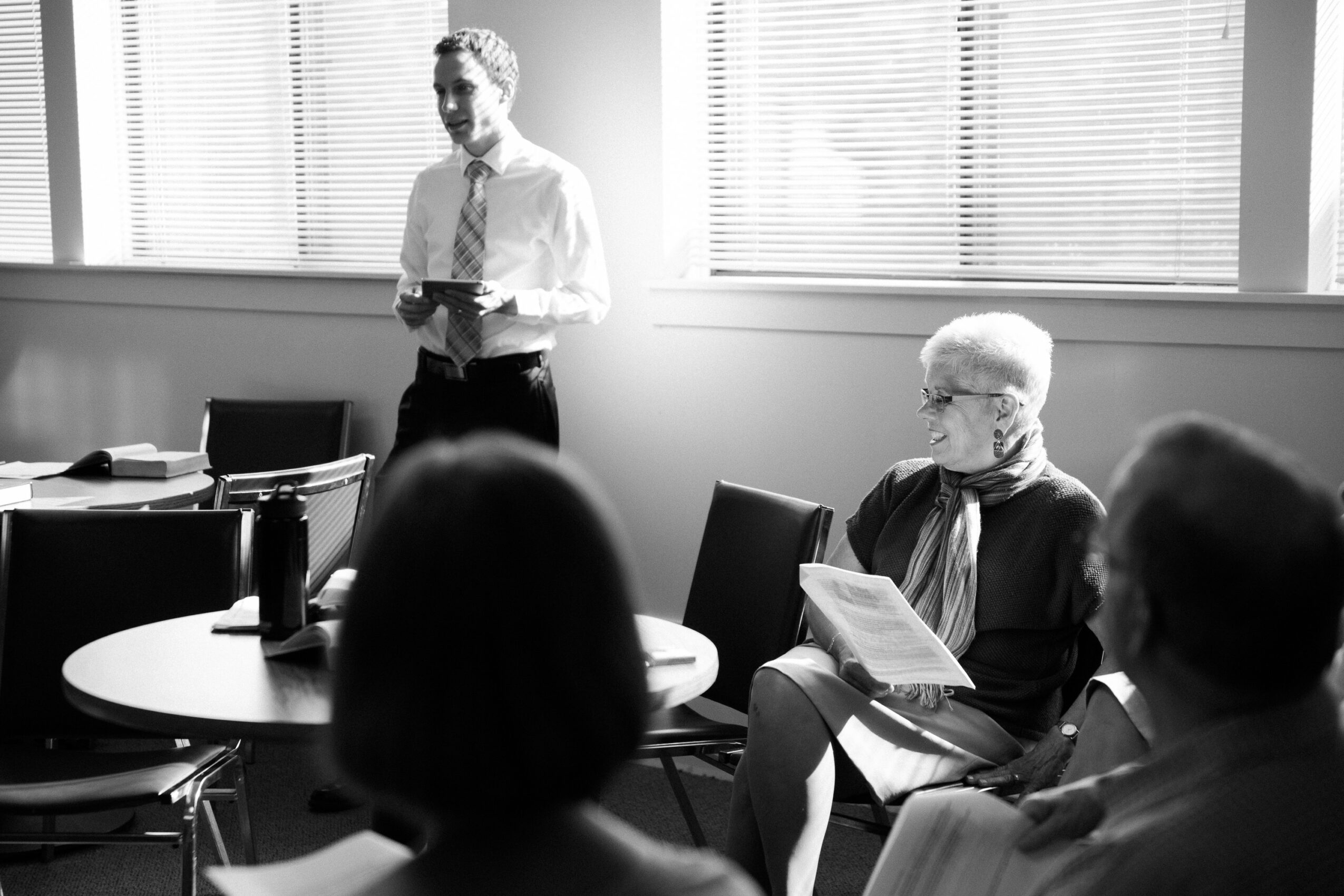
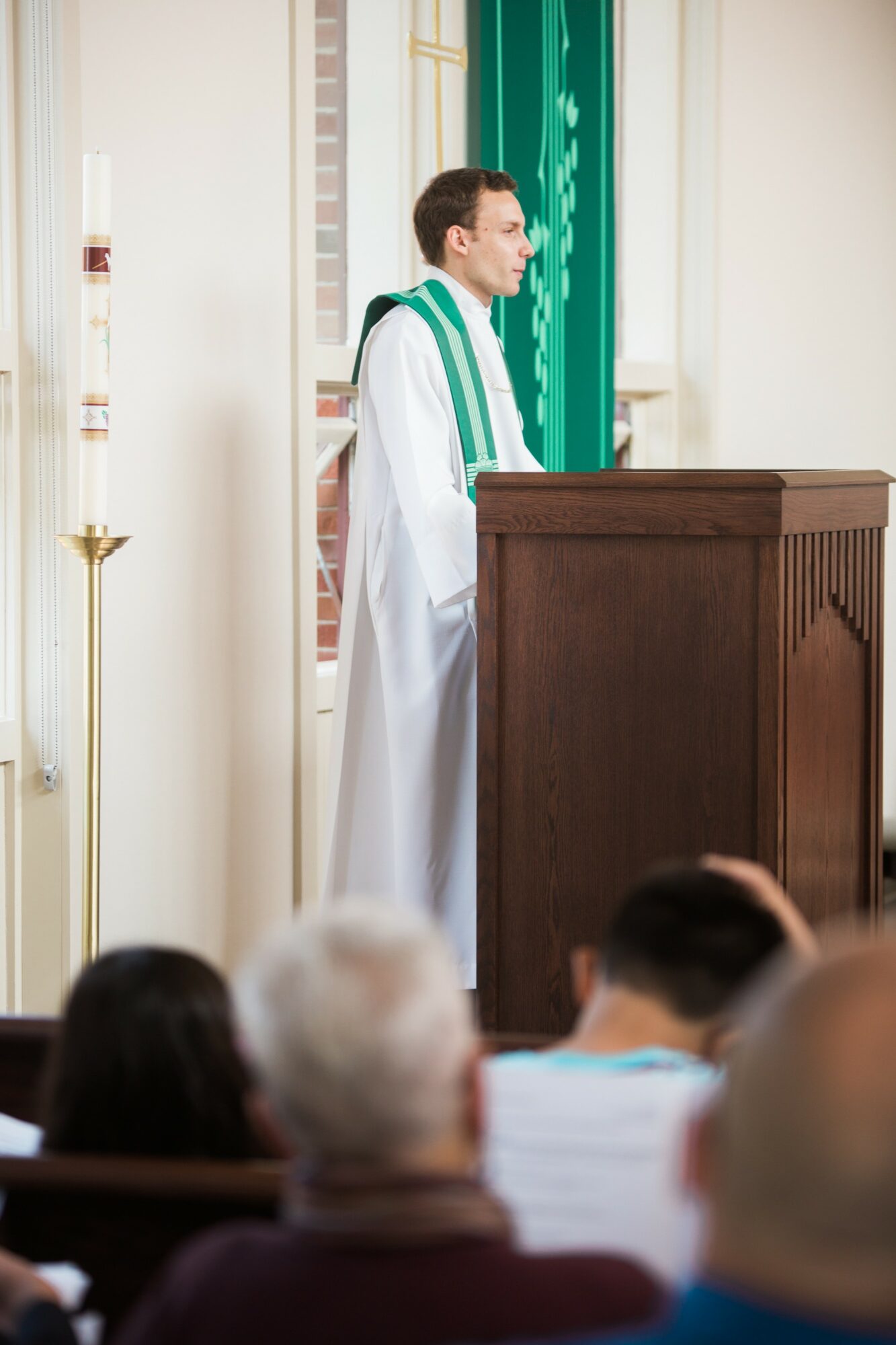
Being a pastor is about two things: loving God’s Word and loving God’s people. That means I split my time studying the Bible during the week and being with people. Our church body puts a premium on training pastors who are proficient in multiple languages, especially the biblical languages of Greek and Hebrew. That means the biggest amount of time I spend each week is my sermon message that I share with people at church. I start by translating and interpreting the text from the original language, so that I can confidently say I’m doing my own work and not simply relying on or regurgitating what others have said. Then I create a theme for my message, outline it, write it, and memorize it. All that comes out to be about twenty hours of work, just for the sermon. I also prep two Bible studies, one for adults and one for teens in middle school. For adults, I try to rotate between something biblical, something doctrinal, something historical, and something practical. There’s also some administrative work to keep things organized, both the week-to-week operations and the long-term strategic planning.
Then there is the people side of things. It could be meeting with University of Michigan students on campus in the evening, or visiting people in the hospital when they are sick, or visiting elderly people in their homes if they can’t come to church, or meeting new neighbors in our neighborhood, or participating in a community service event, or spending time in the homes of our church members, or being there if someone is facing a sudden tragedy or death. There’s always something to do! All the various tasks of a pastor keeps things interesting.
What makes me different is probably two things. First, I went back to school to earn a doctorate. All the time I spend on preaching, week in and week out, made me want to know how to do it better. My research was on the Greek style of exhortation in the New Testament epistles (known as paraenesis), applied to preaching sanctification, or living the Christian life. With so many people frustrated that the church doesn’t practice what it preaches (and very often, rightfully so), I’m convinced it’s all the more important for pastors to know how to encourage their people to put their faith into practice in meaningful ways, in a gospel-centered and Christ-focused kind of way. Second, I spend a lot of time with college students. That means I take a more philosophical approach, one that’s not afraid to talk about the difficult or deep things of life. After all, we all have to ask ourselves those things, sooner or later. I don’t believe pushing it off helps anyone. We all owe it to ourselves to not only know what we believe, but more importantly, why.
Do you have any advice for those looking to network or find a mentor?
Our church body has a mentoring system. I was very thankful for the mentor I had in my early years, who was a very patient, calm, and soft-spoken person. In general, I try to surround myself with people who have gifts in different areas than I do. That forces me to address my weaknesses and forces me to think in new ways.
Contact Info:
- Website: https://rlca2.com
- Facebook: https://facebook.com/rlca2