




Today we’d like to introduce you to Mattie Stewart.
Hi Mattie, thanks for sharing your story with us. To start, maybe you can tell our readers some of your backstory.
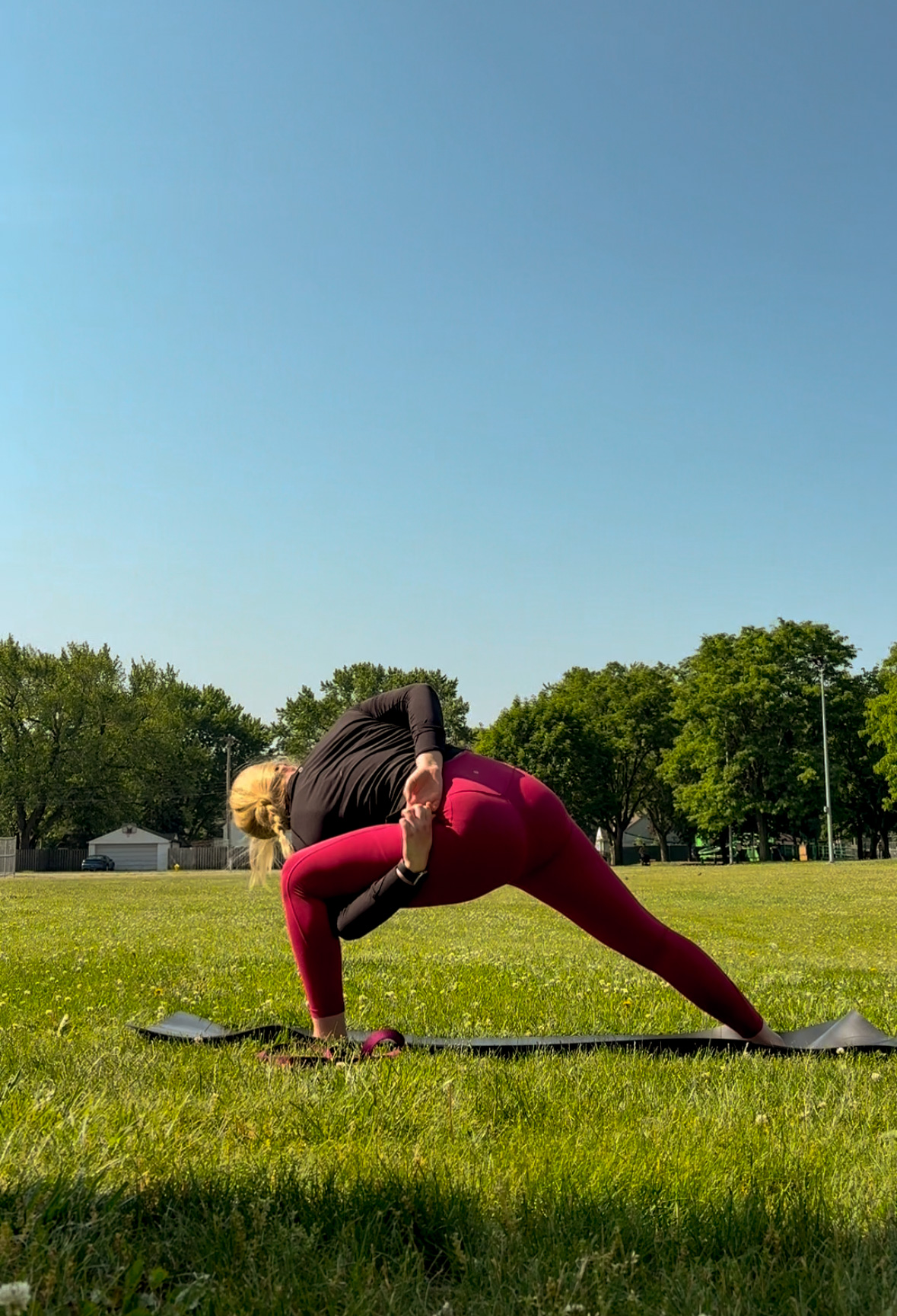
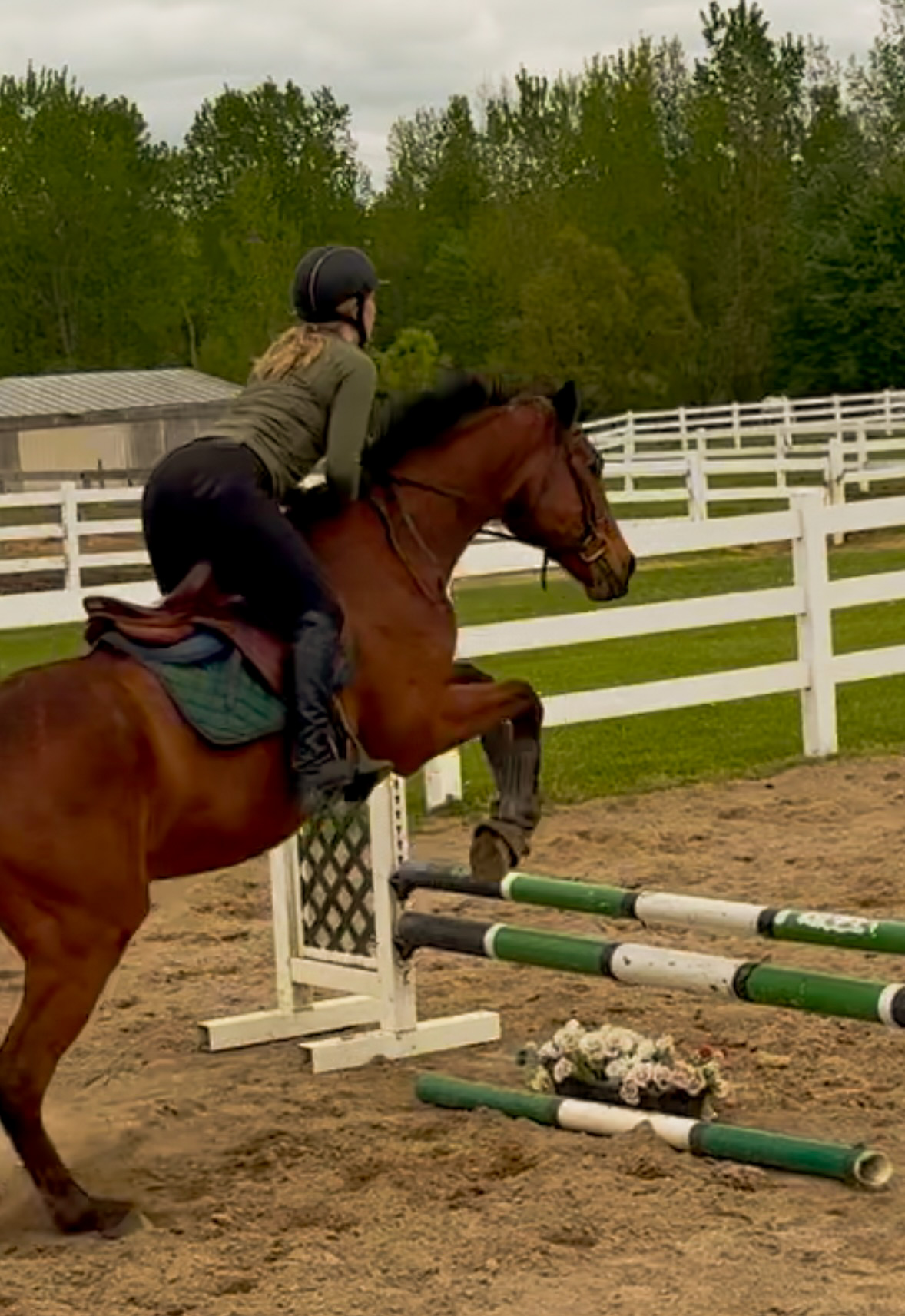
I started practicing yoga consistently after my horse unexpected passed away, shortly before the pandemic. It was something I always had been loosely interested in, but never did much with. When Winnie died, I decided to take the step and take my first in person class.
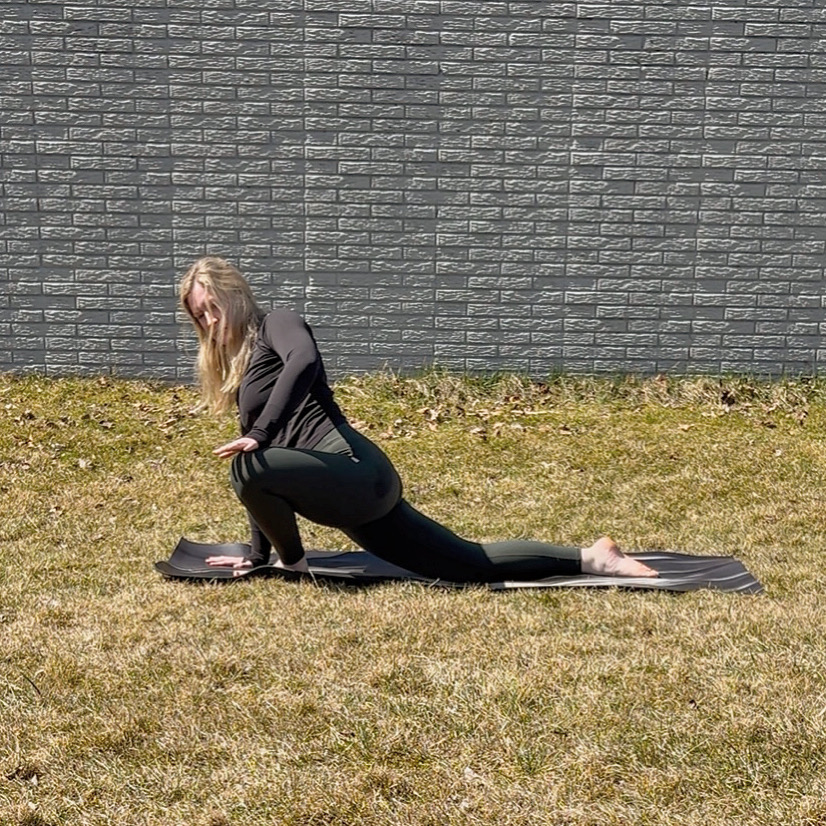
I absolutely fell in love with the practice. Not only did it give me something to do when I no longer had a horse to care for or ride, but it gave me an outlet for my grief. The vinyasa classes were my favorite. They were hard at first. I didn’t really know the poses perfectly well and the transitions were tricky – creative and swift – but I loved the challenge. Fast forward to the end of 2020, I was graduating college, seeking out full time employment, I was still grappling with the fact that I lost my horse, the pandemic was on and off again, I moved to a new town. I was overwhelmed, but I was able to work through it via my yoga practice. It was an incredibly powerful tool for me to work through my mental health and it continues to be today.
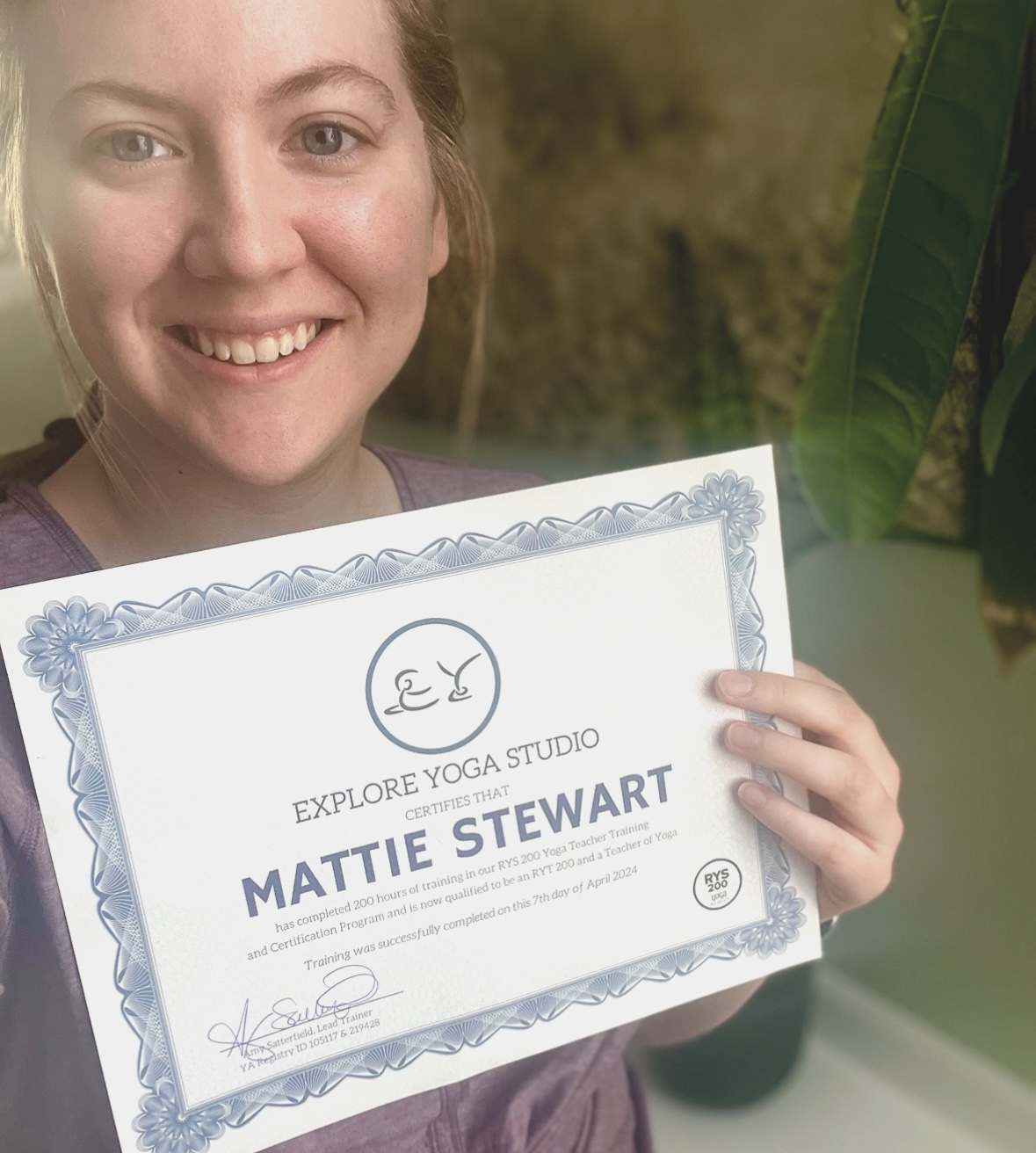
About two or three years into practicing, I knew I wanted to teach and I felt I had grown confident enough in my practice to embark on teacher training. I started my YTT in 2023. It was another busy season: I was working a stressful job, traveling for work, and coming home to weekend training modules. Training was SO fun. I learned so much, I met new people, and had wonderful mentors – the same people whose classes I first took back in 2020 that helped me to fall in love with yoga. As I finished my 200 hours, I found myself subbing the class I had regularly taken since my practice began for my mentor. It felt like a very full circle moment.
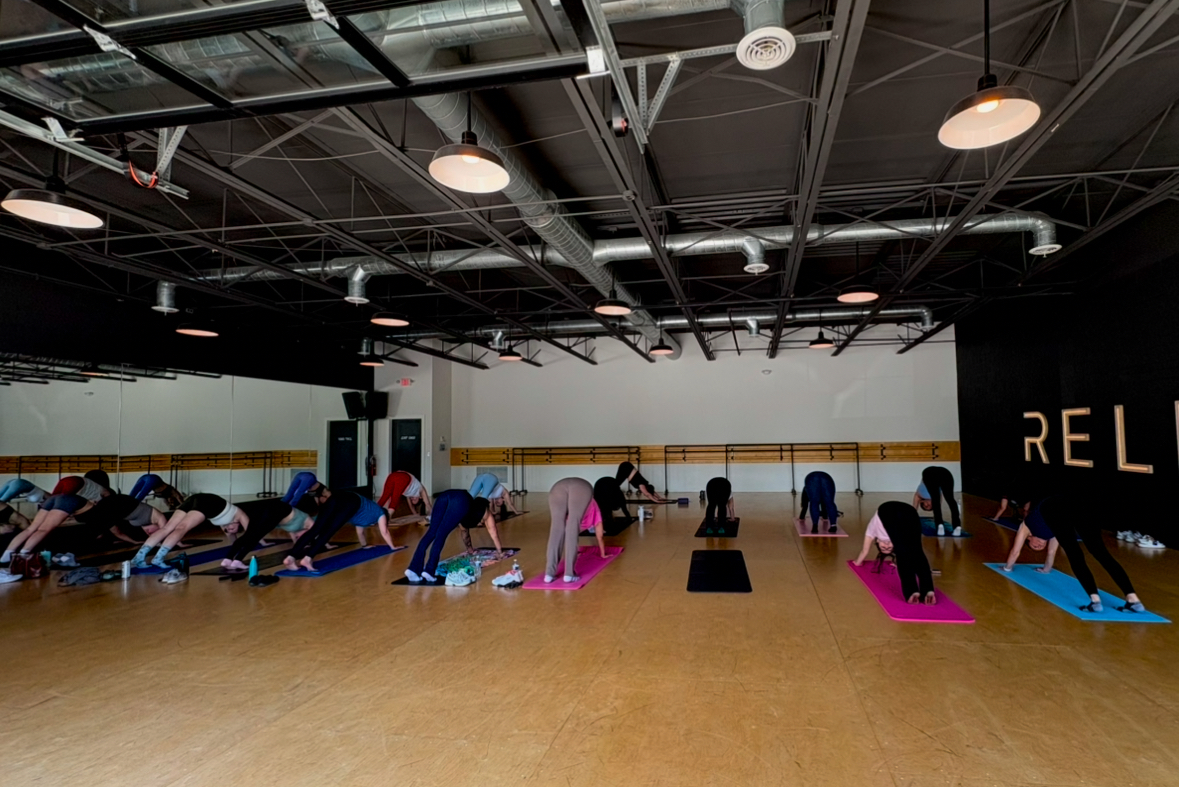
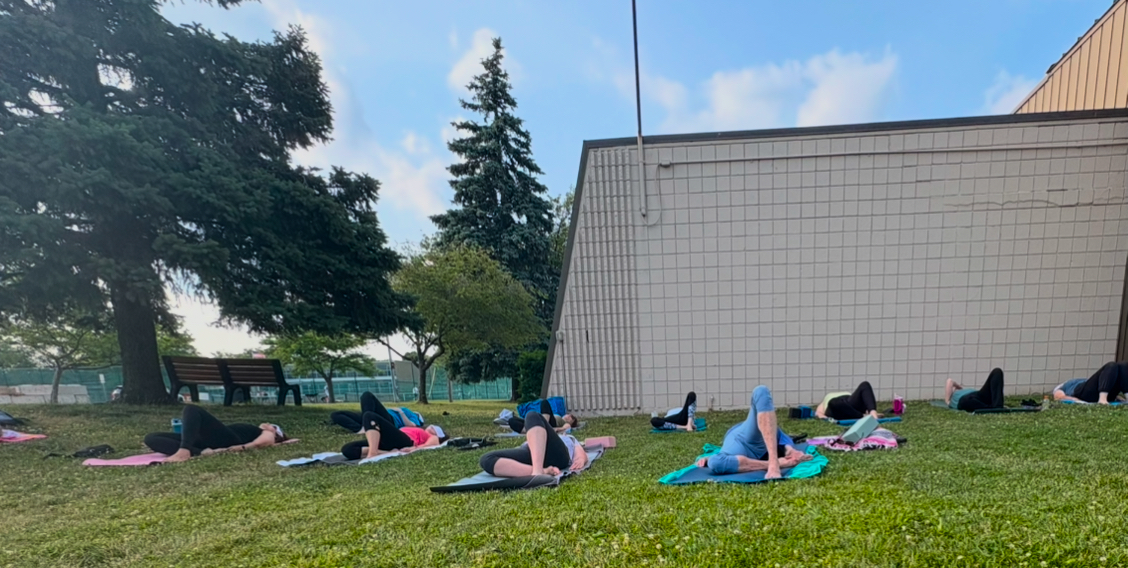
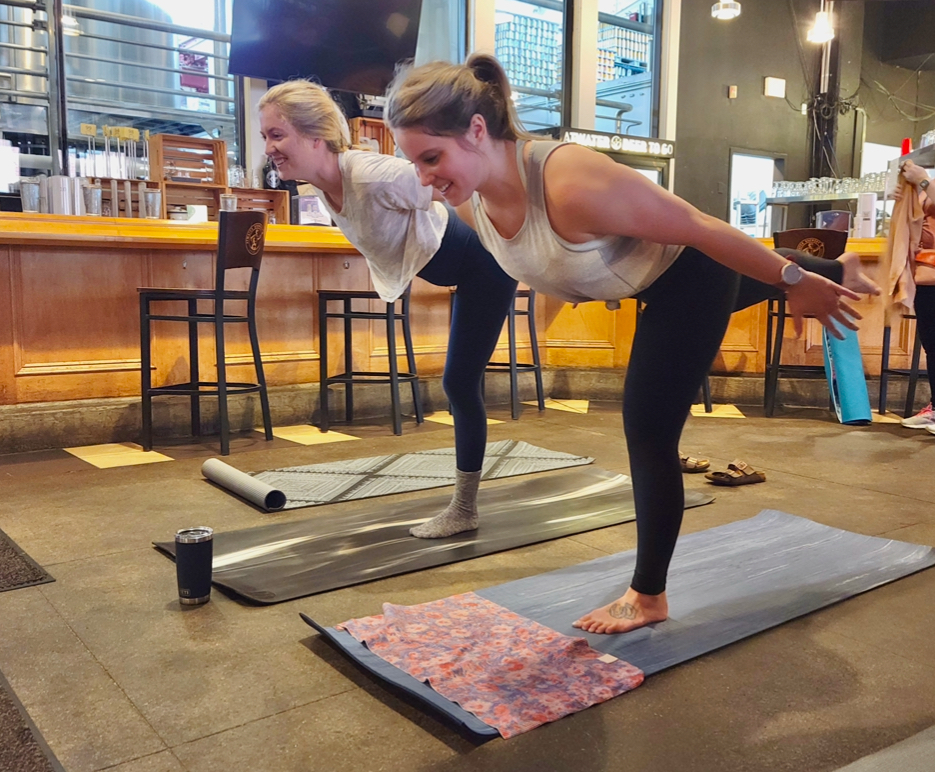
Fast forward to today, I teach at that very studio that I first walked into as a beginner, as well as in the community near to my home. My goal was always to bring yoga into community space with hopes of sharing how impactful the practice can be. I get to do just that every week at the Berkley Community Center through the Parks & Recreation department. I hope to continue to bring more yoga to the Berkley community by working with local businesses in the area. Teaching at the studio is icing on the cake. I get to part of the group of teachers that held space for me all these years, now holding space for the students that practiced along side me each week, and still do.
I’m sure it wasn’t obstacle-free, but would you say the journey has been fairly smooth so far?
There are always challenges. Days where you don’t want to show up to your mat. Poses that come easy one day and then don’t the next, or maybe they never come at all. But that’s why we practice, to observe our reaction to the tough times and work through it.
Learning to teach – not learning the poses or sequencing a class, but physically teaching, talking through a class, talking loud enough, remembering what comes next – was a tough one. I knew my classes were good on paper, but translating that to a an eloquently presented class took time, time that I was feeling impatient with. I felt shaky and unsure as I led students through classes. I’d say it took about a year to feel good about what I was teaching and how I was teaching it. I’m sure I will look back to today in two years and say “wow, I can’t believe that was my flow or my theme for class” but I suppose that’s growth!
Recently, I was furloughed from my day job. I’ve enjoyed the time I’ve been able to spend picking up more classes to teacher, taking more classes, studying, etc., but it has certainly presented me with an conflicting perspective. Teaching right now almost does feel like my job, rather than a passion or a hobby, which has what it’s always been. I’ve had to remember to enjoy myself, rather than add pressure or push myself to a point where my teaching is no longer authentic to me.
On challenges in general, being the practice that yoga is, I work to not take things personally and look at everything as an opportunity rather than a set back. Easier said than done, but that’s why it’s a practice.
Appreciate you sharing that. What else should we know about what you do?
As a yoga teacher, I prioritize authenticity, inclusion, and safety with each of my classes.
I have to teach every class in a way that feels genuine to me. If I force a flow, a sequence, or a theme that I don’t believe in, then I cannot expect students to show up in a way that is authentic to them. Yoga is a personal practice. Everyone should show up for themselves, as themselves, and that starts with me.
Satya, one of the Yamas, means “truthfulness.” I aim to live and teach truthfully and I encourage my students to do the same. Be true to yourself on the mat by asking yourself what you need of your practice. This notion can be easily transferred off the mat by asking oneself what they need versus what they want in any given moment and being really honest to themself.
I want every person that rolls out their mat to feel included, whether that means their personal identity, their experience with yoga or movement, or mobility restrictions. I strive for my classes to be accessible for all. A challenge is good, even desirable at times, but they must feel that they are seen above all. Students should feel comfortable on their own mats to do what serves them – modify, intensify, rest. Taking what they need or excluding what they don’t (how many times have you heard your yoga teacher say that in class?)
Transitions need to be well through out and cueing needs to be considerate of every body so that there are no physical injuries. Though much deeper than the asanas – the physical poses – its critical students are not put into shapes or moved from one to another in such a way that can cause harm. Ahimisa is the Sanskrit word for “non violence,” one of the many principles of yoga. As a teacher, I feel I must practice Ahimisa by doing no harm to my students.
Lastly, but certainly high on the list of my priorities, I strive for each my classes to include yoga philosophy or “dharma talks.” Yoga without the philosophy can still be yoga, sure, but why not include more? You learn when you take your 200 hour teaching training that you’re really only scratching the surface. We, as teachers, have the opportunity to introduce or deep dive into so many topics that have the ability to resonate with students, offering them insights or tools to practice yoga off the mat. Yoga IS so much more than the poses and weaving themes into the poses, offering tidbits of knowledge or history, is not only so fun, but can really leave students with something more than movement.
I’m really passionate about teaching classes that leave students feeling good about themselves, feeling strong, mentally and emotionally lighter, and maybe having shared something new with them about yoga or with a new thought provoking class theme.
Can you talk to us a bit about the role of luck?
I don’t know about luck, per se, but I do feel the stars have aligned for me on my journey to practice and teach. From losing my horse, Winnie, to finding yoga at a place in my life where I really needed to develop a practice to manage my mental health, to the opportunity for training coming at a point where I felt confident enough in my practice to jump into the world of teaching. The timing has all seemed to work out. Perhaps that is my glass half full yoga brain talking, but I do feel like everything has happened in an intentional way.
Pricing:
- Drop in class at Explore Yoga: $18
- Drop in class through Berkley Parks: $10
- Private group class (team event, bachelorette/birthday party, etc.): $75-125
- Corporate class: $125-200
Contact Info:
- Website: https://sites.google.com/view/mattiestewartyoga
- Instagram: https://www.instagram.com/mattiestewartyoga/
- Other: Email: mattiestewartyoga@gmail.com